Artwork
Woman by the veranda Steps
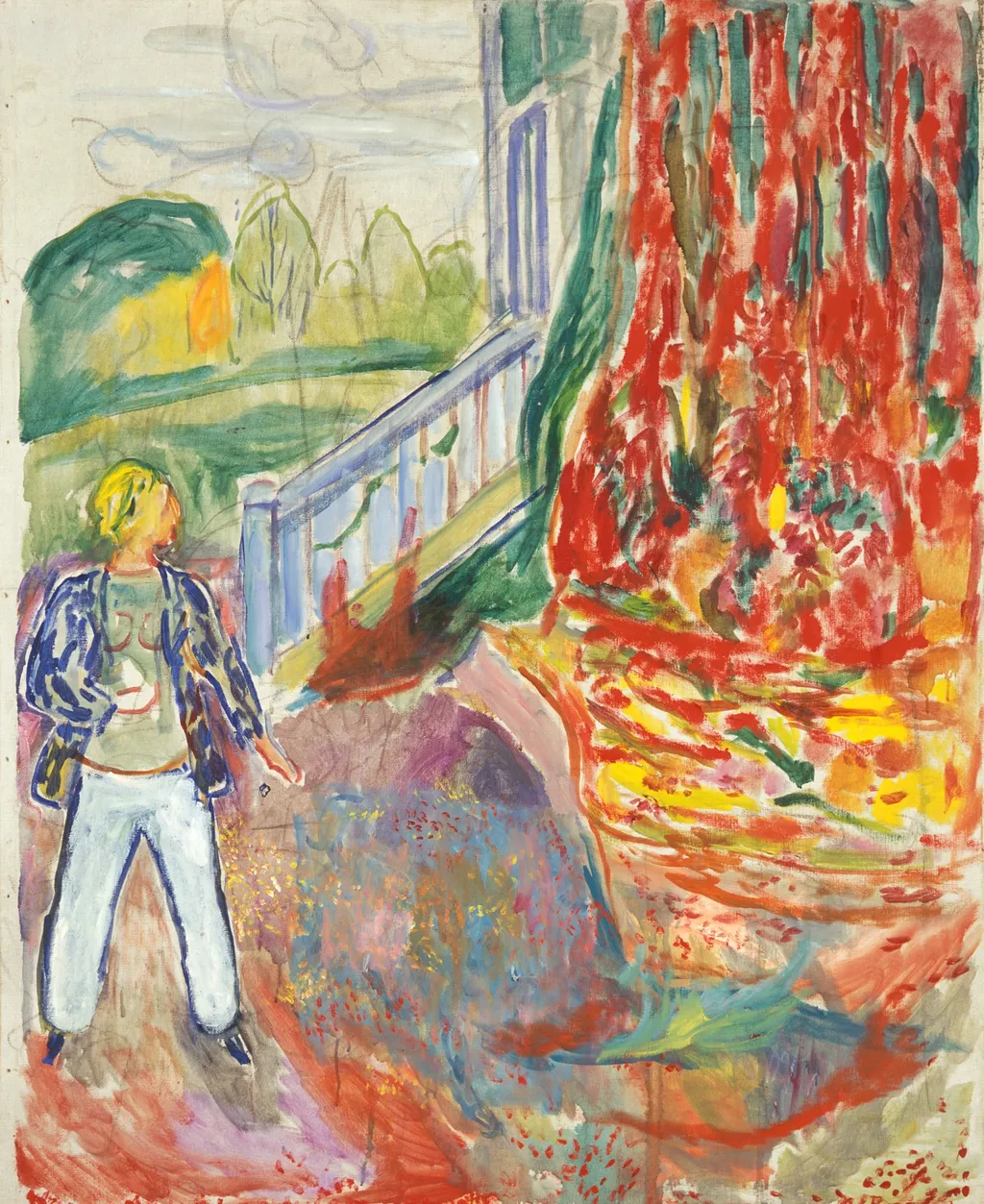
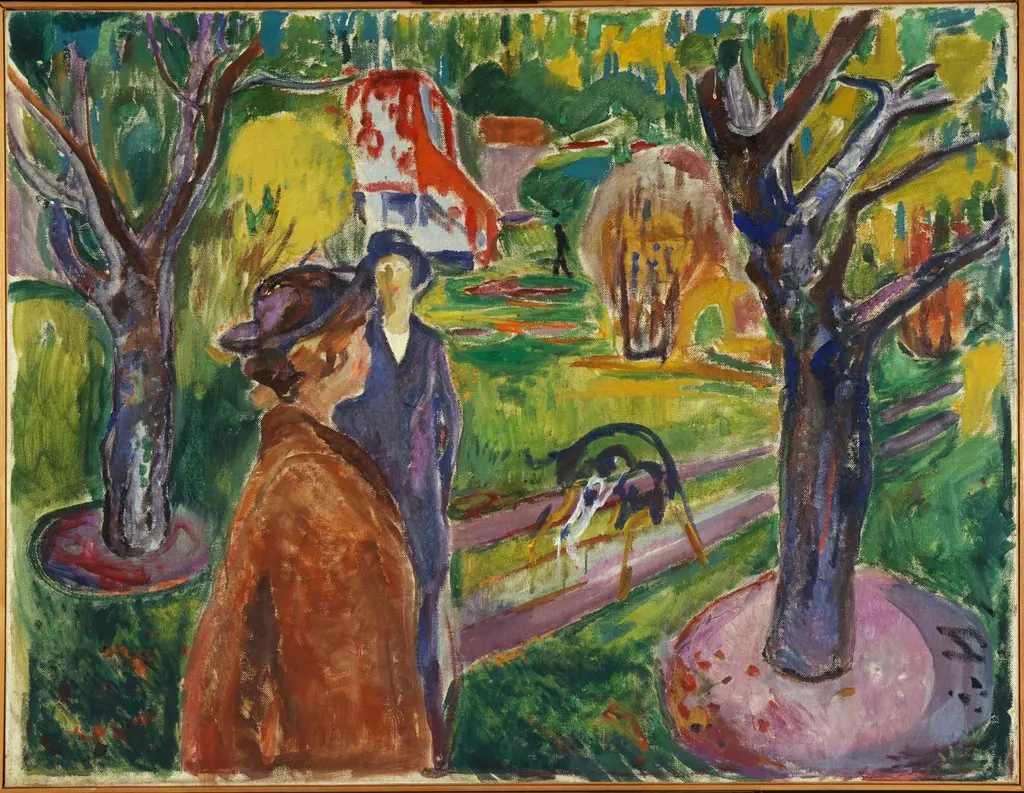
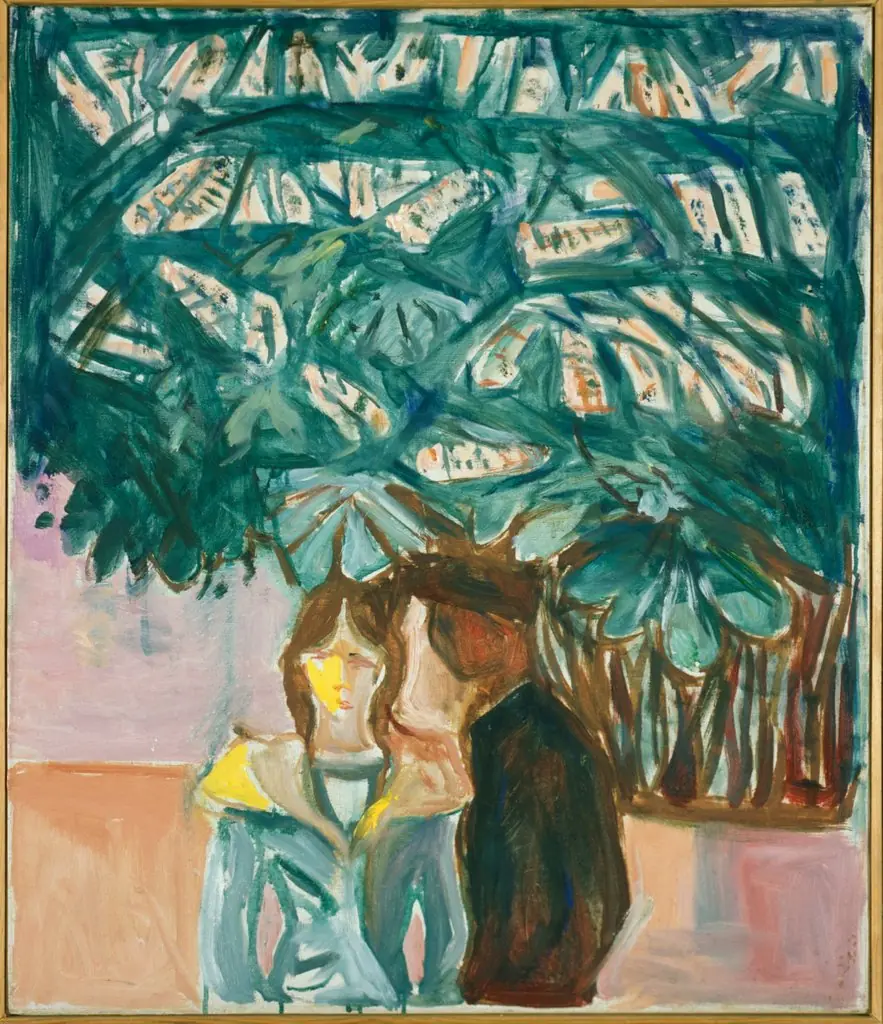
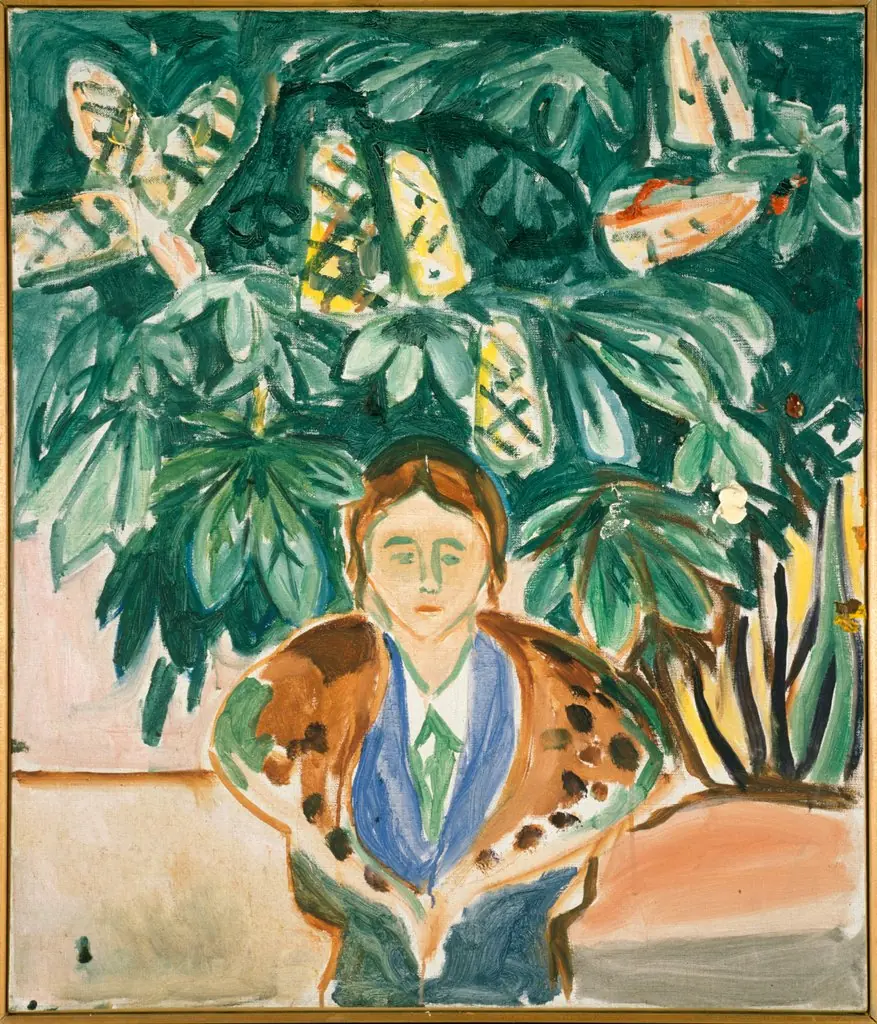
Woman by the veranda Steps is an oil painting by the Post-Impressionist artist Edvard Munch. It dates from 1942 and is held in the collection of the Munch Museum.
About this work
Overview
The painting is part of the Munch Museum’s permanent collection, preserving his evolving engagement with solitude and the domestic landscape in his later years.
Painted in 1942, Woman by the Veranda Steps is one of Edvard Munch’s later oil works, created during his final decades in Norway. Though less known than his earlier pieces, it reflects his sustained interest in quiet, introspective moments. The painting is part of the Munch Museum’s permanent collection, preserving his evolving engagement with solitude and the domestic landscape in his later years.
Subject & Meaning
A solitary woman stands on a staircase, hands at her sides, gazing to the right with a composed, inward expression. Her stillness and the uneventful setting suggest contemplation rather than narrative. Munch avoids dramatic tension, instead focusing on the weight of presence, a quiet meditation on isolation and the passage of time, recurring themes in his mature work.
Technique & Style
Munch employs loose, expressive brushwork to define form and atmosphere. The background blends muted reds, yellows, and greens in broad strokes, suggesting foliage and light without detail. The staircase and railing are simplified, their lines guiding the eye while maintaining a sense of spatial depth.
The figure’s clothing is rendered with restrained tones, anchoring her in the scene without drawing attention to texture or fabric.
History & Provenance
Created in 1942, the painting remained in Munch’s possession until his death in 1944. It was later transferred to the Munch Museum in Oslo, established to house his personal collection. The work’s provenance is well-documented, reflecting Munch’s deliberate curation of his legacy and his preference for keeping intimate, personal compositions within his own sphere.
Context
In the final years of his life, Munch lived in relative seclusion at his estate in Ekely, where he painted daily. Woman by the Veranda Steps emerged from this period of reflection, away from public acclaim. The domestic setting and subdued palette align with his shift toward quieter subjects, gardens, interiors, and solitary figures, as he confronted aging and mortality.
Legacy
Though not widely exhibited, the painting contributes to understanding Munch’s late style, less about psychological torment, more about stillness and endurance. It reveals how his visual language evolved from expressionist intensity to a more restrained, contemplative form, influencing later Nordic artists who sought emotional depth in everyday scenes.
Own this work as a print
Artist & collection
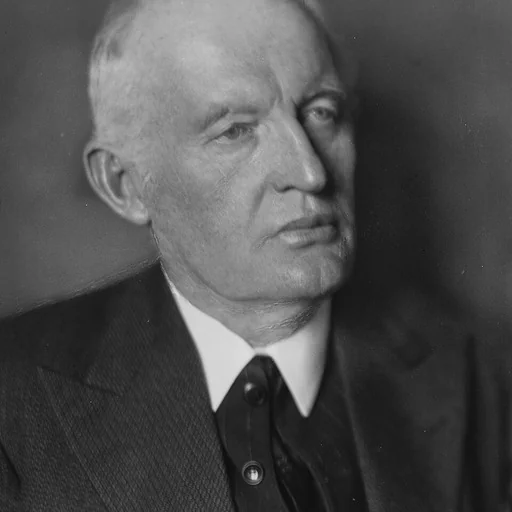
Artist
Edvard Munch ( MUUNK; Norwegian:; 12 December 1863 – 23 January 1944) was a Norwegian painter.