Artwork
John Payne Todd
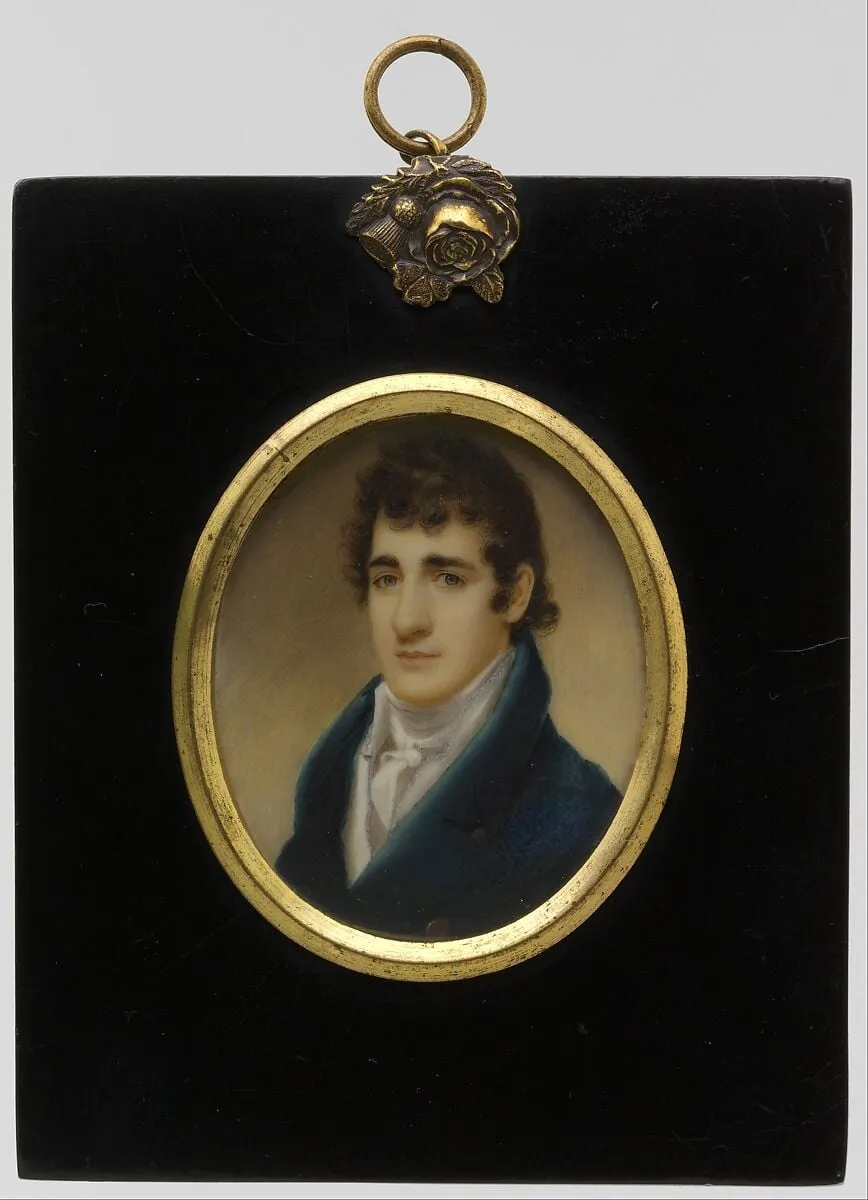
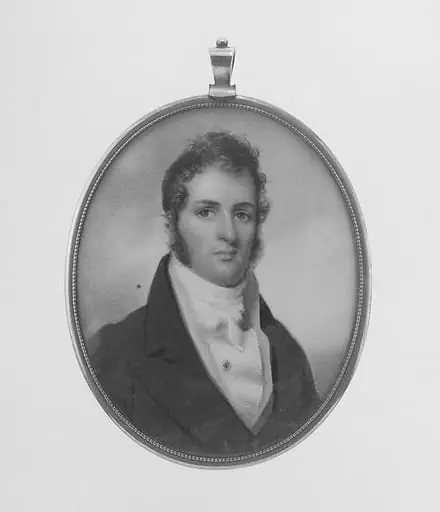
John Payne Todd is a watercolor painting by the American Folk Art artist Joseph Wood. It dates from 1817 and is held in the collection of the Metropolitan Museum of Art.
About this work
Technique & Style
The composition centers on a three-quarter view of the sitter, employing a restrained palette and careful attention to physiognomic detail to convey likeness.
The miniature is executed in watercolor on ivory, a standard support for early nineteenth-century American portrait miniatures, and measures 6.7 cm in height by 5.26 cm in width. The handling is refined, with delicate brushwork used to articulate facial features and costume details, consistent with Joseph Wood’s practice of layering translucent washes to achieve subtle tonal transitions. The composition centers on a three-quarter view of the sitter, employing a restrained palette and careful attention to physiognomic detail to convey likeness.
No evidence of significant damage or restoration is indicated in the record, suggesting the work remains in good condition.
History & Provenance
The miniature portrait of John Payne Todd attributed to Joseph Wood dates to 1817 and was created in watercolor on ivory. It entered the Metropolitan Museum of Art collection as a portrait of John Payne Todd, measuring 6.7 cm in height and 5.26 cm in width. The work is classified within the museum’s portrait genre and depicts the sitter in a frontal pose.
No record of a specific commission or early ownership chain beyond its attribution and accession to the museum is provided in the cited sources.
The portrait of John Payne Todd attributed to Joseph Wood (1817) is held by The Metropolitan Museum of Art. As of the recorded data, the work’s accession number is not specified in the provided sources. The painting has not been documented in major public exhibitions according to the available records.
Overview
This 1817 watercolor on ivory by Joseph Wood depicts John Payne Todd, the stepson of President James Madison. The portrait captures Todd as a young man, dressed in a dark coat with a high white collar, gazing directly at the viewer. His hair is neatly combed back, adhering to the fashionable grooming of the era.
Executed in the miniature tradition, the work utilizes thin, transparent watercolor washes applied to a small, polished ivory support. This technique allows the ivory's natural luminosity to enhance the skin tones, creating a delicate and lifelike effect characteristic of early American portraiture. Wood, a prominent American miniaturist active in Philadelphia and New York, produced this piece during a period when ivory miniatures served as intimate keepsakes for families and political elites.
The painting documents Todd, whose later life was marked by financial struggles and legal controversies, at a time of relative youth and stability within the Madison household. The composition is straightforward, focusing entirely on the sitter's face and upper torso against a neutral background, emphasizing the psychological presence and status of the subject.
Subject & Meaning
The subject of this watercolor is John Payne Todd, born in 1792, who was the son of Dolley Payne Todd and her first husband, John Todd. Following his mother's marriage to James Madison, he became the stepson of the fourth U.S. President. Portraits of family members like Todd were common in the early republic, serving as personal keepsakes and visual records of lineage and social standing.
Artist & collection


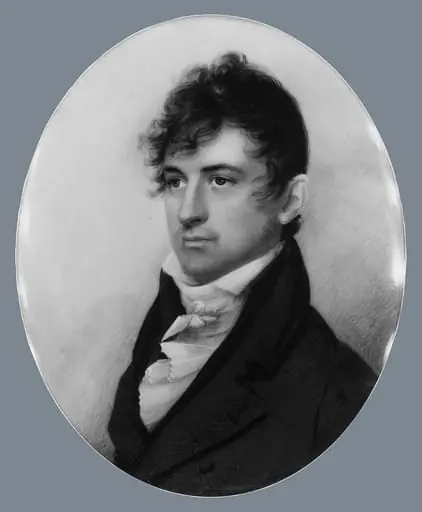
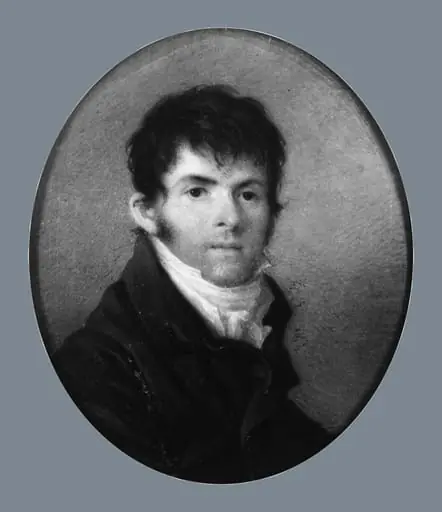
- Stephen Thorn
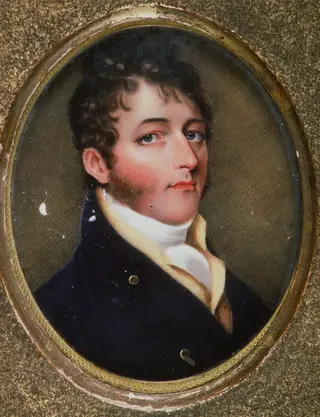 Pryse Pryse, Gogerddan
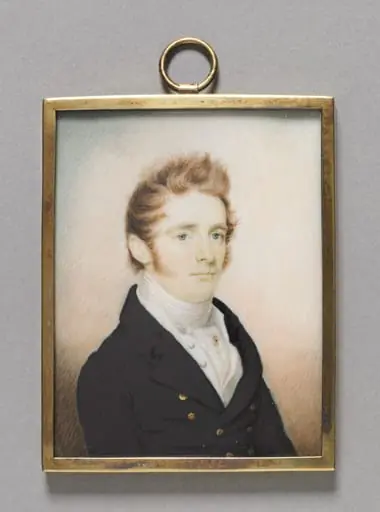 Portrait of a Man with a Cleft Lip
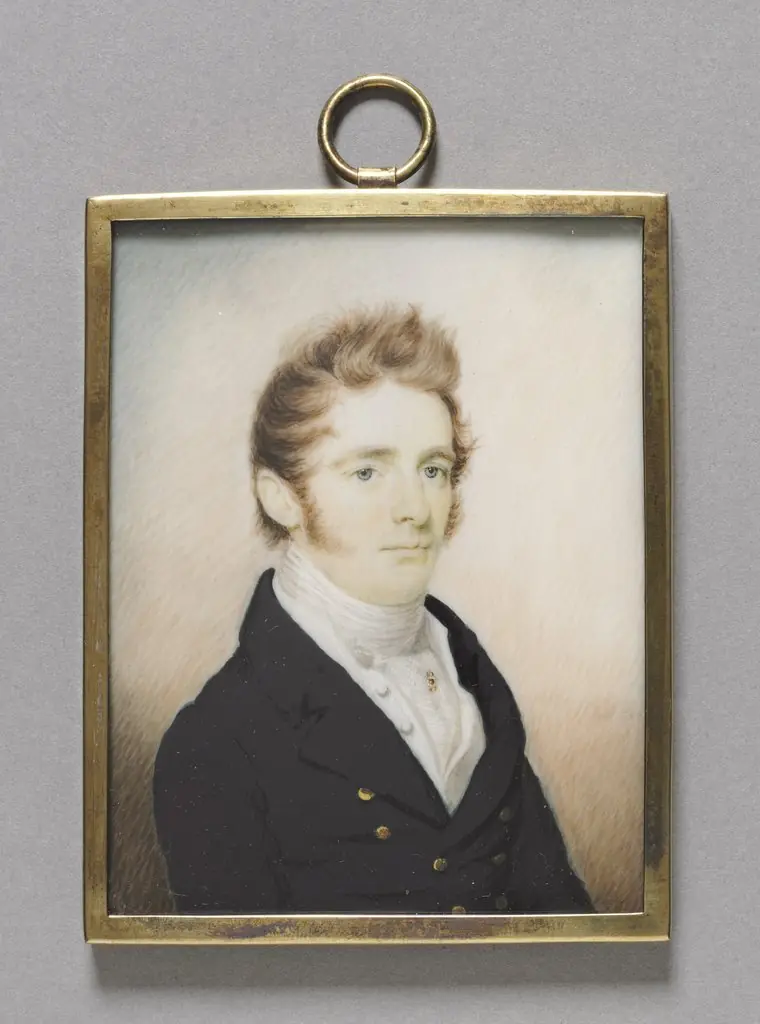 Portrait of a Man with a Hairlip
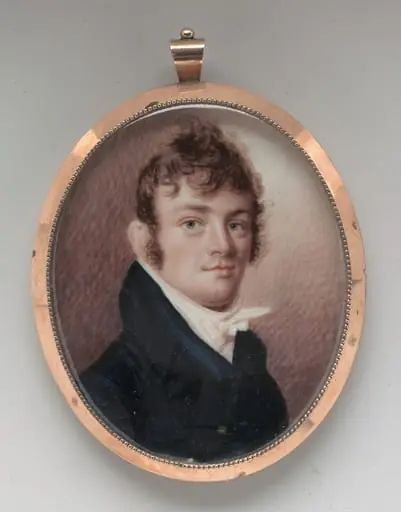 Portrait of a Gentleman
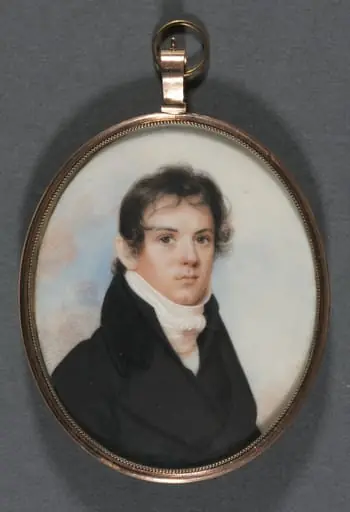 Portrait of a Man
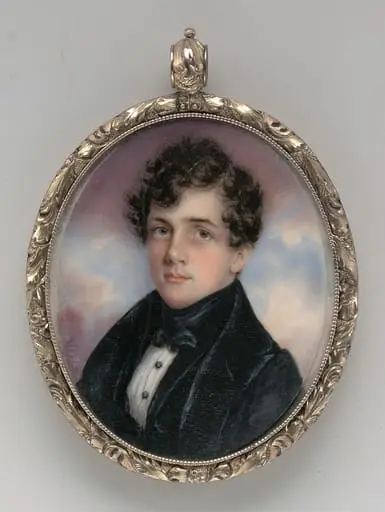 Portrait of a Gentleman
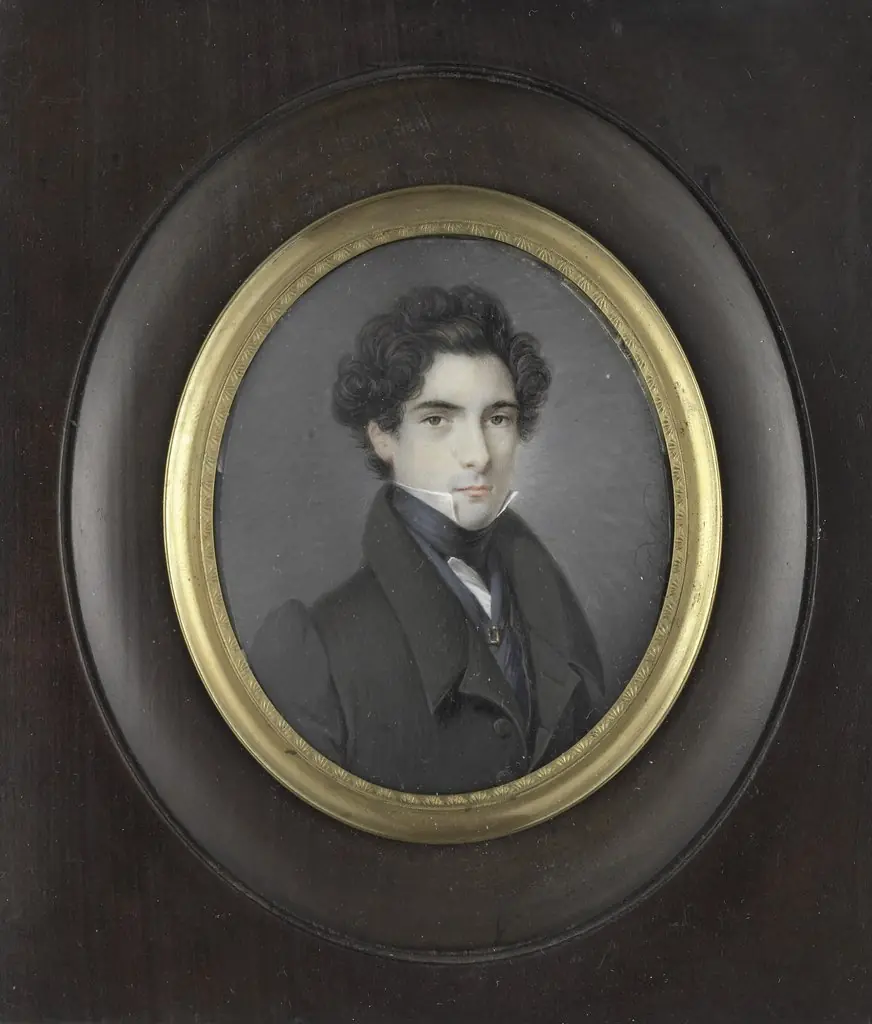 Frederik Adrian (1804-74), graaf van Limburg Stirum of Thomas Henry (1804-42), graaf van Limburg Stirum
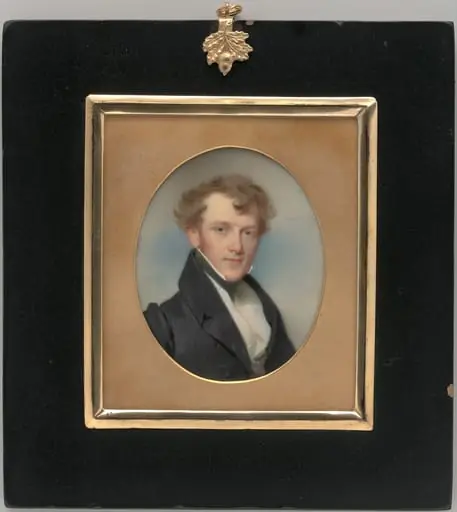 John Inman
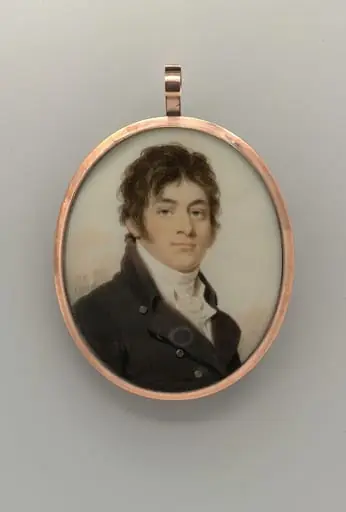 Robert Stuart
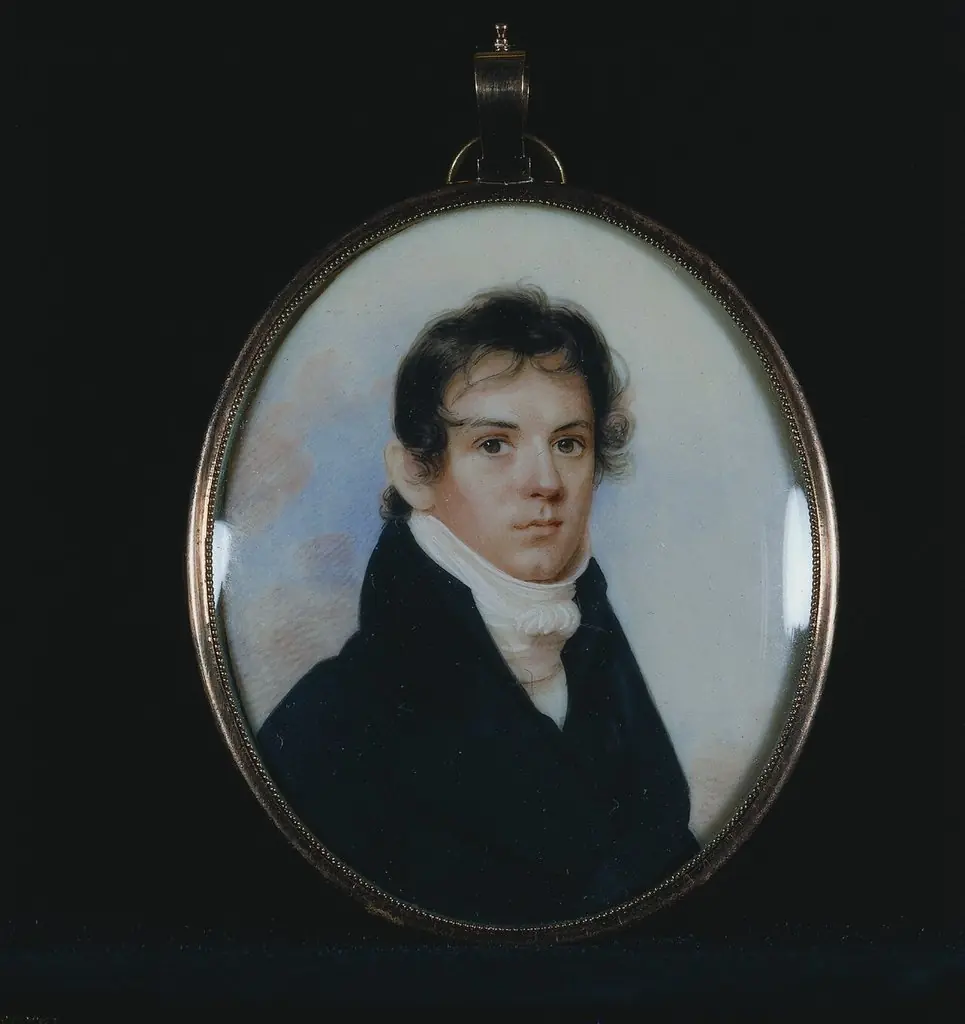 Portrait of a Man
 Portrait of a Gentleman