Artwork
Self-portrait
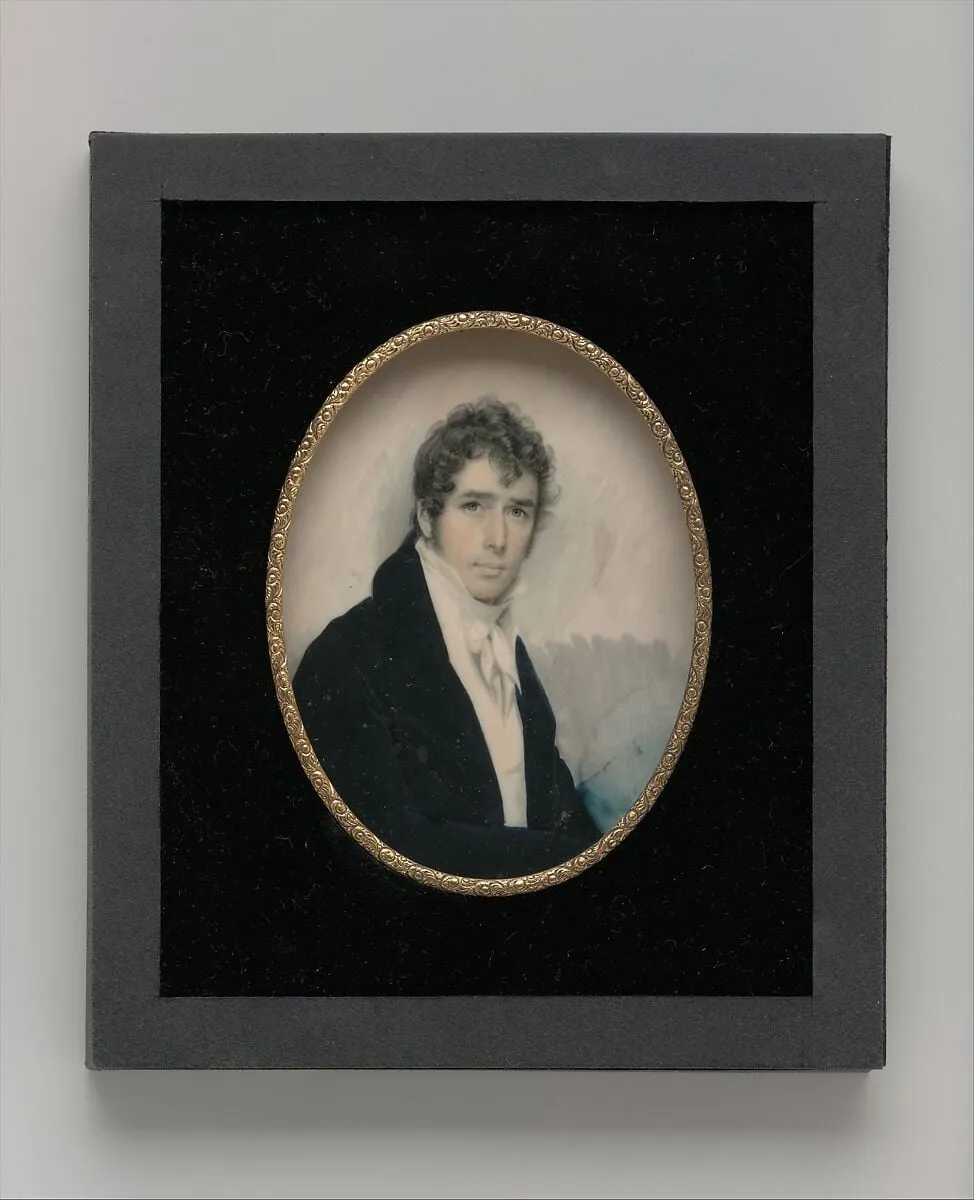
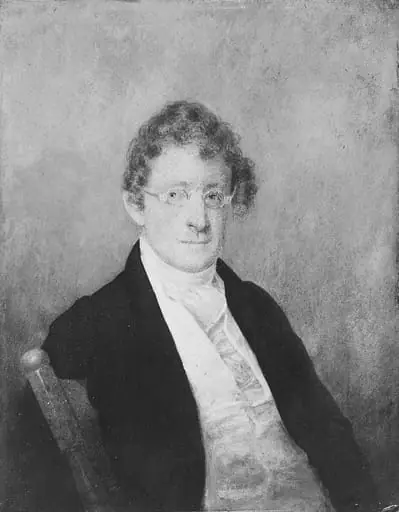
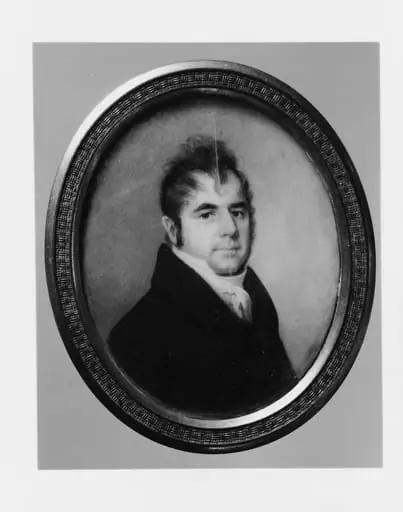
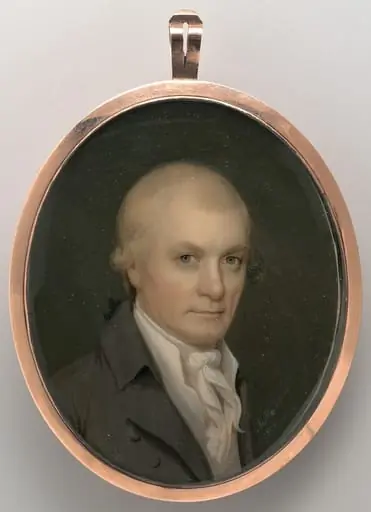
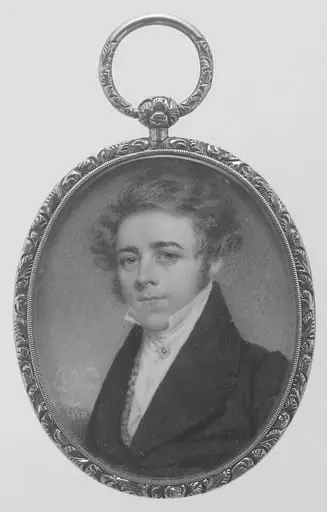
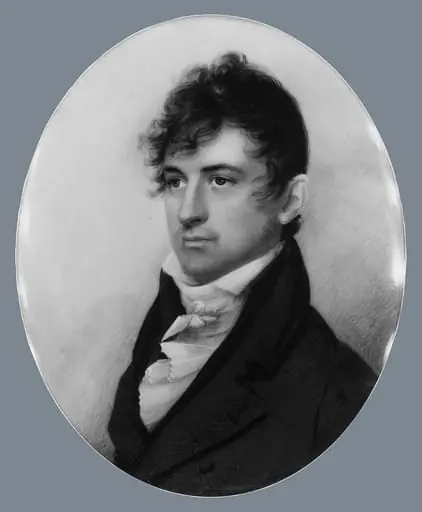
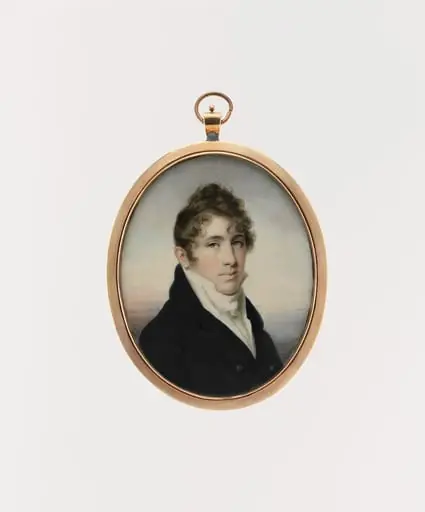
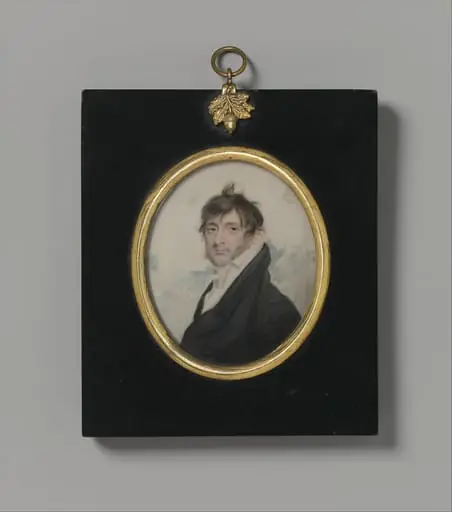
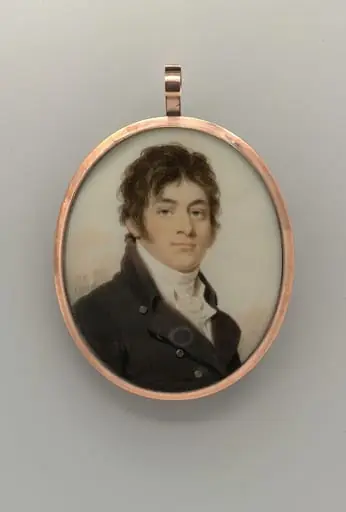
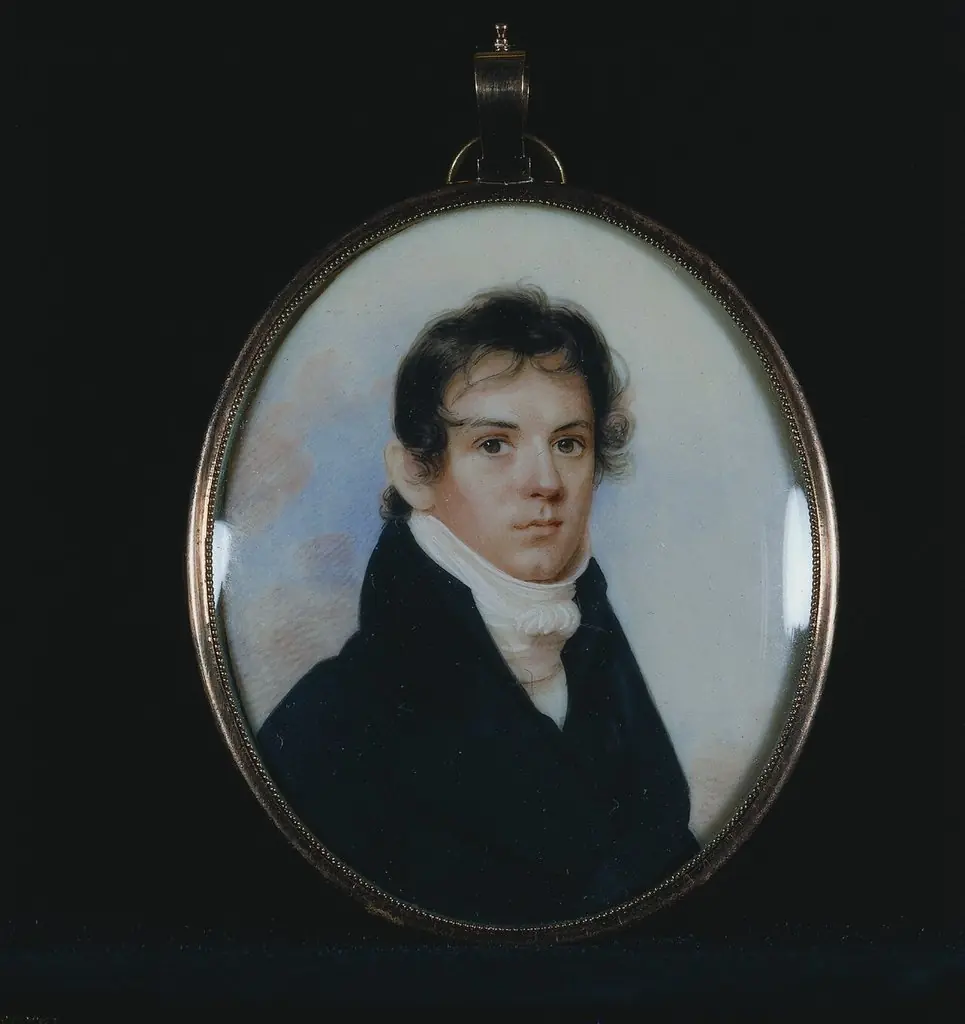
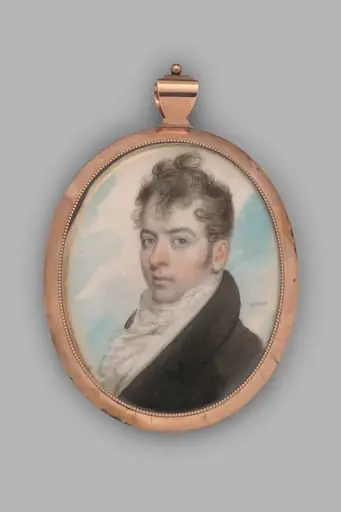
Self-portrait is a watercolor painting by the Biedermeier artist Joseph Wood. It dates from 1810 and is held in the collection of the Metropolitan Museum of Art.
About this work
Subject & Meaning
The iconography is limited to the artist's likeness, focusing on his appearance during the early nineteenth century rather than any symbolic program.
The work depicts the artist Joseph Wood as its sole subject, a direct self-representation created in 1810. Executed in watercolor on ivory, it functions as a straightforward portrait, with no additional figures or narrative elements. The iconography is limited to the artist's likeness, focusing on his appearance during the early nineteenth century rather than any symbolic program. As a self-portrait, its primary significance lies in the direct visualization of the creator, Joseph Wood.
Technique & Style
The work is a watercolor portrait executed on ivory in 1810, measuring approximately 10.2 cm by 7.6 cm, and is catalogued in The American Wing at the Metropolitan Museum of Art. The medium permits fine linear detail and subtle tonal modulation typical of early-American portraiture, while the ivory ground provides a smooth, luminous surface that enhances the rendering of facial features. As a self-portrait, the composition presents the artist facing the viewer in a direct, realistic likeness.
History & Provenance
Joseph Wood created his Self-portrait in 1810 as a watercolor on ivory. The piece measures 10.2 centimeters in height and 7.6 centimeters in width. It is held in the collection of the Metropolitan Museum of Art, where it is classified in The American Wing.
No specific details regarding a commissioning patron or the chain of ownership prior to the museum's acquisition are provided in the available records.
Overview
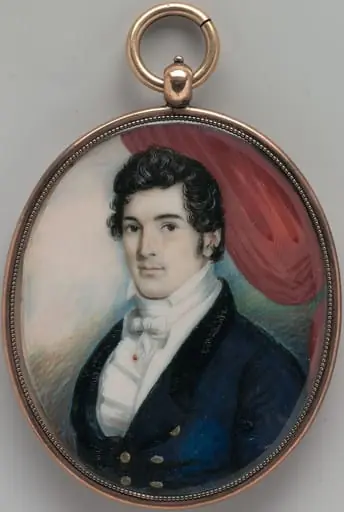
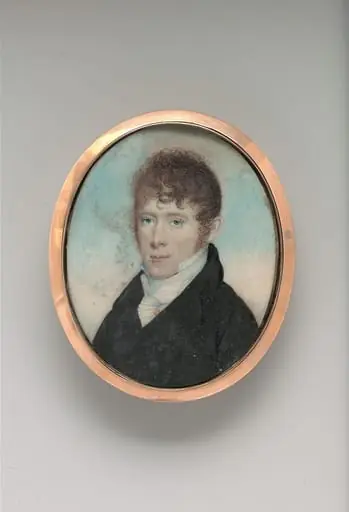
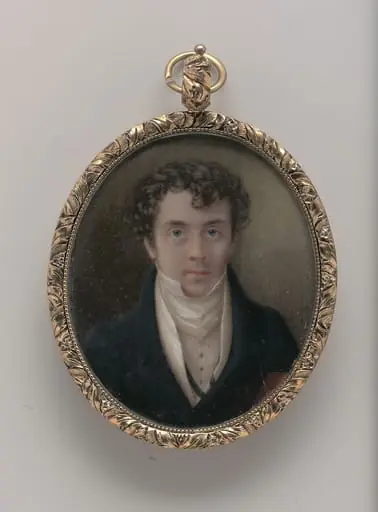
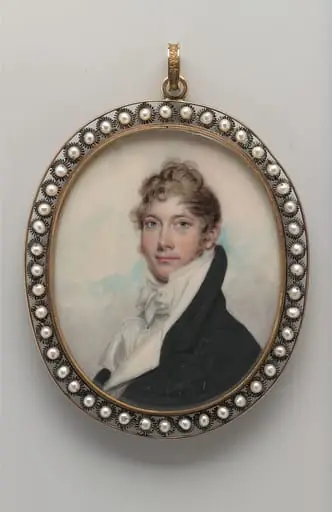
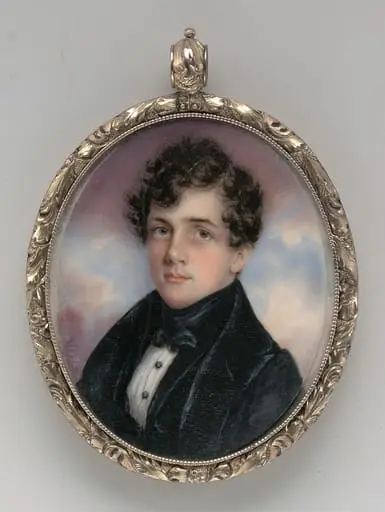
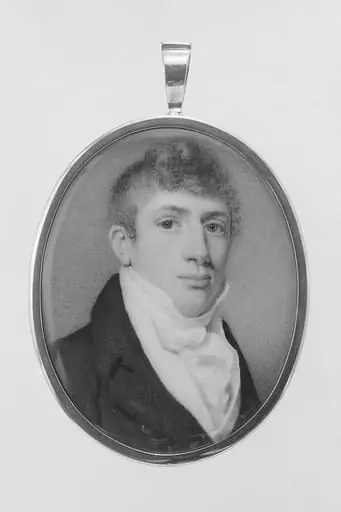
This miniature, titled Self-portrait, depicts a young man in a dark coat, his gaze directed forward. Rendered in watercolor on ivory, the work is exceptionally small, measuring less than a playing card. The subject's face is subtly illuminated from the side, creating a gentle play of light and shadow on his features. This artwork is part of the American Wing collection.
Context
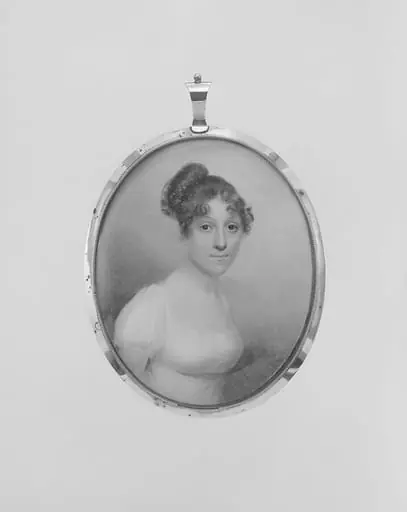
Miniature portraits served a significant personal function, often commissioned to be carried by individuals as intimate mementos. These small artworks were frequently housed in lockets or protective cases, enabling people to keep images of family members or loved ones in close proximity. Their portable nature made them cherished personal possessions.
Artist & collection