Artwork
Copy after the painting St Blaise led to Execution by Montagna in SS Nazzaro and Celso, Verona
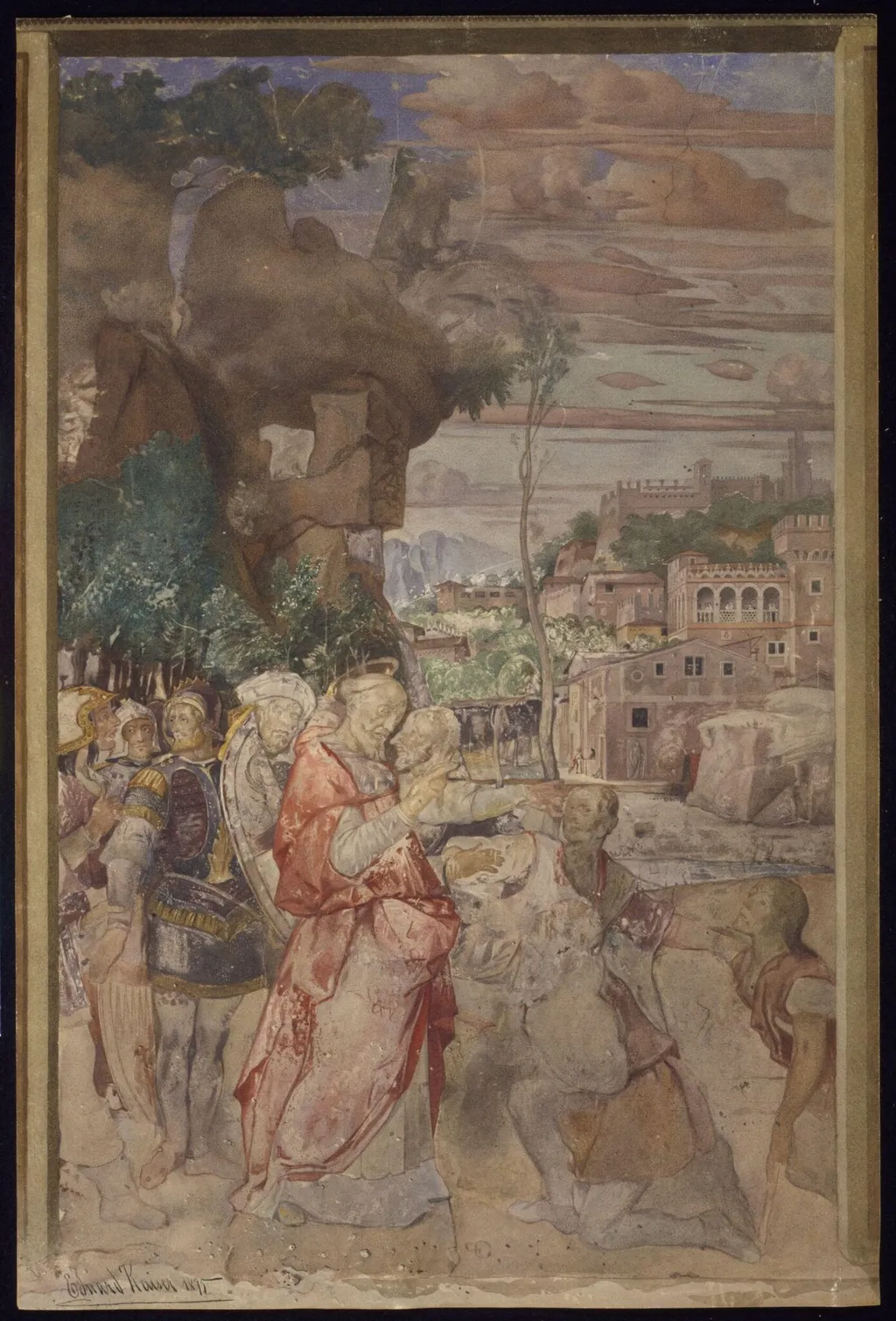
Copy after the painting St Blaise led to Execution by Montagna in SS Nazzaro and Celso, Verona is a watercolor work on paper by the Impressionist artist Edward Kaiser. It dates from 1875 and is held in the collection of the Victoria and Albert Museum.
About this work
Overview
An 1875 watercolour by Eduard Kaiser faithfully reinterprets a scene from Bartolomeo Montagna’s original altarpiece in Verona’s church of SS Nazzaro e Celso.
An 1875 watercolour by Eduard Kaiser faithfully reinterprets a scene from Bartolomeo Montagna’s original altarpiece in Verona’s church of SS Nazzaro e Celso. Executed for the Arundel Society, this copy was never published. Rendered in muted earth tones with loose, sketch-like brushwork, it captures the moment of Saint Blaise’s impending execution, preserving the composition while adopting a more spontaneous, atmospheric handling typical of 19th-century reproductive watercolours.
Subject & Meaning
The scene depicts Saint Blaise, a Christian bishop, being led to execution while holding a child, a reference to his legendary miracle of healing a boy choking on a fishbone. Surrounding him are Roman soldiers and onlookers in armor and cloaks, emphasizing his isolation and moral authority. The rocky terrain and distant town suggest a public setting, reinforcing the narrative’s gravity and the saint’s quiet resolve amid impending violence.
Technique & Style
Kaiser employed watercolour with a loose, almost provisional touch, avoiding fine detail in favor of atmospheric suggestion. Colors are subdued, ochres, grays, and muted browns, creating a somber mood. The sky is overcast, and the landscape recedes softly, enhancing the sense of solitude.
The technique reflects the Arundel Society’s interest in capturing the spirit of early Renaissance works through direct, unpolished translation rather than idealized reproduction.
History & Provenance
Commissioned by the Arundel Society in 1875, the watercolour was part of a broader effort to document and disseminate Italian Renaissance art to British audiences. Though produced with scholarly intent, it was never printed or distributed publicly. The work entered the Victoria and Albert Museum’s collection, where it remains as a testament to 19th-century practices of artistic documentation and the transmission of religious imagery across time and medium.
Context
During the mid-to-late 19th century, British institutions like the Arundel Society sought to preserve and study medieval and Renaissance art through accurate copies, especially as original works were vulnerable to decay or political upheaval. Kaiser’s watercolour reflects this movement’s ethos: faithful reproduction over creative reinterpretation, prioritizing historical record over aesthetic flourish. Such works served as visual archives for scholars and artists unfamiliar with Italian church interiors.
Legacy
Though unpublished and largely overlooked in public discourse, Kaiser’s watercolour endures as a quiet record of 19th-century art historical practice. It bridges Montagna’s early Renaissance composition and Victorian-era antiquarianism, offering insight into how Renaissance imagery was studied, translated, and preserved outside Italy. Its presence in the V&A underscores its role as a material artifact of cross-cultural artistic engagement.
Own this work as a print
Artist & collection

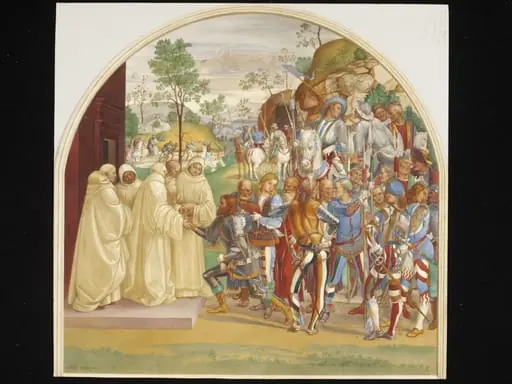 St Benedict and the True King Totila
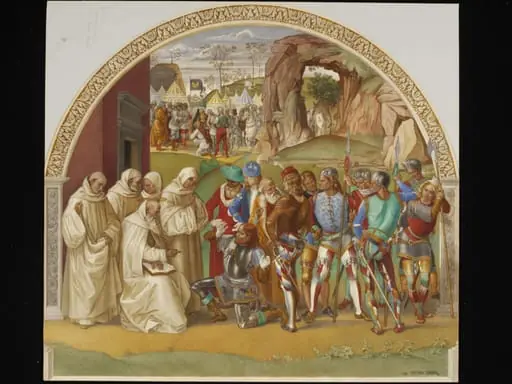 St Benedict and the False King Totila
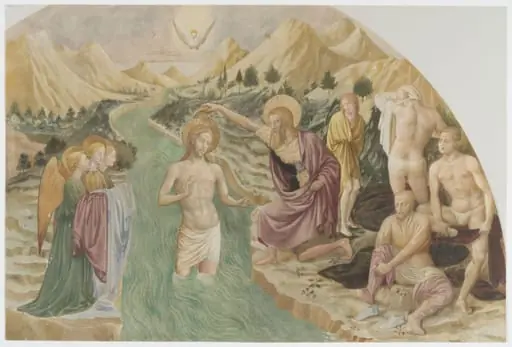 Copy after the painting Baptism of Christ by Masolino in Castiglione d'Olona
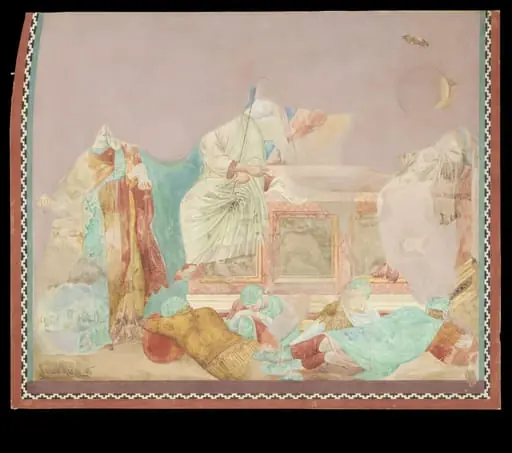 Copy after the painting The Maries at the Sepulchre attributed to the Isaac Master in the Upper Church, San Francesco, Assisi
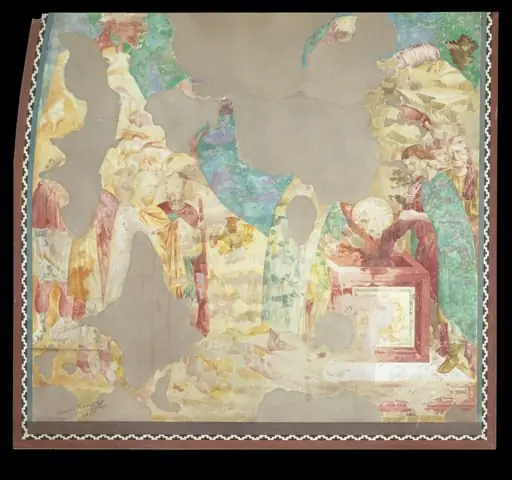 Copy after the painting Joseph and his brothers at the Well attributed to the Isaac Master in the Upper Church, San Francesco, Assisi
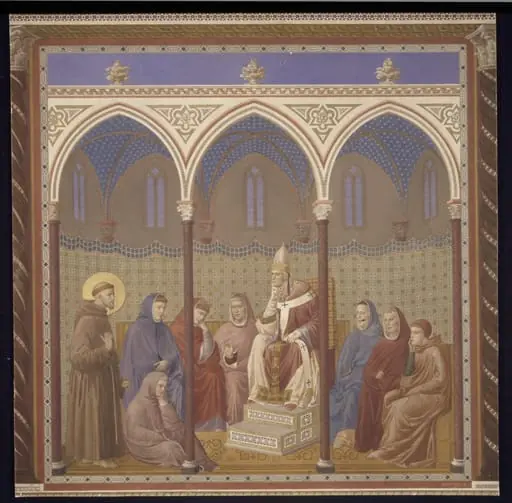 Copy after the painting St Francis before Pope Honorius by the Master of the St Francis cycle in the Upper Church, San Francesco, Assisi
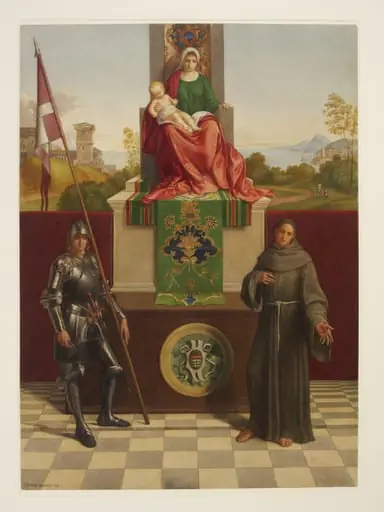 Copy after the painting Virgin and Child with Saints (Castelfranco Altarpiece) by Giorgione in S. Liberale, Castelfranco
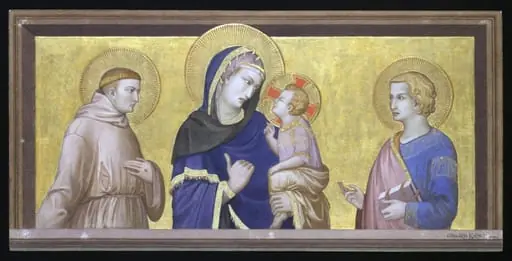 Copy after the painting Virgin and Child with St John and St Francis by Pietro Lorenzetti ??? in the Lower Church, San Francesco, Assisi
- The Virgin and Child with Saints
 The Adoration of the Magi
 The Adoration of the Shepherds
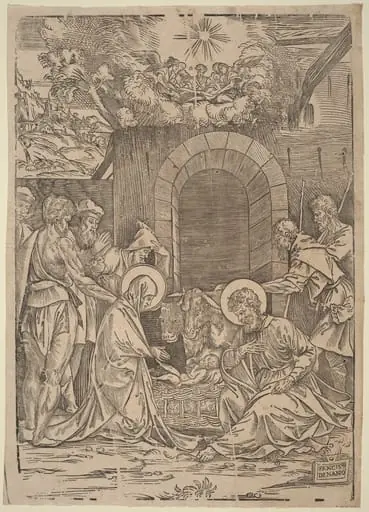 The Adoration of the Shepherds
![Joseph and His Brother in Egypt [verso], by Italian 17th Century](https://artifactworldgallery.com/img/italian-17th-century--joseph-and-his-brother-in-egypt-verso--86cfb4fbb2662a76-w320.webp) Joseph and His Brother in Egypt [verso]
Joseph and His Brother in Egypt [verso]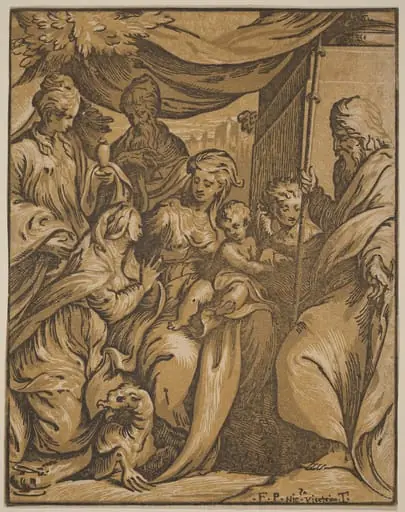 The Virgin and Child with Saints
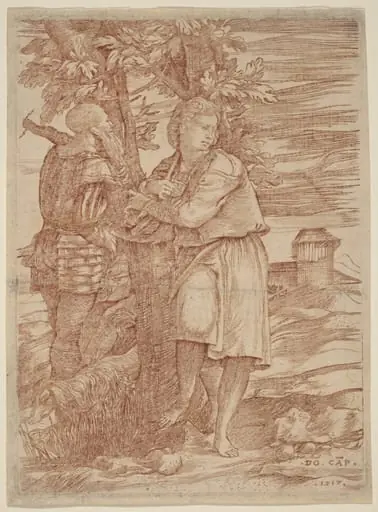 The Shepherd and the Old Warrior
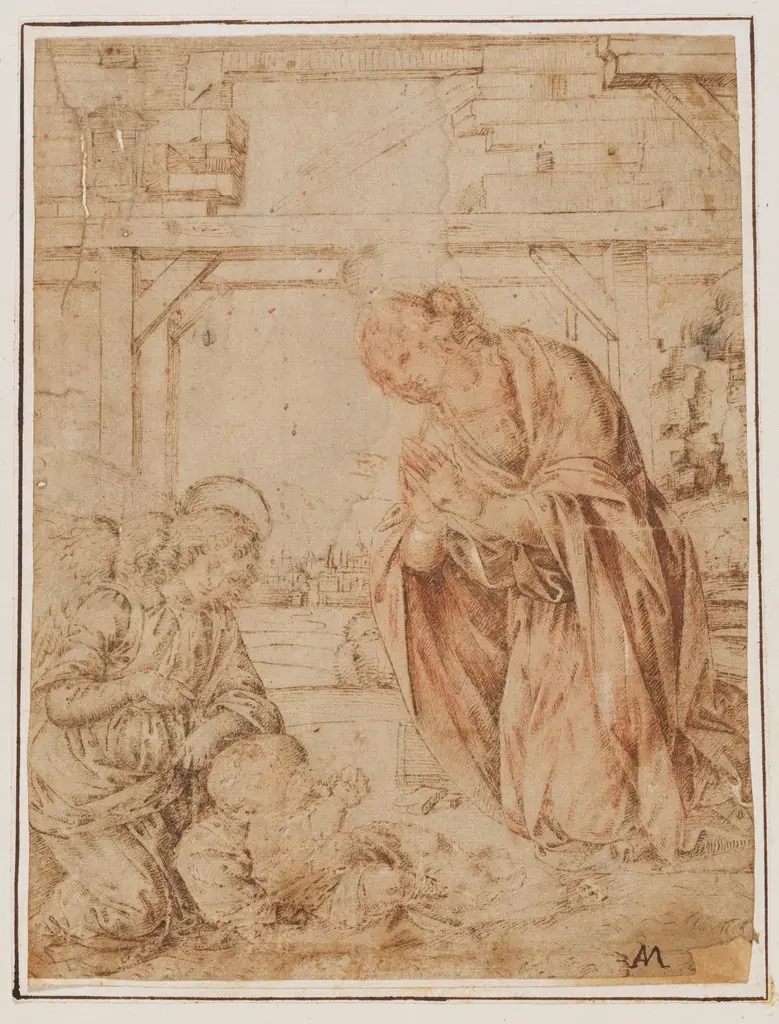 The Madonna Adoring the Child, with an Angel
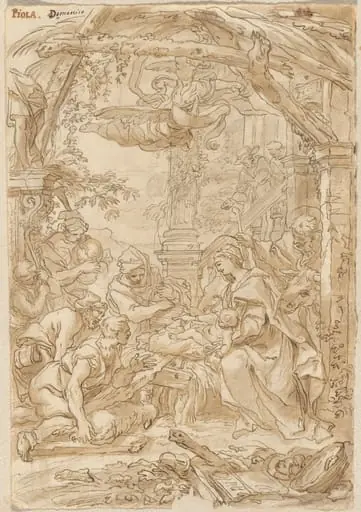 The Adoration of the Shepherds
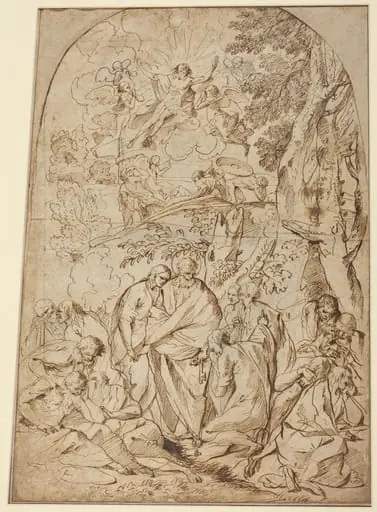 The Resurrection
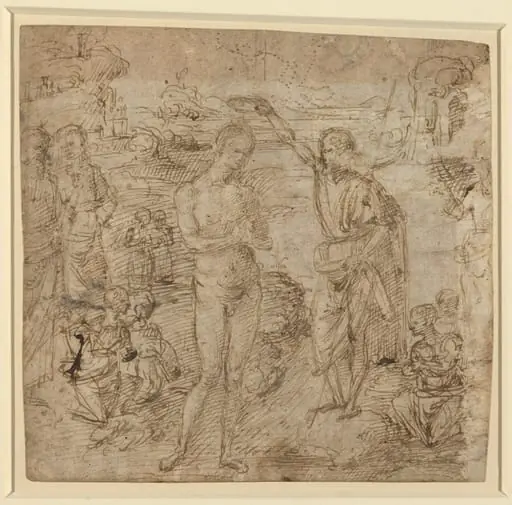 a) The Baptism of Christ; b) Draped Figure Holding a Book and Man Wielding an Ax with a Figure
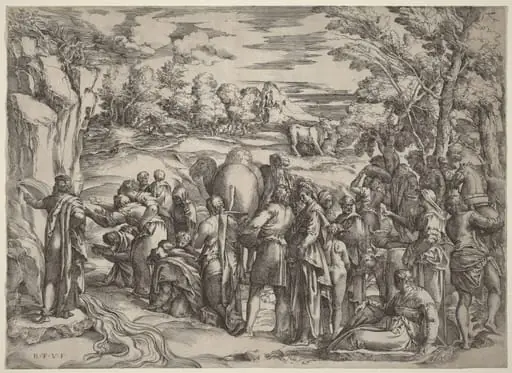 Moses Striking the Rock