Artwork
Untitled
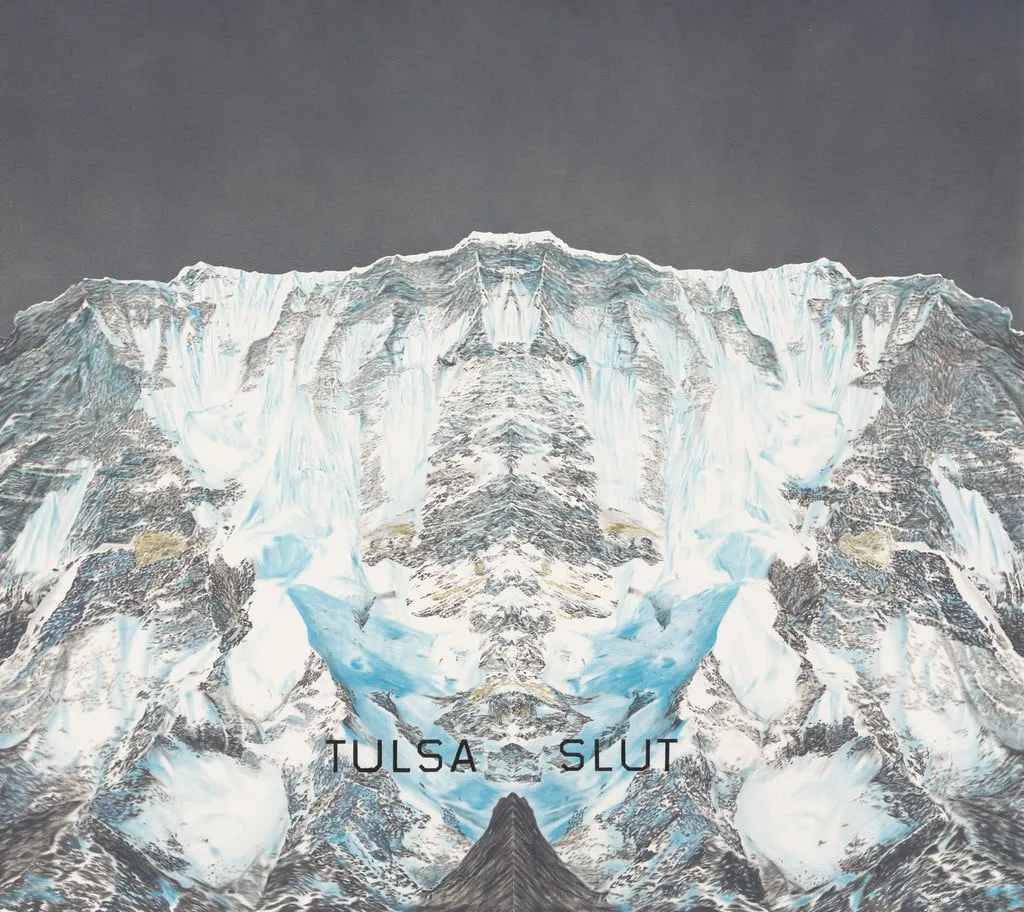
Untitled is an acrylic painting by the Contemporary Abstract artist Edward Ruscha. It dates from 2002 and is held in the collection of the Museum of Modern Art.
About this work
Overview
The piece is held in The Museum of Modern Art’s collection, reflecting its significance in late 20th- and early 21st-century American art.
Edward Ruscha created this 2002 acrylic painting on canvas as part of his ongoing exploration of language and visual ambiguity. Though associated with Pop Art, his work often transcends genre, blending textual irony with abstracted natural forms. The piece is held in The Museum of Modern Art’s collection, reflecting its significance in late 20th- and early 21st-century American art. Ruscha, based in Culver City, California, has long worked across multiple media, including artist’s books and photography.
Subject & Meaning
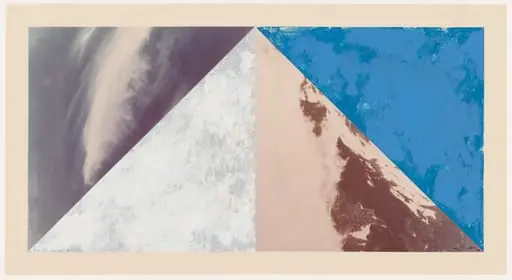
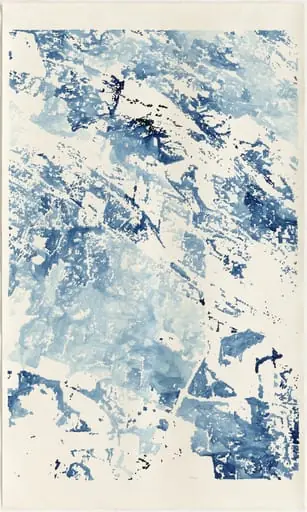
The painting depicts a stylized mountain rendered in white and blue tones, suggesting snow and ice. Yet its title, TULSA SLUT, disrupts the landscape’s serenity, introducing a jarring, colloquial phrase. This dissonance invites reflection on how language shapes perception, transforming a natural form into a loaded social reference. The work resists singular interpretation, instead emphasizing the instability of meaning between image and text.
Technique & Style
Ruscha applied thick, heavily textured acrylic paint to simulate the roughness of glacial surfaces. The impasto technique creates a tactile, almost sculptural quality in the mountain’s ridges and shadows. The bold, flat black lettering of the title is rendered with deliberate crudeness, contrasting sharply with the layered, atmospheric rendering of the terrain. This juxtaposition underscores his interest in the tension between high art and vernacular expression.
History & Provenance
Executed in 2002, the work entered The Museum of Modern Art’s collection shortly after its creation. It is one of several pieces from this period in which Ruscha merged textual provocations with abstracted natural imagery. While not part of a widely publicized series, it aligns with his decades-long practice of using language to destabilize visual expectations. Its acquisition by MoMA signals institutional recognition of his conceptual approach to painting.
Context
In the early 2000s, Ruscha continued to interrogate American vernacular and cultural syntax, building on themes from his 1960s word paintings. This work reflects a broader trend in contemporary art where landscape becomes a vehicle for psychological or linguistic critique. The use of a phrase with regional and gendered connotations situates the piece within ongoing dialogues about identity, place, and the power of naming.
Legacy
The painting exemplifies Ruscha’s enduring influence on artists who merge text and image to challenge conventional narratives. Its deliberate ambiguity and linguistic disruption have become hallmarks of his practice, inspiring later generations to treat language as a material as much as a message. While not overtly political, the work contributes to a quieter, persistent critique of cultural assumptions embedded in everyday speech.
Artist & collection
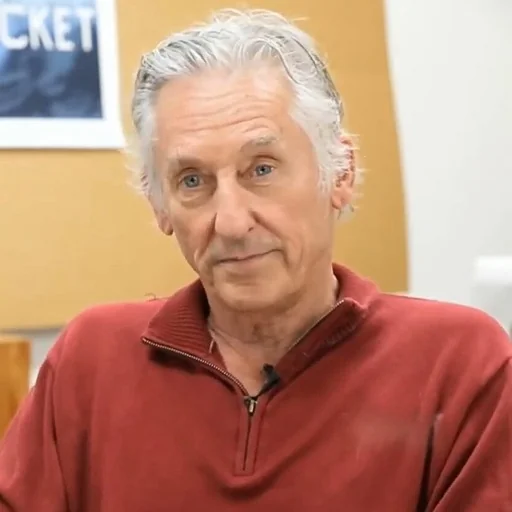
Artist
Edward Joseph Ruscha IV (, roo-SHAY; born December 16, 1937) is an American artist associated with the pop art movement.