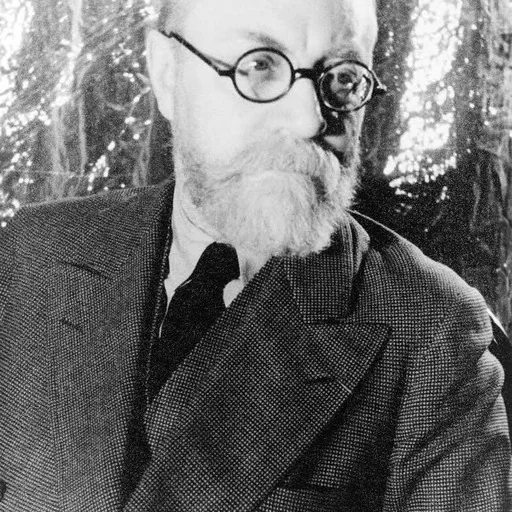
Movement
Contemporary Abstract
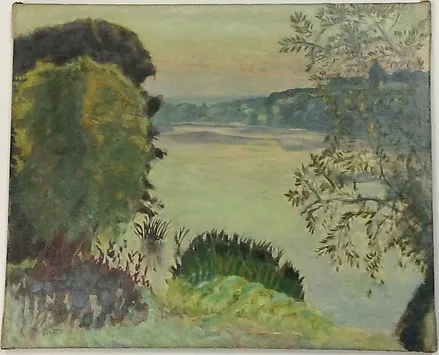
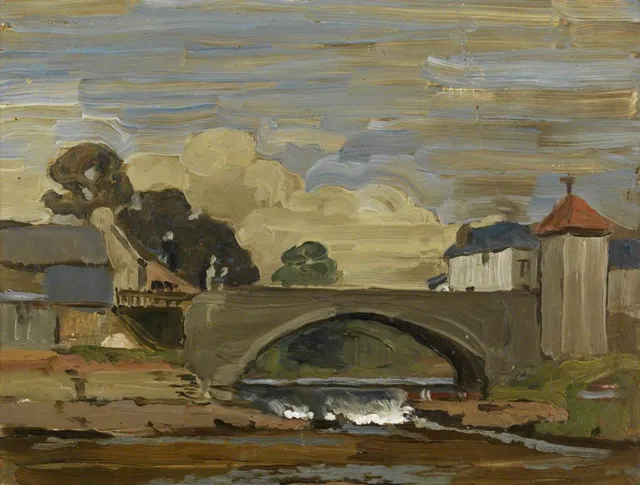
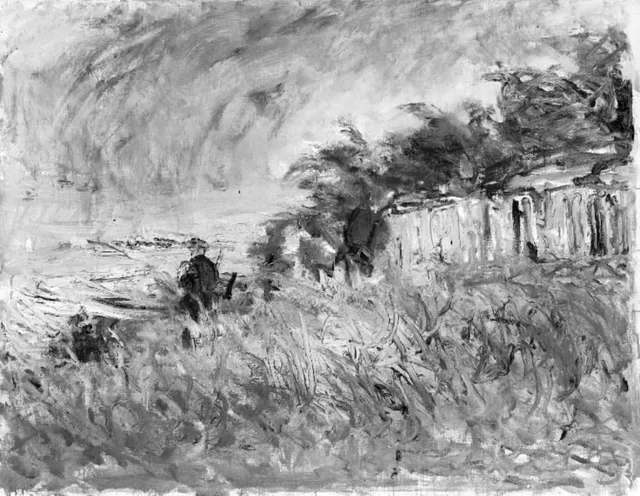
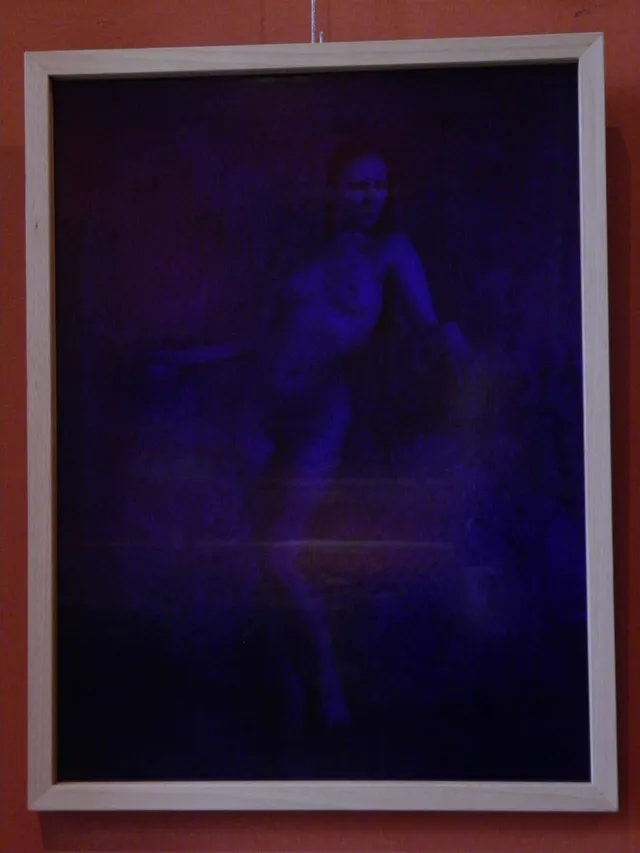
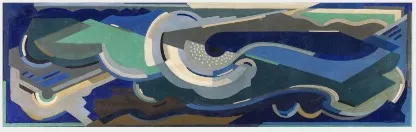
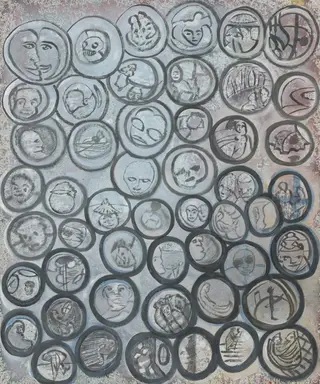
Contemporary Abstract is an art movement dating from 1960. The gallery holds 483 works in this movement, including works by Henri Matisse, Peter Howson and Mainie Harriet Jellett. Browse Contemporary Abstract paintings, portraits, pictures and artworks from the world's public-domain museum collections.
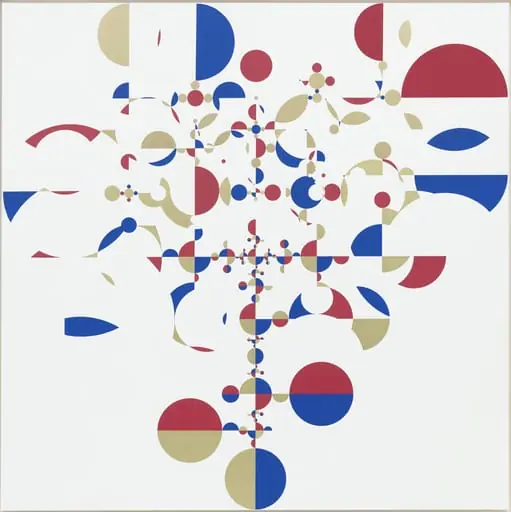
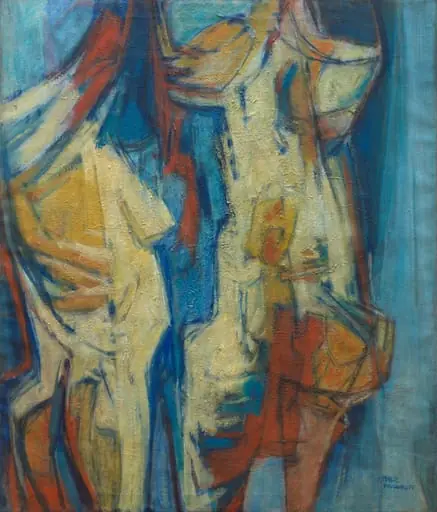
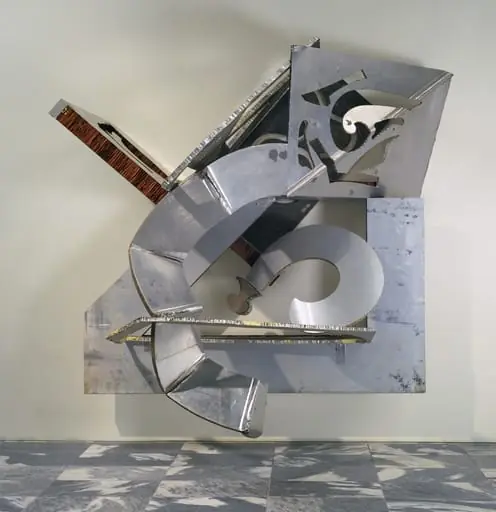
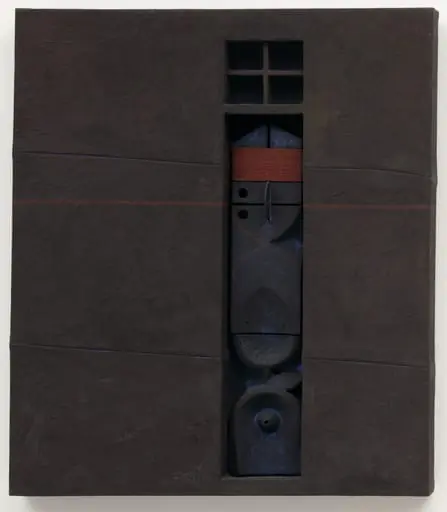
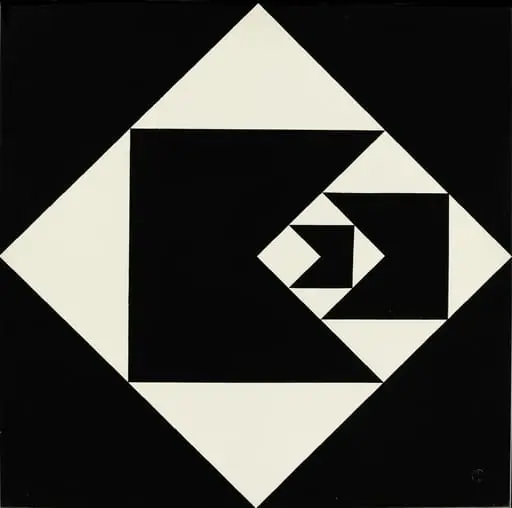
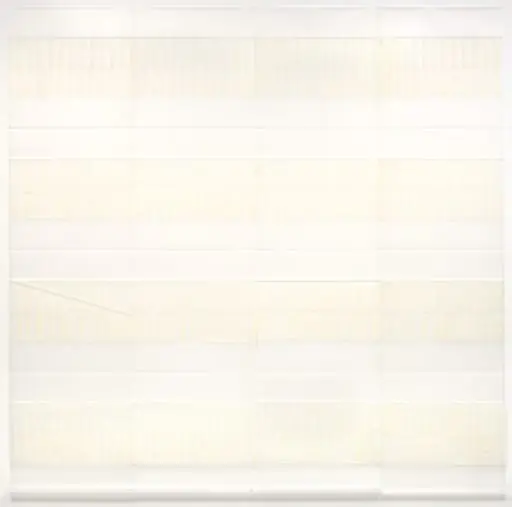
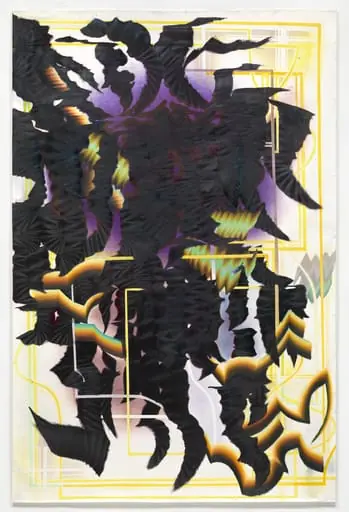
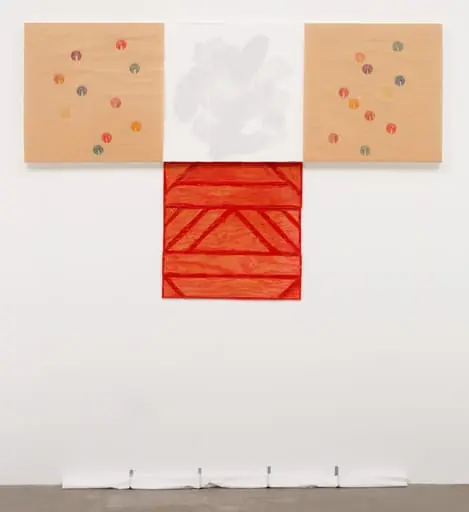
Contemporary abstraction is the broad, still-unfolding tradition of non-representational art that carries abstraction forward in the decades since the mid-century movements. Where Abstract Expressionism dominated Western painting through the 1940s and 1950s with its emphasis on gesture and psychological expression, a younger generation turned, from the late 1950s onward, toward cooler and more deliberate languages. By the 1960s hard-edge painting, Color Field, and Minimalism had reframed what abstraction could be, and the field has expanded ever since through new materials, digital tools, and an increasingly global roster of artists.
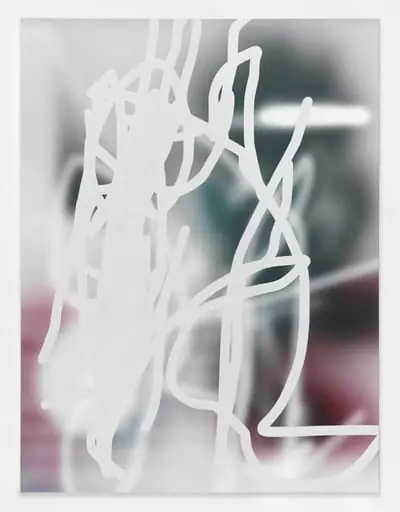
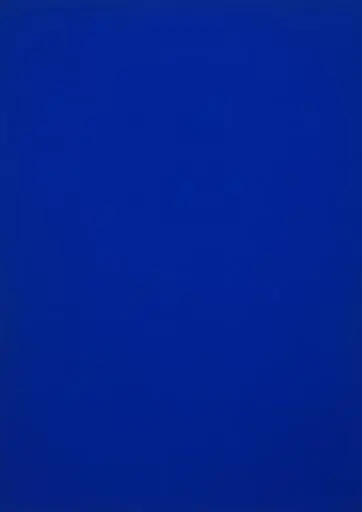
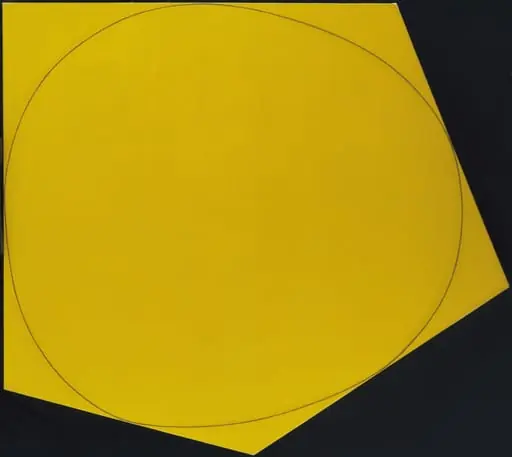
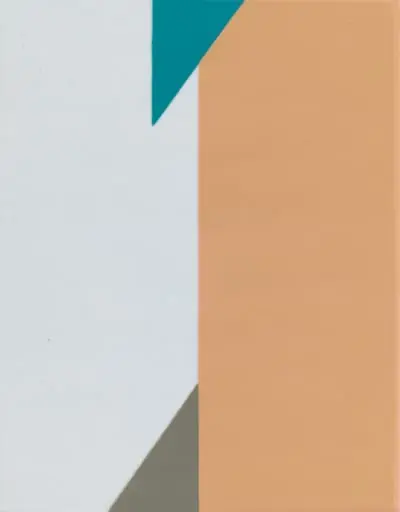
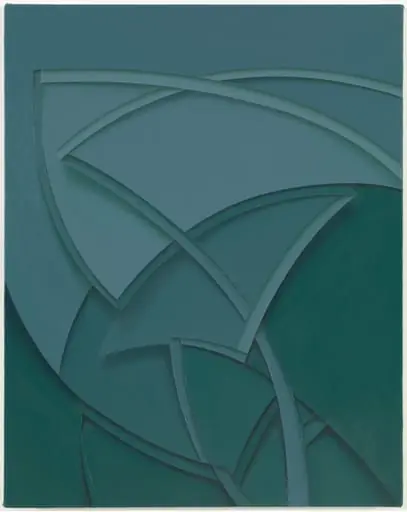
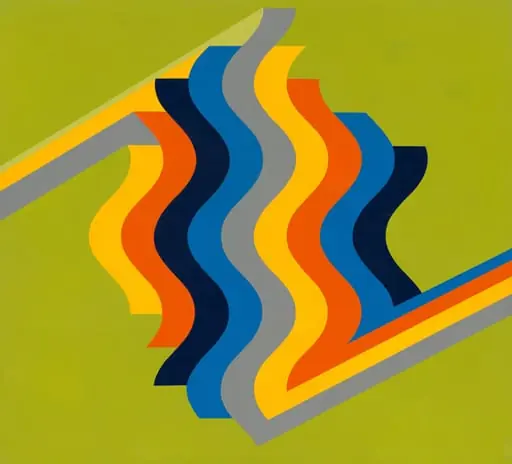
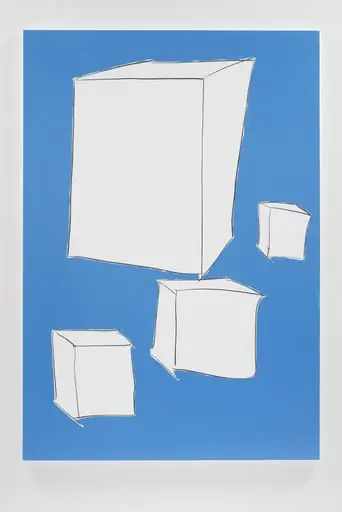
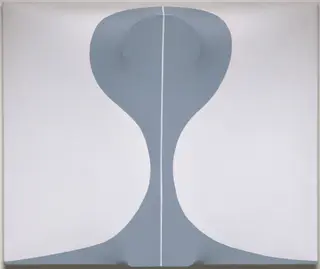
The category is defined less by a single look than by a spectrum of approaches. At one pole sits clear-cut geometry: flat, unmodulated planes of brilliant color in crisp, often non-rectilinear shapes. At another lies gestural and process-driven work, in which the act of making — dragging, layering, scraping, collaging — becomes the visible subject. Across this range, color, form, surface, and material are treated not as means to depict something else but as the content itself.
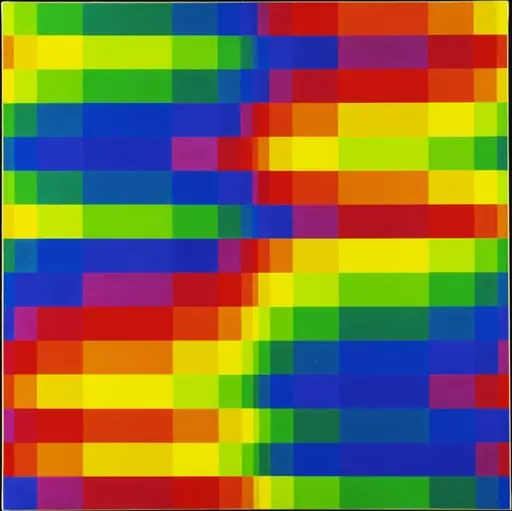
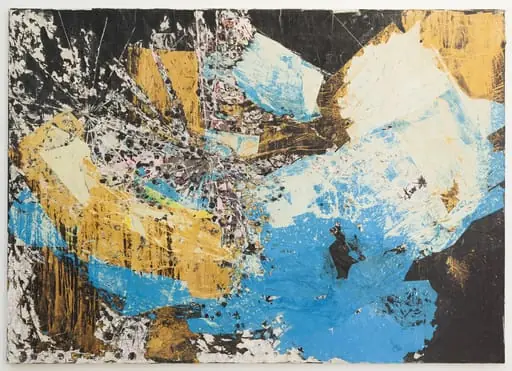
Ellsworth Kelly (1923–2015) is a touchstone, from the chance-ordered grid of Seine (1950) to the serial Spectrum canvases of the 1960s; his clean shapes bridged 1930s geometric abstraction and the reductive art of Donald Judd, Carl Andre, and Richard Serra. Jasper Johns, working in encaustic and fixated on surface and process, helped pull painting out of Abstract Expressionism and toward Minimalism and Pop. Later, Gerhard Richter built his Abstraktes Bild paintings by dragging a squeegee through wet pigment; Julie Mehretu layers architectural drawing and mark-making into vast, map-like fields; and Mark Bradford décollages billboard paper, rope, and found material into abstractions rooted in his Los Angeles surroundings.
Contemporary abstraction therefore overlaps neighbouring styles — Minimalism, Color Field, Neo-Dada, even Pop — rather than forming a tidy school, and its lineage reaches back to early modernists such as the Irish painter Mainie Jellett, whose A Composition – Sea Rhythm and An Abstract Composition number among the collection's holdings alongside Jan Fabre's Untitled. The result is one of the most vital strands of art today: a continuously reinvented argument that paint, shape, and substance need no subject beyond themselves.
Key artists

Works
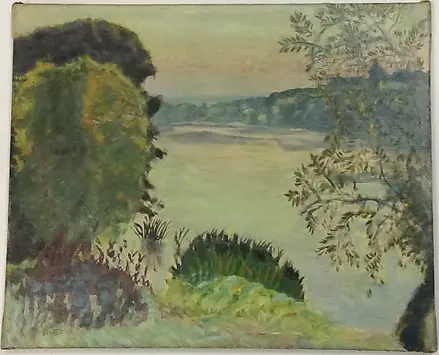 The Seine at Vernon
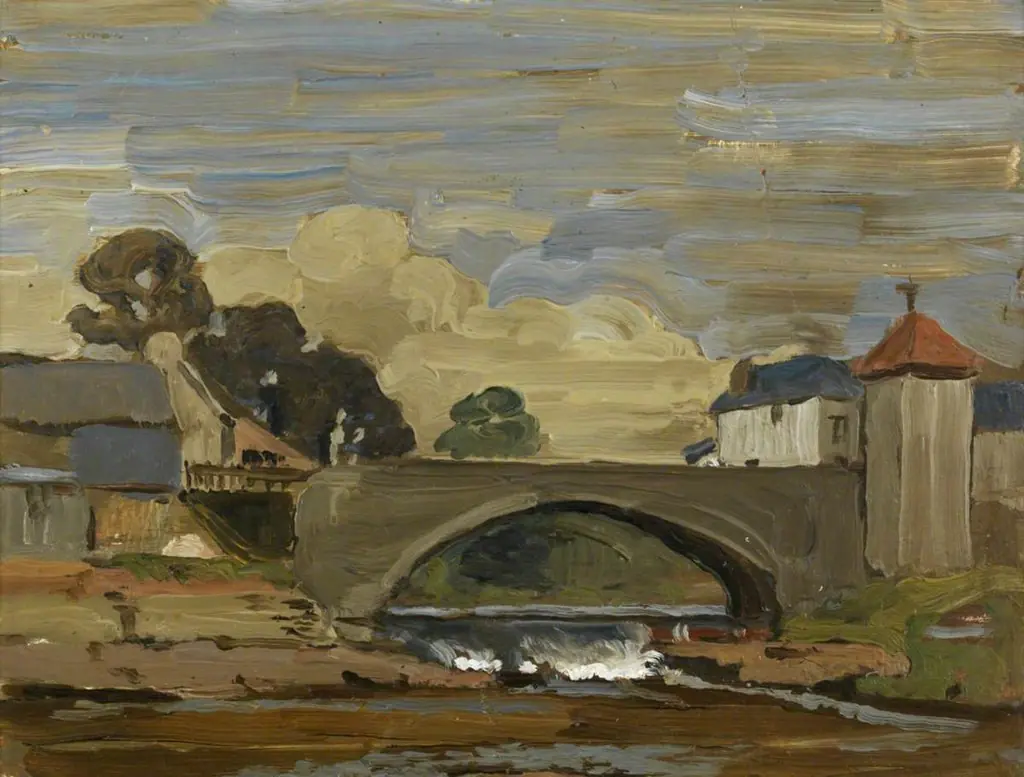 Senny Bridge, Brecon
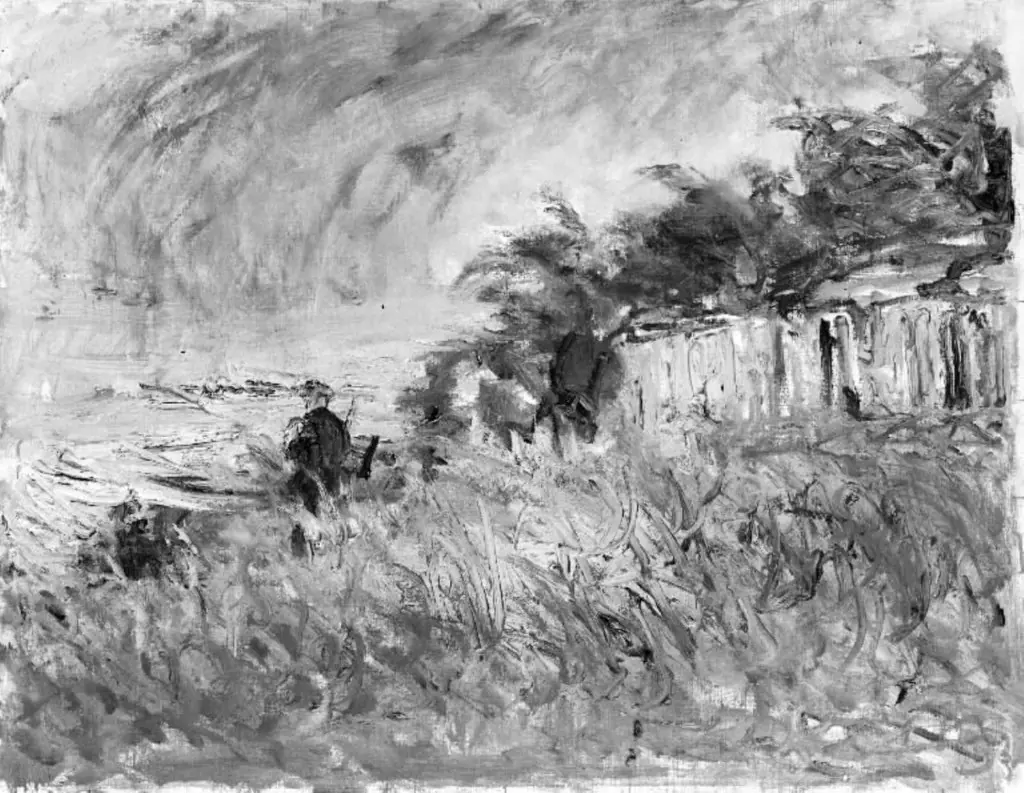 Gathering Thunderstorm, Gilleleje
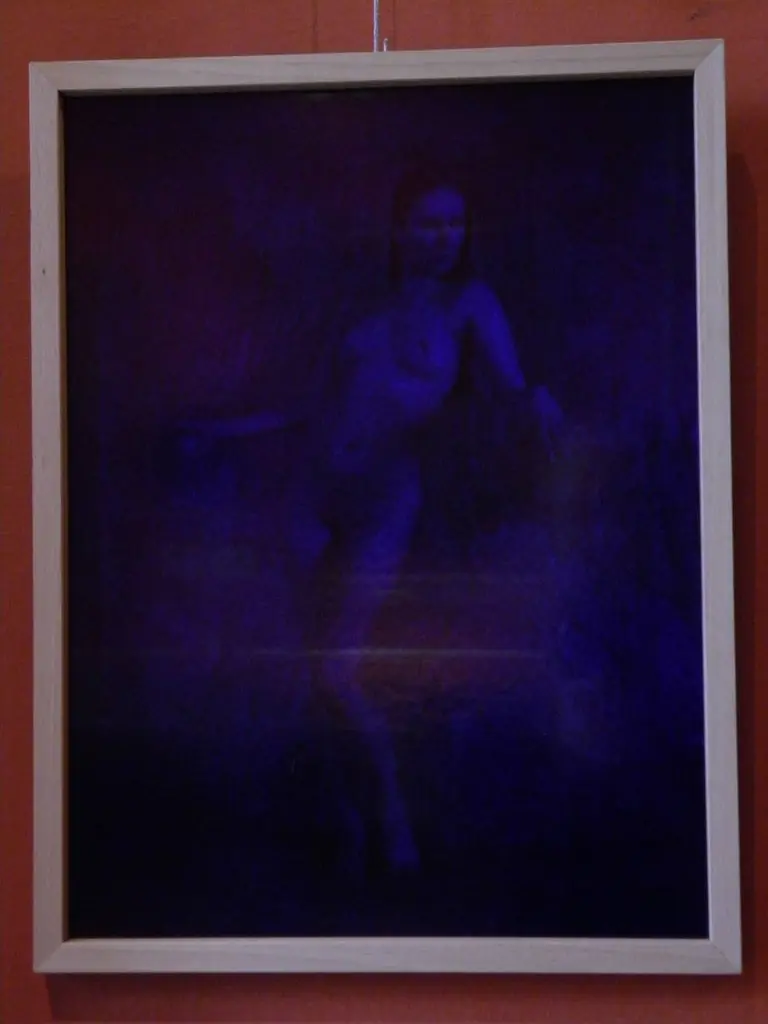 Untitled
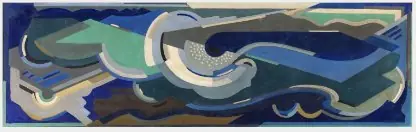 A Composition - Sea Rhythm
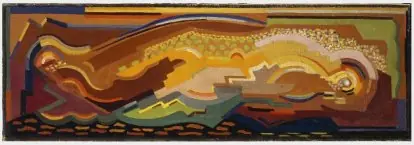 An Abstract Composition
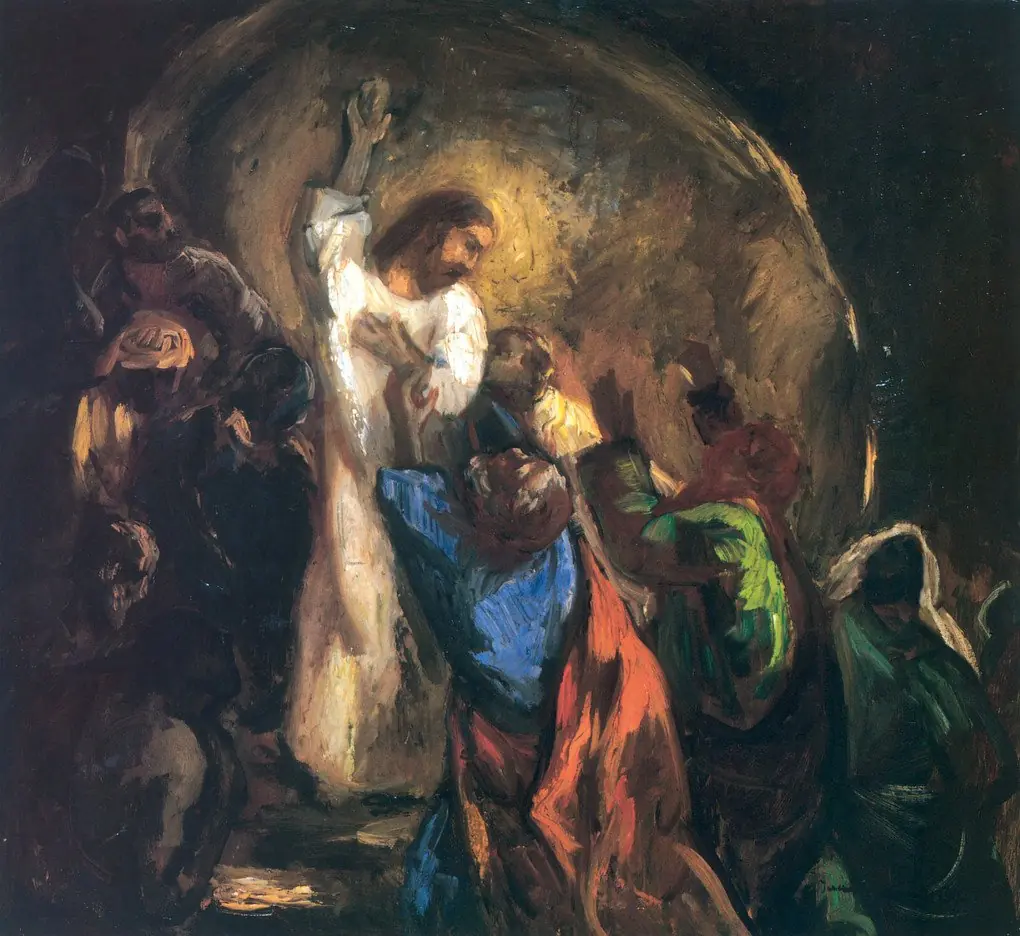 Thomas Touches Christ's Side
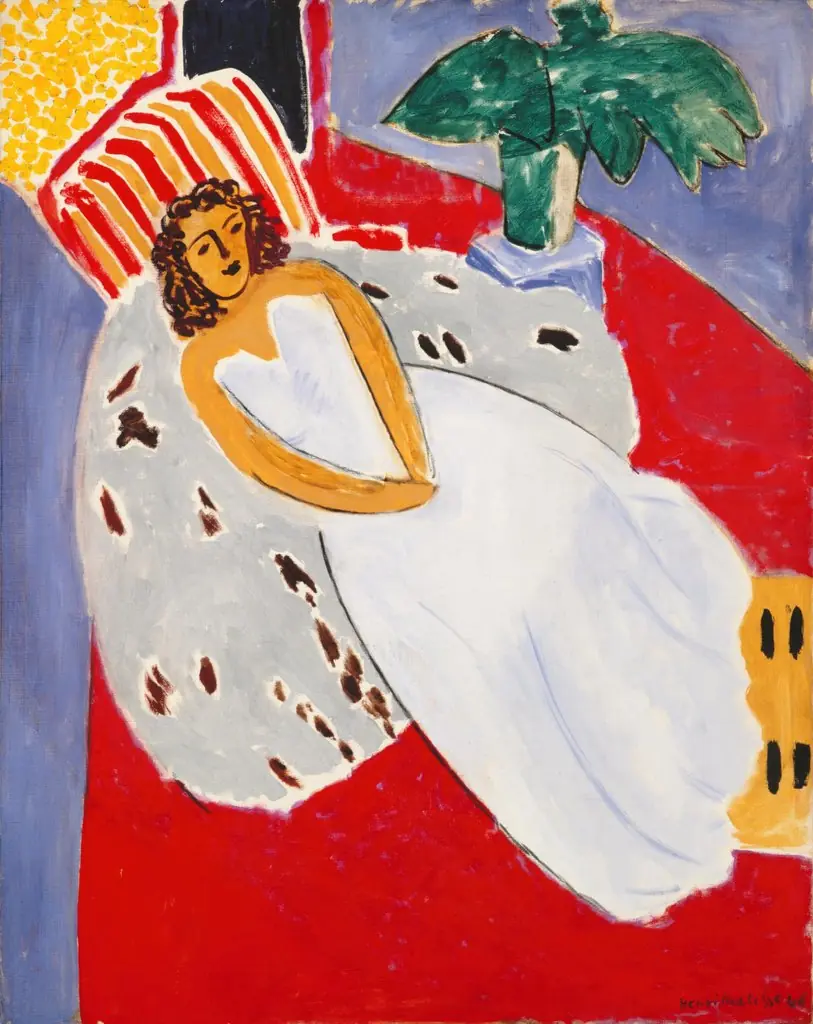 Young Woman in White on a Red Background
 L'Asie
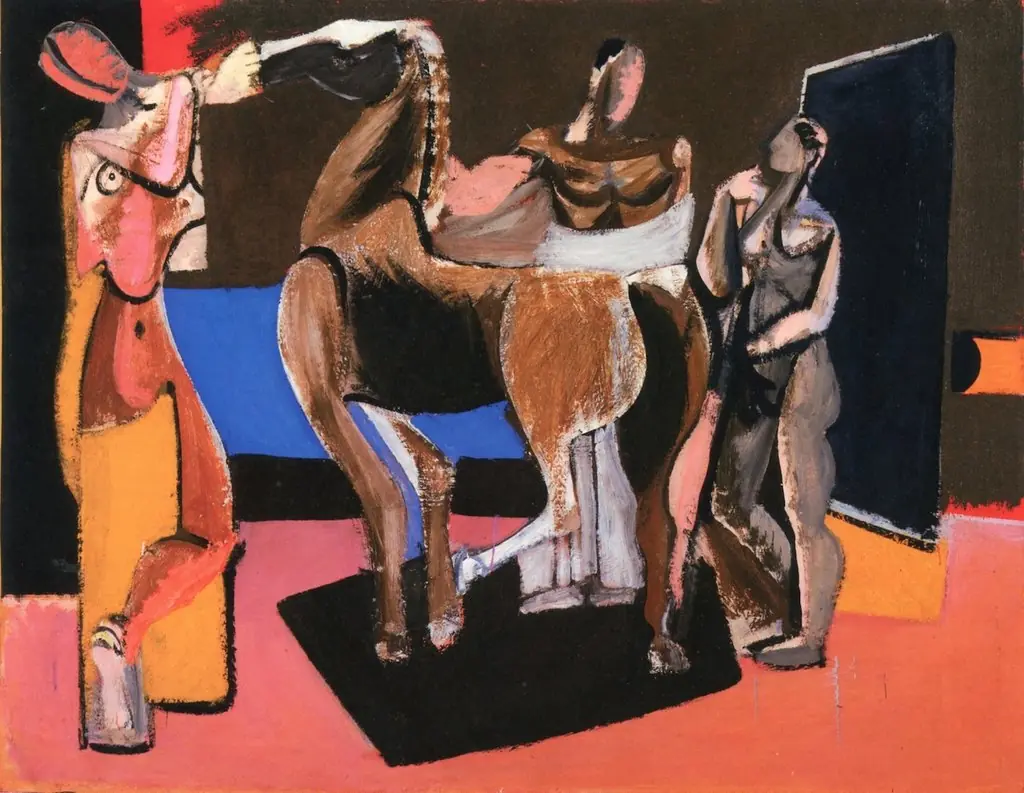 Composition: Horse and Figures
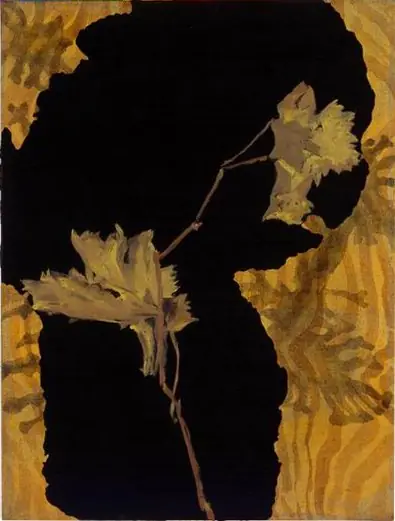 Beam XXIII (From the series "Beams")
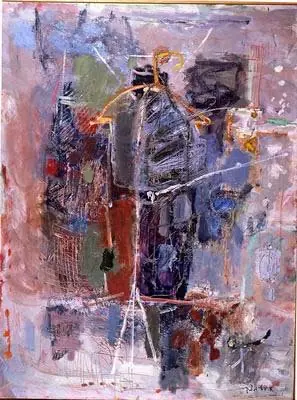 Gemälde
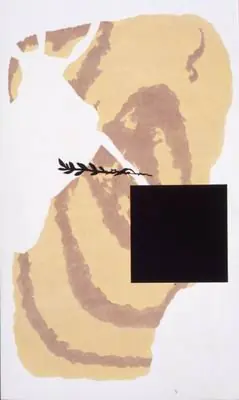 Return of the Black Square IV
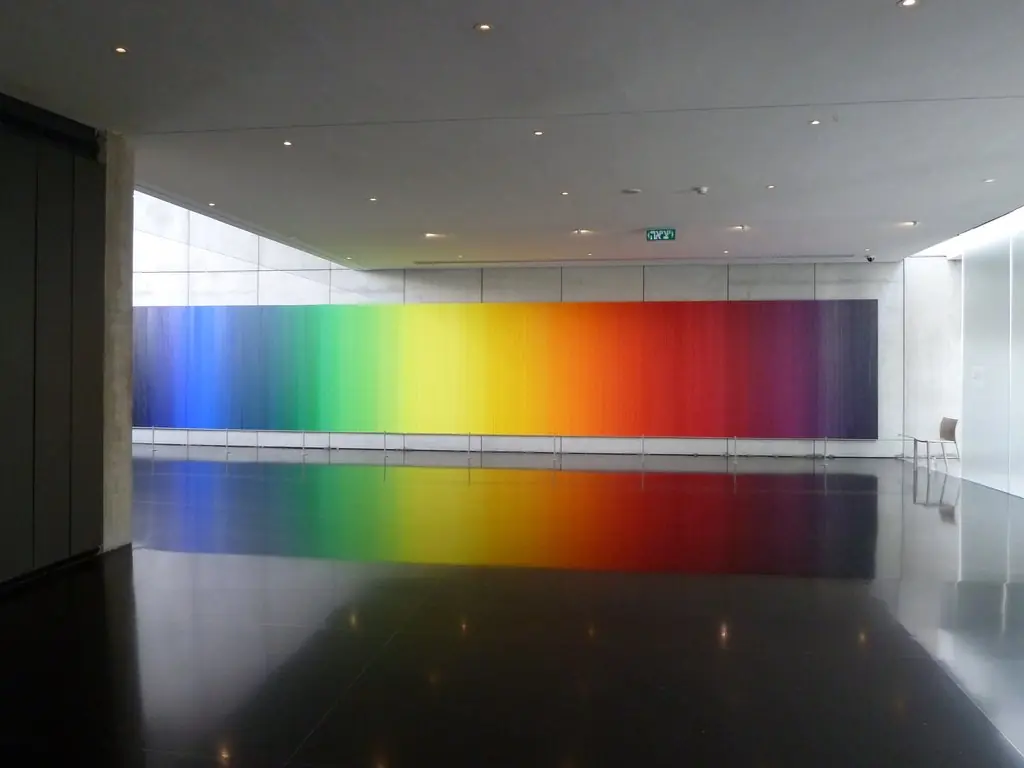 Whenever the Rainbow Appears
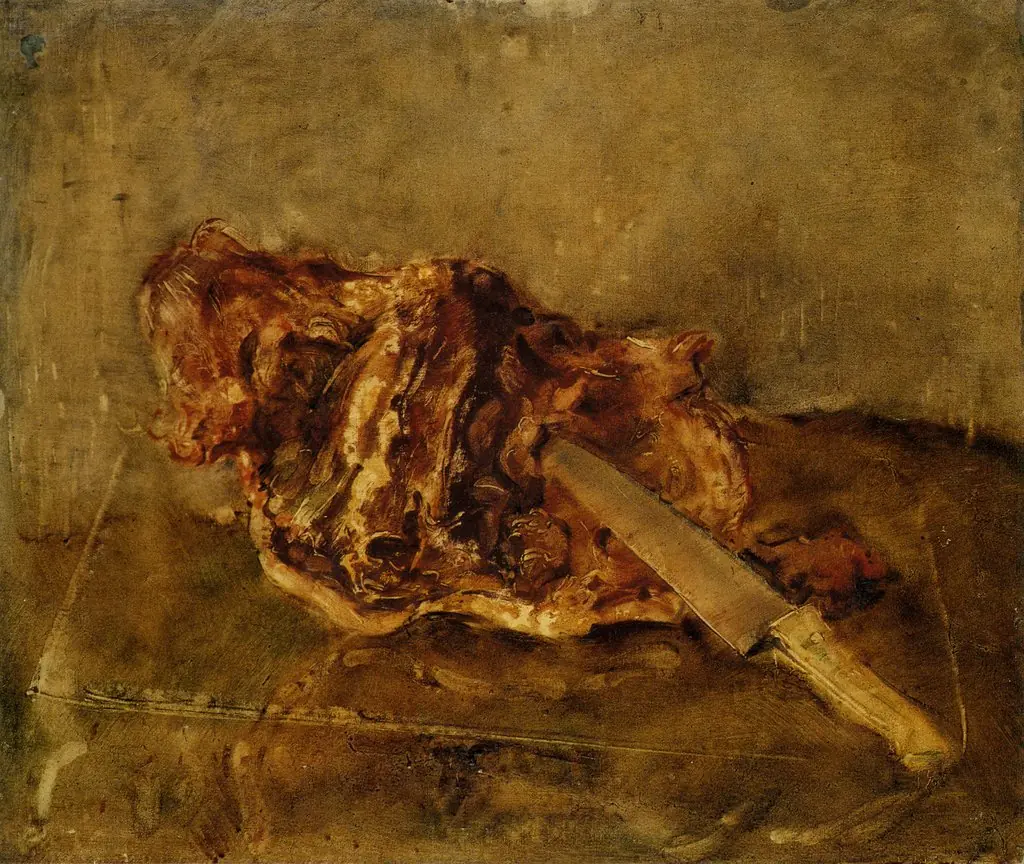 Meat
Meat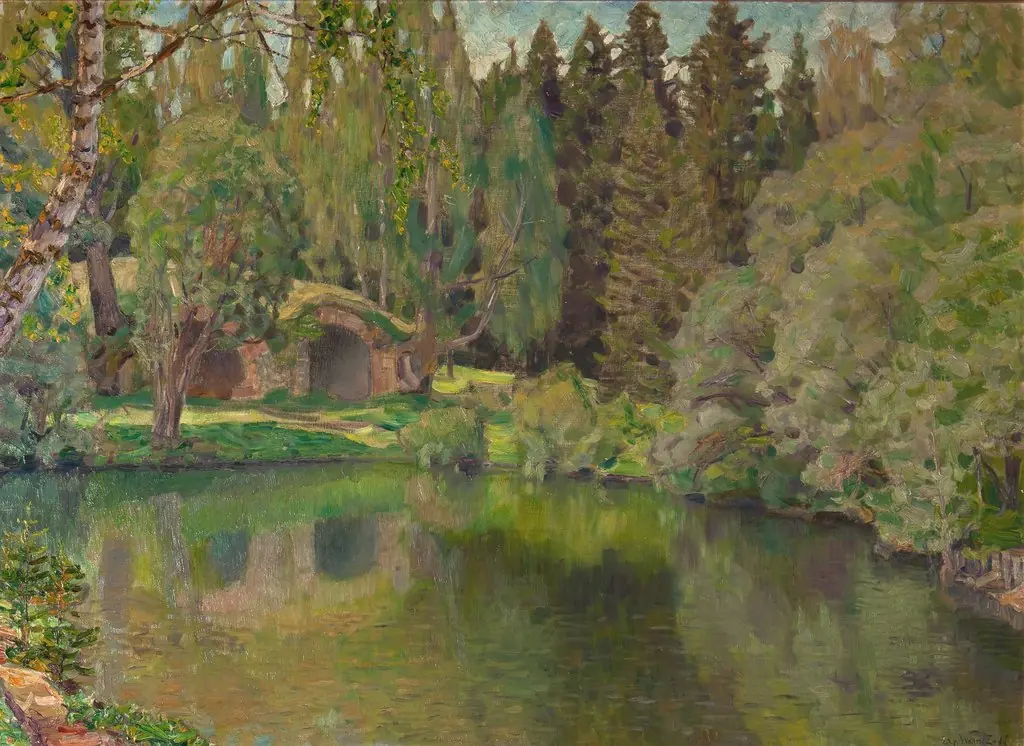 pond catacombs
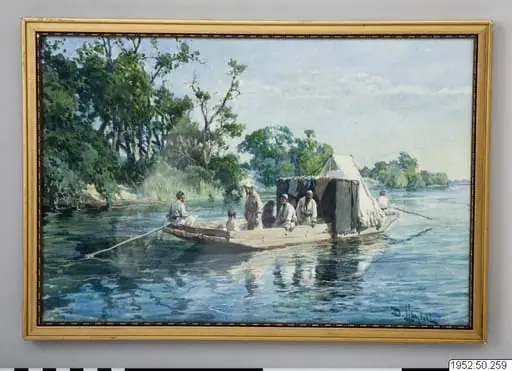 board, painting,
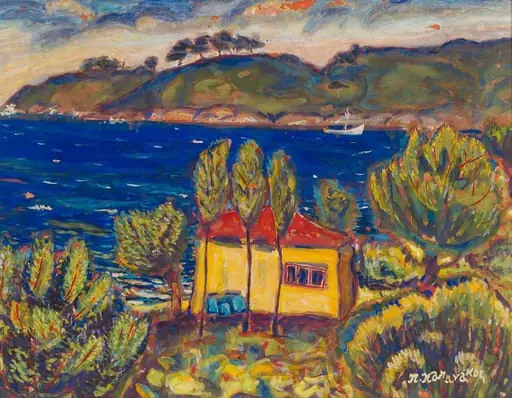 Όρμος Παναγιάς
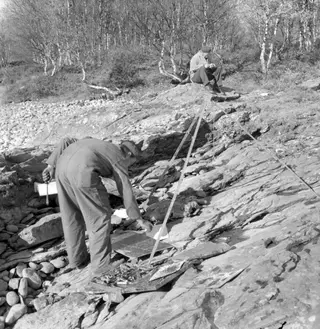 Painting
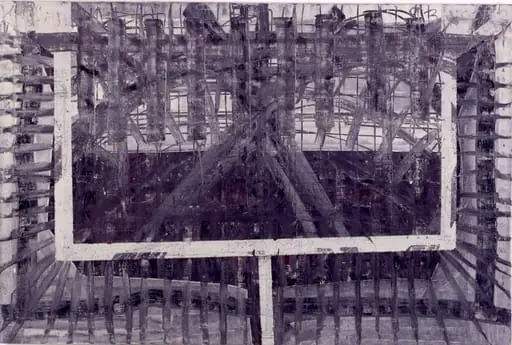 Painting
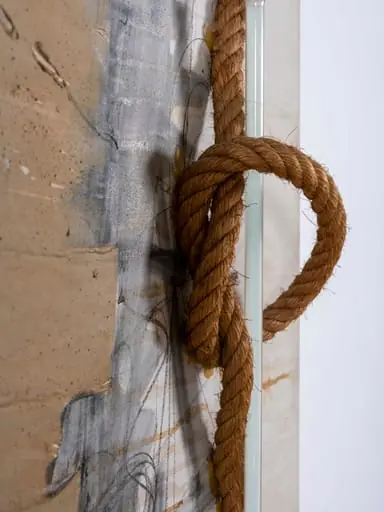 Composition I
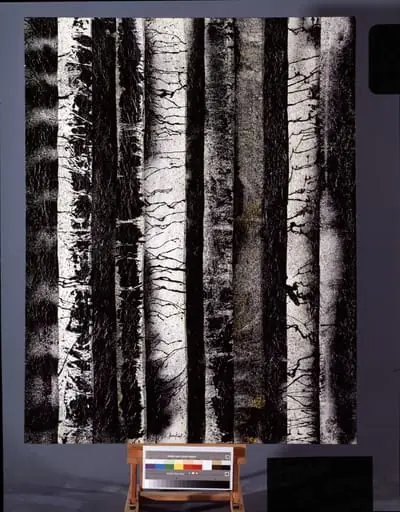 Χωρίς τίτλο
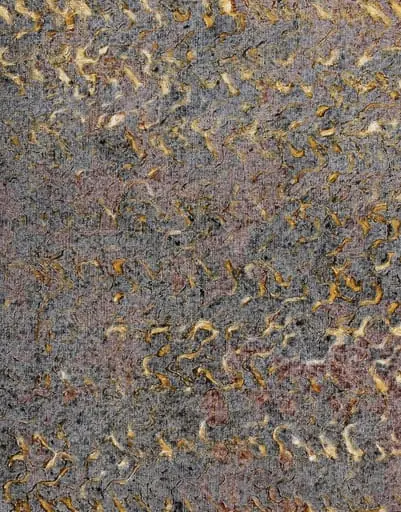 Gentle gesture flowing lines Silken Movement 3
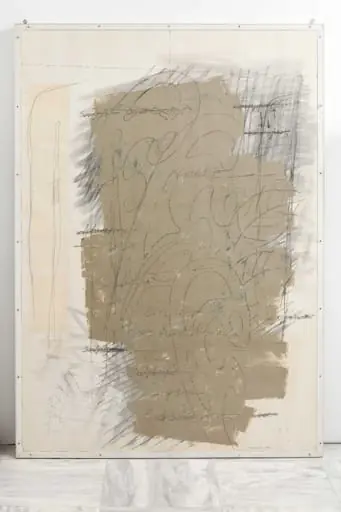 Σύνθεση ΙΙΙ
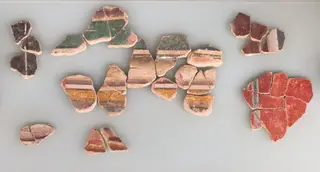 Fragments of wall painting
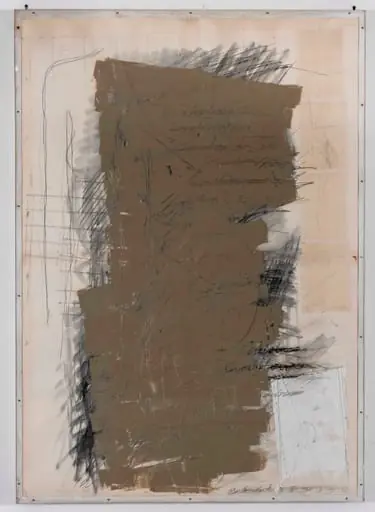 Σύνθεση ΙΙ
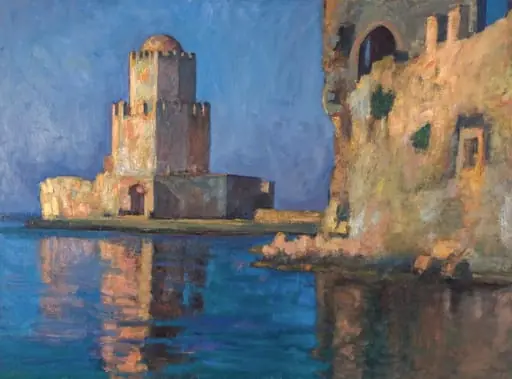 Landscape I
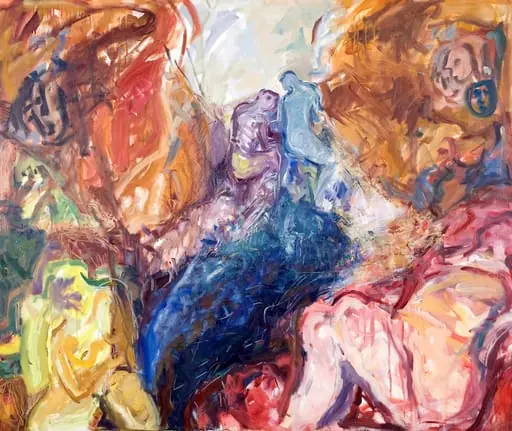 Landscape
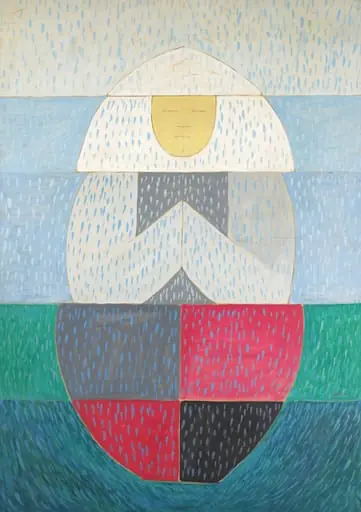 Ηρεμία
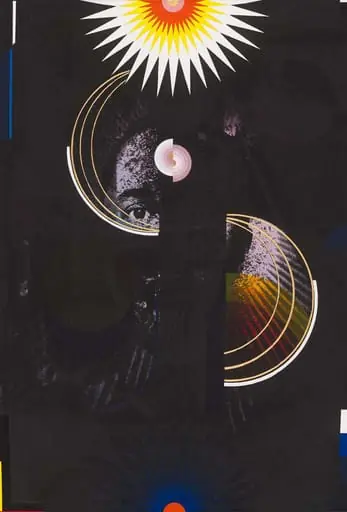 I am an infinity in the Becoming
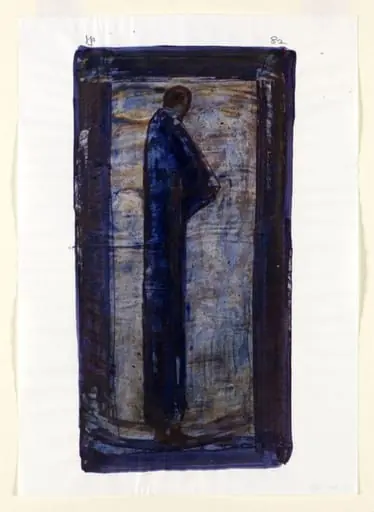 Untitled
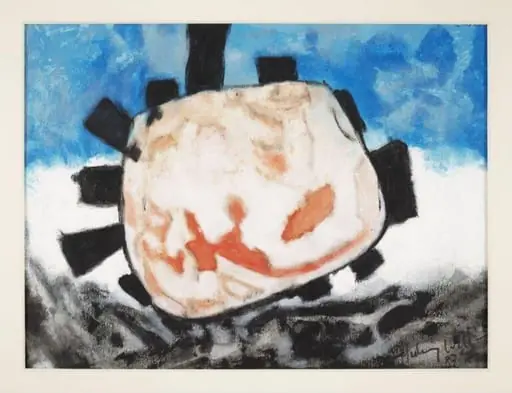 Apparition
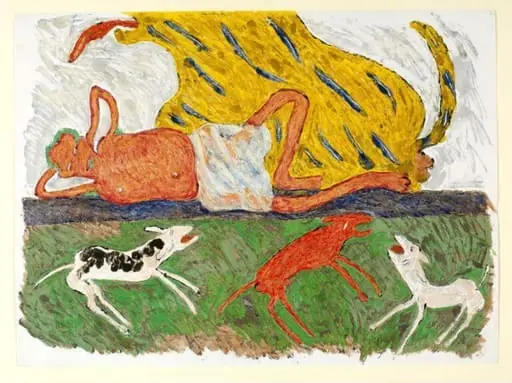 'Between the barking dogs and a painted - tiger I sleep'
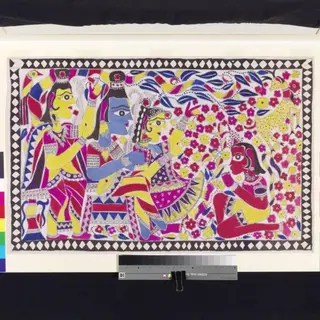 Hanuman, Sita, Rama and Lakshmana
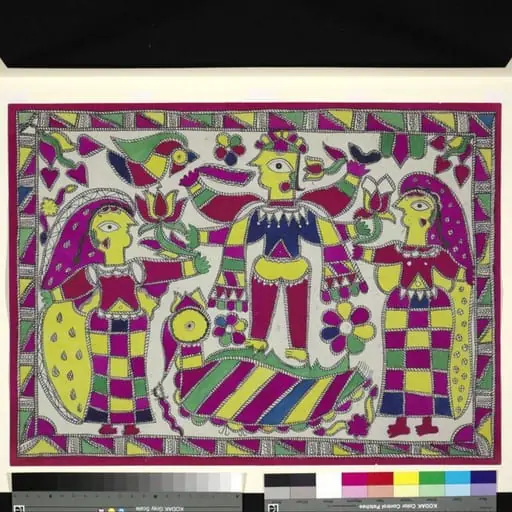 Skanda
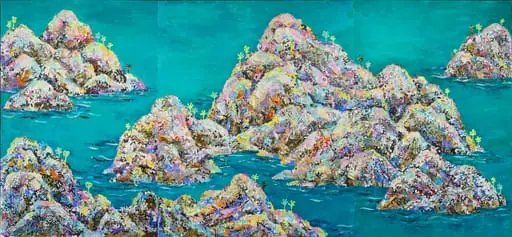 A Great Disruption
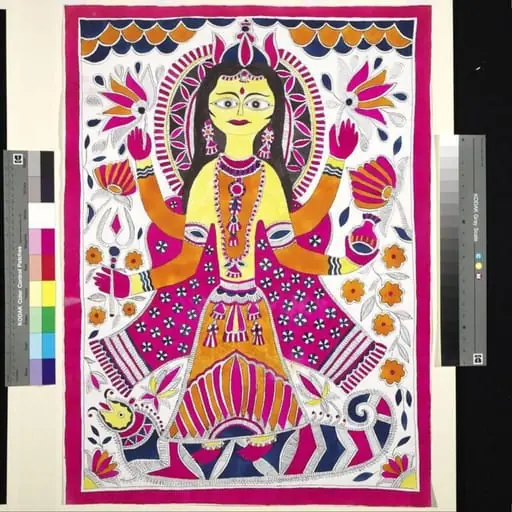 The Goddess Ganga standing on a makara
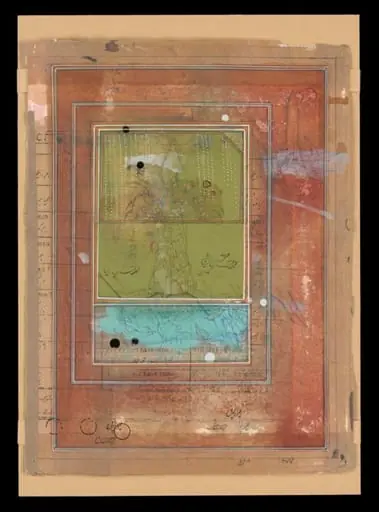 Landscape
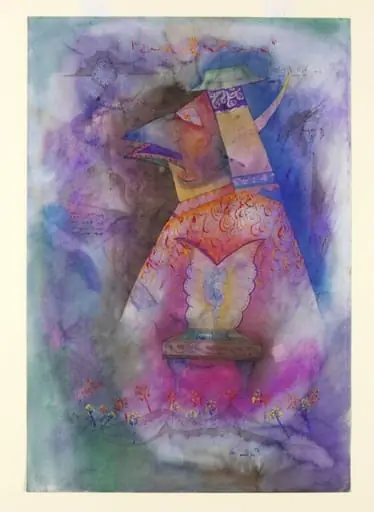 Untitled
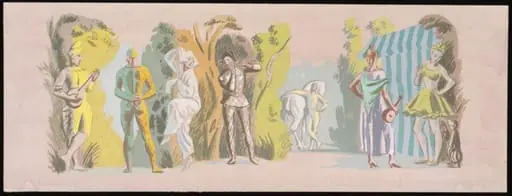 Untitled
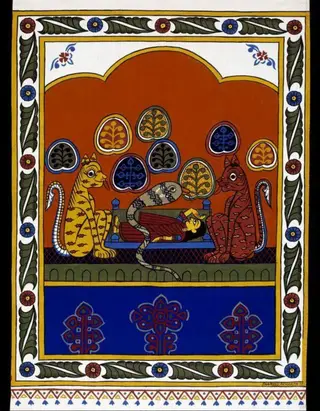 Behula and the snake
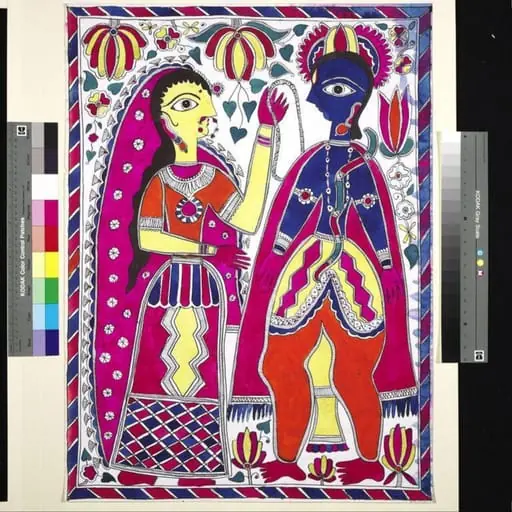 Radha and Krishna
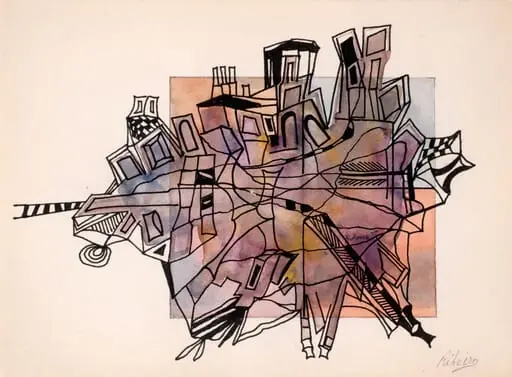 Abstract Townscape
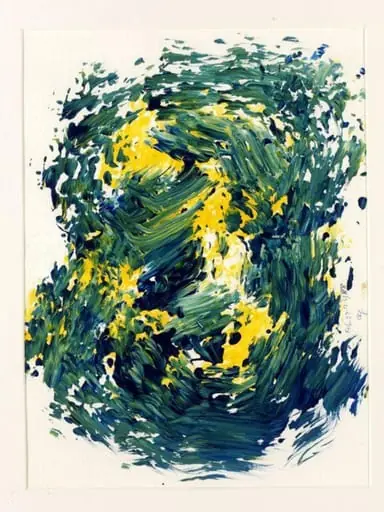 Untitled
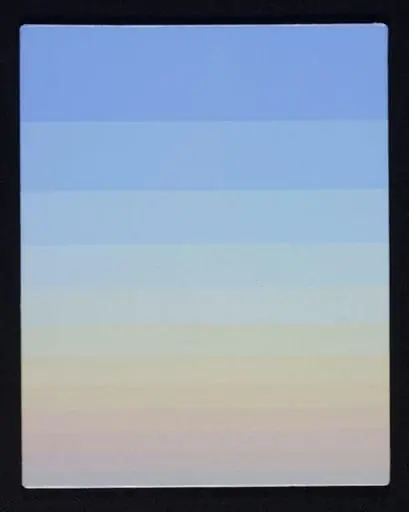 Untitled
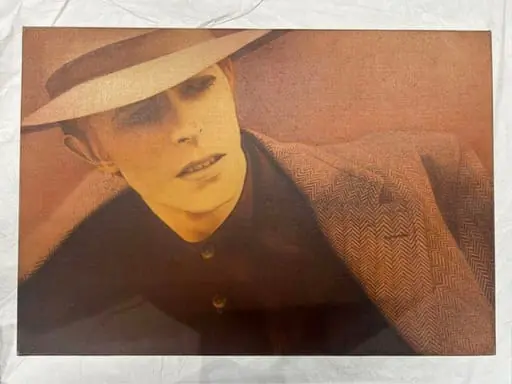 Untitled
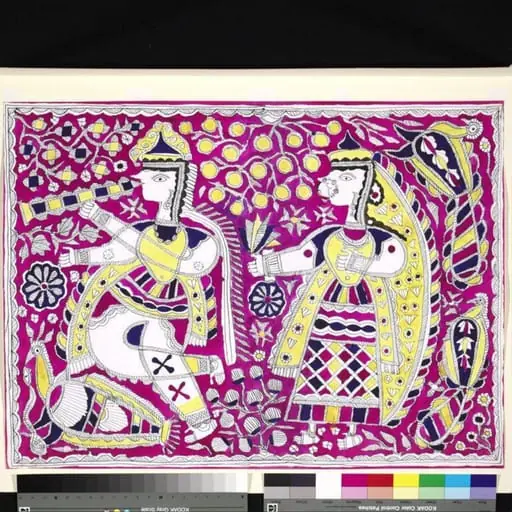 Krishna and Radha
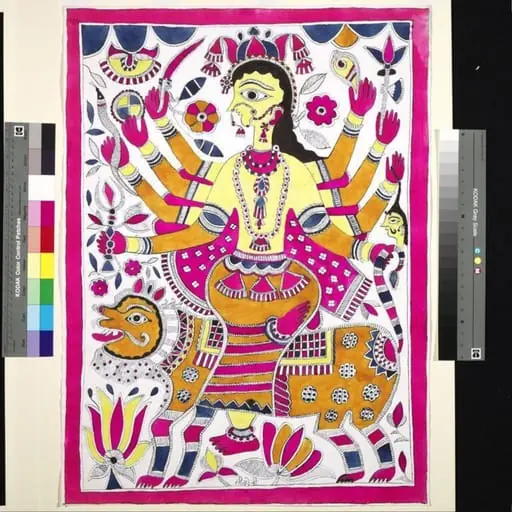 Durga
Durga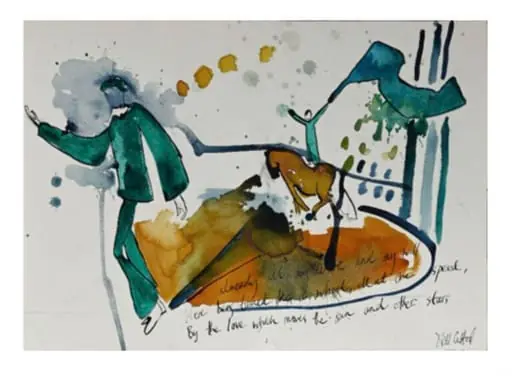 By the Love Which Moves the Sun and Other Stars
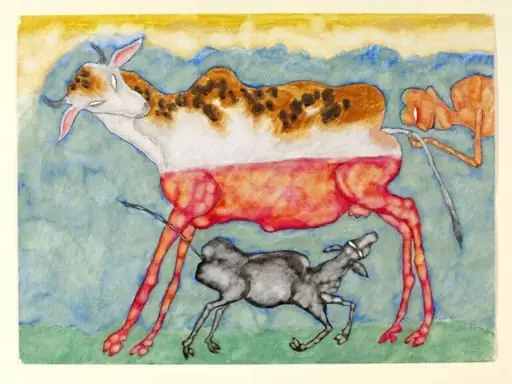 Tail-Tale
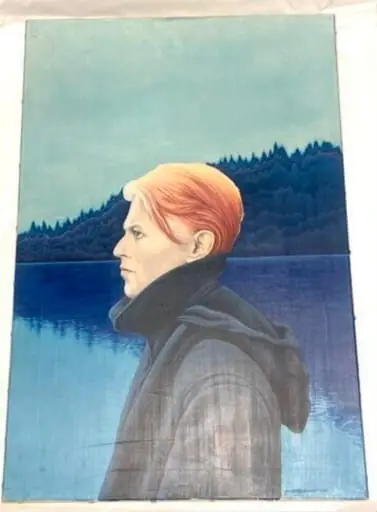 Untitled
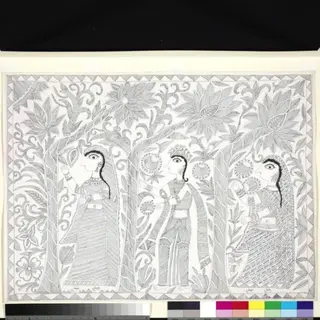 Krishna
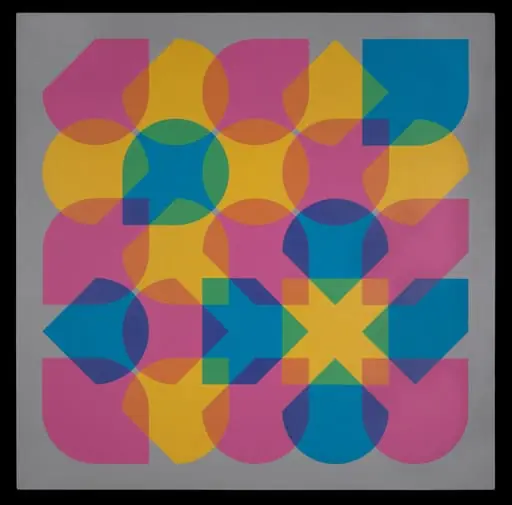 Untitled
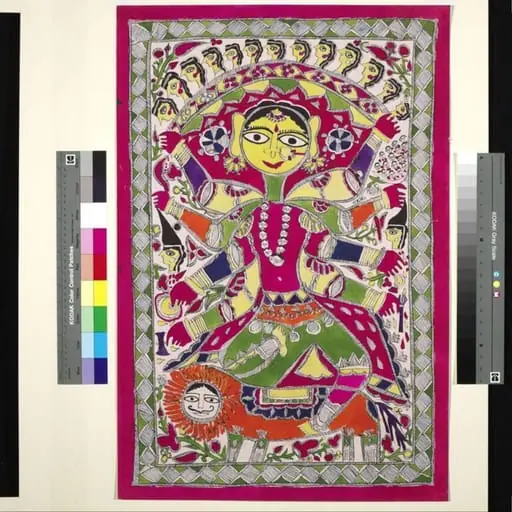 Durga
Durga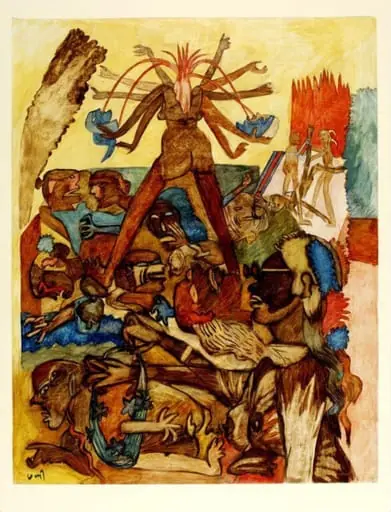 Chinnamasta
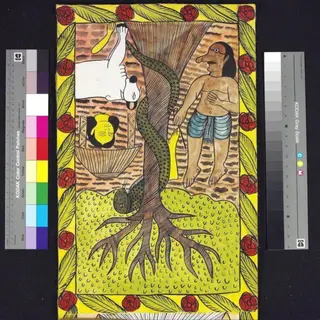 Untitled
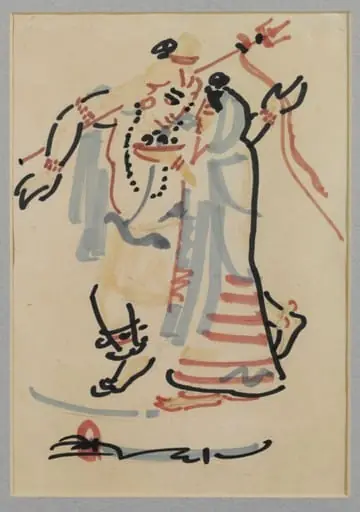 Shiva and Parvati
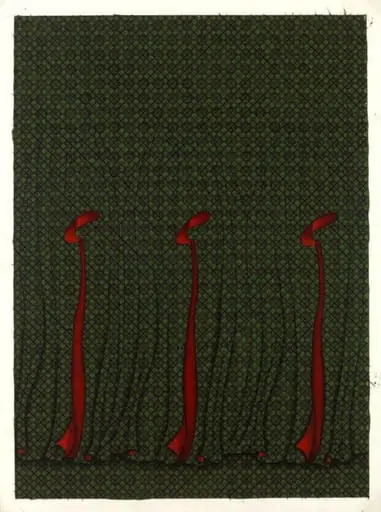 Gul-e-lalah
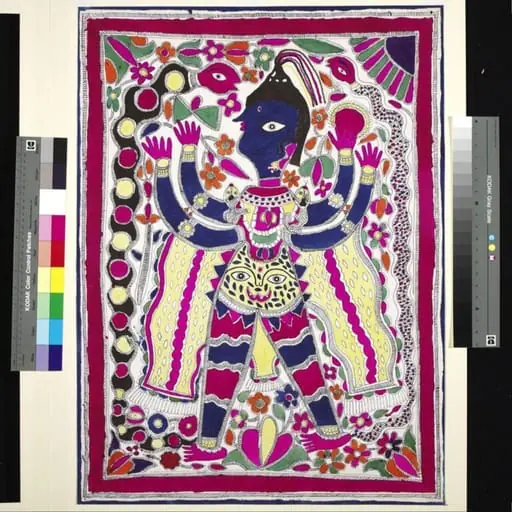 Shiva
Shiva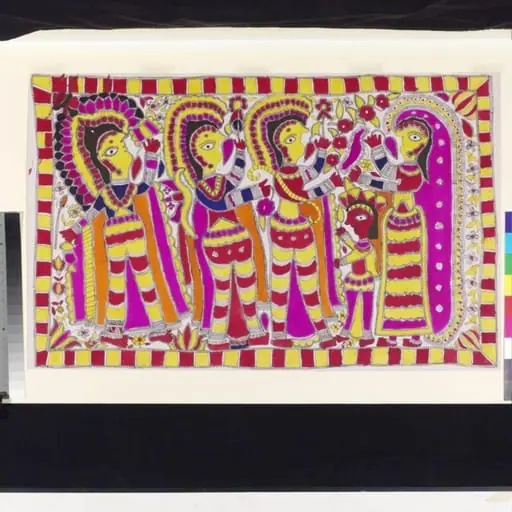 Krishna
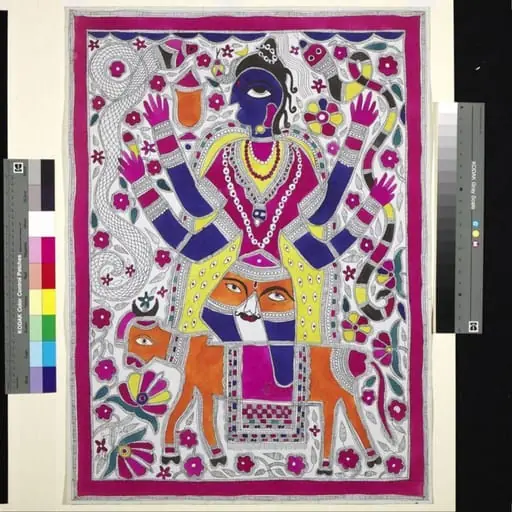 Shiva riding on Nandi
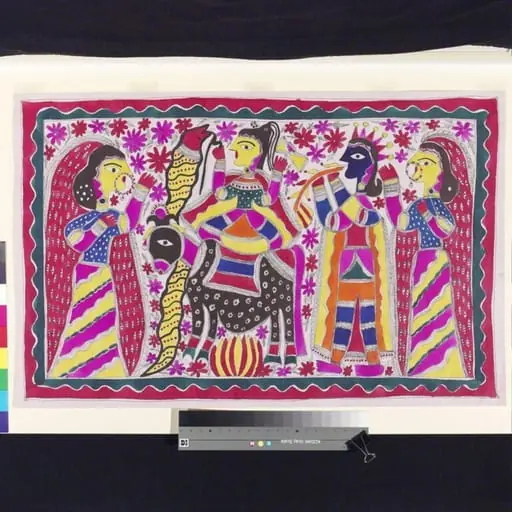 Shiva on Nandi
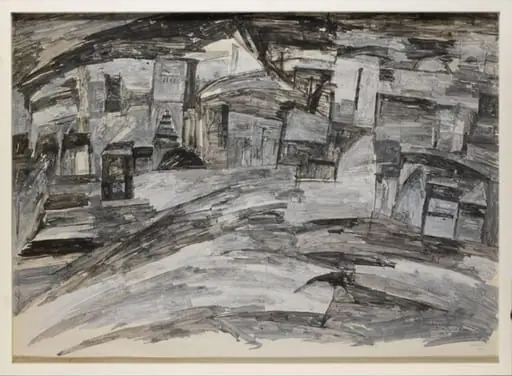 Untitled
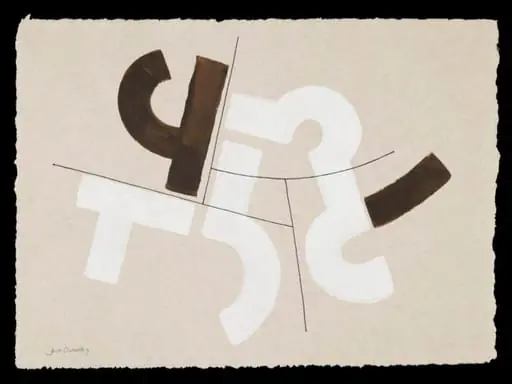 Untitled
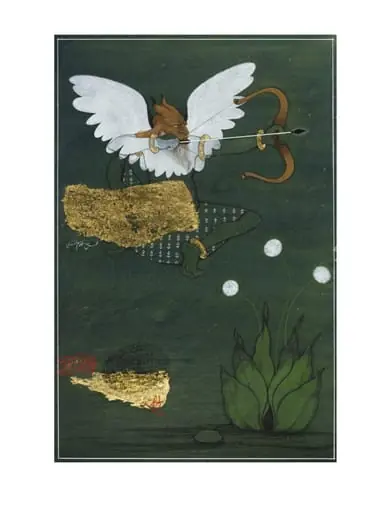 Untitled
 Untitled
 Untitled
 Untitled
 Untitled
 Untitled
 Untitled
 Untitled
 Untitled
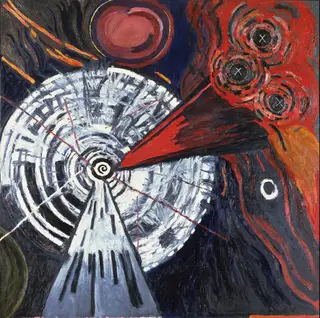 Untitled
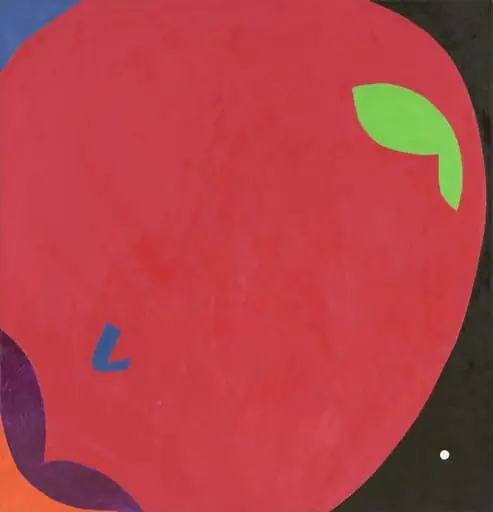 Untitled
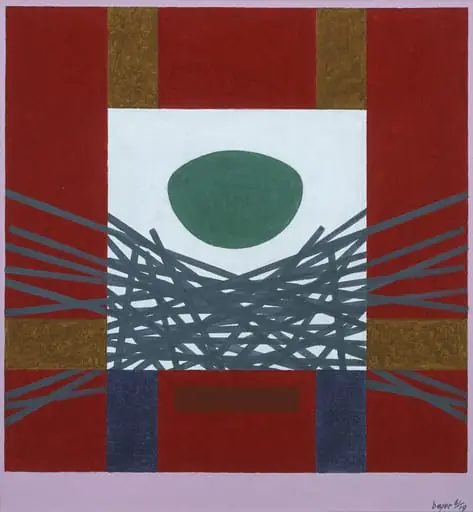 Untitled
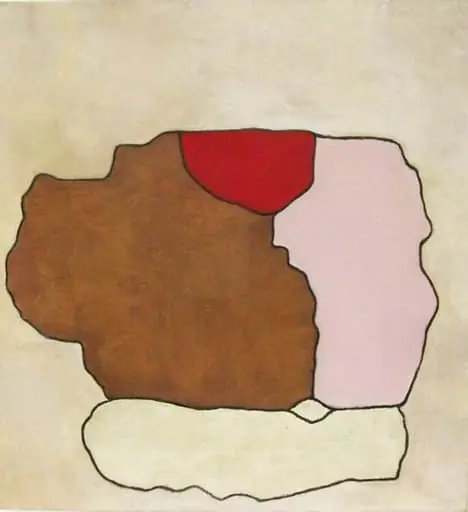 Untitled
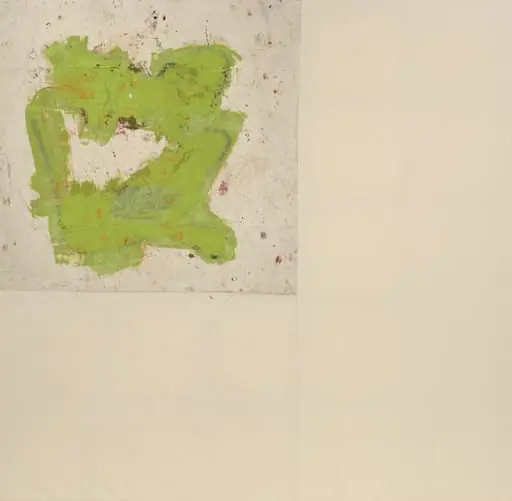 Untitled
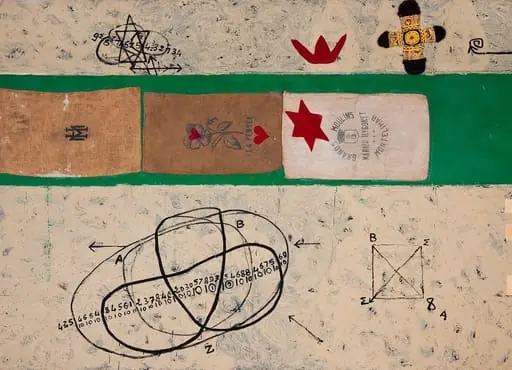 Untitled
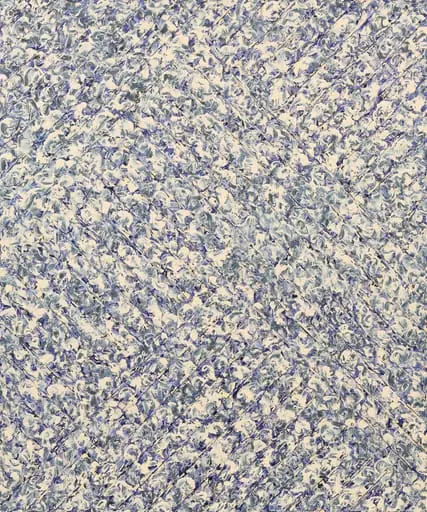 Untitled
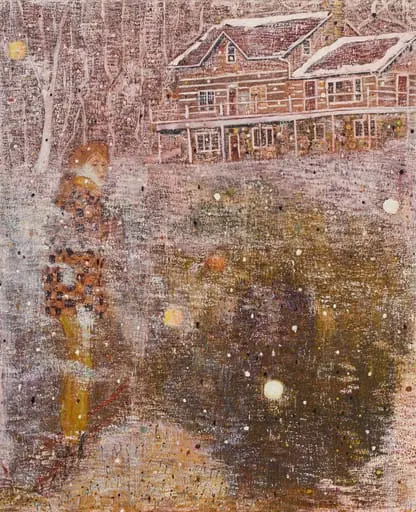 Untitled
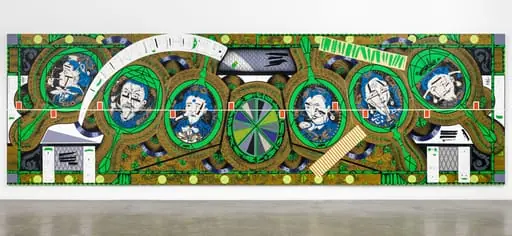 Untitled
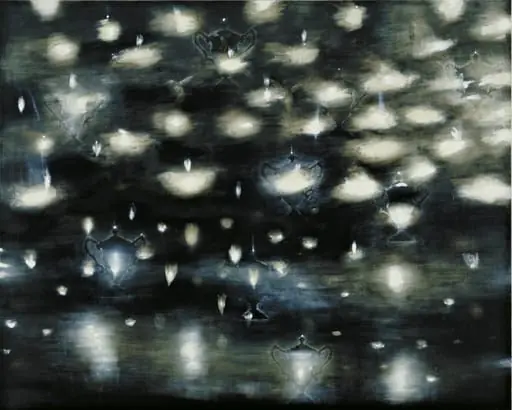 Untitled
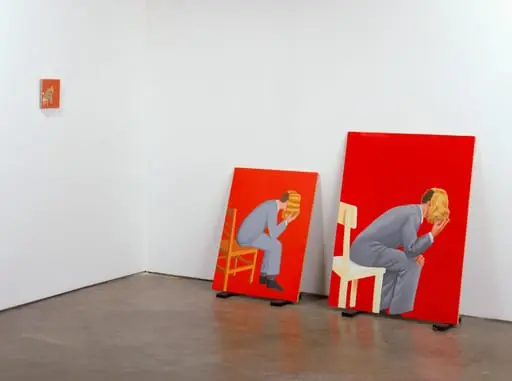 Untitled
 Untitled
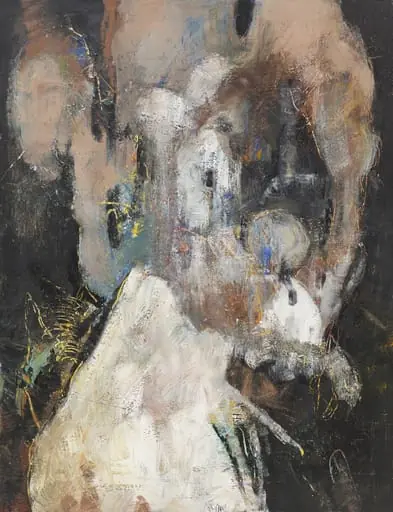 Untitled
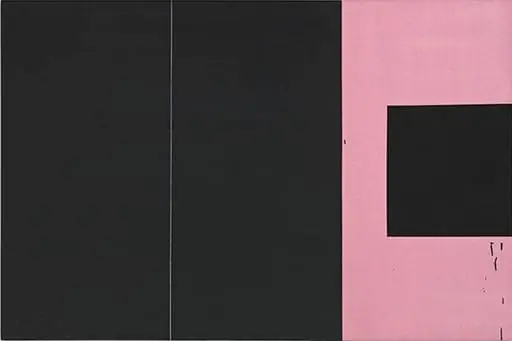 Untitled
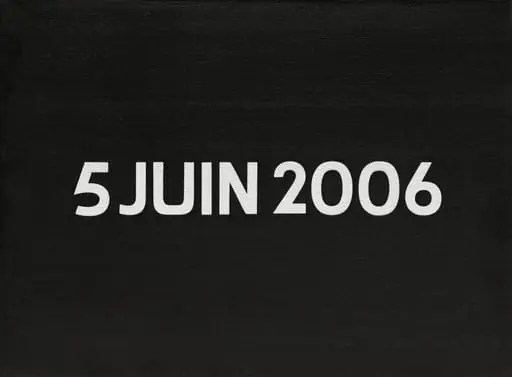 Untitled
 Untitled
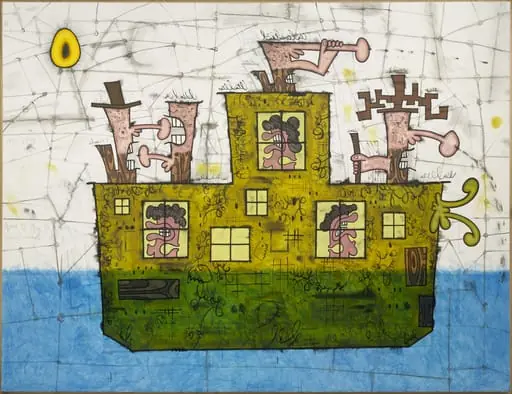 Untitled
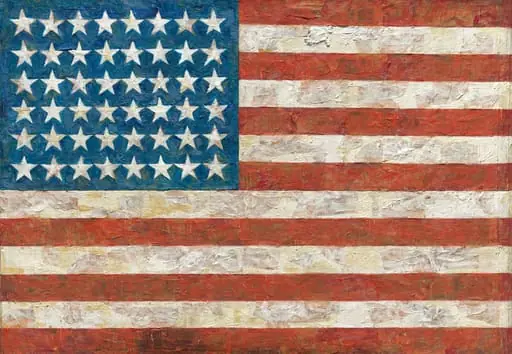 Untitled
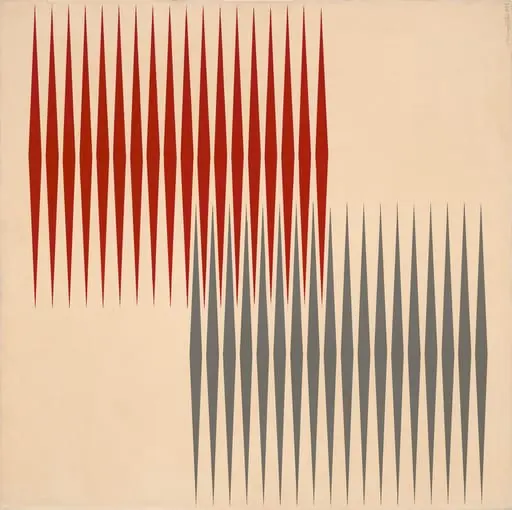 Untitled
 Untitled
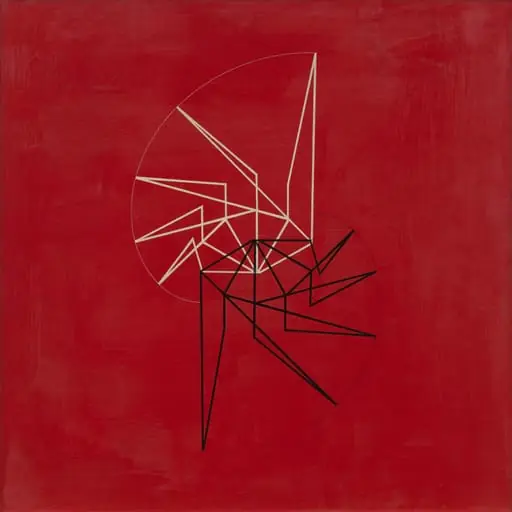 Untitled
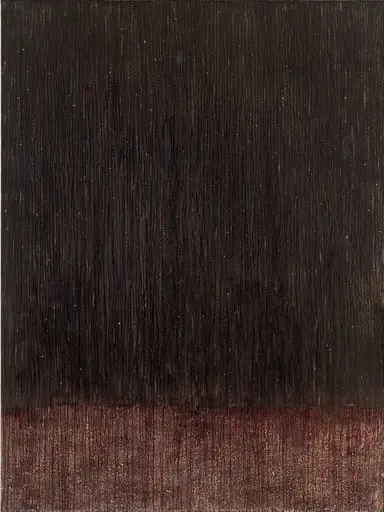 Untitled
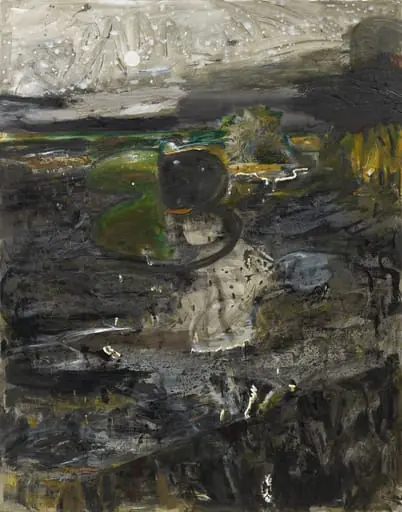 Untitled
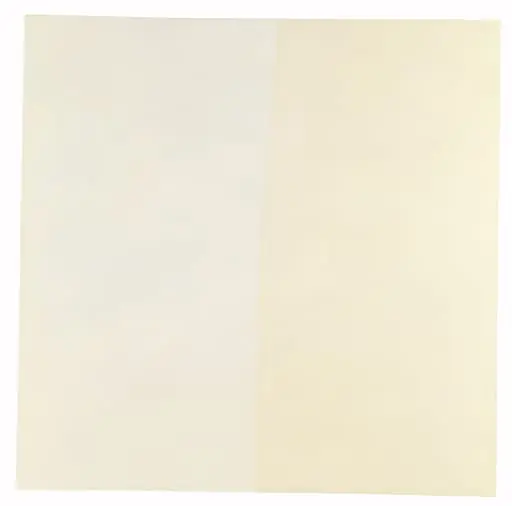 Untitled
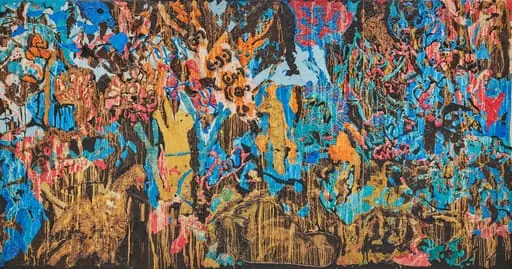 Untitled
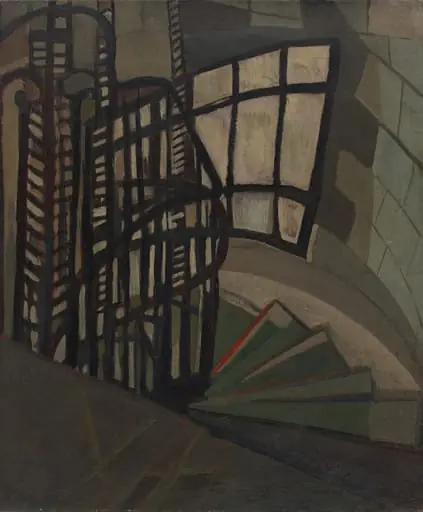 Untitled
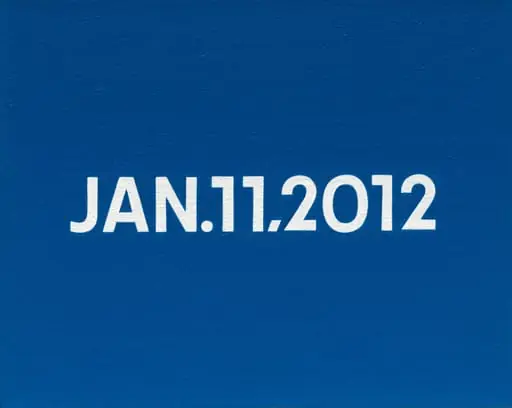 Untitled
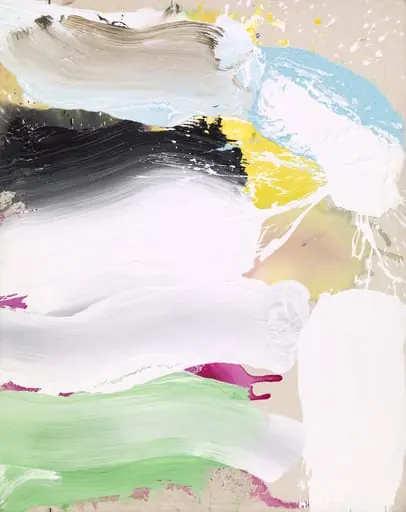 Untitled
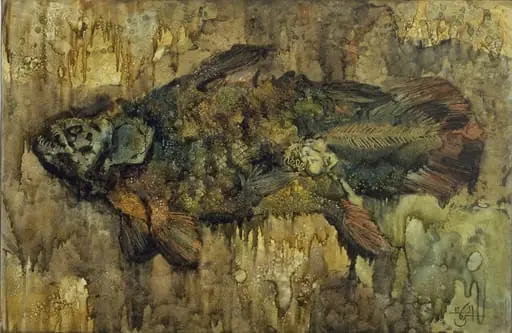 Untitled
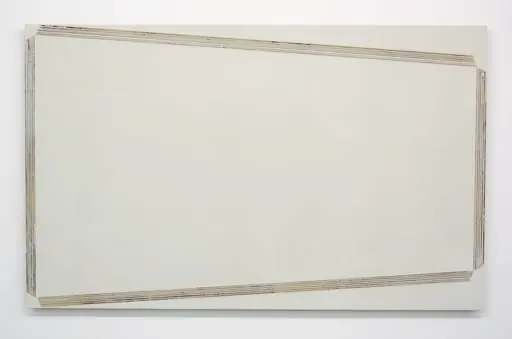 Untitled
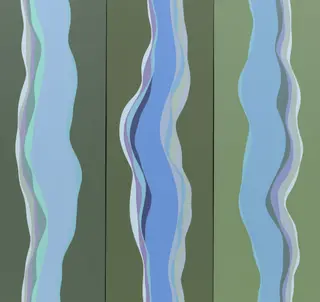 Untitled
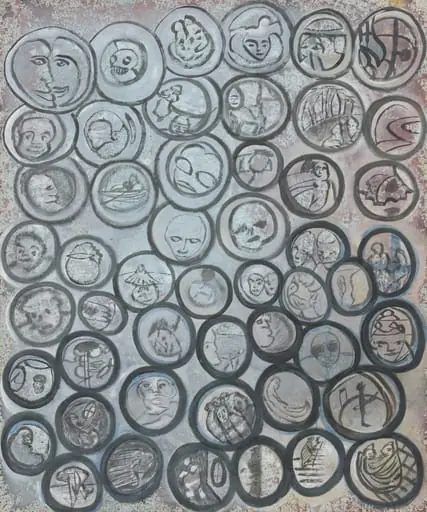 Untitled
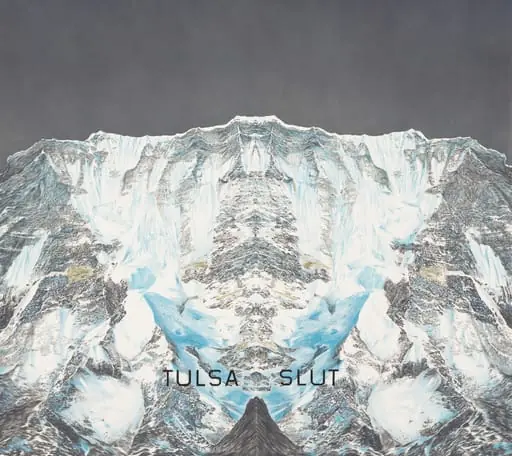 Untitled
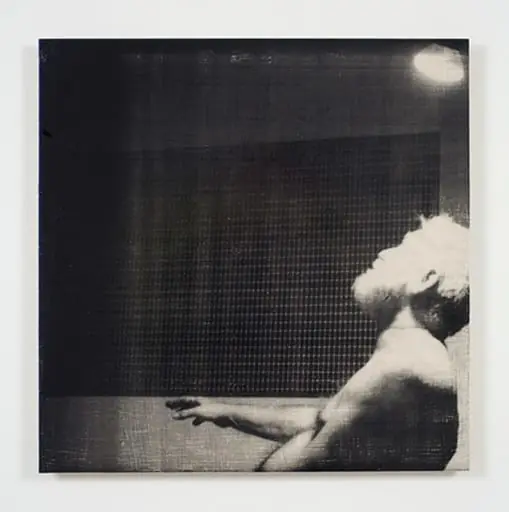 Untitled
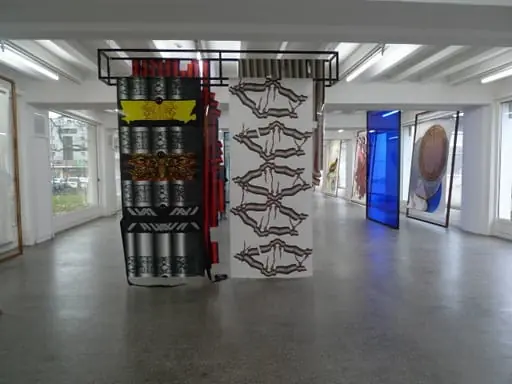 Untitled
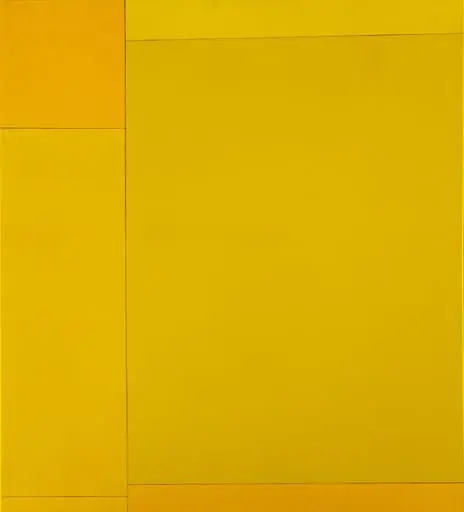 Untitled
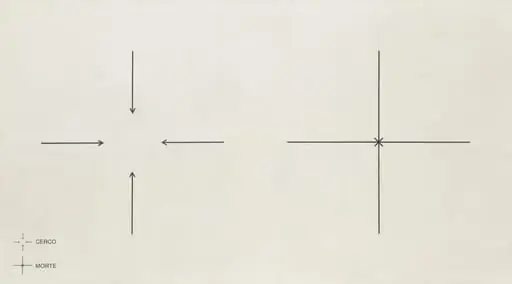 Untitled
 Untitled
 Untitled
 Untitled
 Untitled
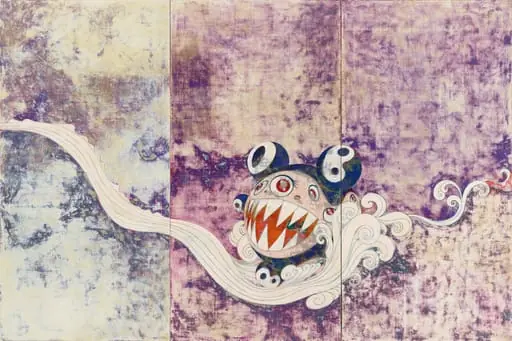 Untitled
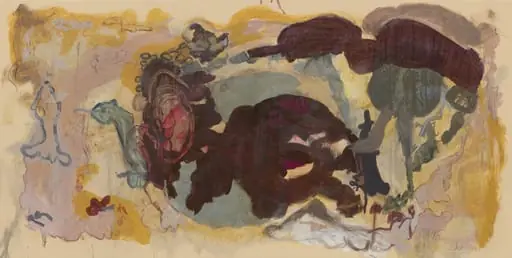 Untitled
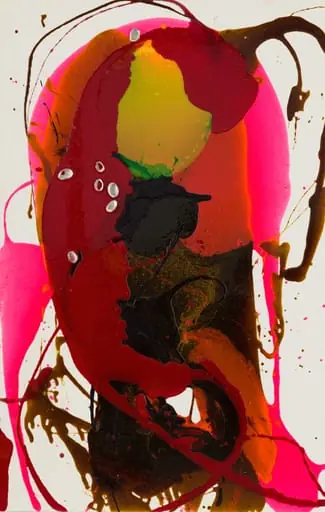 Untitled
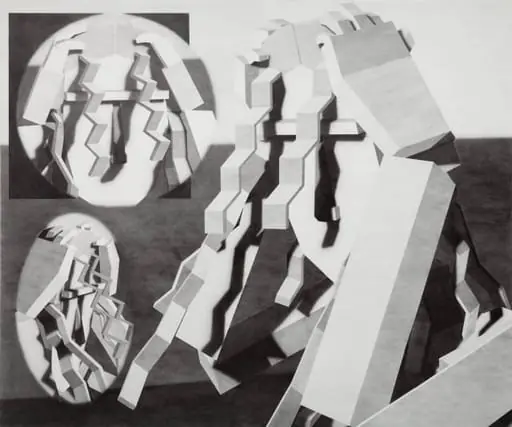 Untitled
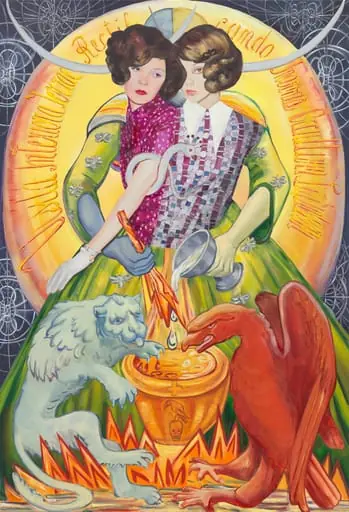 Untitled
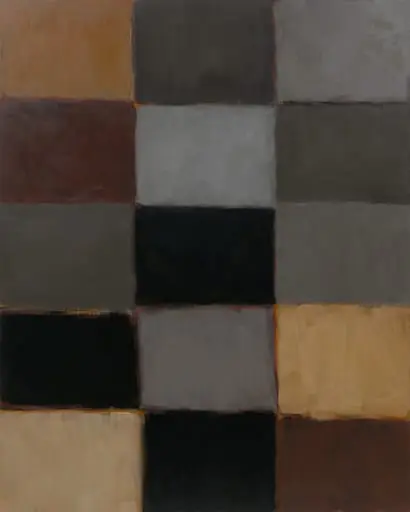 Untitled
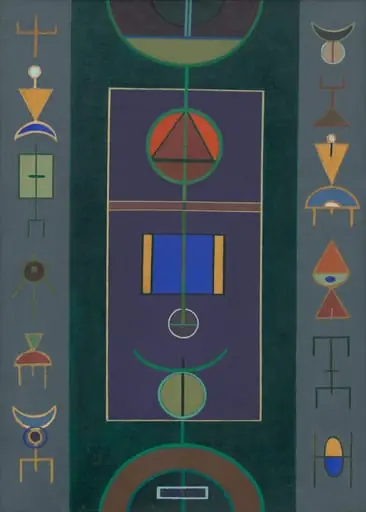 Untitled
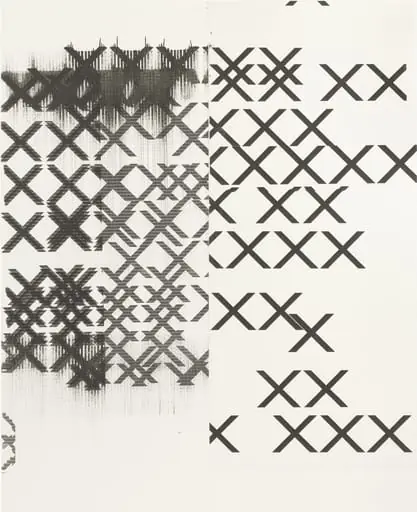 Untitled
 Untitled
 Untitled
 Untitled
 Untitled
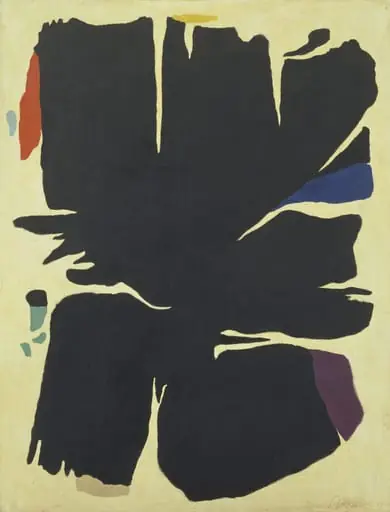 Untitled
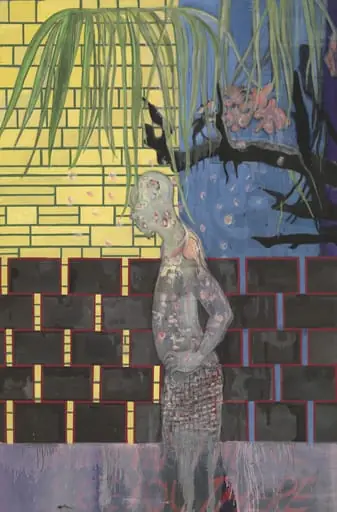 Untitled
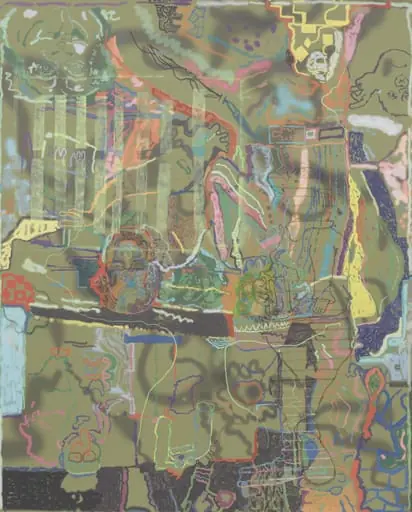 Untitled
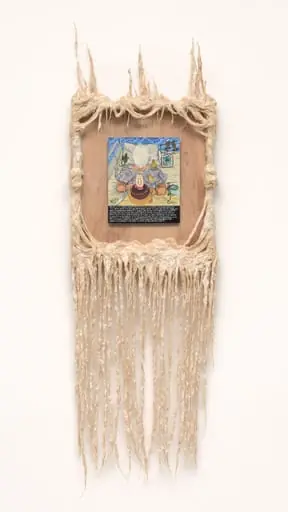 Untitled
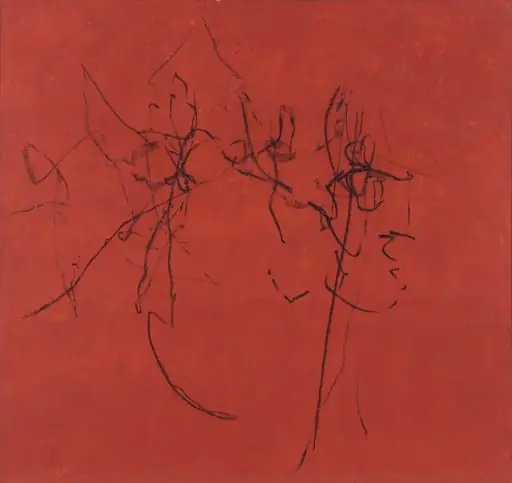 Untitled
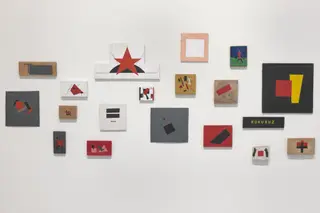 Untitled
 Untitled
 Untitled
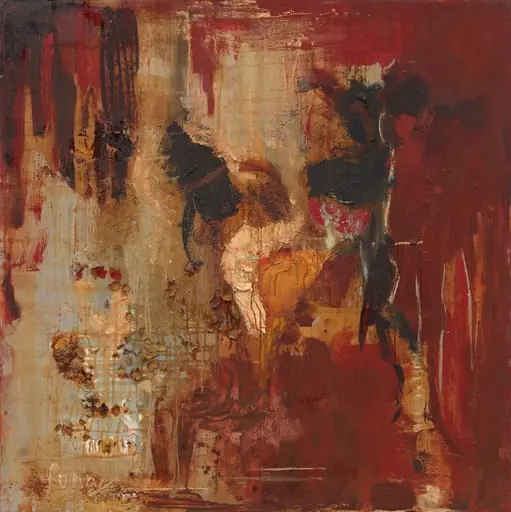 Untitled
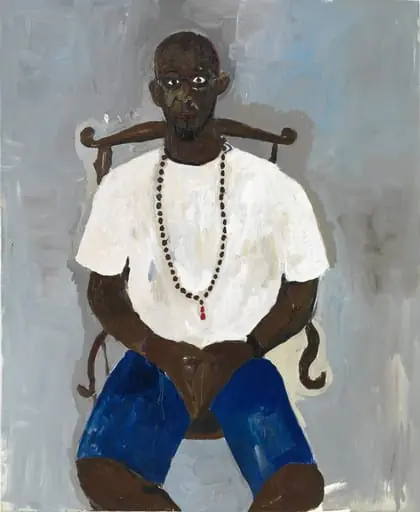 Untitled
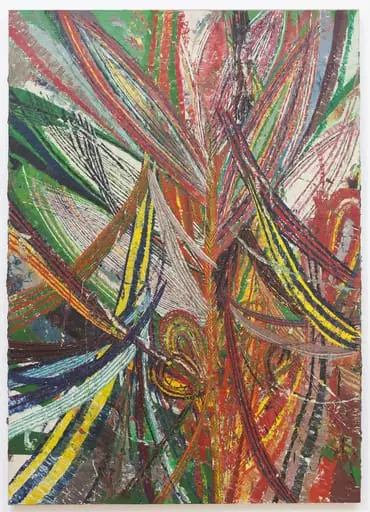 Untitled
 Untitled
 Untitled
 Untitled
 Untitled
 Untitled
 Untitled
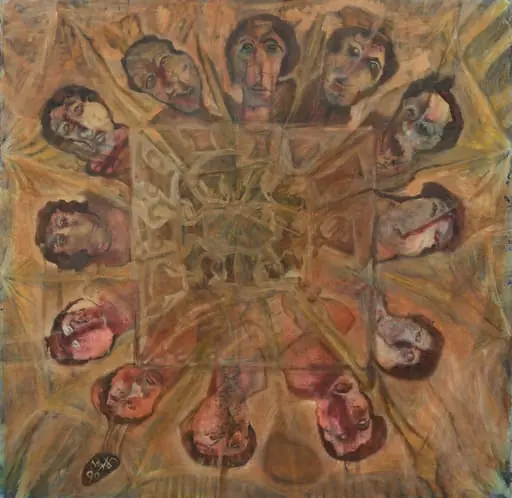 Untitled
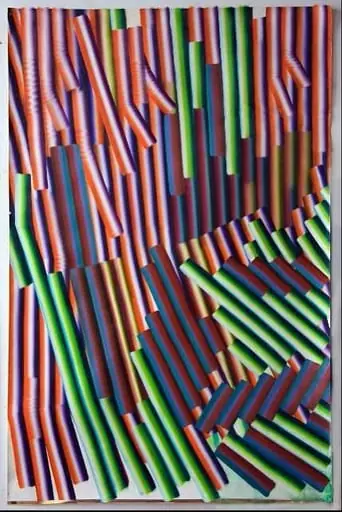 Untitled
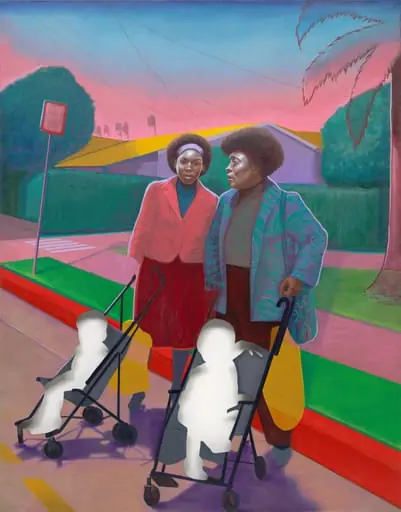 Untitled
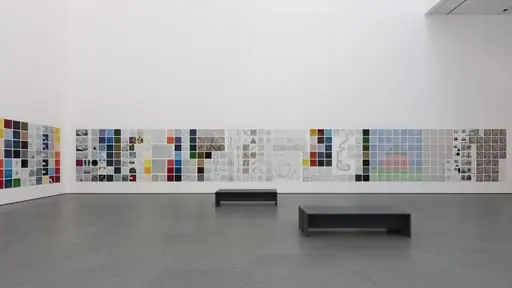 Untitled
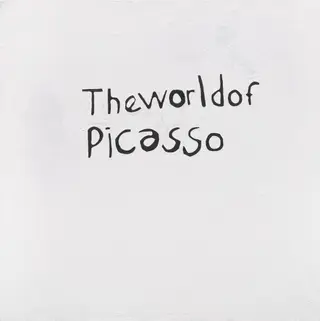 Untitled
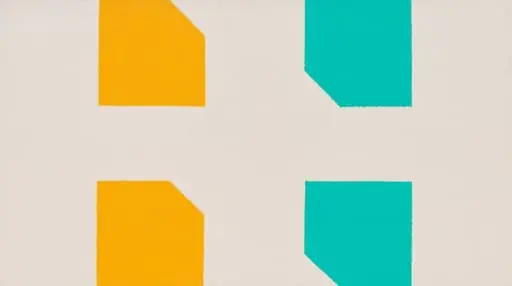 Untitled
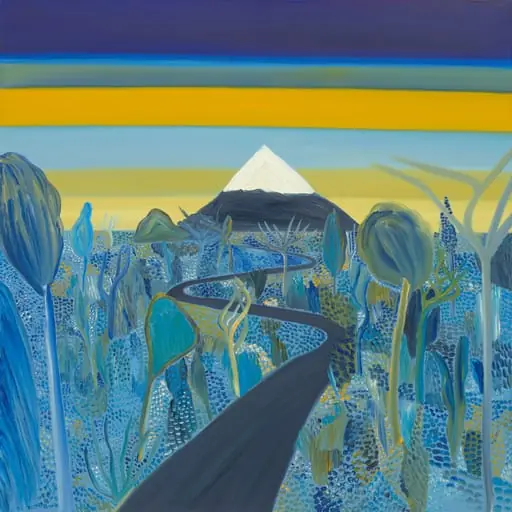 Untitled
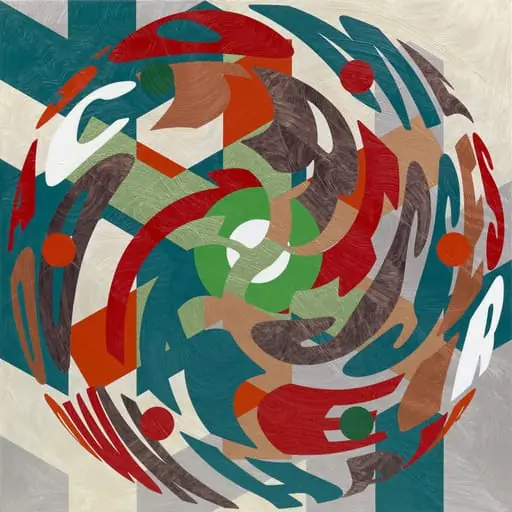 Untitled
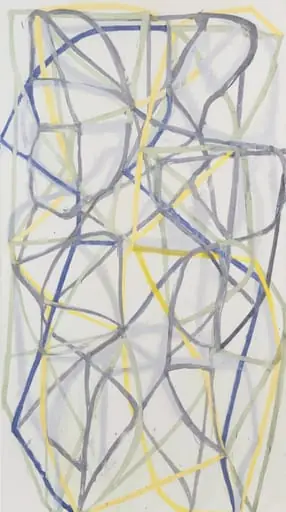 Untitled
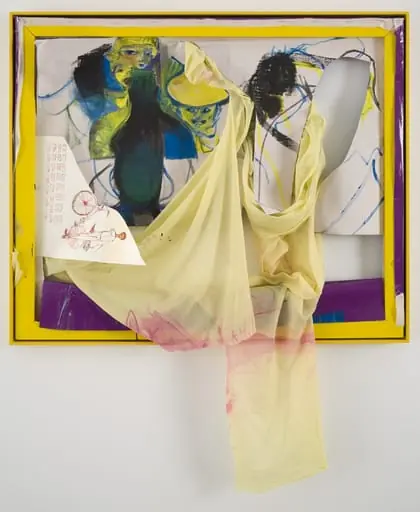 Untitled
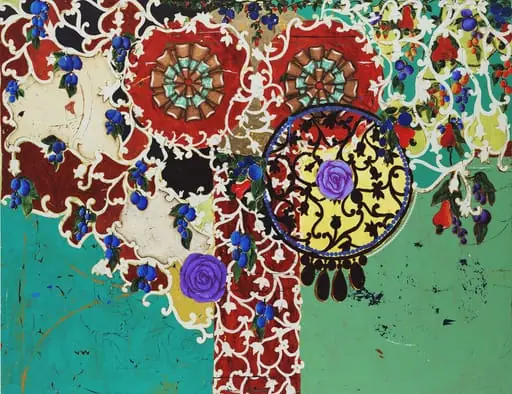 Untitled
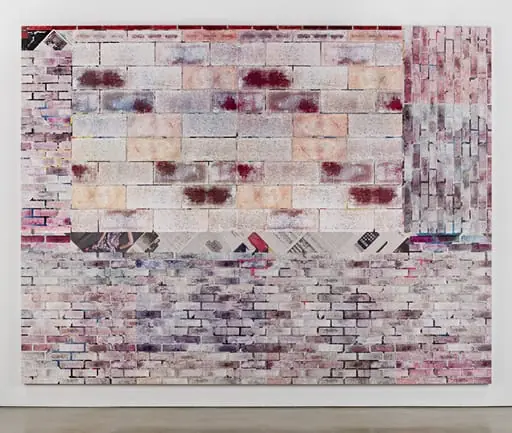 Untitled
 Untitled
 Untitled
 Untitled
 Untitled
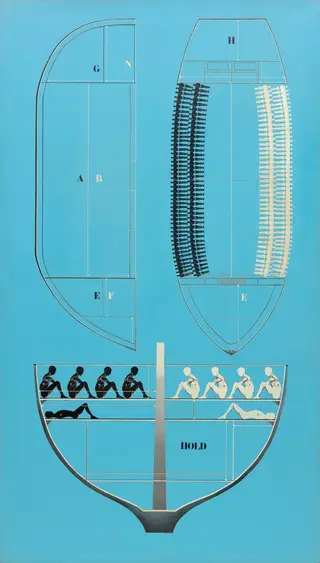 Untitled
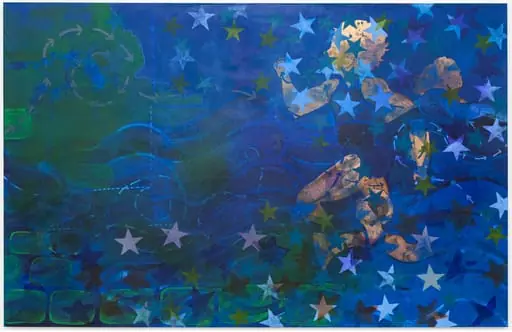 Untitled
 Untitled
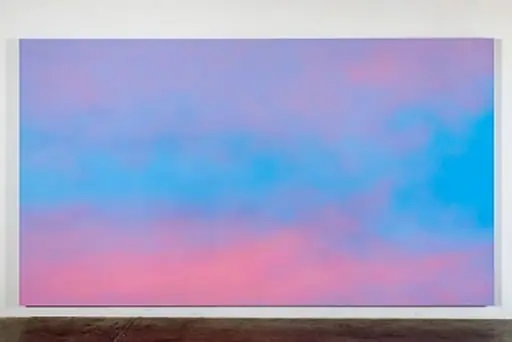 Untitled
 Untitled
 Untitled
 Untitled
 Untitled
 Untitled
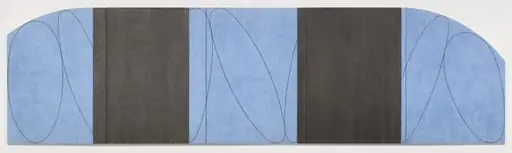 Untitled
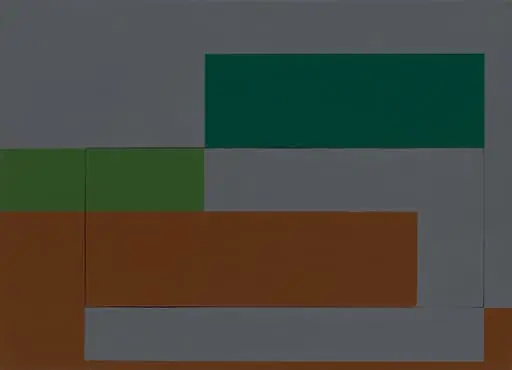 Untitled
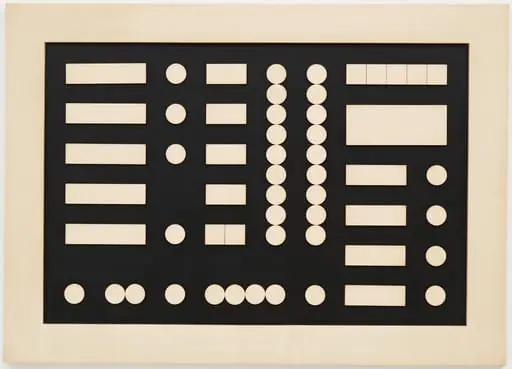 Untitled
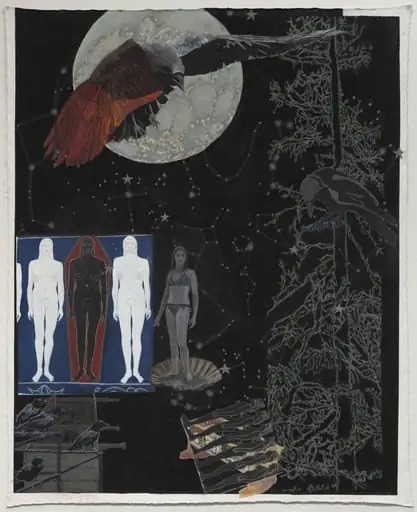 Untitled
 Untitled
 Untitled
 Untitled
 Untitled
 Untitled
 Untitled
 Untitled
 Untitled
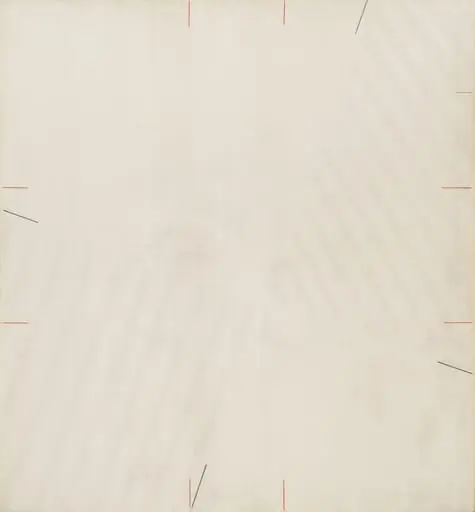 Untitled
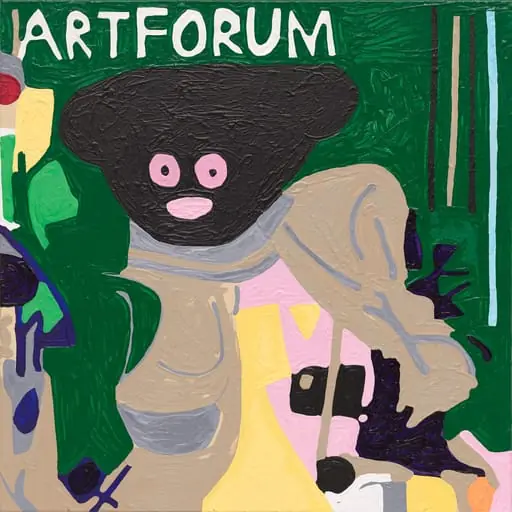 Untitled
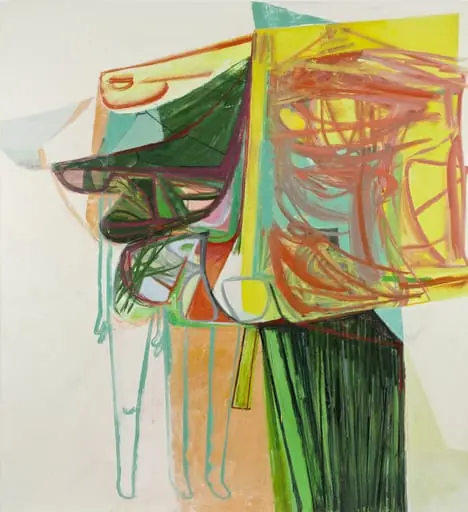 Untitled
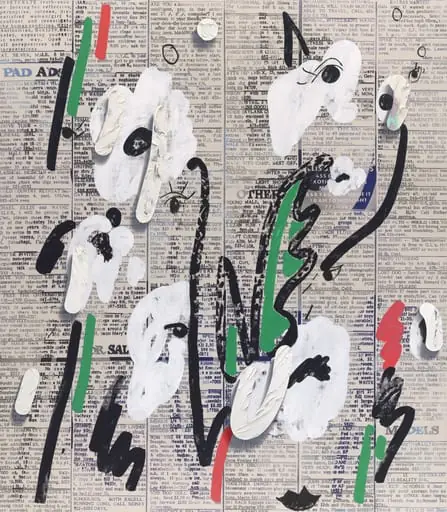 Untitled
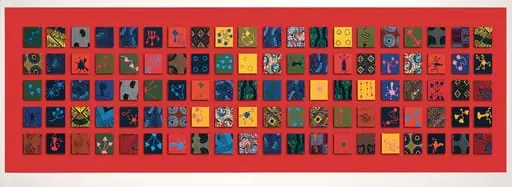 Untitled
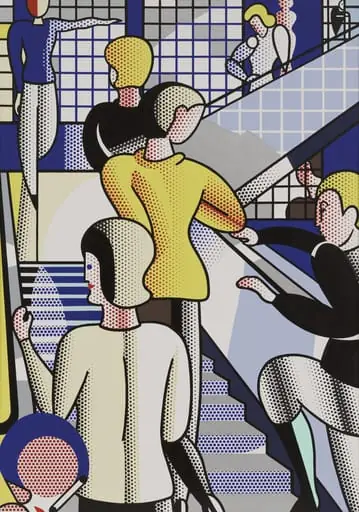 Untitled
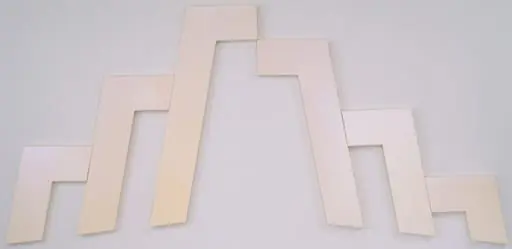 Untitled
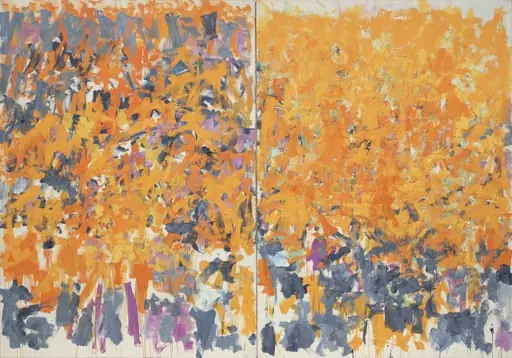 Untitled
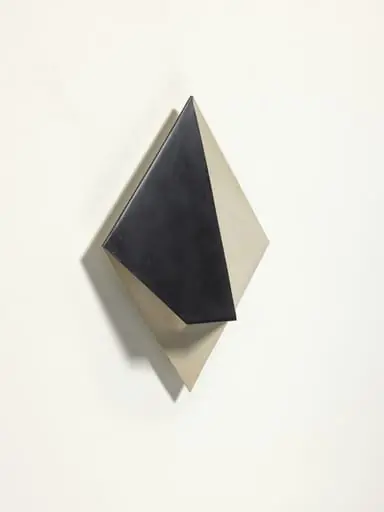 Untitled
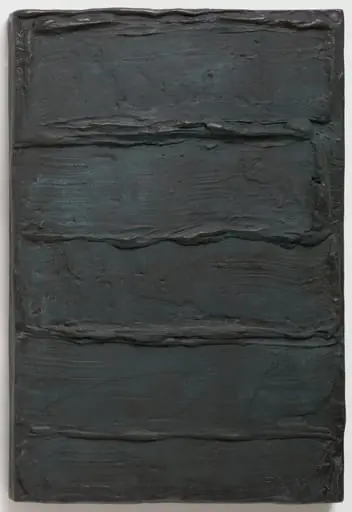 Untitled
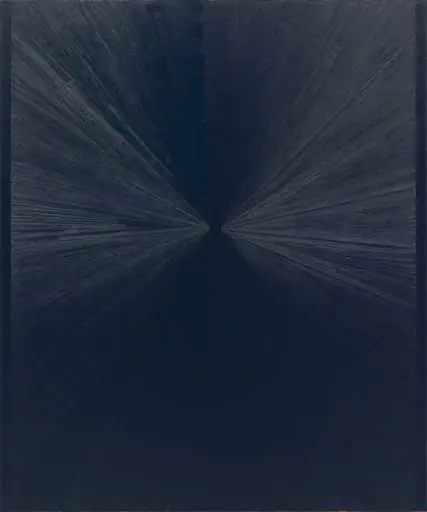 Untitled
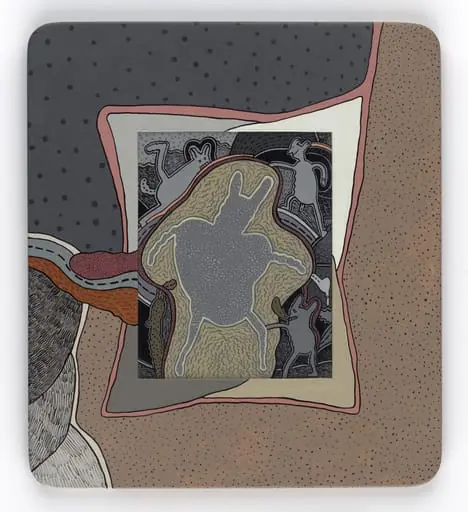 Untitled
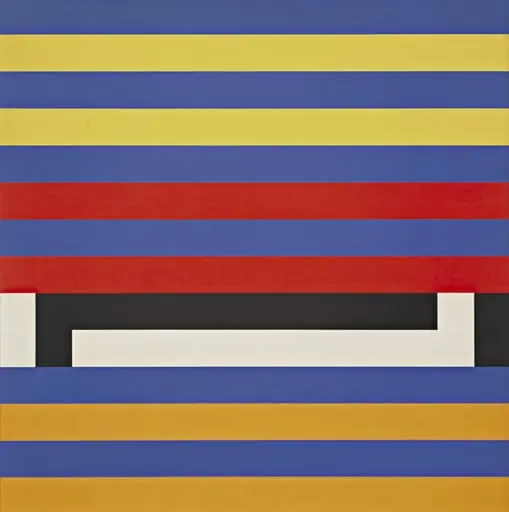 Untitled
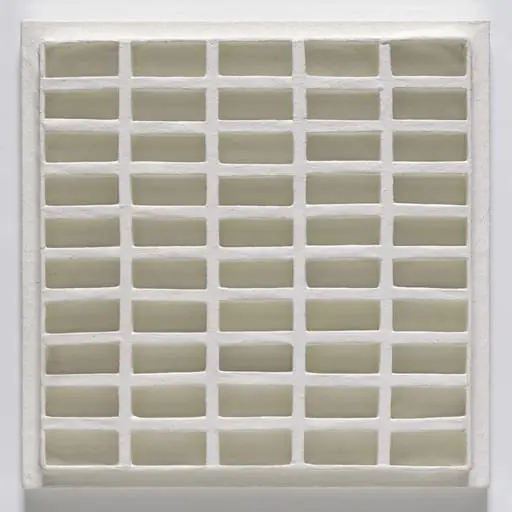 Untitled
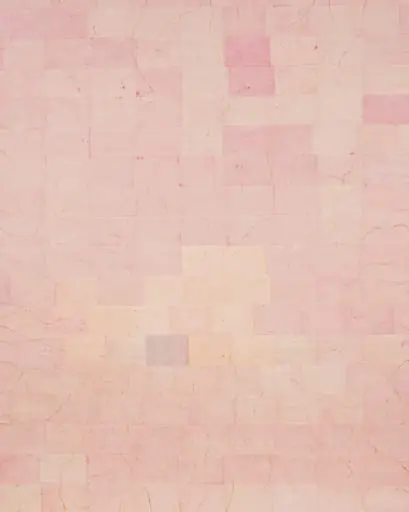 Untitled
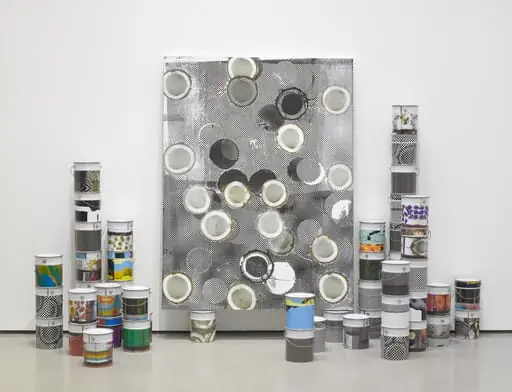 Untitled
 Untitled
 Untitled
 Untitled
 Untitled
Groups & collectives
Frequently asked questions
What is Contemporary Abstract?
Contemporary Abstract is an art movement. Non-representational painting of the recent era, carrying abstraction forward after the mid-century movements.
How many Contemporary Abstract works does Artifact World Gallery have?
Artifact World Gallery holds 483 public-domain Contemporary Abstract works, all free to view and download.
Who are the key Contemporary Abstract artists?
Key Contemporary Abstract artists in the collection include Henri Matisse, Peter Howson and Mainie Harriet Jellett.
When did Contemporary Abstract take place?
Contemporary Abstract dates from around 1960.
Where can I see Contemporary Abstract works?
Contemporary Abstract works in the collection are held by Museum of Modern Art, Victoria and Albert Museum and Metropolitan Organisation of Museums of Visual Arts of Thessaloniki – MOMus.