Artwork
The Fable of the Miller, His Son, and the Donkey
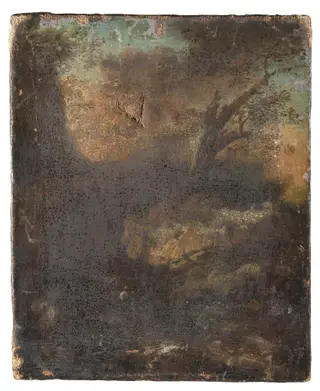
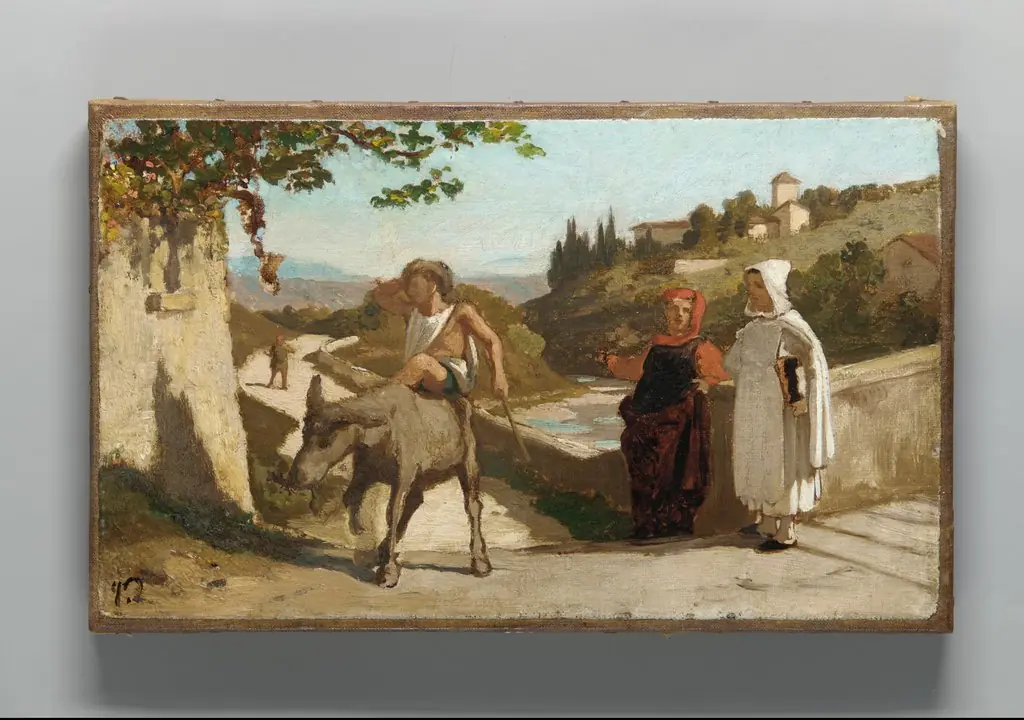
The Fable of the Miller, His Son, and the Donkey is an oil painting by the American Impressionist artist Elihu Vedder. It dates from 1867 and is held in the collection of the Metropolitan Museum of Art.
About this work
Subject & Meaning
Its title, The Fable of the Miller, His Son, and the Donkey, references the well-known Aesop tale, indicating that the scene illustrates that narrative.
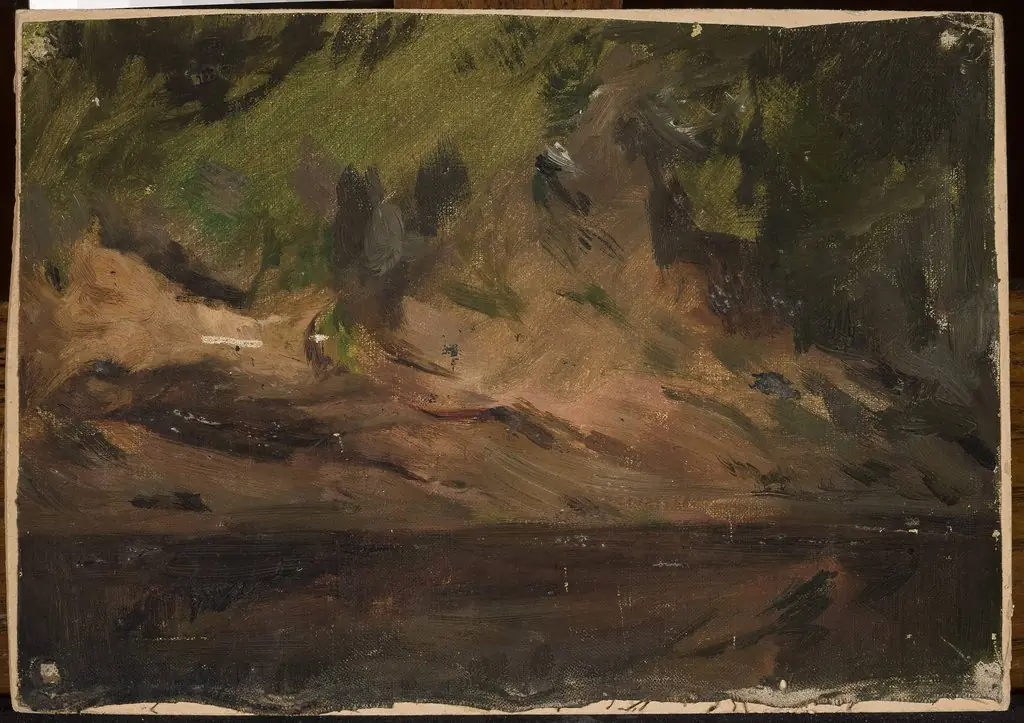
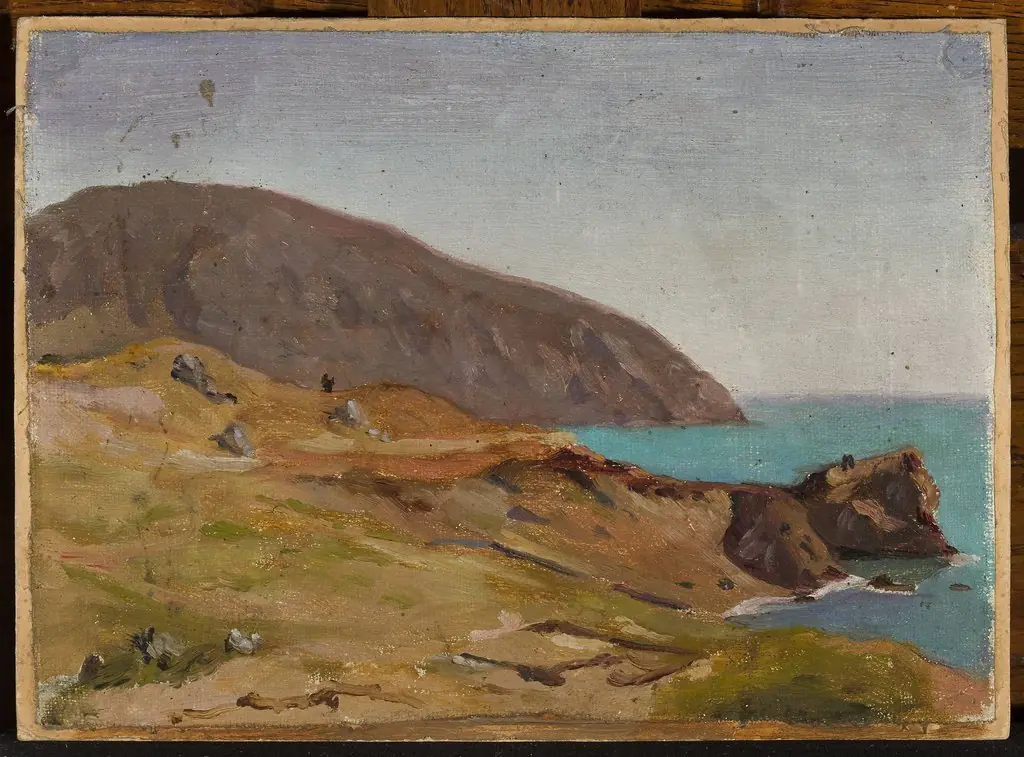
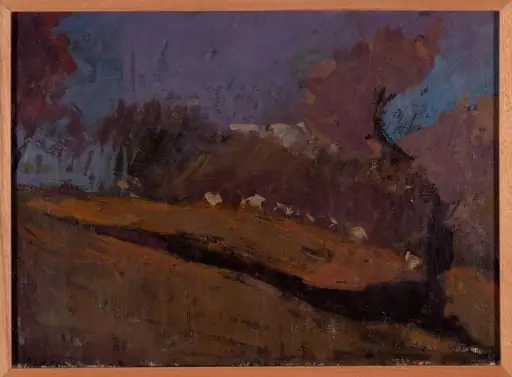
The painting portrays a donkey in a landscape, consistent with its depiction of a donkey and its classification as a landscape work. Its title, The Fable of the Miller, His Son, and the Donkey, references the well-known Aesop tale, indicating that the scene illustrates that narrative. The subject is thus tied to the fable, with the donkey serving as the central iconographic element within a pastoral setting.
Technique & Style
The work is executed in oil paint on canvas, measuring approximately 16.5 cm in height by 27.3 cm in width, and was completed in 1867. It belongs to the landscape genre. The painting's modest scale frames the narrative of the fable within a softly rendered pastoral setting typical of mid-nineteenth-century American landscape work. No documentation regarding conservation status or specific handling practices is provided in the available records.
History & Provenance
Elihu Vedder created the oil painting The Fable of the Miller, His Son, and the Donkey in 1867. Executed on canvas, the work measures 16.5 by 27.3 centimeters and depicts a landscape featuring a donkey. The piece entered the collection of the Metropolitan Museum of Art, where it is cataloged under accession number 1992.205.9.
Details regarding its original commission or the full chain of ownership prior to its museum acquisition are not recorded, but its date and current institutional home are firmly established.
Overview
Elihu Vedder, an American painter and illustrator, completed The Fable of the Miller, His Son, and the Donkey in 1867. This oil painting presents a tranquil landscape scene featuring a man and a donkey. The artwork is part of the permanent collection at The Metropolitan Museum of Art, representing a facet of Vedder's diverse body of work.
Context
Elihu Vedder, recognized as an American Symbolist, was known for his evocative and often allegorical works. While this painting presents a narrative landscape, Vedder is perhaps most widely celebrated for his distinctive illustrations for Edward FitzGerald’s translation of The Rubaiyat of Omar Khayyam. This earlier work showcases his broader engagement with storytelling through visual art.
Own this work as a print
Artist & collection
Artist
Elihu Vedder (26 February 1836 – 29 January 1923) was an American symbolist painter, book illustrator and poet from New York City.

 The Fable of the Miller, His Son, and the Donkey
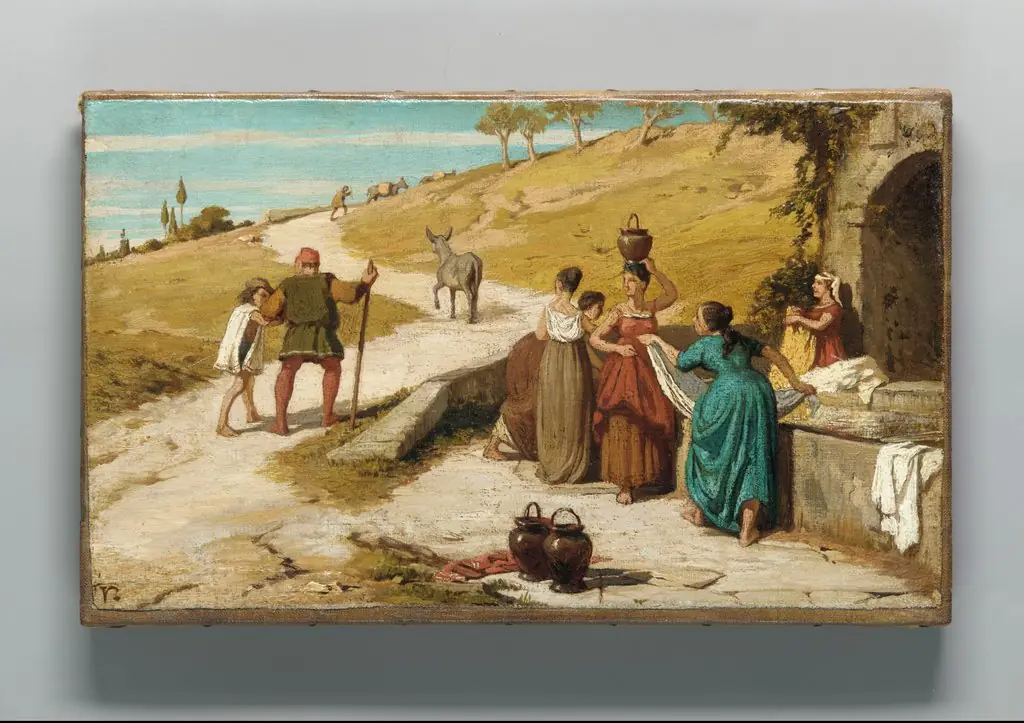 The Fable of the Miller, His Son, and the Donkey
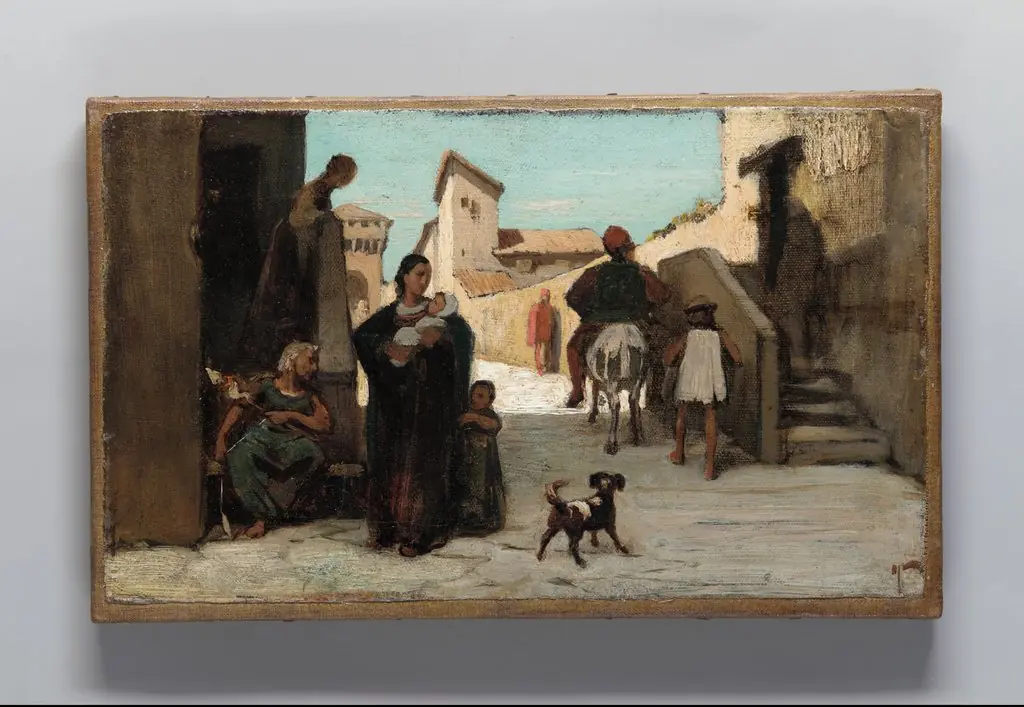 The Fable of the Miller, His Son, and the Donkey
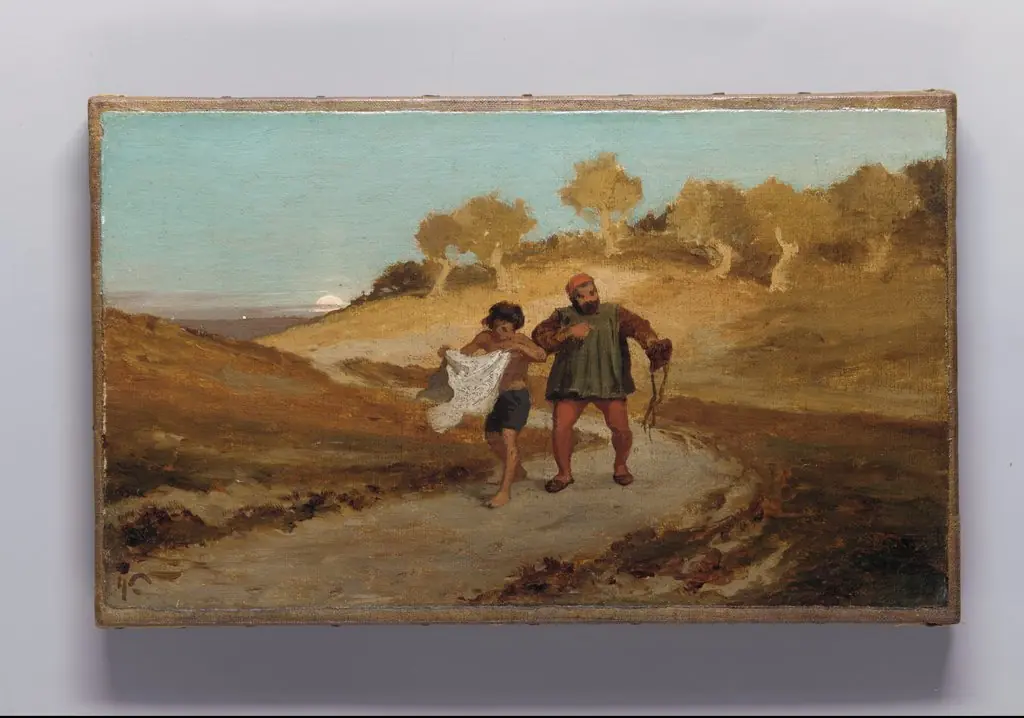 The Fable of the Miller, His Son, and the Donkey
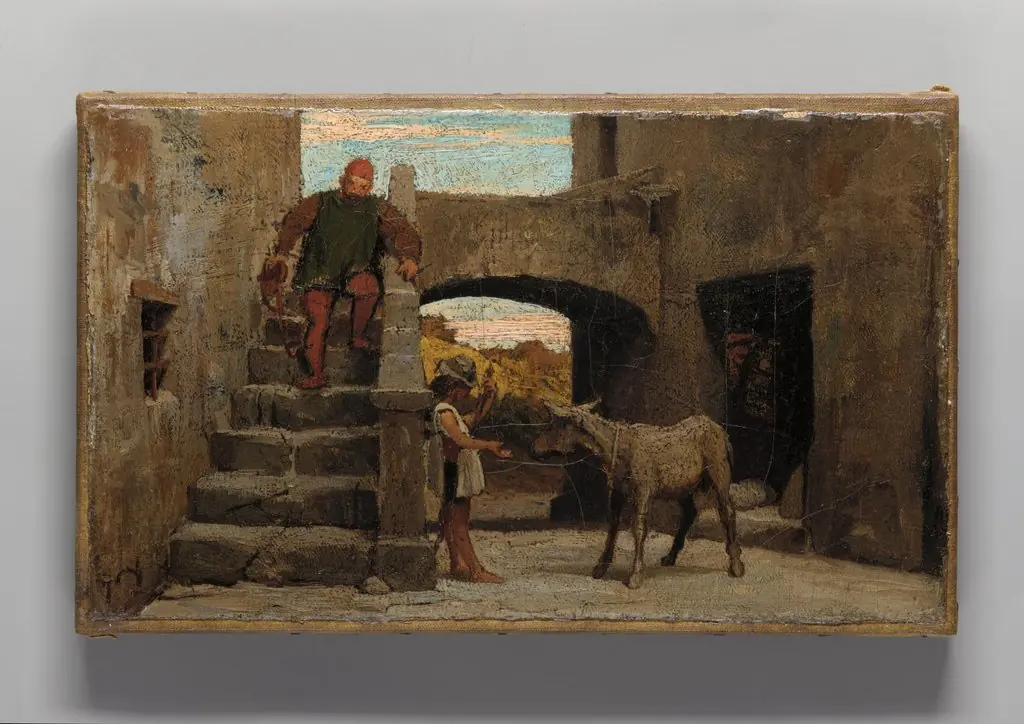 The Fable of the Miller, His Son, and the Donkey
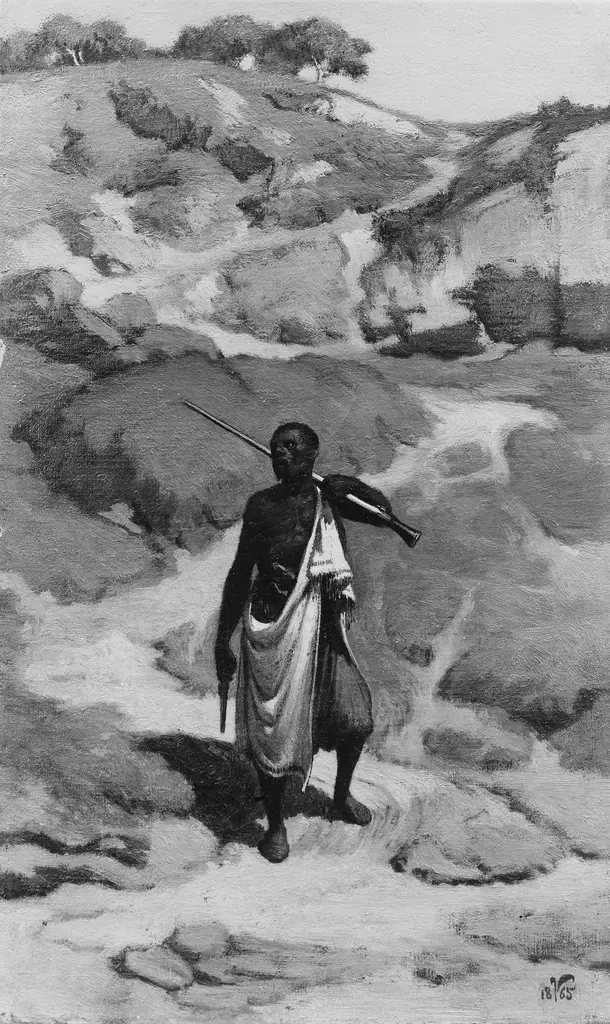 The African Sentinel
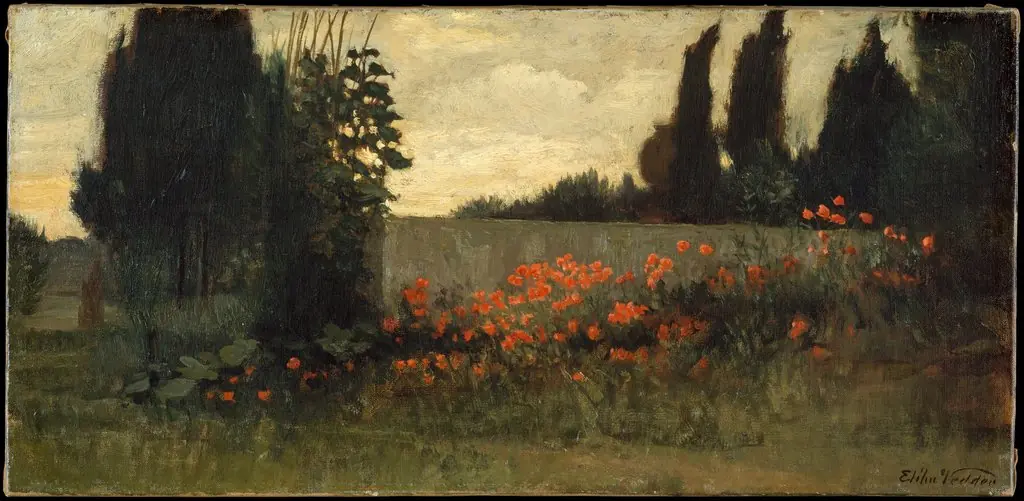 Cypress and Poppies
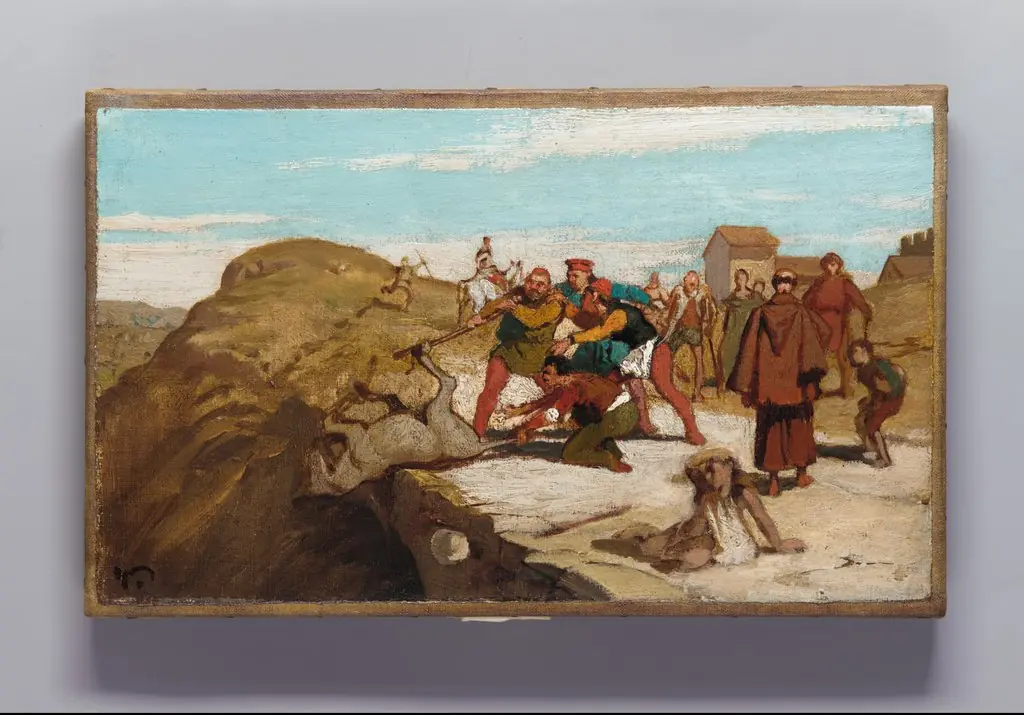 The Fable of the Miller, His Son, and the Donkey