Artwork
The Fable of the Miller, His Son, and the Donkey
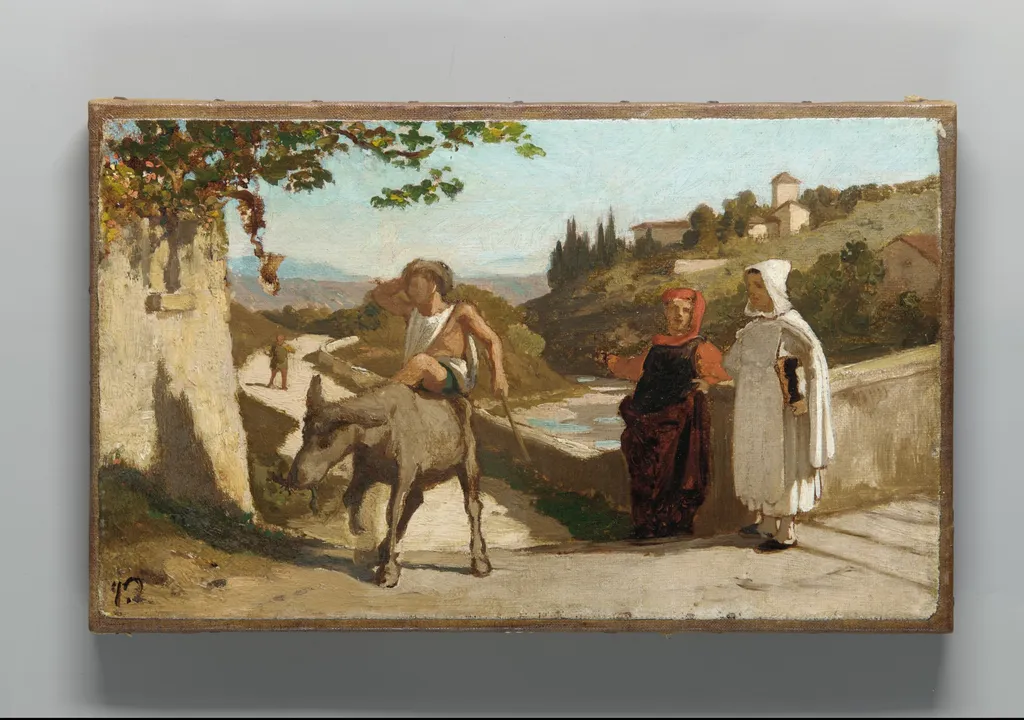
The Fable of the Miller, His Son, and the Donkey is an oil painting by the Realist artist Elihu Vedder. It dates from 1867 and is held in the collection of the Metropolitan Museum of Art.
About this work
Technique & Style
The painting's formal qualities include a restrained palette, clear outlines, and a modest scale that emphasizes narrative clarity over decorative flourish.
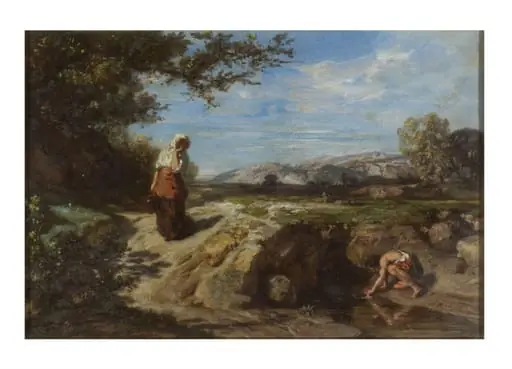
The Fable of the Miller, His Son, and the Donkey is executed in oil on canvas, a support typical of Vedder's mature practice. The work measures 16.5 cm by 27.3 cm and was completed in 1867, as recorded in the Metropolitan Museum of Art catalogue. Vedder's handling of oil paint produces a smooth, blended surface that defines the figures, a tree, a woman, a boy, a donkey, and a man, arranged in a balanced composition.
The painting's formal qualities include a restrained palette, clear outlines, and a modest scale that emphasizes narrative clarity over decorative flourish.
History & Provenance
Created in 1867, The Fable of the Miller, His Son, and the Donkey is an oil painting on canvas by the American artist Elihu Vedder. The work measures 16.5 by 27.3 centimeters and depicts a narrative scene featuring a man, a boy, a woman, a tree, and a donkey. While specific commission details or original ownership prior to the modern era are not documented in the available records, the painting is held in the collection of the Metropolitan Museum of Art in New York, which acquired it in 1992, cataloged under accession number 1992.205.3. No exhibition history beyond its presence in the museum's collection is documented in the available sources.
Overview
Elihu Vedder's 1867 oil painting, "The Fable of the Miller, His Son, and the Donkey," captures a moment from a classic moral tale. This work, executed in oil, showcases the American artist's engagement with narrative subjects. It is currently housed in the collection of The Metropolitan Museum of Art, representing a facet of Vedder's early career.
Subject & Meaning
The painting illustrates a scene from the well-known fable, featuring a man astride a donkey, observed by two women with head coverings, one red and one white. The setting includes a stone wall, a small bridge over a stream, and a village nestled on a hillside. This depiction invites viewers to consider the moral lessons often embedded in such narratives, typically concerning public opinion and personal conviction.
Context
While Vedder is widely recognized for his fifty-five illustrations for Edward FitzGerald’s translation of The Rubaiyat of Omar Khayyam, works like "The Fable of the Miller, His Son, and the Donkey" demonstrate his broader engagement with narrative and genre painting. This piece offers insight into the range of subjects Vedder explored beyond his most celebrated illustrative projects.
Own this work as a print
Artist & collection
Artist
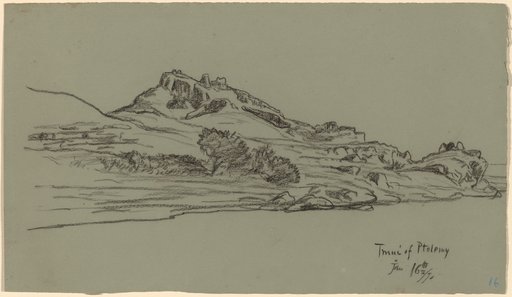
Elihu Vedder (26 February 1836 – 29 January 1923) was an American symbolist painter, book illustrator and poet from New York City.

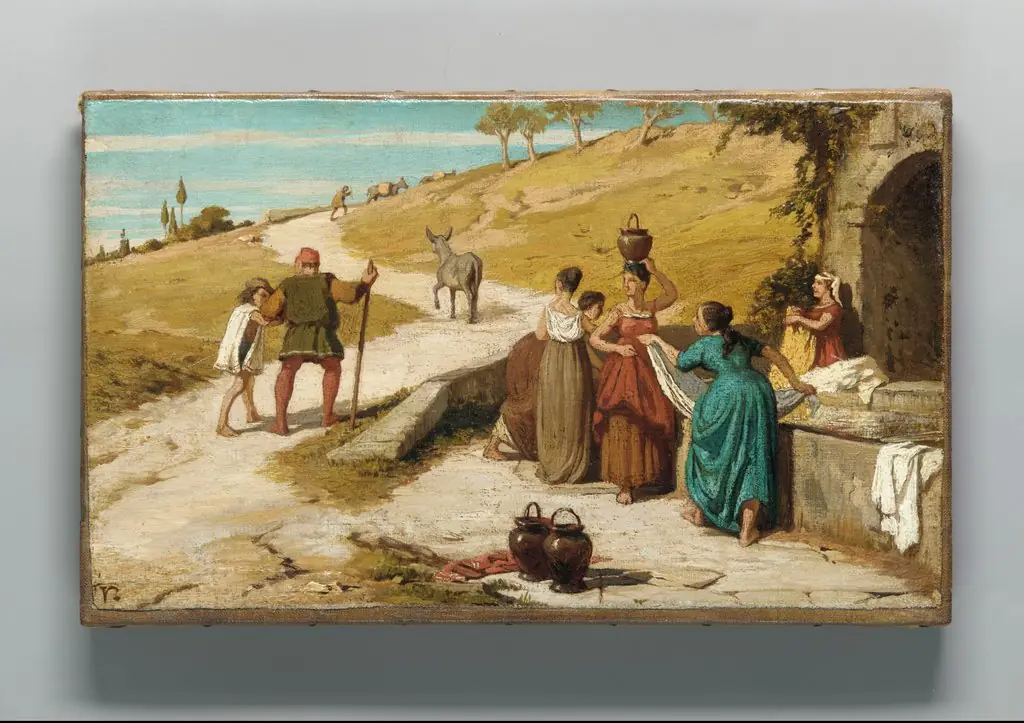
- The Fable of the Miller, His Son, and the Donkey
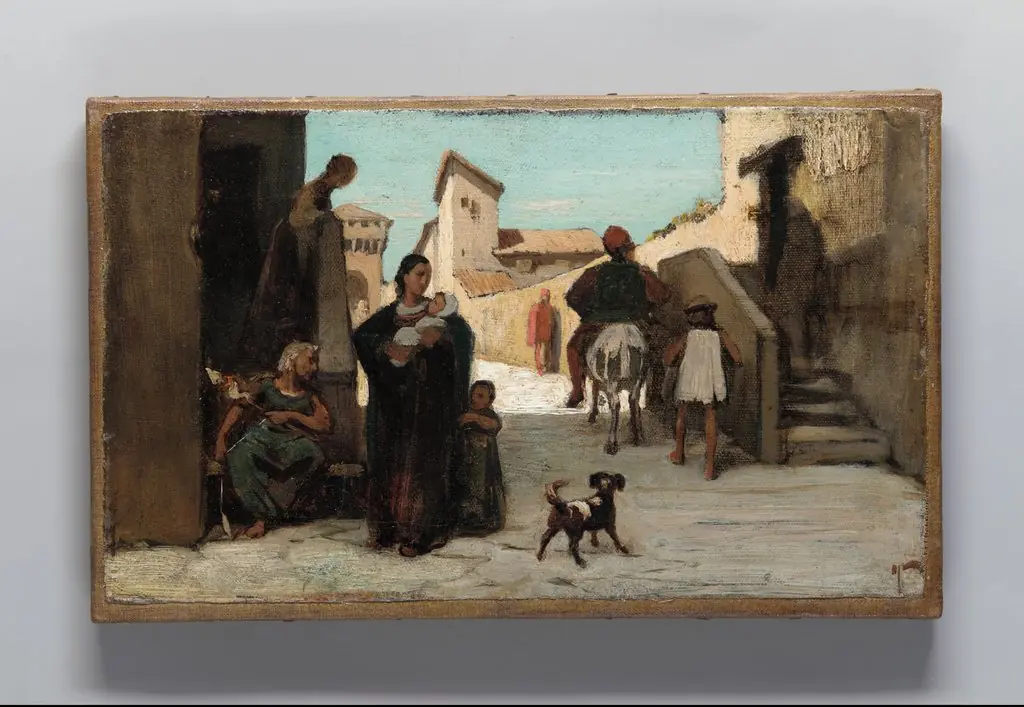 The Fable of the Miller, His Son, and the Donkey
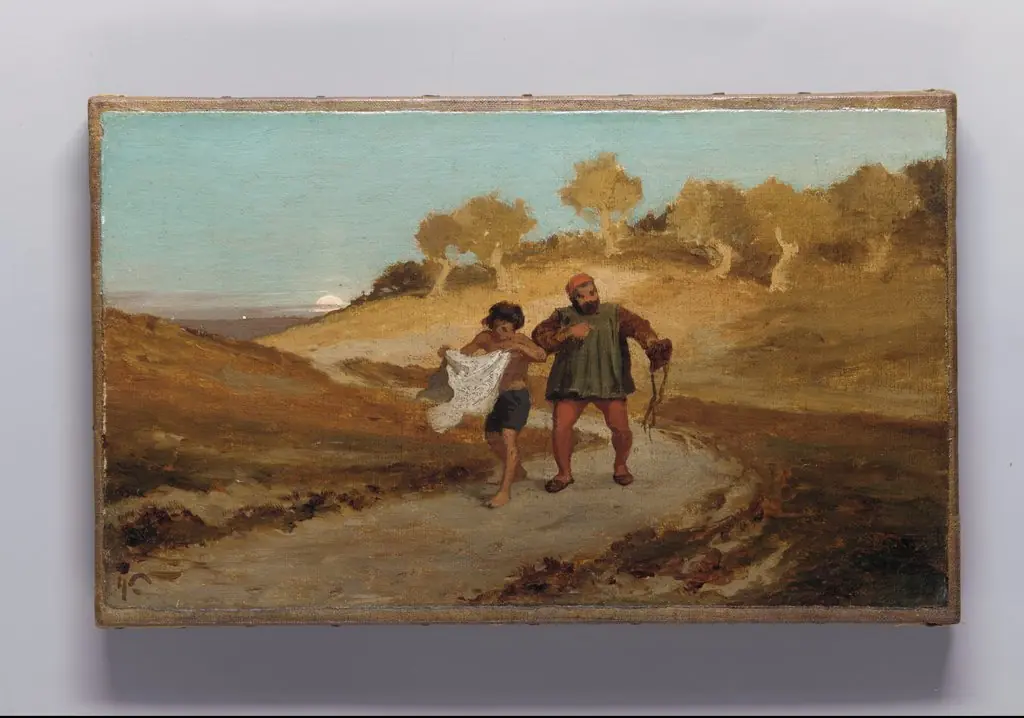 The Fable of the Miller, His Son, and the Donkey
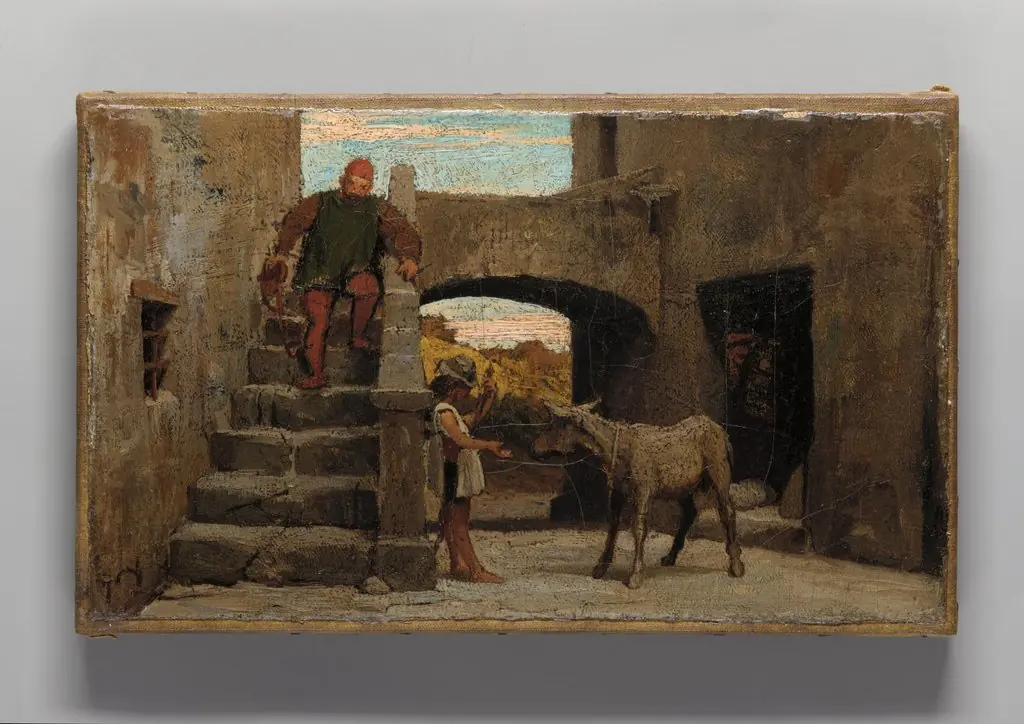 The Fable of the Miller, His Son, and the Donkey
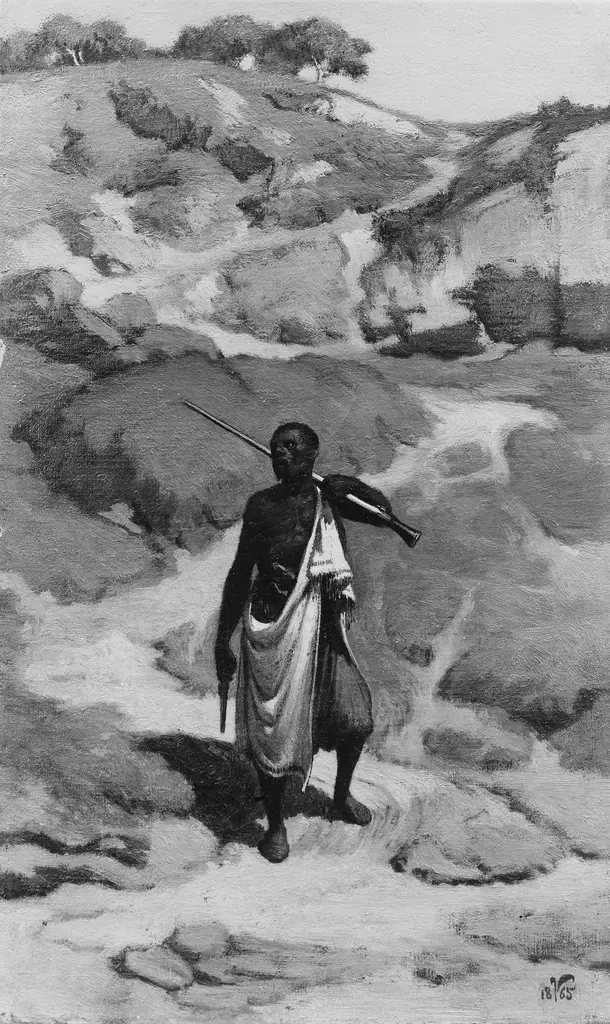 The African Sentinel
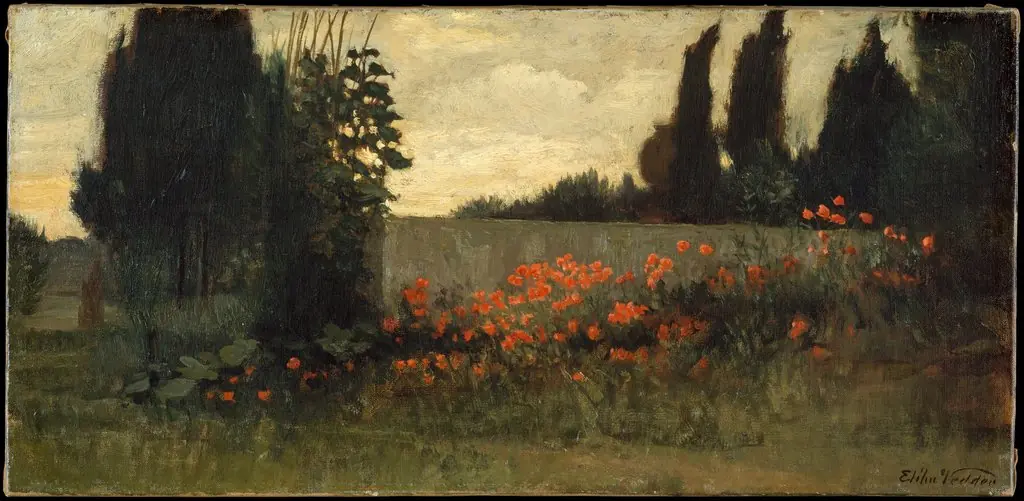 Cypress and Poppies
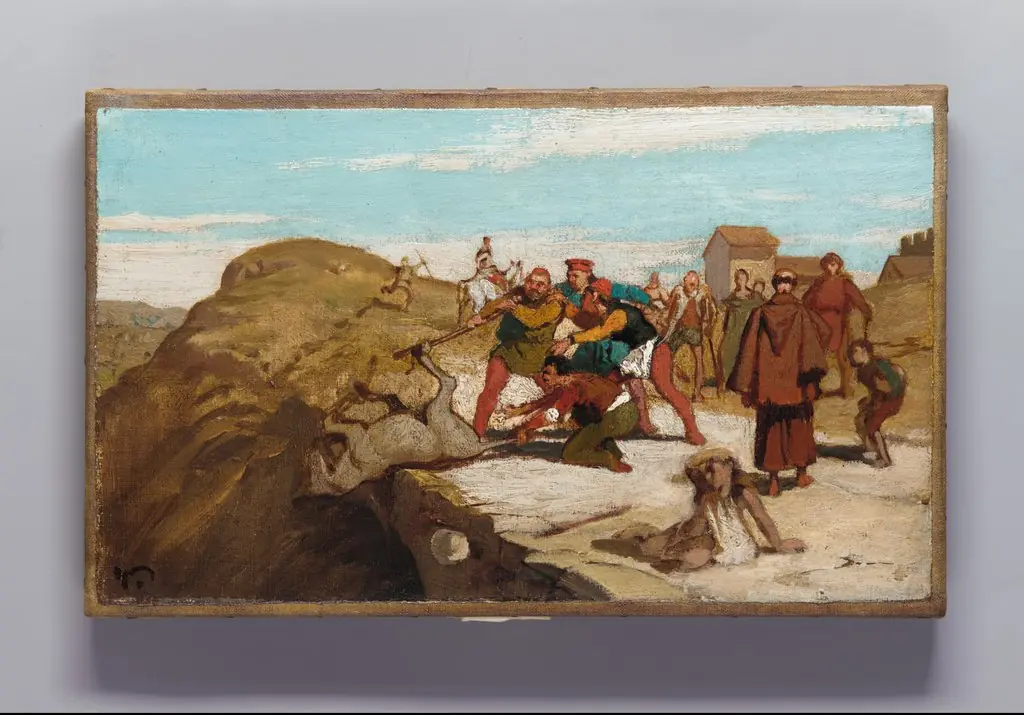 The Fable of the Miller, His Son, and the Donkey
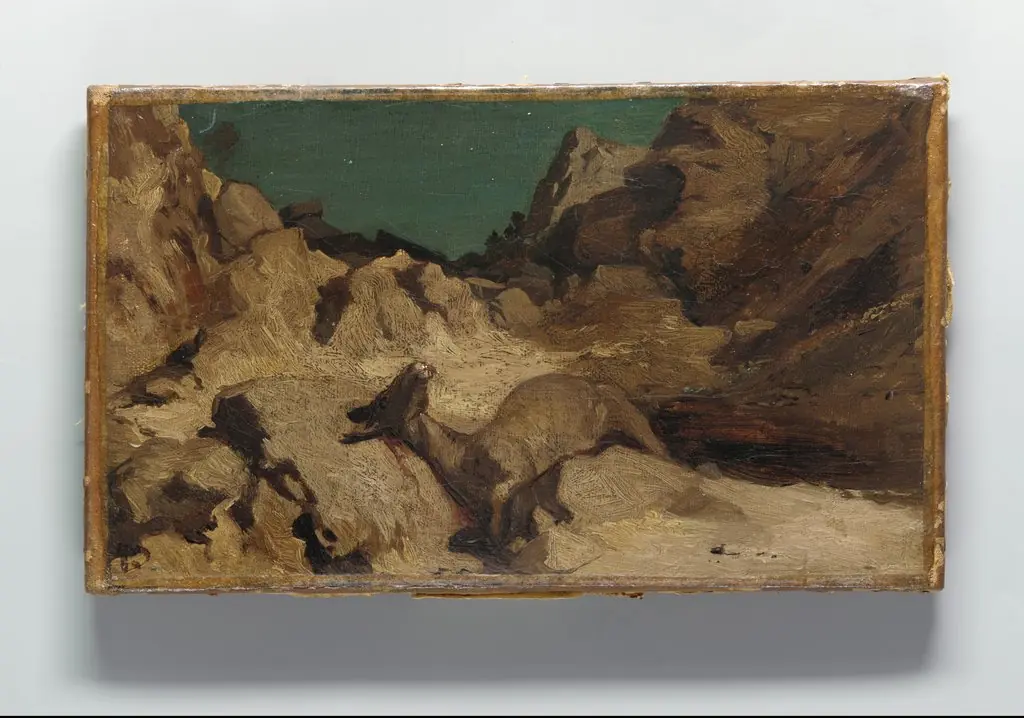 The Fable of the Miller, His Son, and the Donkey