Artist
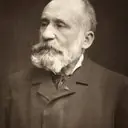
Elihu Vedder
United States
Elihu Vedder is an United States American Impressionism artist. 134 works are cataloged here, principally at National Gallery of Art.
Elihu Vedder (26 February 1836 – 29 January 1923) was an American symbolist painter, book illustrator and poet from New York City. He is best known for his fifty-five illustrations for Edward FitzGerald's translation of The Rubaiyat of Omar Khayyam (deluxe edition, published by Houghton Mifflin).
Overview
Elihu Vedder (26 February 1836-29 January 1923) was an American painter, illustrator, sculptor, and poet whose career bridged realism and Symbolism. Though born and trained in the United States, he spent most of his adult life in Italy, becoming a central figure among expatriate artists in Rome. He is best known for his fifty-five illustrations for Edward FitzGerald's translation of The Rubaiyat of Omar Khayyam, published in a deluxe edition by Houghton Mifflin in 1884. These illustrations, with their mystical and visionary qualities, remain his most widely recognized achievement and were the subject of a 2008 exhibition at the Smithsonian American Art Museum that later traveled to institutions including the Phoenix Art Museum.
Biography & dates
Vedder was born in New York City to Dr. Elihu Vedder Sr., a dentist, and Elizabeth Vedder, who were cousins. His father's decision to seek opportunities in Cuba disrupted the family, and Vedder spent much of his childhood at his maternal grandfather Alexander Vedder's house in Schenectady and at boarding school. His mother supported his artistic ambitions while his father reluctantly acquiesced.
He received his initial training in New York with Tompkins H. Matteson, then studied in Paris under François-Édouard Picot, and finally completed his education in Italy. His first Italian sojourn lasted from 1858 to 1860, during which he formed an intense emotional attachment to fellow painter Giovanni Costa and traveled through the countryside with him until his father cut off his financial support.
Impoverished, Vedder returned to the United States during the Civil War and supported himself through commercial illustration. He became part of the bohemian circle at Pfaff's coffee house near Broadway, where he associated with writers and artists. During this period he painted visionary works with romantic and Orientalist themes, and befriended Walt Whitman, Herman Melville, and William Morris Hunt. He was elected to the National Academy of Design in 1865 and to the American Academy of Arts and Letters in 1898.
On 13 July 1869 he married Caroline Rosekrans in Glen Falls, New York. The couple had four children, only two of whom survived to adulthood. Their son Enoch Rosekrans Vedder became an architect but died on 2 April 1916 while visiting his parents in Italy. Their daughter Anita Herriman Vedder managed her father's business affairs, compensating for his notorious indifference to practical details.
After the Civil War Vedder left America permanently, settling in Italy. He maintained a home in Rome and, following the financial success of his Rubaiyat illustrations in 1884, acquired property on the Isle of Capri, then a refuge for male aesthetes. He lived exclusively in Italy from 1906 until his death in Rome on 29 January 1923, and was buried in the Protestant Cemetery there. No living descendants remain.
Style & movement
Vedder's artistic identity occupies a position between realism and Symbolism, with his mature work increasingly aligned with the latter movement. His style developed through multiple influences: the Italian Renaissance masters encountered during his studies, the modern Macchiaioli painters and the Italian landscape itself, and later the Pre-Raphaelite movement during his visits to England. He also absorbed the work of English and Irish mystics, particularly William Blake and William Butler Yeats.
His paintings from the Civil War era demonstrate a distinctive combination of visionary imagery, romantic naturalism, and Orientalist elements. This period produced works characterized by their dreamlike atmosphere and symbolic content rather than strict naturalistic observation. In 1890 he helped establish the In Arte Libertas group in Italy, an association that reflected his commitment to artistic freedom and symbolic expression.
Beyond painting, Vedder worked in multiple media. Tiffany commissioned him to design glassware, mosaics, and statuettes. His decorative work extended to large-scale mural painting, most notably the allegorical decorations in the hallway of the Reading Room at the Library of Congress in Washington, D.C., which remain in situ. He also published poetry, including Miscellaneous Moods in Ver bias in Verse (1914) and Doubt and Other Things (1922), and wrote a series of autobiographical reminiscences published in The World's Work in 1910.
Major works
Vedder's most significant and enduring work consists of the fifty-five illustrations for Edward FitzGerald's translation of The Rubaiyat of Omar Khayyam, published by Houghton Mifflin in 1884. This deluxe edition cemented his reputation and provided the financial security that enabled him to acquire his home on Capri.
His paintings from the American period include several notable visionary works: The Roc's Egg, The Fisherman and the Genii, and Lair of the Sea Serpent, the last being among his most famous paintings. These works established his reputation for romantic and symbolic imagery during his lifetime.
In his Italian period, he produced numerous views of Bordighera, a town on the Ligurian coast near the French border that he first visited in 1857 and returned to with his fiancée Caroline Rosekrans in 1866. He associated the town with happy days, and painted small views of it during the late 1860s and 1870s. One such work, Rue Bordighera (1872), an oil on canvas measuring 70 by 38 centimeters, is held by the Currier Museum of Art in Manchester.
His decorative commissions include the allegorical mural paintings in the Library of Congress. The 2008 exhibition at the Smithsonian American Art Museum, which subsequently toured to the Phoenix Art Museum and other venues, brought renewed attention to his Rubaiyat illustrations. Significant holdings of his work can be found in the Smithsonian American Art Museum and the Brooklyn Museum.
Influences & students
Vedder's artistic formation involved a sequence of important teachers and influences. His initial training came from Tompkins H. Matteson in New York, followed by study with François-Édouard Picot in Paris. The decisive phase of his education occurred in Italy, where he encountered the twin influences of Renaissance art and the contemporary Macchiaioli movement, as well as the Italian landscape itself.
His personal relationships significantly shaped his development. Giovanni Costa, the Italian painter with whom he traveled during his first Italian period, represented an important artistic and emotional connection. During his visits to England, he formed a friendship with Simeon Solomon and came under the influence of the Pre-Raphaelite Brotherhood. The mystical writings of William Blake and William Butler Yeats provided literary and philosophical inspiration.
His American friendships with Walt Whitman, Herman Melville, and William Morris Hunt placed him within a network of significant nineteenth-century cultural figures, though these relationships appear to have been more collegial than pedagogical. The sources do not indicate a significant circle of pupils or followers; his daughter Anita Herriman Vedder's role in managing his affairs suggests that his artistic legacy was transmitted more through his published work and illustrations than through a formal teaching practice.
Legacy
Vedder's posthumous reputation rests primarily on his Rubaiyat illustrations, which have remained in circulation and continued to attract scholarly and popular interest. The 2008 exhibition organized by the Smithsonian American Art Museum, which toured to the Phoenix Art Museum and other institutions, represented a significant reassessment and reintroduction of his work to contemporary audiences.
His position in art history is somewhat liminal: an American by birth who spent his mature career in Italy, associated with Symbolism yet working across multiple media including painting, illustration, decorative arts, and poetry. The sources indicate that much of his work is held in the Smithsonian American Art Museum and the Brooklyn Museum, suggesting these institutions have been primary stewards of his artistic legacy.
The scholarly literature on Vedder includes Regina Soria's monograph Elihu Vedder: American Visionary Artist in Rome (1970) and Joshua C. Taylor's Perceptions and Evocations: The Art of Elihu Vedder (1979), both published by academic presses and indicating sustained scholarly interest. His own writings, particularly the four-part autobiographical series published in The World's Work in 1910 and collected as The Digressions of V. (1910), provide primary documentation of his life and artistic philosophy. The Elihu Vedder Papers at the Smithsonian Archives of American Art preserve his documentary legacy for researchers.
Works by Elihu Vedder
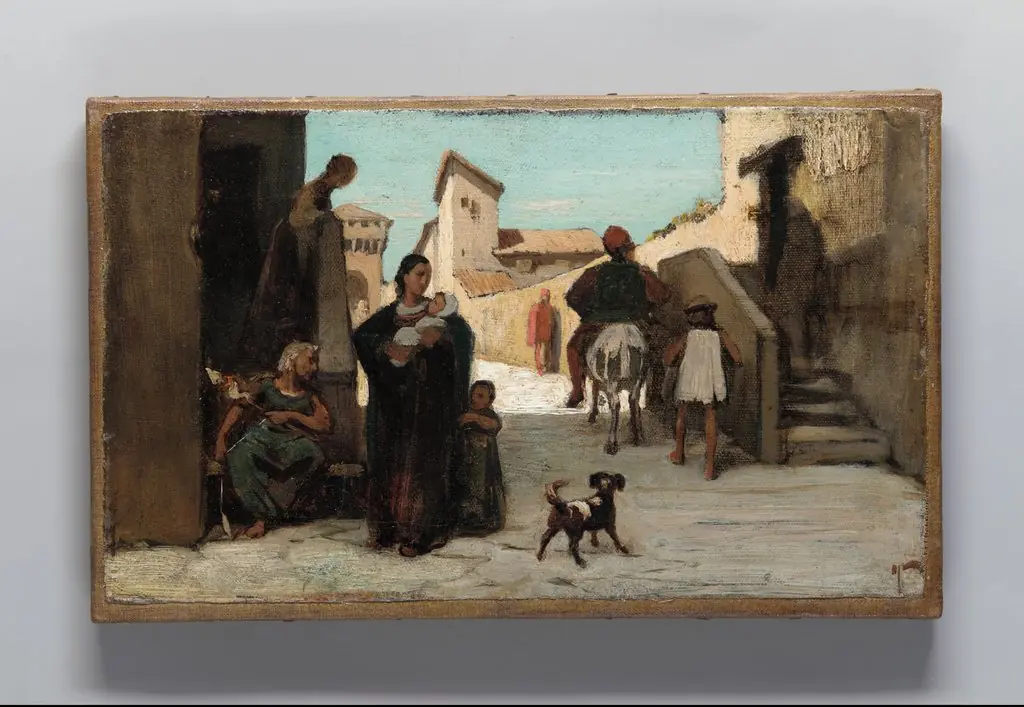 The Fable of the Miller, His Son, and the Donkey
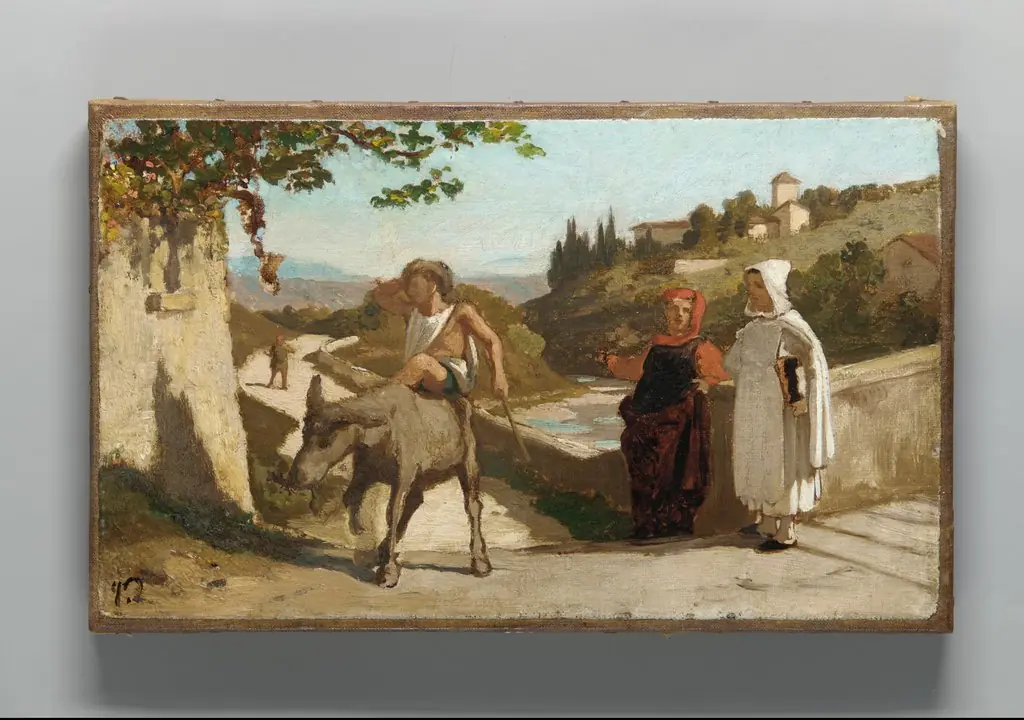 The Fable of the Miller, His Son, and the Donkey
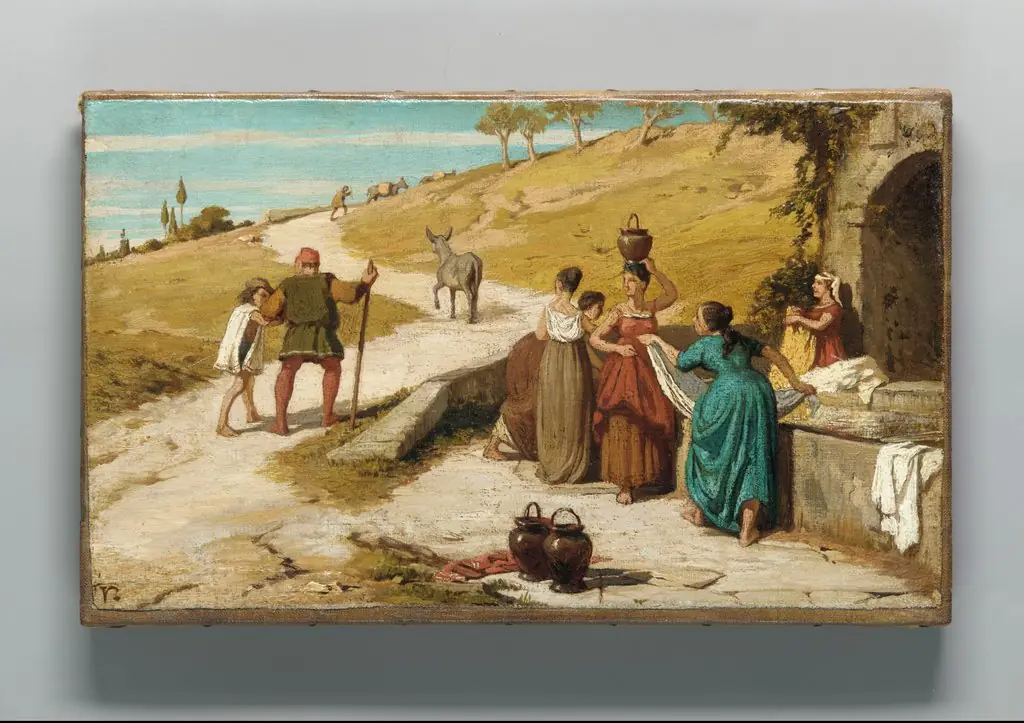 The Fable of the Miller, His Son, and the Donkey
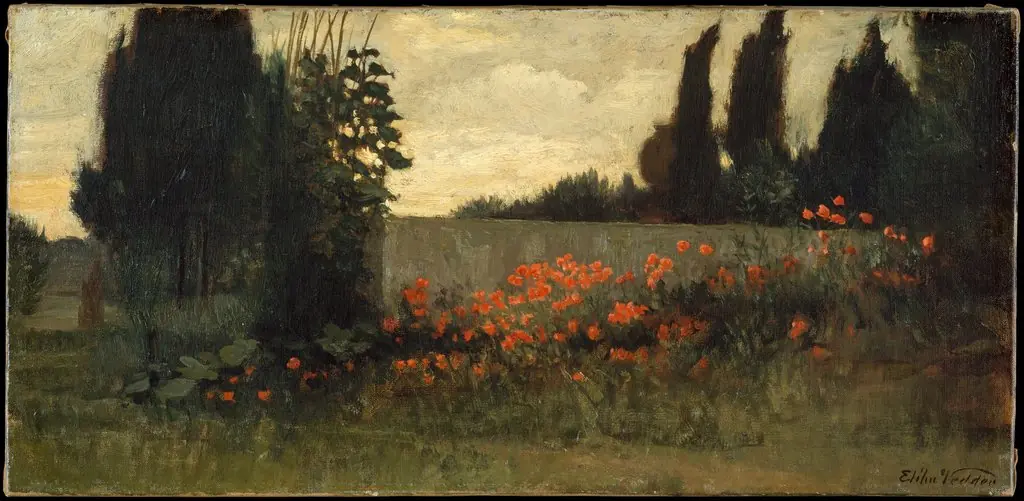 Cypress and Poppies
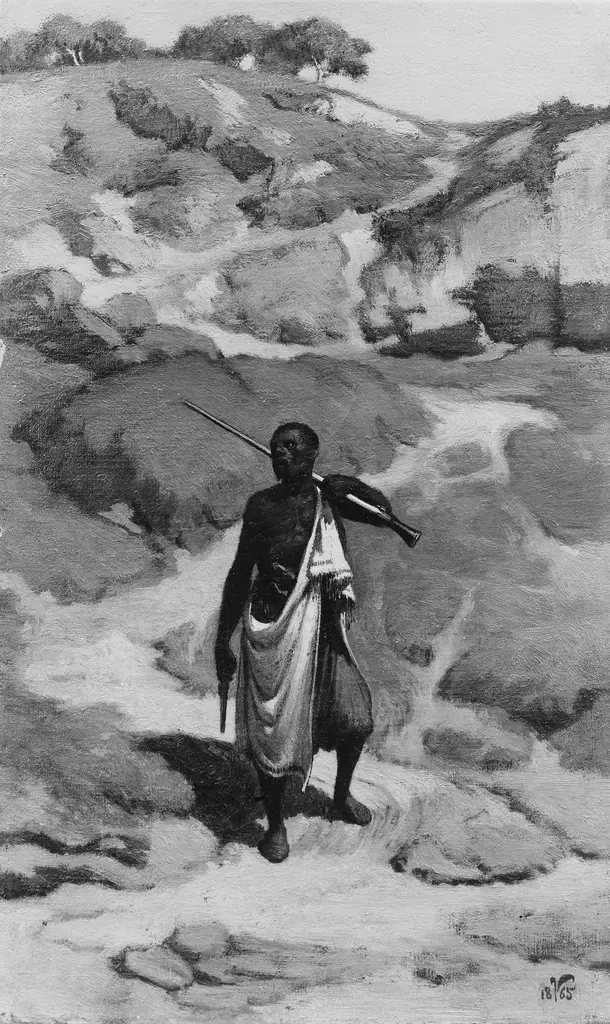 The African Sentinel
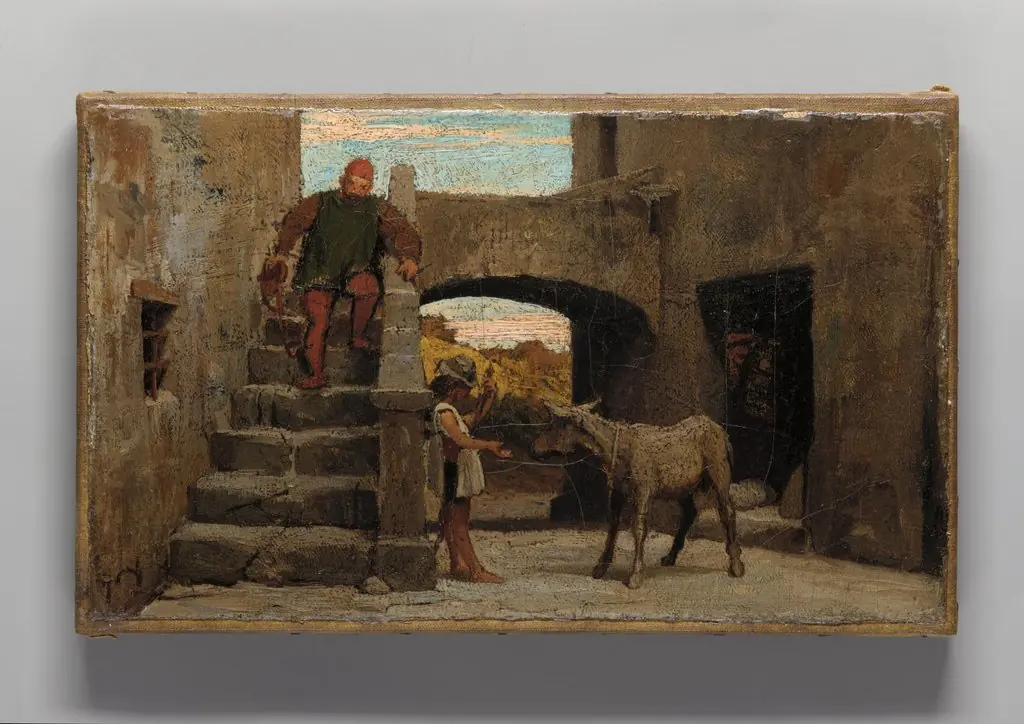 The Fable of the Miller, His Son, and the Donkey
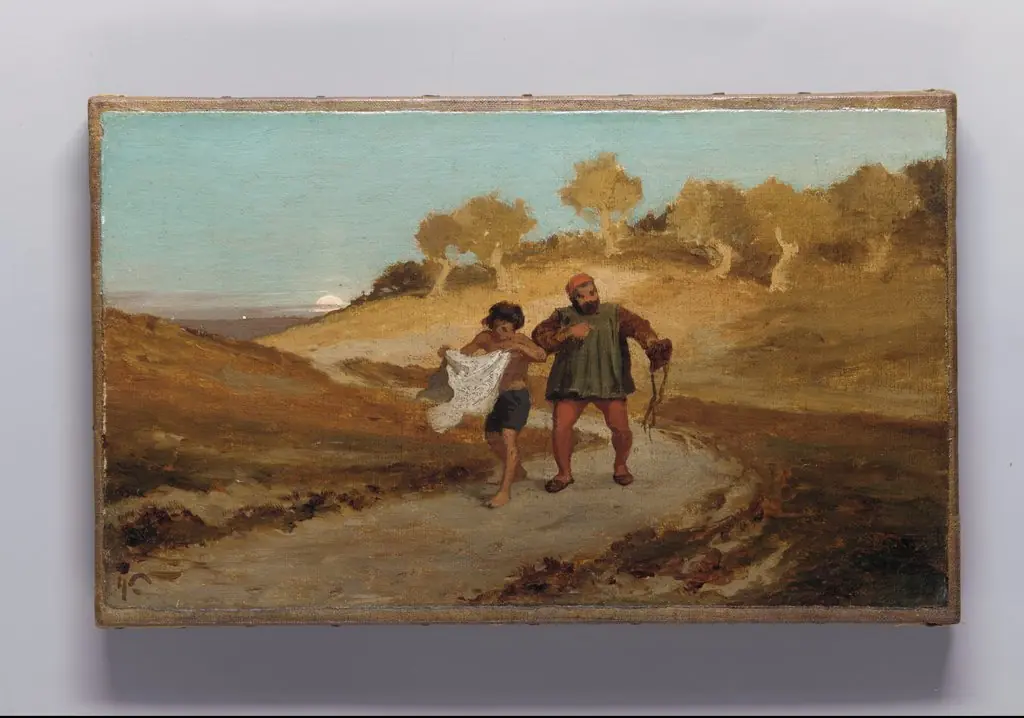 The Fable of the Miller, His Son, and the Donkey
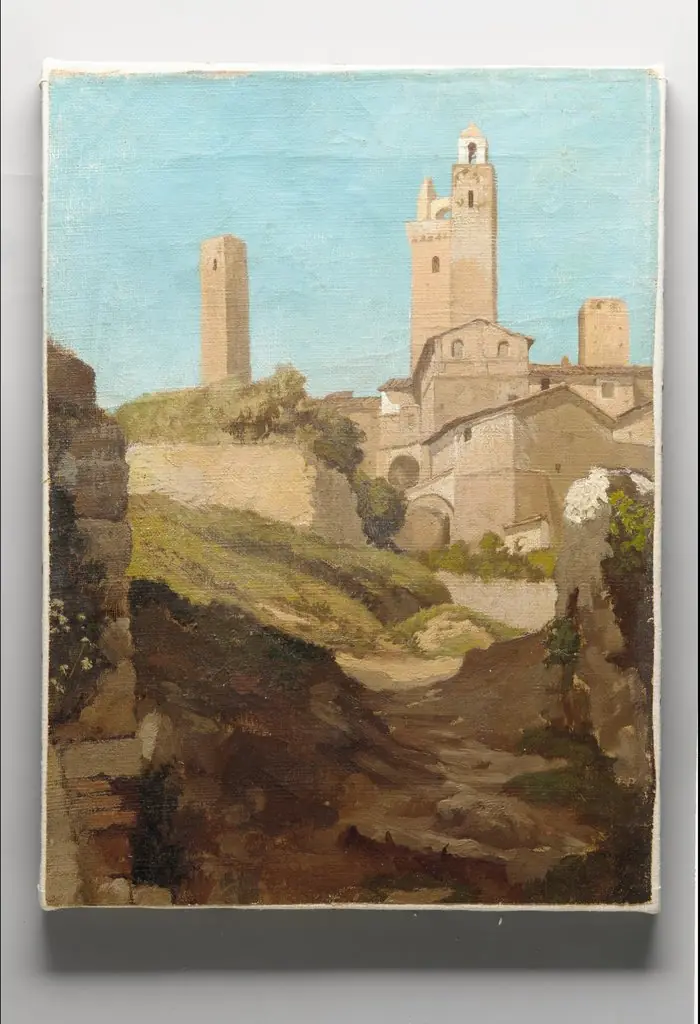 San Gimignano
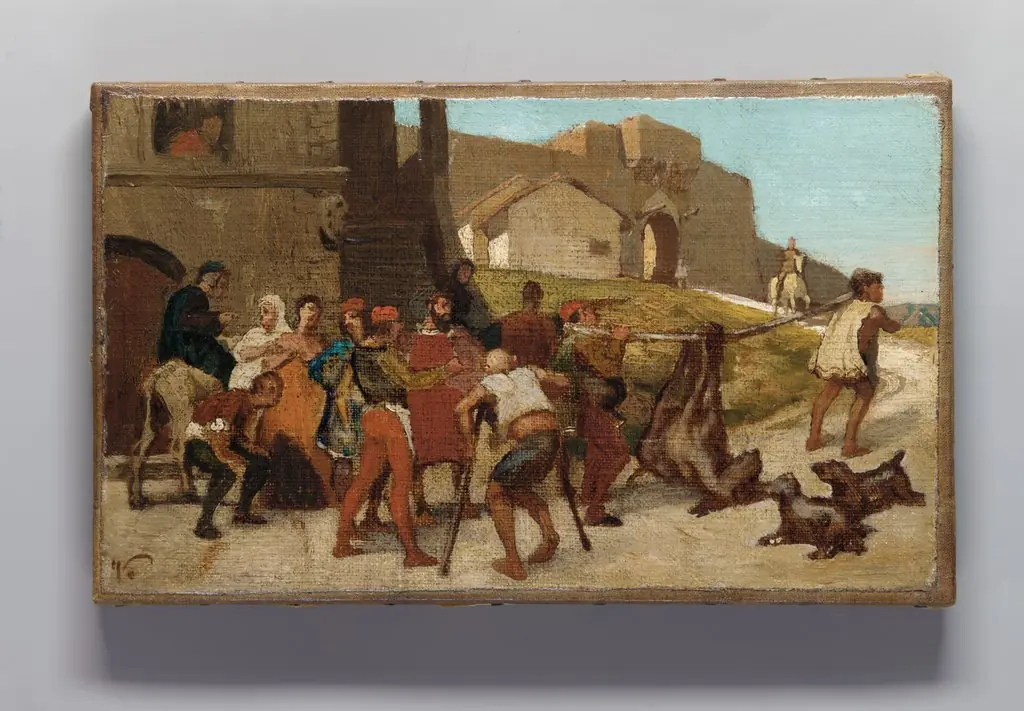 The Fable of the Miller, His Son, and the Donkey
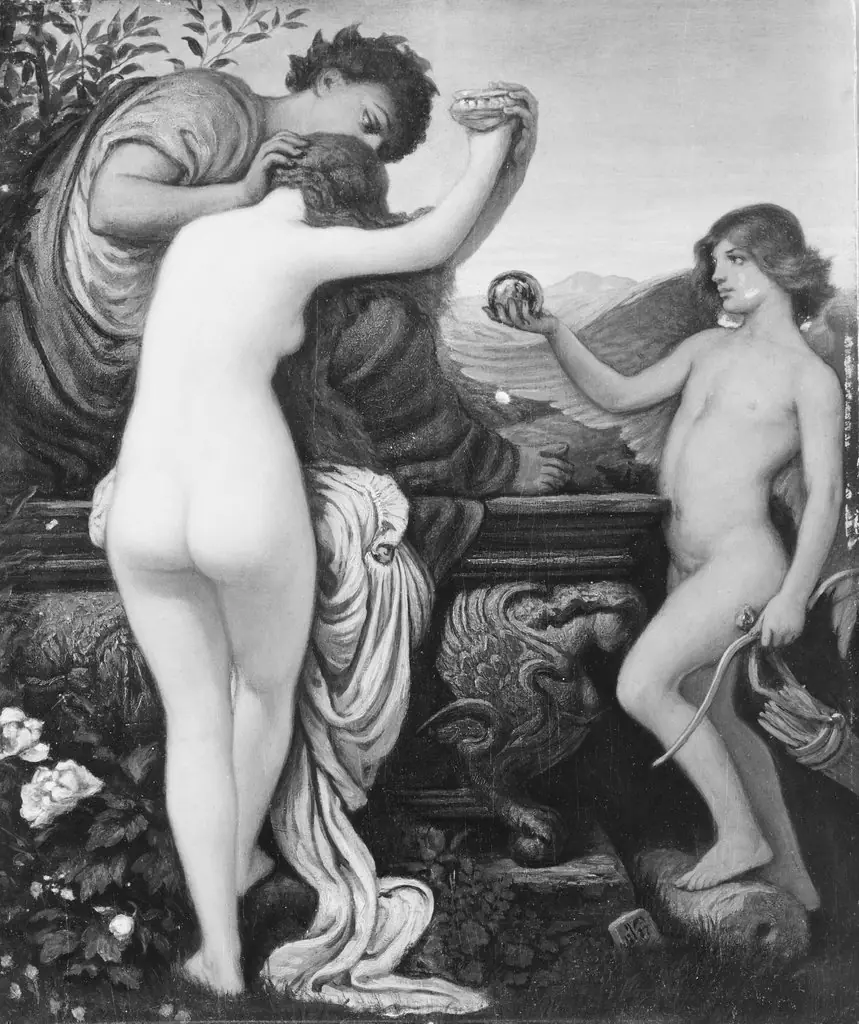 The Cup of Love
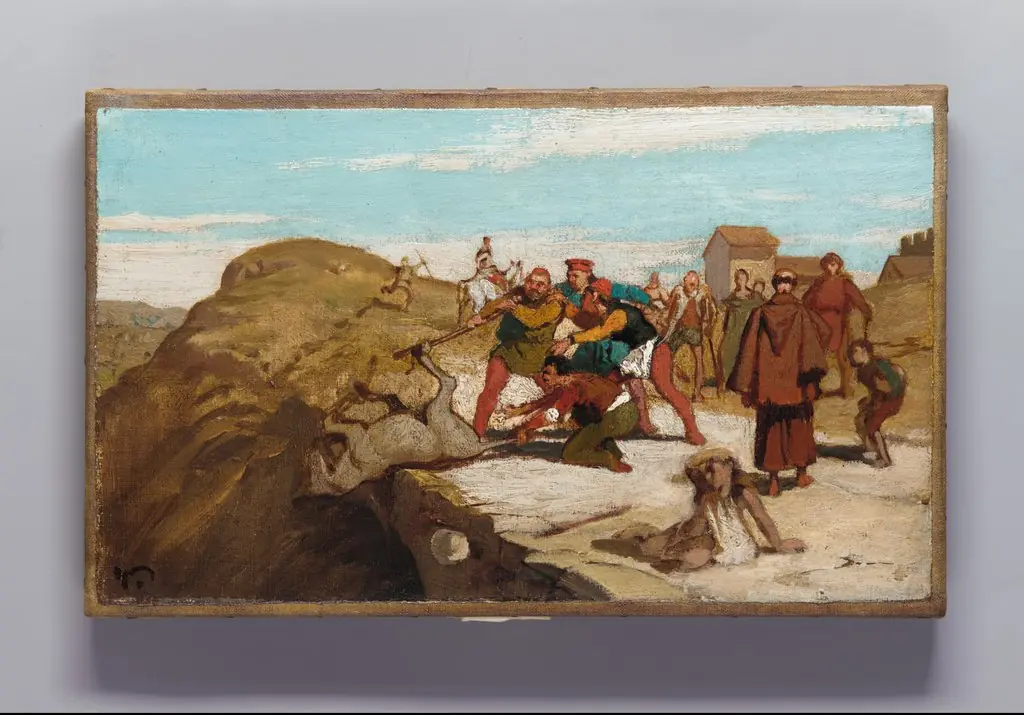 The Fable of the Miller, His Son, and the Donkey
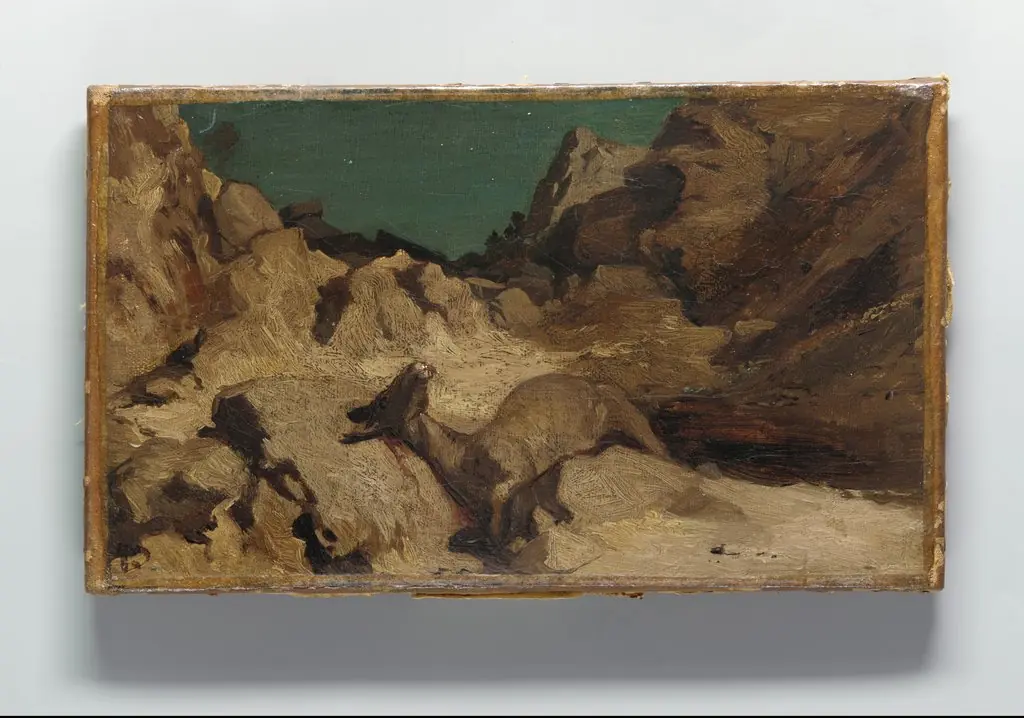 The Fable of the Miller, His Son, and the Donkey
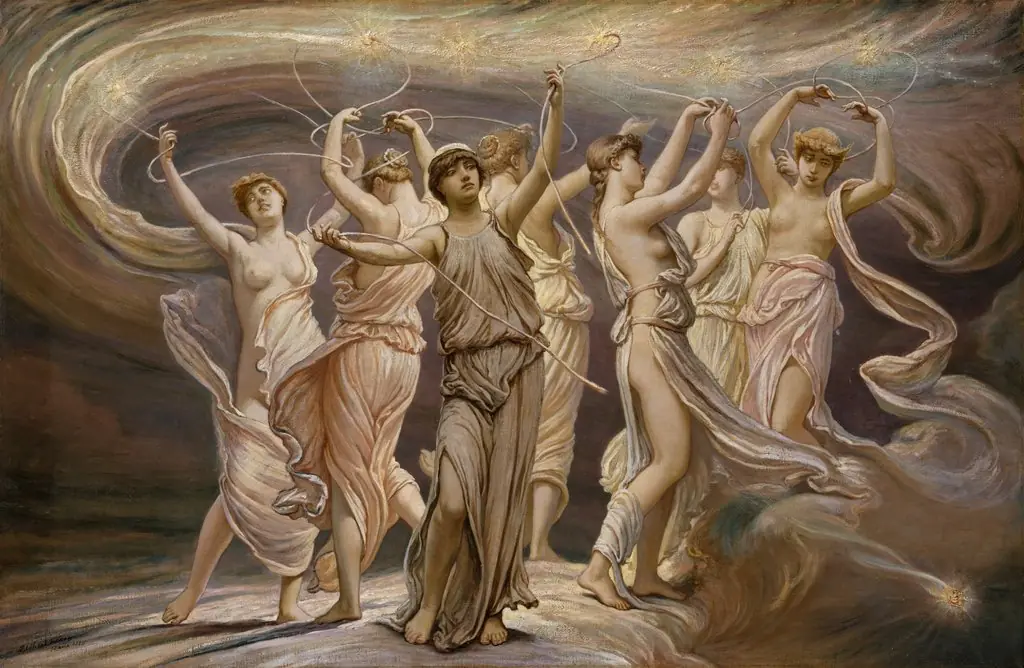 The Pleiades
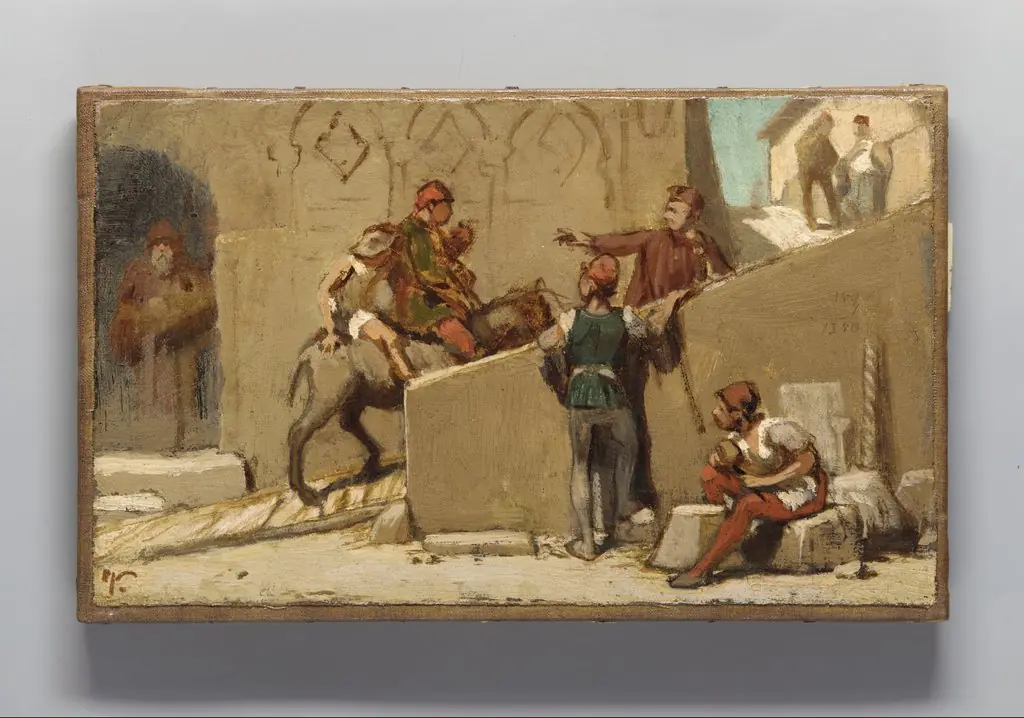 The Fable of the Miller, His Son, and the Donkey
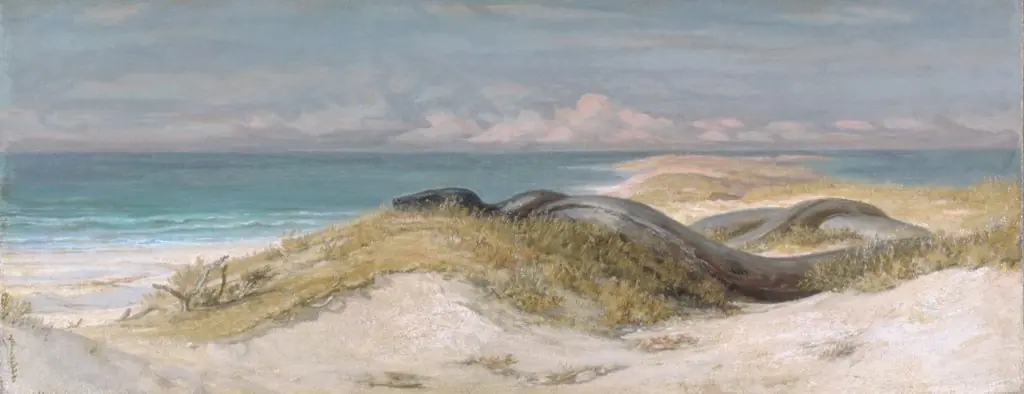 Lair of the Sea Serpent
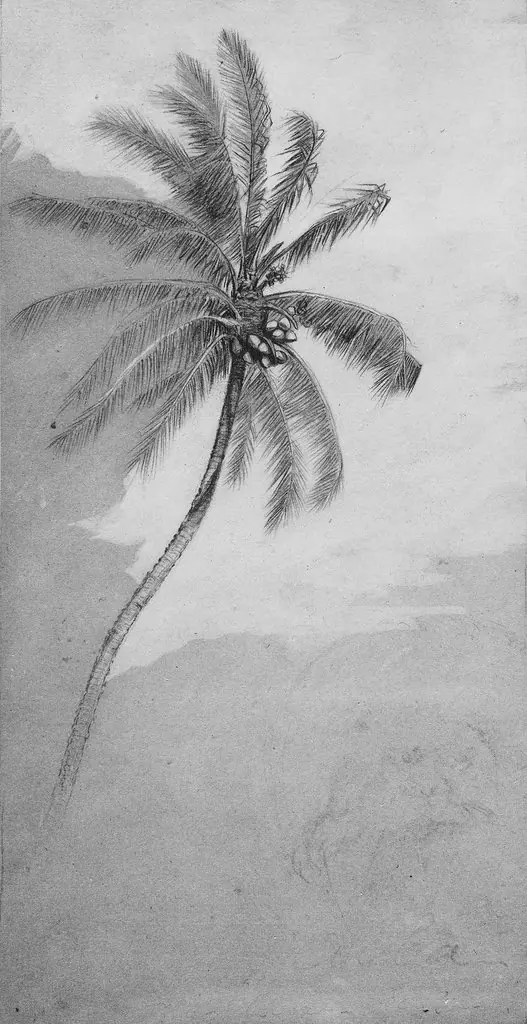 Palm Tree
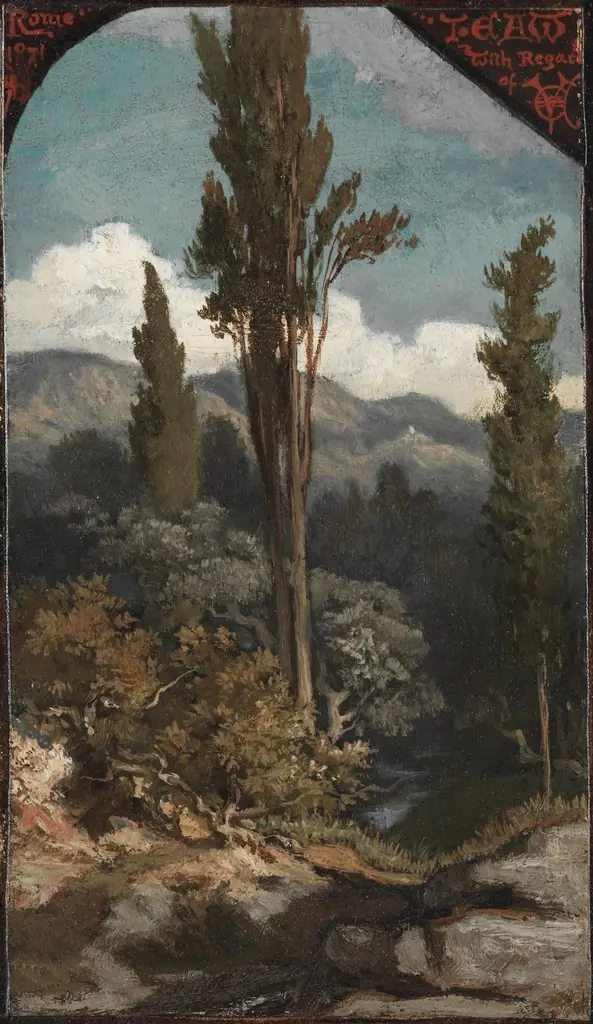 Three Trees: Italy
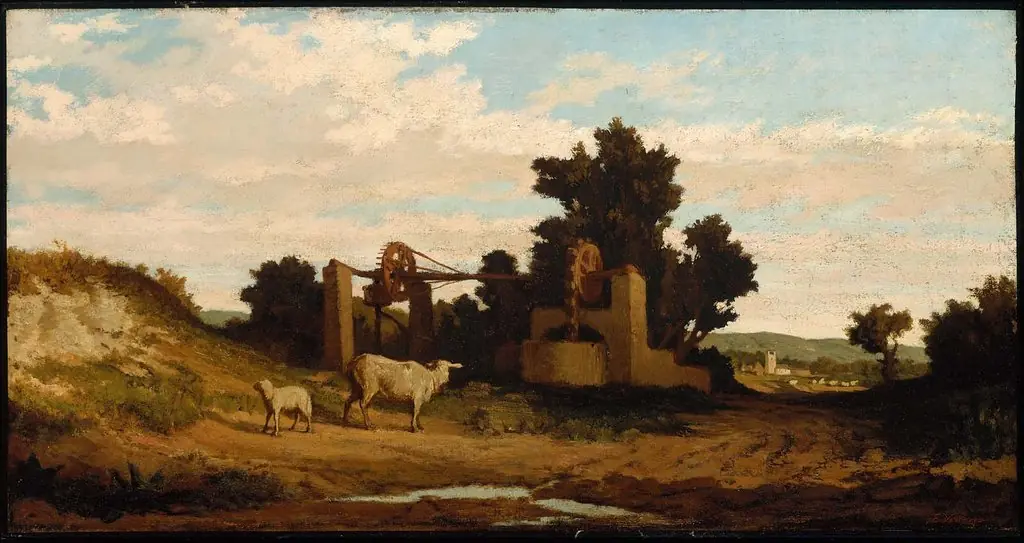 Landscape with Sheep and Old Well
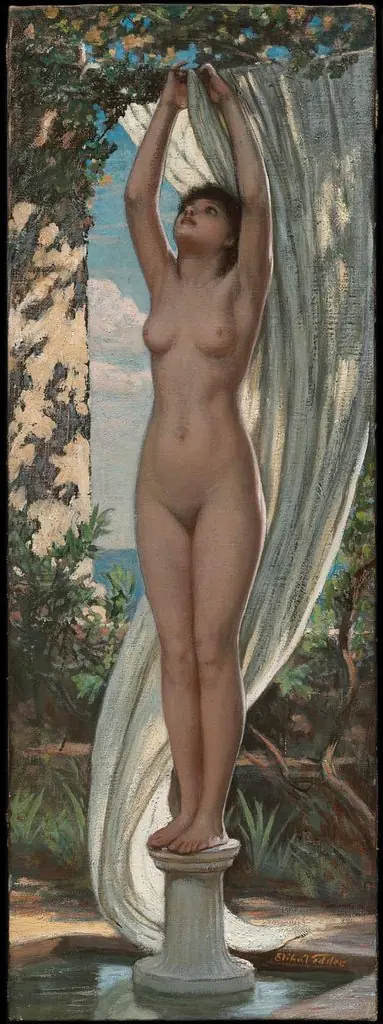 Nude
Nude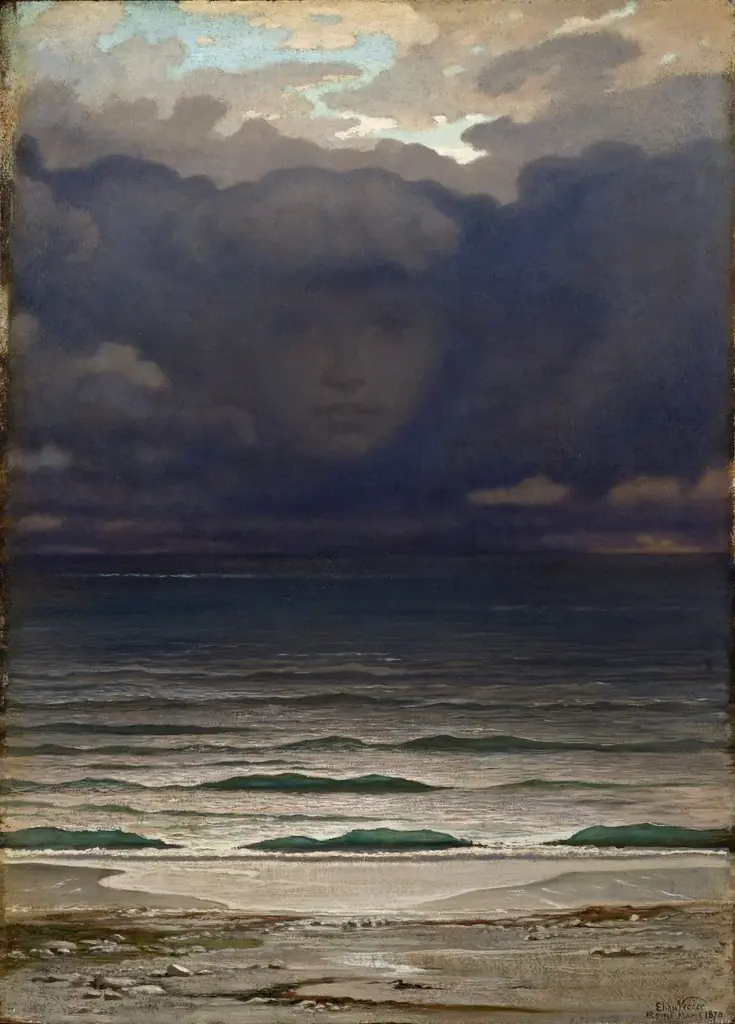 Memory
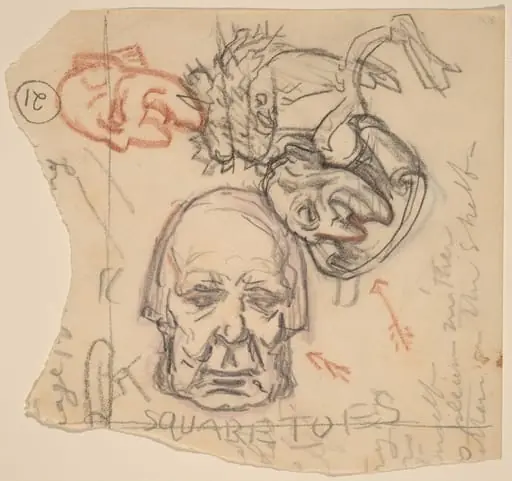 Self-Portrait: Caricatures
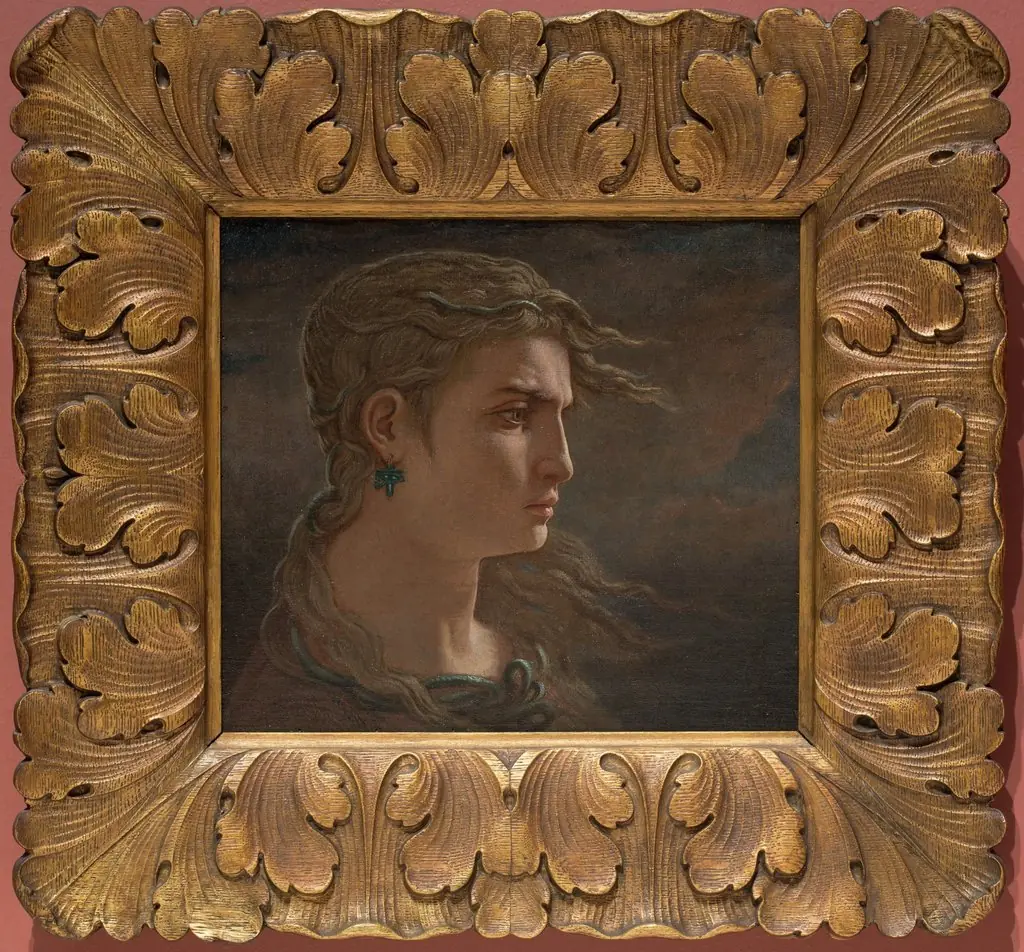 Head of Medusa
 A Glimpse into Hell, or Fear
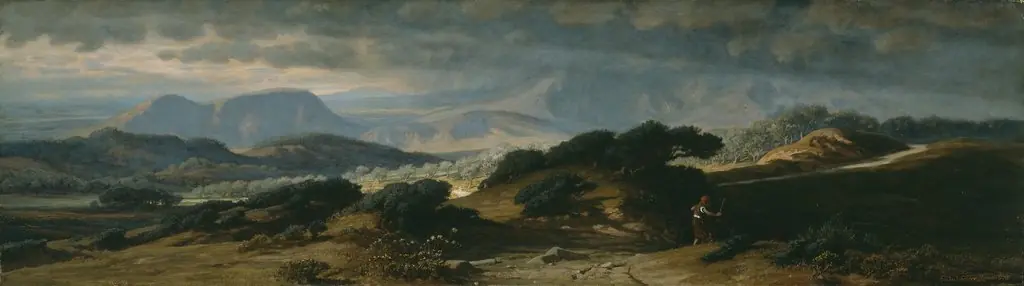 Storm in Umbria
134 works in the catalog · 24 shown
Collections represented


Artists in a similar vein