Artwork
The Fable of the Miller, His Son, and the Donkey
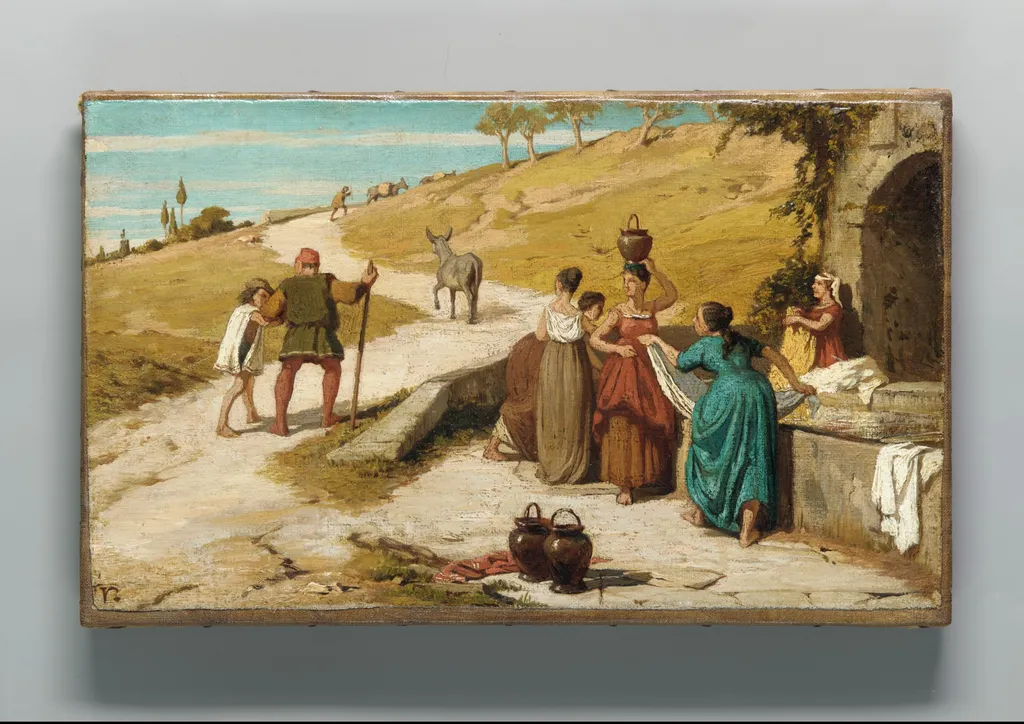
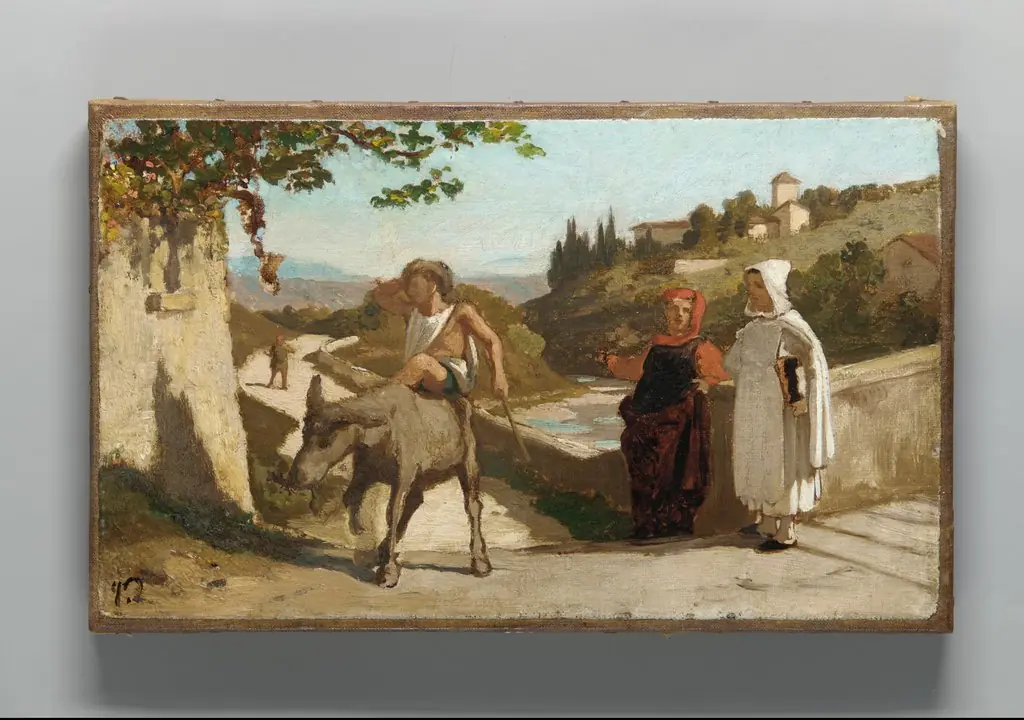
The Fable of the Miller, His Son, and the Donkey is an oil painting by the Realist artist Elihu Vedder. It dates from 1867 and is held in the collection of the Metropolitan Museum of Art.
About this work
Subject & Meaning
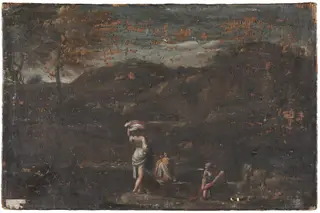
Elihu Vedder's 1867 oil painting, The Fable of the Miller, His Son, and the Donkey, depicts a rural landscape scene featuring a man, a woman, and a donkey.
Elihu Vedder's 1867 oil painting, The Fable of the Miller, His Son, and the Donkey, depicts a rural landscape scene featuring a man, a woman, and a donkey. While the title explicitly references the well-known Aesopian fable concerning the moral of trying to please everyone, the visual composition focuses on these three figures within a natural setting. The inclusion of the donkey alongside the human figures serves as the primary iconographic link to the narrative source, symbolizing the central conflict of the story regarding public opinion and the futility of compromise.
The work is classified as a landscape painting that integrates these narrative elements, using the figures to embody the fable's themes without necessarily illustrating a specific dramatic moment from the text.
Technique & Style
Executed in 1867, this work by Elihu Vedder is an oil painting on canvas. Classified as a landscape genre piece, the composition depicts a man, a woman, and a donkey situated within a natural setting. The physical dimensions of the support measure 16.5 units in height by 27.3 units in width.
As a painted work from the mid-nineteenth century utilizing traditional oil media on a woven fabric support, the piece aligns with standard practices of the period for portable landscape subjects. The current holdings of the Metropolitan Museum of Art preserve the work, though specific details regarding surface condition, varnish layers, or the artist's specific brushwork handling are not detailed in the available records.
History & Provenance
Elihu Vedder created the oil painting The Fable of the Miller, His Son, and the Donkey in 1867. Executed on canvas, the work measures 16.5 by 27.3 centimeters and depicts a man, a woman, a donkey, and a landscape. The piece is currently held in the collection of the Metropolitan Museum of Art in New York.
Its accession record identifies it as item 1992.205.2, indicating the year of acquisition by the museum, though the specific details regarding the original commission or the intermediate ownership chain prior to the museum's acquisition are not detailed in the available records.
Elihu Vedder's 1867 oil painting, The Fable of the Miller, His Son, and the Donkey, is held in the collection of the Metropolitan Museum of Art in New York. The work was accessioned by the museum in 1992 under the inventory number 1992.205.2. Described as a landscape painting featuring a man, a woman, and a donkey, the canvas measures 16.5 by 27.3 centimeters.
While the sources confirm its current location and accession details, no specific exhibition history or prior provenance records are provided in the available documentation.
Overview
Elihu Vedder, an American artist, completed The Fable of the Miller, His Son, and the Donkey in 1867. This oil painting depicts a narrative scene set within a landscape, featuring three figures and an animal. The work is characterized by its realist approach and is part of the collection at The Metropolitan Museum of Art. Vedder, known for his symbolic works and illustrations, created this piece early in his career.
Context
Elihu Vedder, a New York City-born painter, illustrator, and poet, is recognized for his contributions to American Symbolism. While The Fable of the Miller, His Son, and the Donkey showcases his realist tendencies, Vedder later gained significant acclaim for his evocative illustrations for Edward FitzGerald’s translation of The Rubaiyat of Omar Khayyam. This painting represents an earlier phase in the career of an artist celebrated for his imaginative and literary interpretations.
Own this work as a print
Artist & collection
Artist
Elihu Vedder (26 February 1836 – 29 January 1923) was an American symbolist painter, book illustrator and poet from New York City.

- The Fable of the Miller, His Son, and the Donkey
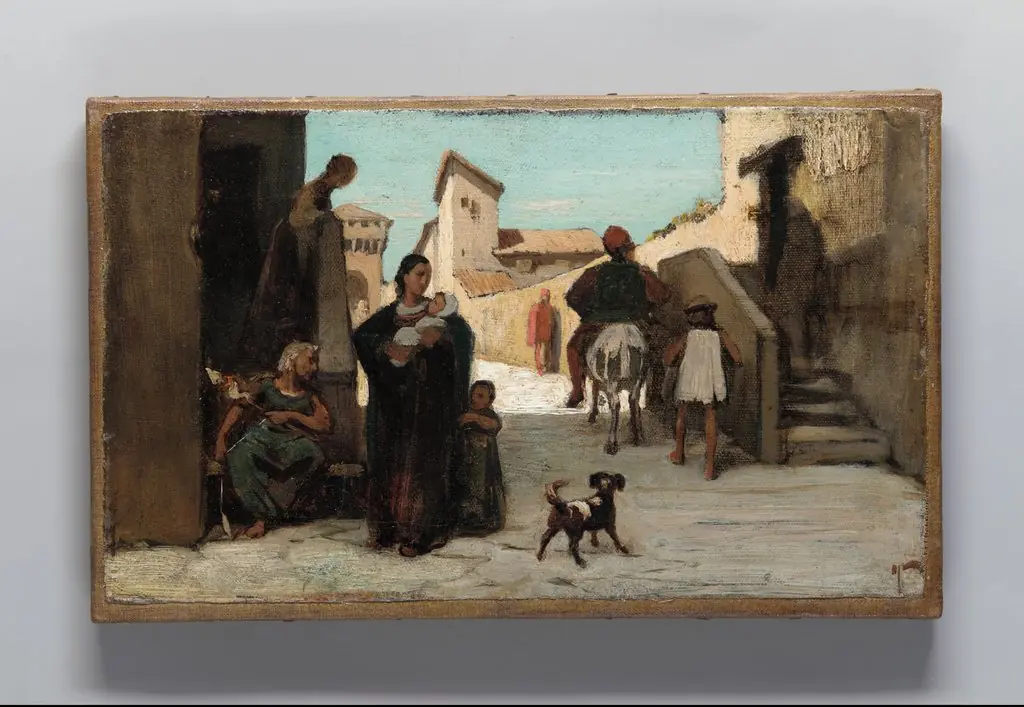 The Fable of the Miller, His Son, and the Donkey
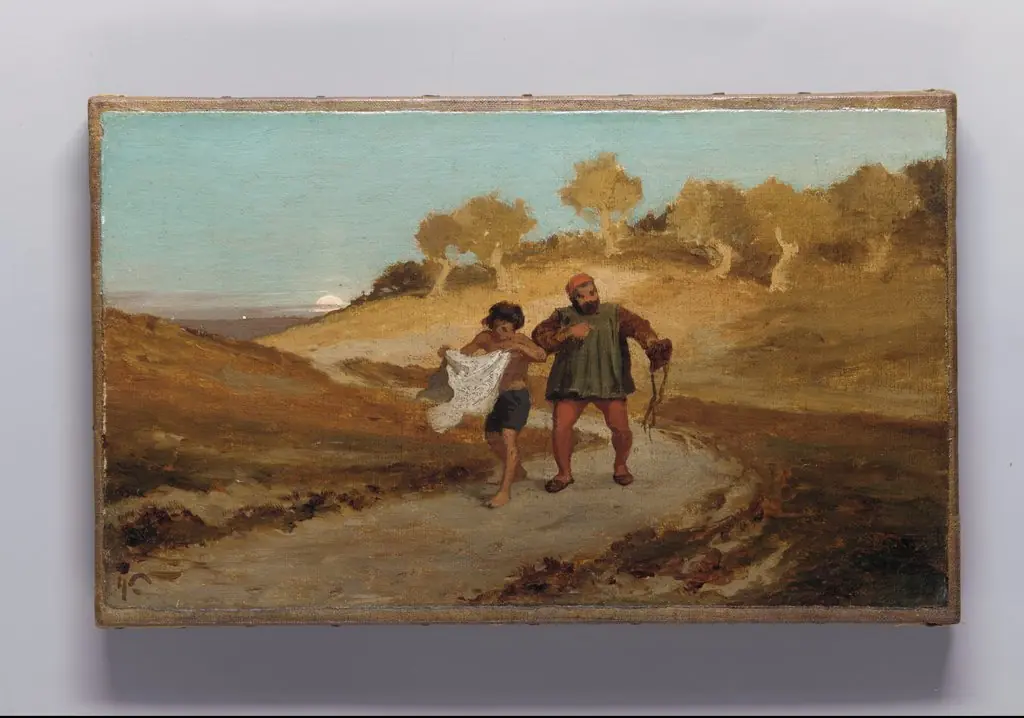 The Fable of the Miller, His Son, and the Donkey
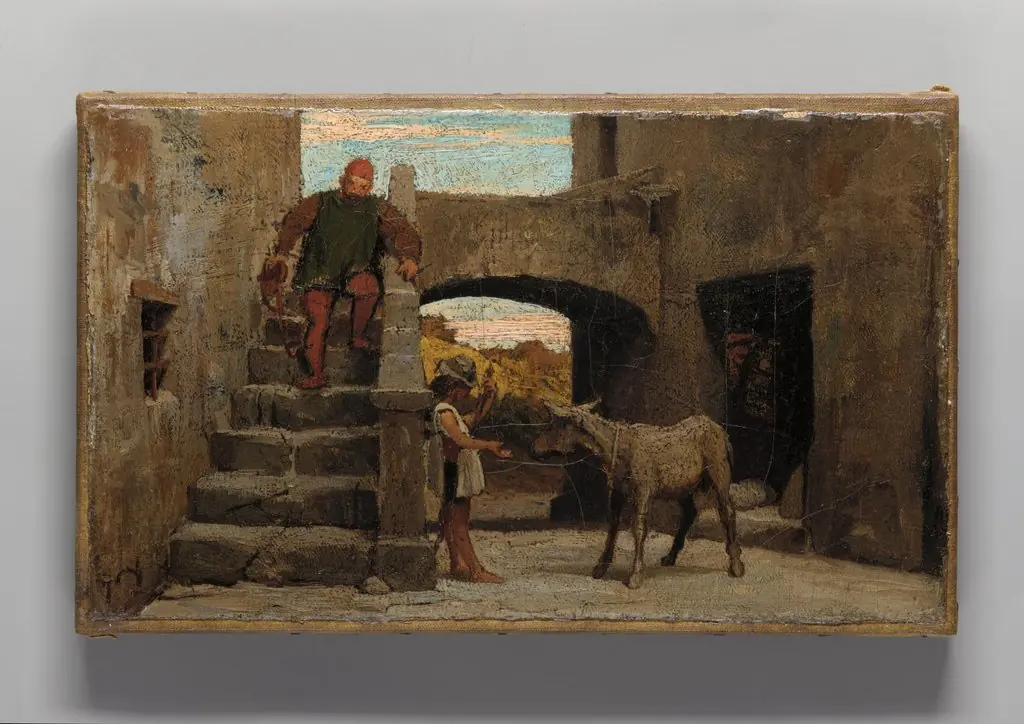 The Fable of the Miller, His Son, and the Donkey
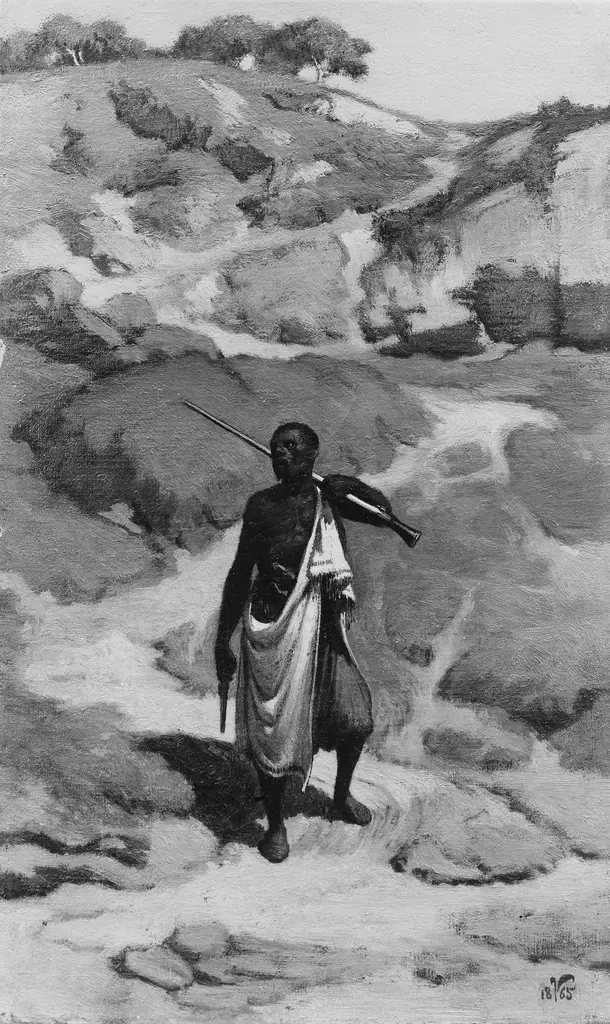 The African Sentinel
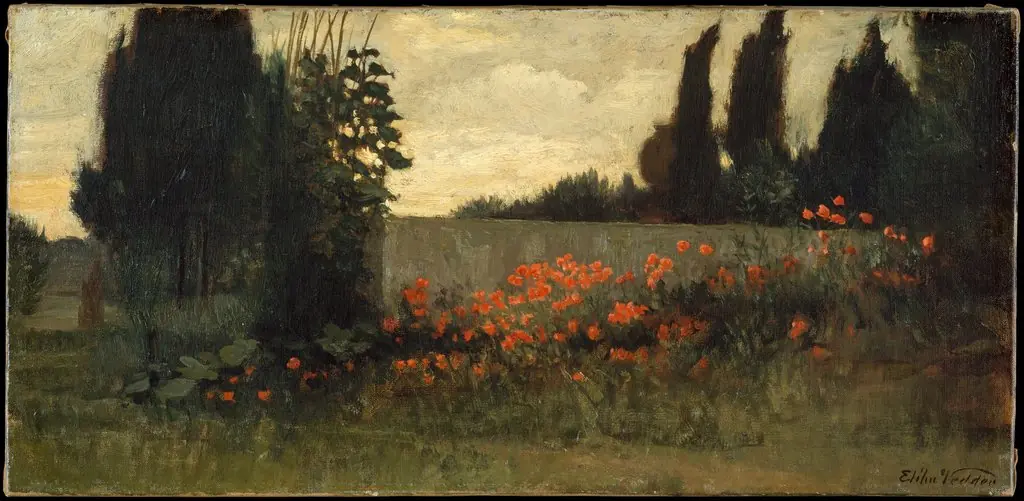 Cypress and Poppies
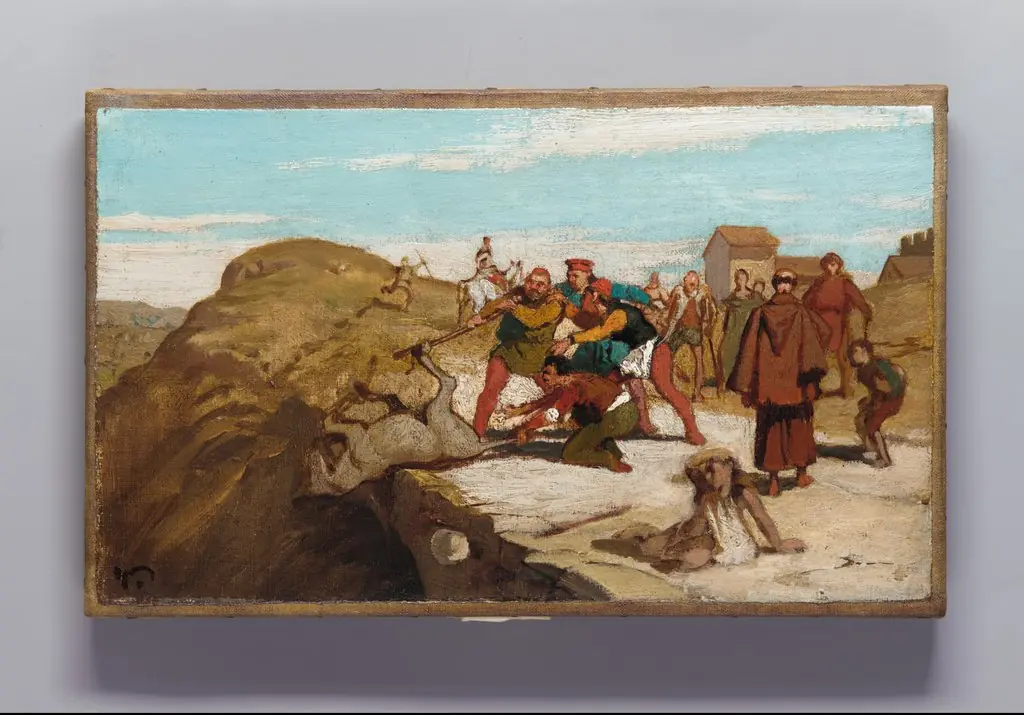 The Fable of the Miller, His Son, and the Donkey
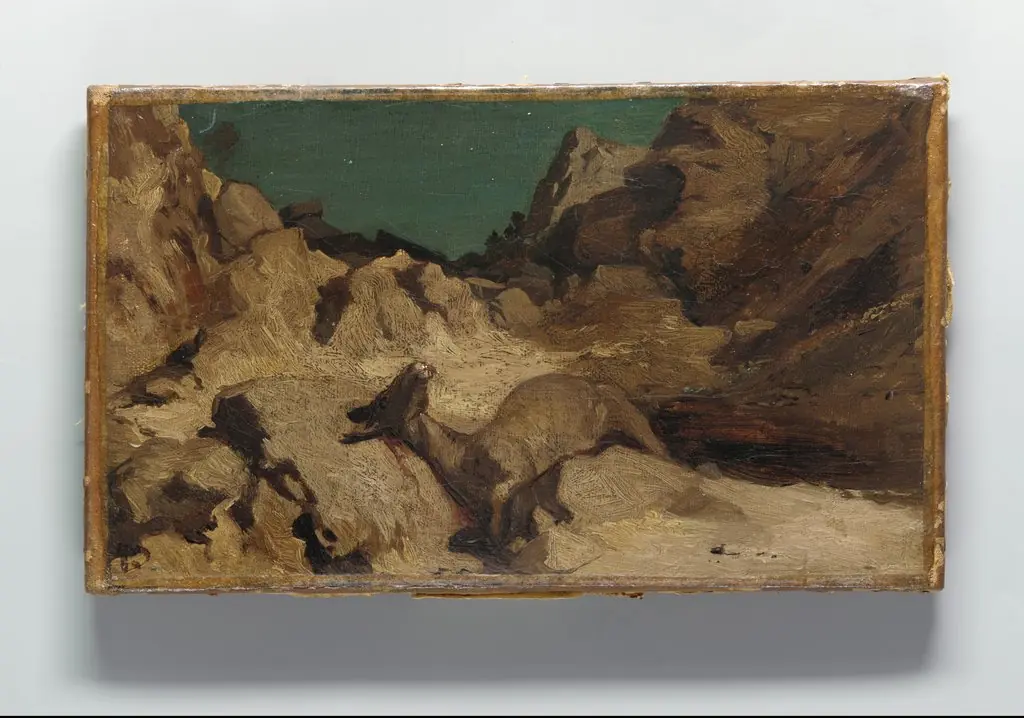 The Fable of the Miller, His Son, and the Donkey