Artwork
The Fable of the Miller, His Son, and the Donkey
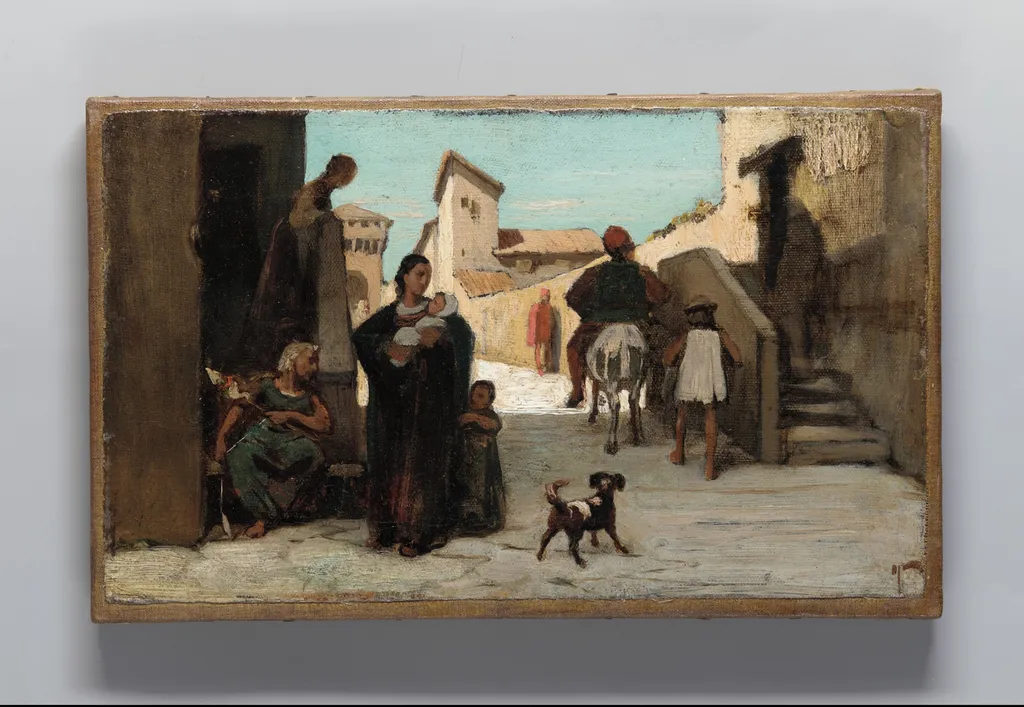
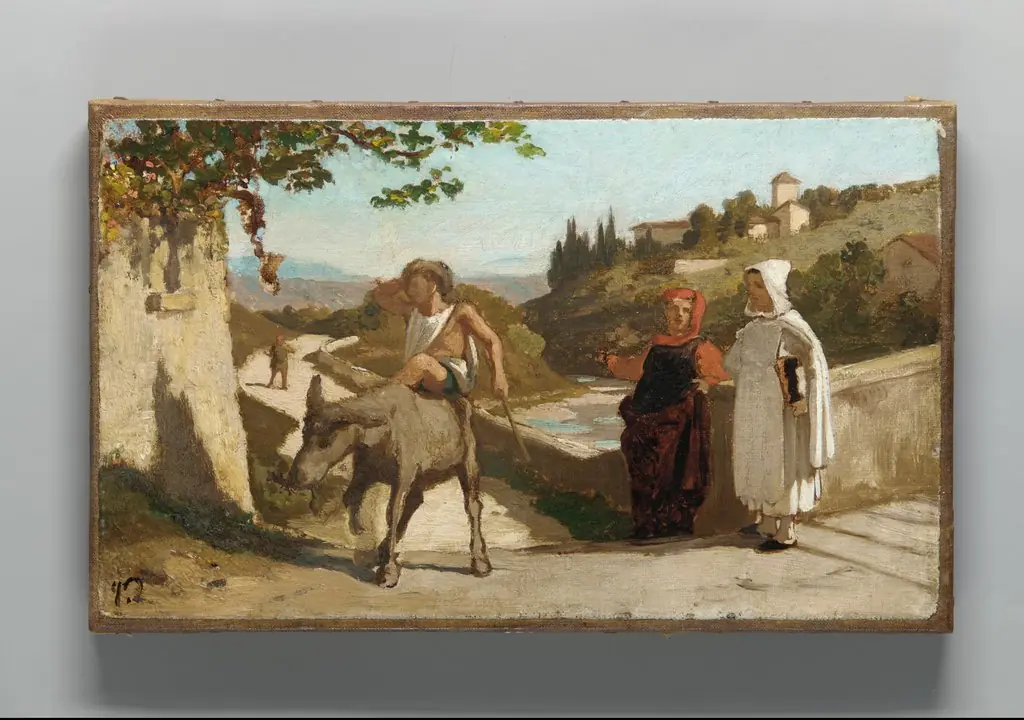
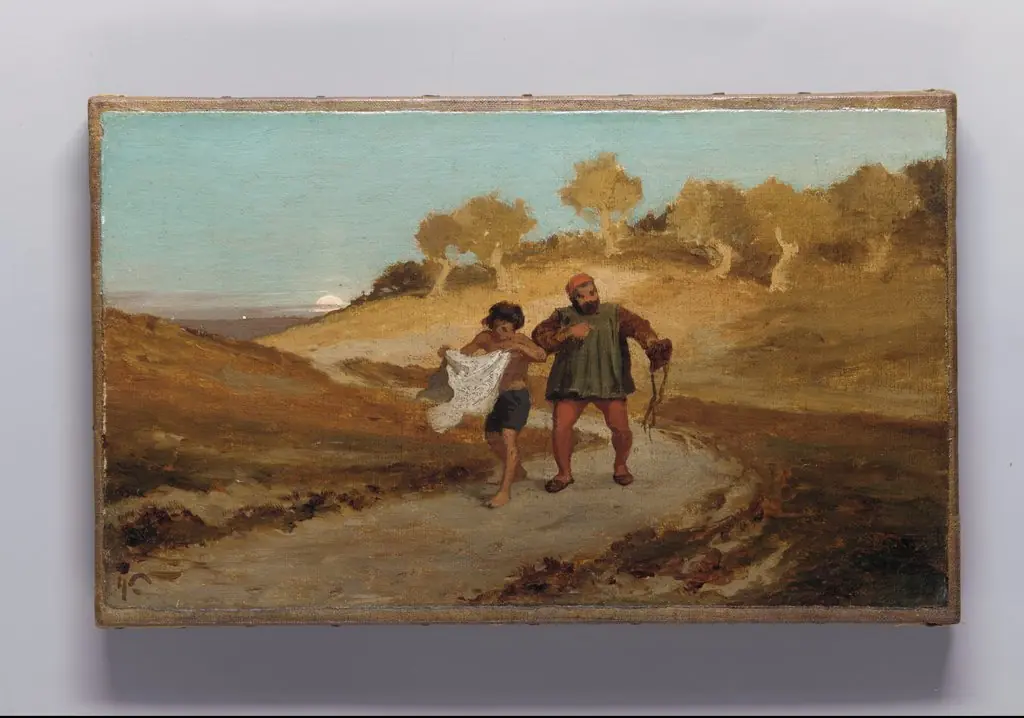
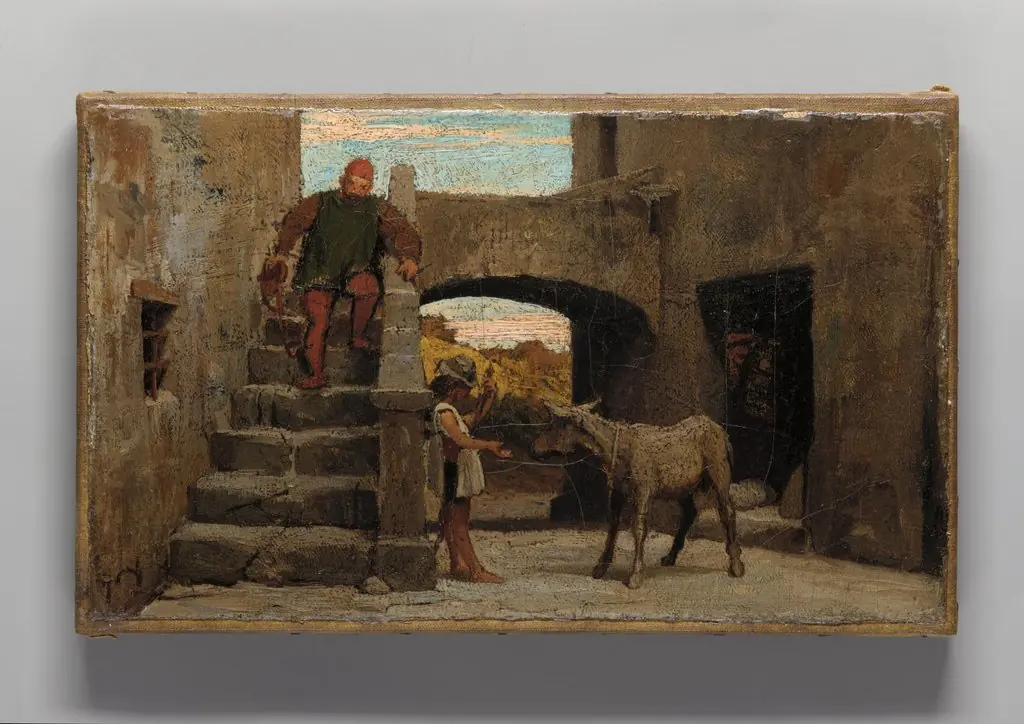
The Fable of the Miller, His Son, and the Donkey is an oil painting by the Realist artist Elihu Vedder. It dates from 1867 and is held in the collection of the Metropolitan Museum of Art.
About this work
Subject & Meaning
Symbolically, the donkey represents the weight of public counsel, while the varied figures underscore the futility of trying to satisfy all parties.
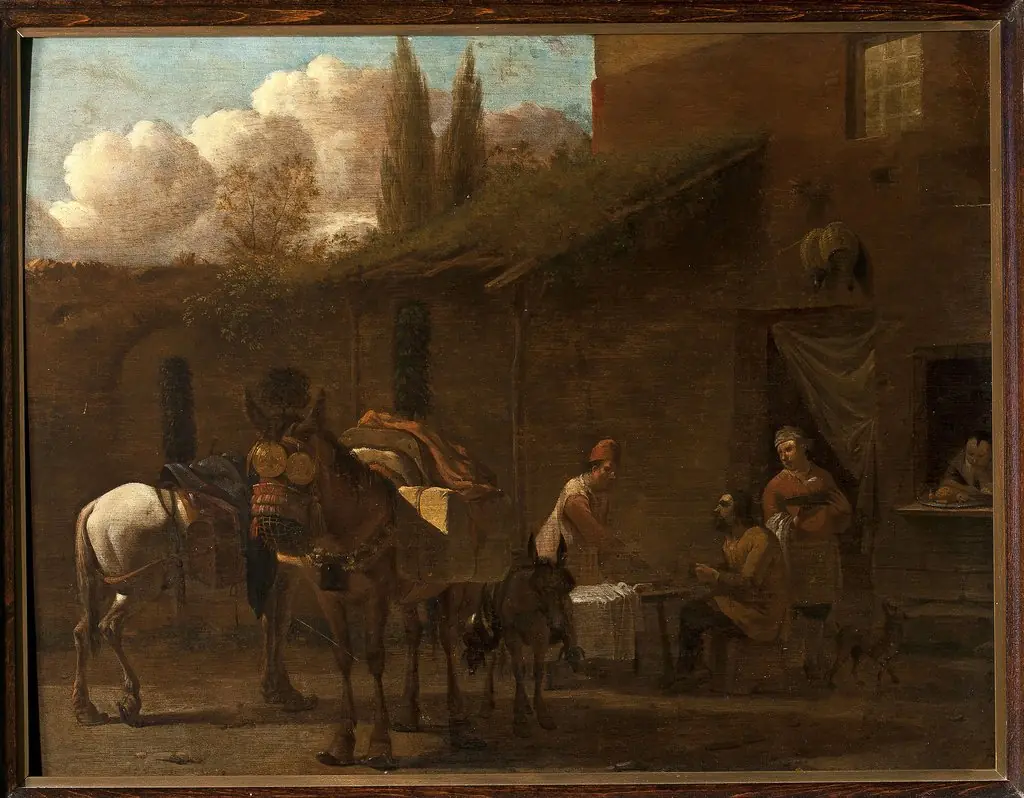
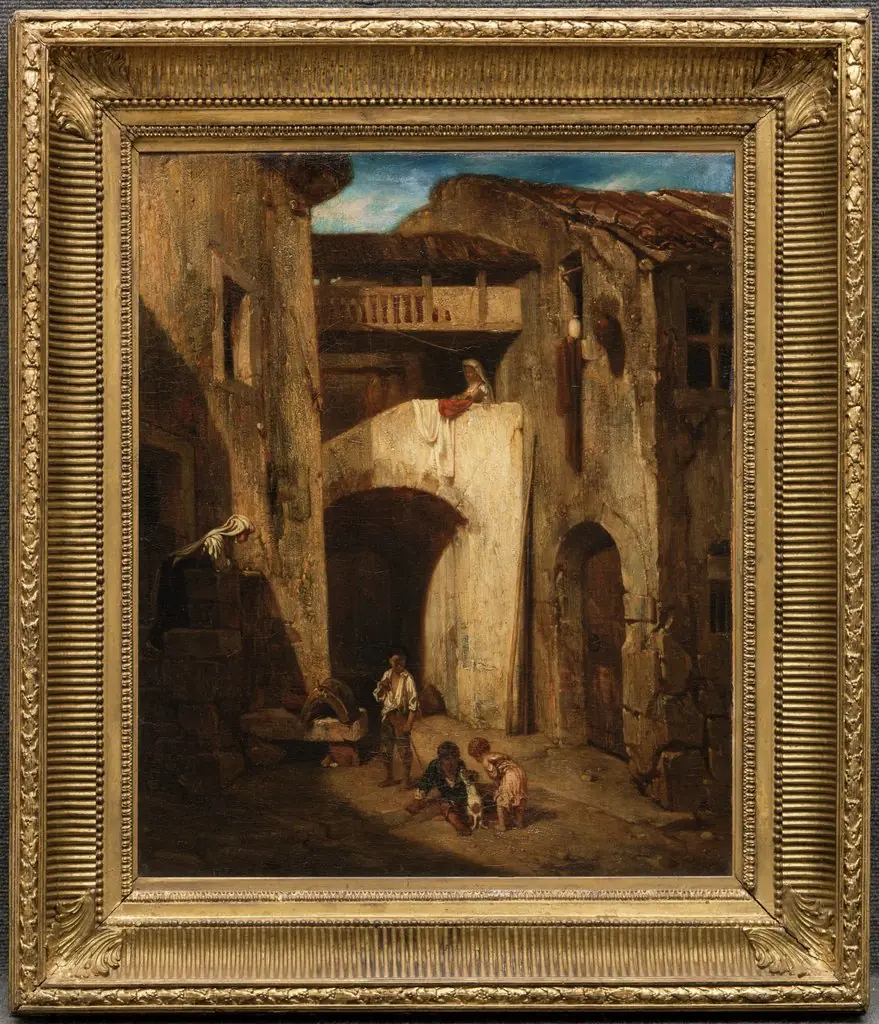
Elihu Vedder's 1867 oil painting The Fable of the Miller, His Son, and the Donkey illustrates a moral tale in which a miller, his child, and a donkey encounter a series of contradictory suggestions, culminating in the donkey's collapse under conflicting loads. The composition shows a man, an infant, a mother, a dog, and the titular donkey, emphasizing the burdens of heeding every opinion. Symbolically, the donkey represents the weight of public counsel, while the varied figures underscore the futility of trying to satisfy all parties.
The work, housed in the Metropolitan Museum of Art, reflects Vedder's fascination with narrative allegory and the tension between individual agency and societal pressure.
Technique & Style
The Fable of the Miller, His Son, and the Donkey is an oil painting on canvas, produced in 1867 by American artist Elihu Vedder. The painting's formal composition arranges a miller, his child, and a donkey within a modest landscape, employing muted tonal modeling and linear contours typical of Vedder's symbolic realist style.
History & Provenance
The Fable of the Miller, His Son, and the Donkey was painted by Elihu Vedder in 1867. The work entered the collection of the Metropolitan Museum of Art in New York as accession number 1992.205.4, where it remains housed today. The oil-on-canvas composition measures 16.5 by 27.3 centimeters and depicts a narrative scene centered on a man, an infant, a mother, a dog, and a donkey.
The painting's early dating to 1867 situates it within Vedder's formative period, shortly after his return from Italy and engagement with literary and moral themes.
Overview
Elihu Vedder, an American painter, completed The Fable of the Miller, His Son, and the Donkey in 1867. This oil painting exemplifies the realism movement through its depiction of an everyday scene. The composition features a mother holding an infant, a man guiding a donkey, and a dog, all set within an urban environment under a clear sky. The work is currently part of the collection at The Metropolitan Museum of Art.
Context
Born in New York City, Elihu Vedder was an American artist recognized for his contributions to both painting and illustration. While The Fable of the Miller, His Son, and the Donkey showcases his realist tendencies, Vedder is perhaps most widely acclaimed for his symbolist illustrations for Edward FitzGerald’s translation of The Rubaiyat of Omar Khayyam.
Own this work as a print
Artist & collection
Artist
Elihu Vedder (26 February 1836 – 29 January 1923) was an American symbolist painter, book illustrator and poet from New York City.

 The Fable of the Miller, His Son, and the Donkey
- The Fable of the Miller, His Son, and the Donkey
 The Fable of the Miller, His Son, and the Donkey
 The Fable of the Miller, His Son, and the Donkey
 The African Sentinel
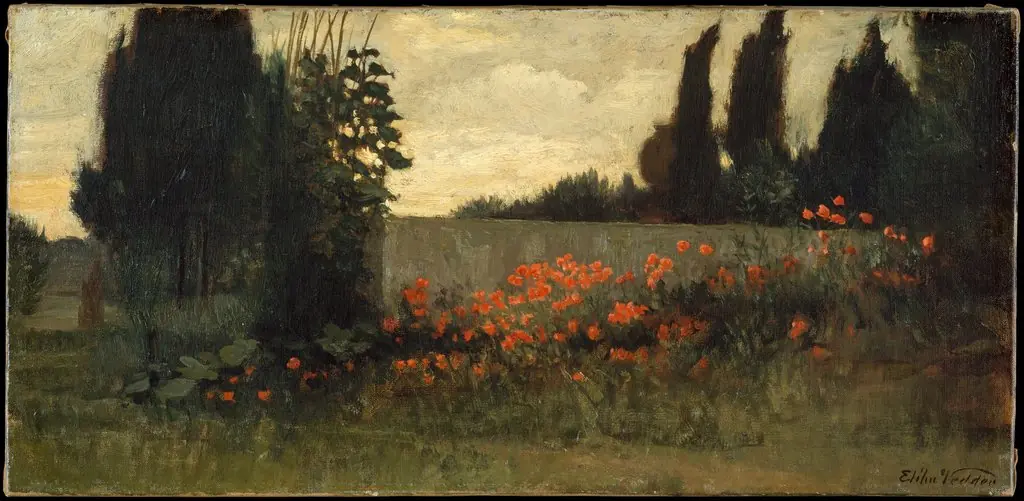 Cypress and Poppies
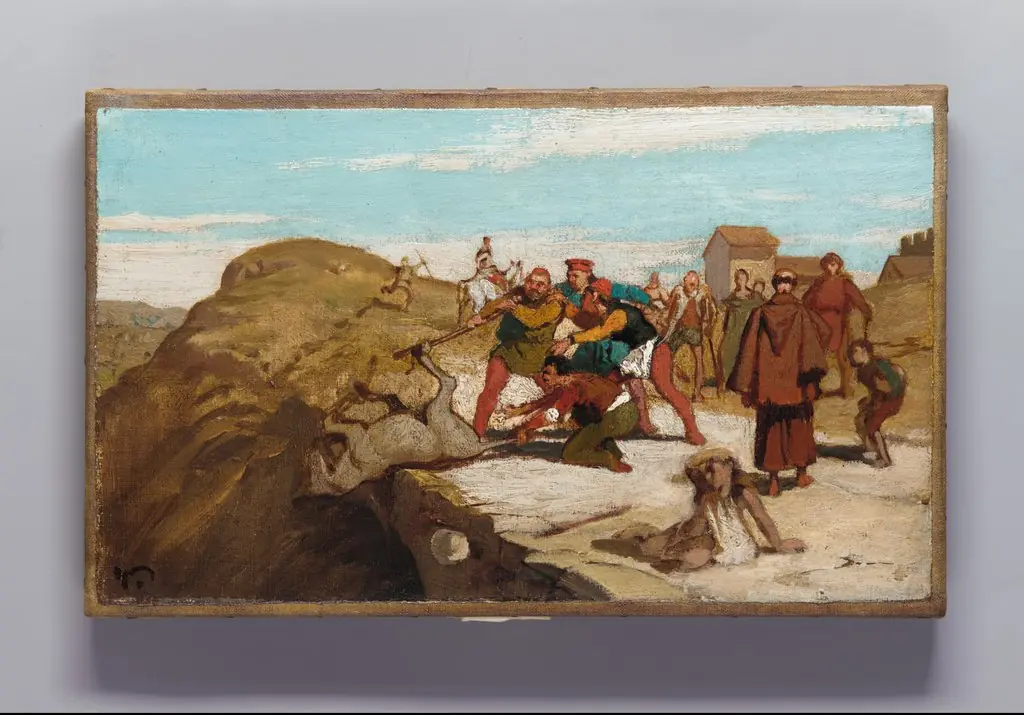 The Fable of the Miller, His Son, and the Donkey
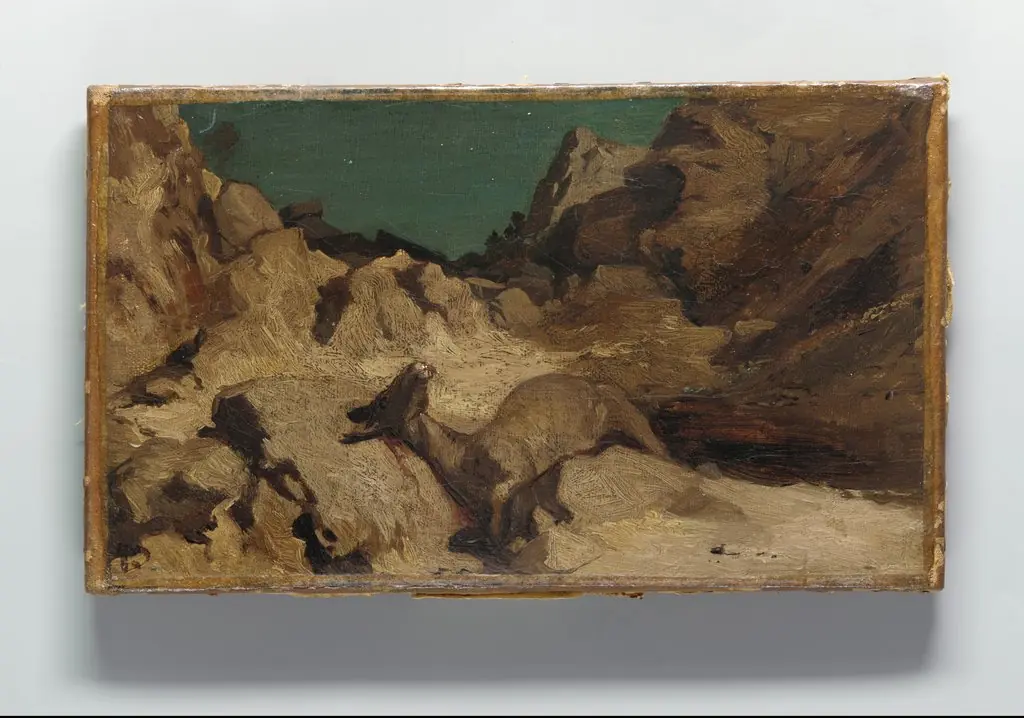 The Fable of the Miller, His Son, and the Donkey