Artwork
Mr. William W. Corcoran
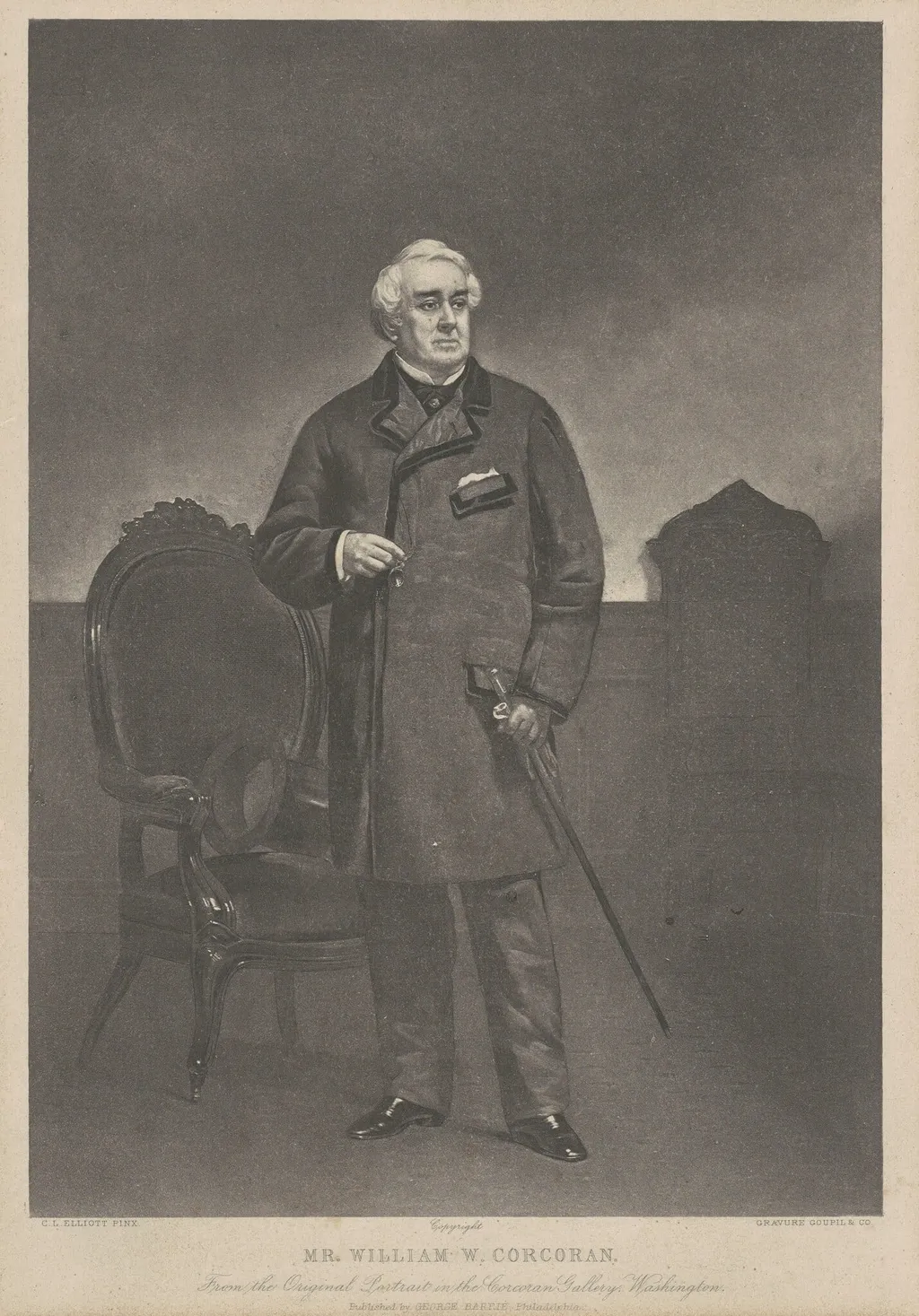
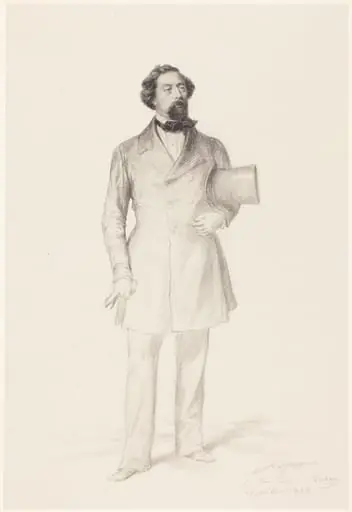
Mr. William W. Corcoran is a print by the Impressionist artist Charles Loring Elliott. It is held in the collection of the National Gallery of Art. This photogravure print, produced in 1872, depicts William W.
- Inscription
- Inscribed:center verso in graphite by unknown hand: 275 Text at bottom of plate: C.L. Elliott Pinx. / Copyright / Gravure Goupil & Co. / Mr. William W. Corcoran. / From the Original Portrait in the Corcoran Gallery, Washington. / Published by George Barrie, Philadelphia.
About this work
Overview
Created by Charles Loring Elliott, it is a reproductive print derived from an earlier oil painting.
This photogravure print, produced in 1872, depicts William W. Corcoran, a prominent American banker and philanthropist. Created by Charles Loring Elliott, it is a reproductive print derived from an earlier oil painting. The image is rendered in monochrome on wove paper, preserving the tonal subtleties of the original portrait while adapting it for wider distribution through print technology of the period.
Subject & Meaning
Corcoran is portrayed in formal attire, a long coat and tall hat, with a cane in one hand and the other resting on the back of an empty chair. His composed, serious demeanor reflects his public stature. The plain background and faint suggestion of architectural detail beyond a window imply a private, dignified setting. The composition conveys quiet authority rather than ostentation, aligning with the values of 19th-century American elite.
Technique & Style
The image is a photogravure, a process that transfers photographic detail onto a copper plate for etching and printing, allowing for fine gradations of tone. Elliott’s original painting was translated into this medium to achieve both precision and aesthetic warmth. The restrained palette and sharp focus on the figure’s posture and facial expression reflect a commitment to naturalistic representation, characteristic of Realist portraiture.
History & Provenance
The print originates from an oil portrait painted by Elliott in 1872, held in Washington, D.C. The photogravure was likely produced shortly after to serve as a widely accessible record of Corcoran’s likeness. As a key figure in the city’s cultural development, Corcoran’s image was reproduced to honor his contributions, particularly his role in founding the Corcoran Gallery of Art.
Context
In the post-Civil War era, American elites increasingly commissioned portraits to affirm social standing and civic responsibility. Corcoran’s image, circulated through print, reinforced his legacy as a patron of the arts. The use of photogravure, then a cutting-edge reproductive method, demonstrates the intersection of emerging photographic technology and traditional portraiture in shaping public memory.
Legacy
This print preserves the visual identity of one of Washington’s most influential cultural benefactors. Its existence reflects the growing practice of using reproductive prints to disseminate the likenesses of public figures beyond elite circles. Though modest in scale, the work contributes to the historical record of how American institutions and their patrons were visually represented in the late 19th century.
Own this work as a print
Artist & collection

Artist
Charles Loring Elliott (1812 – 1868) was an American painter known for his portraits.

 Print Collection
 William Richard Hamilton (1777-1859)
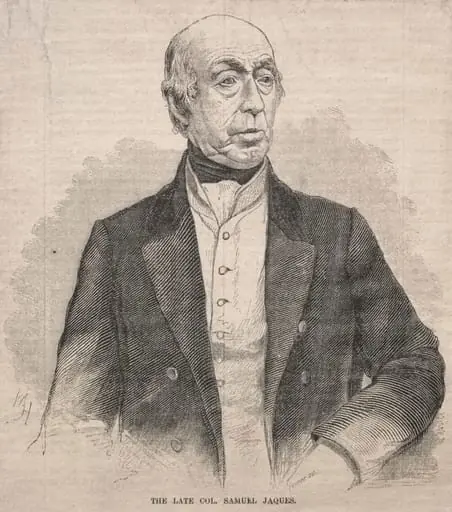 The Late Col. Samuel Jaques
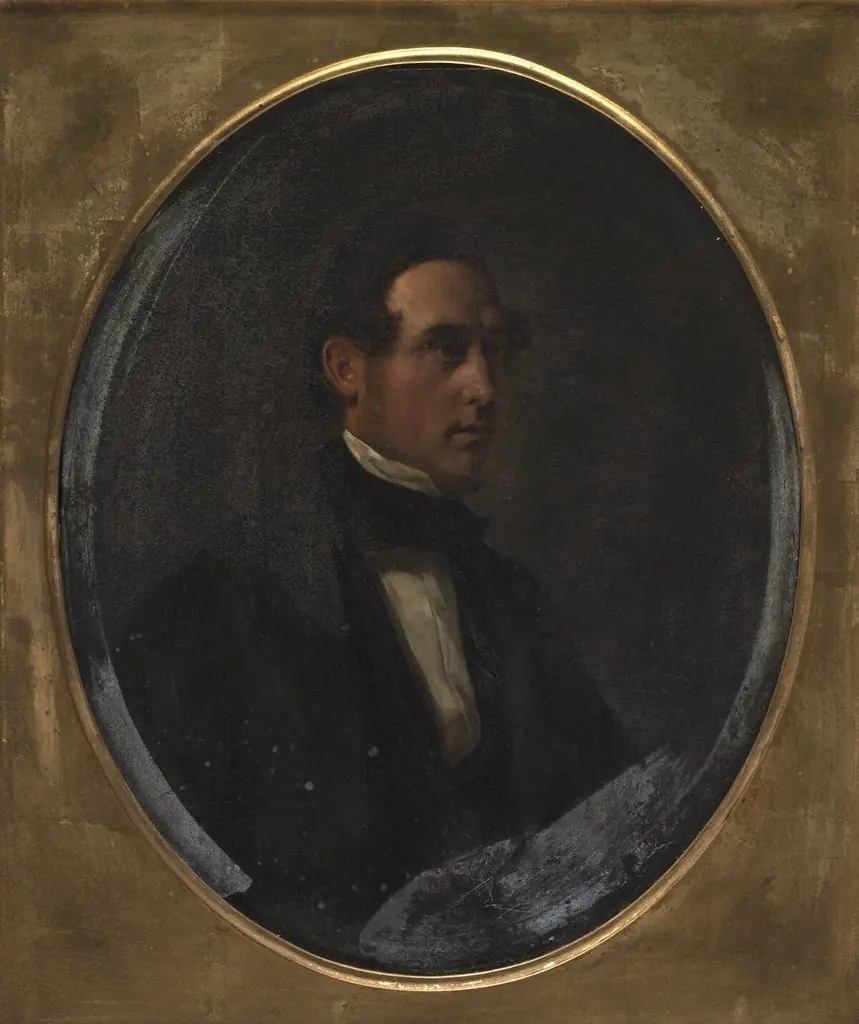 Portrait of a gentleman, aged 34
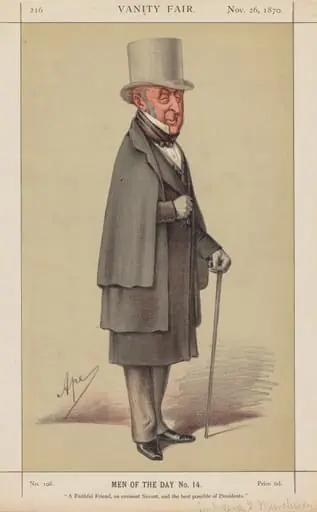 Vanity Fair: Men of the Day No. 14 "A Faithful Friend, an eminent Savant, and the best possible of Presidents"
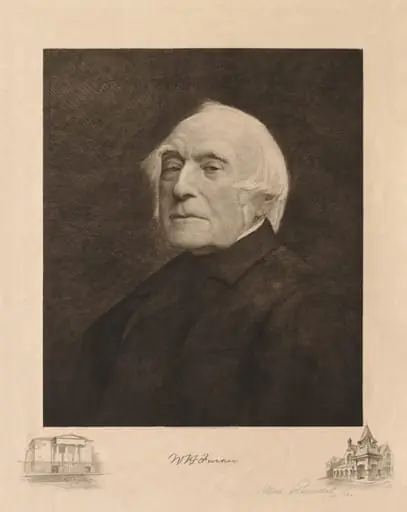 W. H. Furness
 Vanity Fair: "The Autocrat of the Breakfast Table"
 Gabriel V. Ludlow
 Frederick Augustus Jones
 Arthur Wellesley, Duke of Wellington
- William Gunn
 M. Pochez