Artwork
Edmond de Goncourt
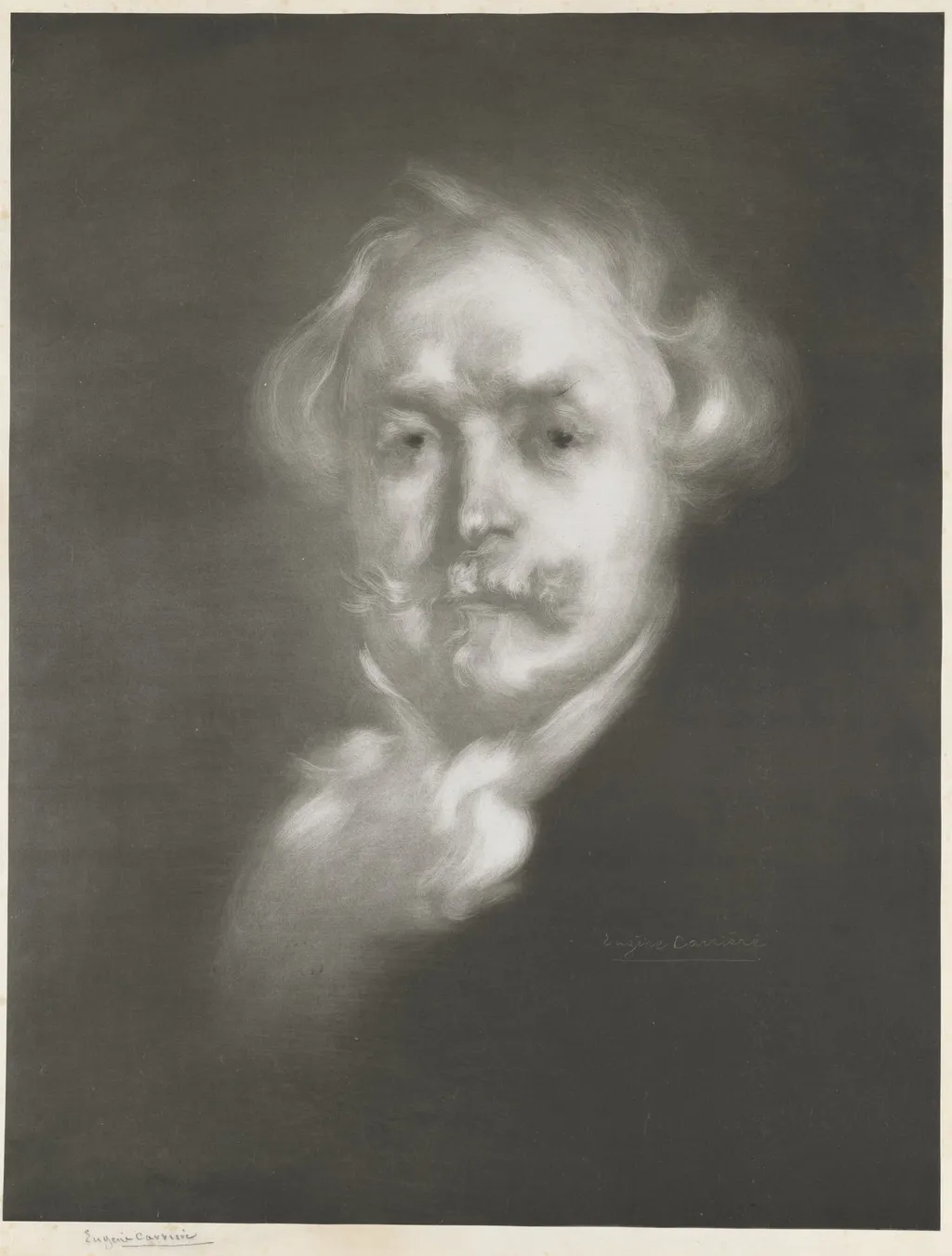
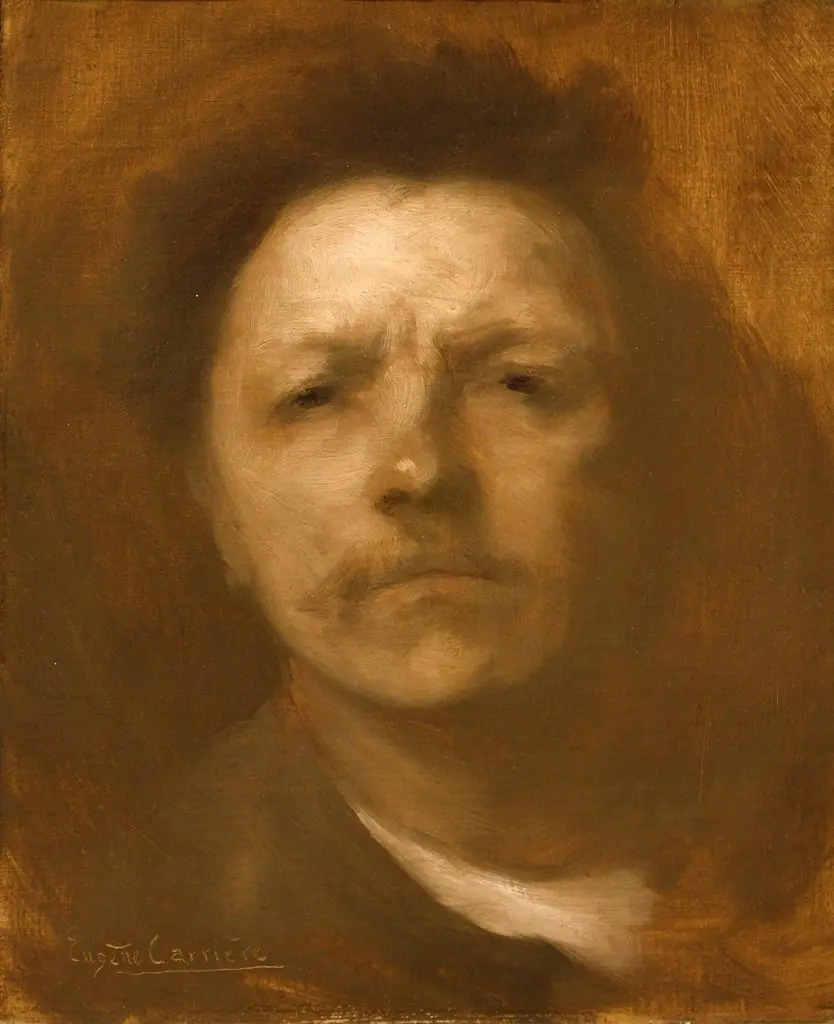
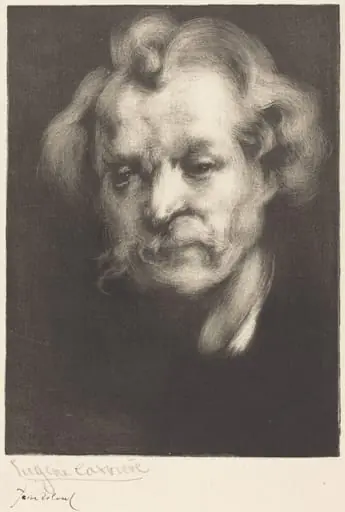
Edmond de Goncourt is a print by the Impressionist artist Eugène Carrière. It dates from 1896 and is held in the collection of the Cleveland Museum of Art.
- Accession no.
- 2009.500
- Credit line
- Gift of John Bonebrake
About this work
Overview
Painted during the height of the Symbolist movement, this work exemplifies Carrière's rejection of sharp delineation in favor of atmospheric unity.
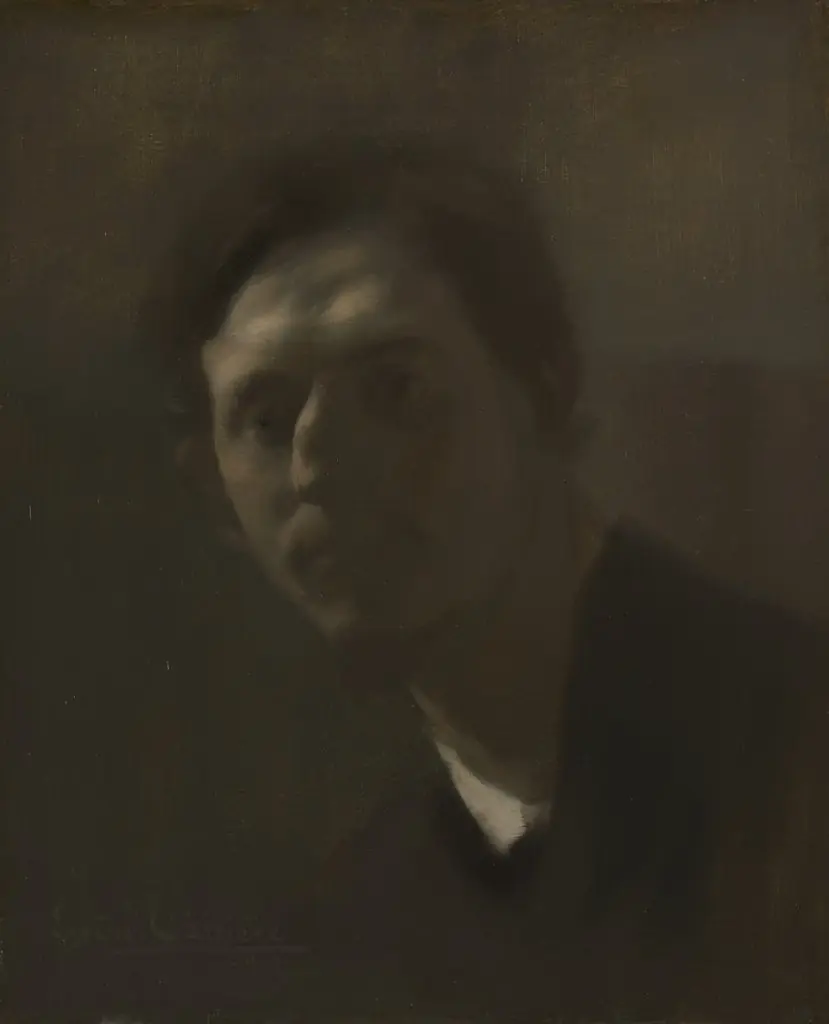
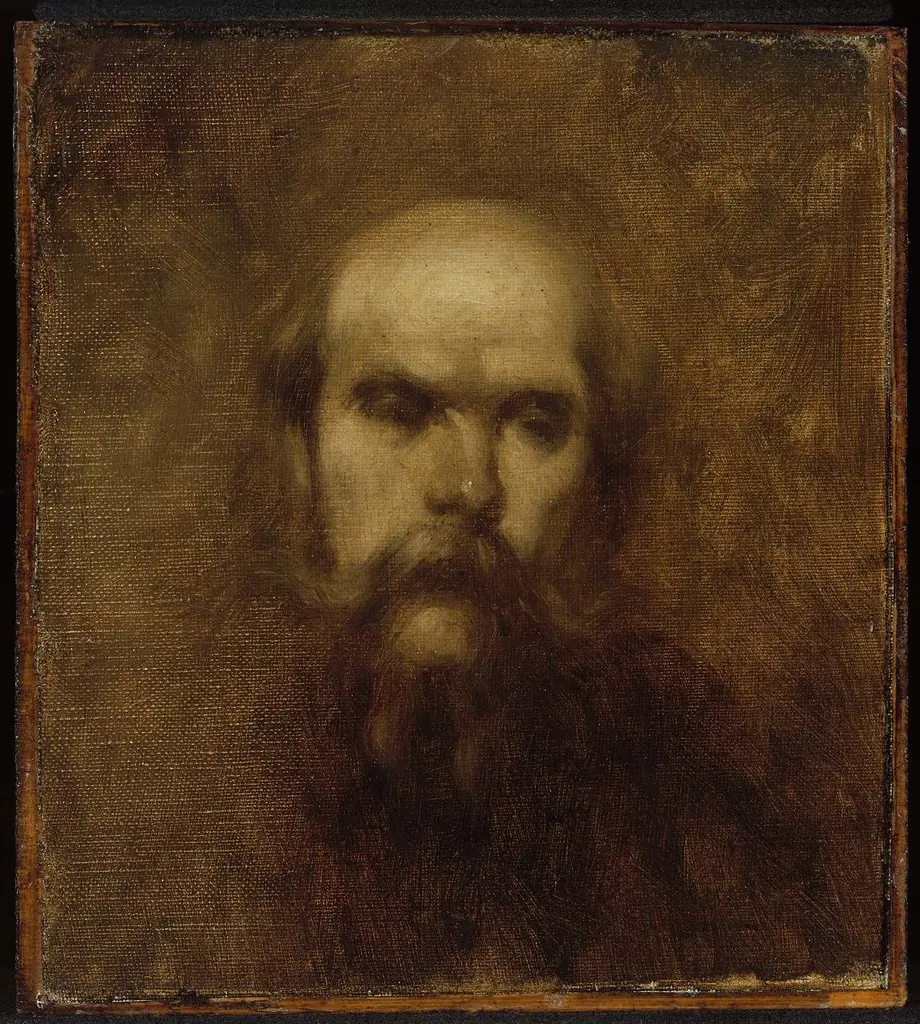
Eugène Carrière's 1896 portrait of Edmond de Goncourt captures the French literary critic and collector in a characteristic monochromatic study. The composition focuses tightly on the sitter's head and upper shoulders, isolating him against a dark, indistinct background. Carrière employs his signature sfumato technique, utilizing soft, hazy brushstrokes to dissolve the boundaries between the subject's features and the surrounding shadow.
The sitter's beard and hair appear to merge with the gloom, while his face emerges through subtle gradations of light and dark, creating an ethereal, dreamlike quality. Painted during the height of the Symbolist movement, this work exemplifies Carrière's rejection of sharp delineation in favor of atmospheric unity. The portrait reflects the artist's deep connection to the literary circles of late 19th-century Paris and his belief that art should evoke emotion rather than merely record physical reality.
This specific depiction of Goncourt stands as a testament to Carrière's mature style, where the psychological presence of the sitter is conveyed through the interplay of light and shadow rather than detailed realism.
Subject & Meaning
The image focuses on Goncourt’s facial features, his hair and beard rendered as gentle, fluffy masses that dissolve into shadow. The lack of sharp delineation gives the portrait a contemplative mood, suggesting an introspective character rather than a formal, public likeness.
Technique & Style
Carrière employs a muted palette and minimal contrast, allowing light and shadow to blend into a mist‑like atmosphere. This approach, characteristic of late‑nineteenth‑century French art, reduces tonal differences to create a seamless, almost luminous surface that emphasizes mood over precise detail.
History & Provenance
Created in 1896, the print entered the Cleveland Museum of Art’s holdings at an unspecified date, where it remains part of the museum’s European prints and drawings collection. Its presence in an American institution reflects the broader acquisition of French Symbolist works during the early twentieth century.
Own this work as a print
Artist & collection

Artist
Eugène Anatole Carrière was a French Symbolist artist of the fin-de-siècle period.