Artwork
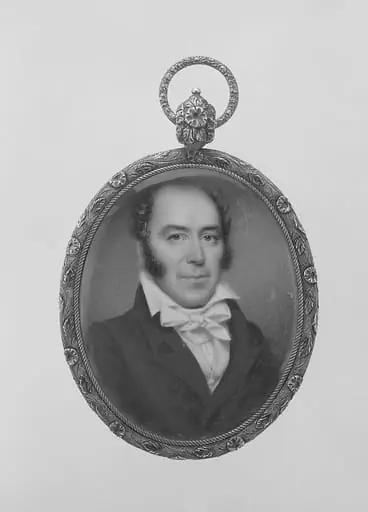
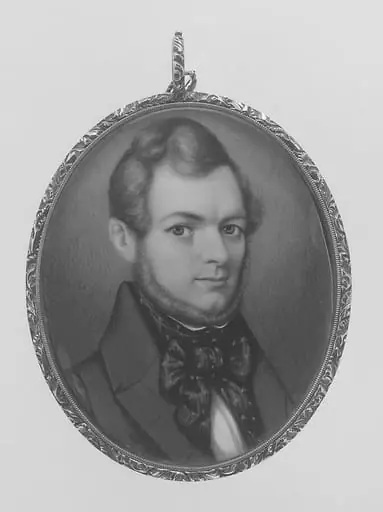
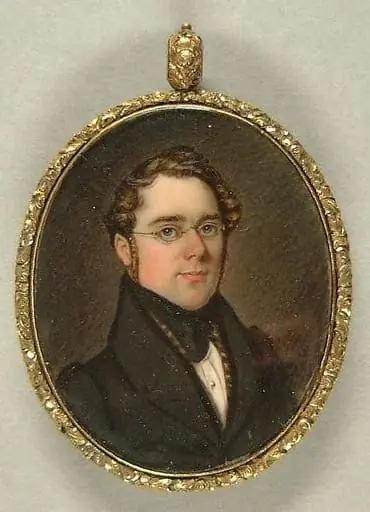
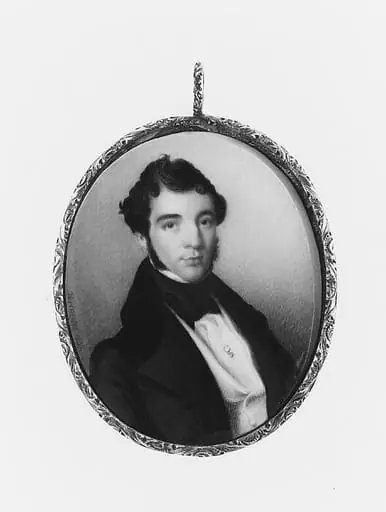
Portrait of a Gentleman
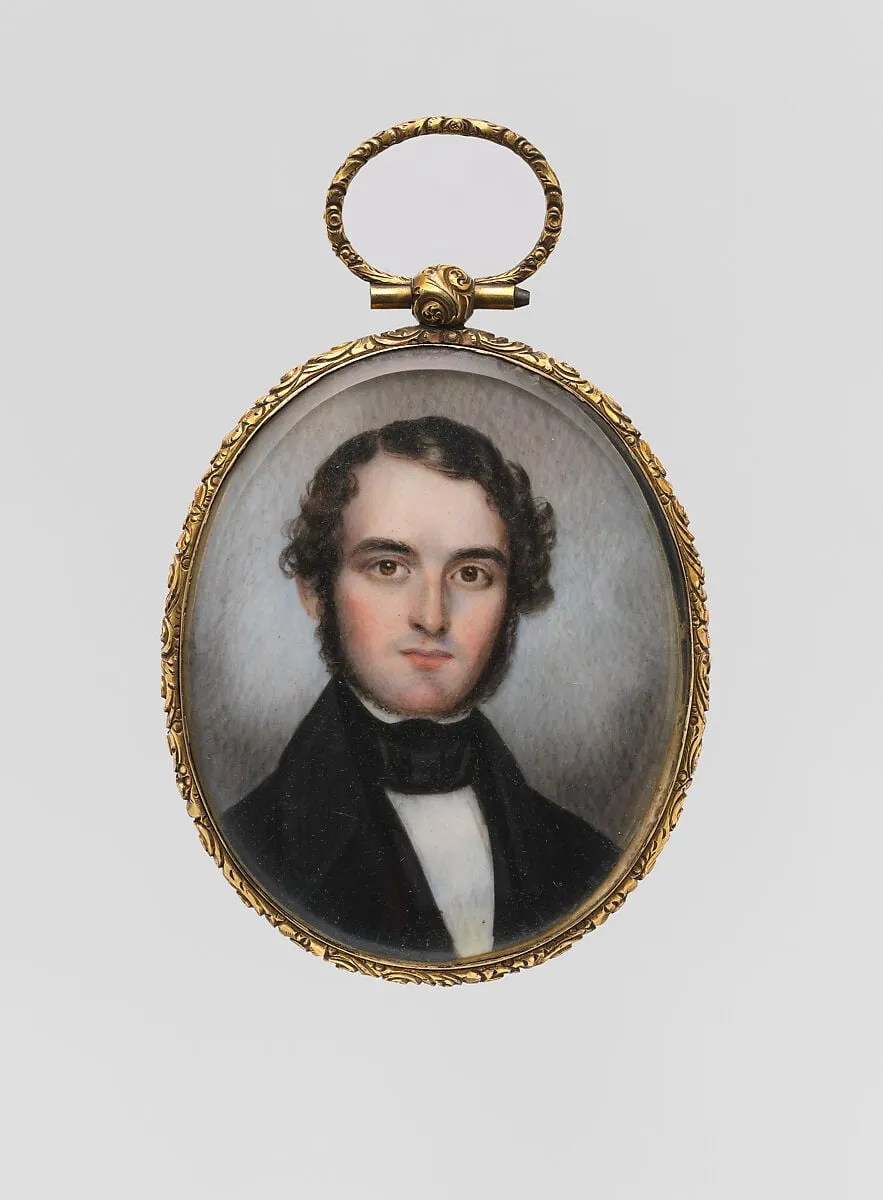
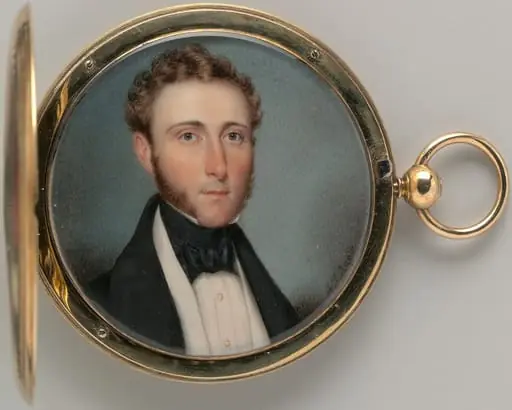
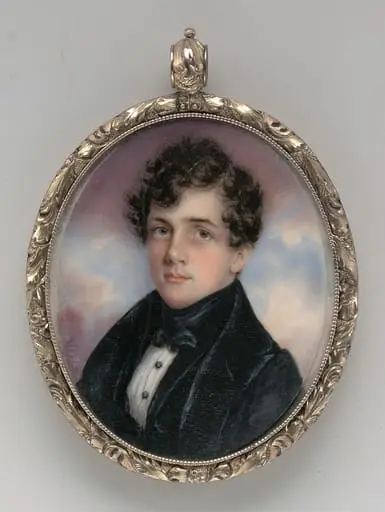
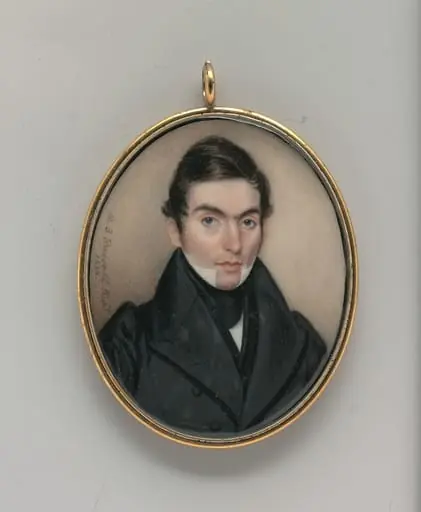
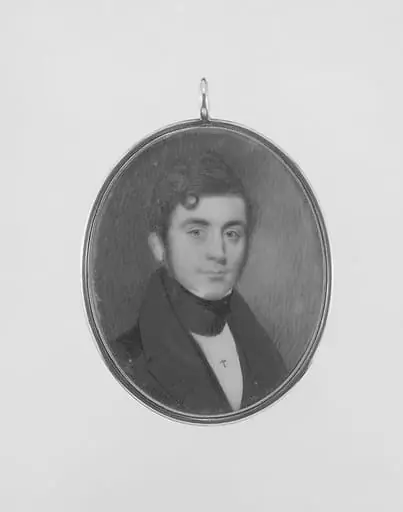
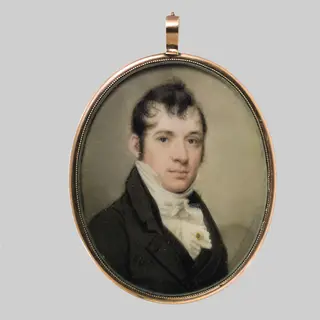
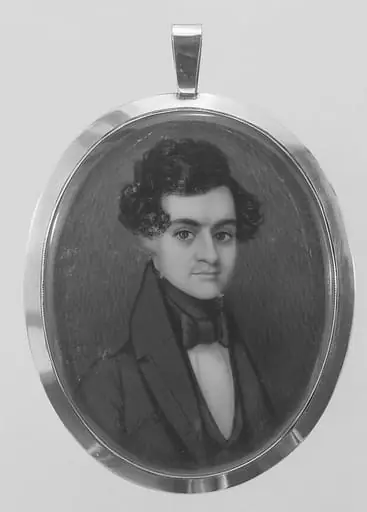
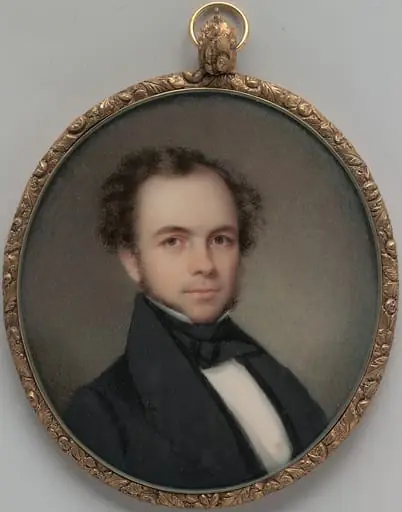
Portrait of a Gentleman is a watercolor painting by the American Folk Art artist Ezra Atherton. It dates from 1840 and is held in the collection of the Metropolitan Museum of Art.
About this work
History & Provenance
While the painting is part of the permanent display in The American Wing, the sources do not detail any special exhibitions or loan histories for this piece.
The Portrait of a Gentleman was executed by Ezra Atherton in 1840 as a watercolor on ivory. According to the available records, the work entered the Metropolitan Museum of Art's collection and remains housed there. No earlier ownership, commission details, or subsequent provenance information are cited in the sources.
Portrait of a Gentleman (1840) by Ezra Atherton is housed in the Metropolitan Museum of Art, where it is listed under the classification "The American Wing." The work belongs to the museum's collection of American paintings and is catalogued as part of the Wing's portrait holdings, though no specific accession or inventory number is recorded in the available documentation. Its subject, a seated gentleman, aligns with the genre of 19th‑century portraiture.
While the painting is part of the permanent display in The American Wing, the sources do not detail any special exhibitions or loan histories for this piece.
Overview
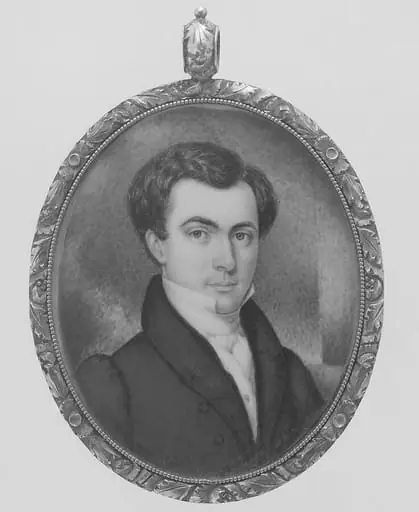
Ezra Atherton's Portrait of a Gentleman, created in 1840, is a watercolor on ivory. This intimate work captures the likeness of an unidentified man, rendered with delicate detail. The piece is a notable example of miniature portraiture from the period, reflecting a specific artistic practice within American art collections, such as those found in The American Wing.
Subject & Meaning
The portrait presents a man in a dark coat, his gaze directed forward, engaging the viewer directly. His features are softly illuminated, highlighting a composed expression. The neatness of his hair and the crispness of his collar suggest a formal yet immediate sitting, conveying a sense of quiet dignity and presence characteristic of early 19th-century portraiture.
Technique & Style
Executed in watercolor on a small ivory sheet, no larger than a playing card, this portrait exemplifies a specialized technique. Ivory was favored for its translucent quality, which allowed light to pass through, imparting a lifelike luminosity to the sitter's skin. This method was both rare and costly, distinguishing it from the more common and larger oil-on-canvas portraits prevalent during the era.
Artist & collection
Artist
Ezra Atherton might’ve been the quiet neighbor who sketched everyone’s dog in his spare time.