Artwork
Portrait of a Gentleman
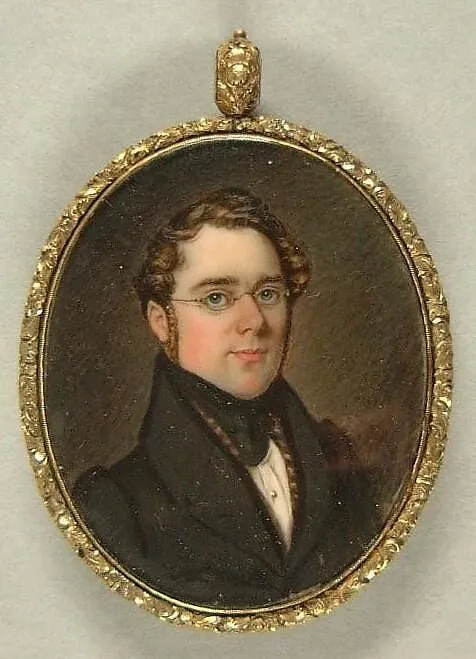
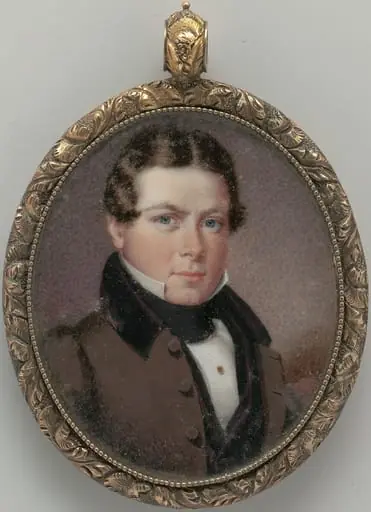
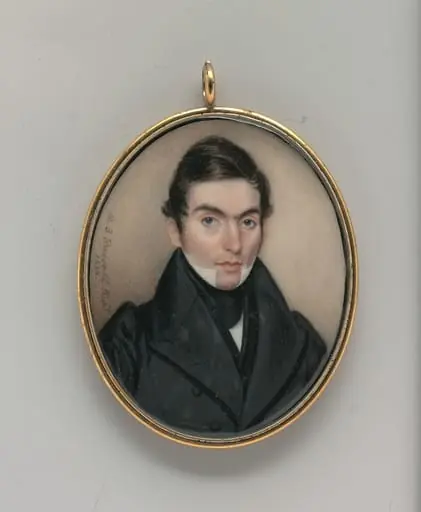
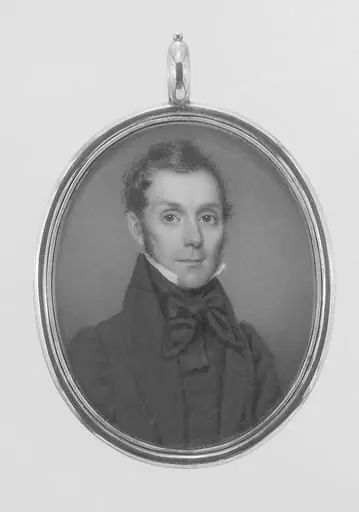
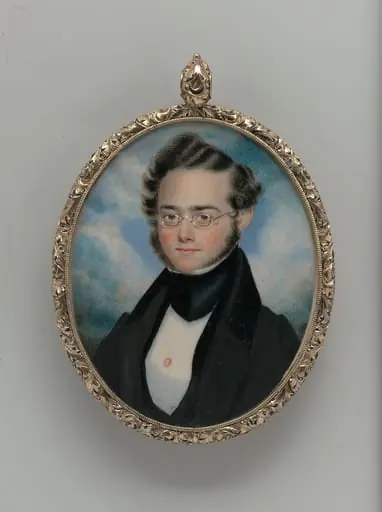
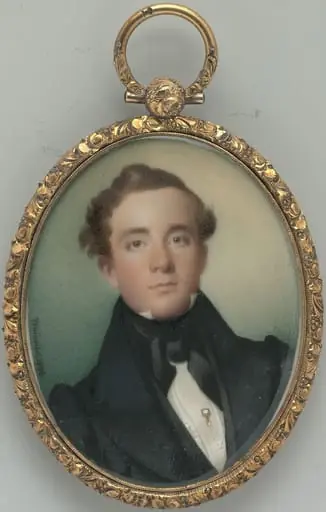
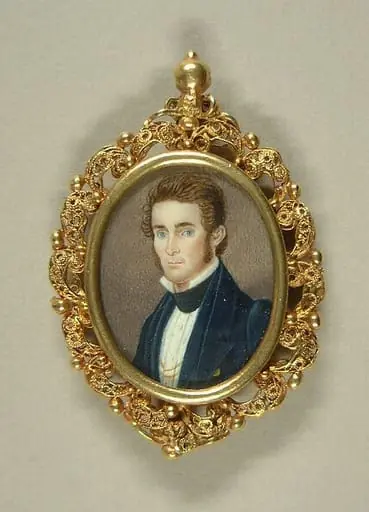
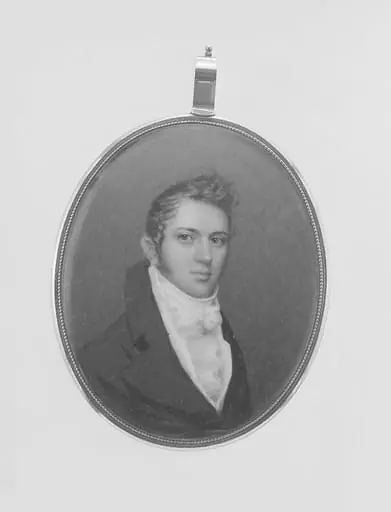
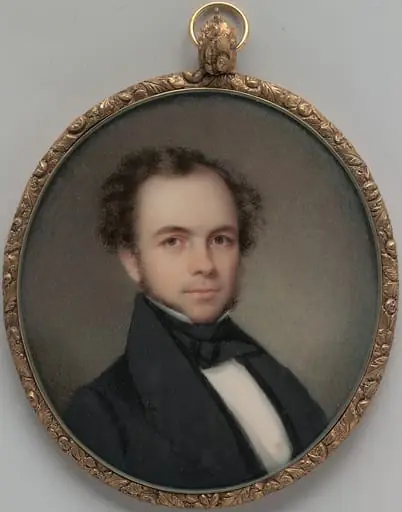
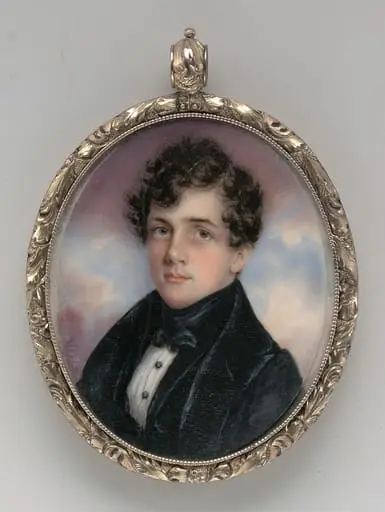
Portrait of a Gentleman is a watercolor painting by the American Impressionist artist James Van Dyck. It dates from 1835 and is held in the collection of the Metropolitan Museum of Art.
About this work
Subject & Meaning
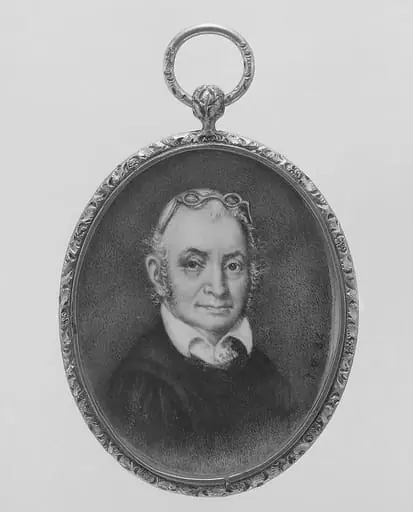
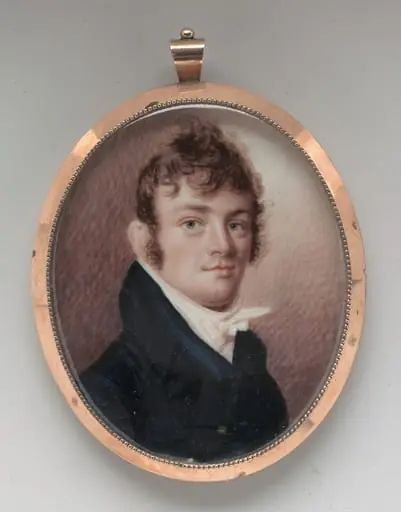
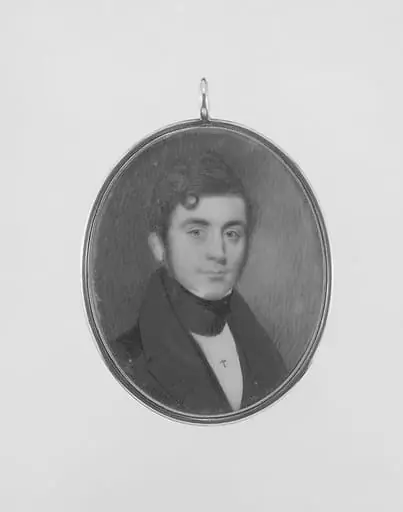
The work titled Portrait of a Gentleman, painted by James Van Dyck in 1835, is a watercolor on ivory portrait housed in The American Wing of the Metropolitan Museum of Art. It depicts a man as its main subject, functioning as a conventional 19th-century portrait that records the sitter's appearance while suggesting his status and personal identity within contemporary society. The painting's genre and classification underscore its role as a representation of genteel masculinity, and its presence in the museum's collection highlights its significance as an artifact of early American portraiture.
Technique & Style
7 cm, reflecting the intimate scale typical of portrait miniatures, and is classified within The American Wing's collection at the Metropolitan Museum of Art.
The Portrait of a Gentleman is executed in watercolor on a thin ivory support, a technique common for early-19th-century portrait miniatures that allows fine detail and translucent color washes. The artist employs delicate brushwork to render the sitter's facial features and the subtle folds of his coat, creating a muted palette with soft tonal transitions. The work measures approximately 6 × 4.7 cm, reflecting the intimate scale typical of portrait miniatures, and is classified within The American Wing's collection at the Metropolitan Museum of Art. Its formal composition emphasizes a restrained, genteel presence through balanced framing and understated elegance.
History & Provenance
The Portrait of a Gentleman is attributed to James Van Dyck and dated to 1835. Created in watercolor on ivory, the work was likely commissioned as a miniature portrait, a common practice for personal likenesses in the early 19th century. Its provenance traces to the Metropolitan Museum of Art, where it has been held in the American Wing collection since its acquisition.
No prior ownership history or specific commissioning patron is recorded in available sources. The small dimensions of 6 × 4.7 cm suggest it was intended for private display.
Legacy
The painting Portrait of a Gentleman, attributed to James Van Dyck and dated 1835, is housed in The American Wing of the Metropolitan Museum of Art, where its inclusion among early American portrait works has made it a point of reference for scholars studying 19th-century portraiture. Its classification as a watercolor on ivory portrait and its documented presence in a major museum collection underscore its recognized significance within the canon of early American art.
Overview
This small-scale watercolor, titled Portrait of a Gentleman, was created around 1835 by James Van Dyck. Executed on a thin piece of ivory, it presents an anonymous male sitter. This work exemplifies the genre of miniature portraiture, which flourished in the 19th century as a personal and portable form of image-making, often intended for intimate display or to be carried by its owner.
Context
Portrait of a Gentleman is part of a substantial collection of American miniature portraits held by the museum, reflecting the widespread popularity of this art form during the early to mid-19th century. These works were a common means of preserving individual likenesses before the advent of photography, and their presence in The American Wing highlights their cultural significance in the United States.
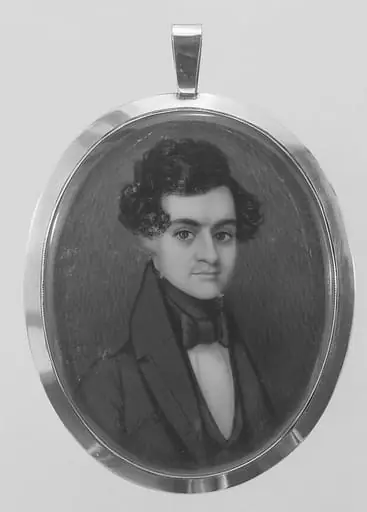
Artist & collection

Artist
James Van Dyck was an American portrait painter active in New York from about 1825 into the 1840s.