Artwork
Melchisedec de Thevenot
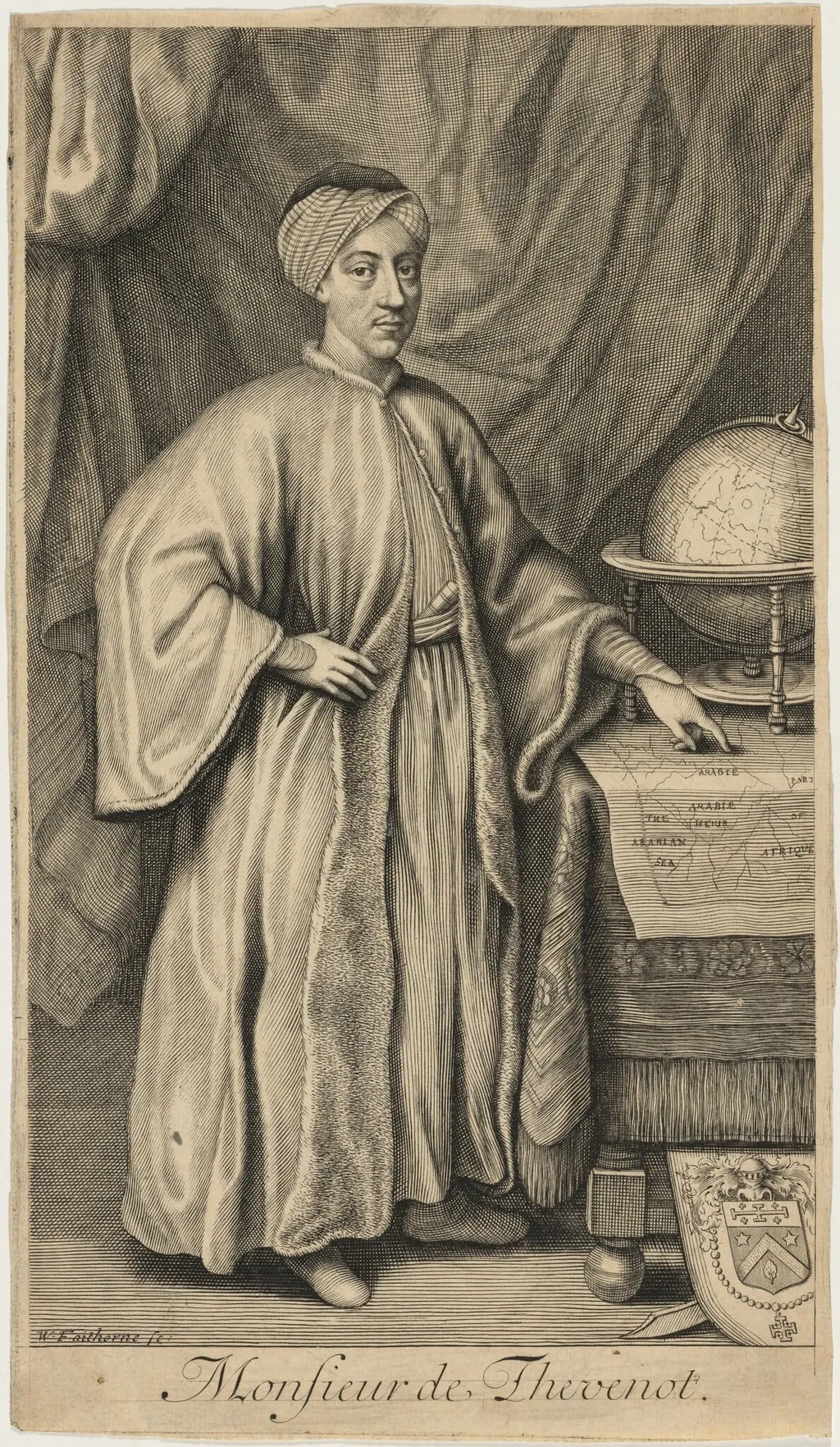
Melchisedec de Thevenot is an ink print by the Baroque artist William Faithorne. It dates from 1687 and is held in the collection of the National Gallery of Art.
About this work
Overview
Rendered in monochrome, the portrait captures him in formal attire, standing beside a table bearing a globe and a rolled map.
This 1687 engraving by William Faithorne depicts Melchisedec de Thevenot, a French traveler and scholar. Rendered in monochrome, the portrait captures him in formal attire, standing beside a table bearing a globe and a rolled map. His posture and gaze convey quiet authority, with the composition emphasizing intellectual engagement over ornamentation. The plain background directs attention to his figure and the symbolic objects before him.
Subject & Meaning
Melchisedec de Thevenot was known for his extensive travels and writings on geography and antiquities. The globe and map in the engraving reference his scholarly pursuits and exploratory work, while his pointing hand suggests active interpretation or instruction. The turban and long robe reflect contemporary European depictions of learned orientalists, blending actual attire with symbolic associations of erudition and distant lands.
Technique & Style
Faithorne employed fine line engraving to render texture and form with precision. Delicate hatching defines the folds of fabric, the grain of wood on the table, and the contours of the globe. The tonal range is restrained, relying on contrast and line weight to model volume. His style reflects the English tradition of portrait engraving, prioritizing clarity and intellectual presence over dramatic flair.
History & Provenance
Created in 1687, the engraving was likely produced to accompany Thevenot’s published works or as part of a collection of scholarly portraits. Faithorne, a leading English engraver of the period, often worked for academic and aristocratic patrons. The print’s inscription, 'Monsieur de Thevenot,' aligns with contemporary practices of identifying subjects by title and name, indicating its function as a documented likeness rather than a commissioned portrait.
Context
In late 17th-century Europe, interest in global exploration and cartography was growing among intellectuals. Figures like Thevenot, who compiled travel accounts and curated collections of artifacts, occupied a space between science and antiquarianism. Engravings of such men served both as personal memorials and as visual affirmations of the era’s expanding knowledge networks, linking Europe to distant cultures through print.
Legacy
Faithorne’s engraving remains a record of how scholarly identity was visually constructed in the early modern period. It reflects the role of print in disseminating images of intellectual authority beyond elite circles. Though Thevenot is less widely known today, this work endures as an example of how portraiture in print supported the cultural prestige of early modern scholarship.
Artist & collection
Artist
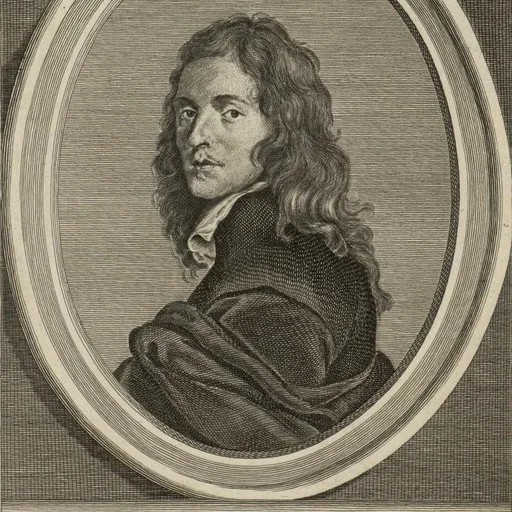
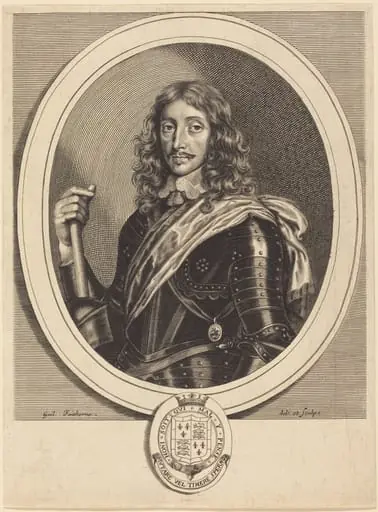
William Faithorne (1616–1691) was a British artist, born in Greater London.

- Portrait of Albrecht Dürer, at the age of 26
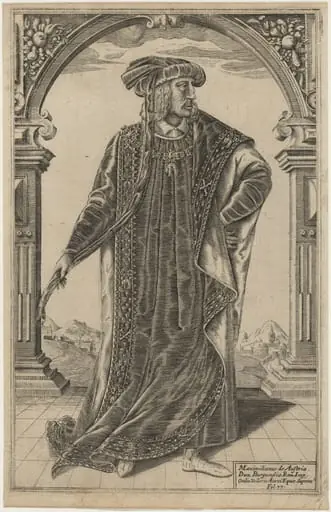 Maximilian I, Son of Emperor Frederick III
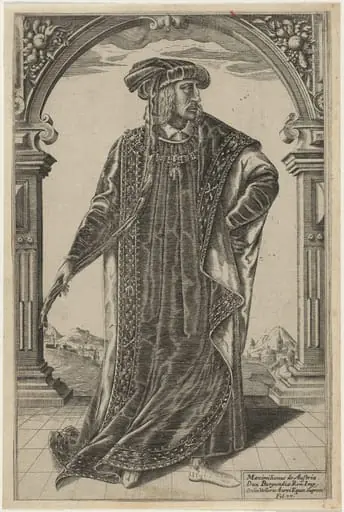 Emperor Maximilian I
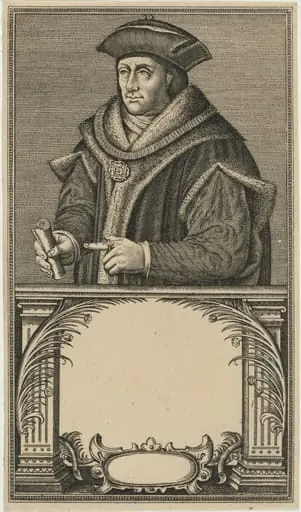 Sir Thomas More
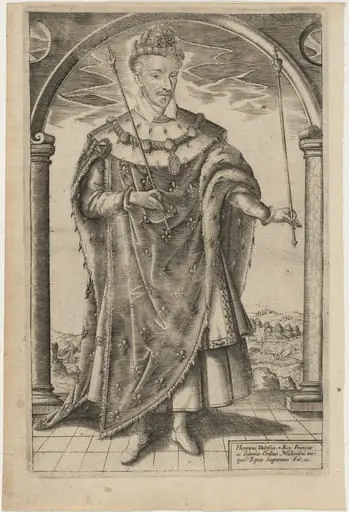 Henry III of France
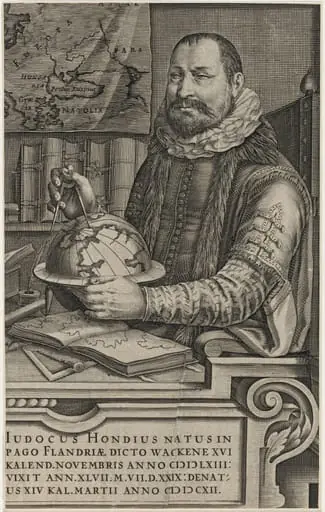 Jodocus Hondius
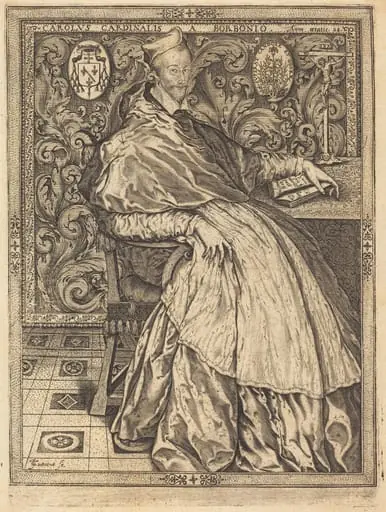 Cardinal Charles de Bourbon
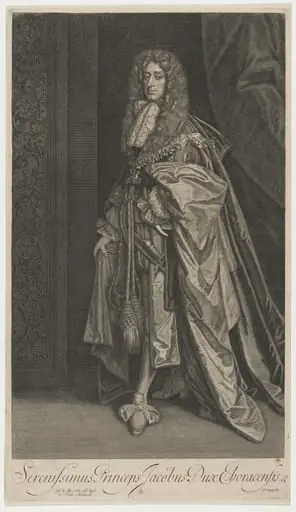 James II, as Duke of York
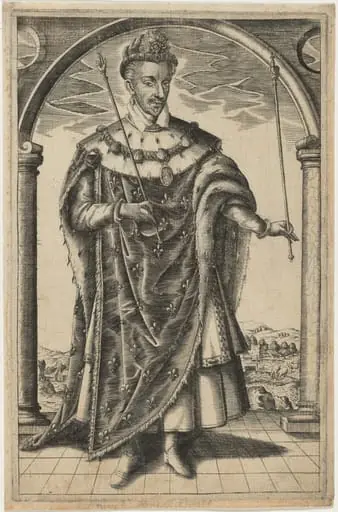 Henry III of France
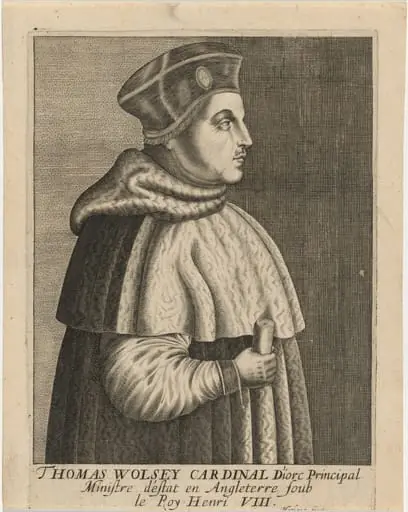 Thomas Wolsey, Cardinal, Lord Chancellor, Archbishop of York
 Lodovick Stuart, Duke of Richmond and Lennox
 Turkish sultans, sultanas and other historical figures