Artwork
The Disks
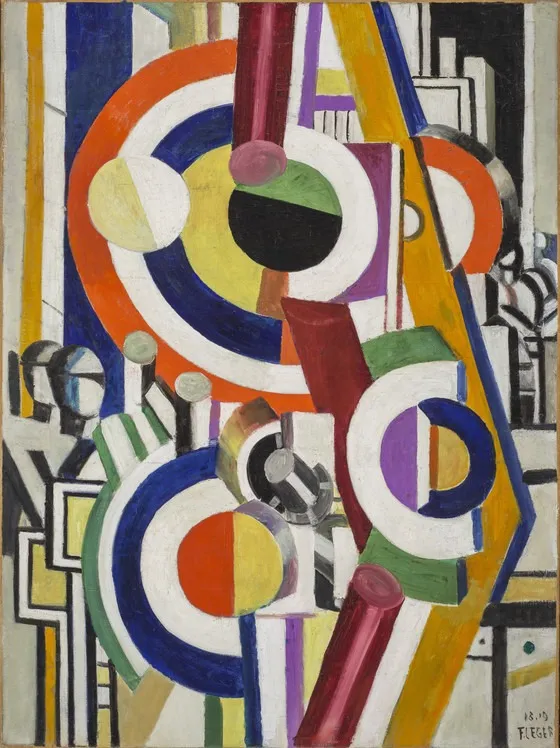
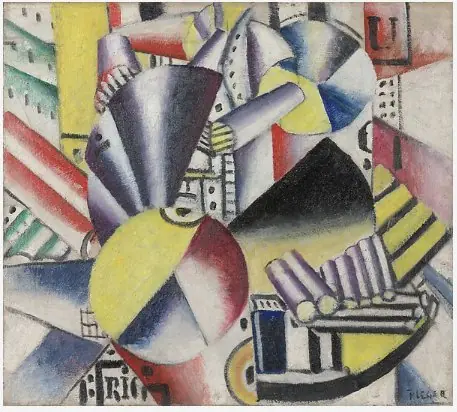
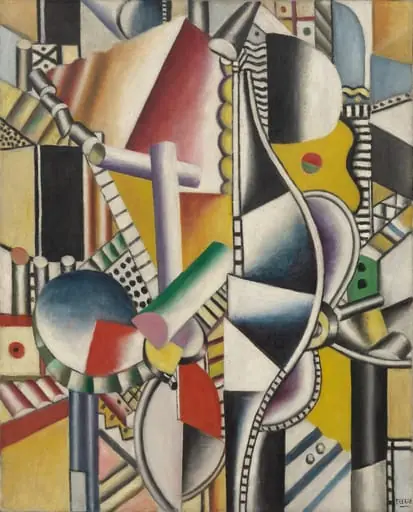
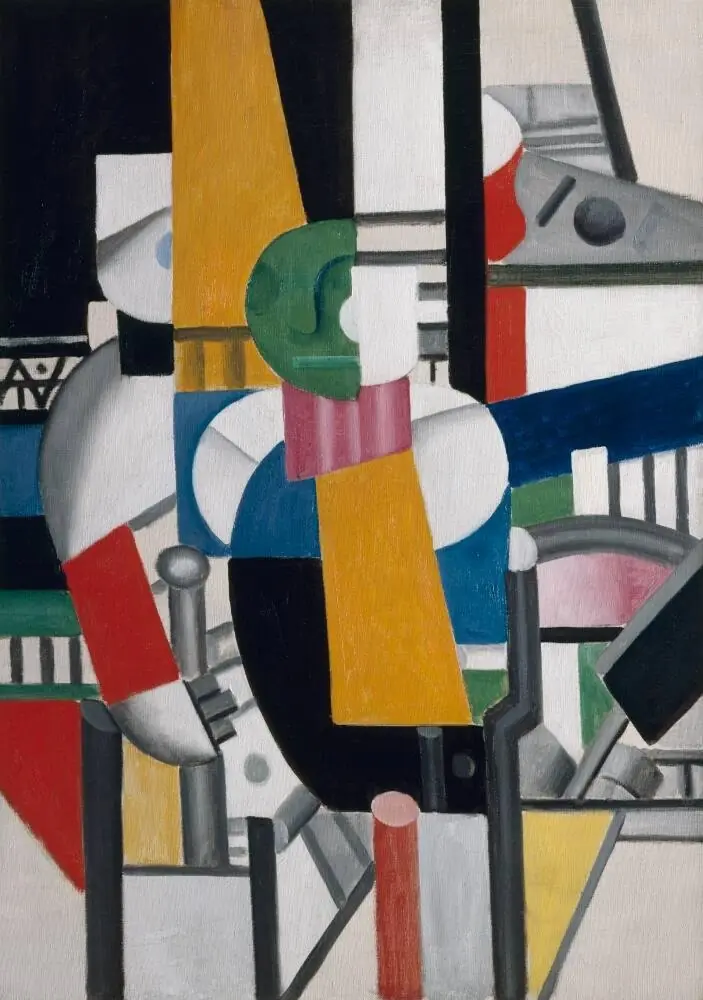
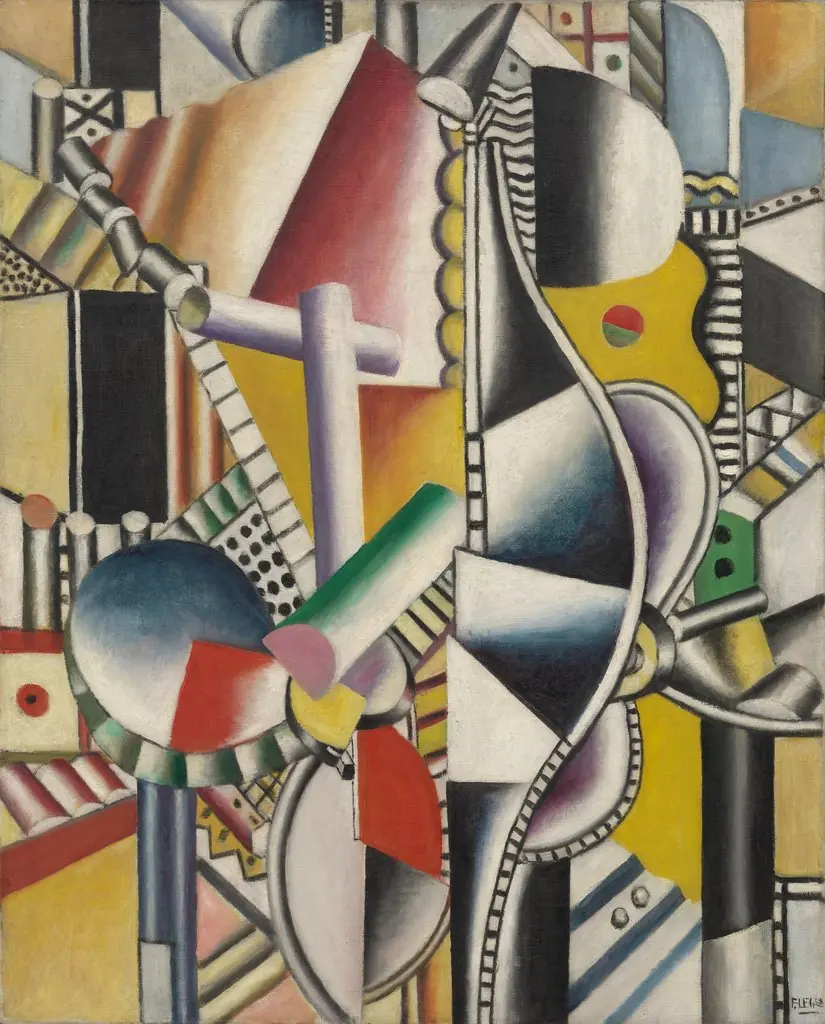
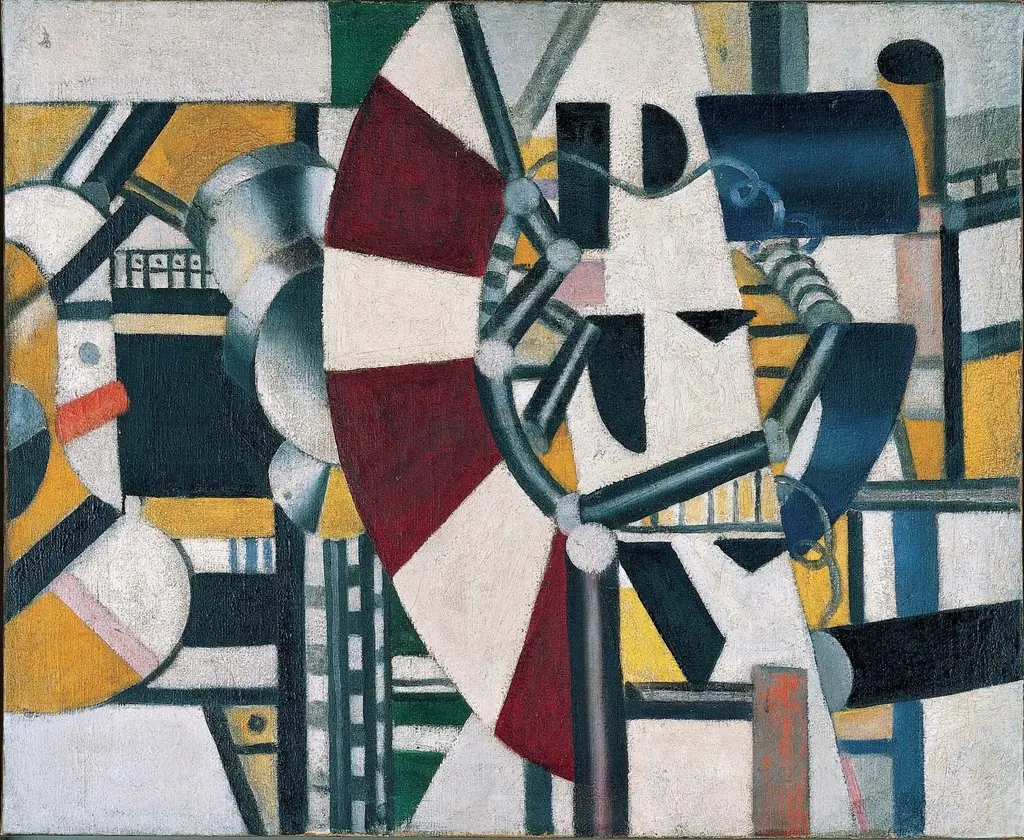
The Disks is an oil painting by the Cubism Analytic artist Fernand Léger. It dates from 1910 and is held in the collection of the Los Angeles County Museum of Art.
About this work
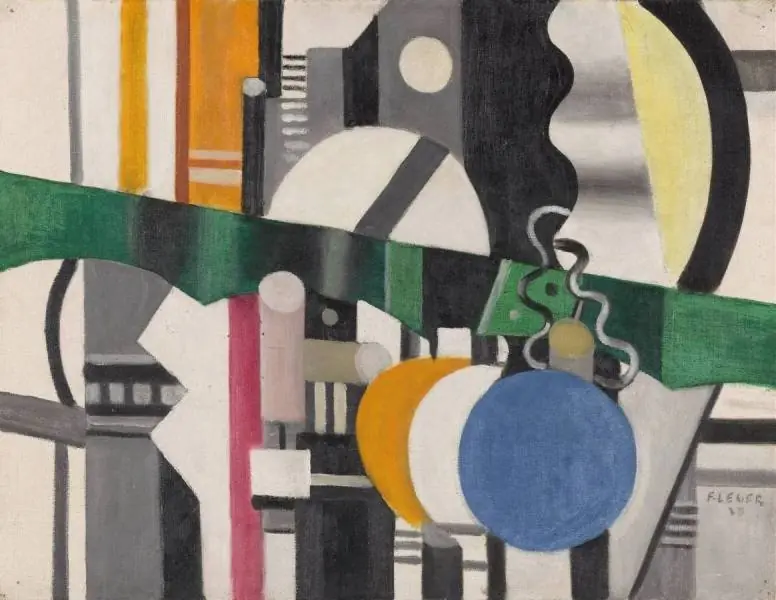
There are circles, rectangles, and other geometric forms in different colors like orange, blue, yellow, green, and red.
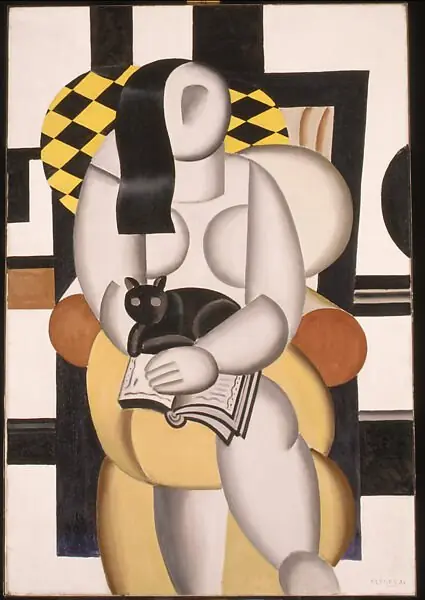
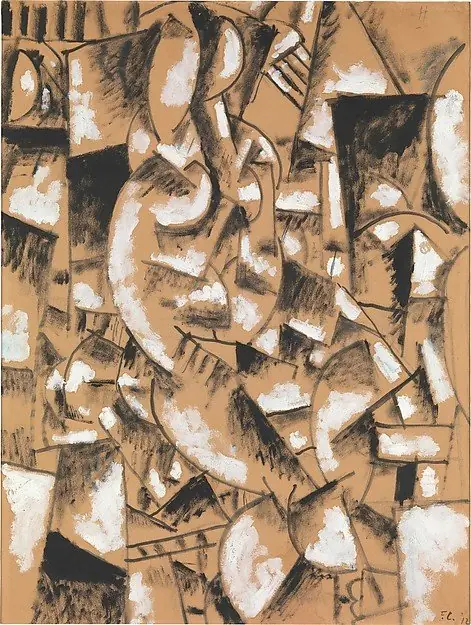
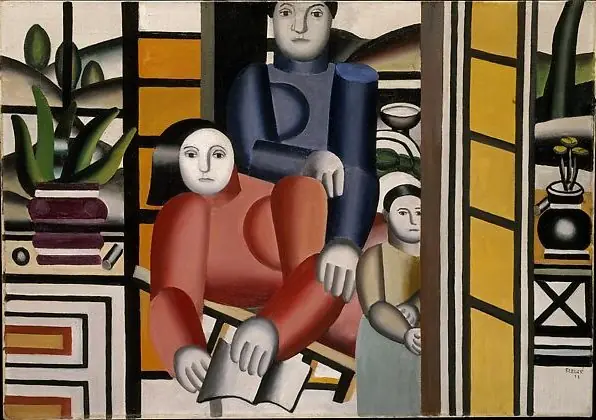
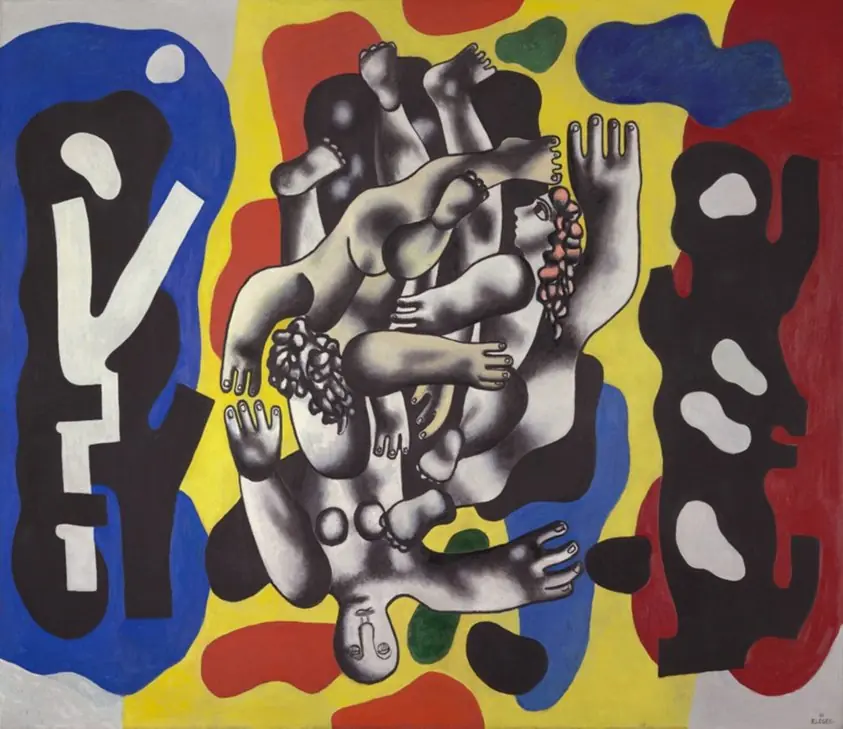
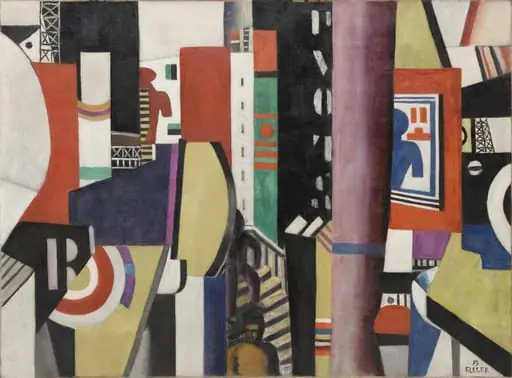
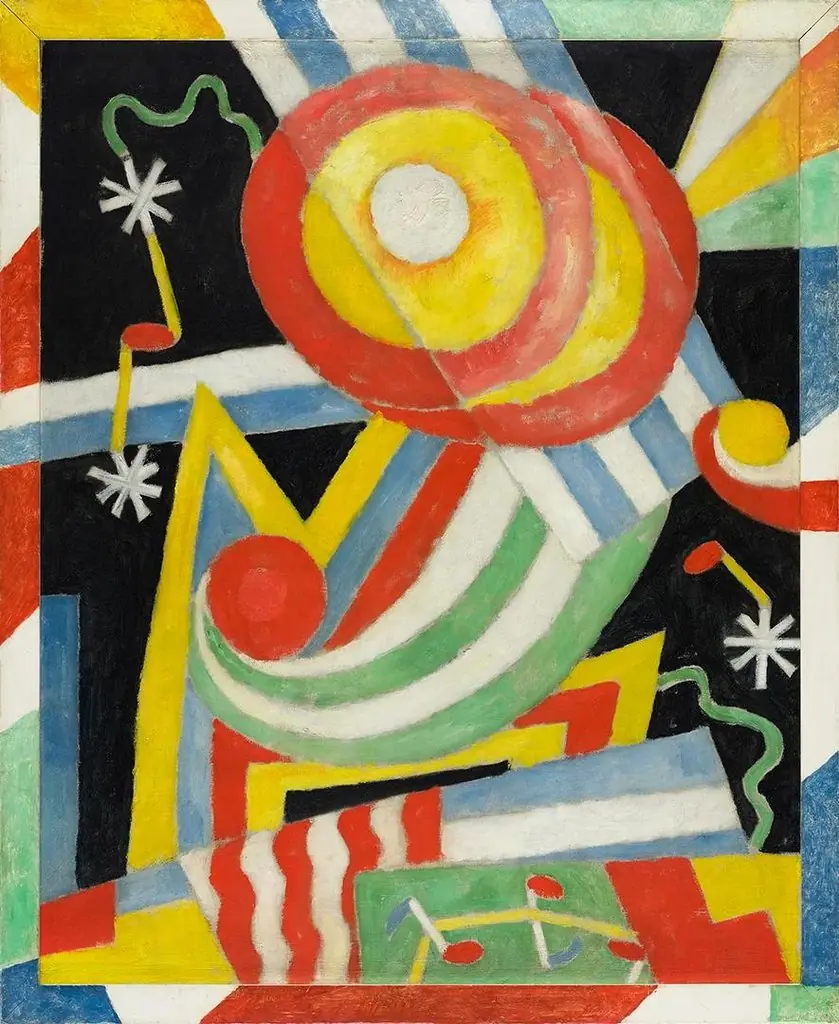
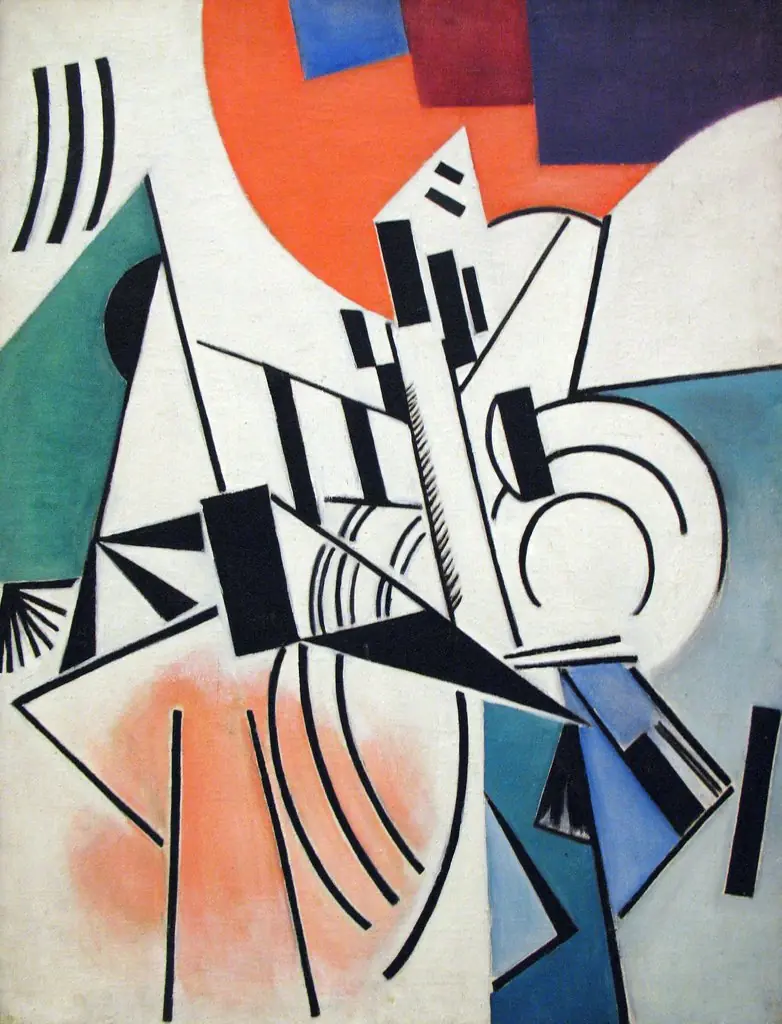
This painting is a colorful abstract piece with various shapes and lines. There are circles, rectangles, and other geometric forms in different colors like orange, blue, yellow, green, and red. Some shapes overlap, while others are placed side by side. The background is mostly white with some black lines.
In the bottom-right corner, the artist's name and the year are written in small letters: "F. LÉGER" and "1910". The overall style of the painting looks like it was made in the early 20th century.
If you like this style, you might want to check out more works by the artist, Fernand Léger.
Overview
Fernand Léger's The Disks, painted in 1910, is an early abstract composition executed in oil on canvas. It features a dynamic arrangement of geometric shapes, circles, rectangles, and irregular forms, arranged across a predominantly white field. Black linear elements structure the composition, while vibrant hues including red, blue, yellow, green, and orange create visual rhythm.
The artist’s signature and date appear subtly in the lower right corner, anchoring the work to its time of creation.
Subject & Meaning
The painting does not depict recognizable objects but instead explores the interplay of form and color as autonomous elements. Léger was moving away from representational art, using abstract shapes to evoke the energy and structure of modern industrial life. The disks and angular forms suggest mechanical or architectural motifs, reflecting a fascination with urban modernity rather than narrative content.
Technique & Style
Léger applied oil paint with deliberate, flat planes of color, avoiding traditional modeling or perspective. Shapes are outlined or juxtaposed with sharp edges, creating a sense of clarity and order. The use of black lines functions as both contour and structural divider, while the white background enhances the luminosity of the pigments. This approach aligns with early experiments in abstraction, prioritizing formal balance over emotional expression.
History & Provenance
The painting entered the collection of the Los Angeles County Museum of Art after being acquired through established channels in the mid-20th century. Its early date places it among Léger’s formative abstract works, created before his more widely recognized Cubist-influenced period. While its exhibition history is not extensively documented, its presence in a major institution confirms its recognized significance within his oeuvre.
Context
Created in 1910, The Disks emerged during a period of radical artistic experimentation in Paris. Léger was influenced by the fragmentation of form seen in Cubism, though he moved toward a more mechanical aesthetic distinct from Picasso or Braque. The work reflects broader cultural shifts toward industrialization and the redefinition of visual language in early 20th-century modernism.
Legacy
The Disks stands as an early indicator of Léger’s lifelong engagement with abstraction and geometric form. It contributed to the development of a visual vocabulary that would influence later movements such as Constructivism and De Stijl. Though less known than his later works, this painting remains a critical link in understanding his transition from figurative to purely formal composition.
Artist & collection

Artist
Joseph Fernand Henri Léger was a French painter, sculptor, and filmmaker. In his early works he created a personal form of cubism which he gradually modified into a more figurative, populist style. His boldly simplified…