Artwork
Mr. Pease
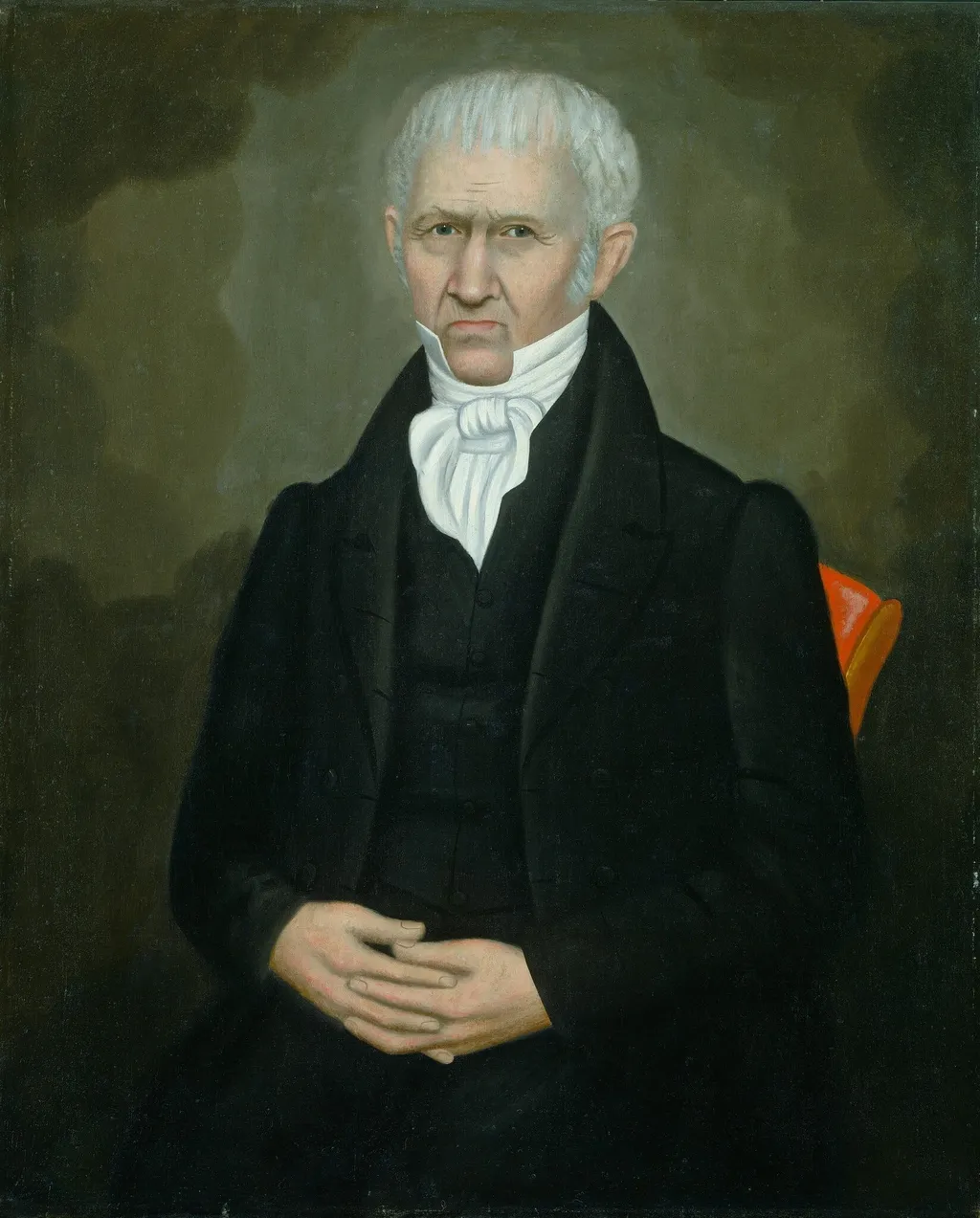
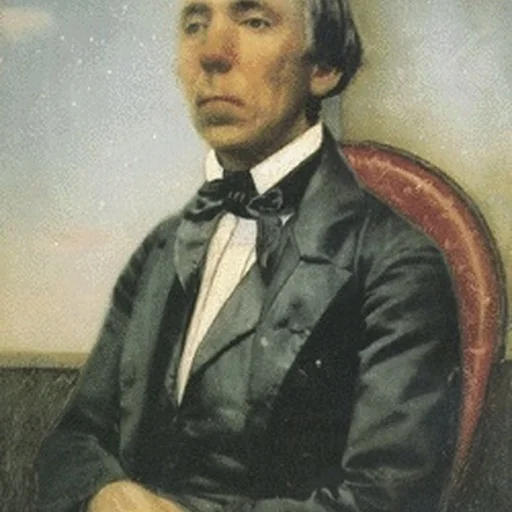
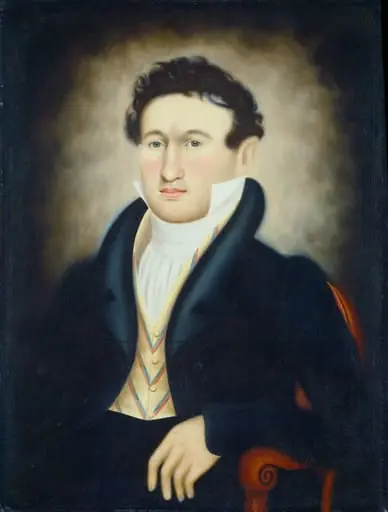
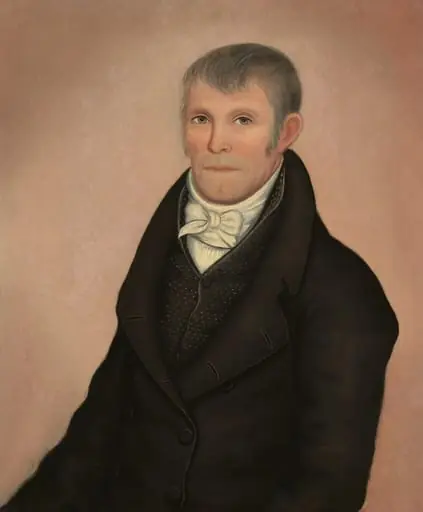
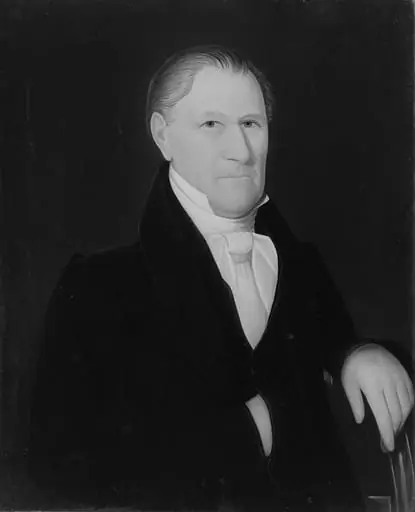
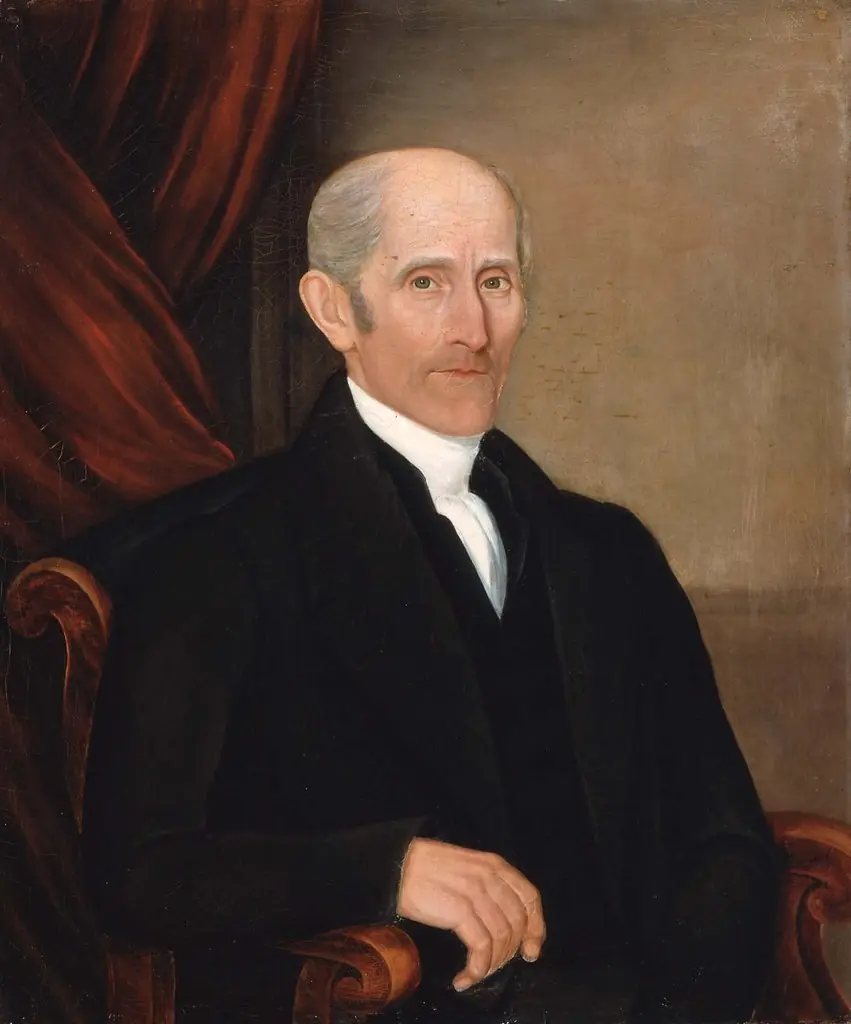
Mr. Pease is an oil painting by the American Folk Art artist Erastus Salisbury Field. It dates from 1837 and is held in the collection of the National Gallery of Art.
About this work
Technique & Style
Executed in 1837, this portrait utilizes oil paint applied to a canvas support. The work measures approximately 89.9 cm in height and 74 cm in width. As a painted likeness, it belongs to the portrait genre and reflects the formal conventions of early nineteenth-century American portraiture through its direct representation of the sitter.
History & Provenance
, where it entered the collection in 1965 as a gift from Edgar William and Bernice Chrysler Garbisch; it had been acquired from Thomas D.
Erastus Salisbury Field created the portrait Mr. Pease in 1837 using oil on canvas. Following its creation, the painting descended through the Pease family in Torrington, Connecticut. It subsequently entered the possession of Thomas D. Williams of Litchfield, Connecticut, who sold the work in 1954 to Edgar William and Bernice Chrysler Garbisch. The Garbisches then gifted the painting to the National Gallery of Art in Washington, D.C., in 1965.
The painting is held by the National Gallery of Art, Washington, D.C., where it entered the collection in 1965 as a gift from Edgar William and Bernice Chrysler Garbisch; it had been acquired from Thomas D. Williams, Litchfield, Connecticut, in 1954.
It has not been recorded in any subsequent exhibitions in the Gallery’s published records.
Overview
Erastus Salisbury Field’s oil on canvas portrait, dated around 1837, depicts a middle‑aged gentleman seated in a modest interior. The work measures the conventions of early nineteenth‑century American portraiture, presenting the sitter in a restrained pose with his hands together before him.
Subject & Meaning
The figure is an older man with white hair, dressed in a black coat and white shirt, complemented by a white neck scarf. His expression is solemn, suggesting a dignified or contemplative demeanor. The inclusion of a red‑tinted chair corner behind him adds a subtle contrast to the otherwise muted palette.
Context
Created during the height of American Romanticism, the portrait reflects the era’s interest in individual character and moral gravity. Field, a regional artist, often painted local patrons, and this work exemplifies his capacity to convey personal presence within a modest domestic setting.
Own this work as a print
Artist & collection