Artwork
The Annunciation and Circumcision and Nativity of Christ
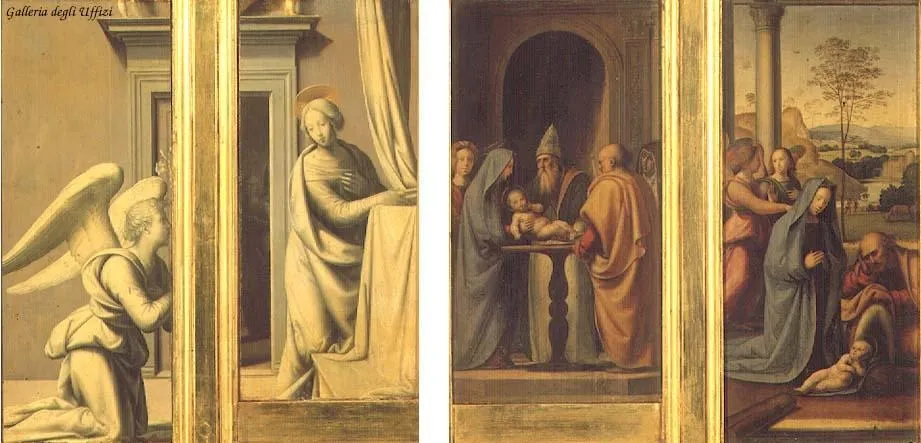
The Annunciation and Circumcision and Nativity of Christ is a tempera painting by the High Renaissance artist Fra Bartolomeo. It dates from 1500 and is held in the collection of the Uffizi Gallery.
About this work
Overview
Currently displayed in the Uffizi Gallery, the piece exemplifies the balanced composition and measured elegance characteristic of the High Renaissance.
Fra Bartolomeo’s tempera panel, executed around 1500, presents a quartet of narrative scenes from the early life of Jesus. The work combines the Annunciation, the Circumcision, and the Nativity within a single composition, each episode rendered in its own spatial setting. Currently displayed in the Uffizi Gallery, the piece exemplifies the balanced composition and measured elegance characteristic of the High Renaissance.
Subject & Meaning
The leftmost vignette shows an angel kneeling beside a woman in a dim interior, illuminated by a golden shaft of light that streams through an arch. A second scene places a blue‑clad woman beneath the same arch, holding a book, suggesting the moment of the Annunciation. The central panel depicts a group of men gathered around a table, one cradling an infant, representing the Circumcision.
The final scene features a red‑dressed woman kneeling beside a man and a sleeping child, evoking the Nativity.
Technique & Style
Executed in tempera, the painting displays the medium’s characteristic matte finish and fine detailing. Fra Bartolomeo employs a restrained palette that shifts from cool blues and luminous golds in the earlier episodes to warm reds and earthy browns in the later ones, creating a visual rhythm that guides the viewer through the narrative. The careful modeling of figures and the subtle gradations of light reflect the artist’s training under Cosimo Rosselli and his assimilation of contemporary High Renaissance ideals.
History & Provenance
Fra Bartolomeo, originally a Florentine painter of devotional subjects, entered the Dominican Order in 1500, the same period during which he completed this work. The panel entered the Uffizi’s collection in the 18th century, where it has remained a reference point for studies of multi‑scene religious narrative in tempera. Its provenance traces a typical path from private devotional use to public museum display.
Context
The work belongs to a period when Florentine artists increasingly explored complex, multi‑panel storytelling within a single frame, integrating theological themes with humanistic composition. Fra Bartolomeo’s decision to combine three distinct events of Christ’s infancy reflects contemporary devotional practices that emphasized contemplation of the entire mystery of salvation rather than isolated moments.
Artist & collection
Artist
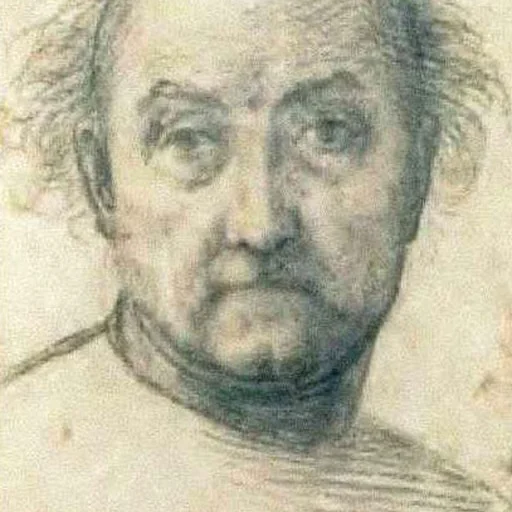
Fra Bartolomeo or Bartolommeo (UK: US: Italian:; 28 March 1472 – 31 October 1517), also known as Bartolommeo di Pagholo, Bartolommeo di San Marco, Bartolomeo di Paolo di Jacopo del Fattorino, and his original nickname…

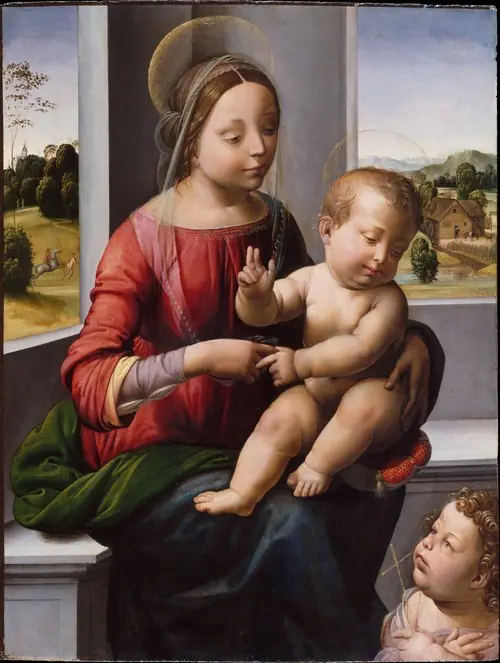 Madonna and Child with the Young Saint John the Baptist
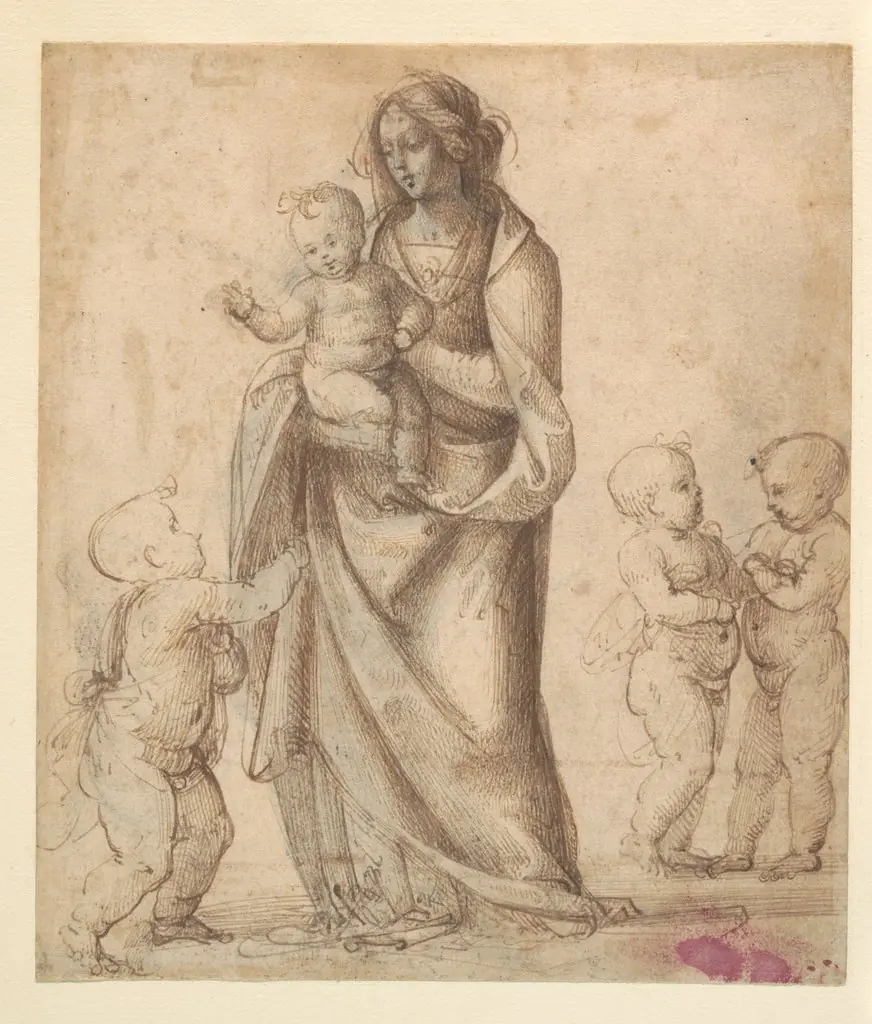 Madonna and Child with the Infant Saint John the Baptist and Two Putti (recto); Madonna and Child with the Infant Saint John the Baptist and a Putto (verso)
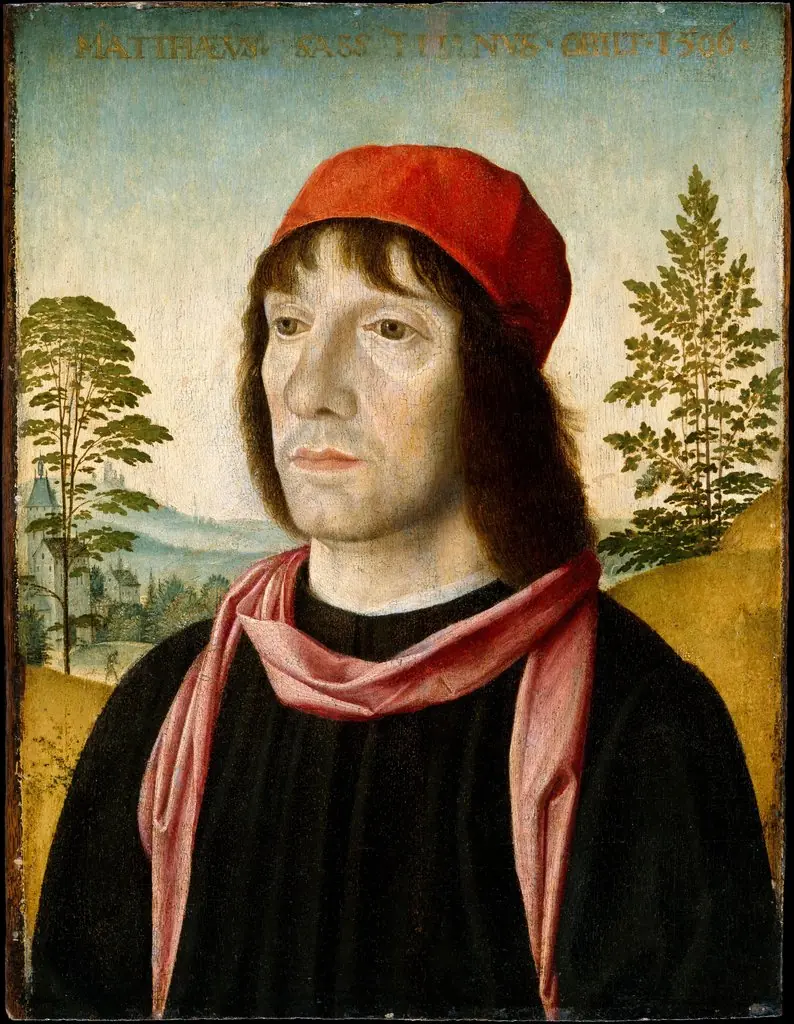 Portrait of a Man
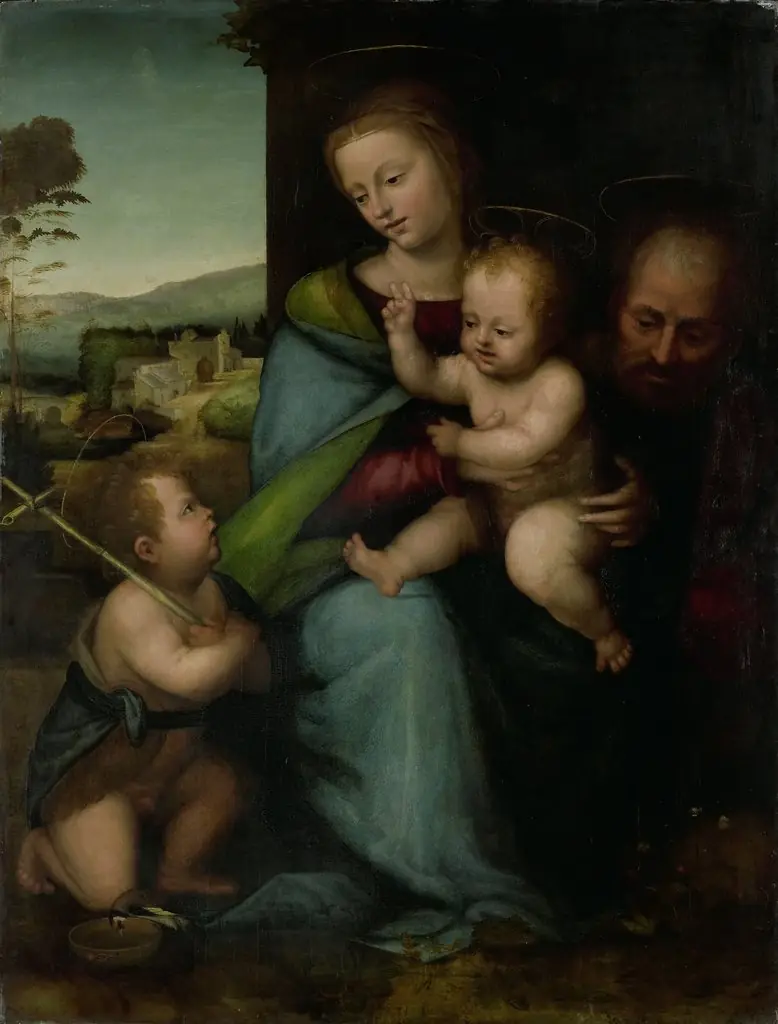 The Holy Family with the Infant John the Baptist
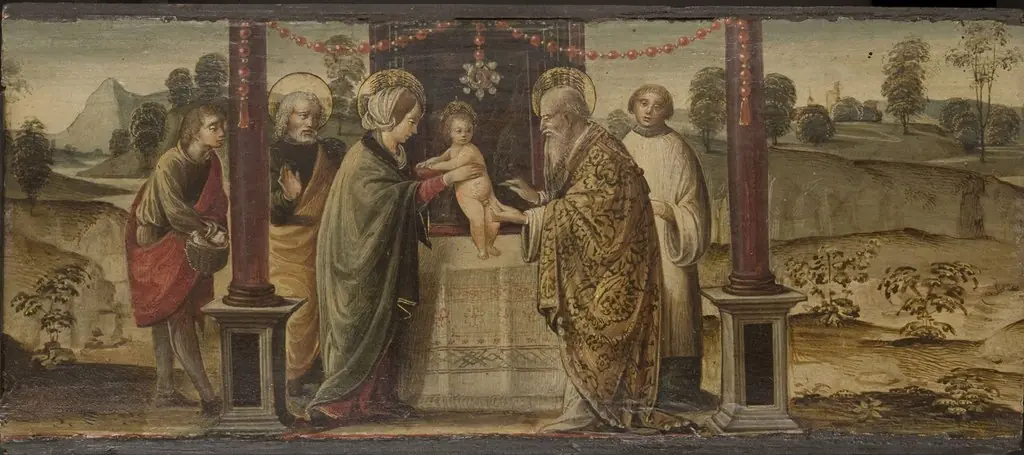
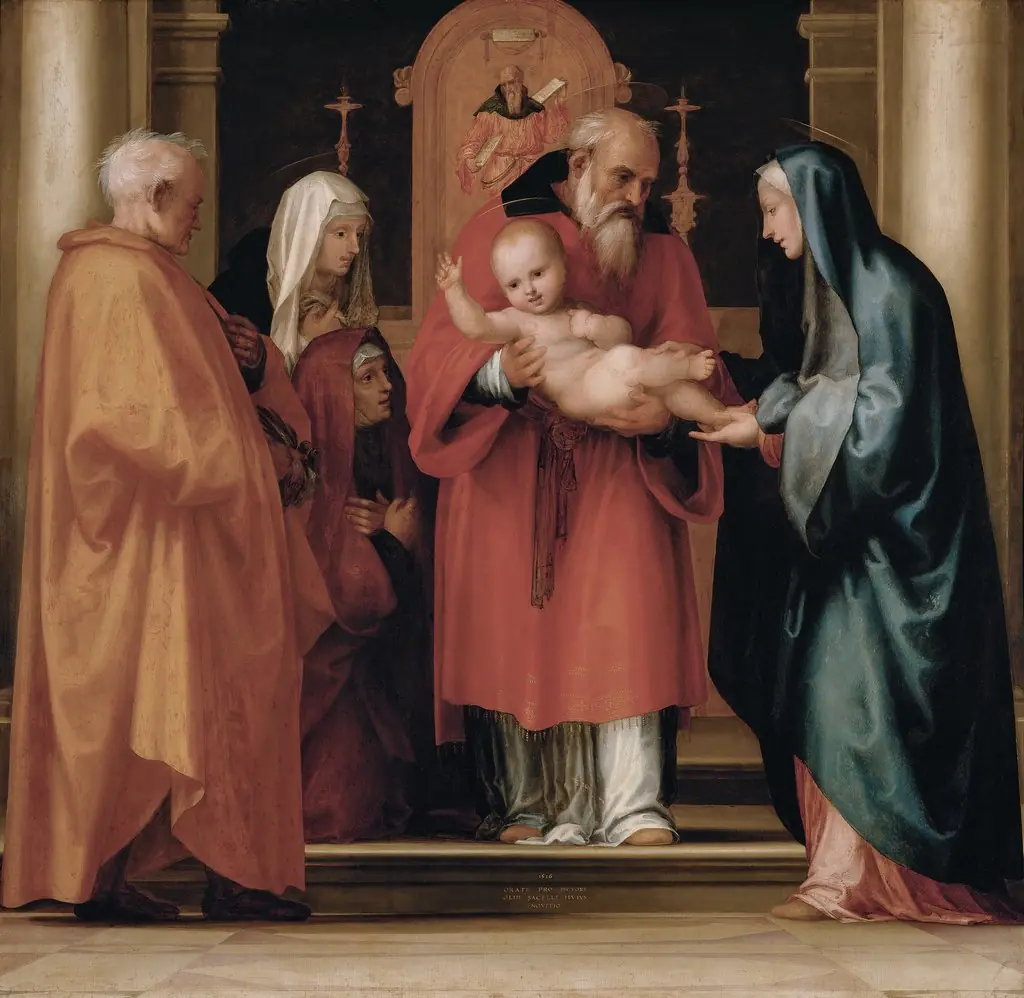 Presentation of Christ in the Temple
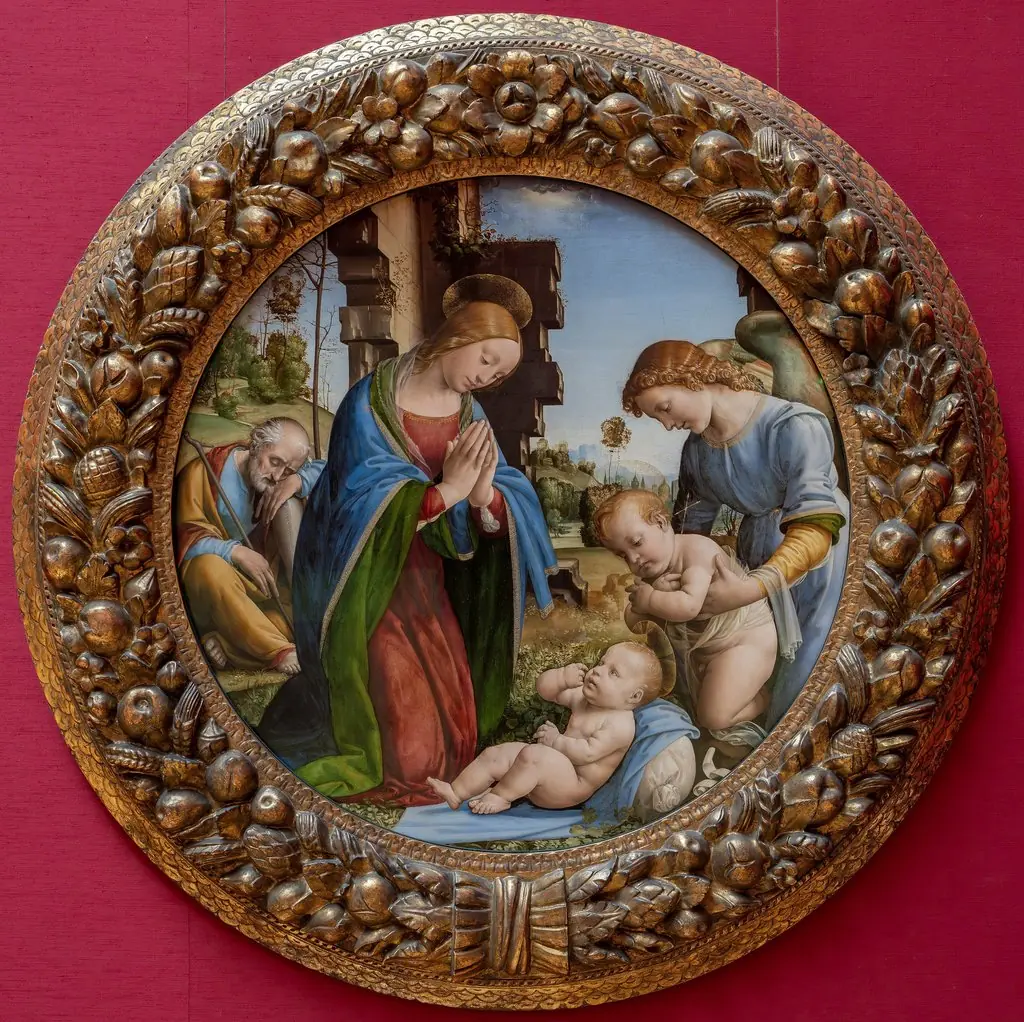 Adoration of the Child - Holy Family with child St. John
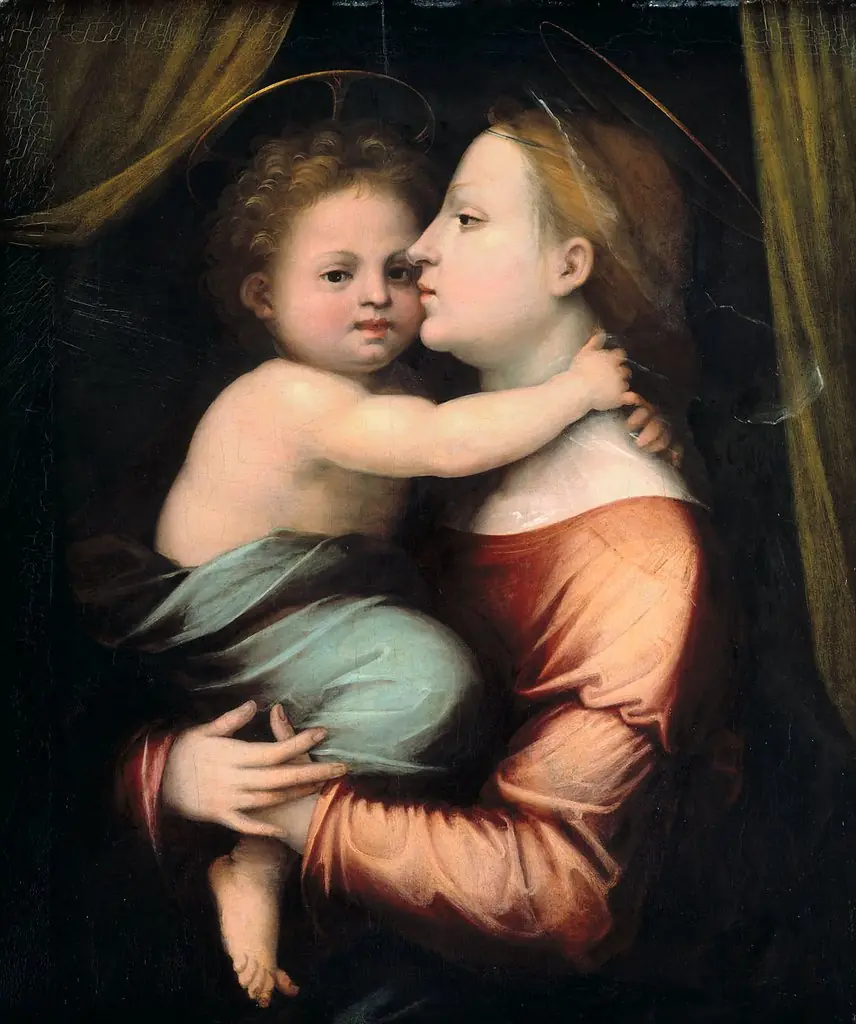 Madonna and Child
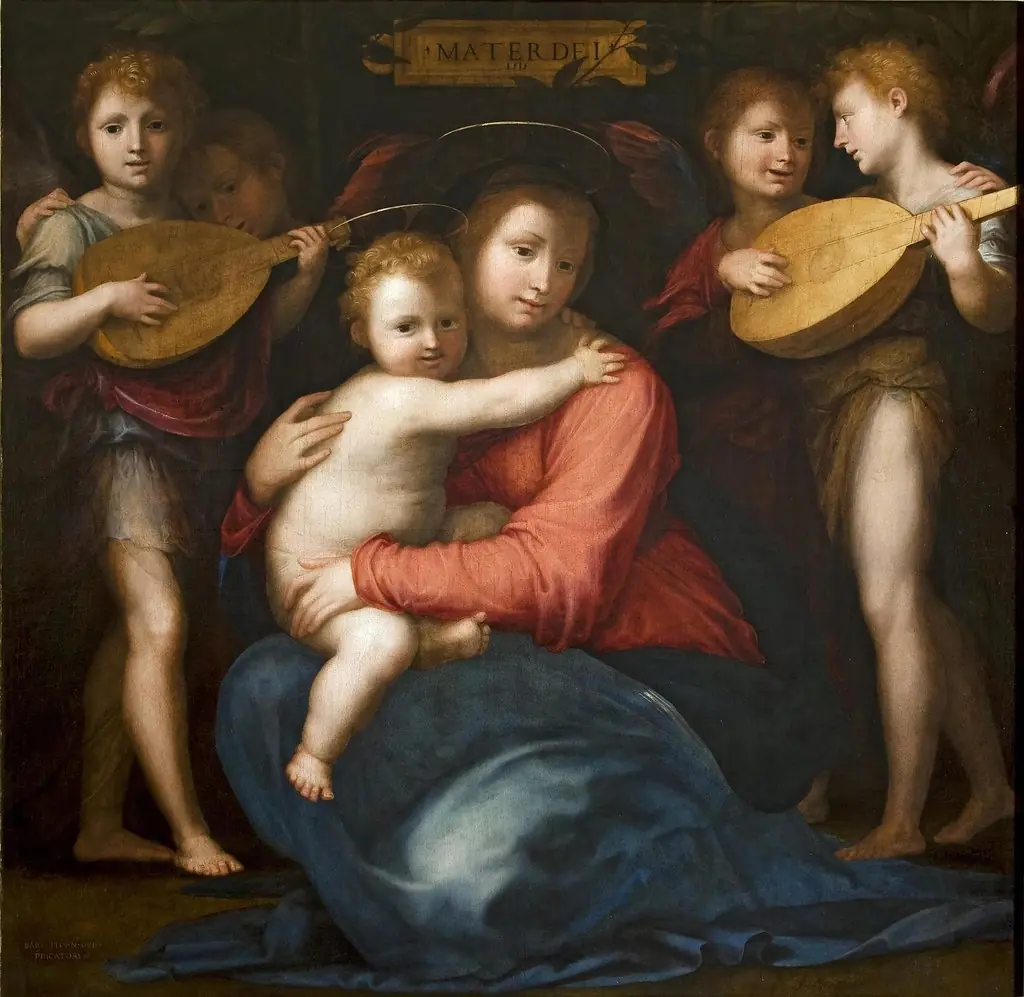 Madonna and Child with Four Angels
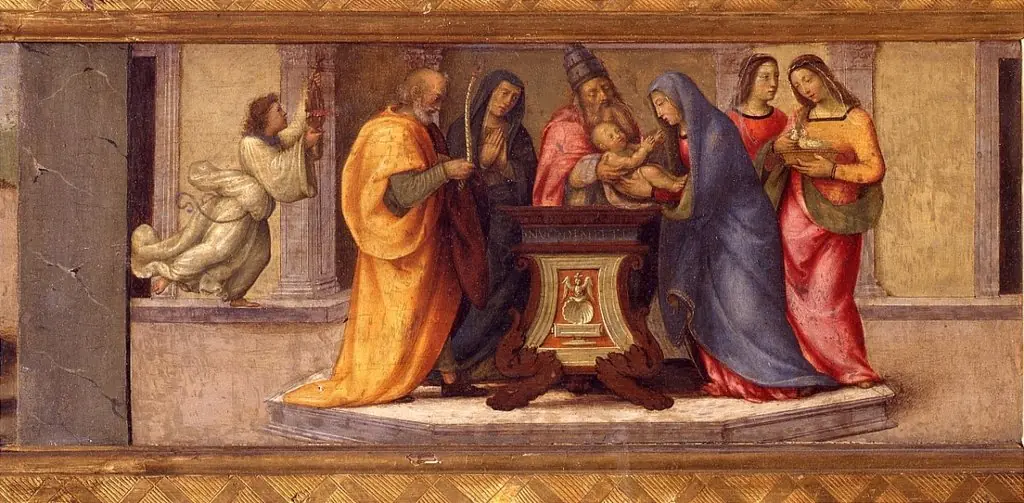 Circumcision
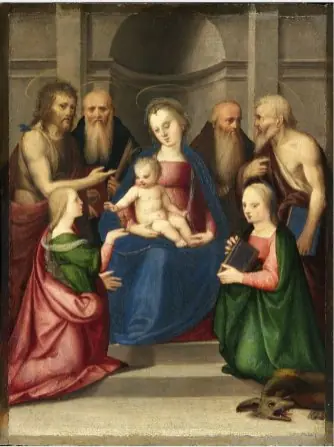 Sacred Conversation
 Rodzina Panny Marii (śś. Anna Samotrzeć, Joachim i Józef) ze śś. Edmundem (?), Sebastianem, Katarzyną i Barbarą (?). Predella retabulum ołtarzowego z okolic Iwonicza (?)
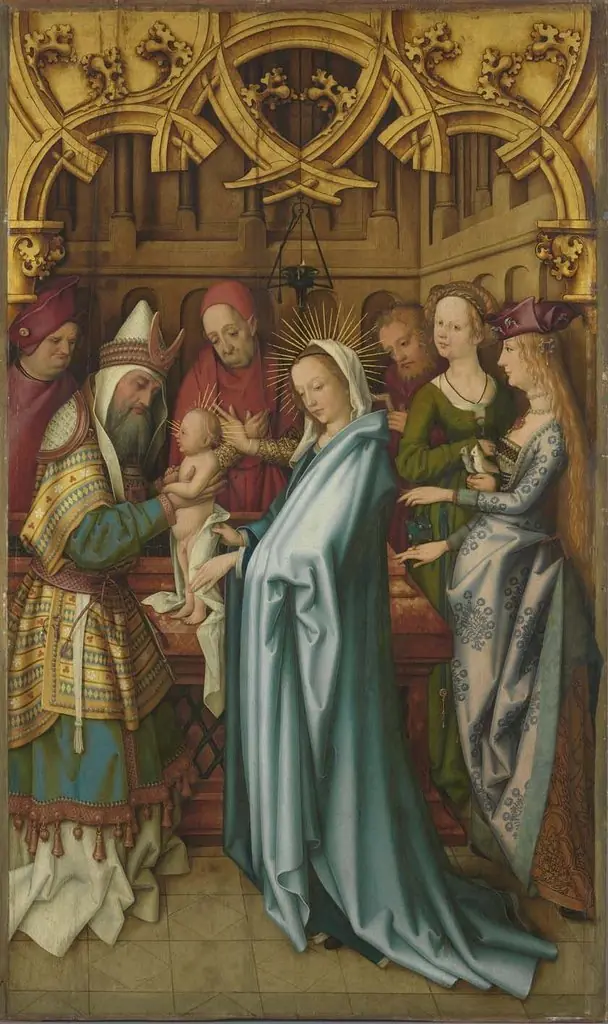 Kaisheimer Altar: Darbringung im Tempel
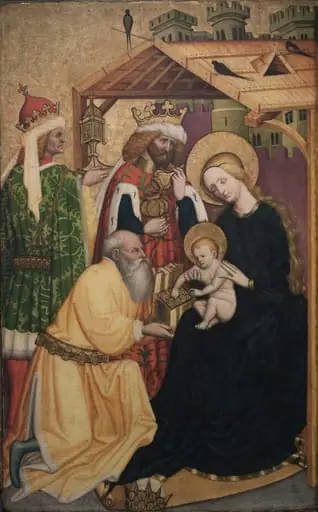 Adoration of the Magi
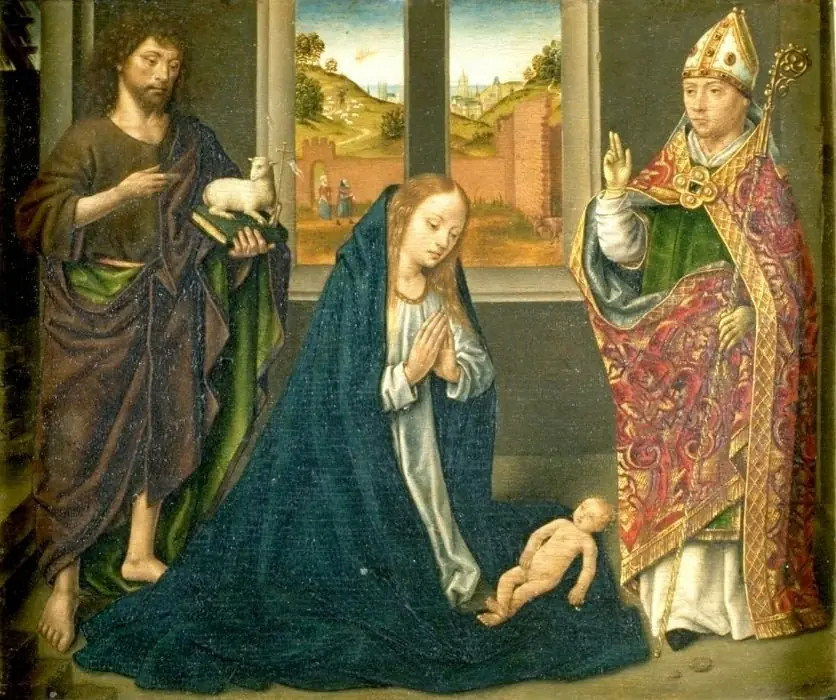 The adoration of the Christ-child and Saints John the Baptist and Donatius
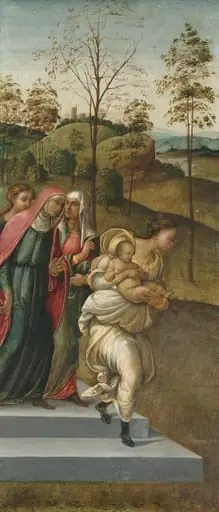 John the Baptist being carried to Zacharias
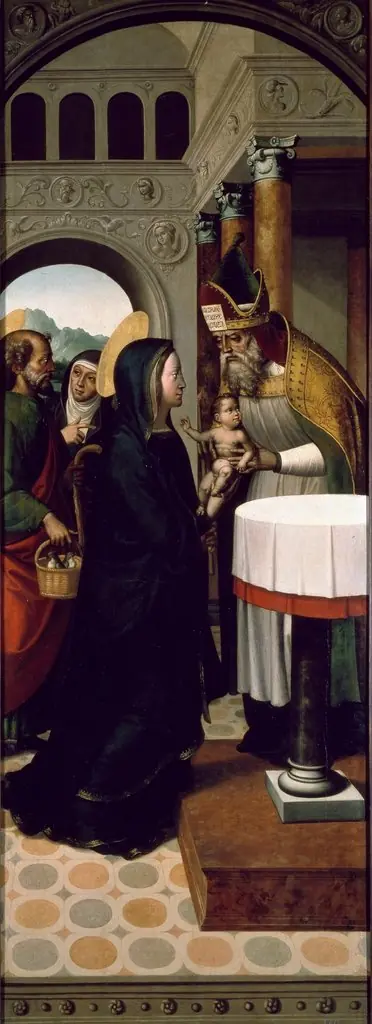 Christ presented in the Temple
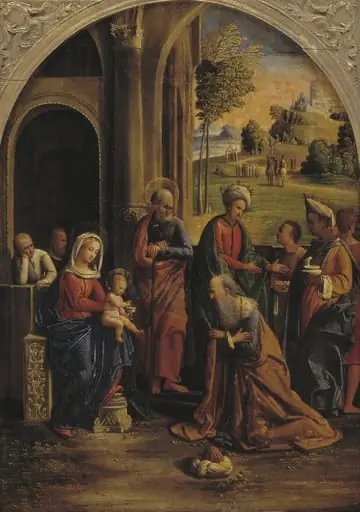 The Adoration of the Kings