Artwork
Panoramic landscape
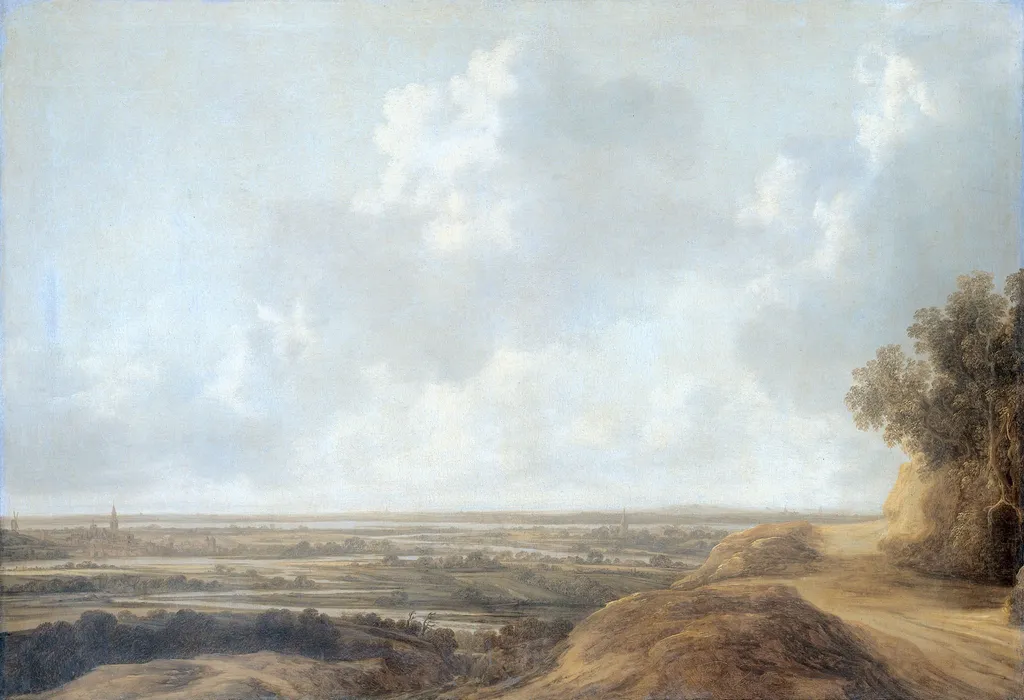
Panoramic landscape is an oil painting by the Dutch Golden Age artist François van Knibbergen. It dates from 1660 and is held in the collection of the Rijksmuseum.
About this work
Technique & Style
As a classified landscape genre piece, the composition relies on the fluid properties of oil media to render the natural scenery.
Executed in 1660, this landscape painting by François van Knibbergen utilizes oil paint applied to a canvas support. The work measures 97.3 cm in height and 139.5 cm in width, presenting a broad horizontal format characteristic of panoramic views. As a classified landscape genre piece, the composition relies on the fluid properties of oil media to render the natural scenery. The physical dimensions and material choices define the object's presence within the Rijksmuseum collection.
History & Provenance
The panoramic landscape was created in 1660 by the artist François van Knibbergen. Executed in oil paint on canvas, the work measures 97.3 cm in height and 139.5 cm in width. The painting is currently held in the collection of the Rijksmuseum, where it remains on display.
No specific details regarding the original commission or intermediate ownership history prior to its museum acquisition are provided in the available records.
Panoramic landscape is an oil painting on canvas created in 1660 by François van Knibbergen. It measures 97.3 cm in height and 139.5 cm in width and is part of the Rijksmuseum's collection in Amsterdam.
The work has been exhibited at the Rijksmuseum as part of its permanent display of Dutch Golden Age paintings, highlighting its significance within the landscape genre.
Context
François van Knibbergen specialized in expansive views that merged naturalistic detail with compositional grandeur, situating his work within the Dutch Golden Age tradition of landscape painting. His 1660 oil on canvas, held at the Rijksmuseum, exemplifies this approach through its meticulous rendering of terrain and atmospheric depth. Contemporary scholarship emphasizes how such panoramic compositions reflect broader cultural interests in visualizing spatial vastness during the period.
The painting's significance lies in its contribution to evolving genre conventions, where technical mastery served both aesthetic and observational purposes. Art historians note its stylistic dialogue with contemporaries while underscoring the artist's role in advancing landscape as an independent genre rather than mere backdrop.
Panoramic landscape remains a key example for understanding 17th-century artistic innovation in depicting natural environments with both scientific precision and expressive ambition.
Overview
Panoramic landscape is a 17th-century oil painting by François van Knibbergen, dated to 1660, currently part of the Rijksmuseum's collection.
Subject & Meaning
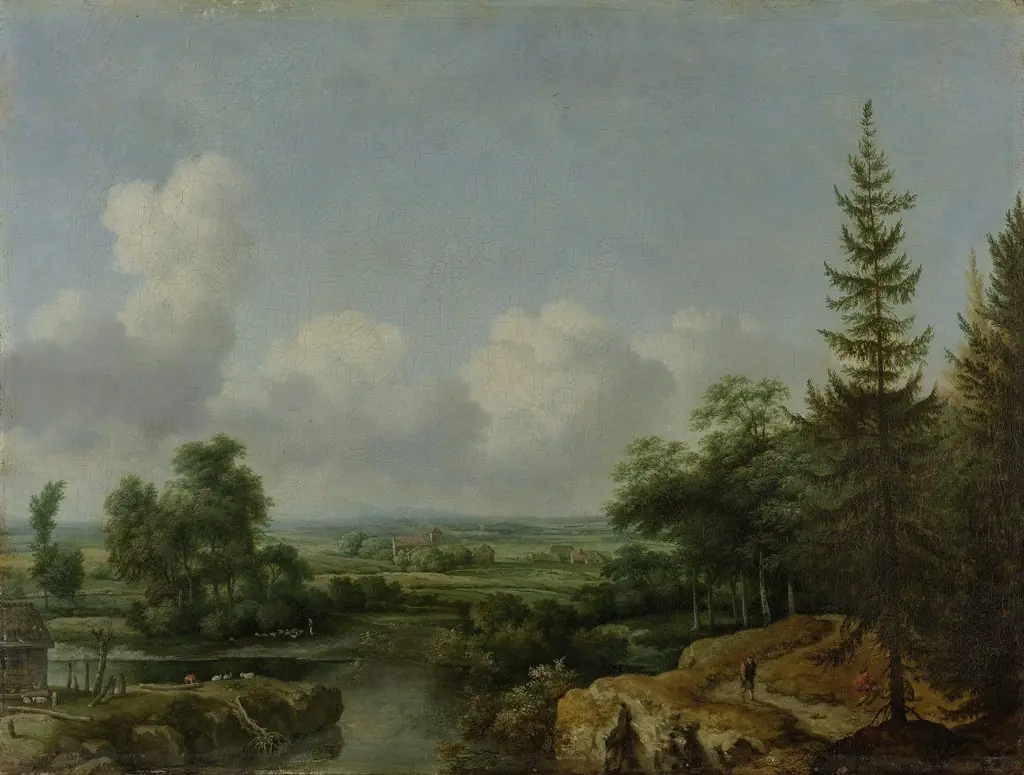
The painting depicts a serene, predominantly flat landscape with scattered elements: a few trees to the right, distant hills, fields, and a small body of water. The composition conveys a sense of calmness and tranquility.
Legacy
The painting's legacy is not extensively outlined in available information, though its presence in the Rijksmuseum suggests recognition of its value within Van Knibbergen's oeuvre and 17th-century Dutch landscape art.
Own this work as a print
Artist & collection
Artist
François van Knibbergen (1596–1674) was an artist, born in The Hague.

 River Valley Landscape
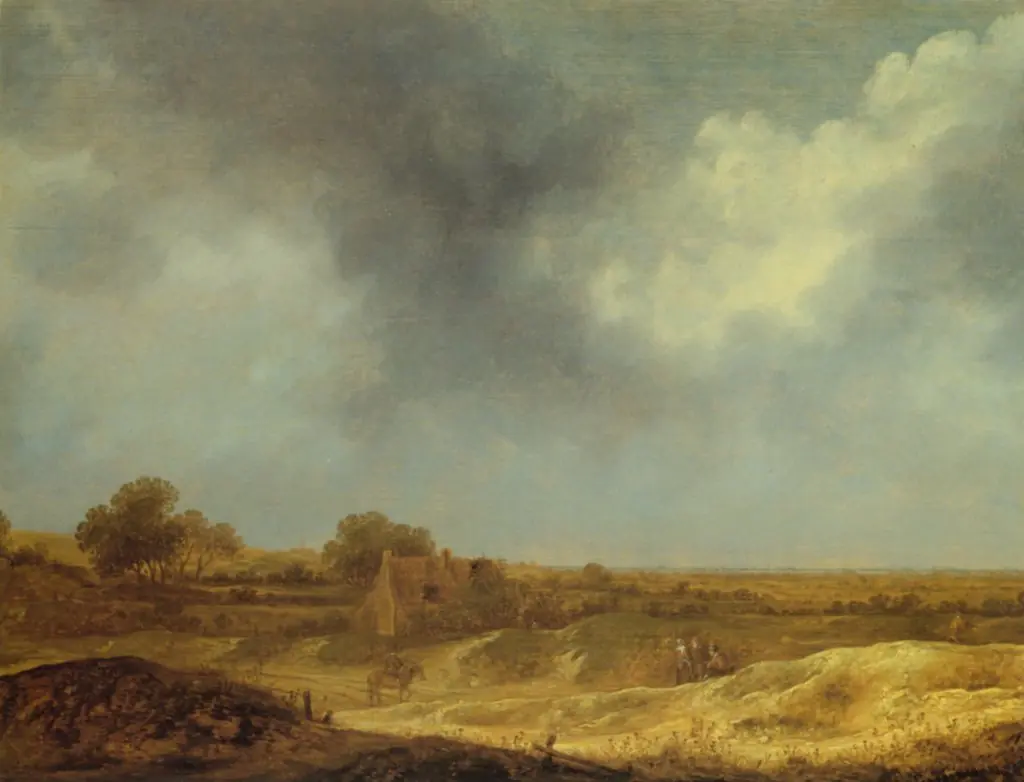 Hilly Landscape
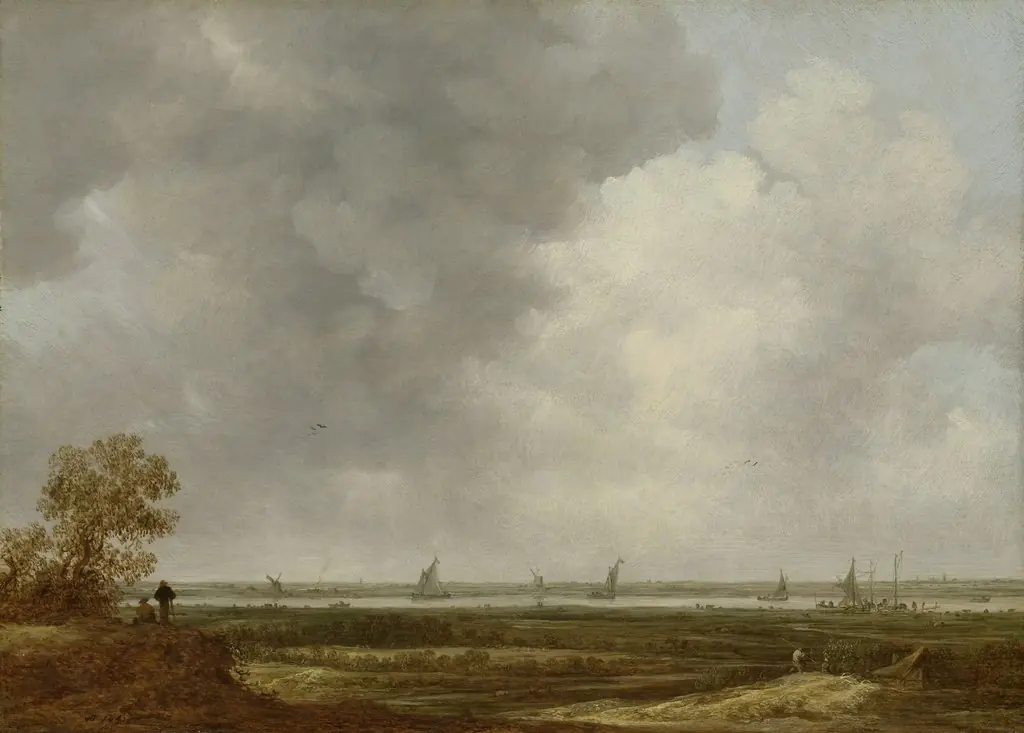 Panoramic view of a river with low-lying meadows
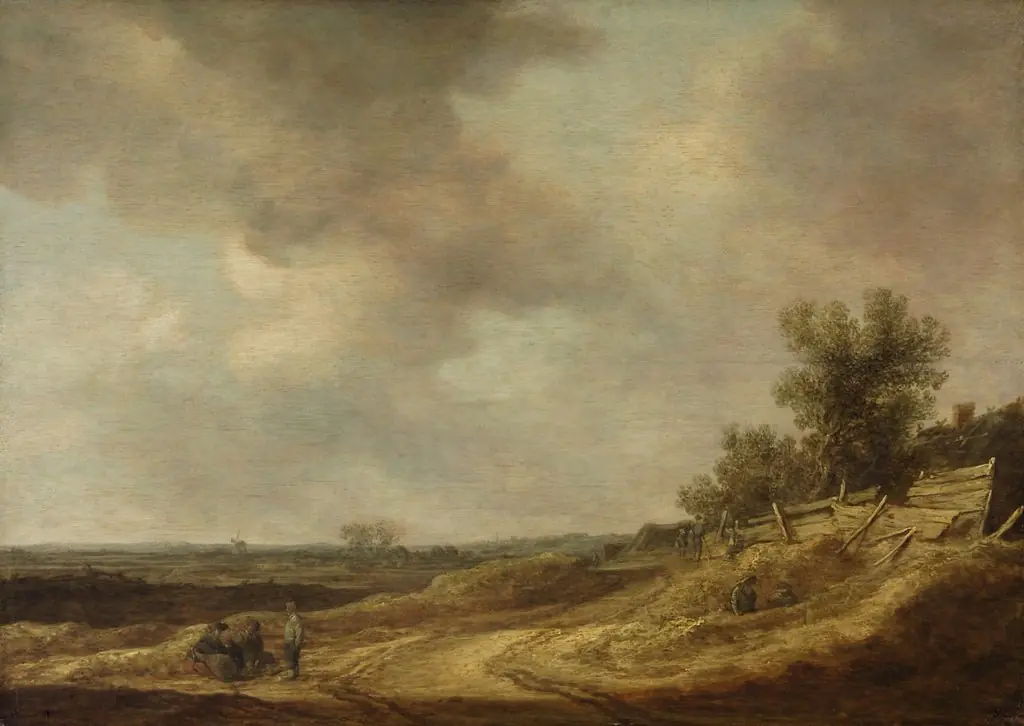 Flat Landscape
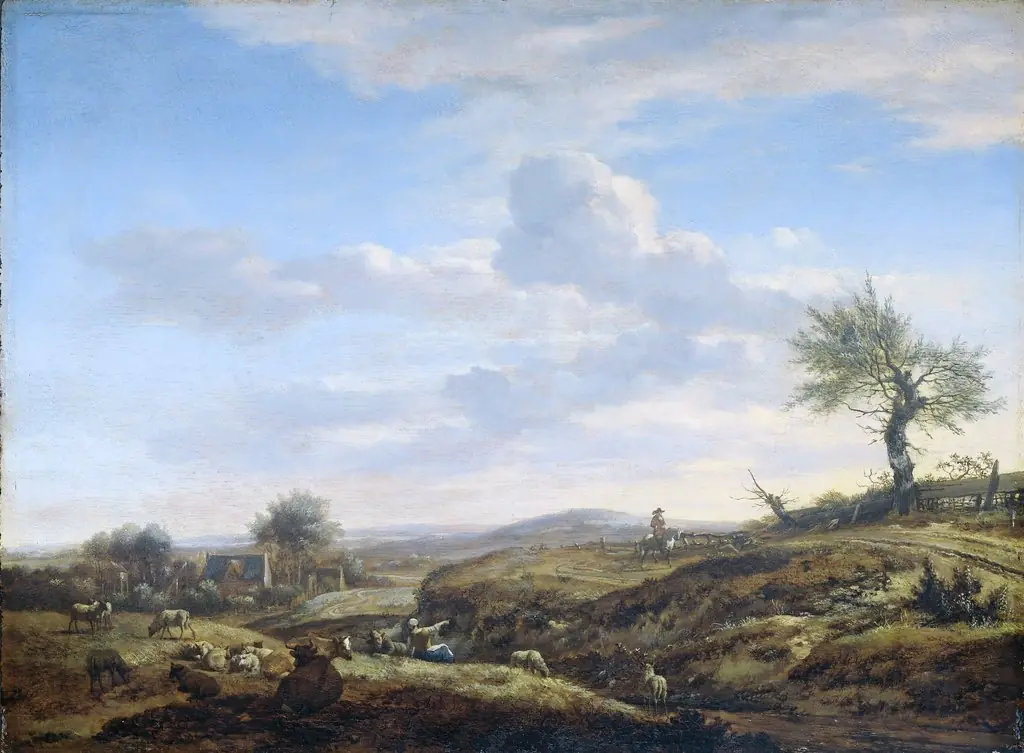 Hilly landscape with high road
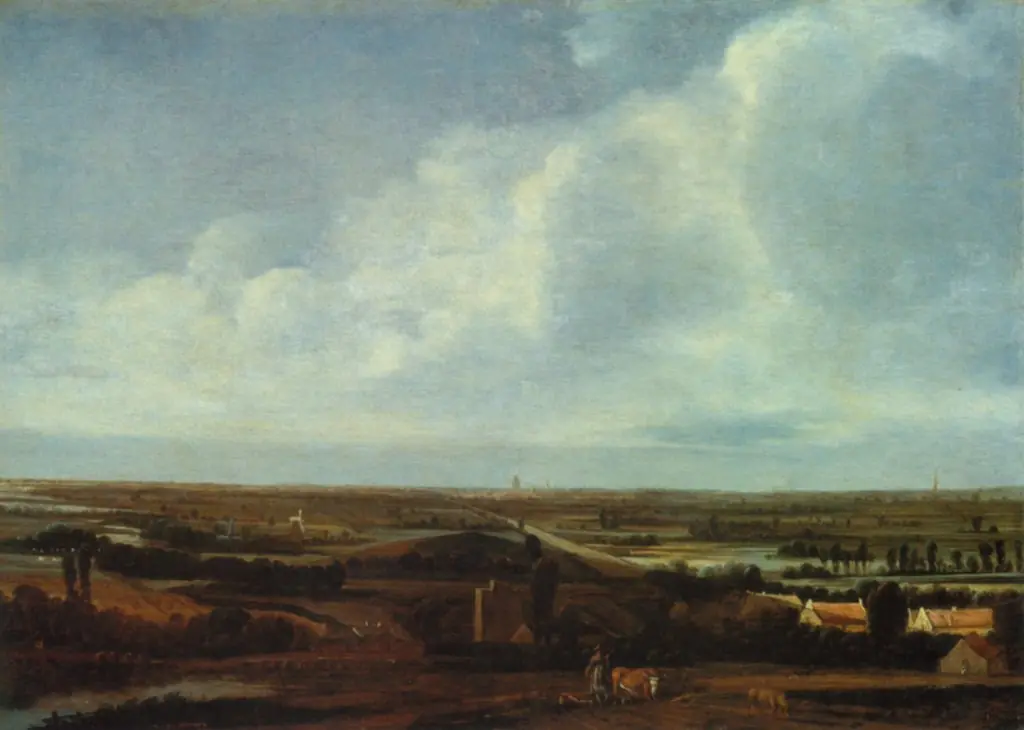 Flachlandschaft mit Stadt in der Ferne
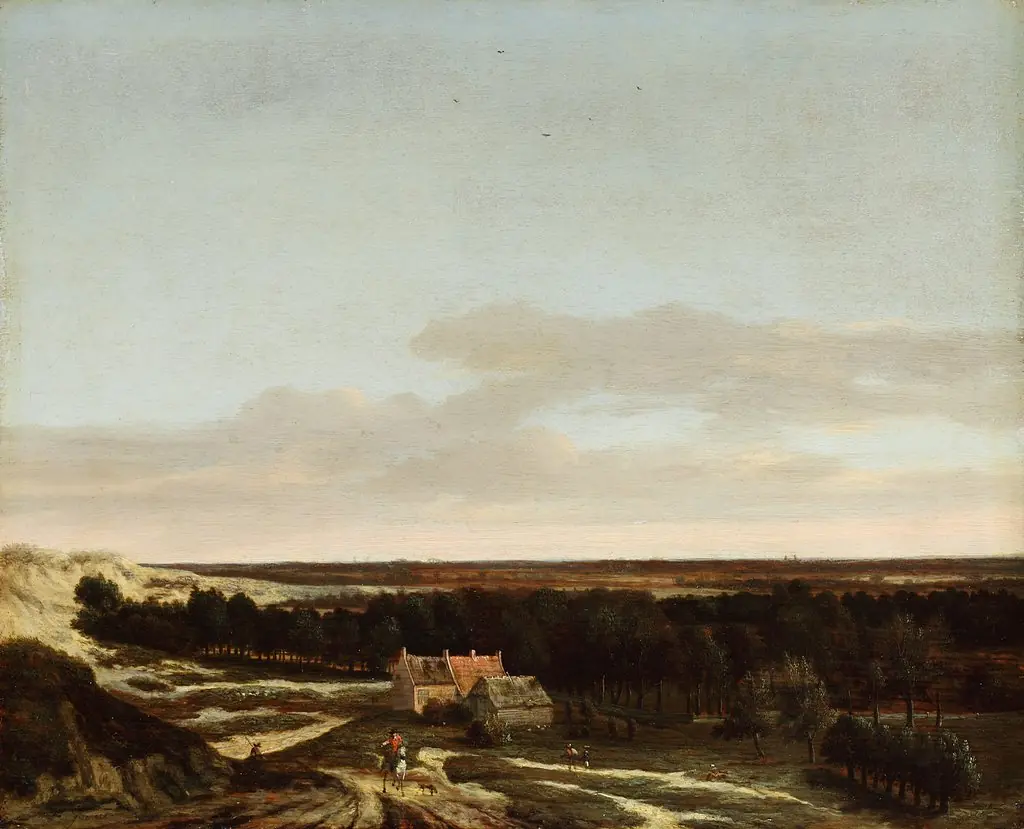 Dune Landscape with a Farmstead
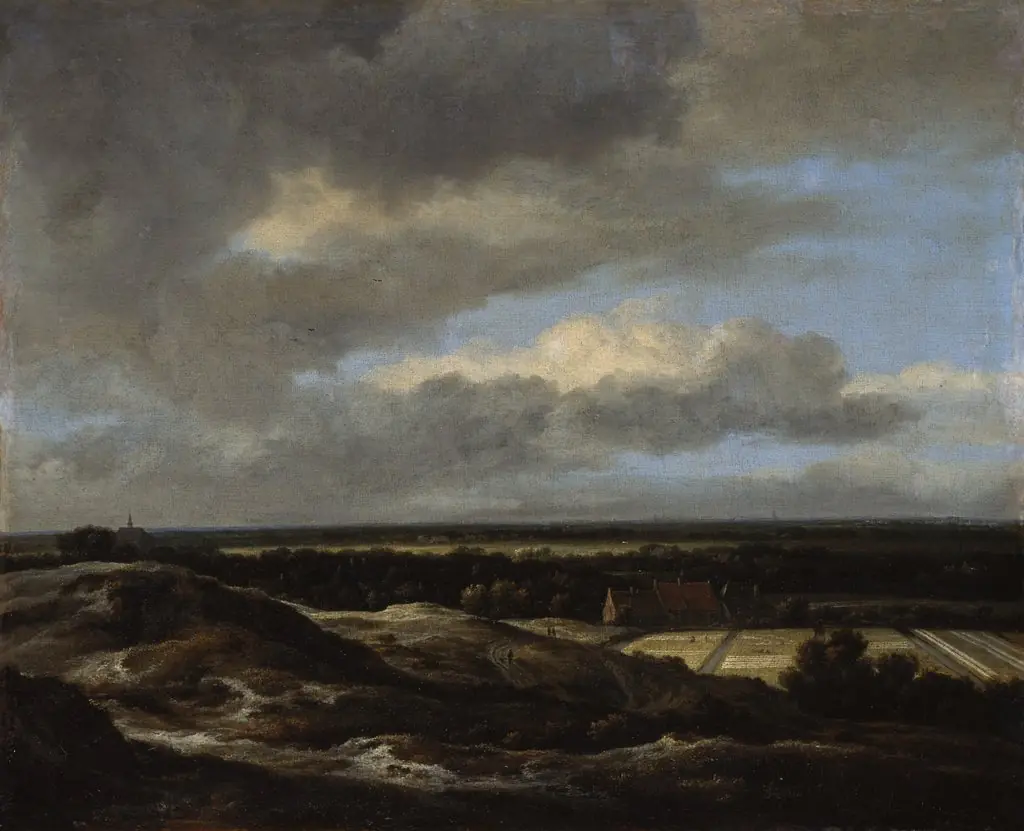 Dunes and bleaching fields
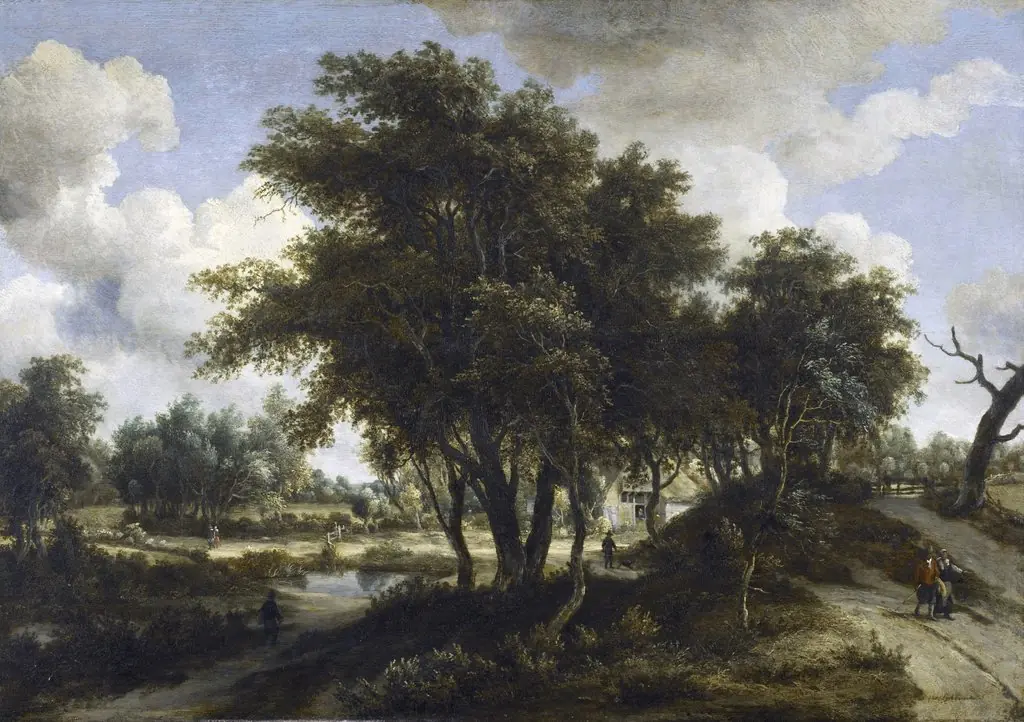 The Cottage
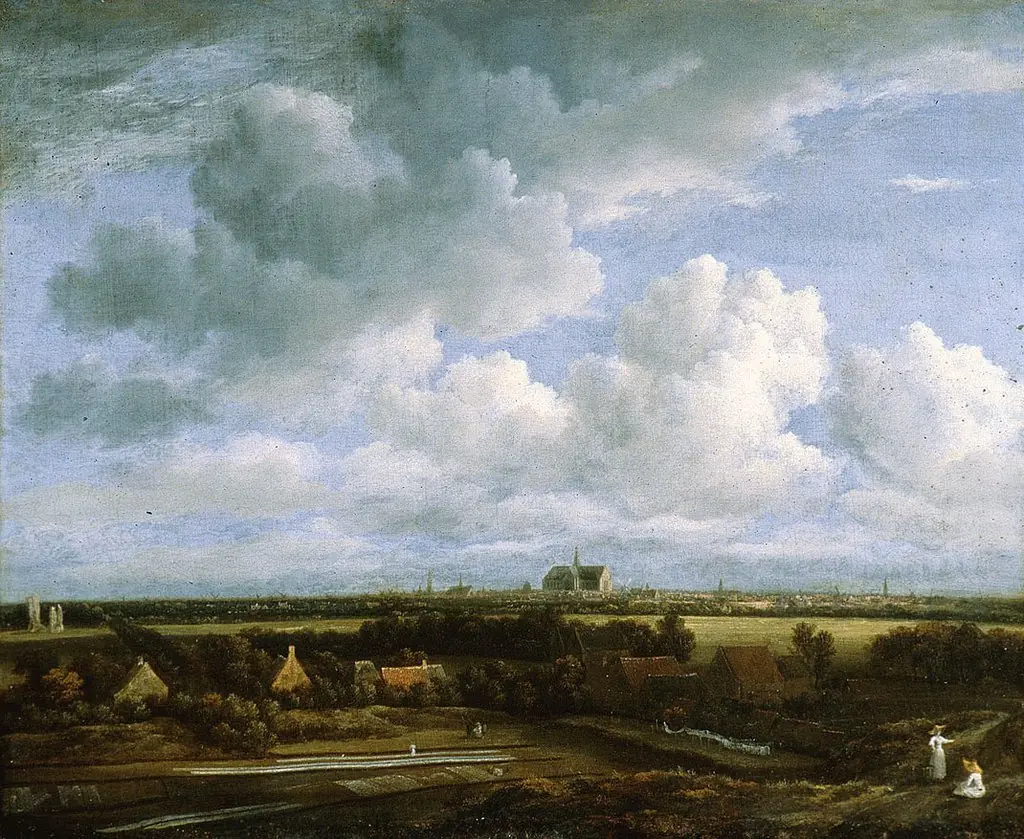 The Bleaching Grounds near Haarlem
 Swedish landscape
- A Panoramic Landscape