Artwork
Saint John the Baptist
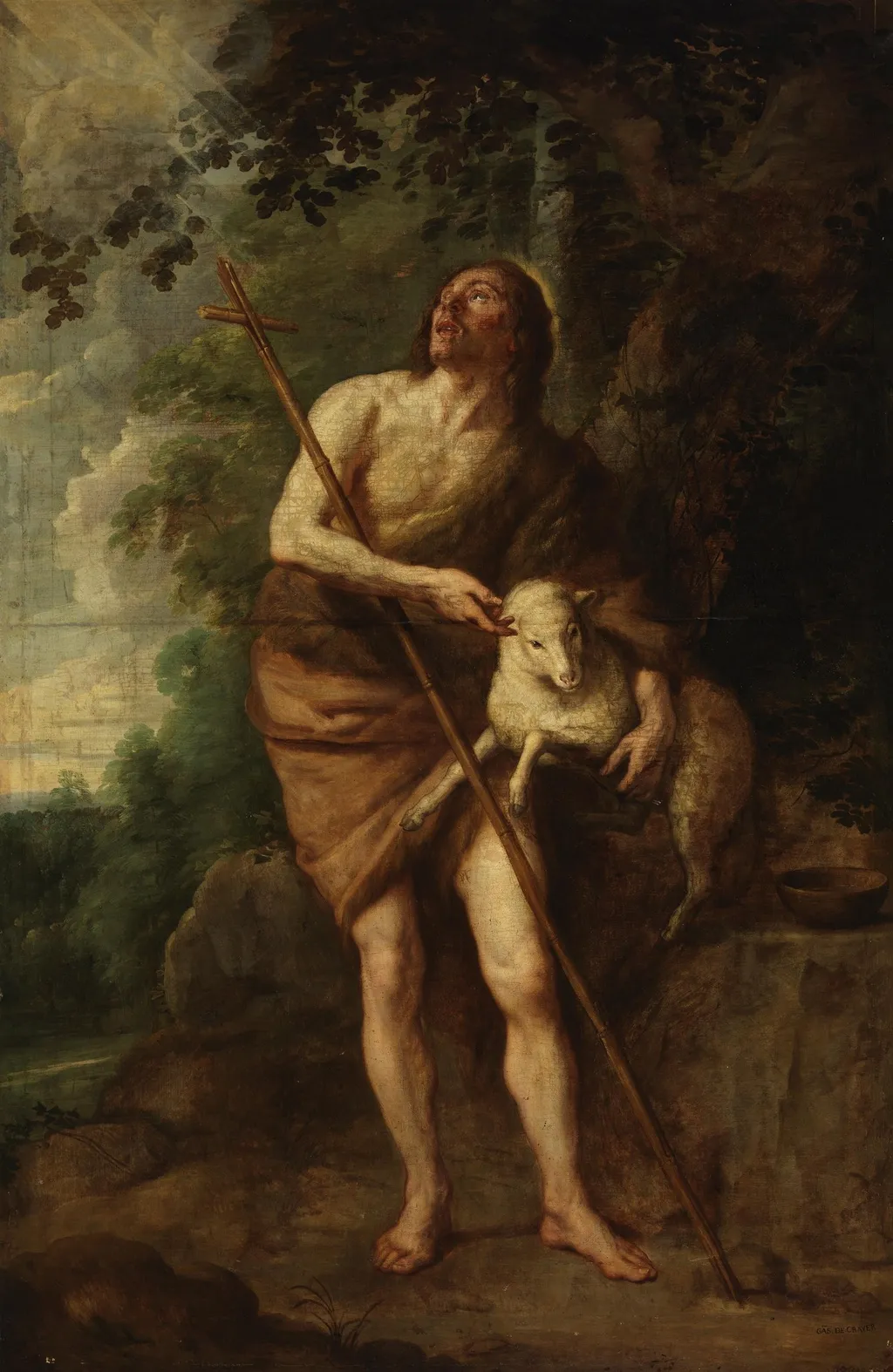
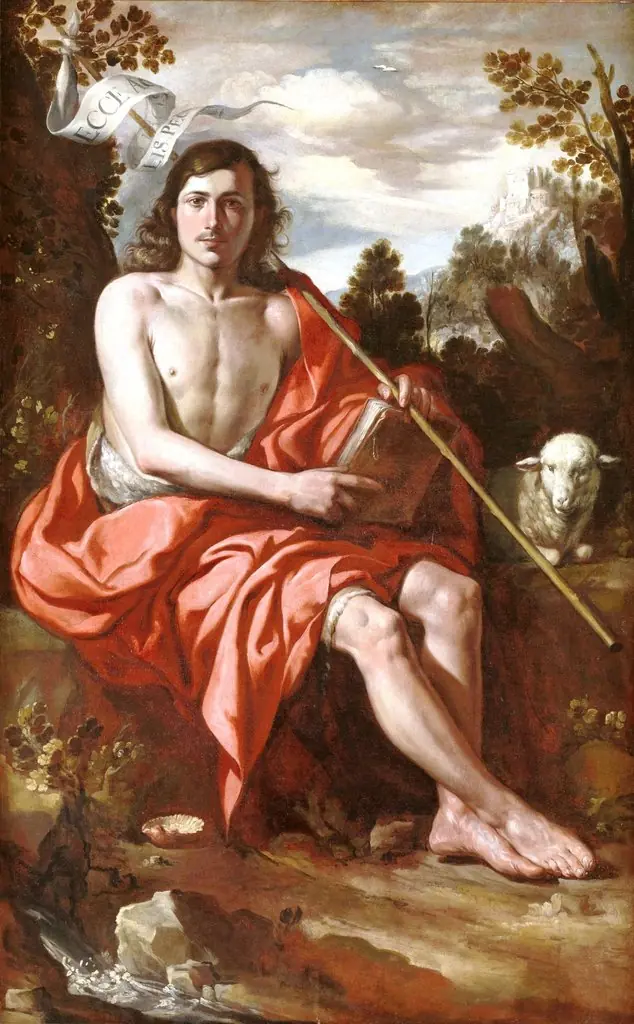
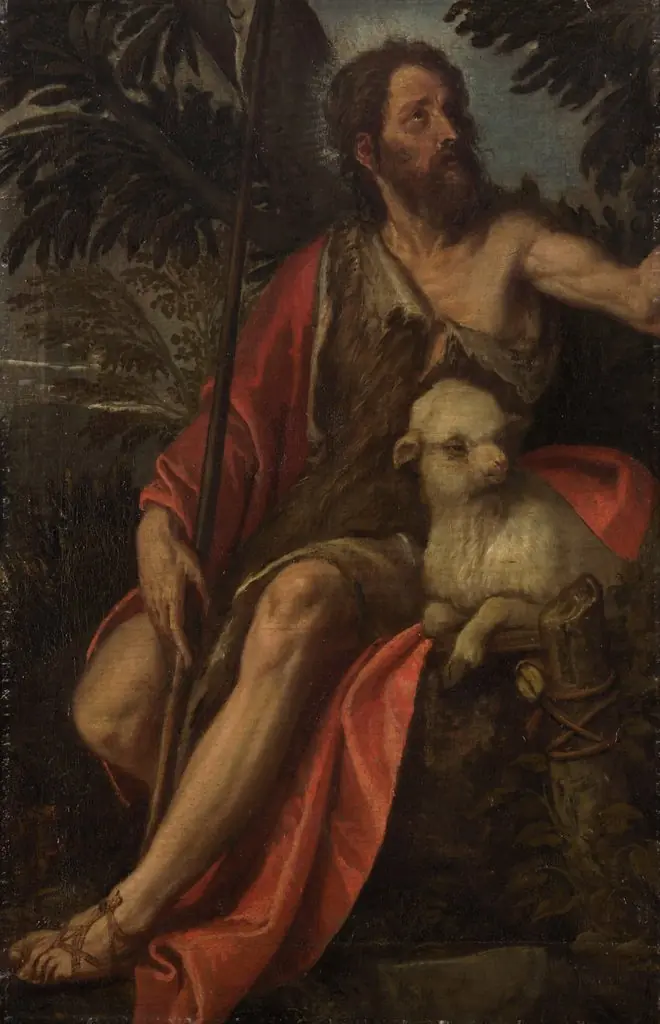
Saint John the Baptist is an oil painting by the Flemish Baroque painting artist Gaspar de Crayer. It dates from 1655 and is held in the collection of the Museo del Prado.
About this work
Subject & Meaning
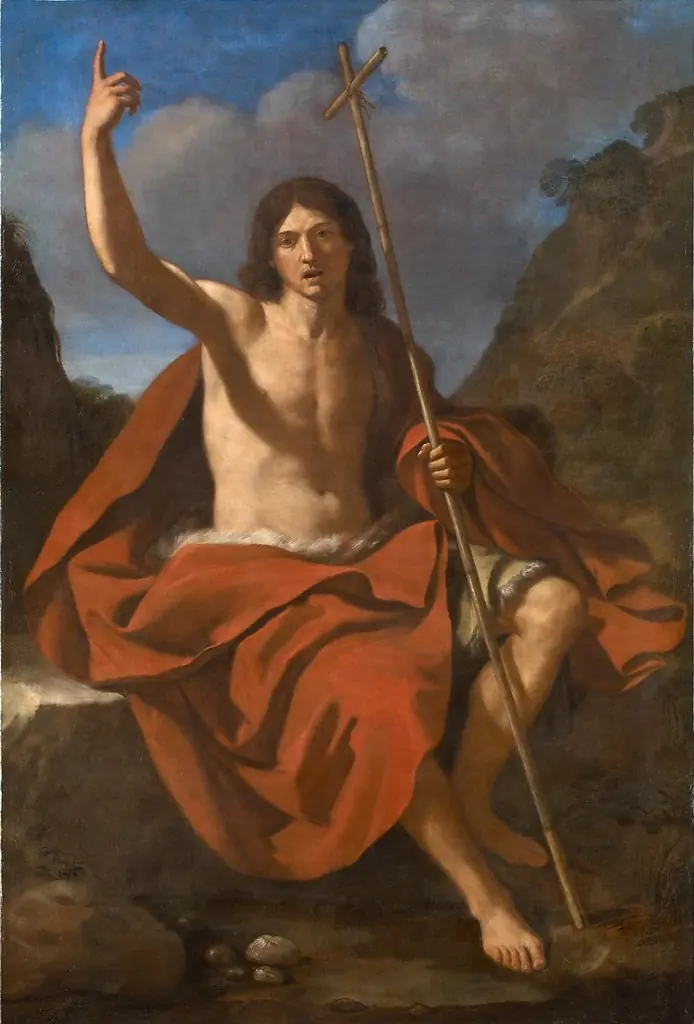
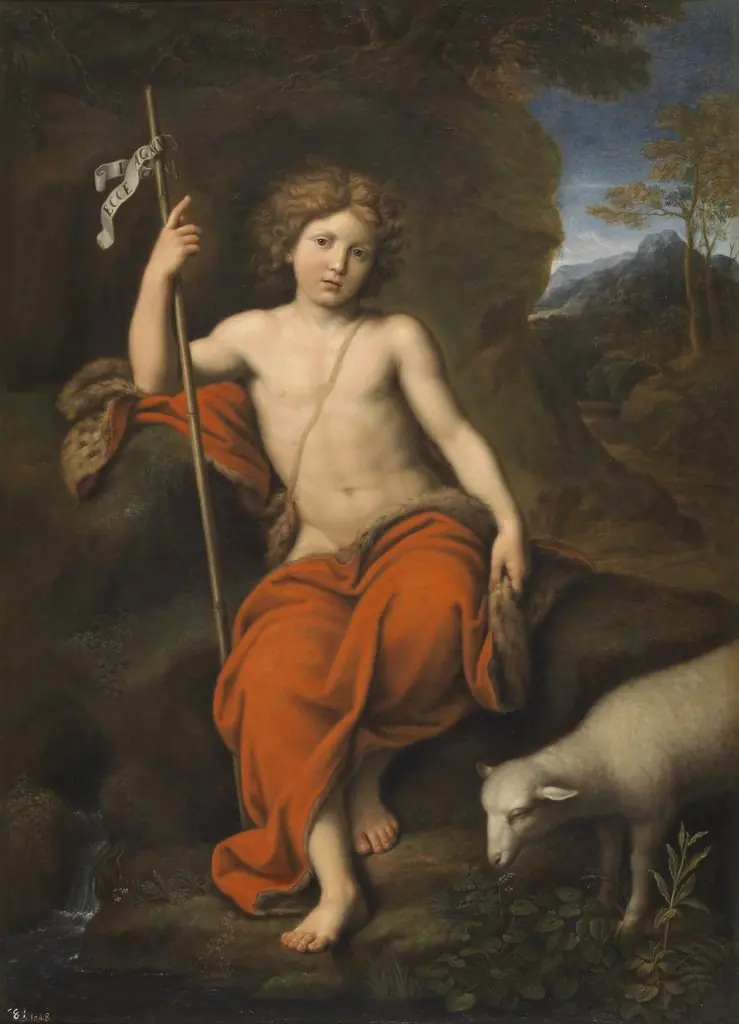
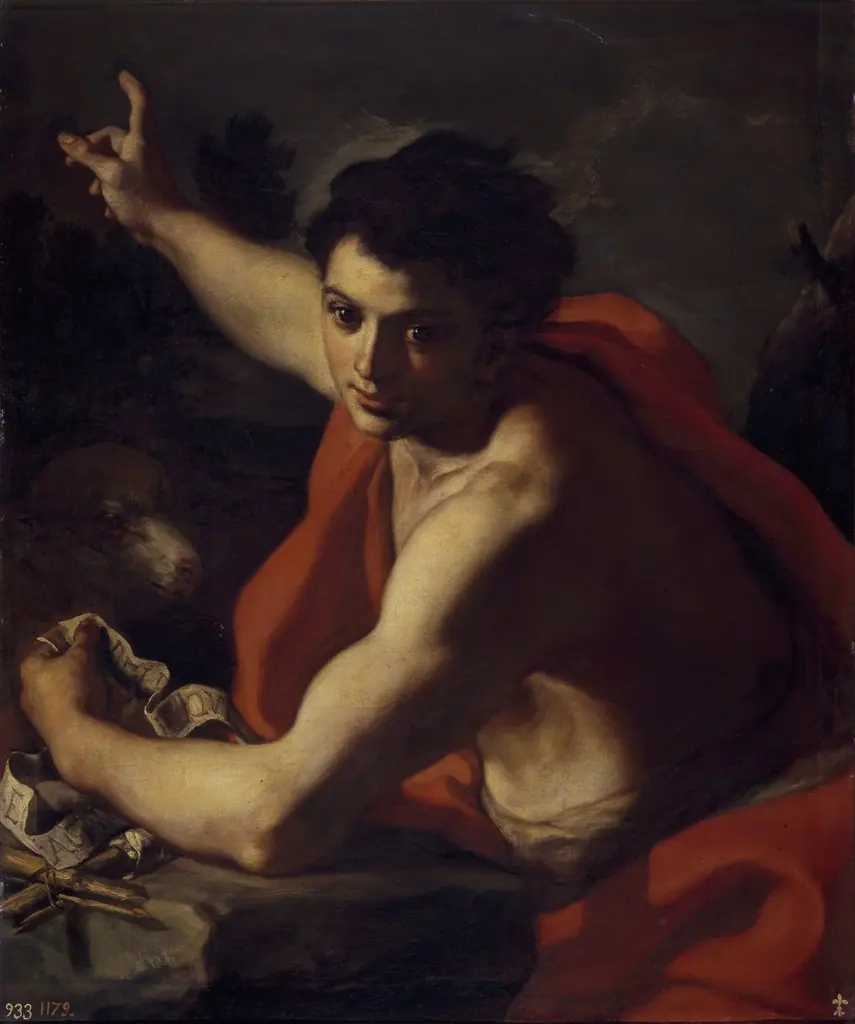
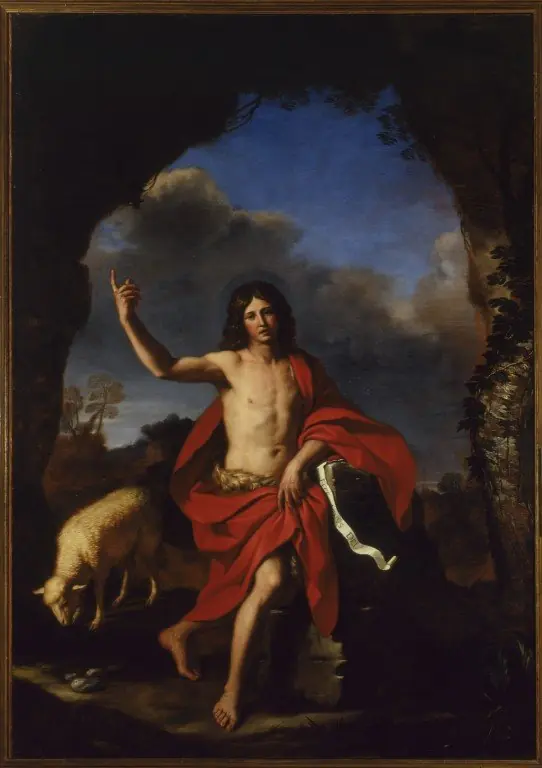
He is shown as a gaunt, ascetic figure, often with a reed cross and dressed in animal skins, emphasizing his role as a preacher of repentance in the desert.
The painting depicts Saint John the Baptist in the wilderness, a traditional subject in Christian iconography. He is shown as a gaunt, ascetic figure, often with a reed cross and dressed in animal skins, emphasizing his role as a preacher of repentance in the desert. The use of wilderness underscores themes of solitude, penitence, and the divine mission of the saint. The depiction aligns with established iconographic traditions that associate John the Baptist with asceticism and prophetic witness.
Technique & Style
Gaspar de Crayer's Saint John the Baptist, executed in 1655, is an oil painting on canvas. The work measures 271 cm in height and 177 cm in width, presenting the biblical figure within a wilderness setting. As a religious composition, the piece utilizes the oil medium to depict the main subject, John the Baptist, consistent with the artist's handling of devotional themes during the mid-seventeenth century.
History & Provenance
Gaspar de Crayer created the oil-on-canvas painting Saint John the Baptist in 1655. The work depicts the biblical figure in a wilderness setting and measures 271 cm in height by 177 cm in width. Originally associated with the Museo de la Trinidad collection, the painting is currently held by the Museo del Prado in Madrid.
Own this work as a print
Artist & collection
Artist
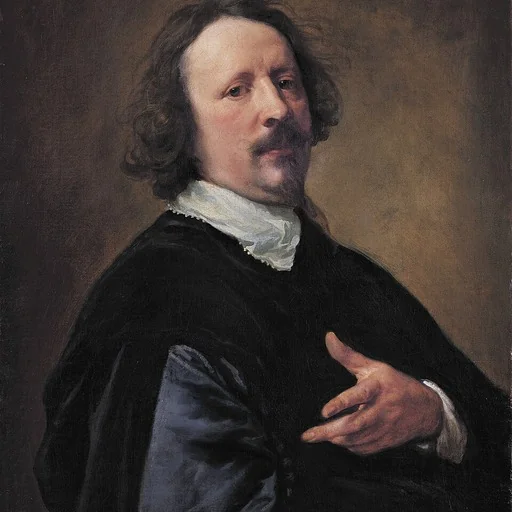
Gaspar de Crayer or Jasper de Crayer (18 November 1584 – 27 January 1669) was a Flemish painter known for his many Counter-Reformation altarpieces and portraits.

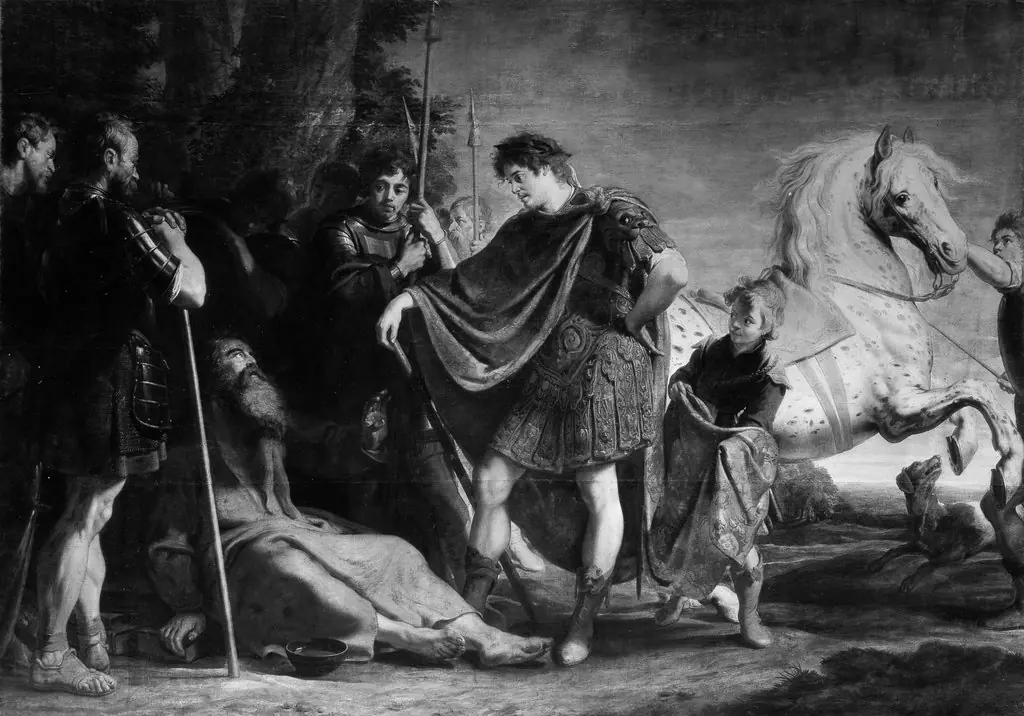 The Meeting of Alexander the Great and Diogenes
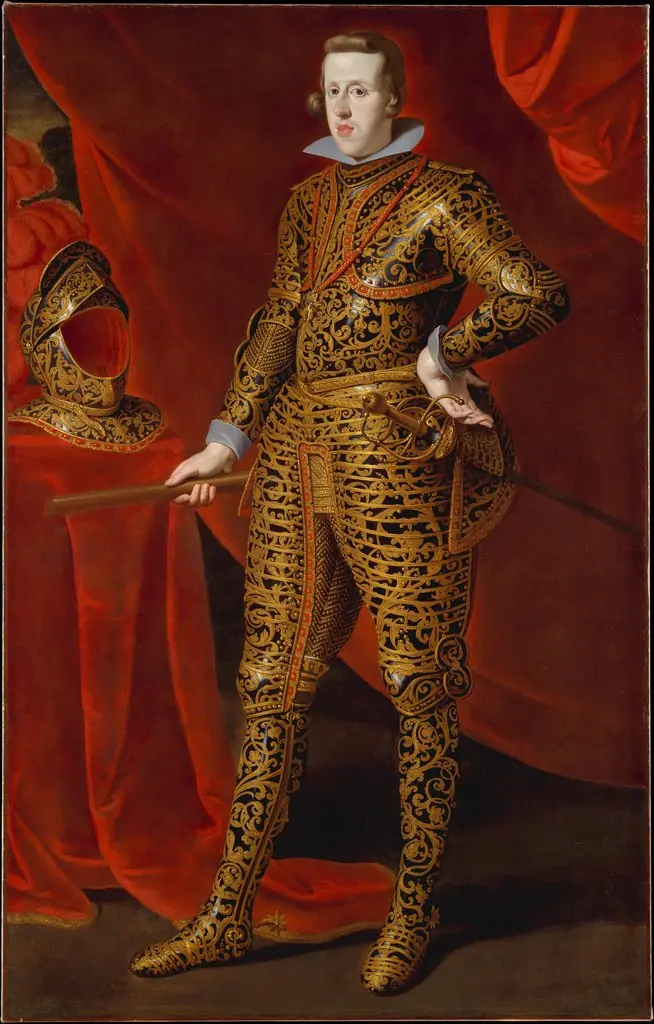 Philip IV (1605–1665) in Parade Armor
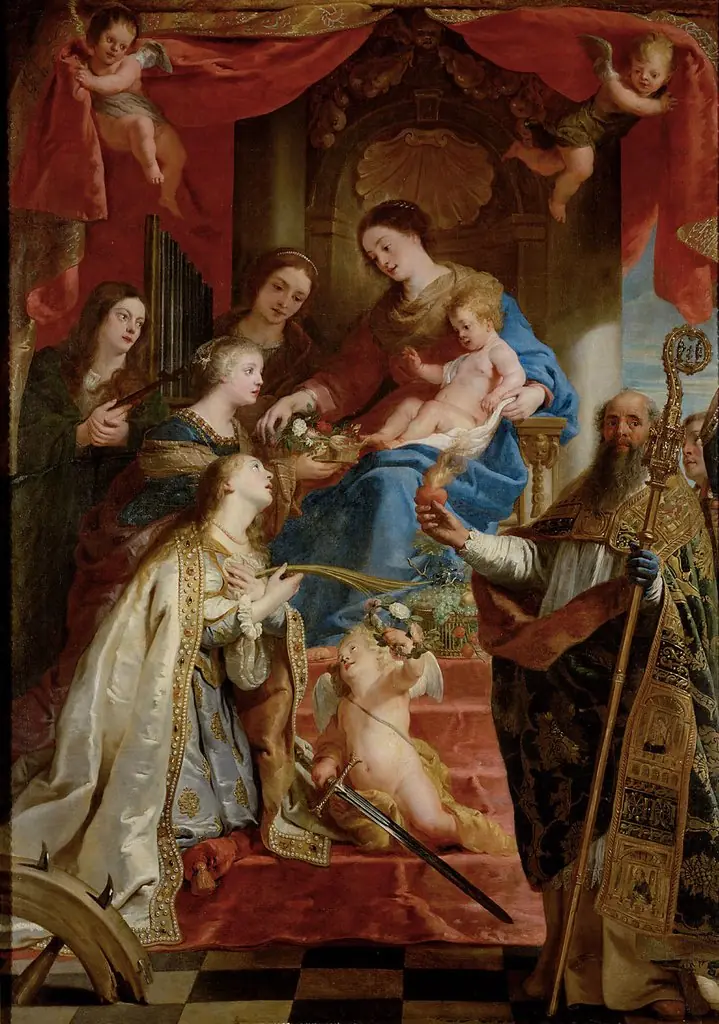 Virgin with child and saints Maria Magdalen, Cecilia, Dorothea, Catharina and Augustine
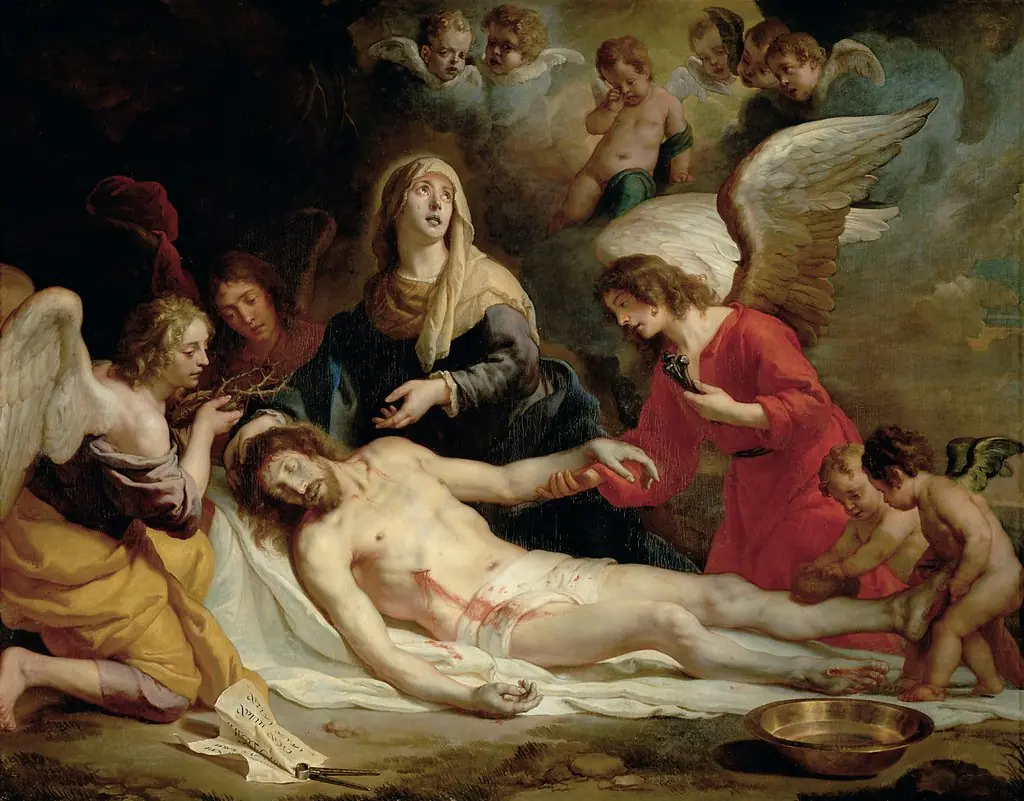 Lamentation
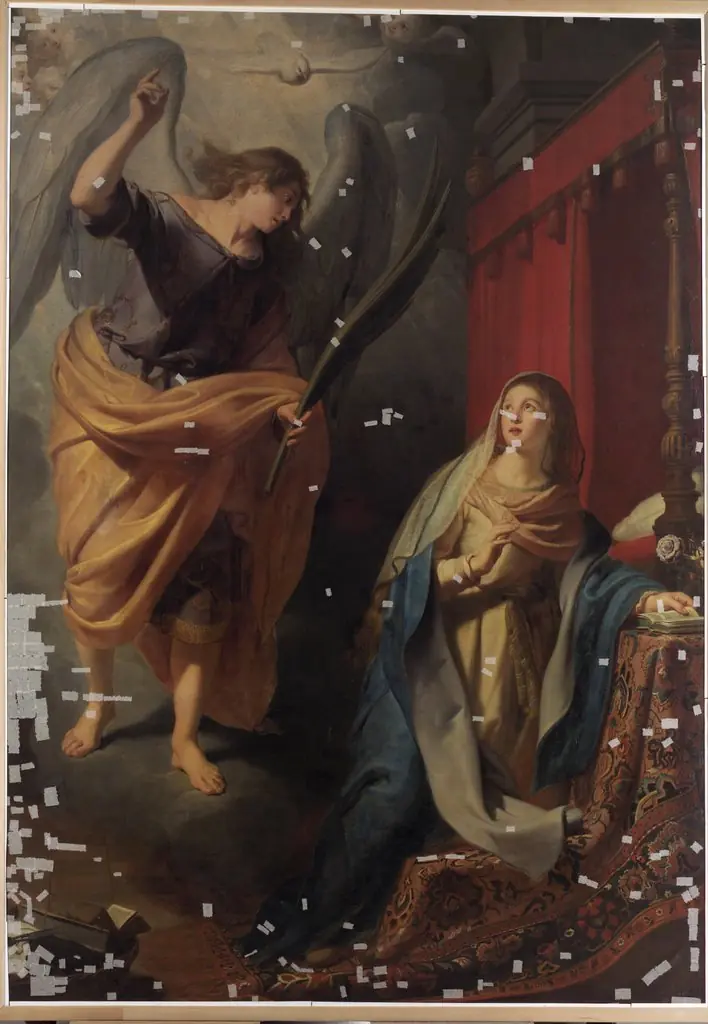 The Annunciation
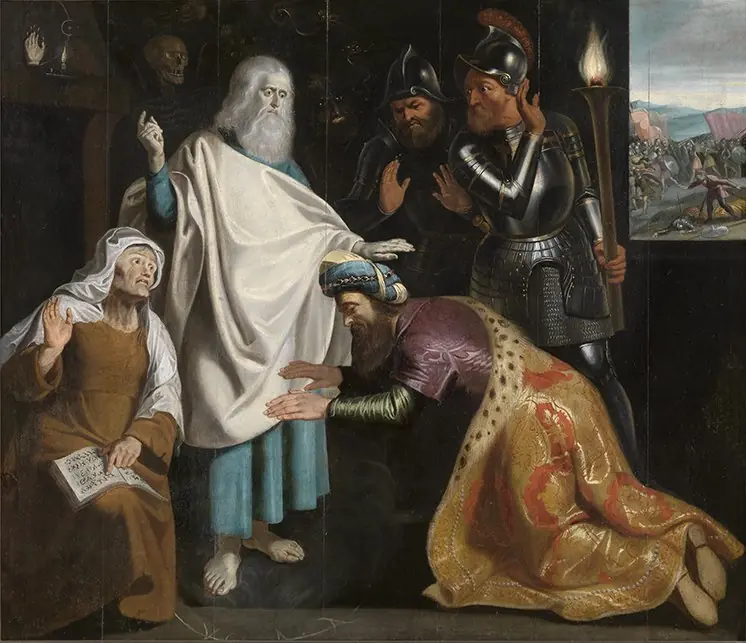 The ghost of Samuel appears to the witch of Endor; Saul falls prostrate to the ground (1 Samuel 28:3-20)
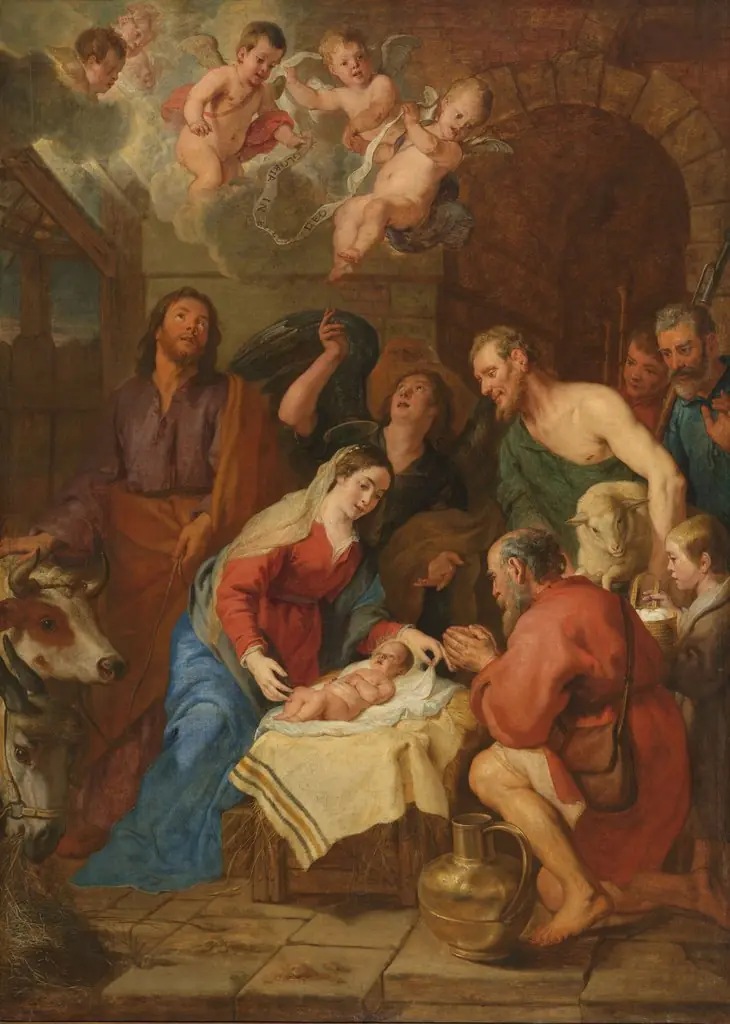 The adoration of the shepherds
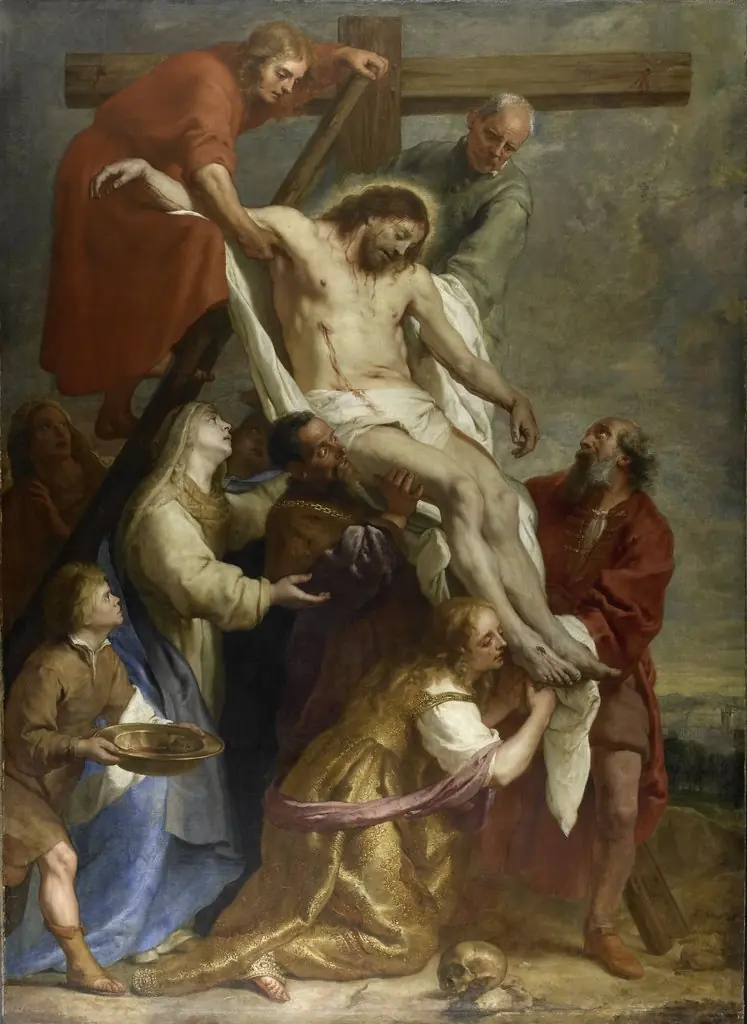 The descent from the cross