Artwork
St. John the Baptist
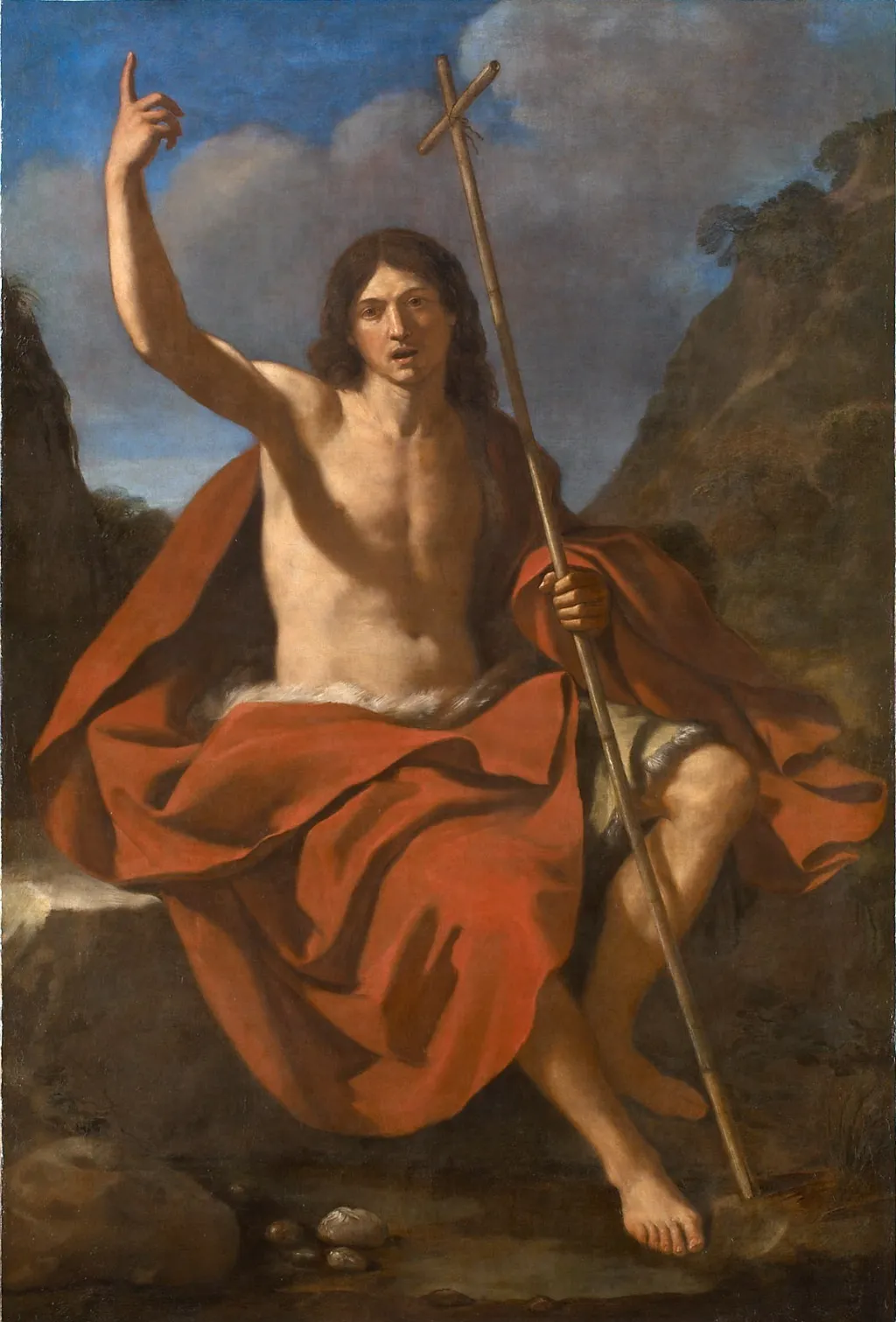
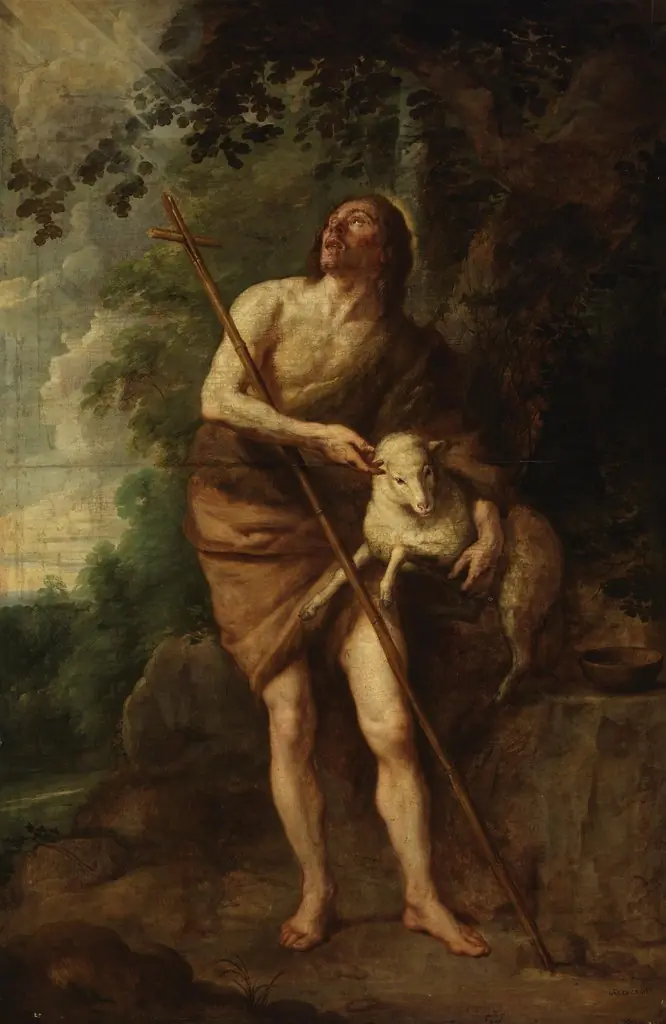
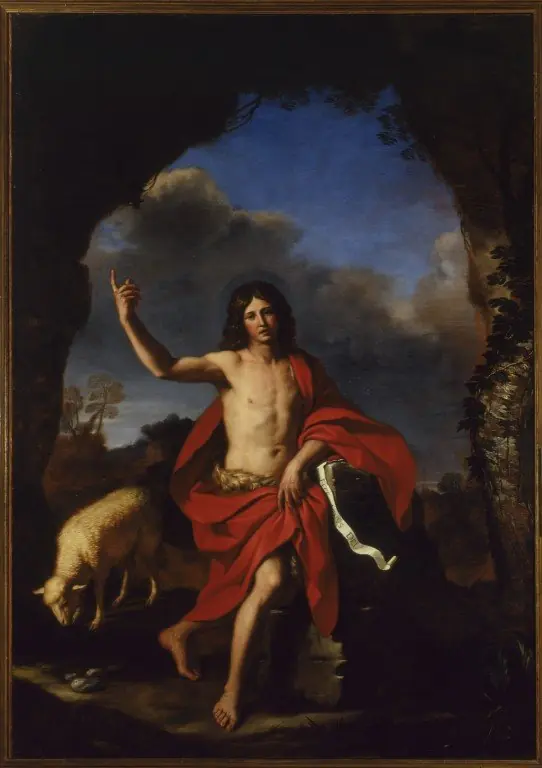
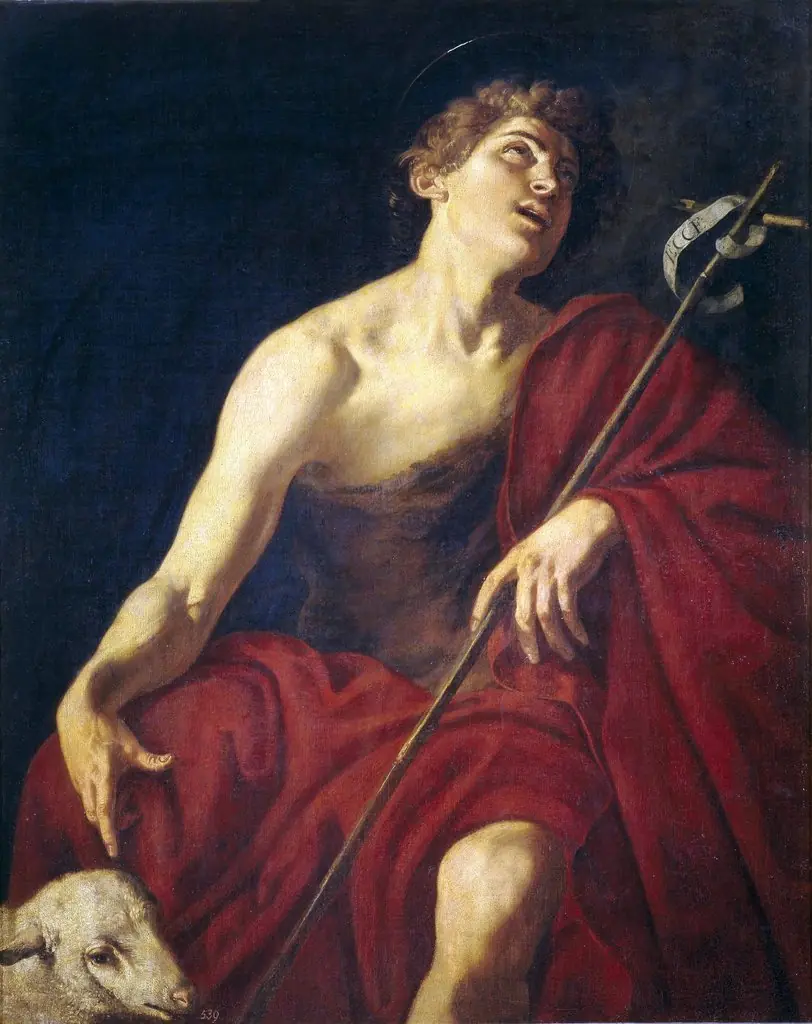
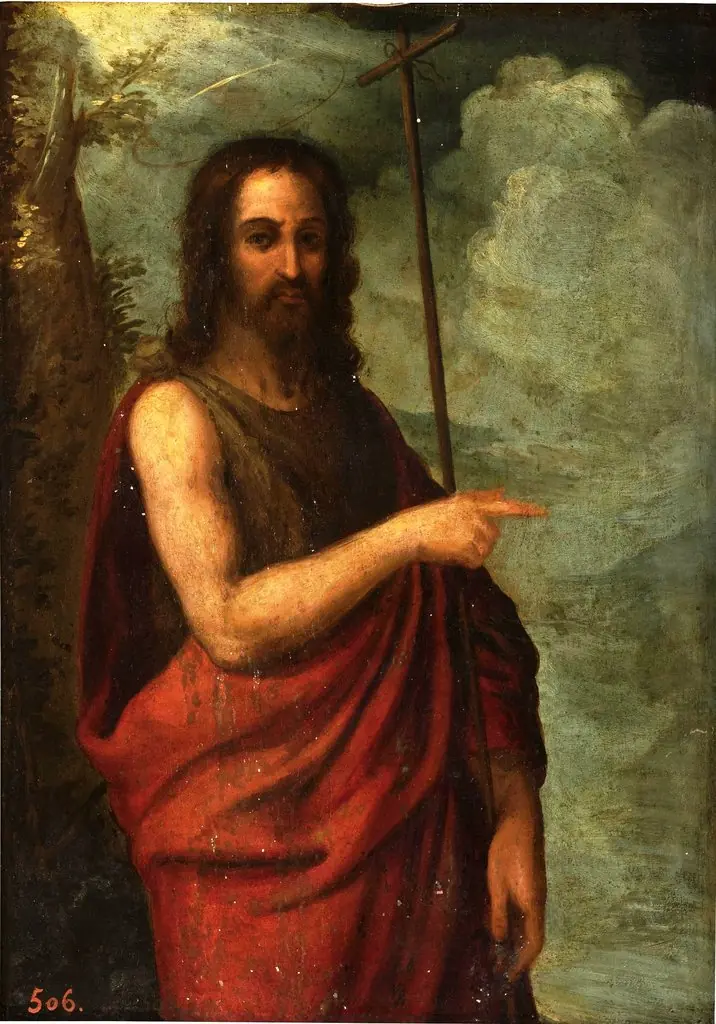
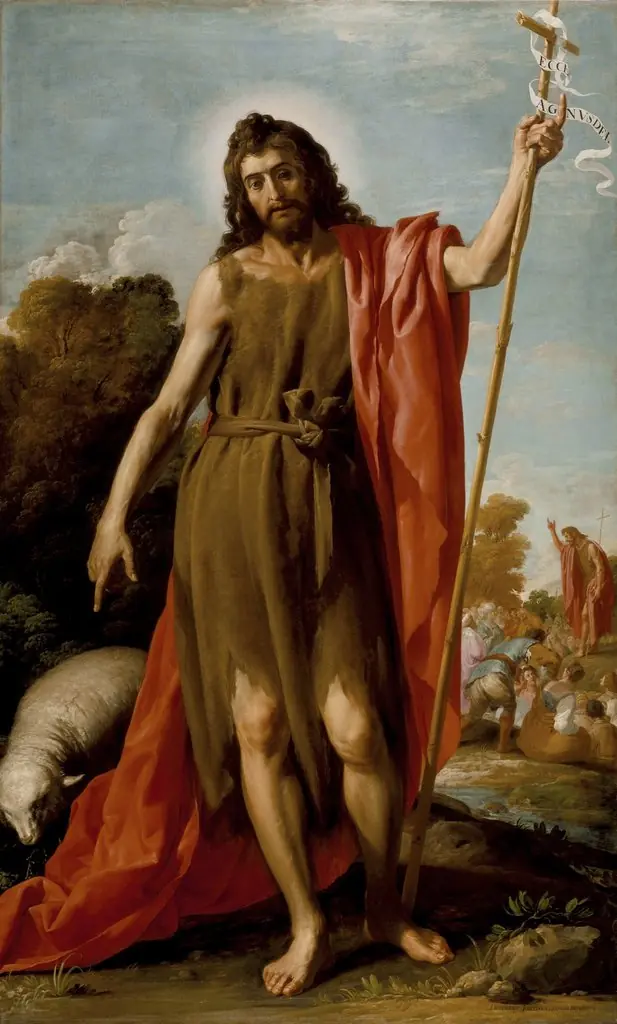
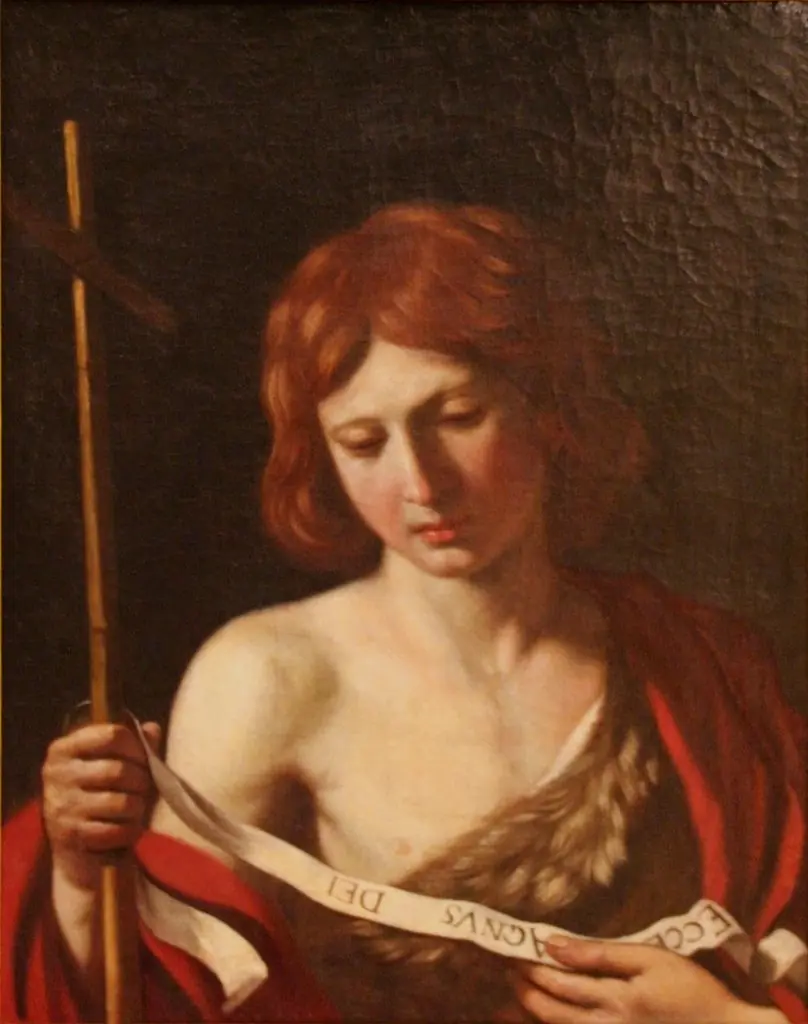
St. John the Baptist is an unspecified painting by the Early Baroque Italian artist Guercino. It dates from 1641 and is held in the collection of the Kunsthistorisches Museum. Created in 1641, this oil on canvas portrays Saint John the Baptist and belongs to the early Baroque period of Italian art.
About this work
Subject & Meaning
In this painting Guercino renders the saint in a moment of contemplative stillness, underscoring his role as a forerunner of Christ and a symbol of repentance.
The work portrays John the Baptist, a central figure in Christian tradition whose iconography emphasizes prophetic humility and sacrificial witness. In this painting Guercino renders the saint in a moment of contemplative stillness, underscoring his role as a forerunner of Christ and a symbol of repentance. The composition’s muted palette and focused lighting reinforce the contemplative spirituality associated with the Baptist’s message, inviting viewers to reflect on themes of preparation and divine anticipation.
Technique & Style
St. John the Baptist is an oil painting on canvas created in 1641 by Giovanni Francesco Barbieri, known as Guercino. It measures 204 cm in height and 138 cm in width, depicting the saint in a half-length format with direct engagement of the viewer. The composition emphasizes chiaroscuro and naturalistic modeling, reflecting the artist’s mature Baroque style.
The work is executed on a canvas support and has been part of the collection at the Kunsthistorisches Museum since its acquisition.
History & Provenance
St. John the Baptist, a 1641 religious painting by Giovanni Francesco Barbieri known as Guercino, depicts the figure of John the Baptist. It measures 204 cm in height and 138 cm in width and was created in 1641. The work is part of the collection of the Kunsthistorisches Museum, where it remains on display.
St. John the Baptist by Guercino, dated 1641, is held in the collection of the Kunsthistorisches Museum, where it is located as part of that institution's holdings.
No specific inventory or accession number for the painting is recorded in the available sources, and no exhibition history is documented.
Legacy
St. John the Baptist by Guercino exerted influence through its devotional intensity and naturalistic rendering of the figure, shaping later interpretations of the subject in European religious painting. The work's reputation grew through repeated engravings and scholarly attention, particularly noted in 19th-century art historical surveys that highlighted its emotional depth. Its legacy persists in collections such as the Kunsthistorisches Museum, where it remains studied as a key example of Baroque spirituality.
Contemporary assessments continue to reference its technical mastery in chiaroscuro and compositional balance as a benchmark for religious imagery.
Overview
Created in 1641, this oil on canvas portrays Saint John the Baptist and belongs to the early Baroque period of Italian art. Executed by Giovanni Francesco Barbieri, known as Guercino, the work is part of the collection of the Kunsthistorisches Museum in Vienna.
Context
The painting exemplifies the Baroque interest in dramatic lighting and emotional immediacy, aligning with contemporary religious commissions that sought to engage viewers through vivid, theatrical representation of holy figures.
Artist & collection
Artist
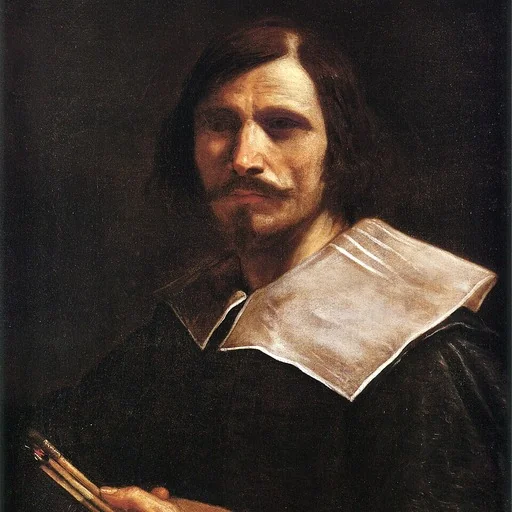
Giovanni Francesco Barbieri (8 February 1591 – 22 December 1666), better known as (il) Guercino (Italian pronunciation: ), was an Italian Baroque painter and draftsman from Cento in the Emilia region, who was active in Rome and Bologna.