Artwork
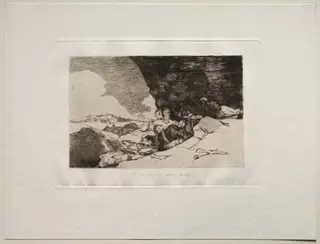
The Horrors of War: They Do Not Arrive In Time
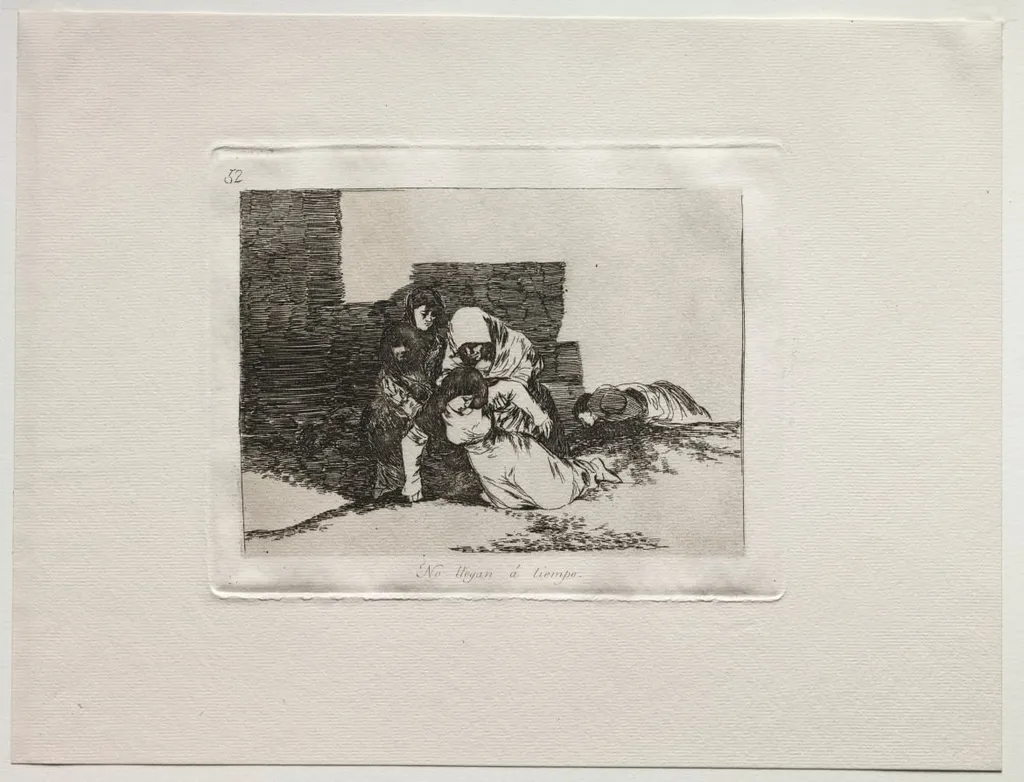
The Horrors of War: They Do Not Arrive In Time is a print by the Romanticist artist Francisco de Goya. It dates from 1815 and is held in the collection of the Cleveland Museum of Art.
- Accession no.
- 1922.568
- Credit line
- Dudley P. Allen Fund
About this work
Overview
The Horrors of War: They Do Not Arrive In Time is a print by Francisco de Goya, created around 1815. It is a black-and-white work held at The Cleveland Museum of Art.
Subject & Meaning
The print depicts a dramatic scene outside a building, where a woman lies on the ground with a child. Nearby figures display worry and desperation. The accompanying text, 'No llegan a tiempo,' translates to 'they don't arrive in time,' suggesting a narrative of urgency and possibly, the consequences of delayed aid.
Technique & Style
Goya employed strong chiaroscuro, contrasting light and shadow to convey a sense of urgency. The figures' expressions and body language are rendered to evoke fear and desperation, contributing to the overall dramatic effect of the scene.
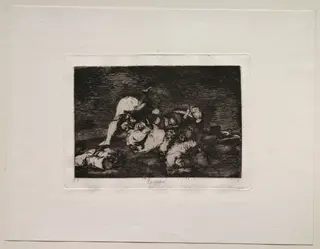
Artist & collection
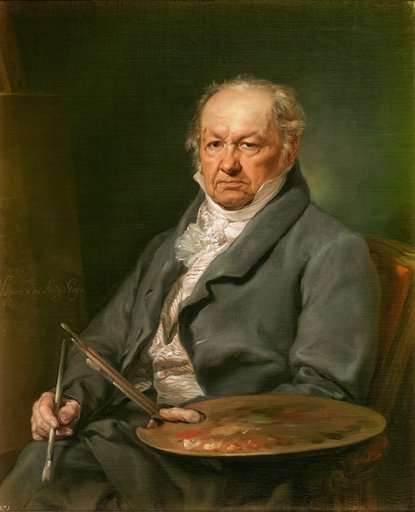
Artist
Francisco José de Goya y Lucientes was a Spanish romantic painter and printmaker.

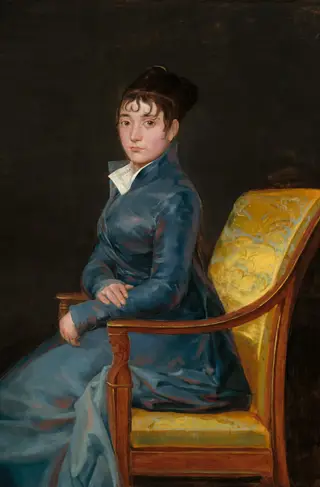
- The Horrors of War: Nor (Do These) Either
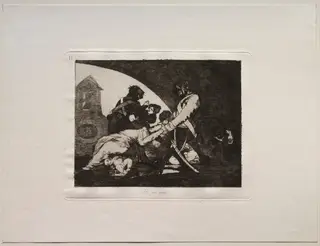 The Horrors of War: Neither Do These
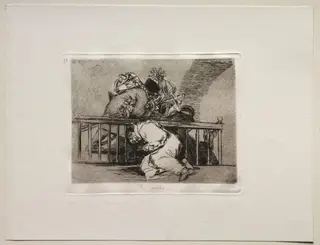 The Horrors of War: This is How it Happened
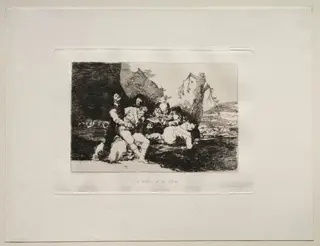 The Horrors of War: Get them Well and On to the Next
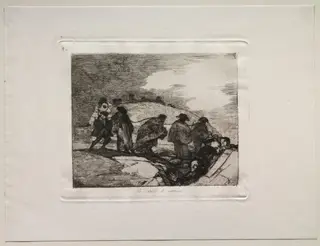 The Horrors of War: They Do Not Know The Way
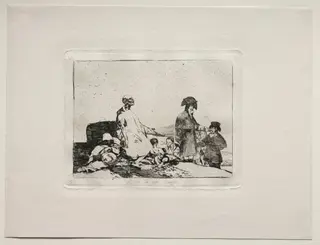 The Horrors of War: Perhaps They are of Another Breed
 The Horrors of War: The Healthy and the Sick
 The Horrors of War: This Is Not Less So
 The Horrors of War: These Too
 The Horrors of War: There Isn't Time Now
 The Horrors of War: The Same Elsewhere