Artwork
Cristo crucificado
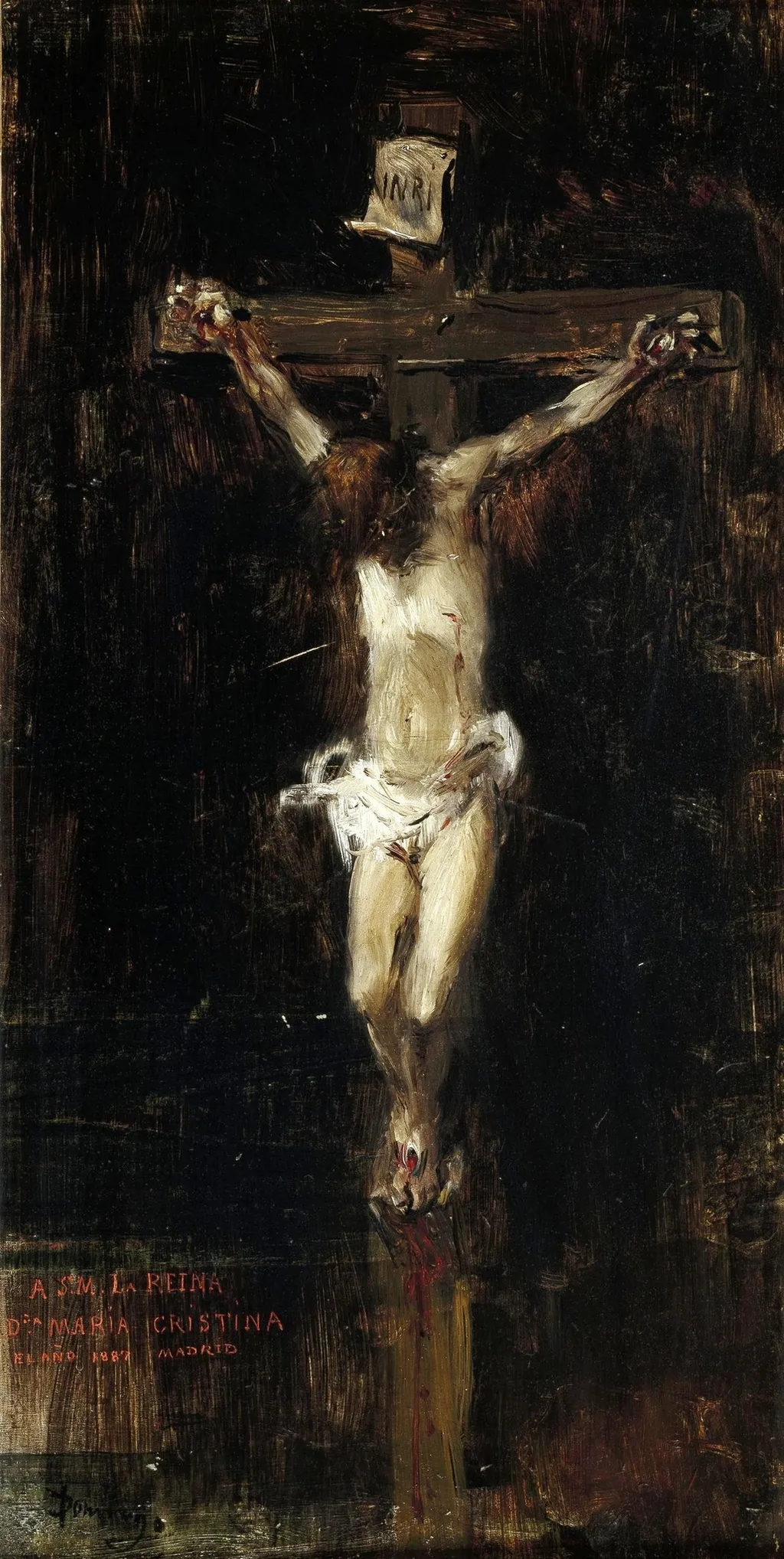
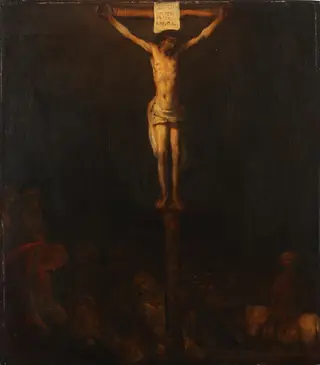
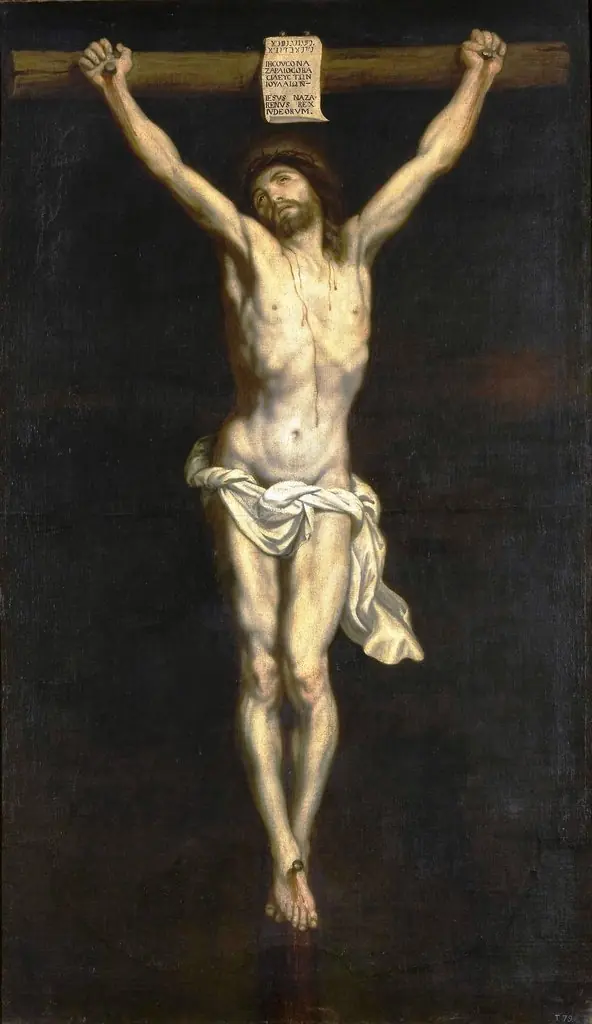
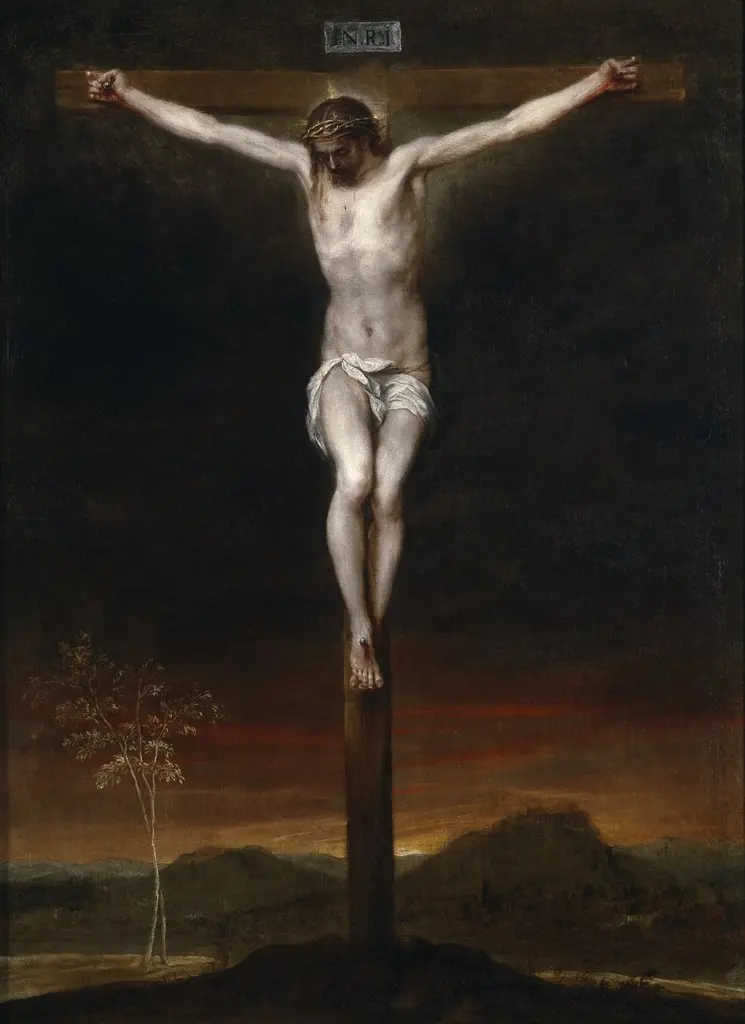
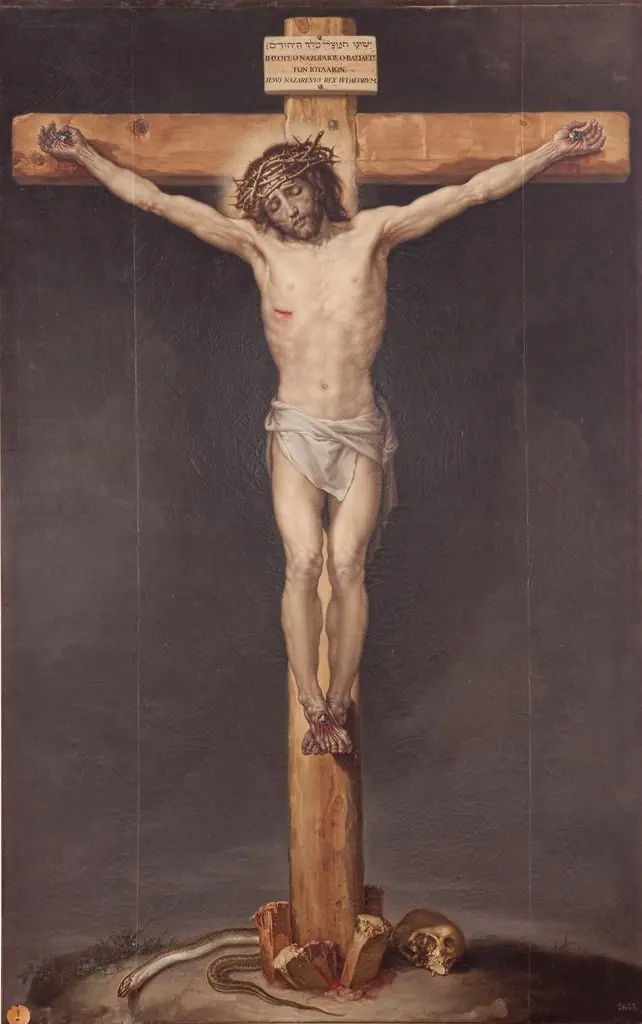
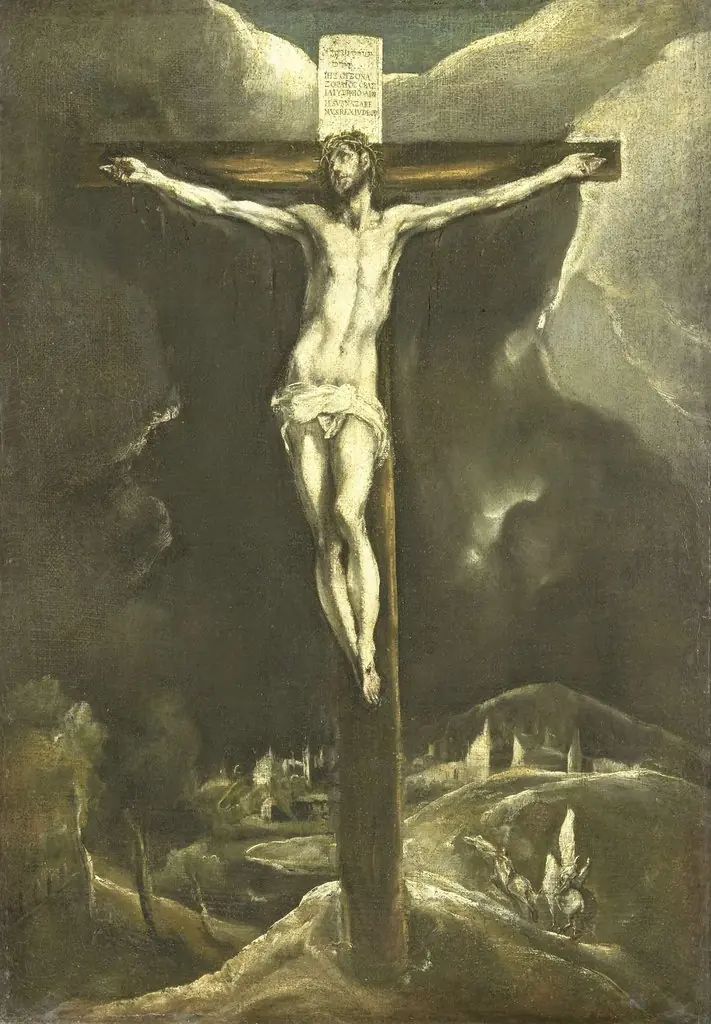
Cristo crucificado is an oil painting by the Post-Impressionist artist Francisco Domingo Marqués. It dates from 1894 and is held in the collection of the Museo del Prado.
About this work
Subject & Meaning
The composition serves to represent the sacrifice of Christ, adhering to the established visual language of religious depictions of the event.
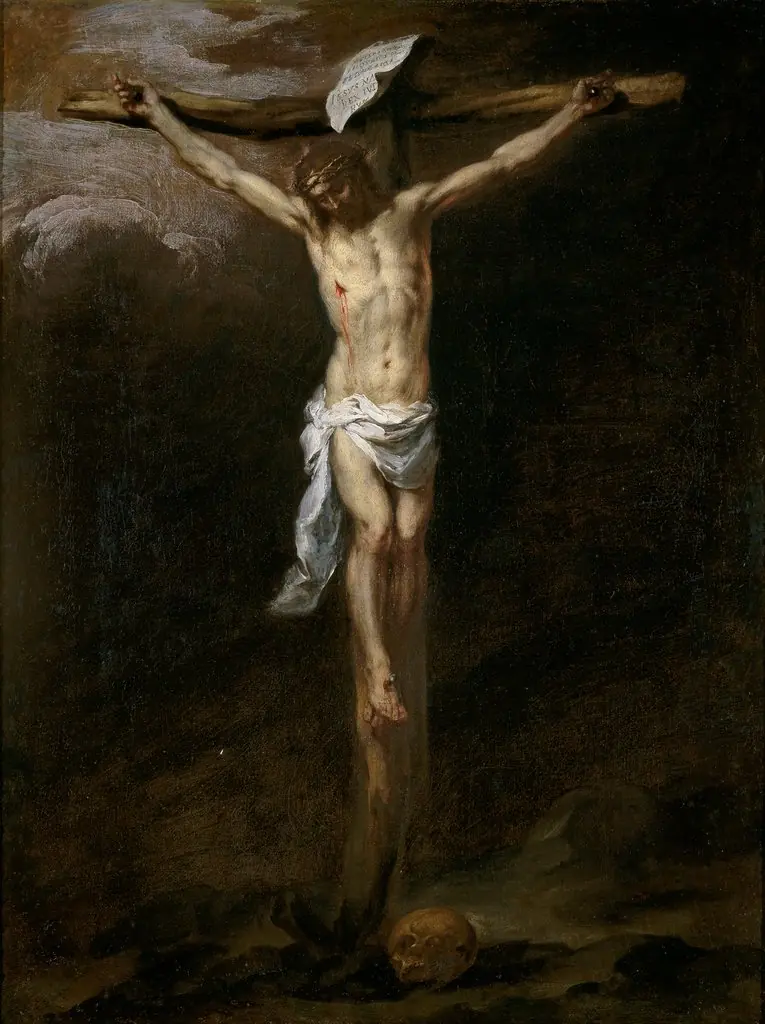
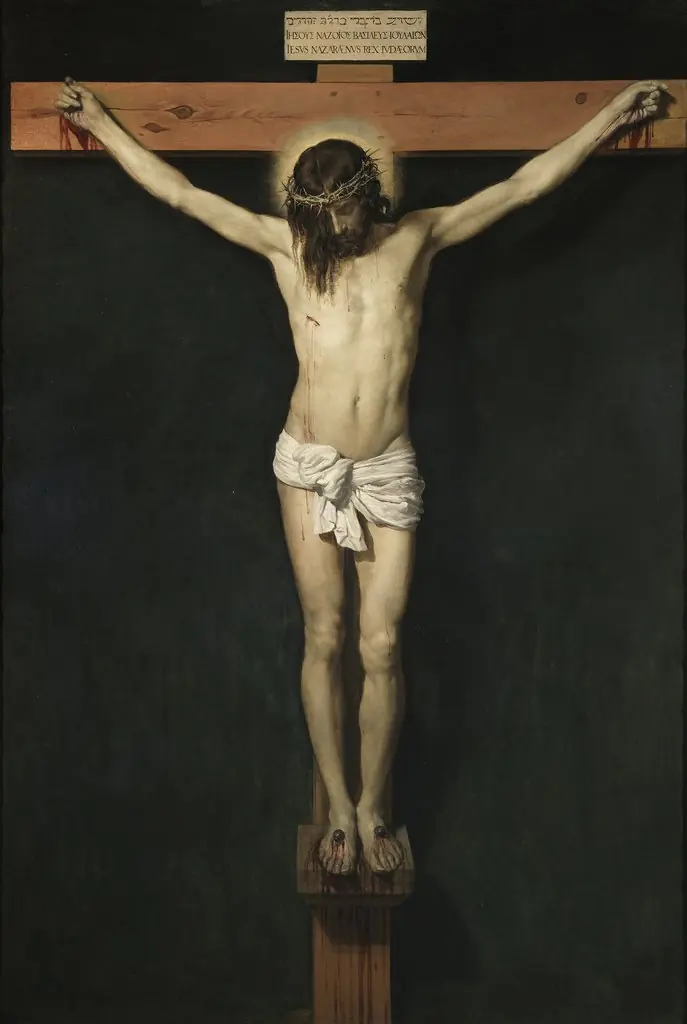
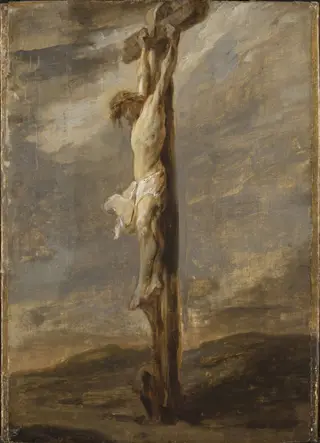
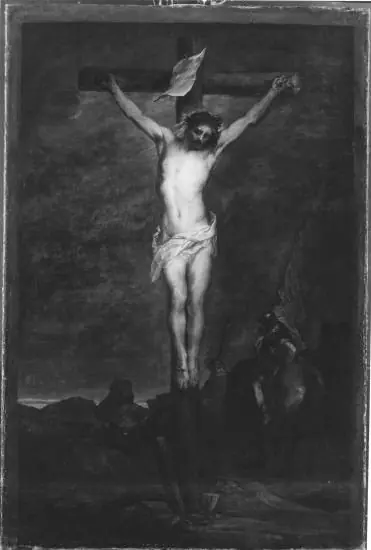
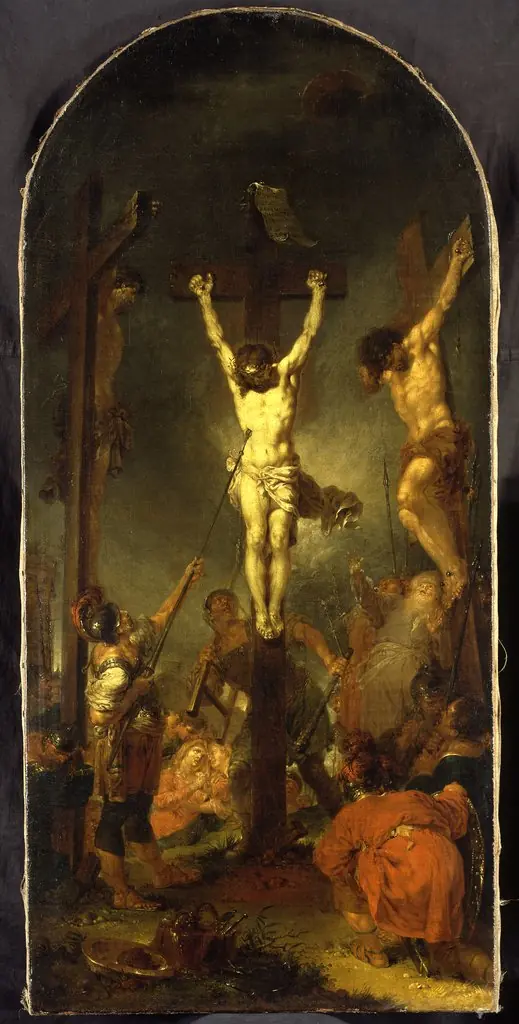
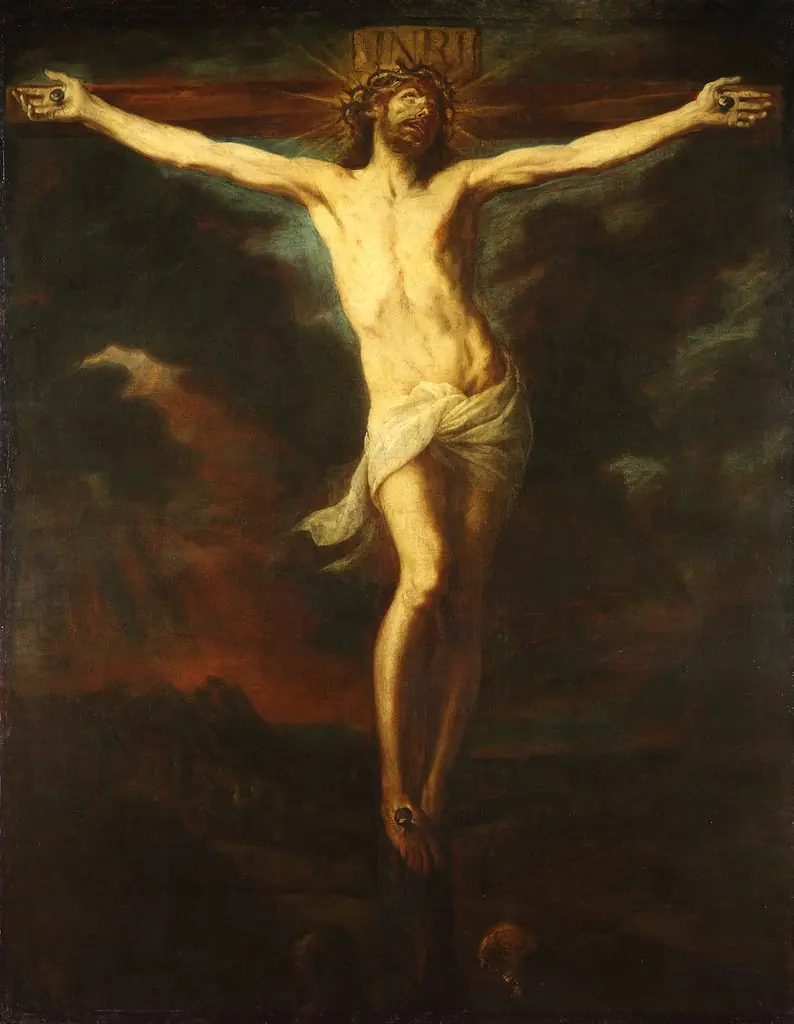
Francisco Domingo Marqués's Cristo crucificado is a religious painting that depicts the crucifixion of Jesus Christ. The work centers on the figure of Jesus affixed to a cross, presenting the traditional iconography of the Passion. As a piece of religious art, the subject matter focuses entirely on this pivotal moment of Christian theology, where the central figure is shown in the state of being crucified.
The composition serves to represent the sacrifice of Christ, adhering to the established visual language of religious depictions of the event.
Technique & Style
The work is an oil painting executed on wooden panel, reflecting a religious composition centered on the crucifixion of Jesus. Its dimensions measure 43 cm in height by 22 cm in width, consistent with the format recorded for small devotional works of the period. The handling of light and the restrained palette underscore a solemn, intimate devotional tone typical of late 19th-century Spanish religious painting.
The surface bears the characteristic texture of oil on panel, with fine brushwork that delineates the anatomical realism of the figure while maintaining a devotional abstraction in the surrounding space.
History & Provenance
Francisco Domingo Marqués painted Cristo crucificado in 1887, an oil on panel work measuring 43 cm by 22 cm. The painting entered the collection of the Museo del Prado, where it remains on display.
The work was created as an independent religious composition, reflecting the artist’s focus on devotional subjects during the late 19th century.
Cristo crucificado, painted by Francisco Domingo Marqués in 1887, is held in the permanent collection of the Museo del Prado in Madrid. According to the available records, the work is catalogued within the museum's holdings as an oil-on-panel religious painting, with a recorded height of 43 cm and width of 22 cm. No specific inventory or accession number is provided in the available sources, nor is any exhibition history documented beyond its inclusion in the Prado's collection.
Overview
Francisco Domingo Marqués’s 1894 oil painting, titled Cristo crucificado, presents a stark representation of the crucifixion. Executed in a dark background, the work focuses on the figure of Christ nailed to a wooden cross, emphasizing the physical suffering and spiritual gravity of the scene. The painting is part of the collection of the Museo del Prado.
Context
Cristo crucificado belongs to a tradition of Spanish crucifixion imagery that intensified during the late 19th century, a time when artists revisited religious subjects with heightened realism. Marqués’s approach aligns with contemporary trends toward dramatic lighting and tactile surface treatment, echoing broader European movements toward expressive realism.
Artist & collection
Artist
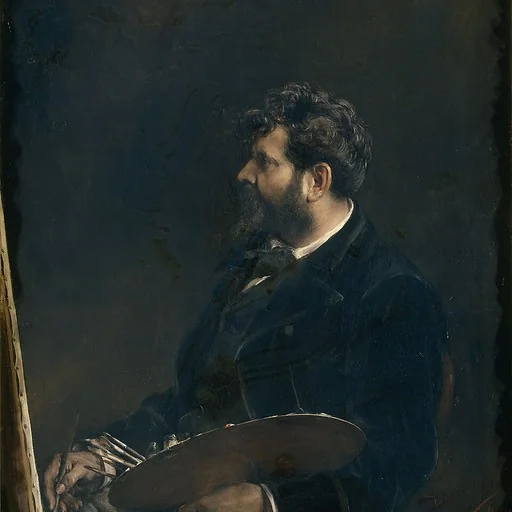
Francisco Domingo Marqués (1842–1920) was an artist, born in Valencia.