Artwork
The Victorious Hannibal Seeing Italy from the Alps for the First Time
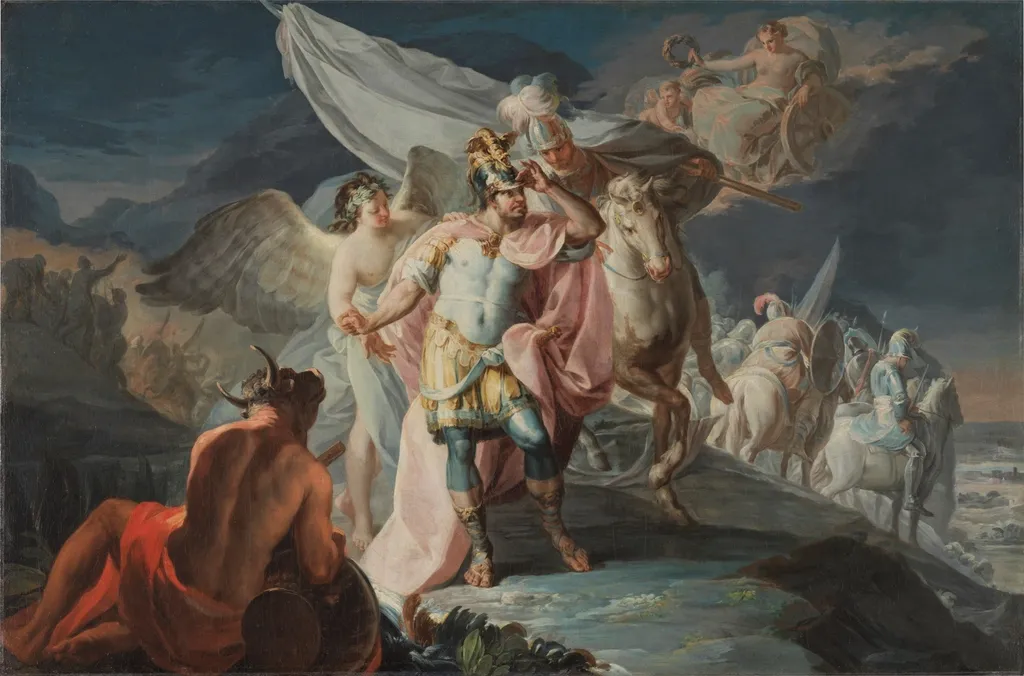
The Victorious Hannibal Seeing Italy from the Alps for the First Time is an oil painting by the Rococo painting artist Francisco de Goya. It dates from 1770 and is held in the collection of the Museo del Prado.
About this work
Overview
Francisco Goya’s early oil on canvas, titled The Victorious Hannibal Seeing Italy from the Alps for the First Time, portrays the Carthaginian commander perched on the Alpine ridge, gazing toward the Italian plains. Executed in the artist’s formative period, the work stands as the earliest securely documented painting in Goya’s oeuvre, offering a rare glimpse of his nascent visual language.
Subject & Meaning
The composition captures a moment of triumph and anticipation as Hannibal, having surmounted the formidable mountain barrier, surveys the land he intends to invade. By focusing on the commander’s contemplative stance rather than the ensuing battle, the painting emphasizes strategic foresight and the psychological weight of conquest.
Technique & Style
Rendered in oil, the piece employs a muted palette of earth tones that convey the starkness of the Alpine environment. Goya’s handling of light suggests the dawning sun illuminating the distant horizon, while loose brushwork hints at the rugged terrain, foreshadowing the more expressive techniques he would later develop.
History & Provenance
Created during Goya’s early artistic development, the painting is the oldest work with verifiable documentation in his catalogue. Its provenance traces back to private collections in Spain before entering public holdings, where it has been referenced as a key reference point for scholars studying the painter’s early career.
Own this work as a print
Artist & collection
Artist
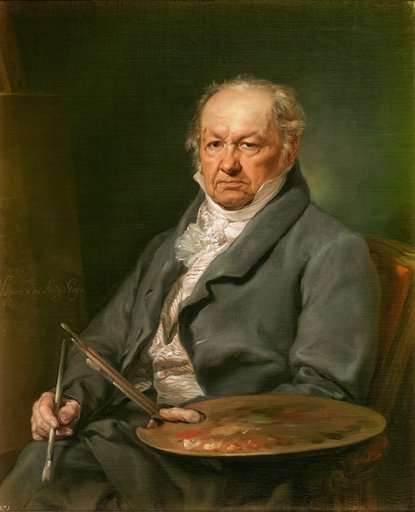
Francisco José de Goya y Lucientes was a Spanish romantic painter and printmaker.





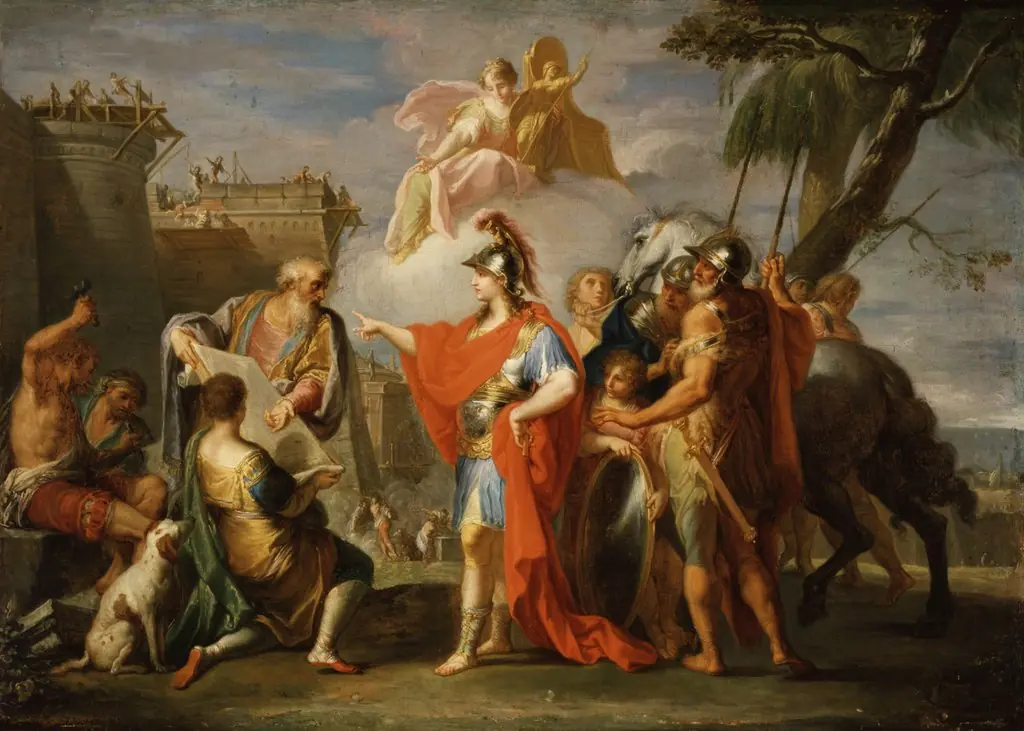 Alexander the Great Founding Alexandria
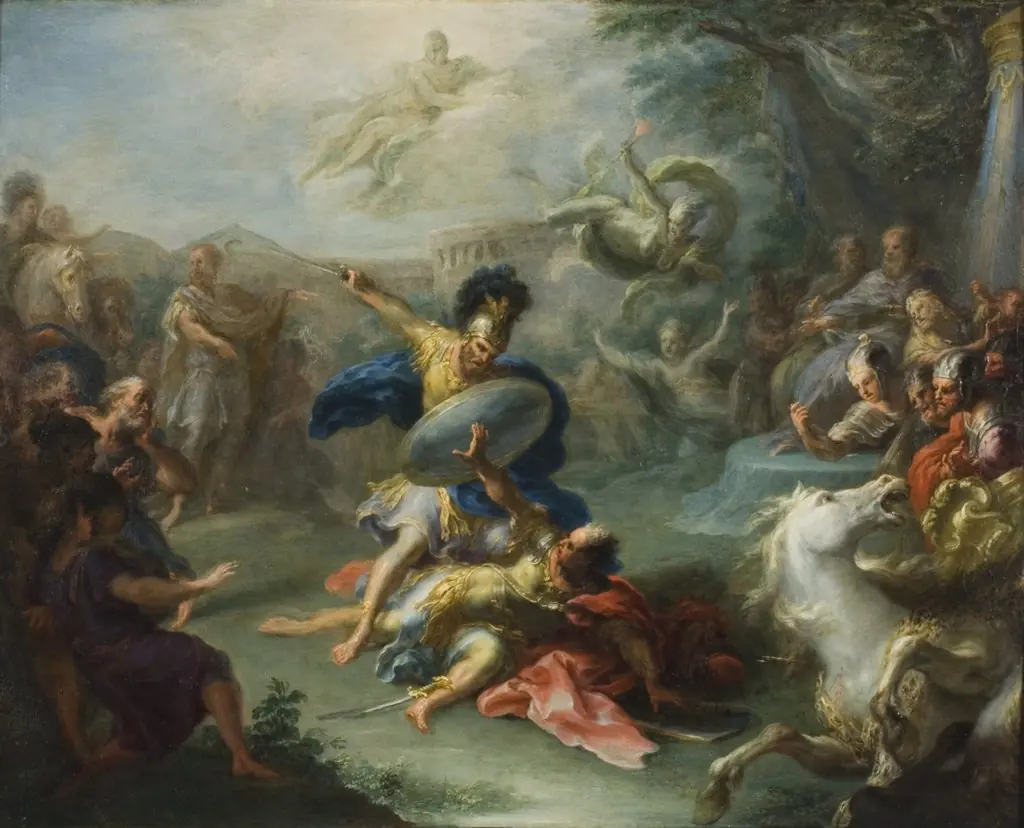 The Fight between Aeneas and King Turnus, from Virgil’s Aeneid
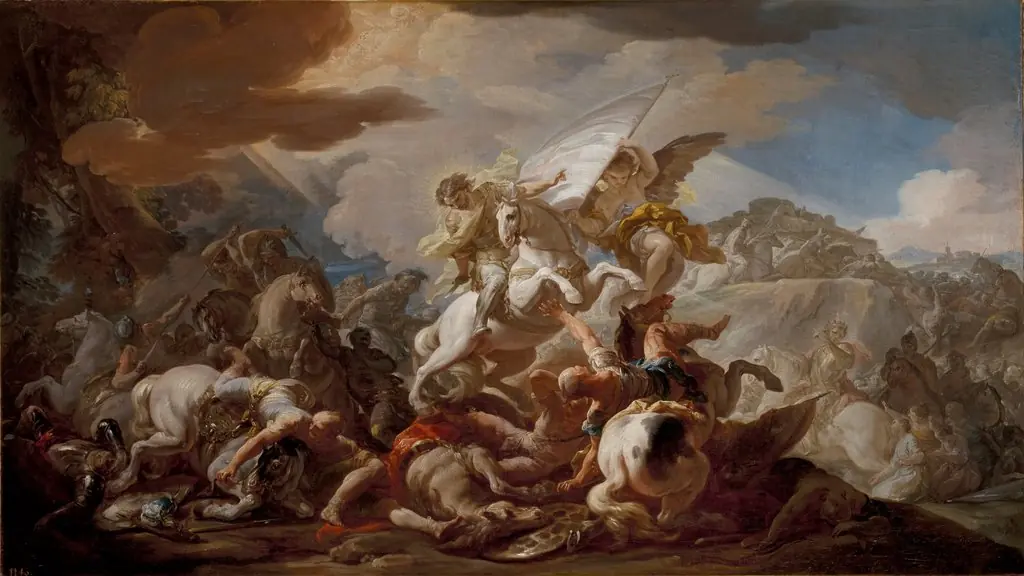 Battle of Clavijo
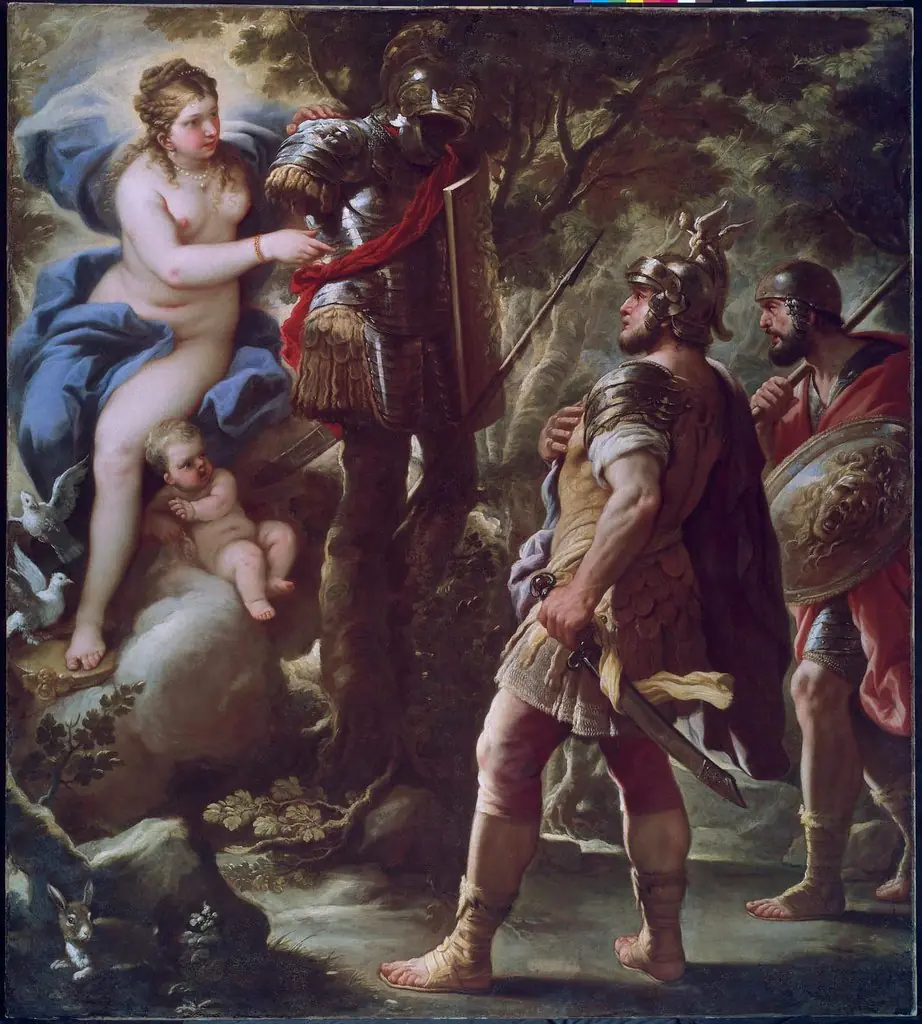 Venus Giving Arms to Aeneas
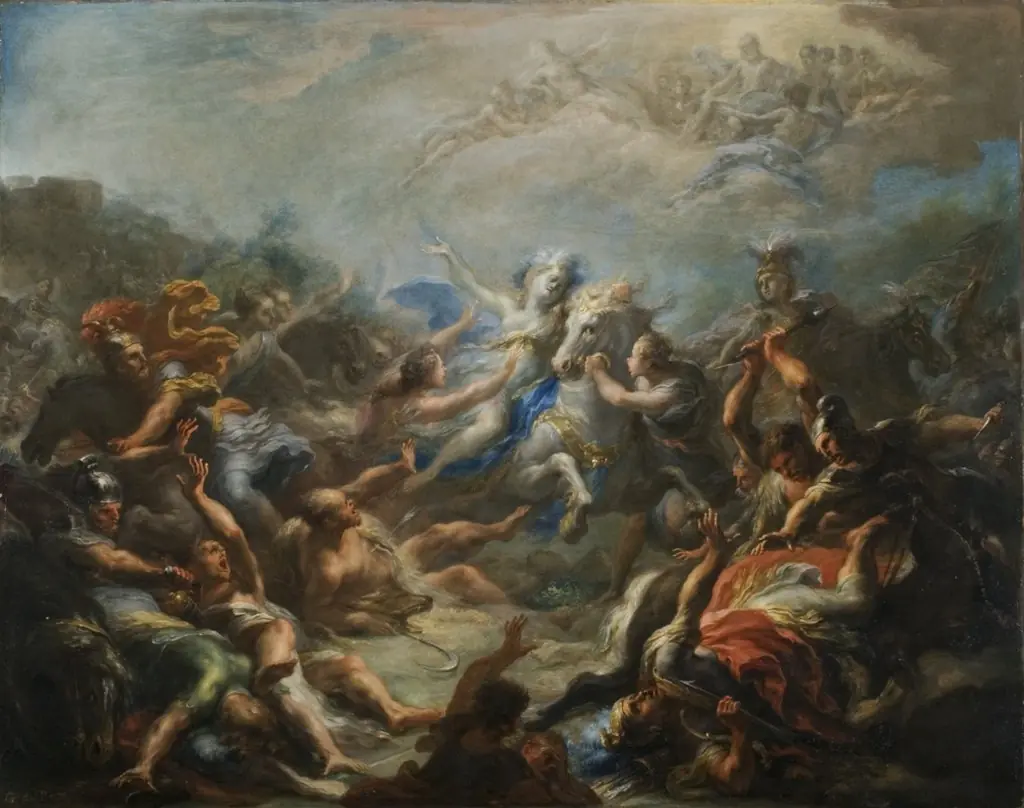 Camillia at War from Virgil's Aeneid
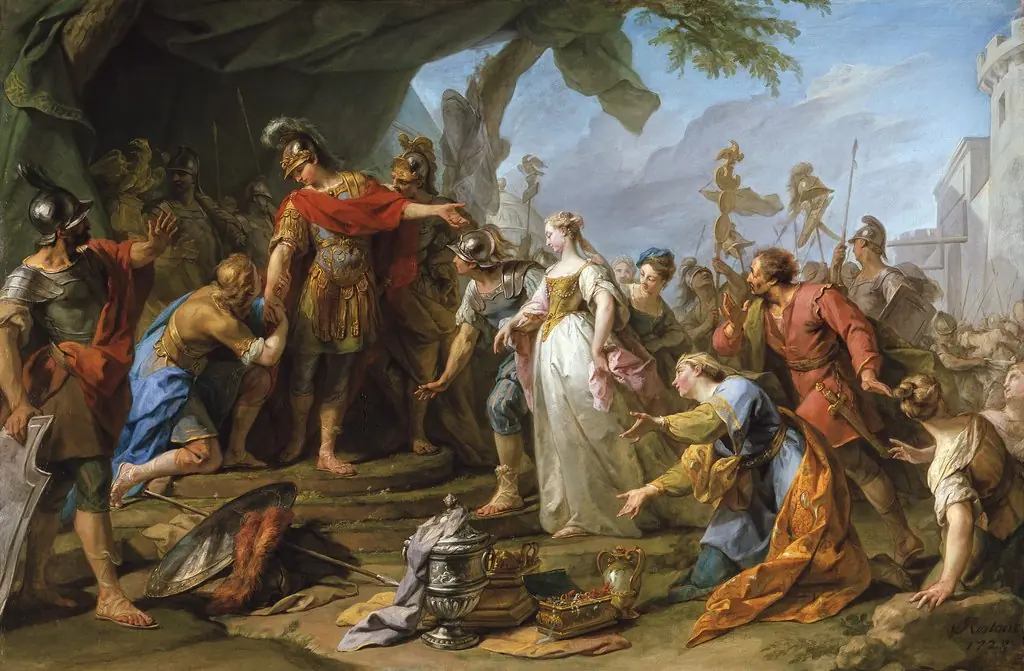 The Generosity of Scipio
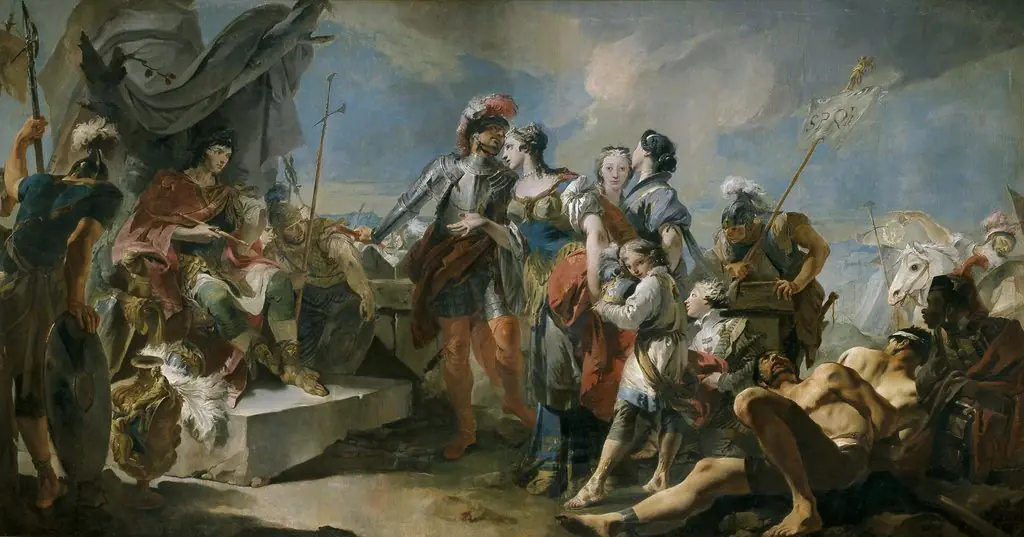 Queen Zenobia before the Emperor Aurelian
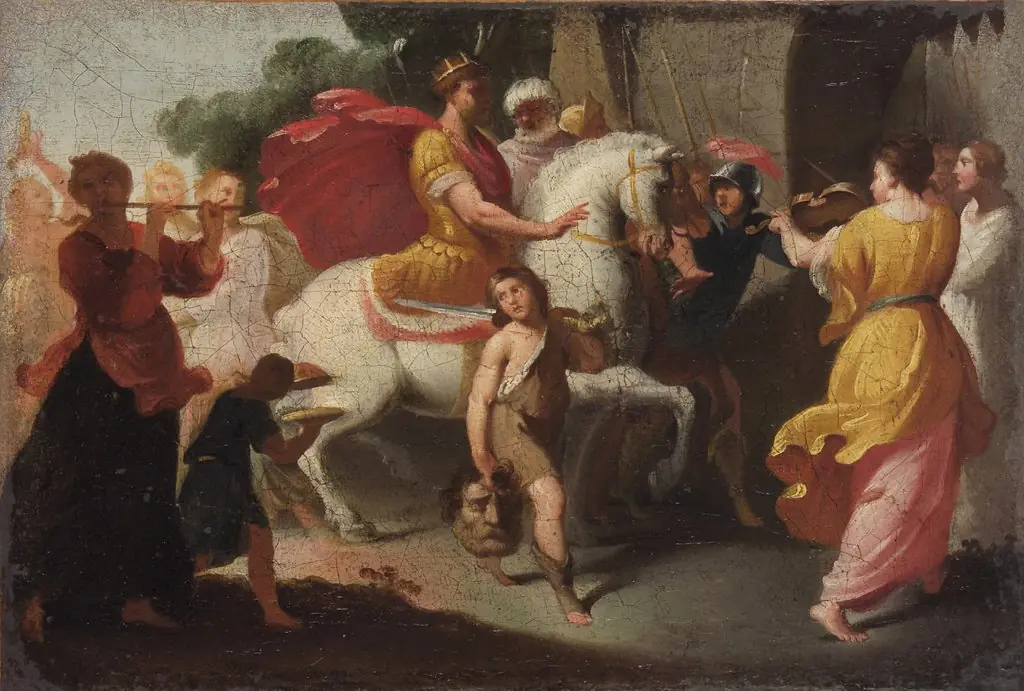 Triumph of David after defeating Goliath
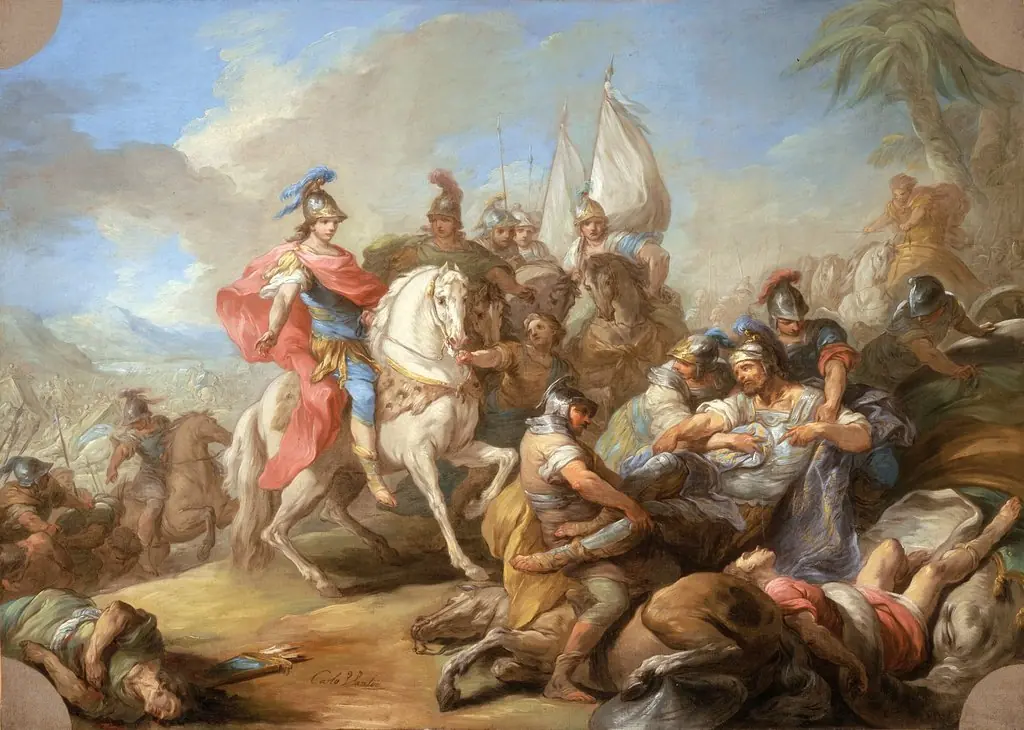 The Victory of Alexander over Porus
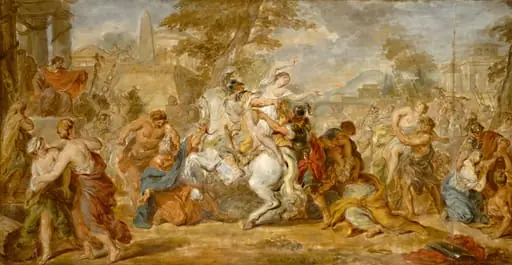 The Rape of the Sabine Women
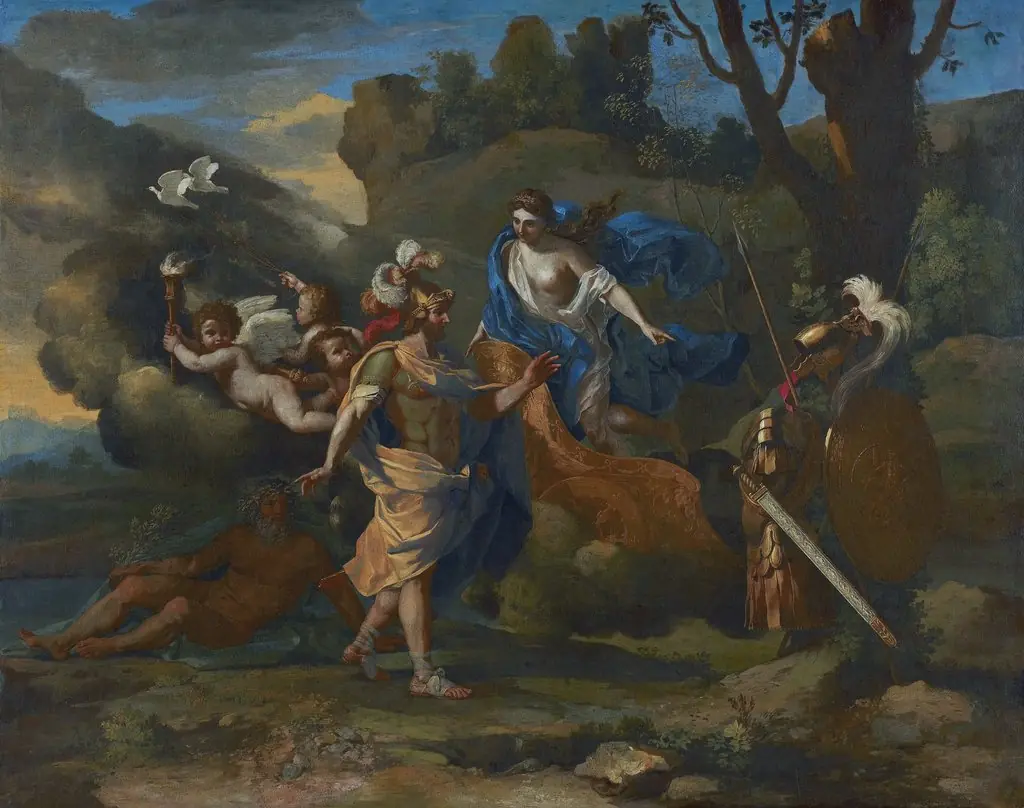 Venus, Mother of Aeneas, presenting him with Arms forged by Vulcan"
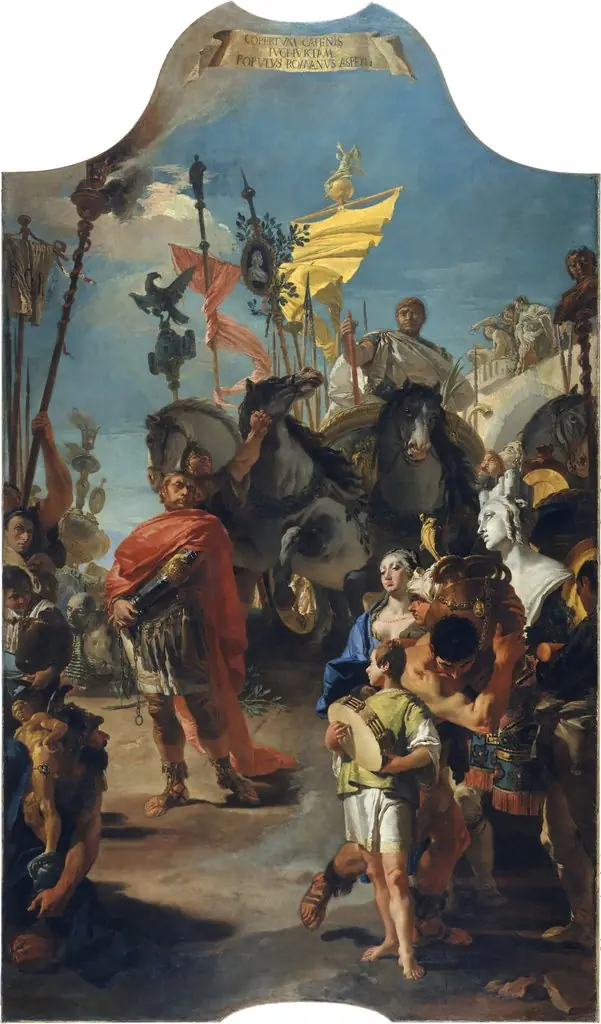
- The Triumph of Marius