Artwork
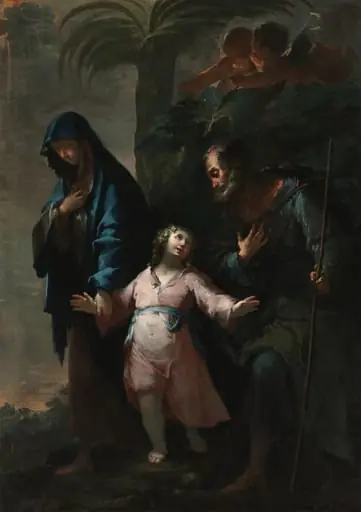
Santa Ana conduciendo a la Virgen
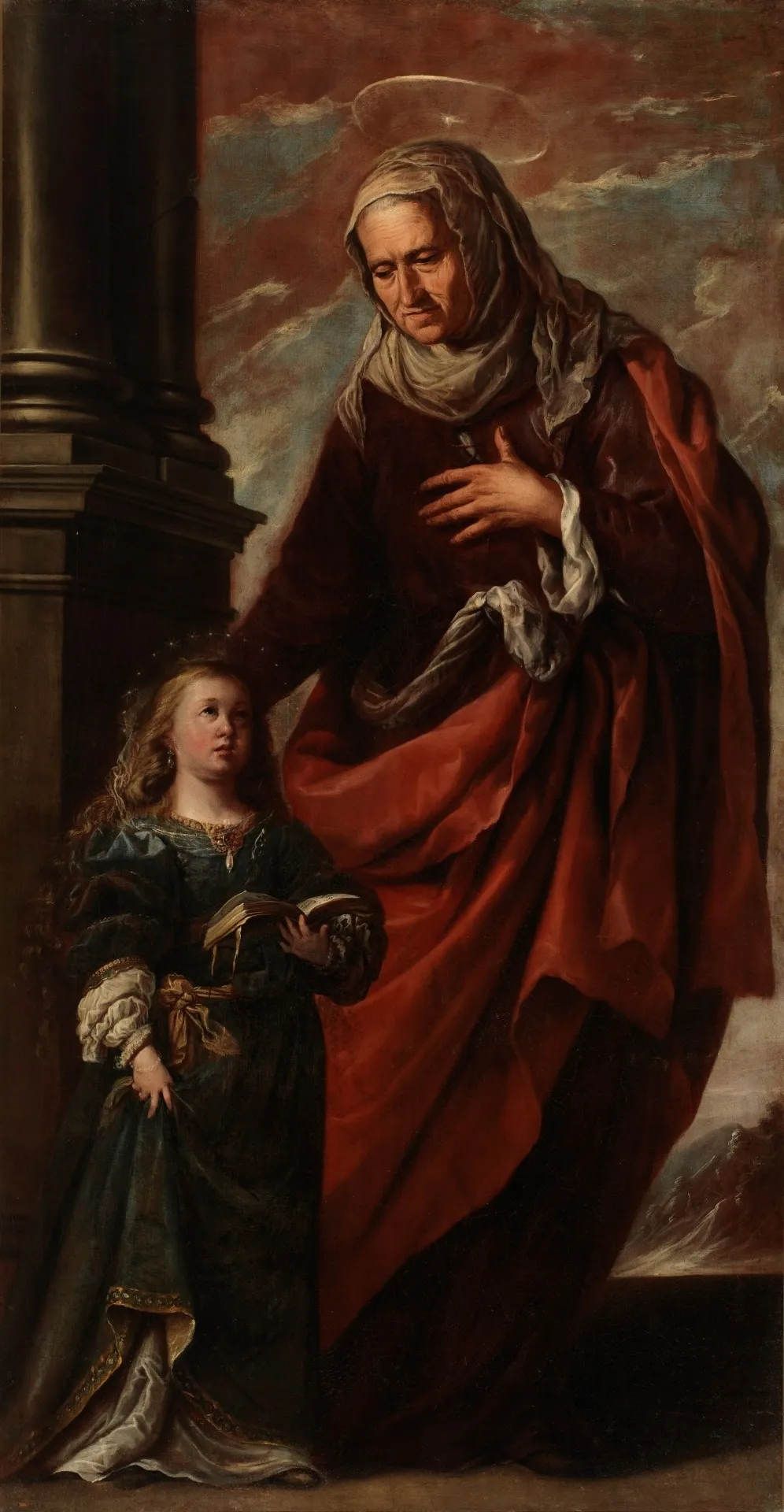
Santa Ana conduciendo a la Virgen is an oil painting by the Early Baroque Italian artist Francisco Pérez Sierra. It dates from 1675 and is held in the collection of the Museo del Prado.
About this work
Subject & Meaning
The painting shows Saint Anne holding the infant Virgin, with the Virgin gesturing toward a book held by the child. This composition emphasizes the transmission of sacred knowledge and maternal lineage within Catholic devotional practice. The book functions as an attribute of the Virgin, symbolizing wisdom and scriptural authority.
Technique & Style
The work is classified as a painting within the religious genre, consistent with its subject matter depicting the Virgin accompanied by Saint Anne.
Santa Ana conduciendo a la Virgen is executed in oil paint on canvas, a standard support for Spanish Baroque religious painting of the period. The canvas measures 209 cm in height by 110 cm in width, giving it a markedly vertical format suited to its devotional function. The work is classified as a painting within the religious genre, consistent with its subject matter depicting the Virgin accompanied by Saint Anne.
The medium and dimensions recorded for the canvas correspond to those documented for the work held at the Church of Saint Jerome the Royal and associated with the Museo del Prado and Museo de la Trinidad collections.
History & Provenance
Painted in 1675, the work was created by Francisco Pérez Sierra and is dated to that year in both the internal record and the Museo del Prado’s linked Wikidata entry.
The painting entered the Prado’s holdings via the Museo de la Trinidad, which had earlier absorbed works from the Discalced Carmelites’ Church of Saint Jerome the Royal in Madrid. The canvas measures 209 cm in height and 110 cm in width.
Overview
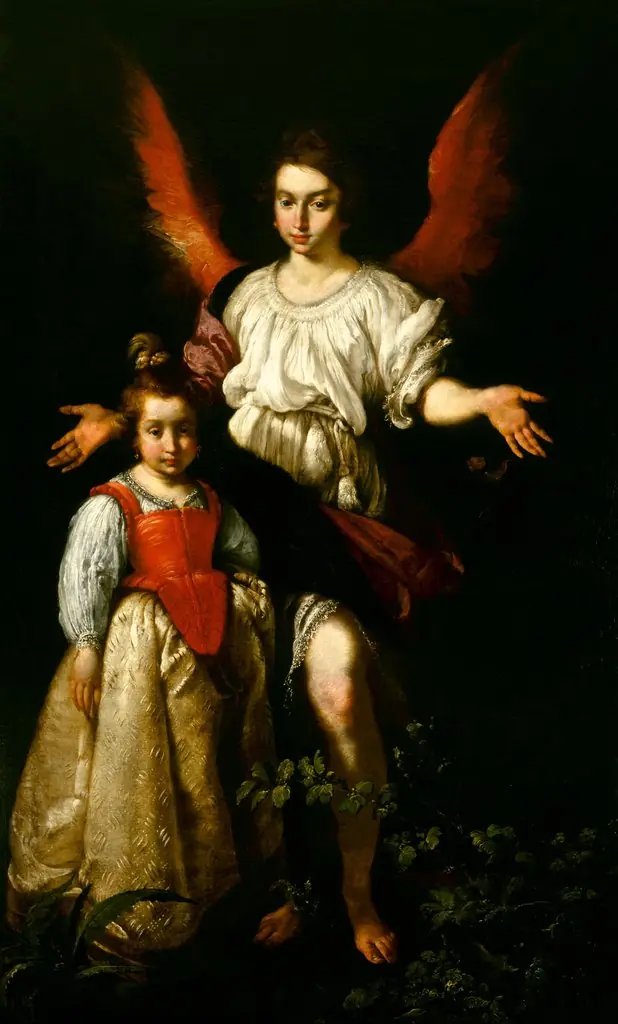
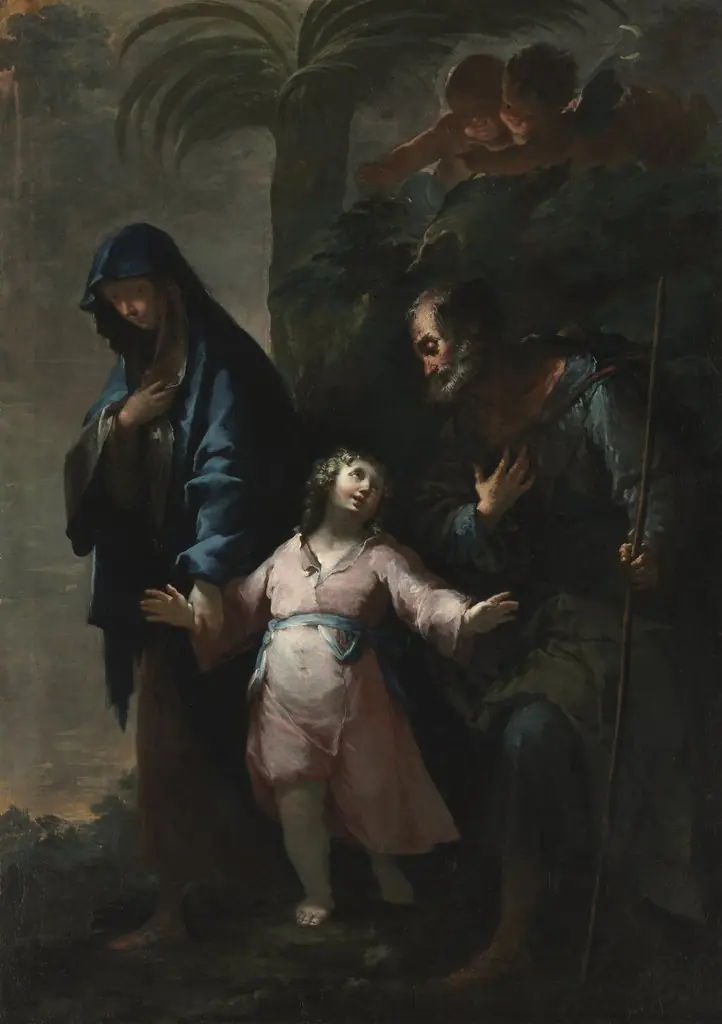
Created in 1675 by Francisco Pérez Sierra, a painter of Spanish origin who worked in Naples, this oil on canvas presents a devotional scene. The composition features an elderly woman guiding a young girl, both rendered with careful attention to drapery and expression, and is currently part of the Prado Museum’s collection.
Context
The work reflects the cross‑cultural currents of 17th‑century Naples, where Spanish patrons and Italian artistic traditions intersected. Religious subjects such as Saint Anne and the Virgin were popular commissions, allowing artists like Pérez Sierra to blend dramatic lighting with intimate, narrative moments typical of the period’s devotional art.
Artist & collection
Artist
Francisco Pérez Sierra (c. 1627 in Naples – 1709) was a Neapolitan painter of Spanish descent. According to Antonio Palomino, he was the son of a Spanish general. He was a disciple of Aniello Falcone and Juan de…