Artwork
Boy with a Lute
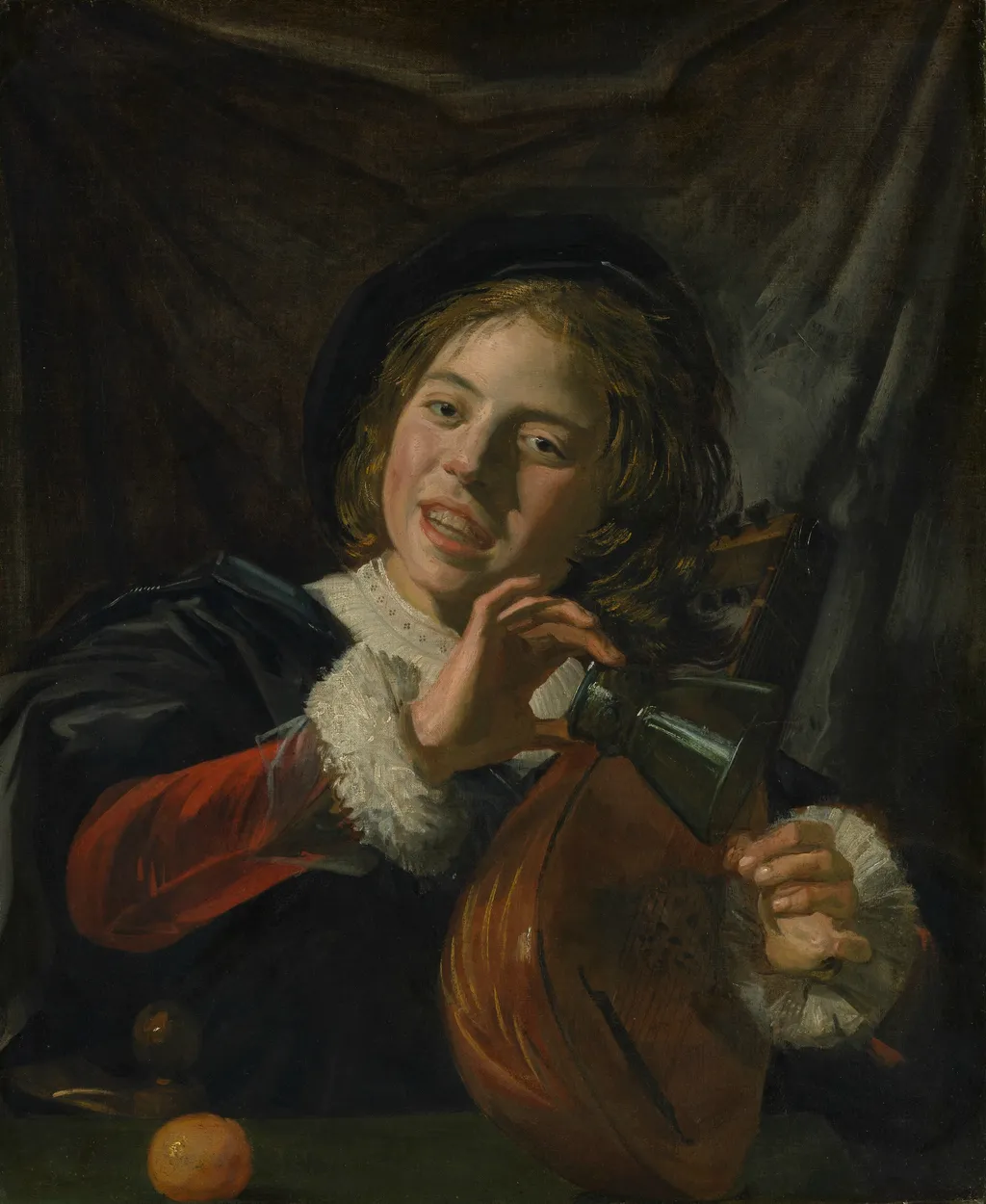
Boy with a Lute is an oil painting by the Dutch Golden Age artist Frans Hals. It dates from 1626 and is held in the collection of the Metropolitan Museum of Art.
About this work
Subject & Meaning
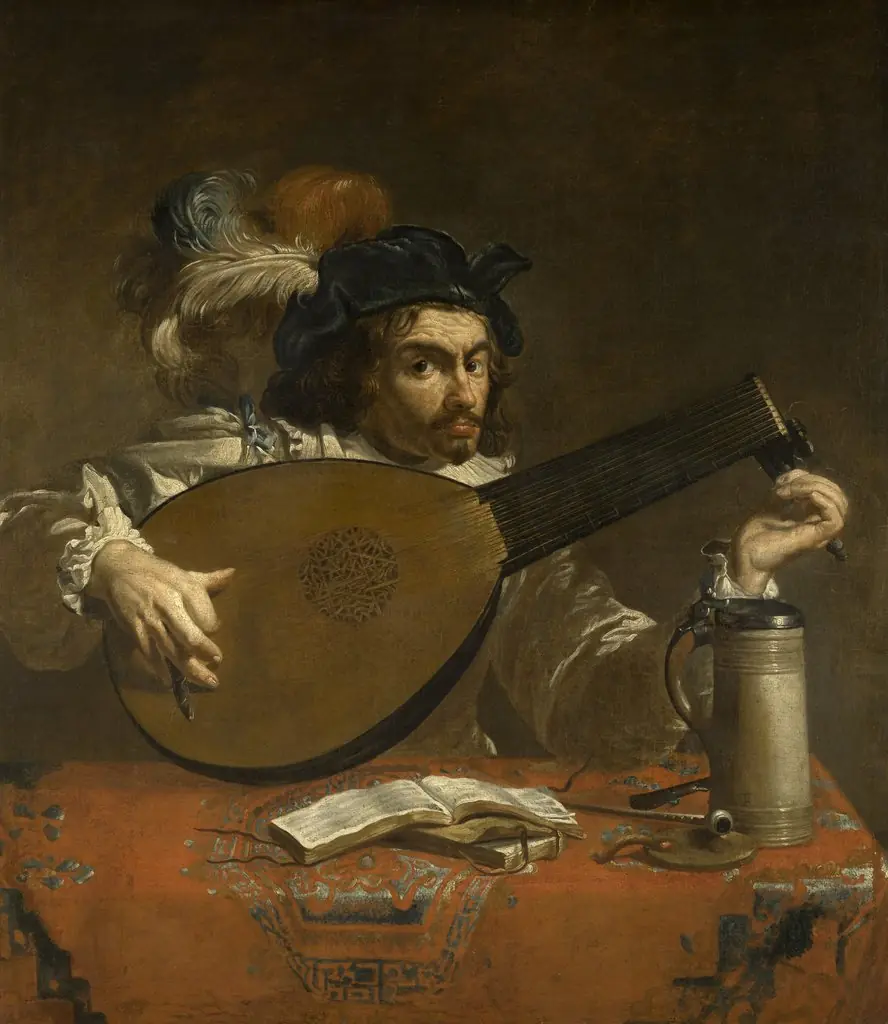
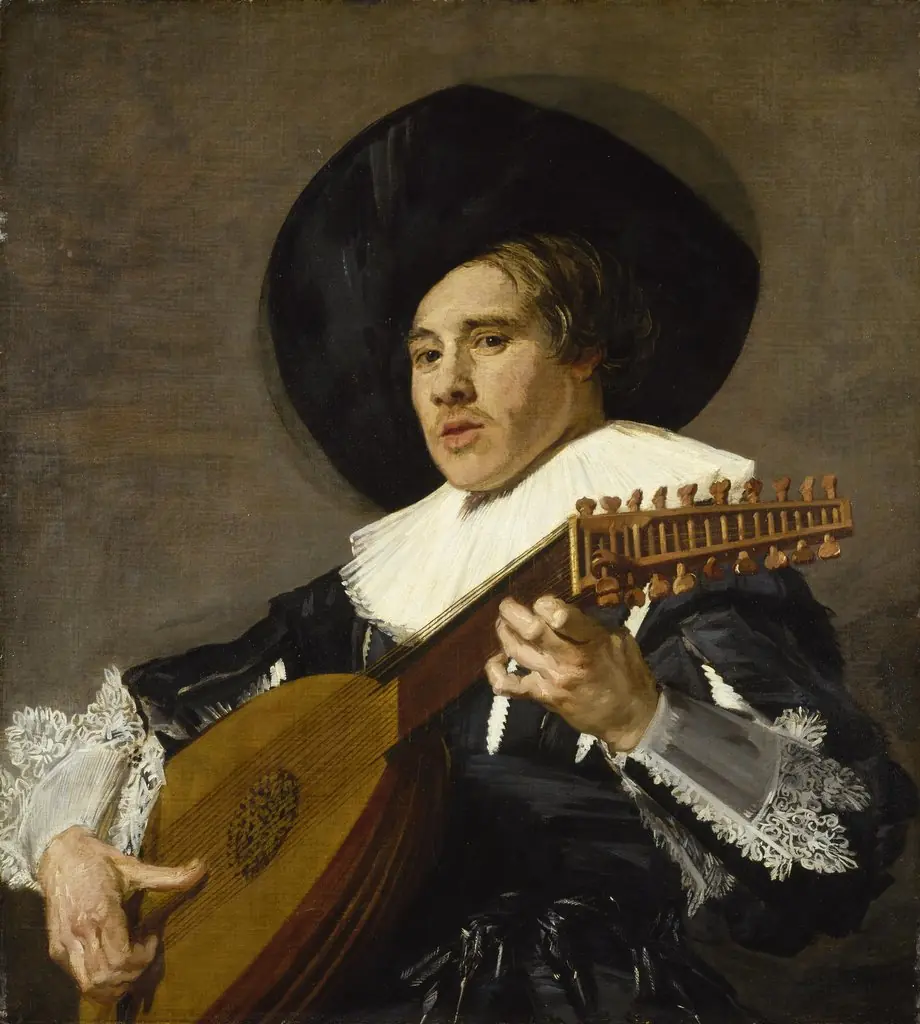
The painting depicts a young lute-player wearing a beret and a draped cloak, seated at a table in theatrical costume.
The painting depicts a young lute-player wearing a beret and a draped cloak, seated at a table in theatrical costume. The figure tilts a wine glass downward to demonstrate it is empty, a gesture known in the 17th century as 'the fingernail test,' used to signal a request for a refill. By facing the viewer directly, the boy conveys the contemporary Dutch sentiment that 'the glass is empty, time is up.'
This interaction transforms the genre scene into a symbolic representation of transience and the passage of time. The inclusion of the lute and the specific gesture of inverting the vessel to check for remaining drops anchors the work in the cultural practices of Dutch tavern life.
Technique & Style
Created in 1626, Boy with a Lute is an oil-on-canvas painting measuring 72.1 by 59.1 centimeters. The work depicts a young musician in a beret and draped cloak, utilizing the artist's characteristic handling of paint to render the figure's upward glance and the empty wine glass. Art historical analysis notes that the application of paint shares similarities with Judith Leyster's works, such as Two children with a cat, while the composition features a figure seated behind a table, a theme typical of Leyster.
The painting's style has led to an attribution debate between Frans Hals and Judith Leyster, with some scholars suggesting it originates from Hals's circle. The subject's gesture of tilting the glass to reveal a drop on the fingernail is rendered with the loose, energetic brushwork associated with Dutch Golden Age genre scenes.
History & Provenance
Boy with a Lute was painted in 1626 in Haarlem. The attribution has long been contested, with early scholarship linking it to Frans Hals and later analysis suggesting Judith Leyster. The painting passed through several European dealers including Dowdeswell, C. Wertheimer, and Kleinberger-Wildenstein before entering the collection of Benjamin Altman, who donated it to the Metropolitan Museum of Art.
The work was exhibited in Dublin in 1857. Prior to entering the museum, it also passed through the collection of J. Napper at Lough Crew Castle. It is also identified in historical records as The Fingernail Test or Boy with a glass and a lute.
Context
Painted in 1626 in Haarlem during the Dutch Golden Age, Boy with a Lute has long been situated within the orbit of Frans Hals, though its attribution has been contested. For centuries the work was given to Hals, but art historian Claus Grimm reassigned it to a painter in Hals's circle, opening the door to a competing attribution to Judith Leyster. According to Hofrichter, the seated figure behind a table is a typical Leyster theme, the upward glance recalls her Violin player, and the handling of paint resembles her Two children with a cat. Hofstede de Groot catalogued the work in 1910 among Hals's oeuvre, tracing its provenance through Dublin and London dealers to Benjamin Altman, whose collection entered the Metropolitan Museum of Art. The painting is also linked compositionally to Hals's Young Man with a Skull.
Legacy
The painting known as Boy with a Lute (or The Fingernail Test) has long been situated within the legacy of Frans Hals, though its attribution has shifted over time. For centuries, it was accepted as a work by Hals, reflecting his influence on Dutch Golden Age genre painting. Art historian Claus Grimm challenged this attribution, suggesting it belonged to Hals's circle rather than the master himself.
Subsequent scholarship has noted stylistic parallels with Judith Leyster, particularly in the figure's pose and paint handling, which echo her Violin Player and Two Children with a Cat. This reattribution has complicated its place in Hals's oeuvre while underscoring the broader significance of Leyster's contributions to the genre.
Overview
This oil on canvas painting, titled Boy with a Lute, dates to 1626 and is a notable work from the Dutch Golden Age. It is currently housed in the Metropolitan Museum of Art in New York City. The artwork depicts a young figure engaged with a musical instrument, characteristic of genre scenes and portraits popular during this period. Its creation is a subject of ongoing art historical discussion regarding its precise authorship.
Own this work as a print
Artist & collection
Artist
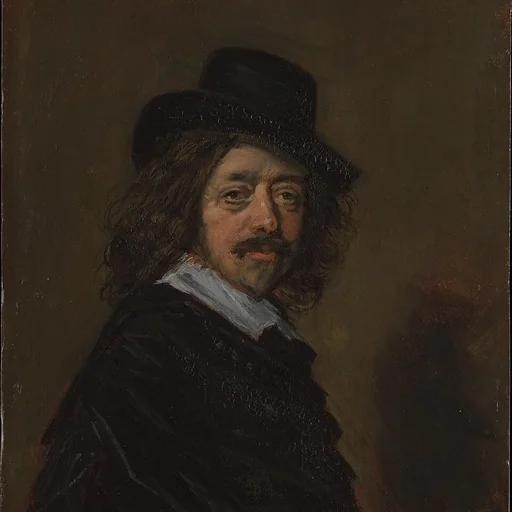
Frans Hals the Elder (UK: US:; Dutch:; c. 1582 – 26 August 1666) was a Dutch Golden Age painter. He lived and worked in Haarlem, a city in which the local authority of the day frowned on religious painting in places of…