Artwork
Portrait of a Member of the Haarlem Civic Guard
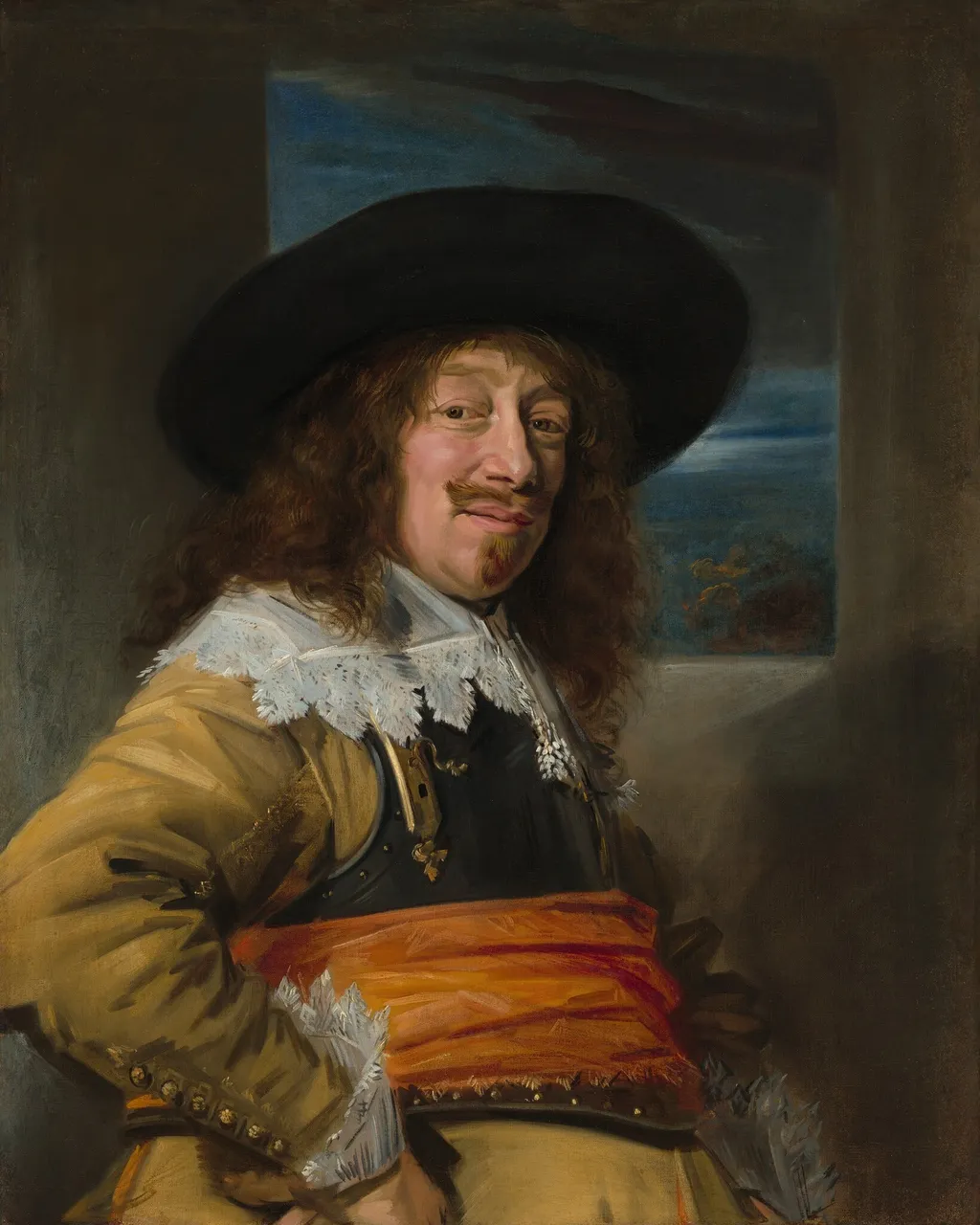
Portrait of a Member of the Haarlem Civic Guard is an oil painting by the Baroque artist Frans Hals. It dates from 1637 and is held in the collection of the Hermitage Museum. This oil on canvas depicts a man from the Haarlem Civic Guard, presented in a confident stance against a somber backdrop.
About this work
Subject & Meaning
The work depicts a specific man identified as a member of the Haarlem schutterij, or civic guard, painted in 1637.
The work depicts a specific man identified as a member of the Haarlem schutterij, or civic guard, painted in 1637. While the painting functions as a formal portrait of an individual, its primary iconographic significance lies in its representation of the Haarlem civic guard institution itself. The subject is not merely a generic figure but a documented participant in this local militia organization, which was a central social and military entity in 17th-century Haarlem.
The depiction serves to commemorate the individual's status and affiliation within this prominent group. The artwork thus represents the intersection of personal identity and civic duty characteristic of Dutch Golden Age portraiture traditions, even when focusing on a single member.
Technique & Style
Executed in oil on canvas, the portrait measures 86 by 69 centimeters and conforms to the standard support and medium of Frans Hals's Haarlem portraiture of the 1630s. The work takes the form of a single-figure portrait of a male member of the Haarlem civic guard, executed in a format consistent with Hals's brisk, alla prima handling of the period. The painting is held in the Andrew W. Mellon Collection at the National Gallery of Art in Washington, D.C., following its transfer from the Imperial Hermitage Gallery and subsequent sale in 1931. No specific condition reports, conservation history, or detailed stylistic analyses are recorded in the available sources.
History & Provenance
Originally part of the collection of Catherine II in Saint Petersburg by 1774, the painting entered the Imperial Hermitage Gallery. In March 1931, the work was sold through a consortium including the Matthiesen Gallery, P. & D. Colnaghi & Co., and M. Knoedler & Co. to Andrew W. Mellon. Mellon deeded the piece to The A.W. Mellon Educational and Charitable Trust in March 1932, and it was subsequently gifted to the National Gallery of Art in Washington, D.C., in 1937.
While the work is currently held by the National Gallery of Art, its historical association with the Hermitage remains a key part of its provenance. The provided sources detail this ownership trajectory but do not list specific public exhibition events or inventory accession numbers beyond the institutional transfers.
Overview
This oil on canvas depicts a man from the Haarlem Civic Guard, presented in a confident stance against a somber backdrop. His polished black armor and intricate lace collar suggest his prominent social standing. The artist's distinctive brushwork imbues the figure with a sense of immediacy and vitality, characteristic of the era's portraiture.
Context
Hals was known for his ability to infuse his portraits, particularly his large-scale group compositions, with individual character and vivacity. His preference for a free and expressive application of paint contrasts with the more meticulous and refined brushwork seen in the contemporary works of artists like Rembrandt. This stylistic difference highlights varying artistic approaches to realism in the Dutch Golden Age.
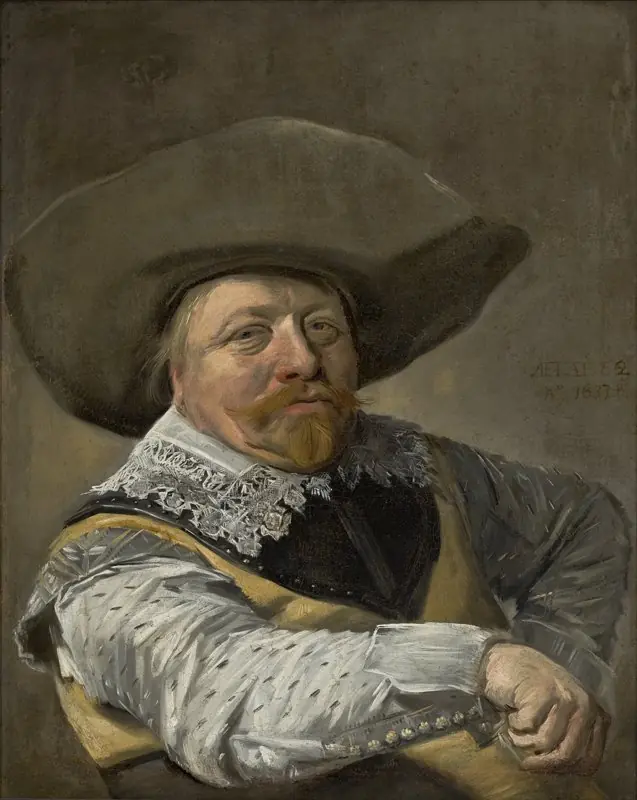
Own this work as a print
Artist & collection
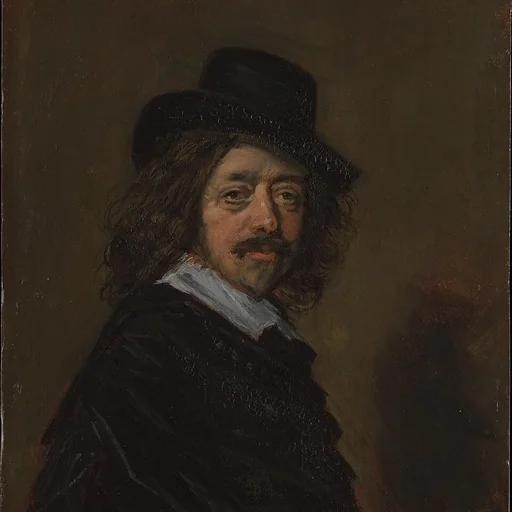
Artist
Frans Hals the Elder (UK: US:; Dutch:; c. 1582 – 26 August 1666) was a Dutch Golden Age painter. He lived and worked in Haarlem, a city in which the local authority of the day frowned on religious painting in places of…

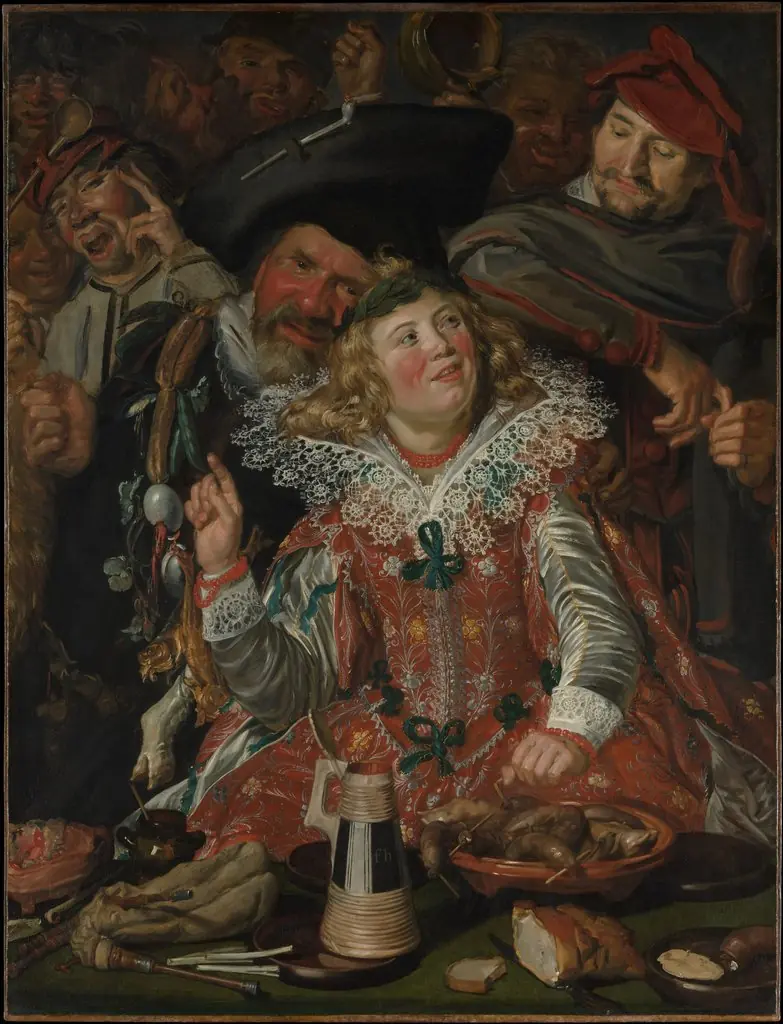
 Portrait of an artist
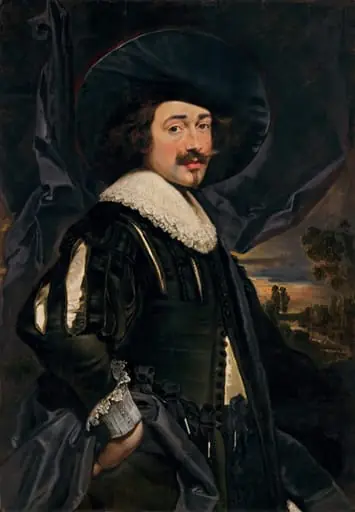 Portrait of a Man in a Wide-Brimmed Hat
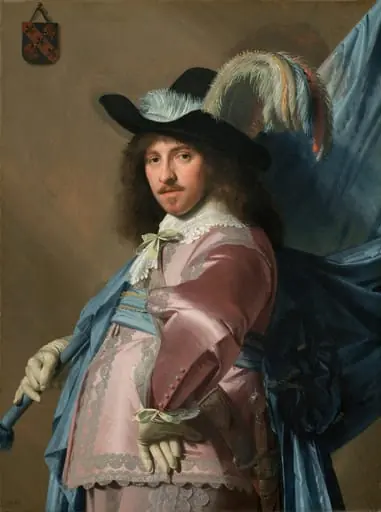 Andries Stilte as a Standard Bearer
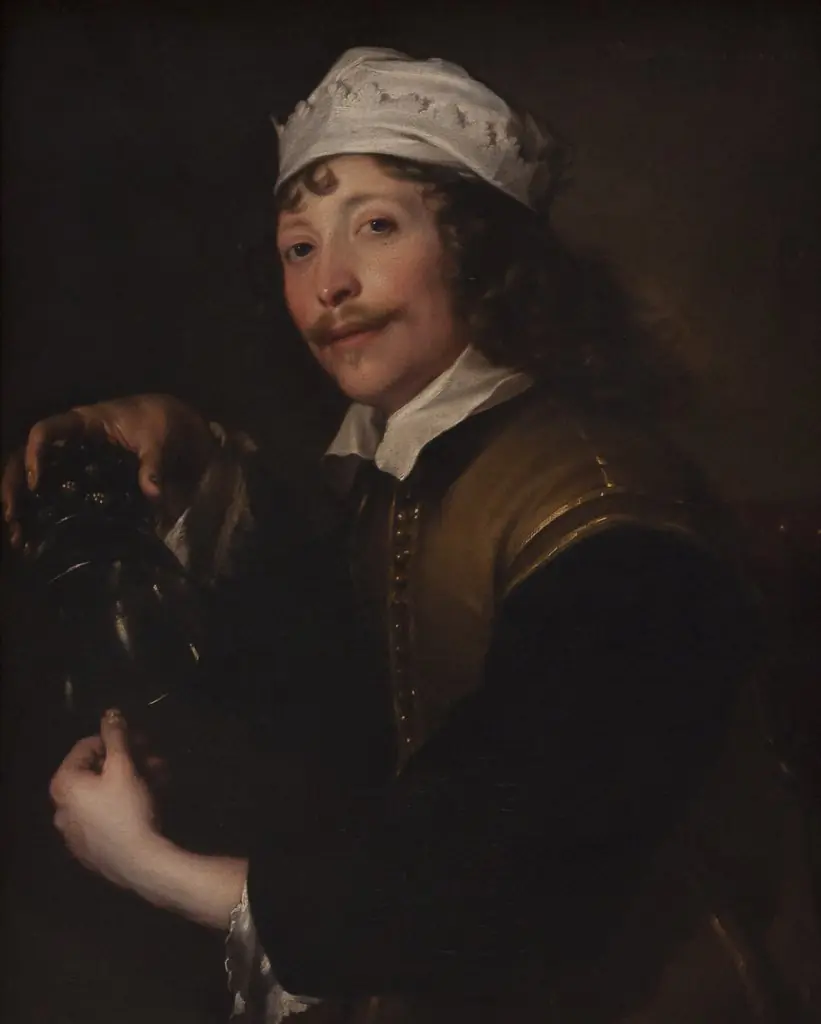 The Fingernail Test
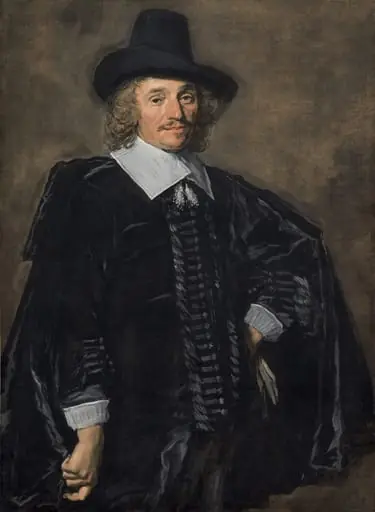 Portrait of a Gentleman
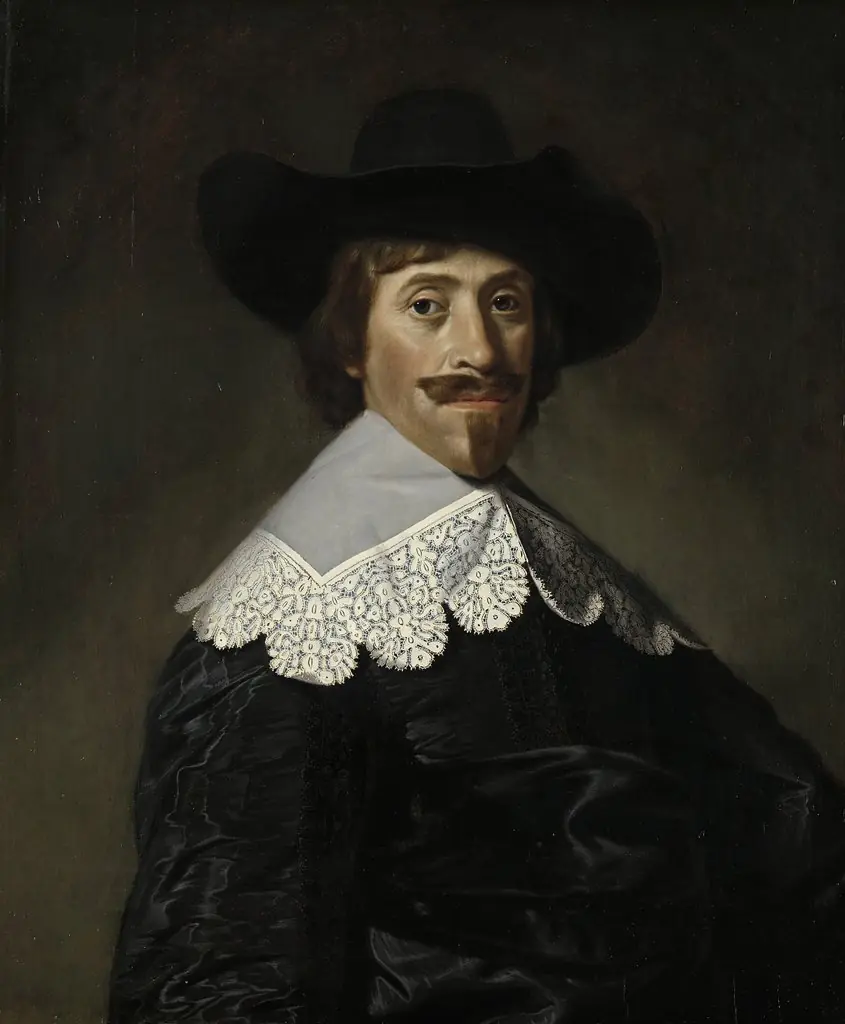 Frederik Dircksz Alewijn (1603-65). Alderman and councillor of Amsterdam
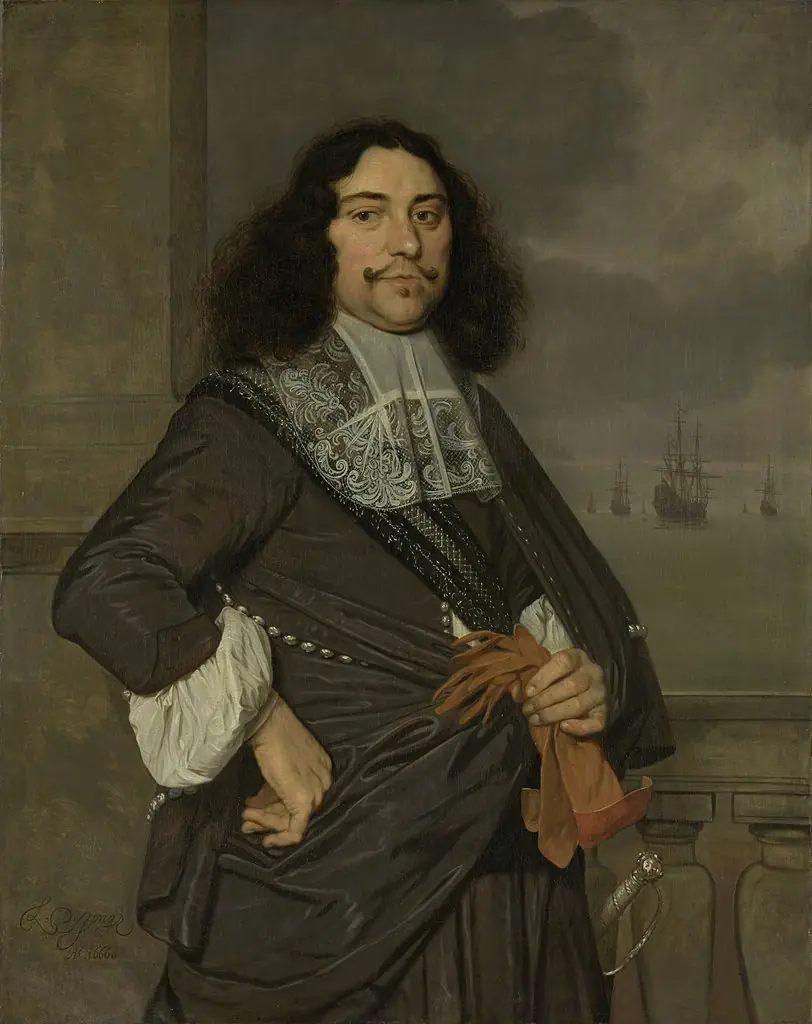 Portrait of Jan van Nes (1631-80). Vice admiral of Holland and West-Friesland
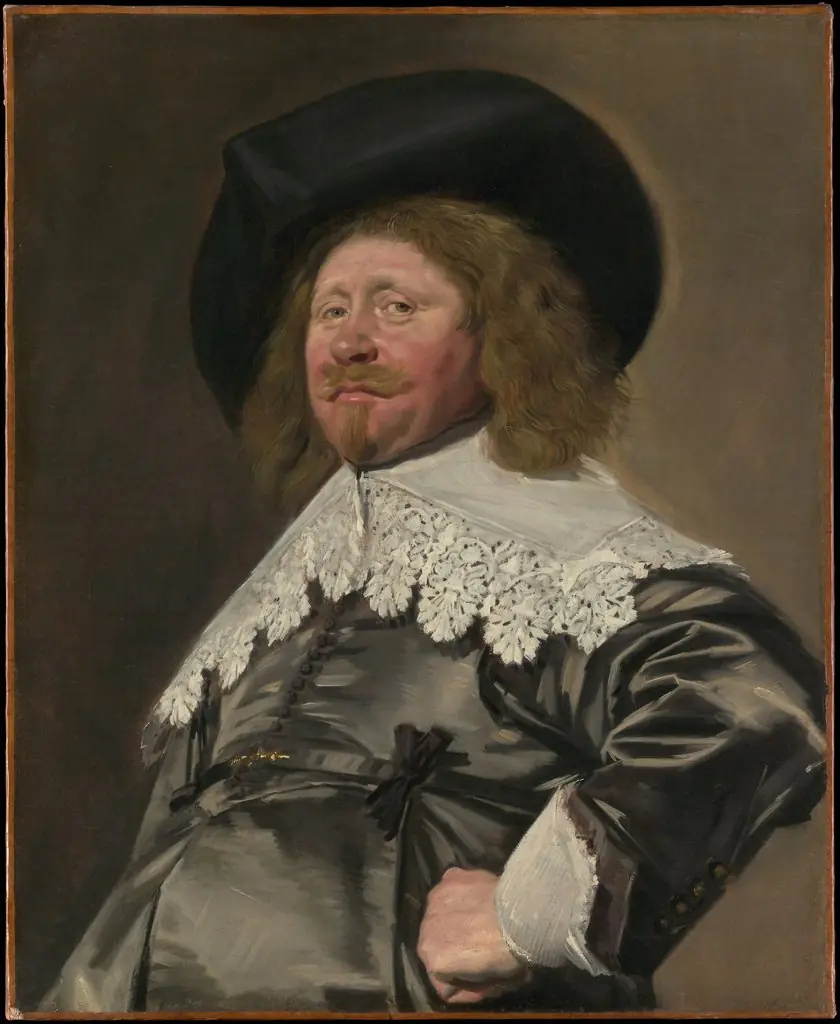 Portrait of Claes Duyst van Voorhout
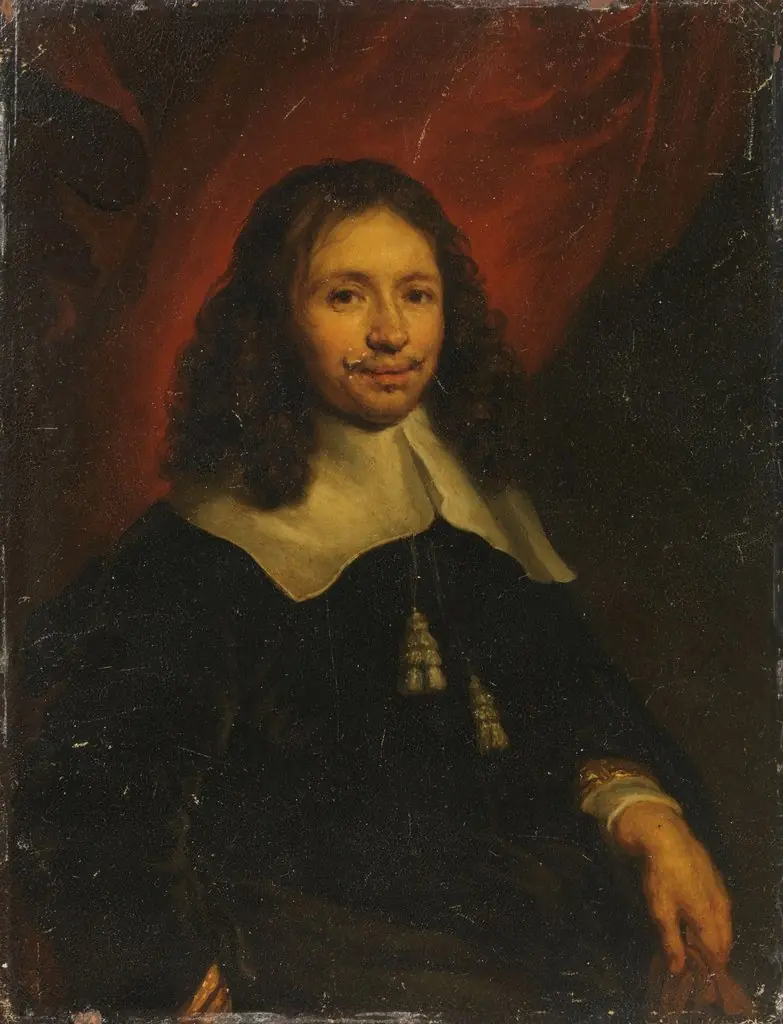 Dionijs Wijnands (1628-73). Amsterdam merchant