Artwork
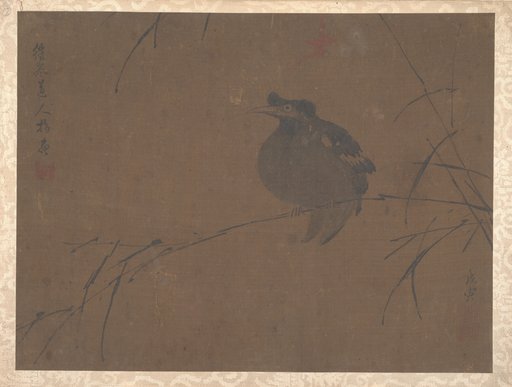
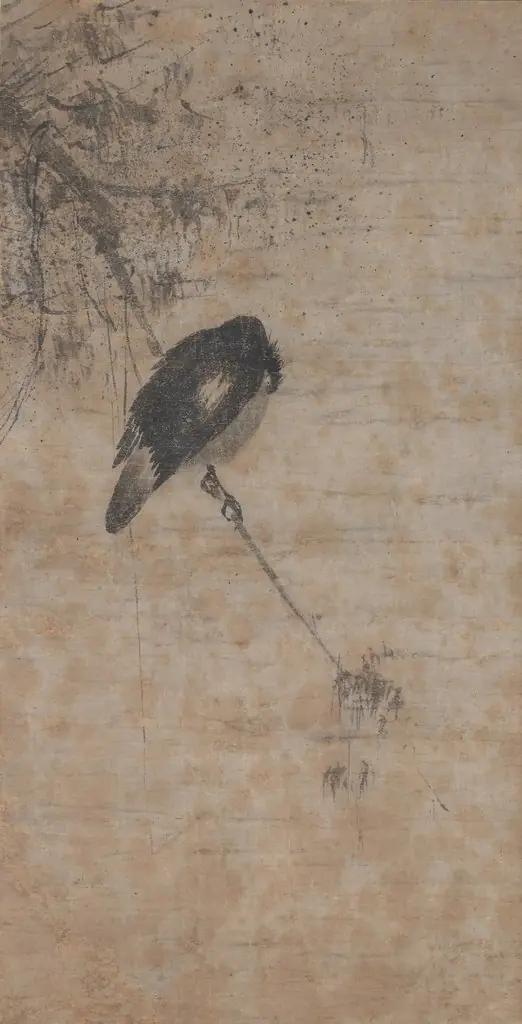
清 郭汝龍 指畫寒禽圖 冊頁|Mynah on Reed
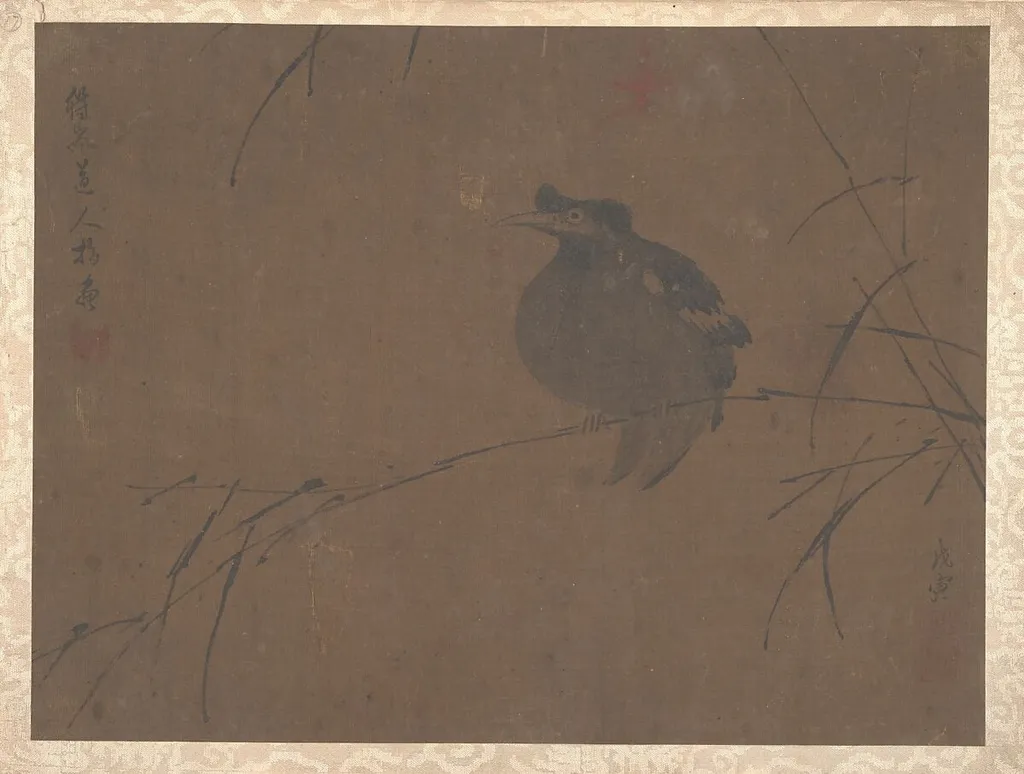
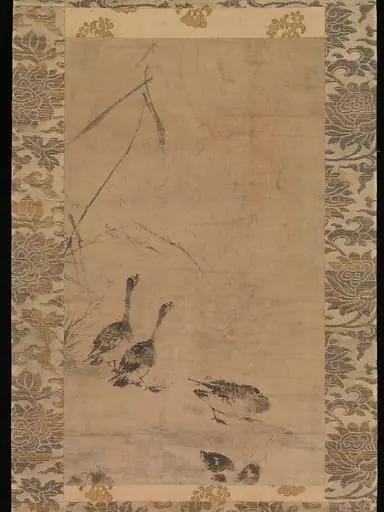
清 郭汝龍 指畫寒禽圖 冊頁|Mynah on Reed is an ink painting by the Qing dynasty painting artist Fulan Taorên. It dates from 1506 and is held in the collection of the Metropolitan Museum of Art. This album leaf, executed on silk with ink and color, belongs to the Qing period and is attributed to the artist Guo Rulong.
About this work
History & Provenance
No specific accession number is provided in the available sources, and no exhibition history is documented in the materials consulted.
Created in 1506 in China, this album leaf titled Mynah on Reed was executed by the artist Guo Rulong using ink and color on silk. The work depicts a bird and is currently held in the collection of the Metropolitan Museum of Art. The piece measures 27.9 cm in height and 36.8 cm in width.
No specific accession number is provided in the available sources, and no exhibition history is documented in the materials consulted.
Overview
This album leaf, executed on silk with ink and color, belongs to the Qing period and is attributed to the artist Guo Rulong. The work presents a solitary bird perched upon a reed, rendered with a distinctive finger‑painting technique that gives the figure a subtle, almost tactile presence.
Subject & Meaning
The composition focuses on a mynah, a bird often associated with vocal clarity, positioned on a single reed with its wings partially spread as if caught in the moment of landing. The quiet setting and restrained palette evoke a sense of stillness and contemplation, inviting the viewer to notice the delicate balance between bird and environment.
Technique & Style
Rather than employing a brush, Guo Rulong applied ink directly with his fingertip, pressing and smudging to suggest the texture of feathers. This method produces wet‑looking strokes that cling to the silk, creating a soft, almost three‑dimensional effect that contrasts with the more controlled brushwork typical of Qing ink paintings.
Context
Finger painting of birds was an uncommon practice in Chinese art, more often reserved for calligraphic or decorative motifs. Guo Rulong’s approach reflects a broader Qing interest in personal expression and the exploration of unconventional techniques within established painting conventions.
Artist & collection