Artwork
Staphae, Sive Stapedes (Stirrups, or Foot Rests)
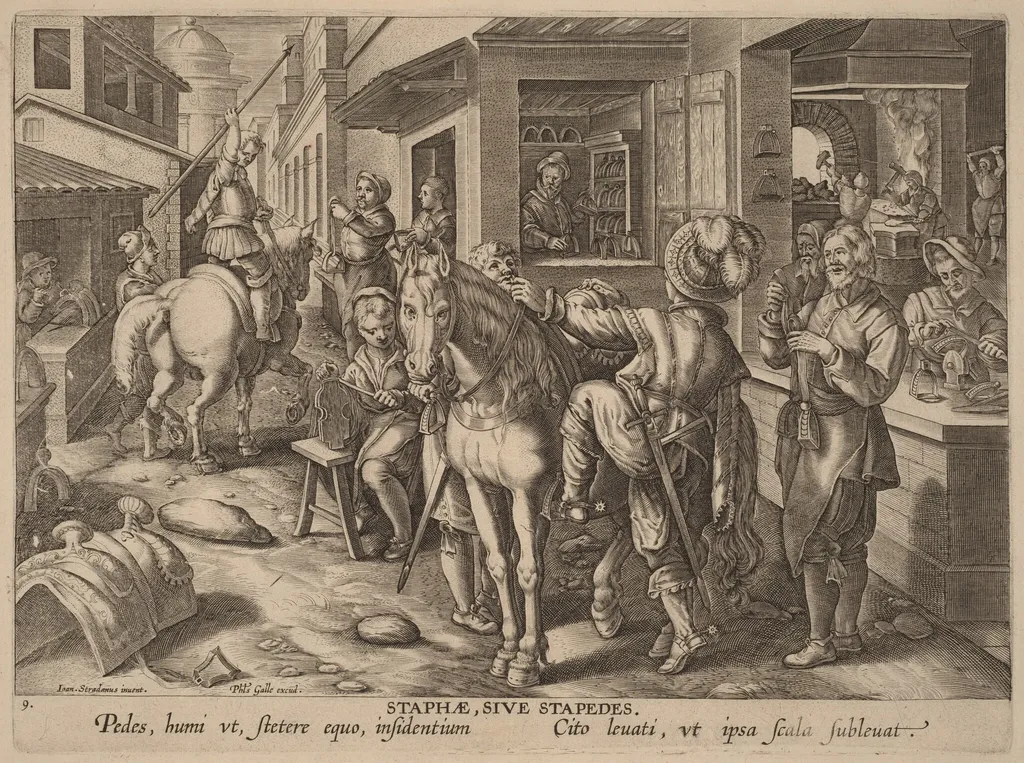
Staphae, Sive Stapedes (Stirrups, or Foot Rests) is an ink print by the Renaissance artist Philip Galle. It dates from 1592 and is held in the collection of the National Gallery of Art.
About this work
Overview
Staphae, Sive Stapedes (Stirrups, or Foot Rests) is an engraving on laid paper created by Dutch publisher and engraver Philip Galle around 1592. The print captures a lively street scene, focusing on the use of early stirrup-like footrests in assisting a rider onto a horse.
Subject & Meaning
The scene conveys a moment of everyday life, highlighting the practicality of the depicted footrests, likely emphasizing their utility in mounting horses. The surrounding activity and reactions of bystanders add a layer of social commentary or observational humor.
Technique & Style
Executed through metal engraving, the print showcases Galle's meticulous craftsmanship, characterized by detailed linework. The composition's complexity, with multiple figures and elements, demonstrates his skill in reproductive engraving techniques.
History & Provenance
Produced in Antwerp during the late 16th century, this work reflects Galle's primary activity as a reproductive engraver, often translating paintings into prints. Specific provenance details for this piece are not provided.
Context
Emerging from the late 16th-century Antwerp art scene, Staphae, Sive Stapedes situates itself within the broader tradition of Dutch printmaking, which frequently depicted daily life and innovative tools of the time.
Legacy
As a representative of Galle's oeuvre, the print contributes to the historical record of printmaking techniques and the dissemination of images during the late Renaissance. Its impact on subsequent depictions of everyday life or equestrian themes is not prominently documented.
Own this work as a print
Artist & collection
Artist
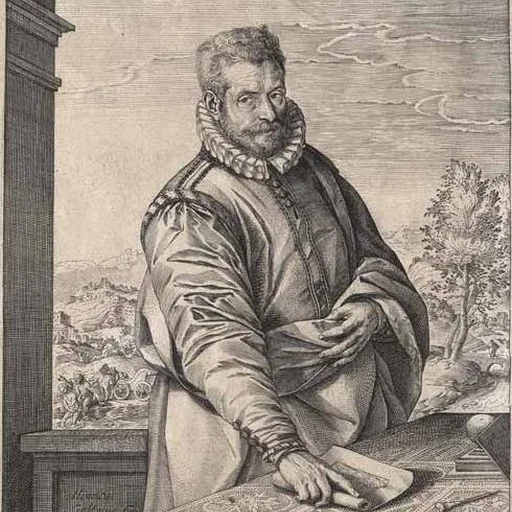
Philip (or Philips) Galle (1537 – March 1612) was a Dutch publisher, best known for publishing old master prints, which he also produced as designer and engraver. He is especially known for his reproductive engravings of paintings.

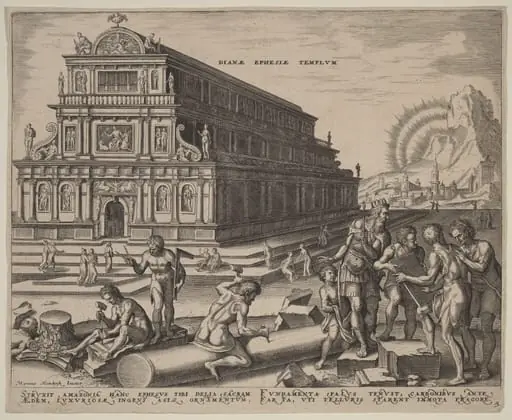 Dianae Ephesiae Templum (The Temple of Diana at Ephesus)
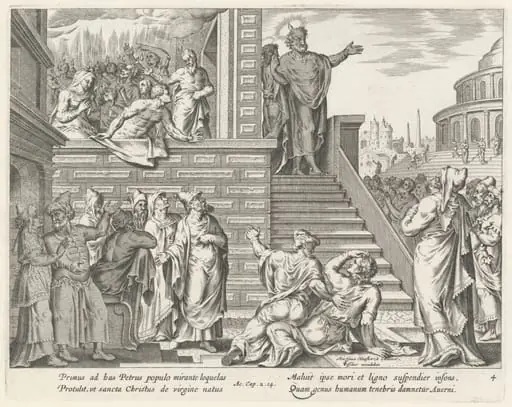 Saint Peter Speaks to the People about Christ
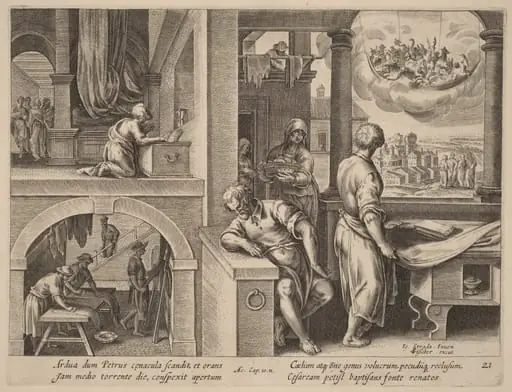 The Vision of Saint Peter
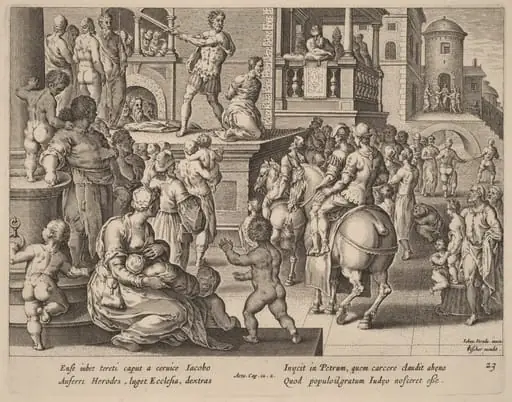 Beheading of Saint James
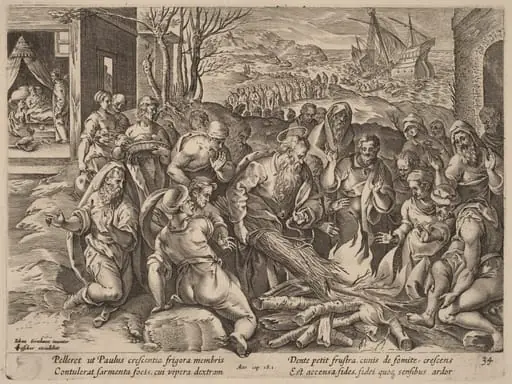 Saint Paul Shipwrecked on the Island of Melita
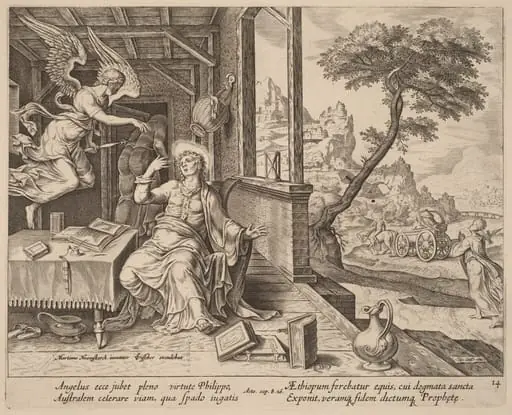 The Angel Orders Saint Philip to Accompany the Ethiopian Eunuch
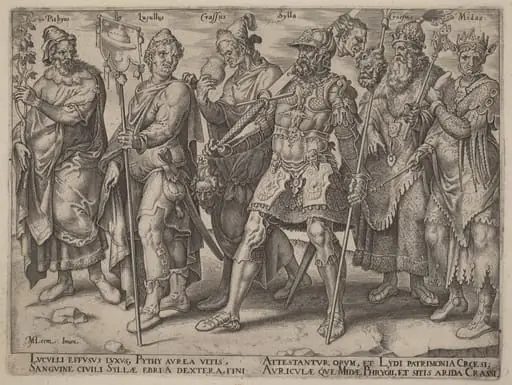 Notorious Examples of Wealth from Antiquity
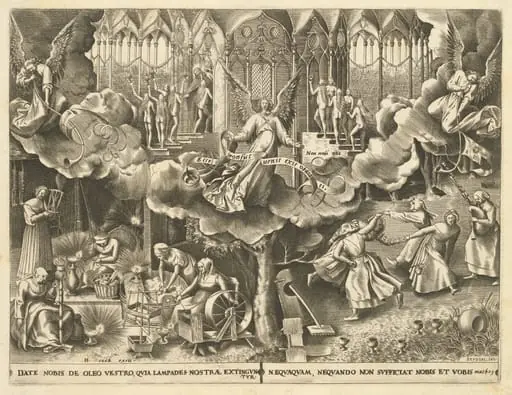 The Parable of the Wise and Foolish Virgins
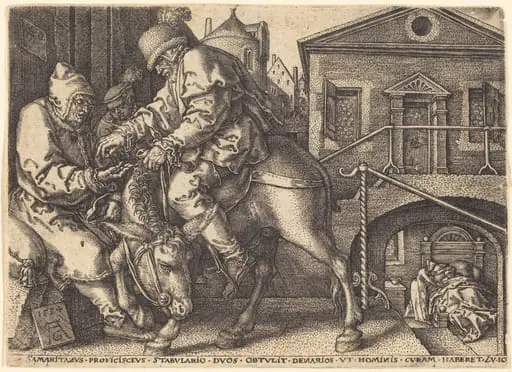
- The Good Samaritan Paying for the Lodgings of the Traveler
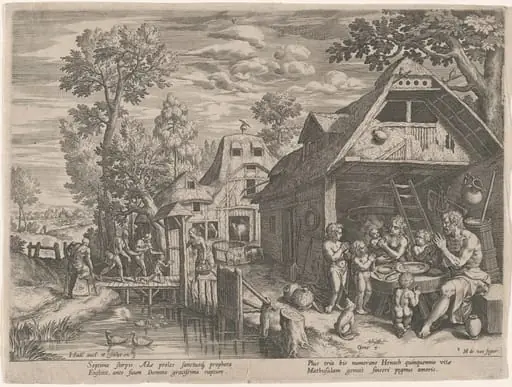 Henoch and His Family at a Meal
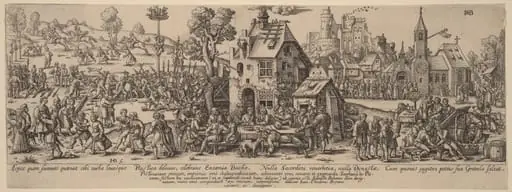 Country Fair
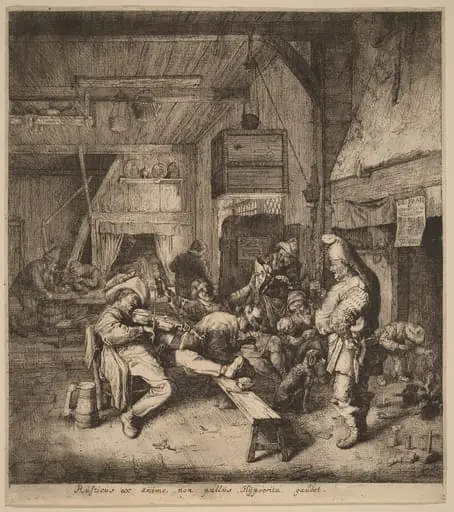 Violin Player Seated in a Tavern
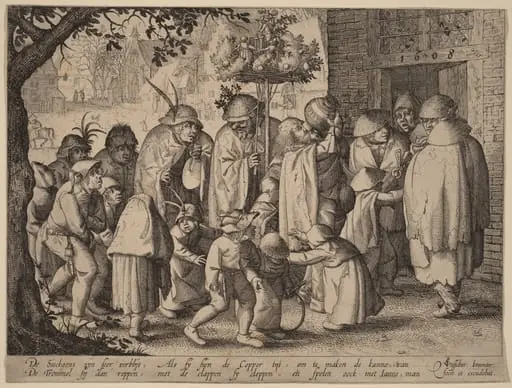 Procession of Feasting Lepers
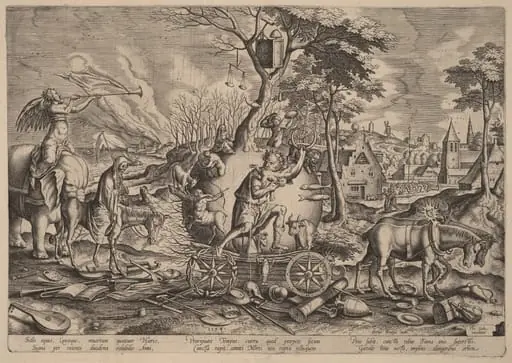 The Triumph of Time
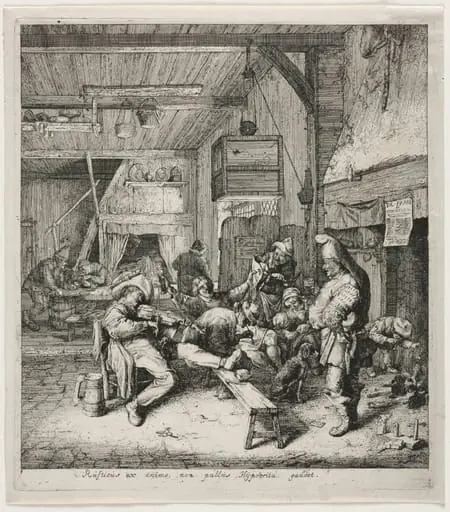 Violin Player Seated in the Inn
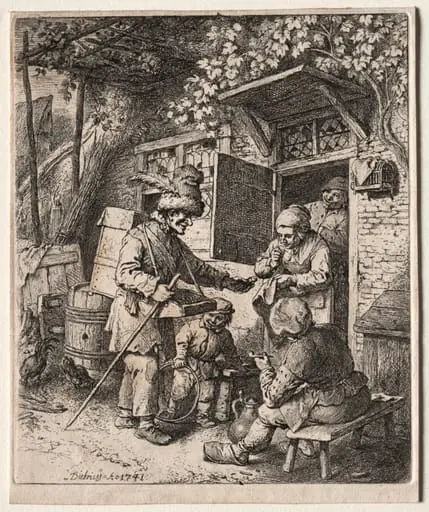 The Peddlar
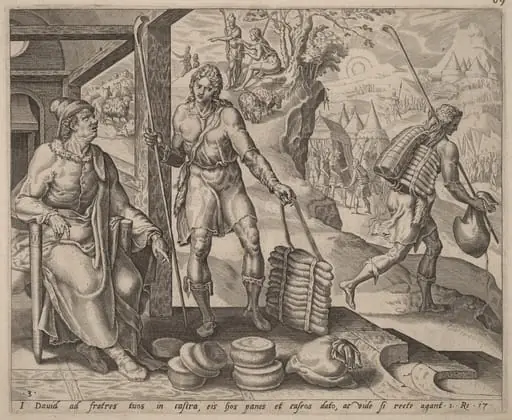 Jesse Sending David to the Camp
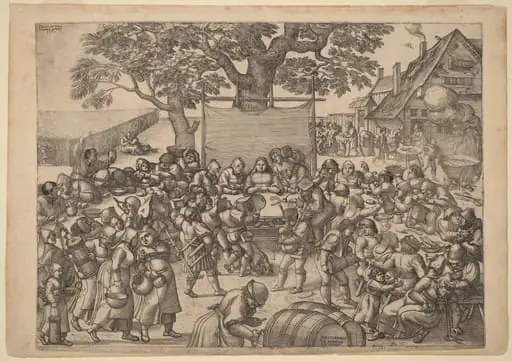 The Large Rustic Wedding Feast
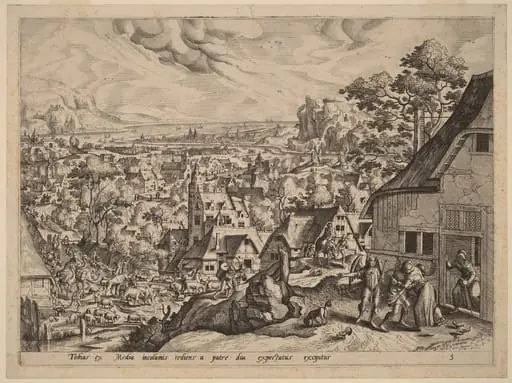 The Homecoming of Tobias
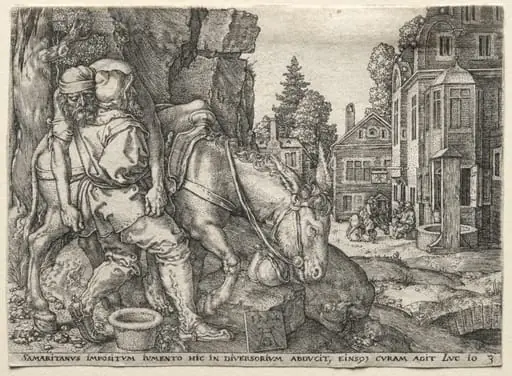 The Parable of the Good Samaritan: The Good Samaritan Putting the Traveler on His Donkey