Artwork
St Philip the Apostle
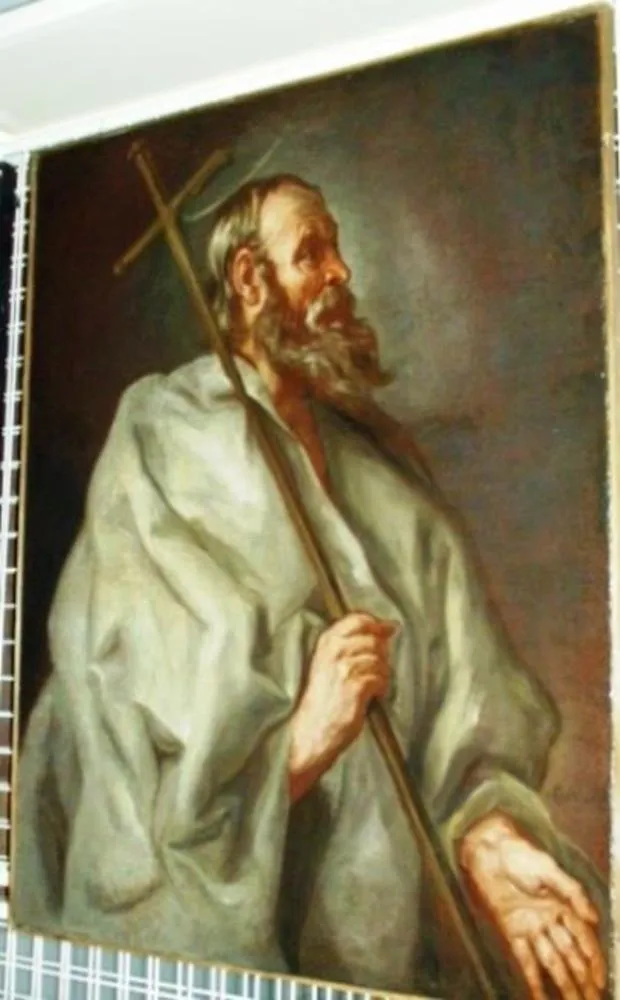
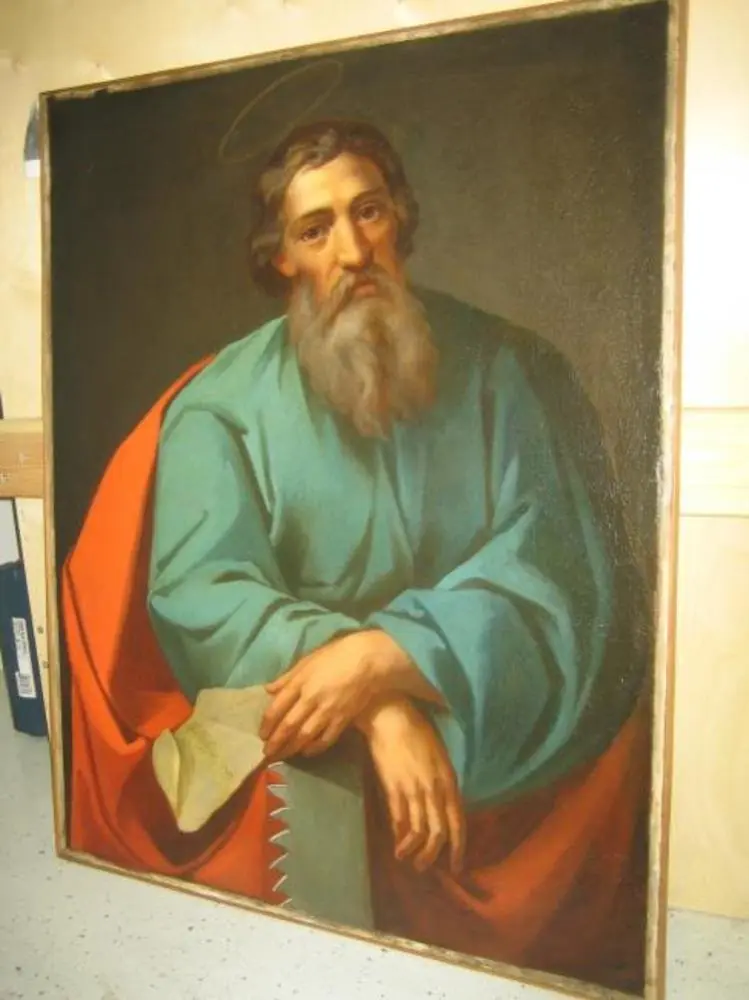
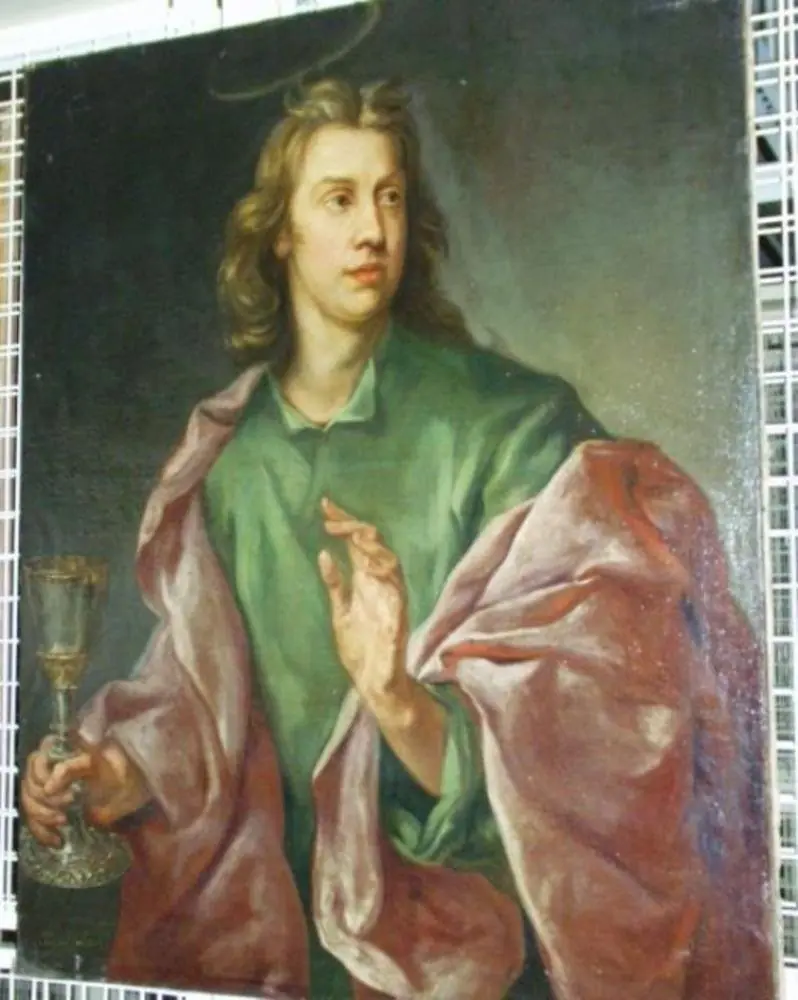
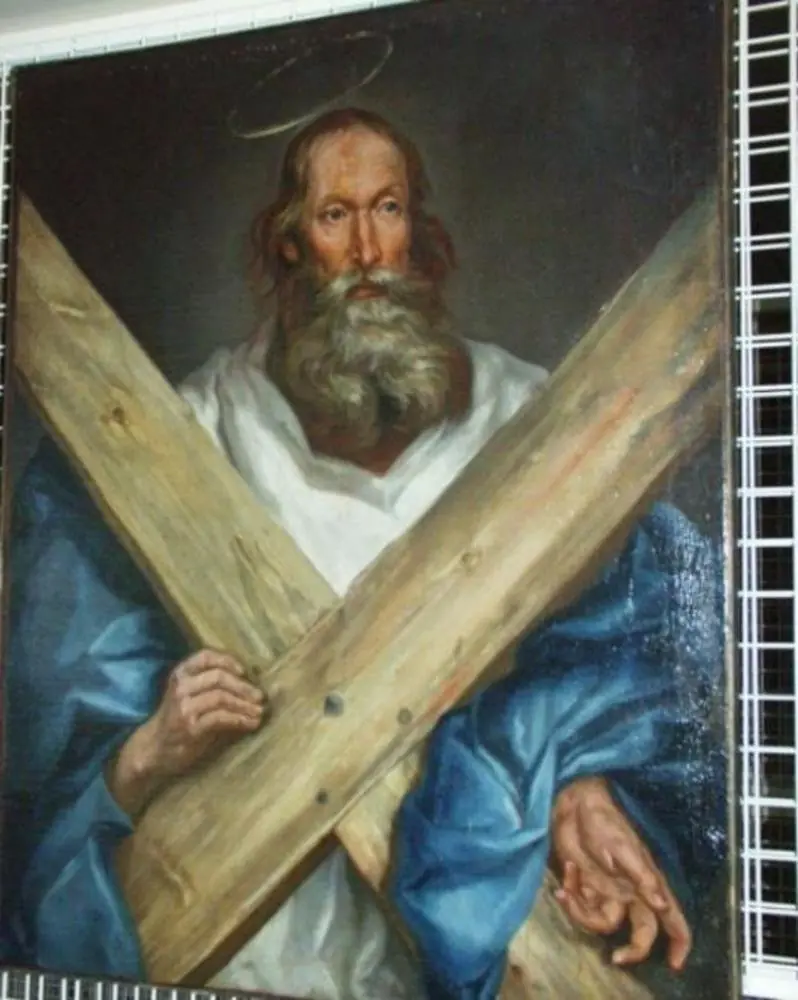
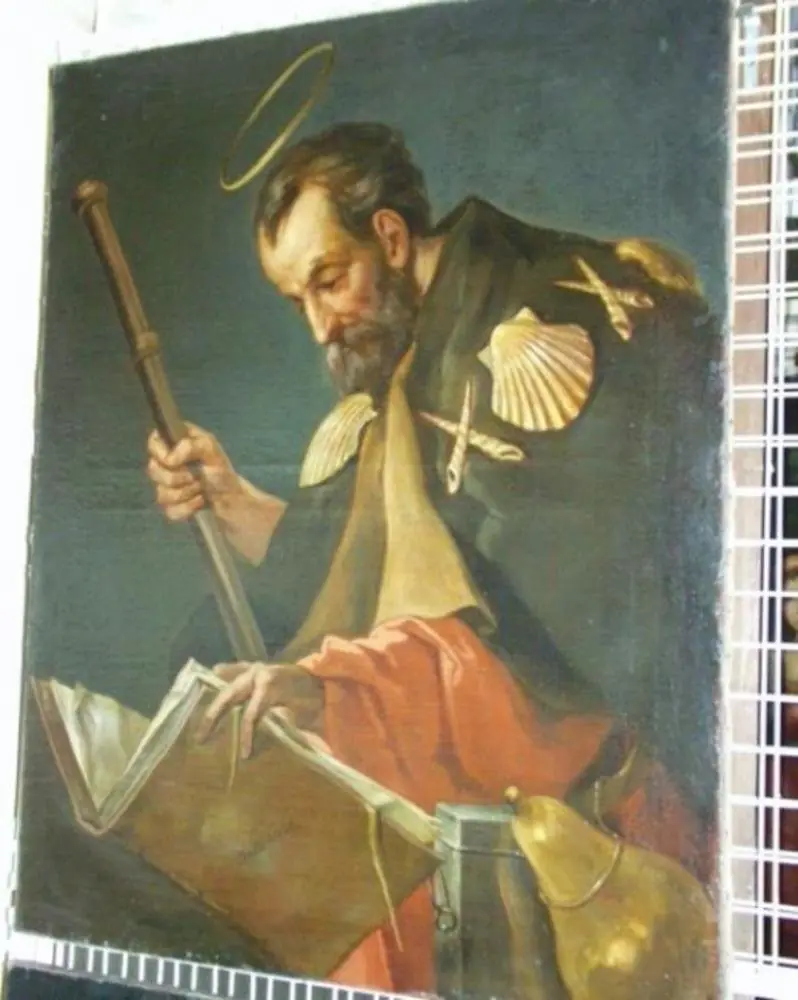
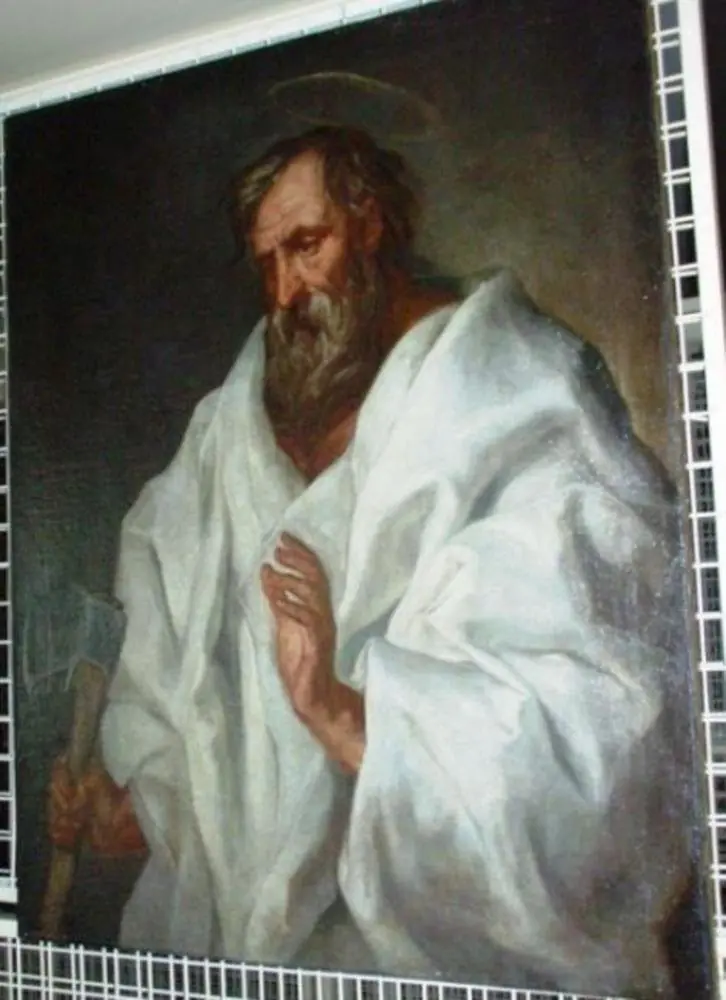
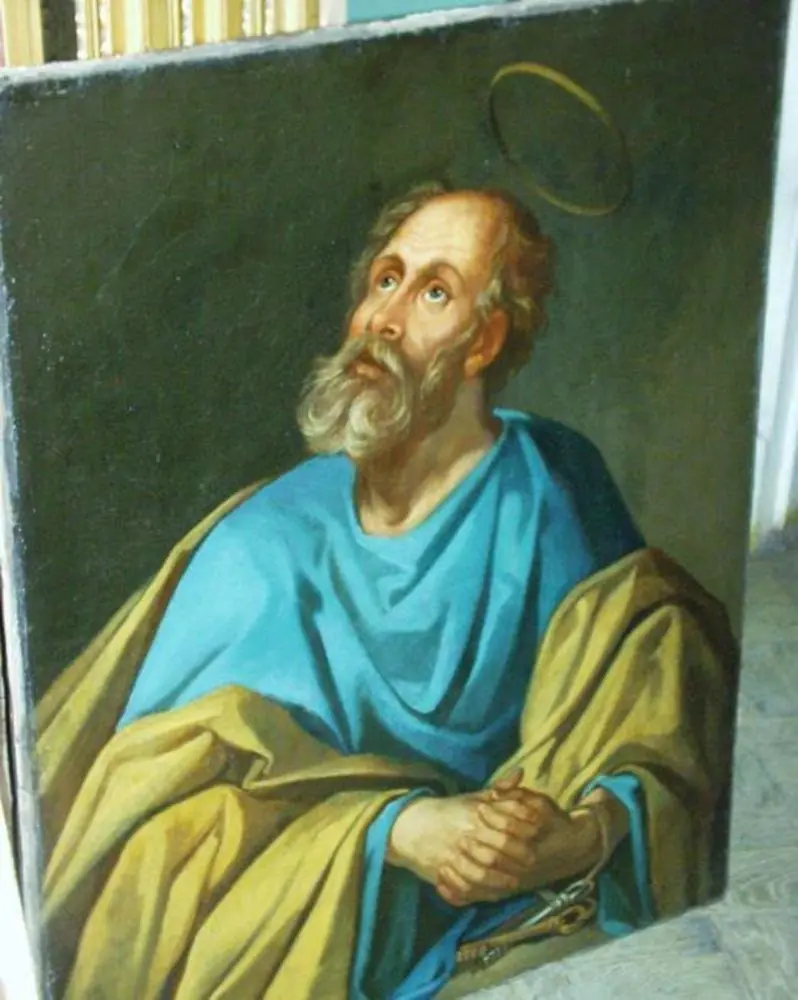
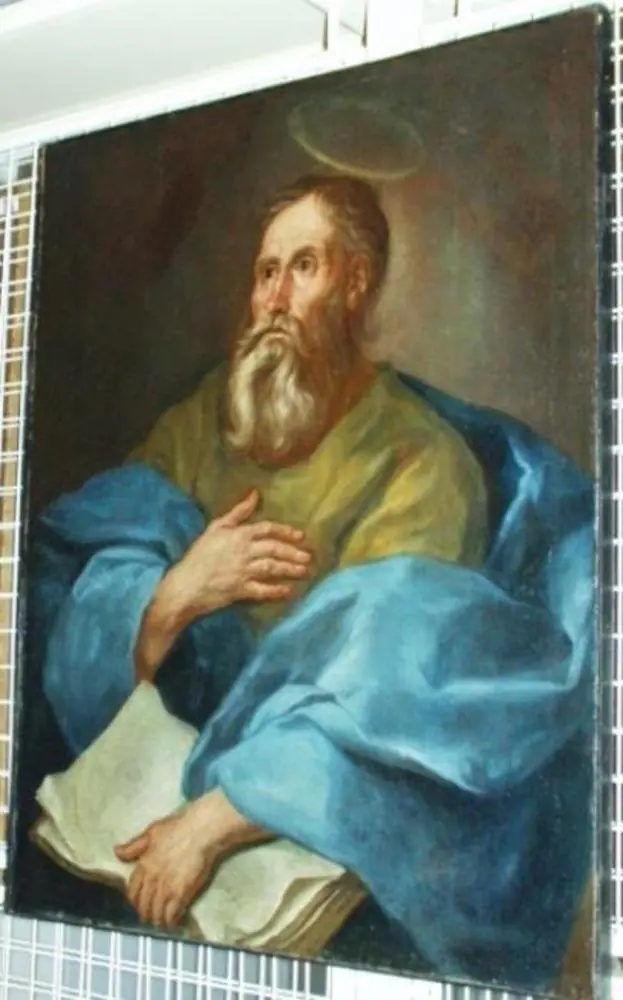
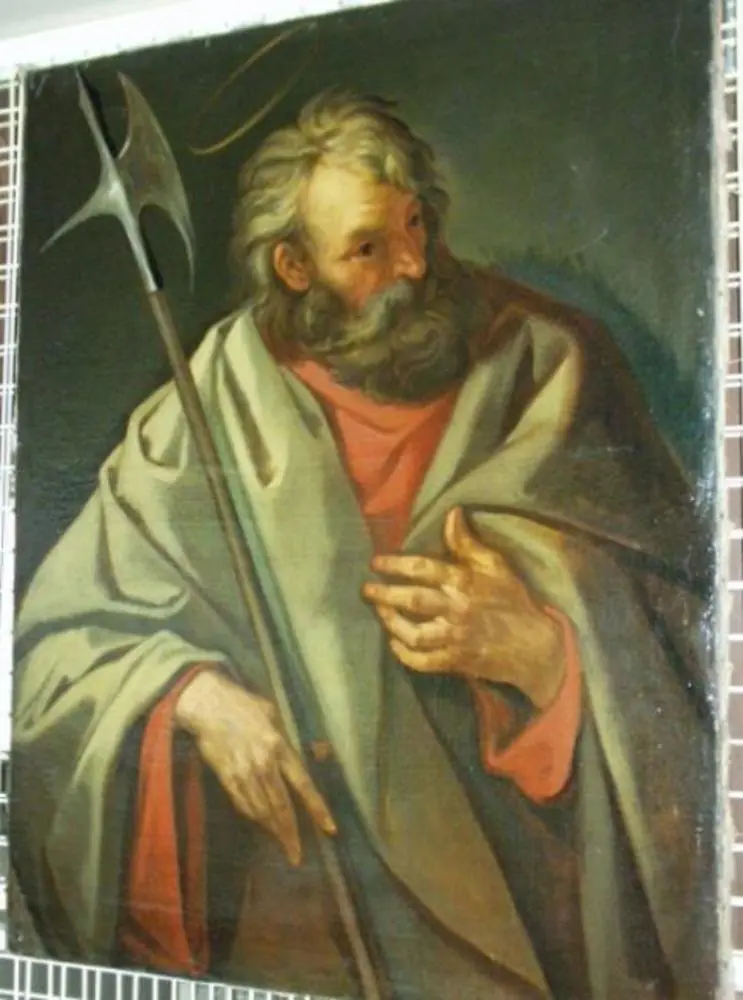
St Philip the Apostle is an oil painting by the Rococo painting artist Georg Gsell. It dates from 1729 and is held in the collection of the Hermitage Museum.
About this work
Overview
St Philip the Apostle is a religious painting executed in oil on canvas by the Swiss Baroque painter Georg Gsell in 1729.
St Philip the Apostle is a religious painting executed in oil on canvas by the Swiss Baroque painter Georg Gsell in 1729. Created in Russia, the work is currently held in the Hermitage Museum. Gsell, who served as the court painter to Peter the Great and the first curator of the Imperial art gallery, produced this depiction of the early Christian apostle during his tenure in St. Petersburg. The painting represents a convergence of Western European Baroque artistic traditions and Russian imperial patronage, reflecting the cultural programs initiated by Peter the Great to integrate European art into the Russian empire.
Subject & Meaning
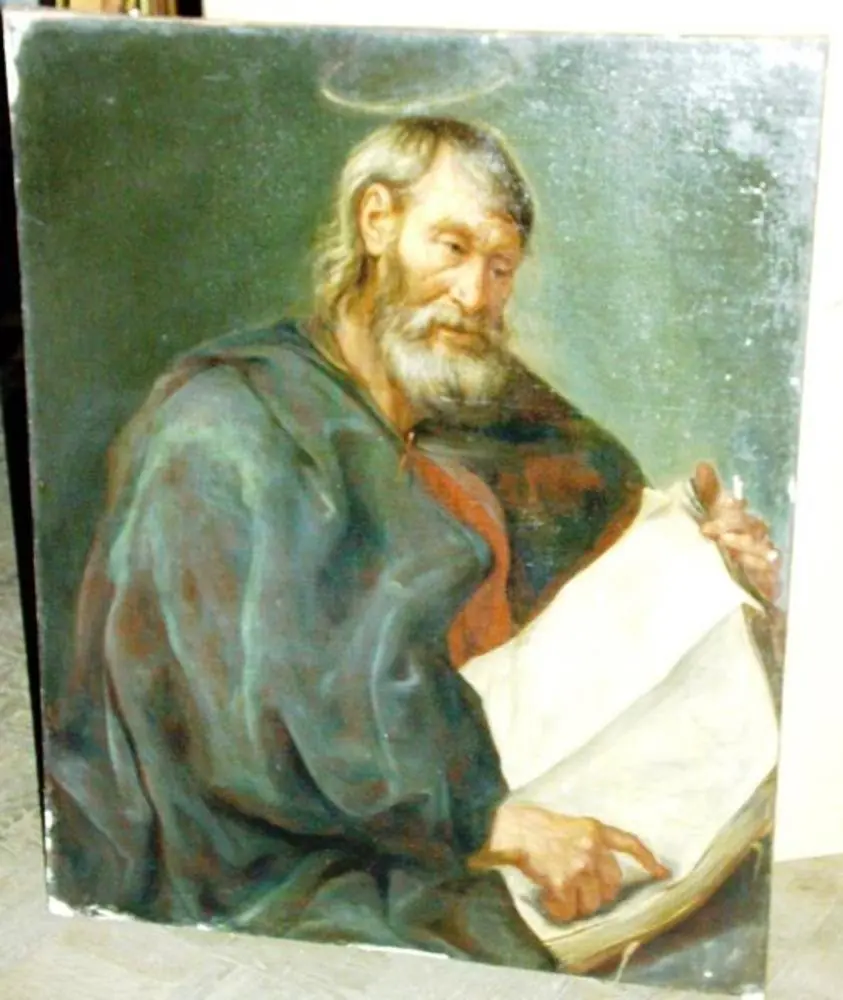
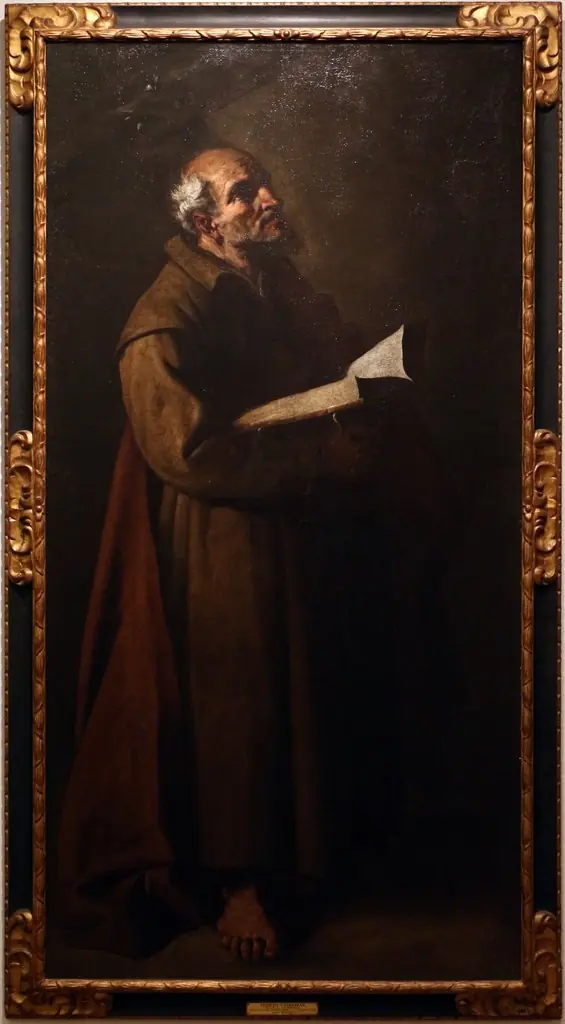
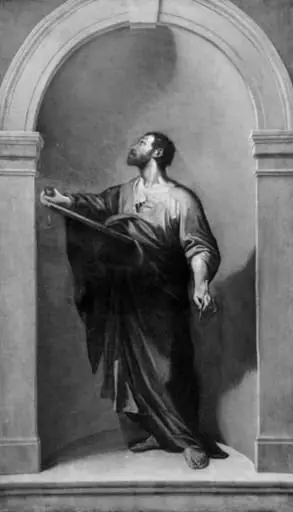
The artwork depicts Philip the Apostle, one of the twelve original disciples of Jesus Christ. According to Christian tradition and scriptural accounts, Philip hailed from Bethsaida and played a pivotal role in bringing Nathanael to Jesus, simply inviting him to come and see. Philip is also central to the miracle of the loaves and fishes, where Jesus tests him on how to feed a crowd of five thousand. In medieval and later Christian art, Philip is traditionally symbolized by a basket of loaves referencing this miracle, and by a Tau cross or tall cross, which relates to the tradition that he was crucified upside down in Hierapolis. While the painting's title identifies the subject as Philip, some catalog records for the work identify the subject as Paul the Apostle, reflecting a possible iconographic ambiguity or cataloging error regarding the specific apostle portrayed.
Technique & Style
Gsell executed the painting using oil paint on a canvas support, a standard medium for Baroque religious works. The composition belongs to the religious art genre and reflects the stylistic tendencies of the late Swiss Baroque period adapted for a Russian context. As a painter working under Peter the Great, Gsell's technique would have aligned with the broader European Baroque emphasis on dramatic presence and clear, didactic religious imagery suitable for both private devotion and institutional display within the imperial collections.
History & Provenance
The painting was created in Russia in 1729. Georg Gsell had been recruited by Peter the Great in 1716, moving to St. Petersburg where he became deeply involved in the Russian imperial art administration. In 1720, Gsell was appointed the first curator of the Imperial art gallery, placing him at the center of the formation of the Russian royal art collections. The painting is documented as part of the collection of the Hermitage Museum, the successor institution to the imperial collections Gsell helped assemble. The RKD, or Nederlands Instituut voor Kunstgeschiedenis, serves as a reference source for the work's cataloging and visual record.
Context
Georg Gsell created this work during his mature period in St. Petersburg, where he acted not only as a painter but as an art consultant and dealer. Born in St. Gallen, Switzerland, in 1673, Gsell's career shifted significantly after his 1716 recruitment by Peter the Great. The establishment of the Imperial art gallery in 1720 marked a formalization of Russian imperial art collecting, and Gsell's role as its first curator positioned him as a key figure in importing and organizing Western European art for the Russian court. His artistic output in Russia, including this 1729 painting, must be understood alongside his administrative and curatorial contributions to the Hermitage's foundational collections. Gsell died in St. Petersburg in 1740.
Artist & collection
Artist
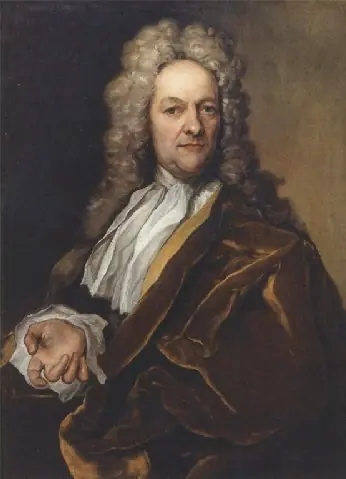
Georg Gsell (Russian: Георг Гзелль; 28 January 1673 – 22 November 1740) was a Swiss Baroque painter, art consultant and art dealer.