Artwork
The Wheat Field
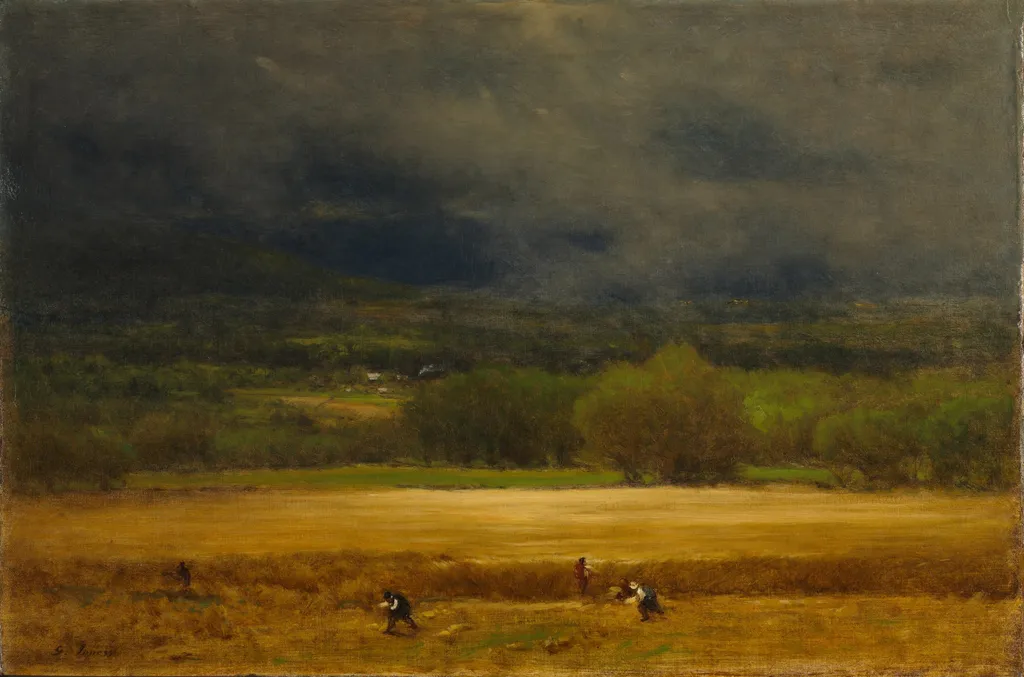
The Wheat Field is an oil painting by the American Impressionist artist George Inness. It dates from 1888 and is held in the collection of the Cleveland Museum of Art.
About this work
Technique & Style
0 cm in width, providing a modest scale that emphasizes the intimate handling of light and atmosphere typical of Inness's landscape practice.
The Wheat Field is an oil painting executed on canvas. The work is classified as a painting and was created in 1876 in the United States, using oil paint on a canvas support, as recorded in the catalog entry and confirmed by the object's material description.
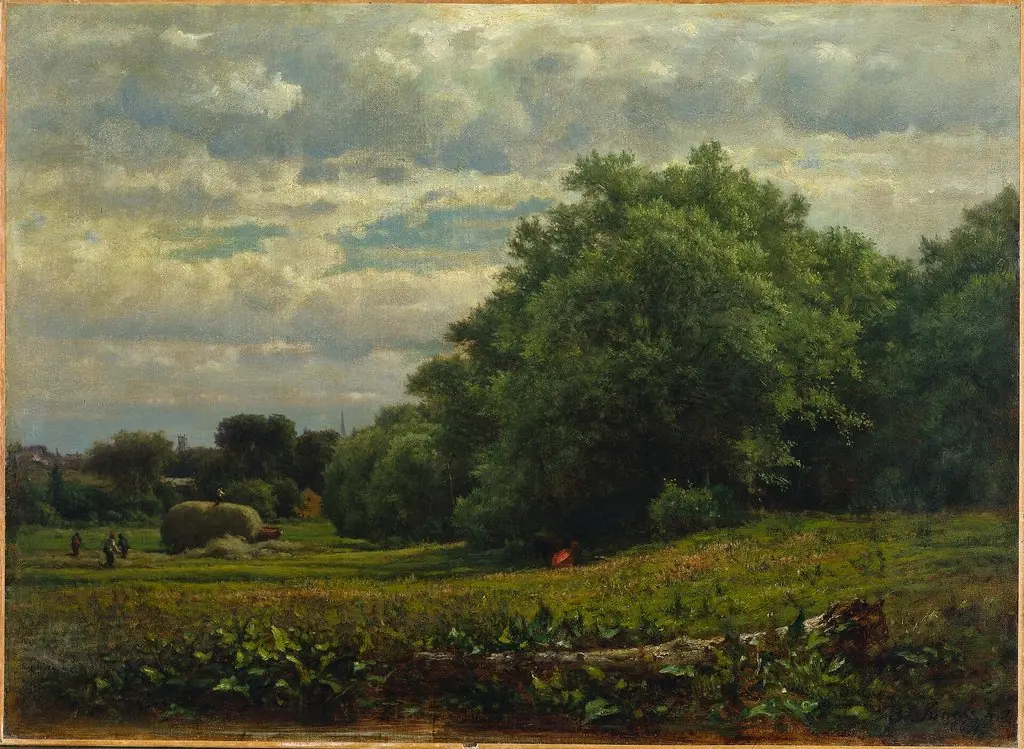
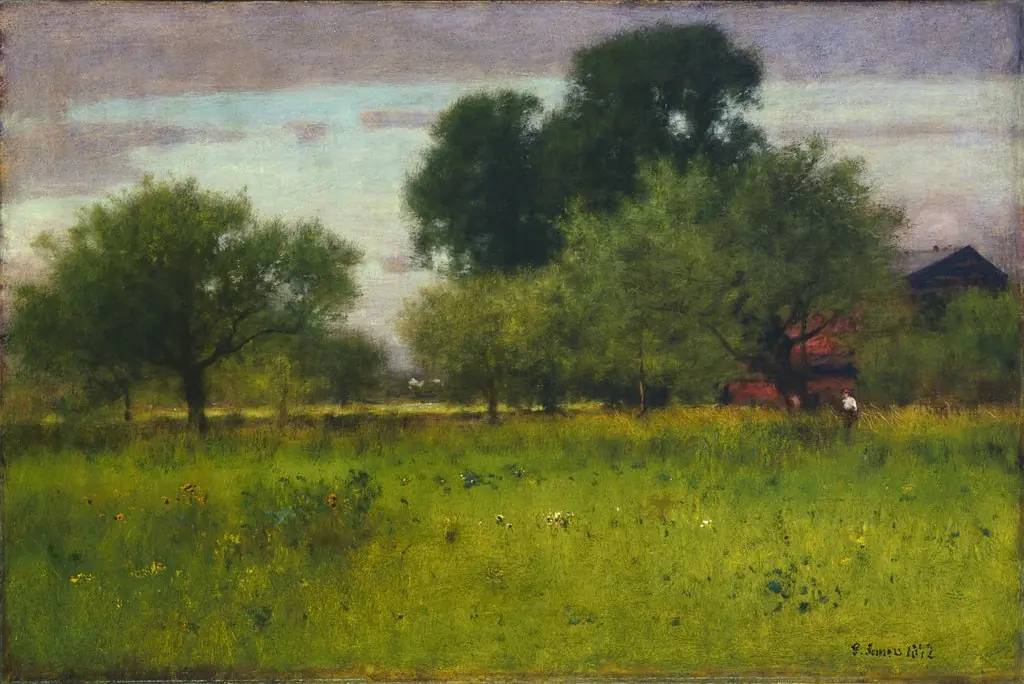
The composition depicts a solitary tree within a wheat field, a motif noted in the descriptive record. The painting measures 50.8 cm in height and 76.0 cm in width, providing a modest scale that emphasizes the intimate handling of light and atmosphere typical of Inness's landscape practice.
History & Provenance
The Wheat Field, an oil on canvas painted in 1876 by American artist George Inness, was produced in the United States. The painting remained in Inness’s studio until it entered the collection of the Cleveland Museum of Art, which now holds it. Its creation history aligns with Inness’s mature period, marked by luminous landscapes that blend realism with spiritual symbolism.
The work measures 50.8 cm by 76.0 cm and was executed on canvas, reflecting the artist’s technical approach of the time. No documented commission or sale records are provided, but the museum’s acquisition establishes the ownership chain from the artist to the institution.
The Wheat Field is held in the collection of the Cleveland Museum of Art. The work carries the accession number 1978.74. Created in 1876, this oil painting on canvas measures 50.8 cm in height and 76.0 cm in width.
The provided sources confirm its location and inventory details but do not list specific past exhibitions or loan history.
Context
The Wheat Field is an 1876 oil on canvas painting by George Inness, classified as a painting and held by the Cleveland Museum of Art. The work measures 50.8 cm in height and 76.0 cm in width and features a solitary tree within its composition. As part of the museum’s collection, the piece situates Inness’s output within the broader development of United States landscape painting in the post‑Civil War period.
Its creation reflects the era’s interest in naturalistic representation and the growing prominence of American artists in museum acquisitions.
Overview
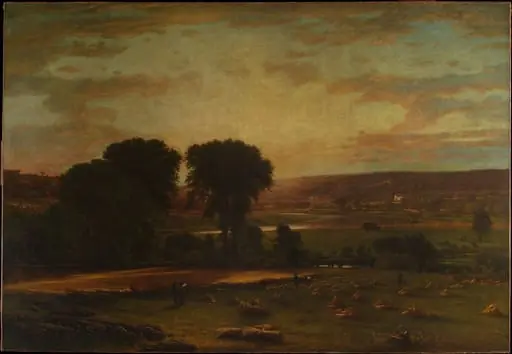
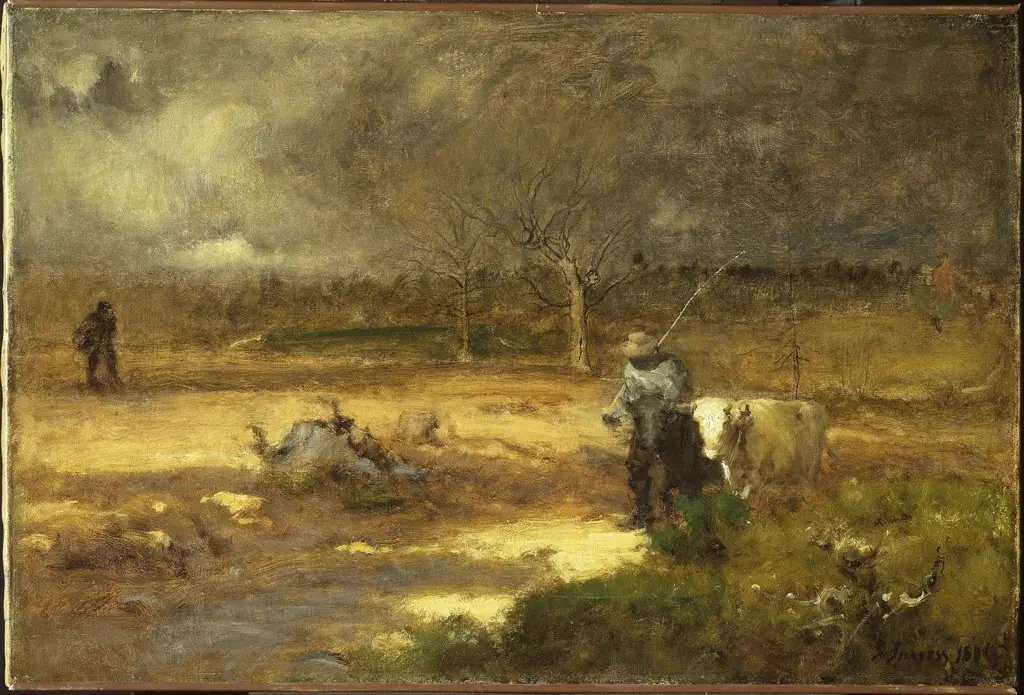
George Inness's 1888 oil painting, "The Wheat Field," captures a vast, golden landscape beneath a turbulent sky. Characterized by its soft brushwork and atmospheric qualities, the work exemplifies American Impressionism. A lone tree stands prominently, while three small figures recede into the distance, contributing to the painting's quiet, contemplative mood. It is part of The Cleveland Museum of Art's collection.
Subject & Meaning
The painting depicts an expansive field of dry, golden grasses stretching towards a dark, cloud-laden sky. A solitary tree anchors the composition, contrasting with the distant, almost imperceptible figures that traverse the landscape. This vastness, coupled with the diminutive scale of human presence, evokes a sense of stillness and isolation, inviting contemplation on humanity's place within nature's grandeur.
Own this work as a print
Artist & collection

Artist
George Inness (May 1, 1825 – August 3, 1894) was an American landscape painter. Now recognized as one of the most influential American artists of the nineteenth century, Inness was influenced by the Hudson River School…