Artwork
The Wood Chopper
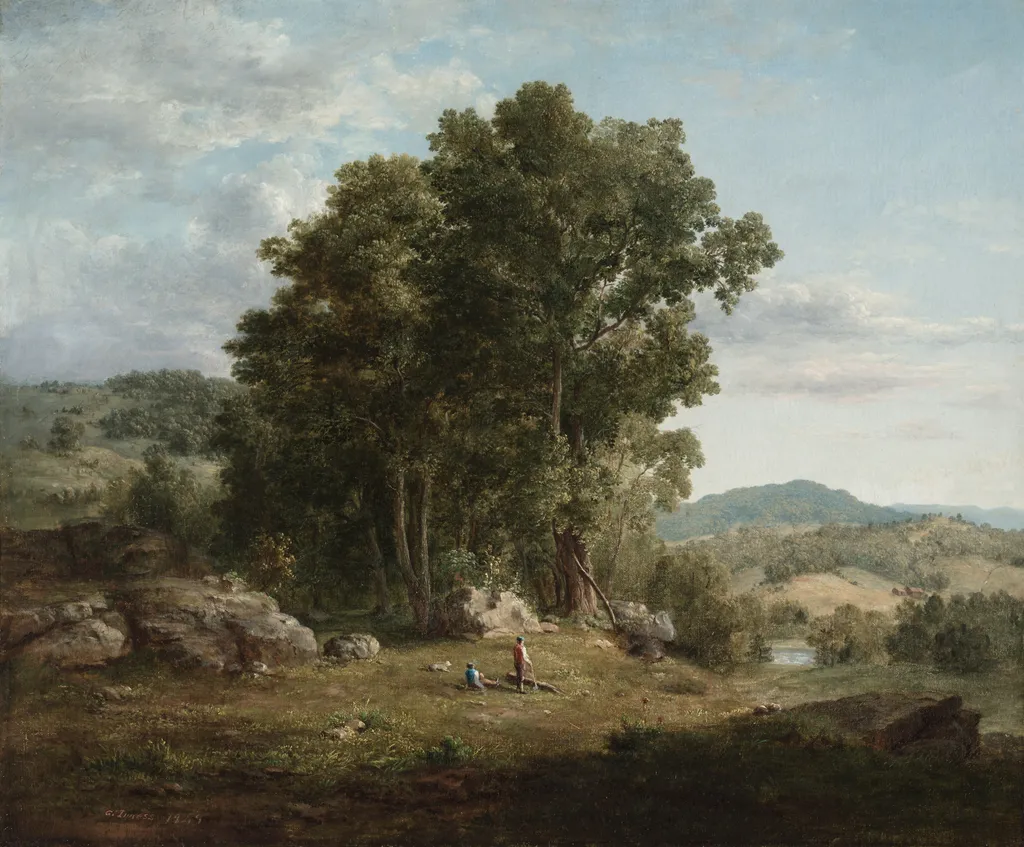
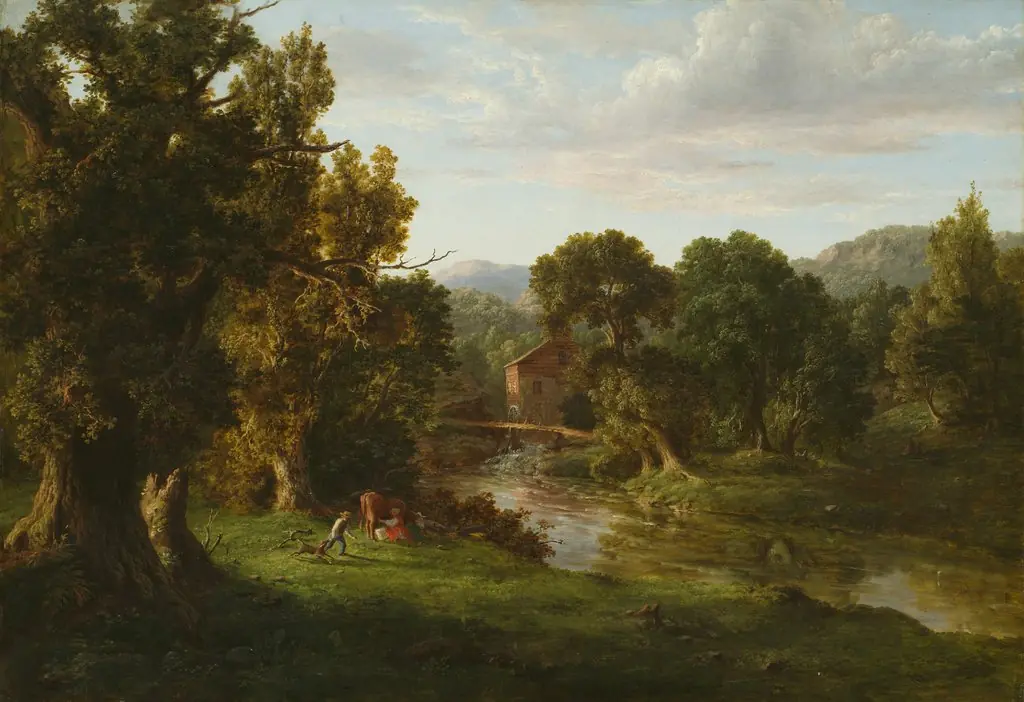
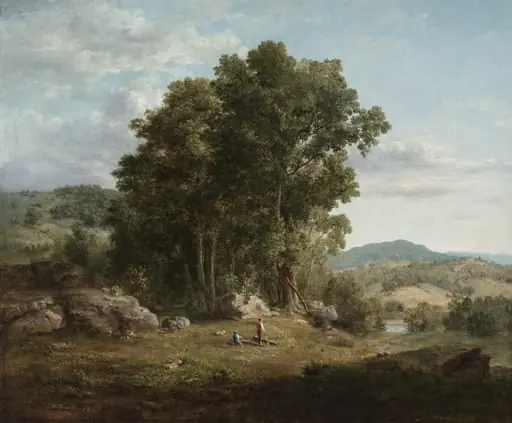
The Wood Chopper is an oil painting by George Inness. It dates from 1849 and is held in the collection of the Cleveland Museum of Art.
About this work
Technique & Style
The composition emphasizes tonal harmony and subtle gradations of light, creating a meditative mood.
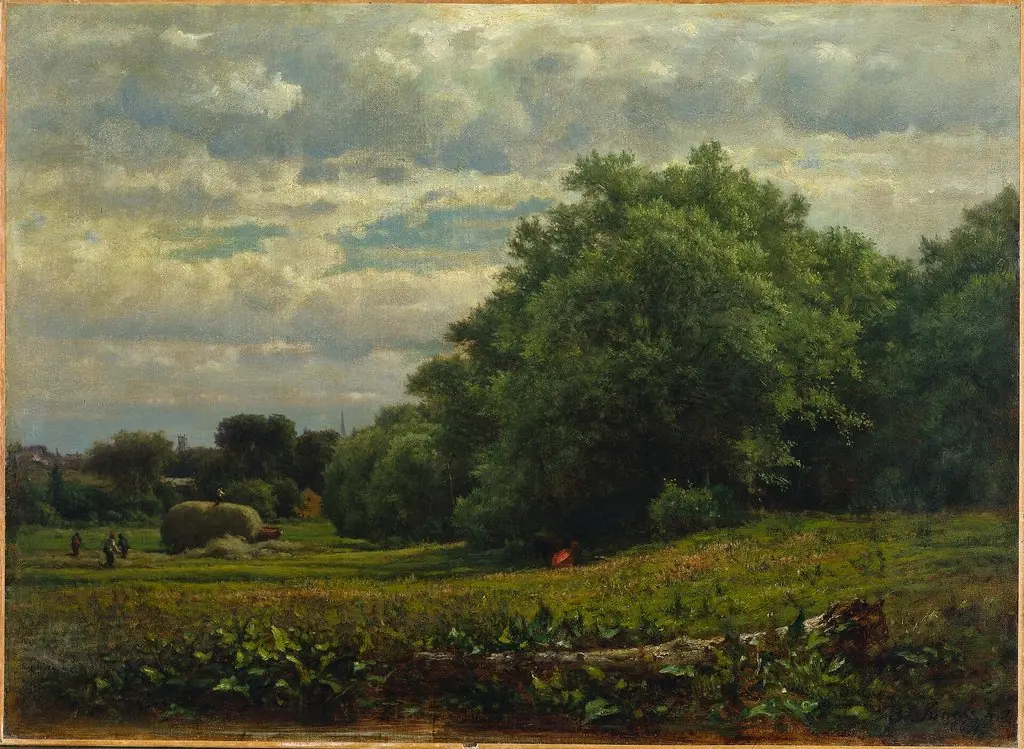
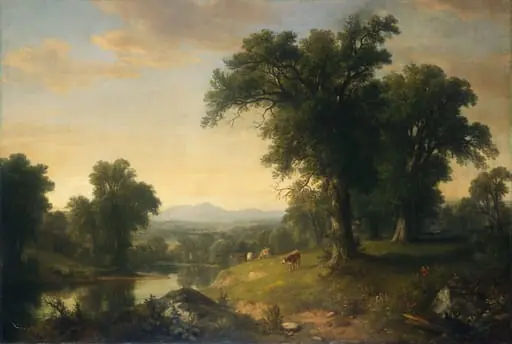
The painting is executed in oil paint on canvas and retains its original support structure. Visually, it presents a tranquil woodland scene dominated by a solitary tree, rendered with soft, atmospheric brushwork characteristic of Inness's early Hudson River School style. The composition emphasizes tonal harmony and subtle gradations of light, creating a meditative mood. The work measures 50.5 cm in height by 60.6 cm in width.
History & Provenance
The Wood Chopper is an oil painting by George Inness dated 1849, made in the United States. The work entered the collection of the Cleveland Museum of Art, where it is held under accession number 1963.501. The 1963 prefix in the accession number indicates that the painting was formally accessioned by the museum in 1963, though the sources do not specify the prior ownership chain, donor, or circumstances of its acquisition. No commission details are recorded in the available documentation.
The painting was executed on canvas, measuring 50.5 cm in height by 60.6 cm in width. The sources provide no further information about intermediate owners, exhibition history prior to the museum's acquisition, or any conservation or restoration events tied to the work's creation history.
The Wood Chopper has been part of the Cleveland Museum of Art’s collection since its acquisition. The painting is accessioned under the number 1963.501.
While the artwork was created in 1849, its exhibition history remains largely undocumented in available sources. There is no record of significant public exhibitions for this piece beyond its permanent display at the museum.
Legacy
The Wood Chopper exerted a clear influence on subsequent American landscapes, particularly within the tonalist tradition that followed Inness's early realism. His atmospheric treatment of nature informed artists such as Dwight Tryon and the broader Barbizon-derived movement in the United States, establishing a precedent for contemplative, nature-focused compositions. The painting's presence in a major institutional collection like the Cleveland Museum of Art has contributed to its recognition as an early exemplar of American tonalism, reinforcing its standing in art historical narratives of the period. Its technical and compositional qualities continue to be cited in studies of 19th-century American painting's evolution.
Overview
Created in 1849, The Wood Chopper is an early oil painting by American landscape painter George Inness. Executed during the formative stage of his career, the work presents a tranquil forest setting dominated by a solitary, towering tree. The composition balances human activity with natural stillness, and the piece now belongs to the Cleveland Museum of Art’s permanent collection.
Subject & Meaning
The scene captures two figures positioned on a rocky ledge: one laboring with an axe to fell timber, the other observing the task. The central tree, rendered with careful attention, serves as a focal point that underscores the relationship between man and nature. The bright sky and distant hills suggest a broader, serene landscape beyond the immediate worksite.
Own this work as a print
Artist & collection

Artist
George Inness (May 1, 1825 – August 3, 1894) was an American landscape painter. Now recognized as one of the most influential American artists of the nineteenth century, Inness was influenced by the Hudson River School…