Artwork
Prospect Park
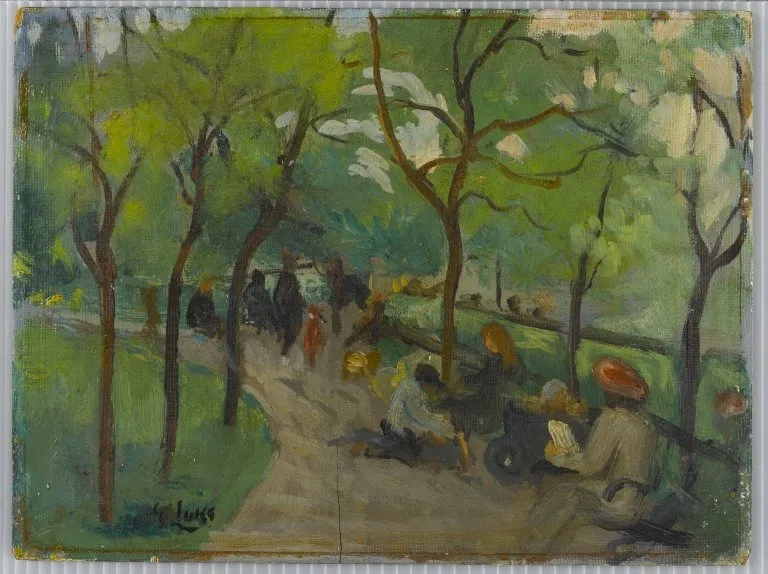
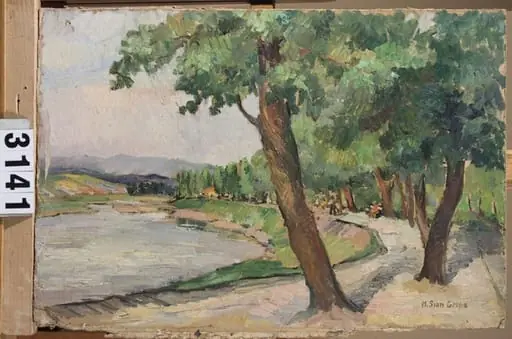
Prospect Park is an oil painting by the Impressionist artist George Luks. It dates from 1906 and is held in the collection of the Brooklyn Museum.
About this work
Overview
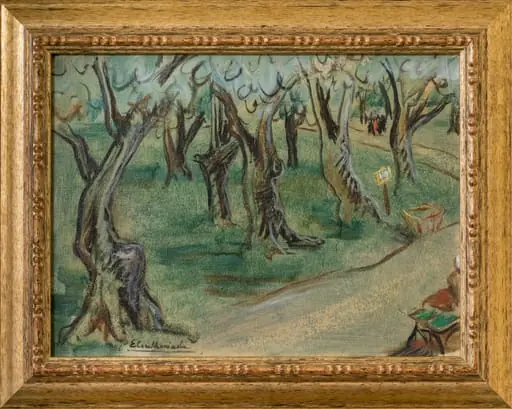
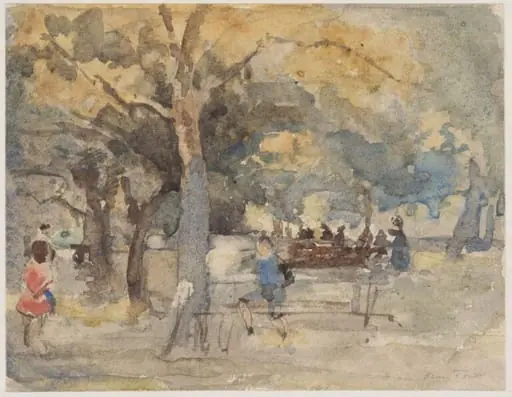
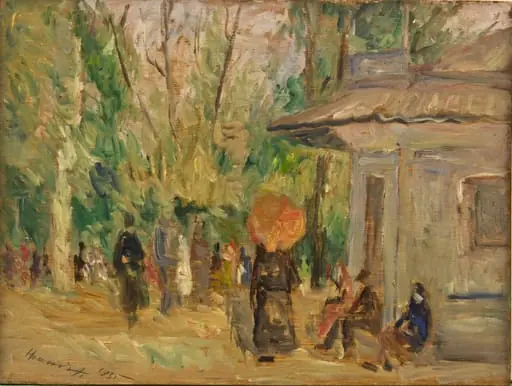
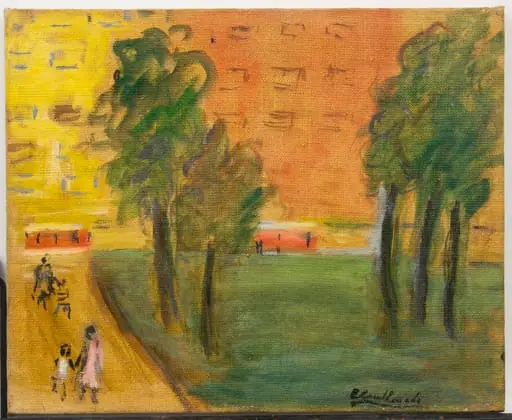
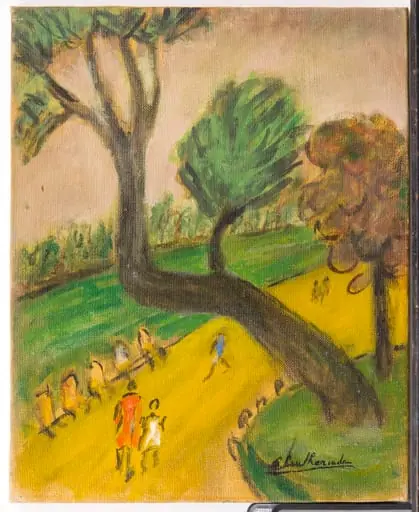
Created in 1906, Prospect Park is an oil painting by American artist George Luks. The work depicts a leafy urban park with slender trees, a winding path, and several figures strolling or seated among the foliage. Dominated by greens and earth tones, the composition conveys the everyday atmosphere of a public recreation space.
Subject & Meaning
The scene captures ordinary leisure in Brooklyn’s Prospect Park, emphasizing the interaction between people and the natural environment. The figures are secondary to the landscape, suggesting a focus on the communal experience of the park rather than individual narratives, a hallmark of Luks’s interest in everyday urban life.
Technique & Style
Luks employed oil pigments to render the foliage with loose, impressionistic brushwork, allowing light to flicker across the greens, browns, and occasional highlights of yellow and blue. The handling of paint creates a sense of movement in the trees and a fleeting quality typical of early twentieth‑century impressionist approaches.
History & Provenance
After its completion, the painting entered the collection of the Brooklyn Museum, where it remains on view. Luks, trained in Europe and formerly a newspaper illustrator, produced the work during his involvement with the Ashcan School, a group that sought to depict realistic urban scenes.
Context
Prospect Park belongs to the Ashcan School’s broader challenge to the National Academy of Design’s conservative standards, a movement led by Robert Henri. While the group is often linked to realism, this particular work reflects an impressionistic sensibility within Luks’s commitment to portraying everyday American life.
Artist & collection

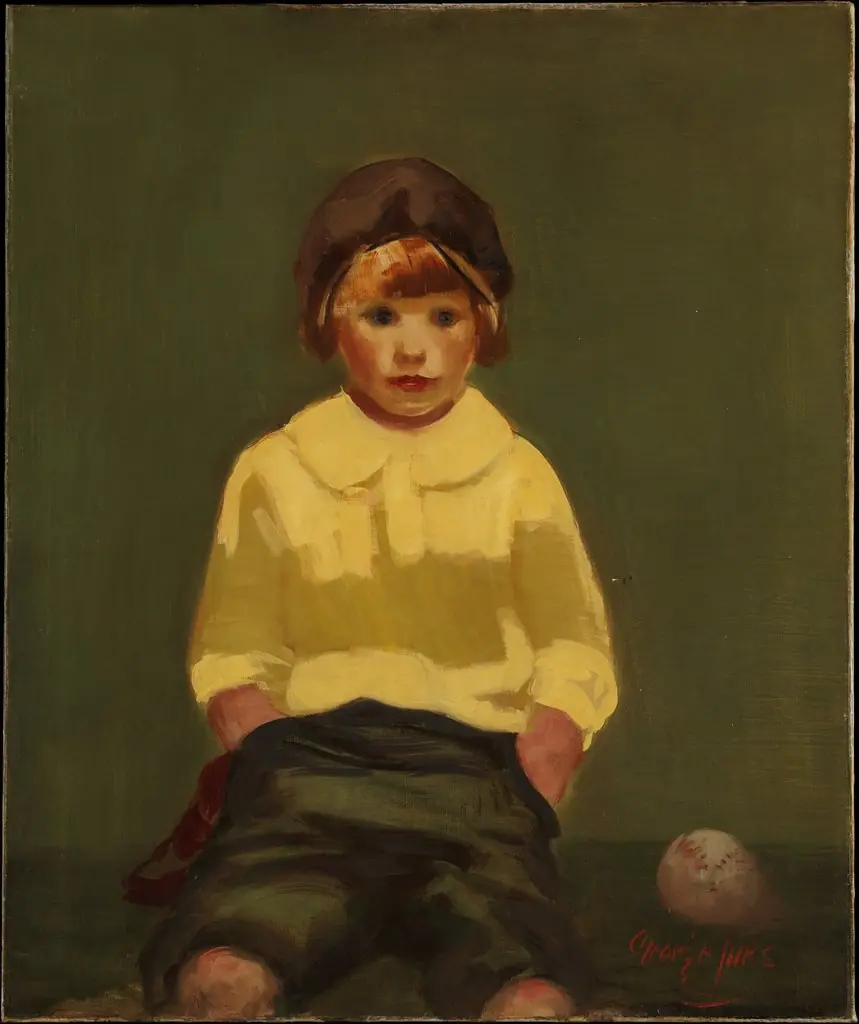
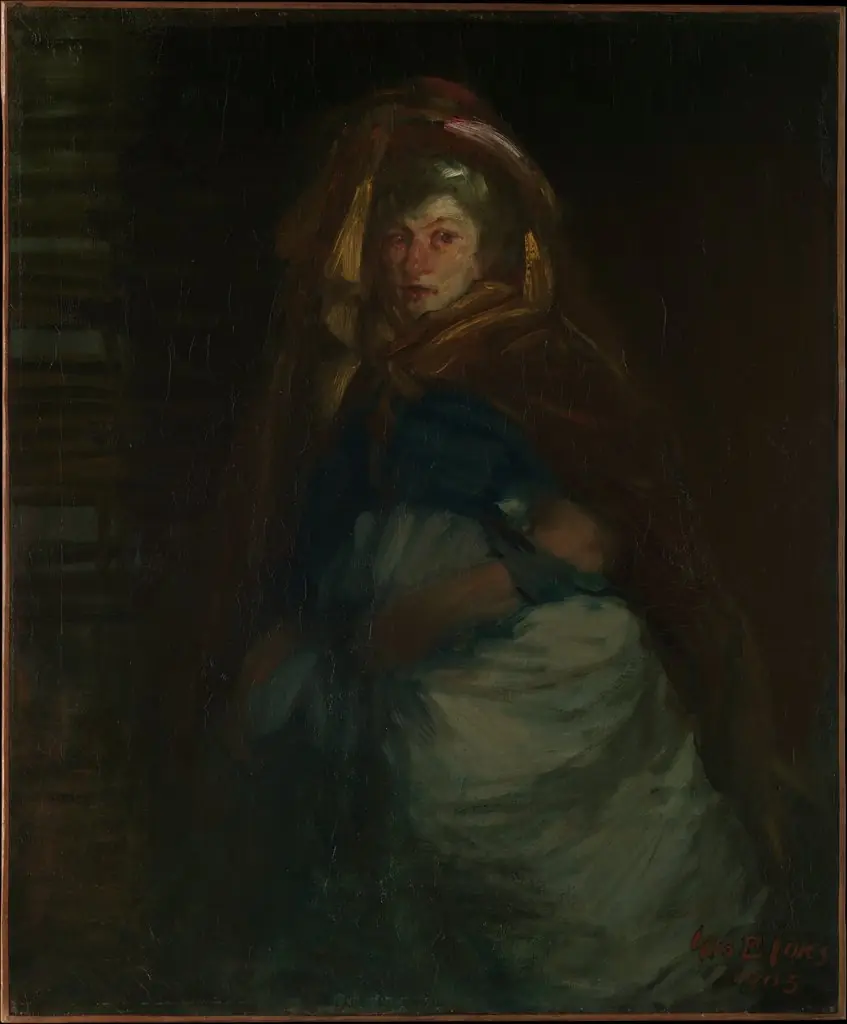
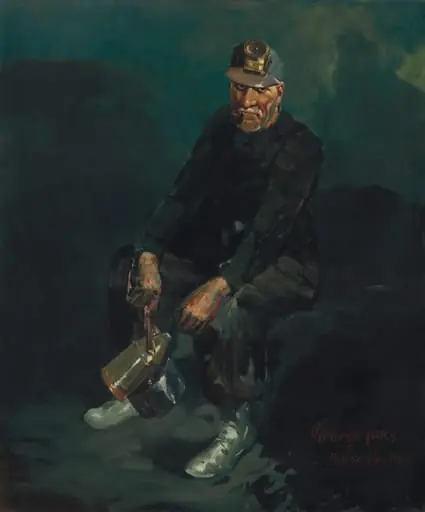
Artist
George Benjamin Luks (August 13, 1867 – October 29, 1933) was an American artist, identified with the aggressively realistic Ashcan School of American painting.