
Subject
Park
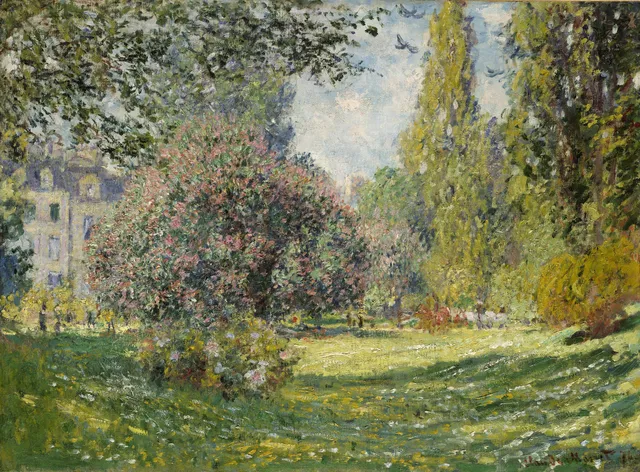
Park is a subject in art. The gallery holds 67 works in this subject in art, including works by Camille Pissarro, Claude Monet and Vincent van Gogh.
As a subject in art, the park sits at the intersection of two histories: the evolution of designed landscape itself, and the painter's long fascination with leisure set against cultivated nature. Long before parks were public, European aristocrats enclosed "parkland" — managed woods, meadows, and water around a country seat — and these grounds entered painting as emblems of ownership and order. Jacob van Ruisdael's *Country House in a Park* typifies the seventeenth-century Dutch instance, in which sweeping skies and planted avenues frame a gentleman's estate. In the following century, Antoine Watteau's *fêtes galantes* relocated courtly figures into dreamlike park settings, making the wooded clearing a stage for reverie and flirtation rather than a record of property.
The modern park as a civic, democratic space emerged in the nineteenth century, and art followed closely. Joseph Paxton's Birkenhead Park, opened in 1847 near Liverpool, was the world's first publicly funded park; Frederick Law Olmsted walked it in 1850, and its naturalistic meadows and serpentine lakes shaped his and Calvert Vaux's prize-winning 1858 Greensward Plan for New York's Central Park. In Paris, Baron Haussmann's engineer Jean-Charles Alphand remade the aristocratic Parc Monceau — first laid out in 1778 — into a public garden in 1861. These new green spaces gave painters a fresh, distinctly urban subject: nature curated for the crowd.
The Impressionists seized it. Claude Monet painted the Parc Monceau in 1876 and 1878, dissolving its lawns and strollers into flickering light and loose, broken brushwork. Édouard Manet's *Music in the Tuileries Gardens* (1862) crowded modern Parisian society into a single bustling parkscape, and Georges Seurat's monumental *A Sunday on La Grande Jatte* (1884–86) turned a riverside park into a frieze of pointillist leisure. Whistler, meanwhile, painted London's raffish Cremorne Gardens pleasure ground — including the catalogue's *Cremorne Gardens, No. 2* — before its closure in 1877, distilling its lamplight into atmospheric near-abstraction.
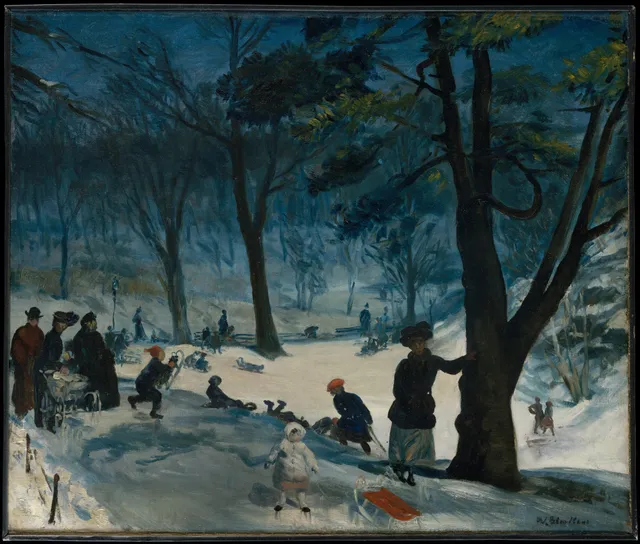
Across the Atlantic, the park became a defining American urban motif. William Glackens, an Ashcan School realist, rendered the snow and skaters of *Central Park, Winter* with vigorous, democratic immediacy. From Ruisdael's estates to Glackens's city scenes, the park thus traces a single arc — from private privilege to shared public life — and remains one of art's richest stages for observing how people inhabit designed nature.
Key artists
Overview
The park, as an artistic subject, encompasses designed green spaces ranging from aristocratic hunting grounds and formal palace gardens to urban public retreats and vast natural preserves. In art, the park serves as a versatile motif that bridges landscape, architecture, and social narrative, offering artists a structured yet natural setting in which to explore leisure, power, nature, and modern life. The collection contains 93 works depicting parks, indicating the motif's sustained importance across periods and styles. These range from country estates and royal gardens, such as the Parc Monceau, to city spaces including Central Park and Union Park, New York, demonstrating how artists have engaged with parks as sites of both escape and social encounter.
Iconography & meaning
Parks carry layered symbolic meanings that have evolved considerably. Originally, the park signified enclosure and privilege, derived from medieval Latin parricus meaning a fenced or enclosed area. In aristocratic contexts, parks proclaimed wealth and status through controlled nature, whether in the geometric formality of French Baroque gardens or the idealized naturalism of English landscape parks. The German tradition emphasizes that parks aim to achieve an idealized landscape through lawns, formative woody plants, and architectural elements, with human intervention visible only in paths and buildings. Urban parks acquired new meanings during the Industrial Revolution as spaces preserving nature within cities, serving physical and mental health functions. In art, parks can symbolize social hierarchy, romantic retreat, modern leisure, or democratic public space. The presence of figures within park settings, whether aristocratic families at leisure or urban crowds, adds narrative and social dimension to the landscape motif.
Across movements & periods
The treatment of parks in art reflects broader shifts in landscape design and social structure. Medieval origins lie in aristocratic deer parks, walled enclosures for hunting strictly forbidden to commoners, which evolved from the sixteenth century into landscaped parks surrounding mansions. The French formal garden, exemplified by André Le Nôtre's work at Versailles, presented nature as geometrically ordered and subordinate to architecture, with parterres, bosquets, and radiating axes. In contrast, the English landscape park, developed by designers such as Capability Brown and Humphry Repton, pursued idealized naturalism where human intervention remained concealed. The Dutch and German sources note that by the eighteenth century, urban parks emerged as public recreational spaces, with the modern city park developing particularly in the nineteenth century as a response to industrial urban conditions. American examples such as Boston Common (1634) and later Central Park represent this democratic impulse. French sources trace how enclosed hunting grounds of the medieval period, such as the park of Vincennes with its twelve-kilometer wall, transformed over centuries into public amenities. The German tradition distinguishes between formal French and natural English styles, while noting Pückler-Muskau's advocacy for parks that capture the character of free nature through calculated yet concealed design.
Notable depictions
Within the collection, several works stand as significant treatments of the park motif. The Parc Monceau appears multiple times, reflecting its importance as a subject for artists engaging with Parisian leisure culture. Claude Monet's Landscape: The Parc Monceau, though not explicitly attributed in the sources, would exemplify Impressionist interest in modern urban recreation. Central Park, Winter suggests engagement with America's prototypical urban park, designed by Frederick Law Olmsted and Calvert Vaux, which became a symbol of democratic public space. Cremorne Gardens, No. 2 evokes the pleasure garden tradition of Victorian London. The aristocratic portraits set in park landscapes, including those of the Duchess of Berry and the Duchess of Burgundy, follow a long tradition of using garden and park settings to frame elite status. The Dutch source specifically names world-famous parks depicted by artists: Bois de Boulogne, Bois de Vincennes, Parc Monceau, Parc des Buttes-Chaumont and the Tuileries in Paris; Central Park in New York; and Hyde Park in London, indicating the international scope of park representation.
Legacy
The park as artistic subject retains continued relevance through its adaptability to changing social and environmental concerns. The nineteenth-century urban park movement, responding to industrialization, established models of public green space that persist in contemporary city planning, with organizations such as the American Society of Landscape Architects advocating for parks as essential community infrastructure. The concept expanded to national parks, beginning with Yellowstone in 1872, and regional parks with varying protection statuses. In art, parks continue to serve as sites for examining social interaction, environmental consciousness, and the negotiation between natural and built environments. The collection's range from aristocratic hunting grounds to urban neighborhood parks traces this evolution, while contemporary park design increasingly addresses biodiversity, pollinator support, and inclusive usage across gender and age. The Dutch source notes that modern parks fulfill recreational, aesthetic, natural, and environmental functions simultaneously, with urban parks specifically valued as green lungs improving city climate and air quality. The persistence of the park motif across 93 works in the collection testifies to its enduring capacity to encapsulate shifting relationships between society, nature, and space.
Works
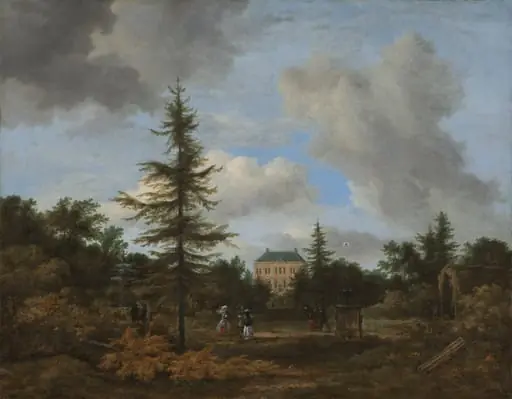 Country House in a Park
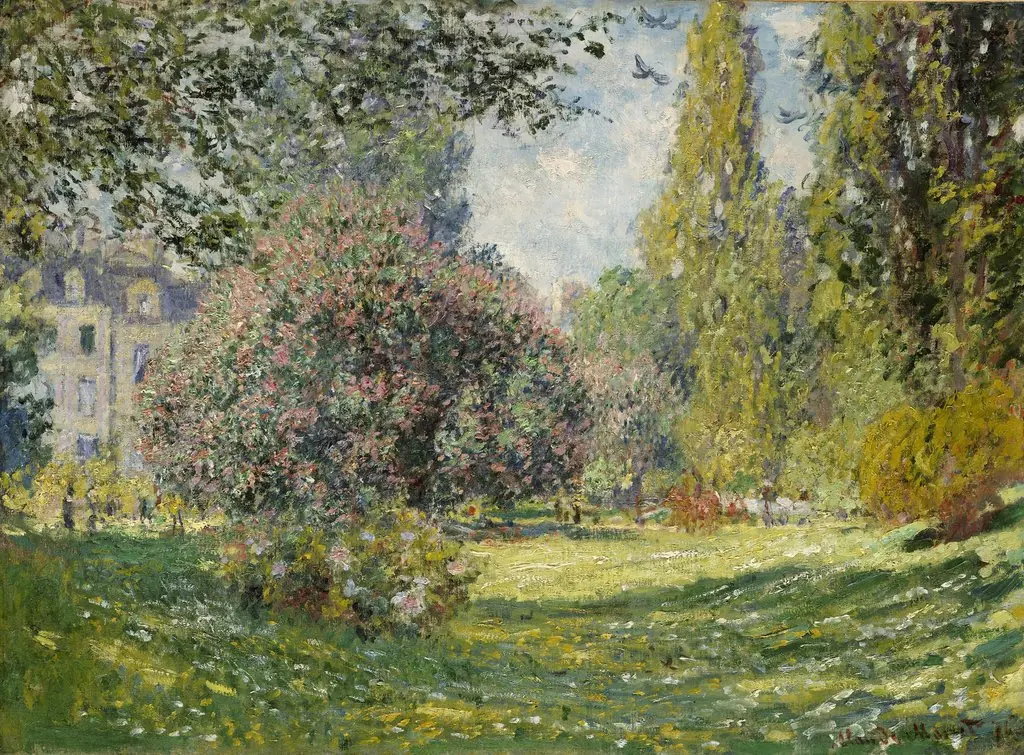 Landscape: The Parc Monceau
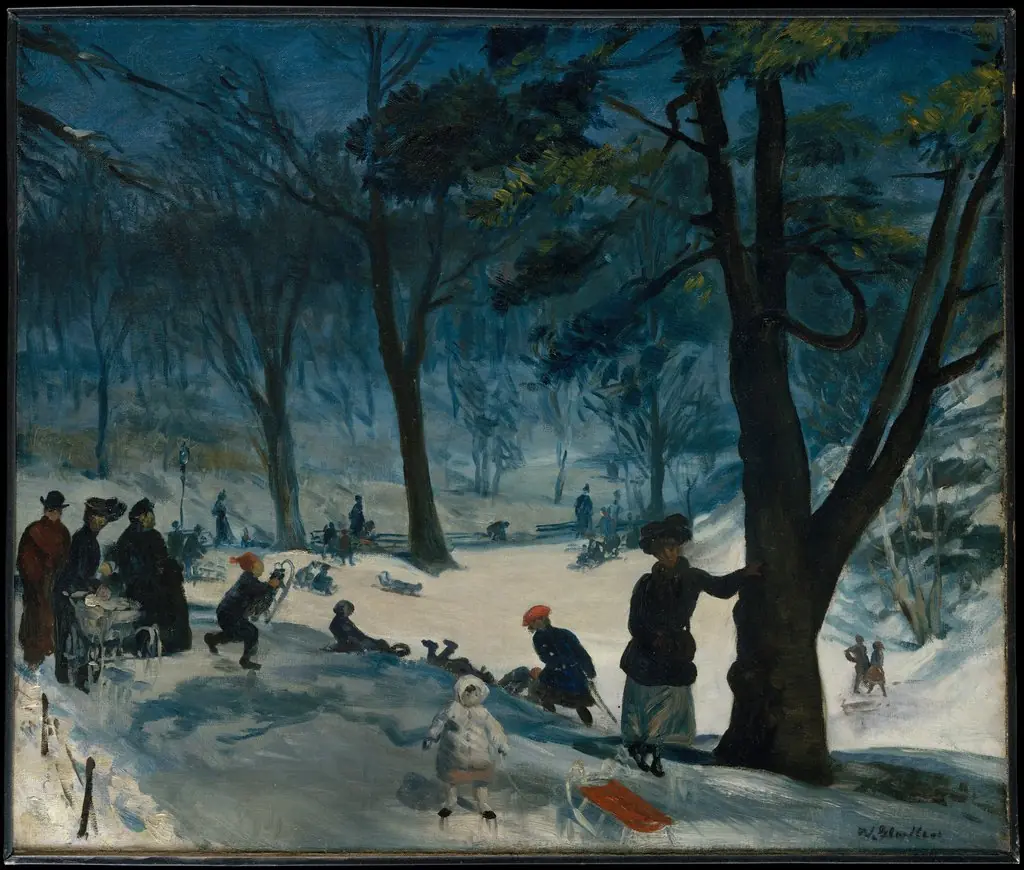 Central Park, Winter
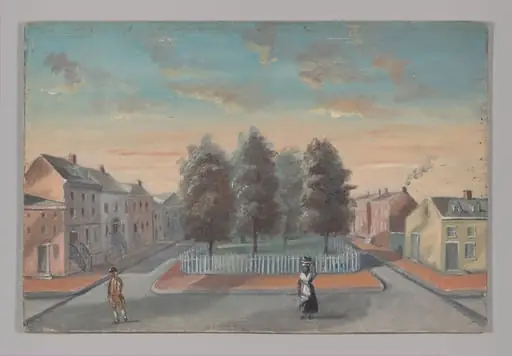 Baked Pears in Duane Park
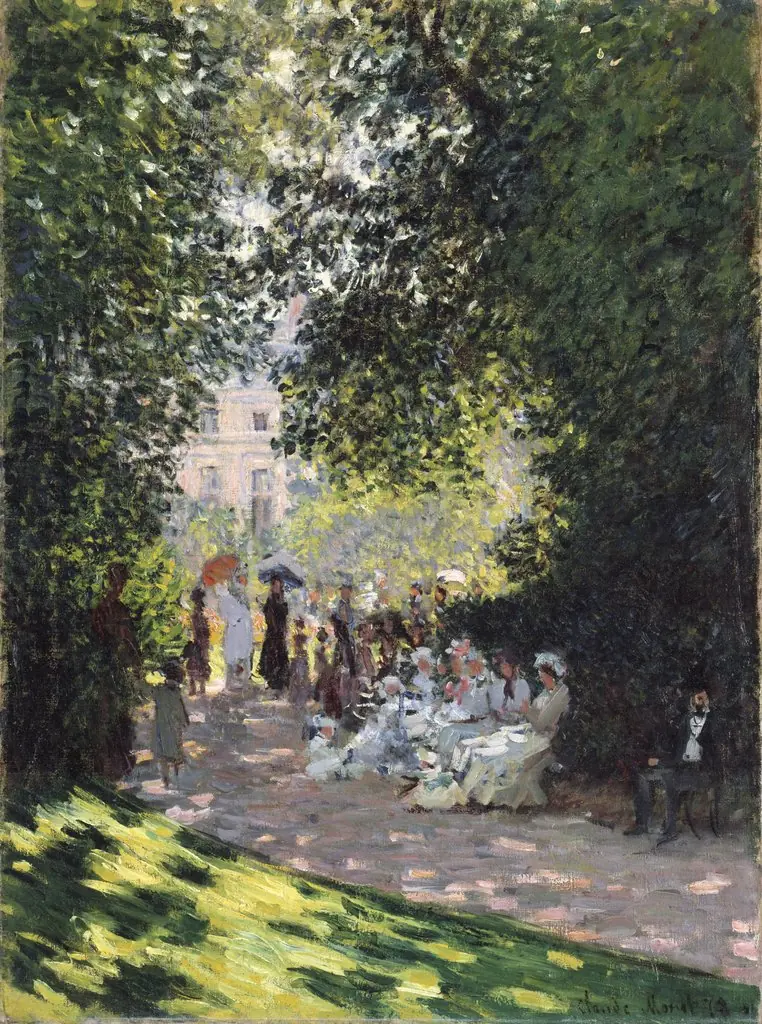 The Parc Monceau
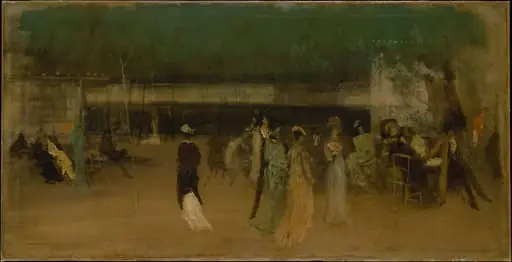 Cremorne Gardens, No. 2
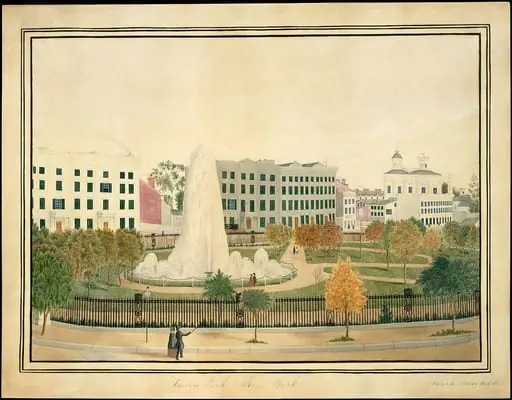 Union Park, New York
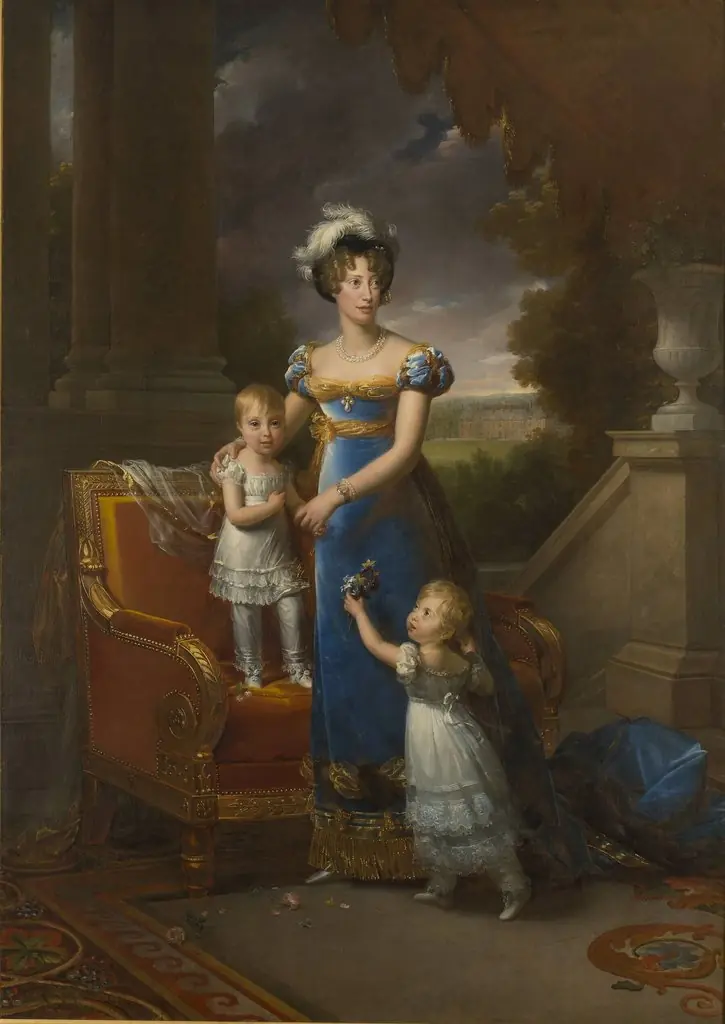 The Duchess of Berry and her Children
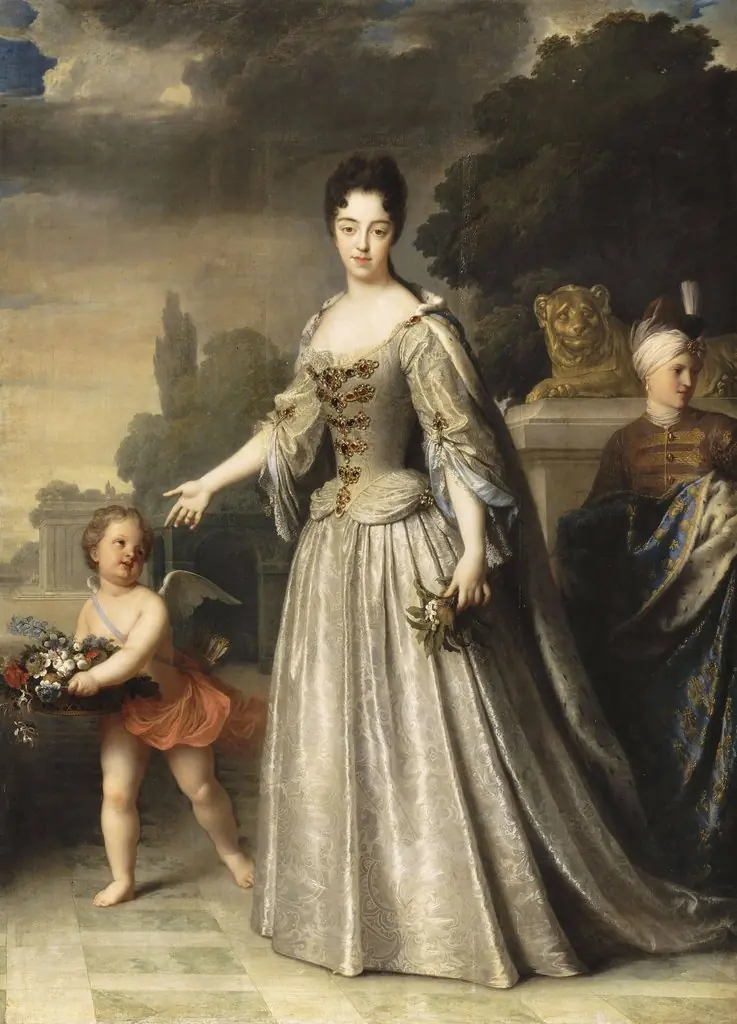 Portrait of Marie Adélaïde of Savoy, Duchess of Burgundy
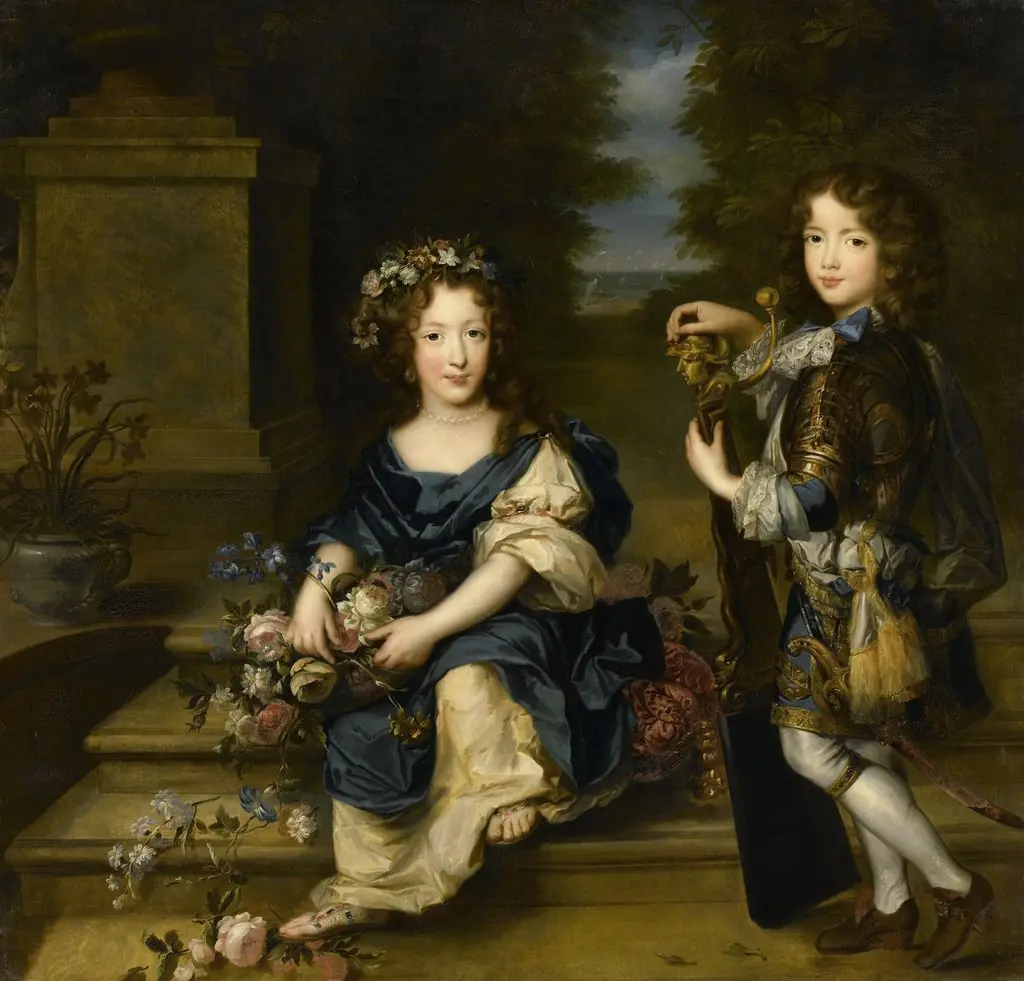 Anne-Marie de Bourbon, future princess of Conti and Louis de Bourbon, count of Vermandois
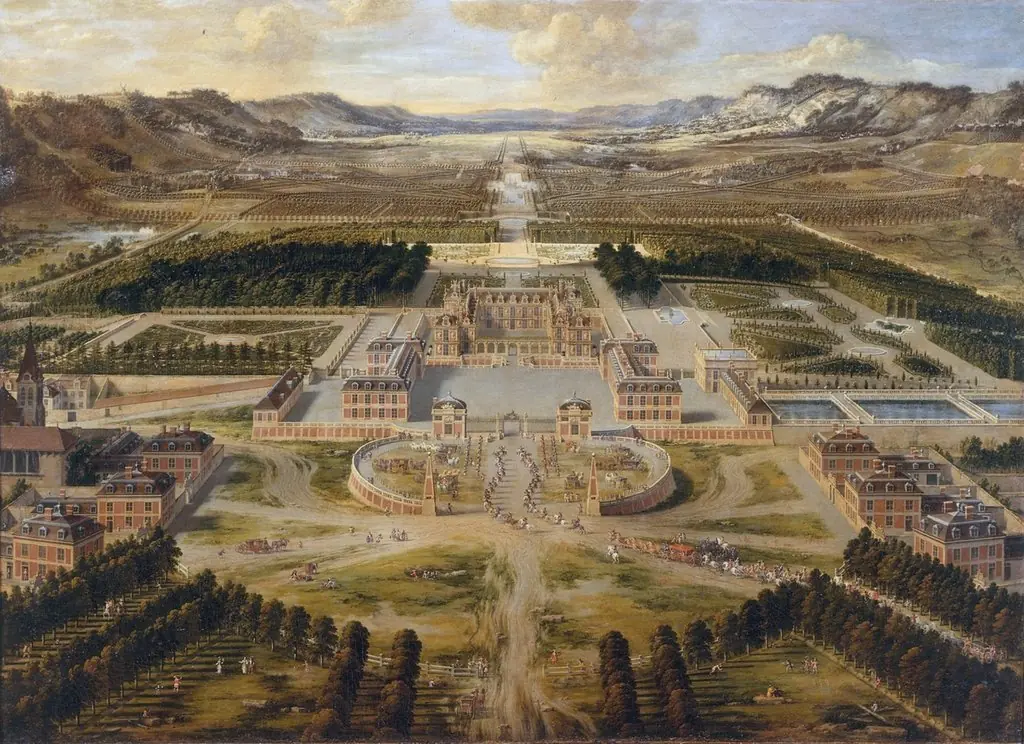 View of the Palace of Versailles and the gardens from the Avenue de Paris in 1668
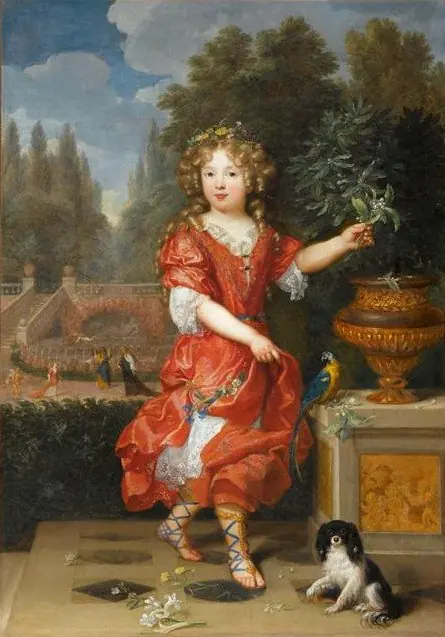 Presumed portrait of Mademoiselle de Blois
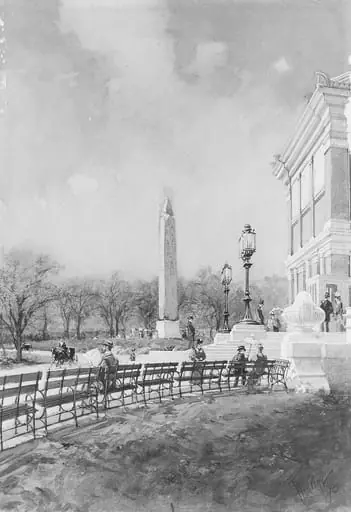 Cleopatra's Needle
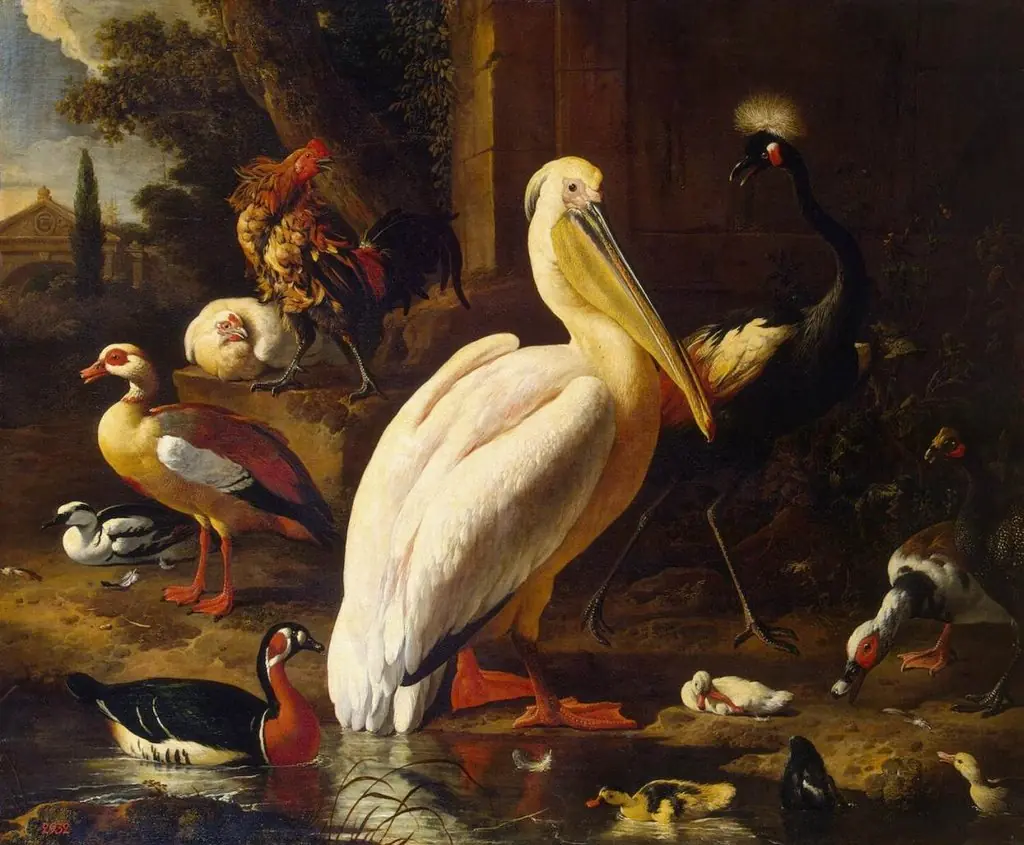 Birds in a Park
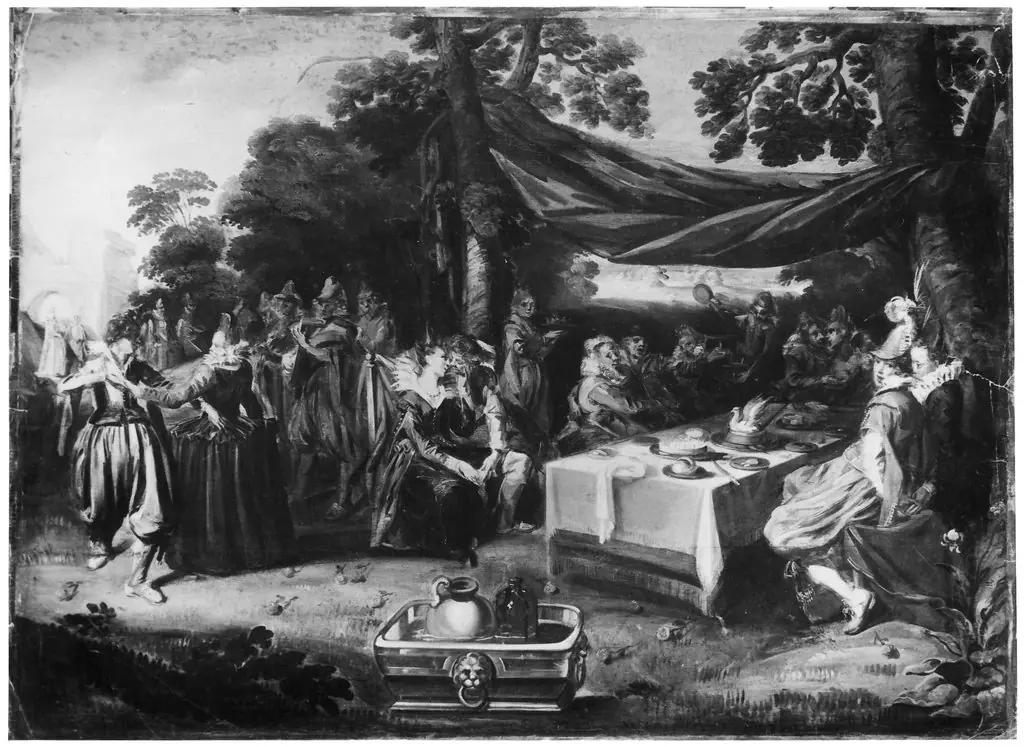 Banquet in a Park
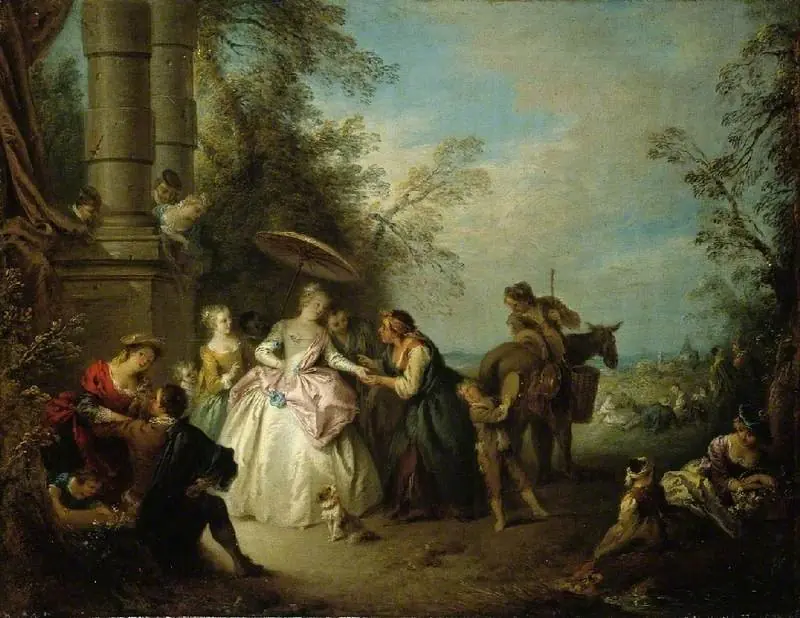 La Bonne Aventure
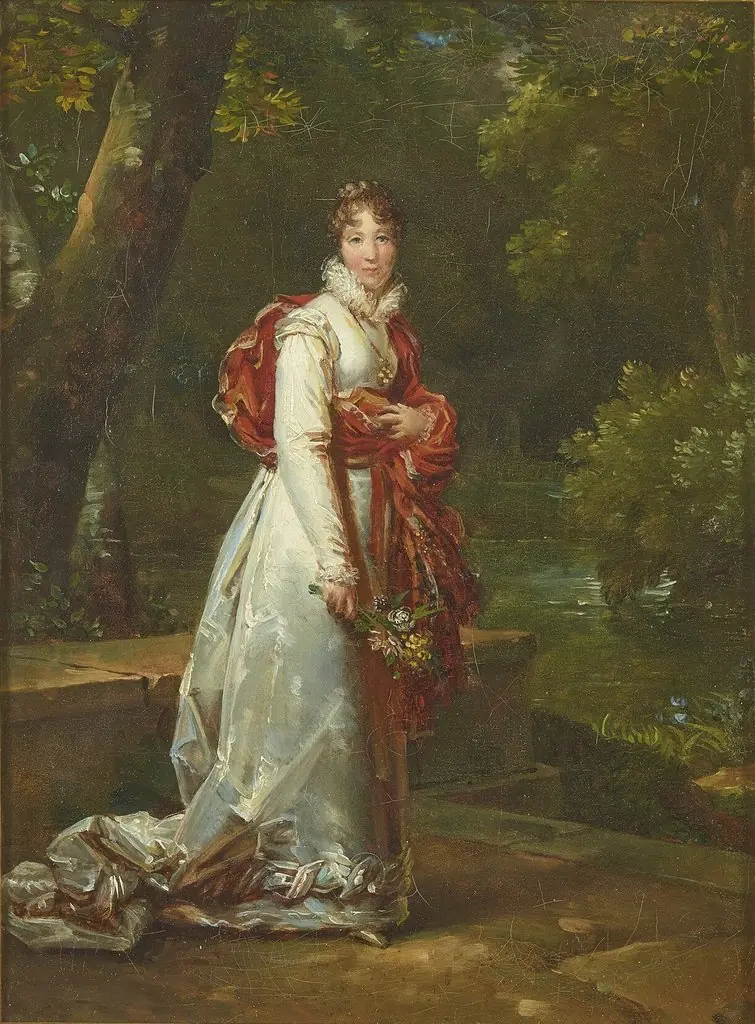 Portrait of Adélaide d'Orléans
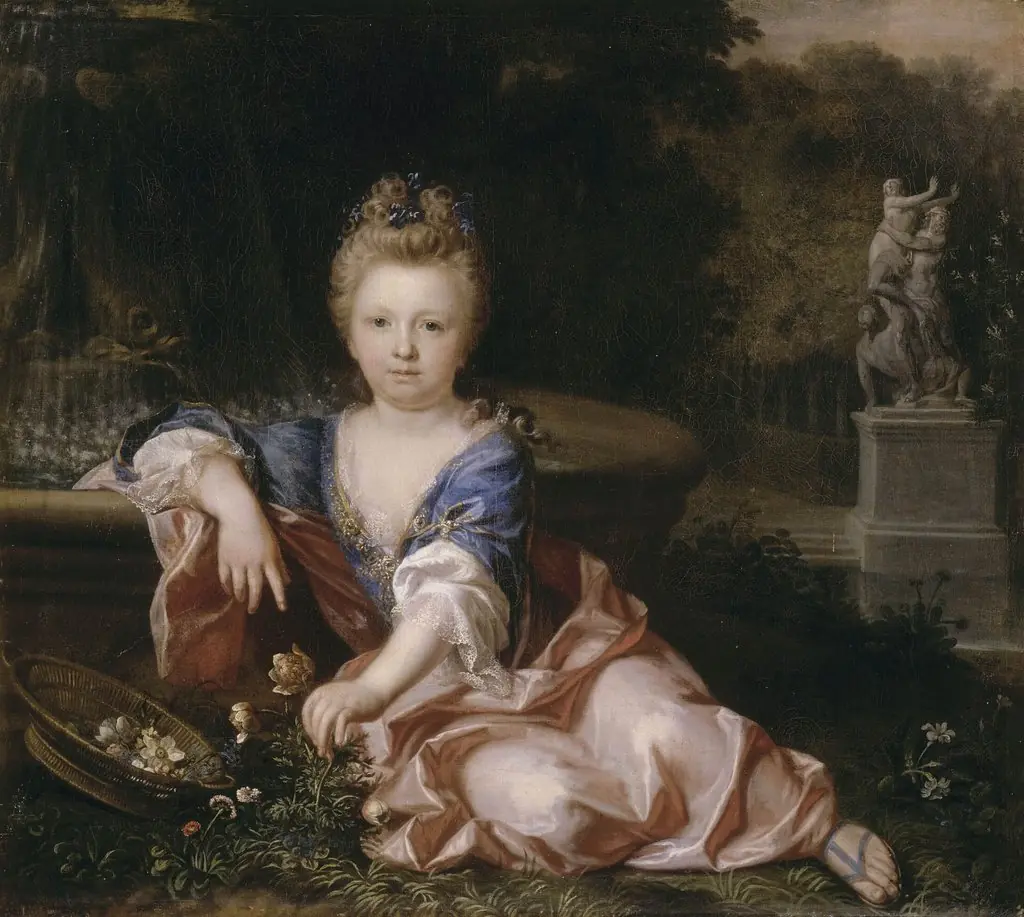 Marie-Anne-Victoire, Infanta of Spain (1718-1781)
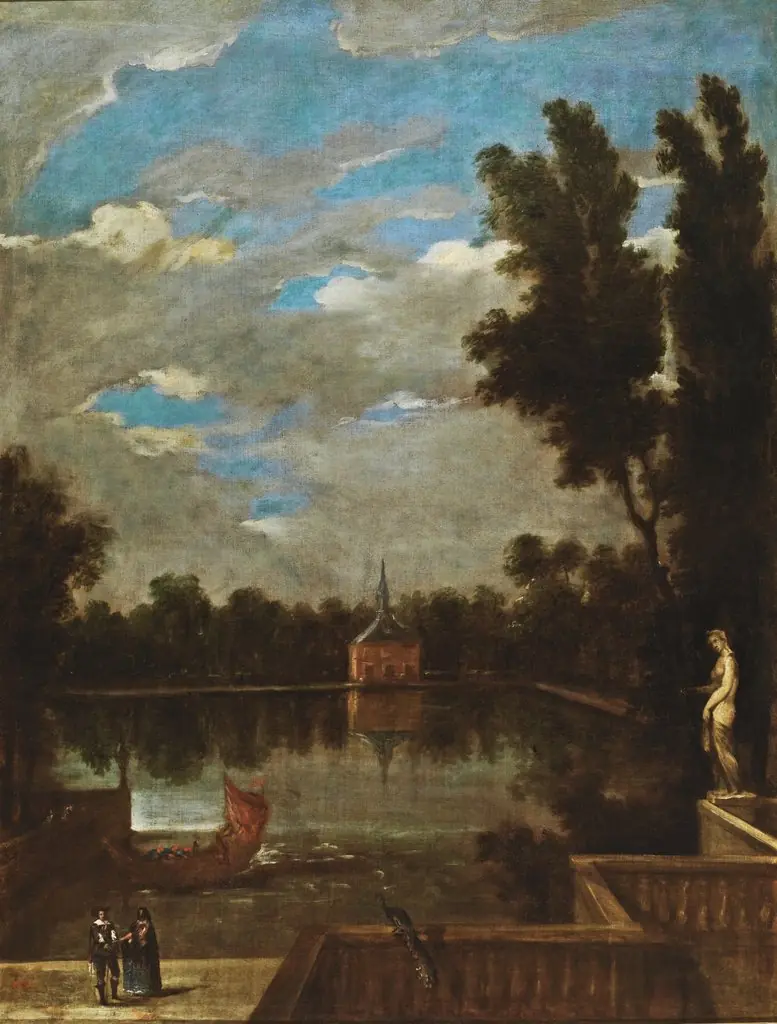 The Grand Lake in Buen Retiro
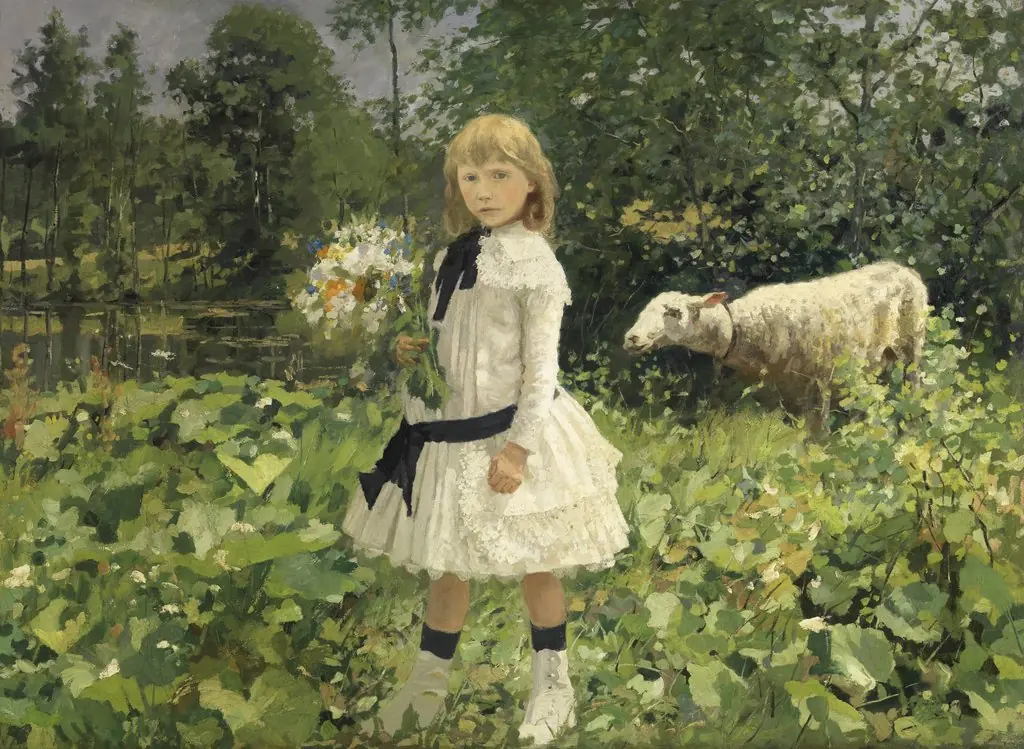 Miss Strobbe in a Park
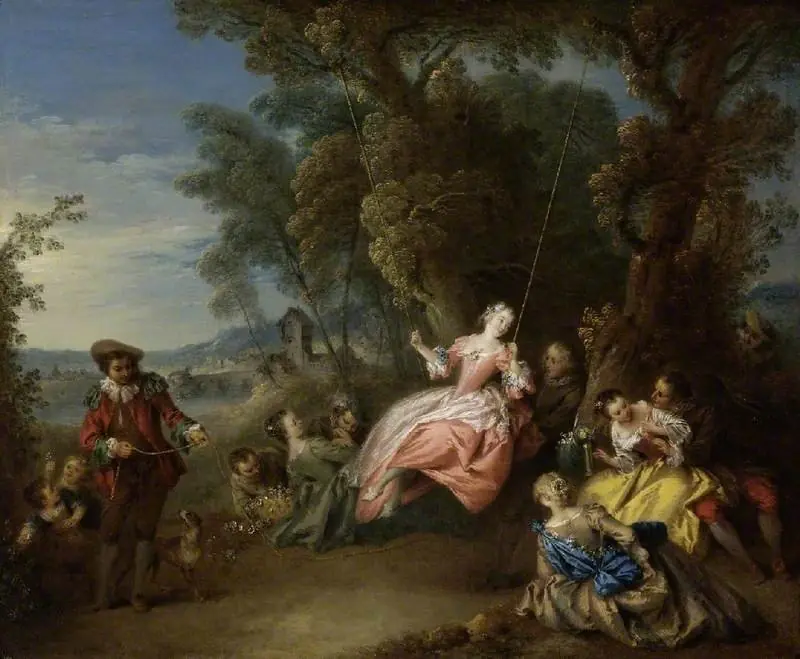 La Balançoire
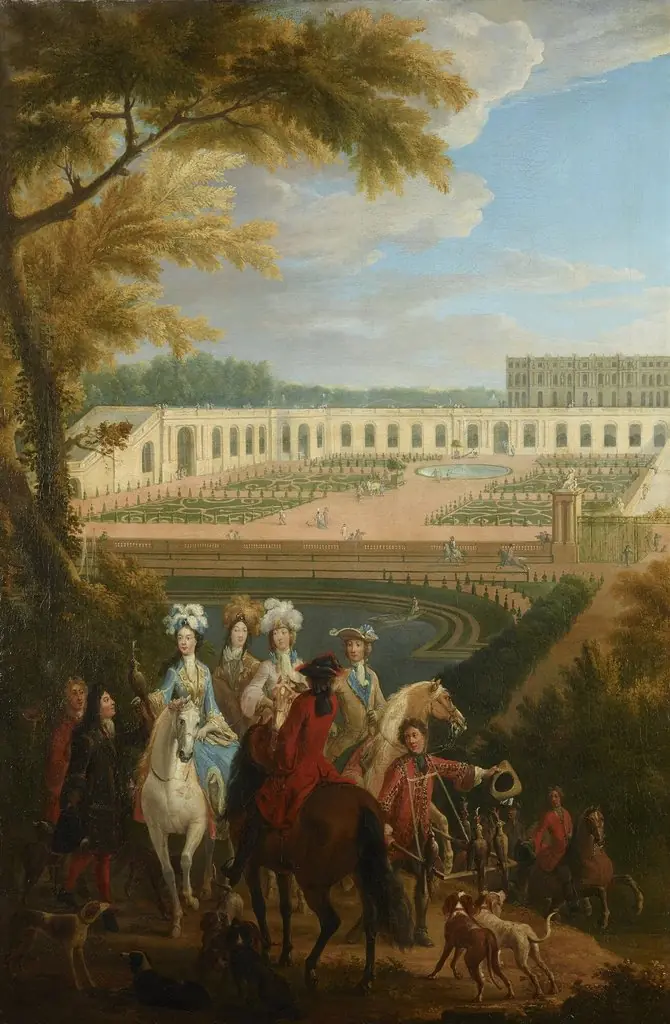 View of the departure of the Duchess of Burgundy for the hunt in front of the Orangery of Versailles
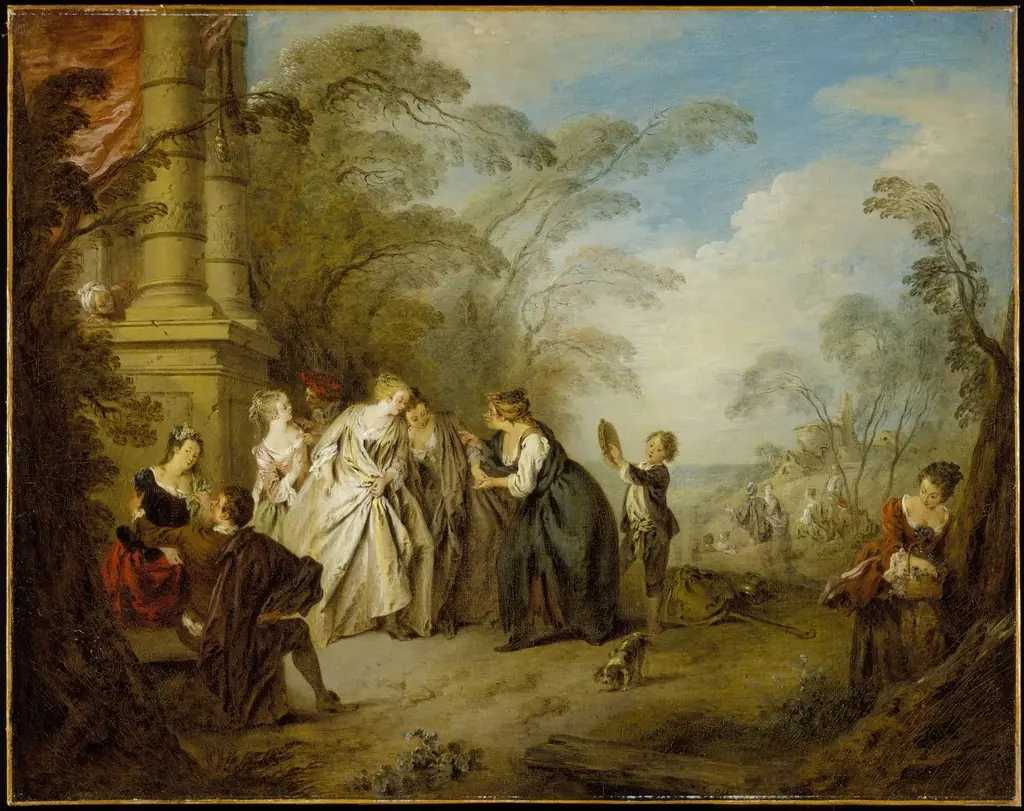 The Fortune Teller
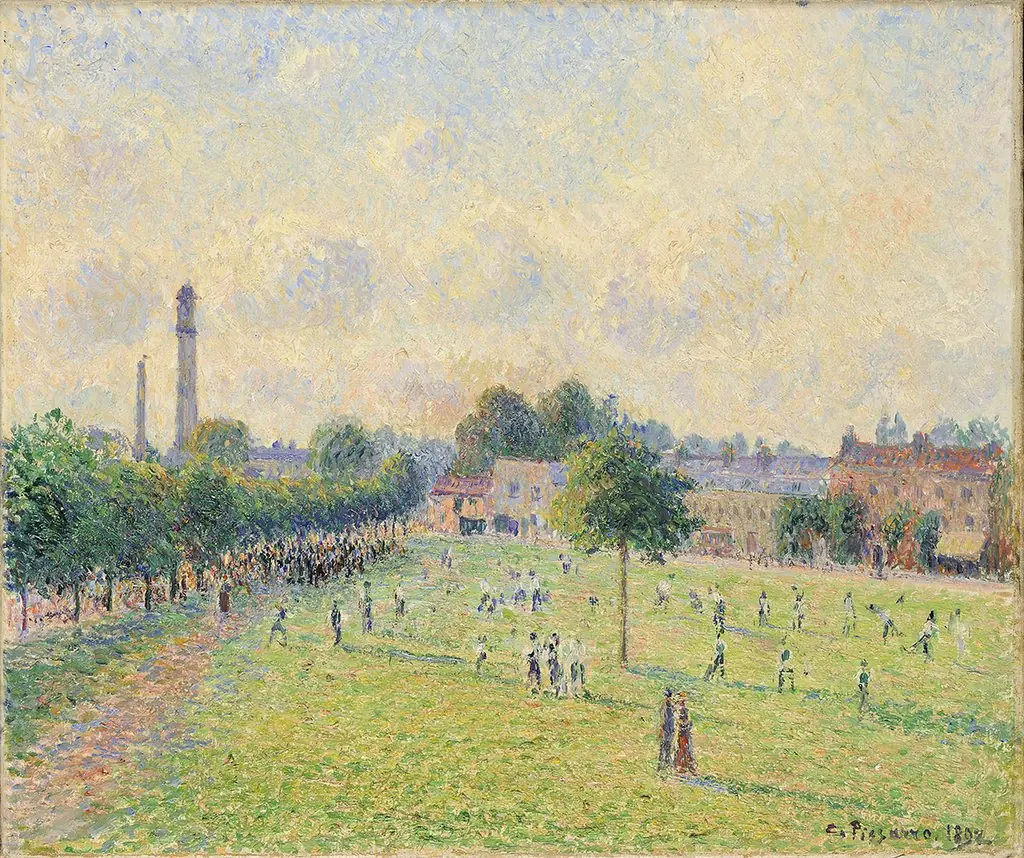 Kew Greens
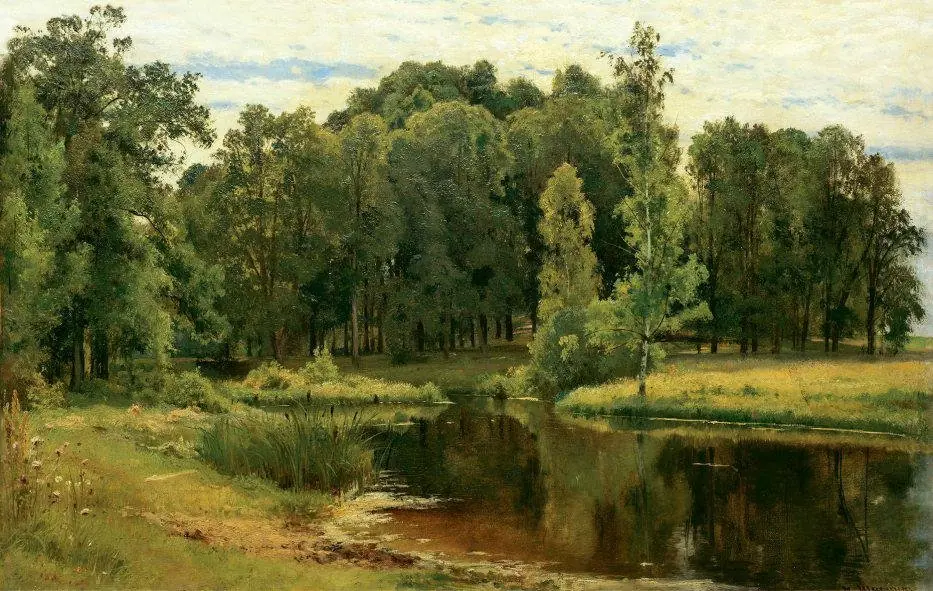 Pond in the old park
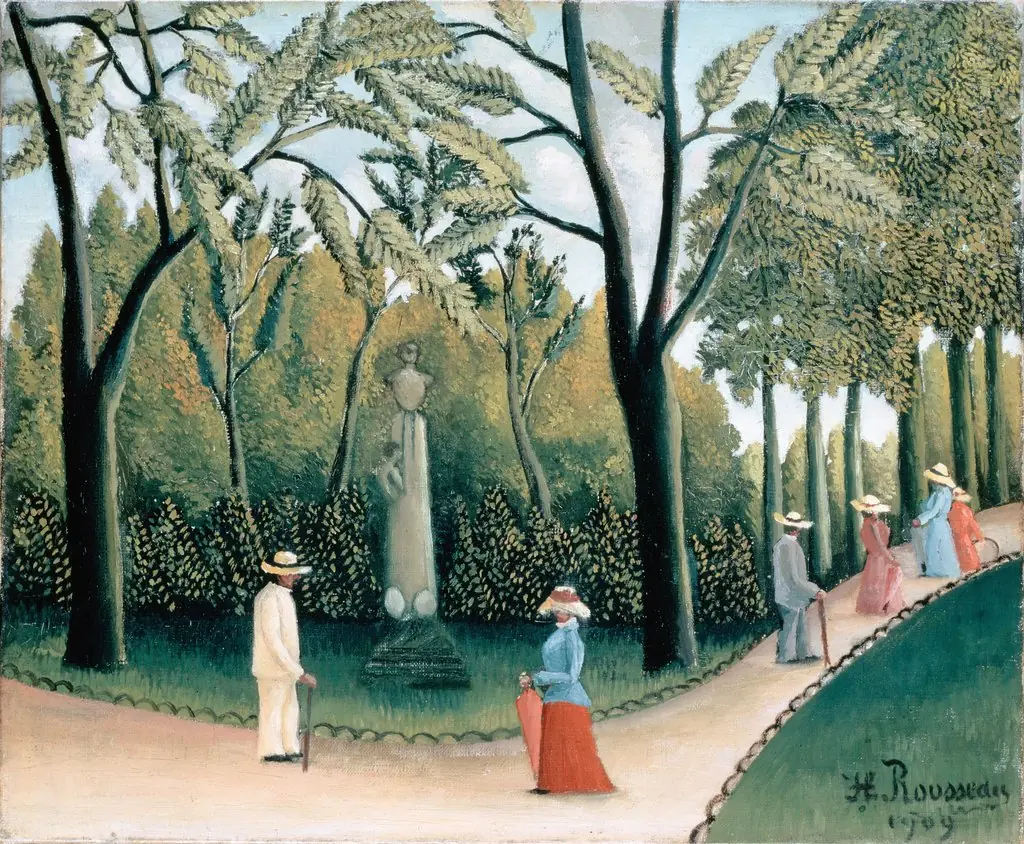 Luxembourg Gardens. Monument to Chopin
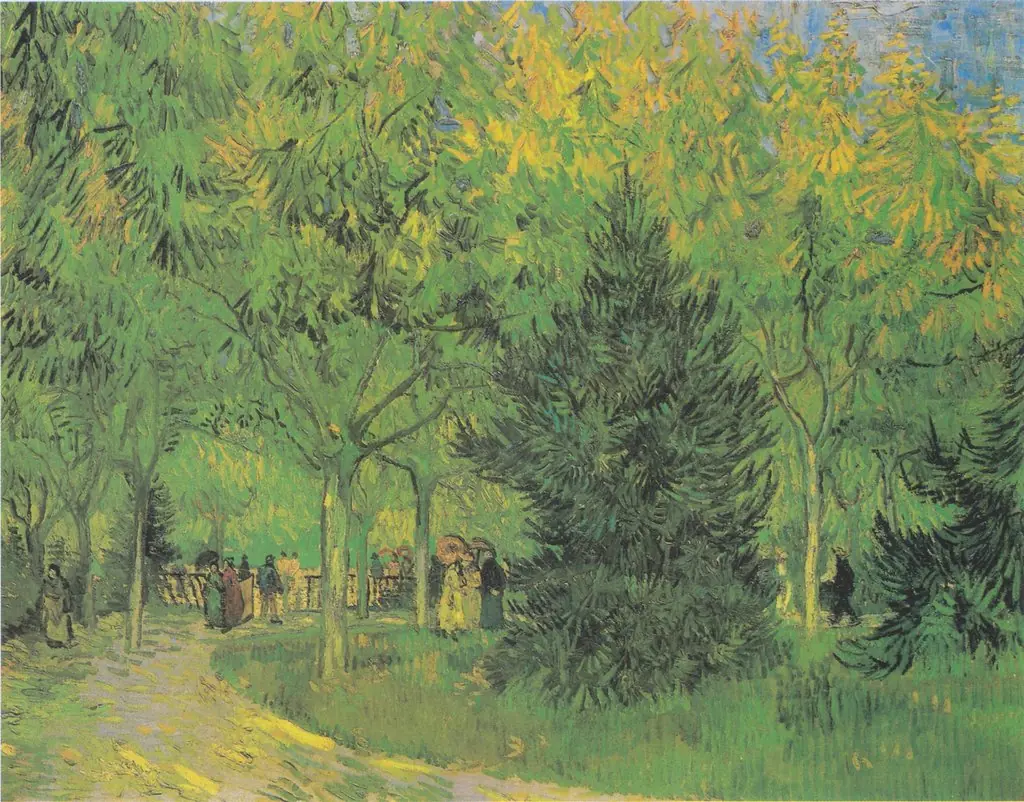 A Lane in the Public Garden at Arles
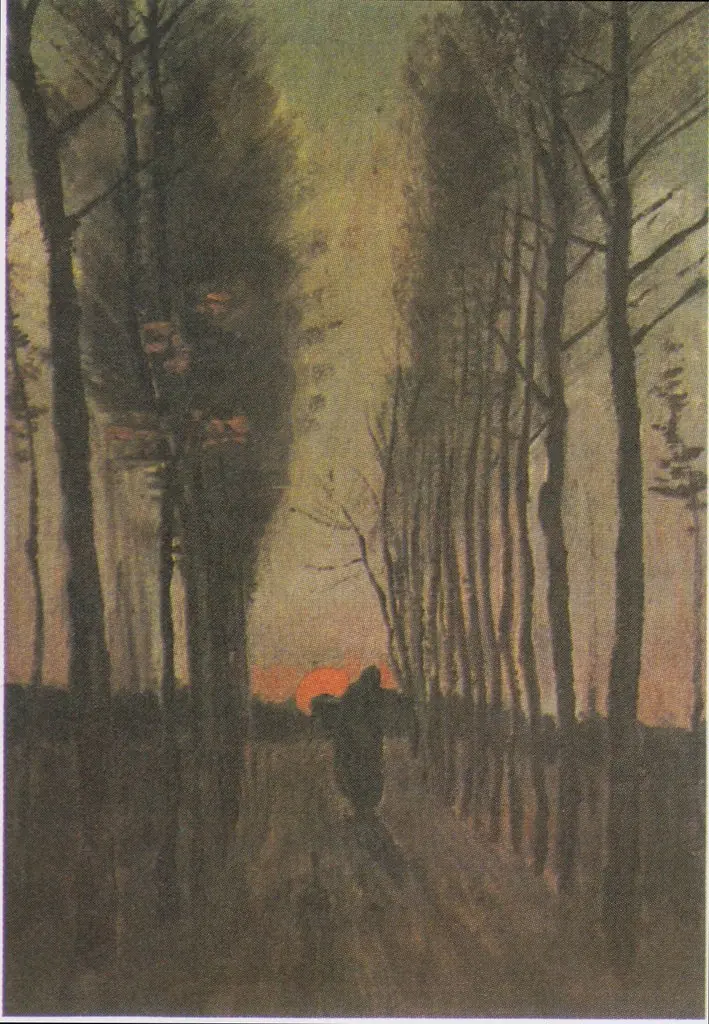 Avenue of Poplars at Sunset
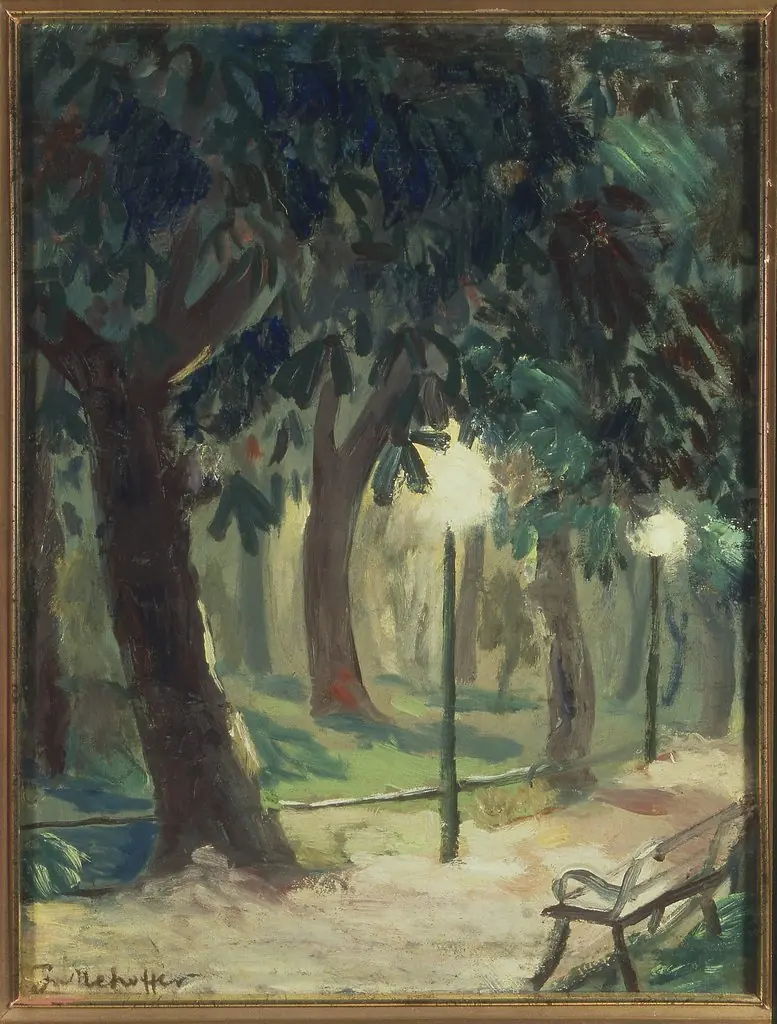 Planty Park in Kraków
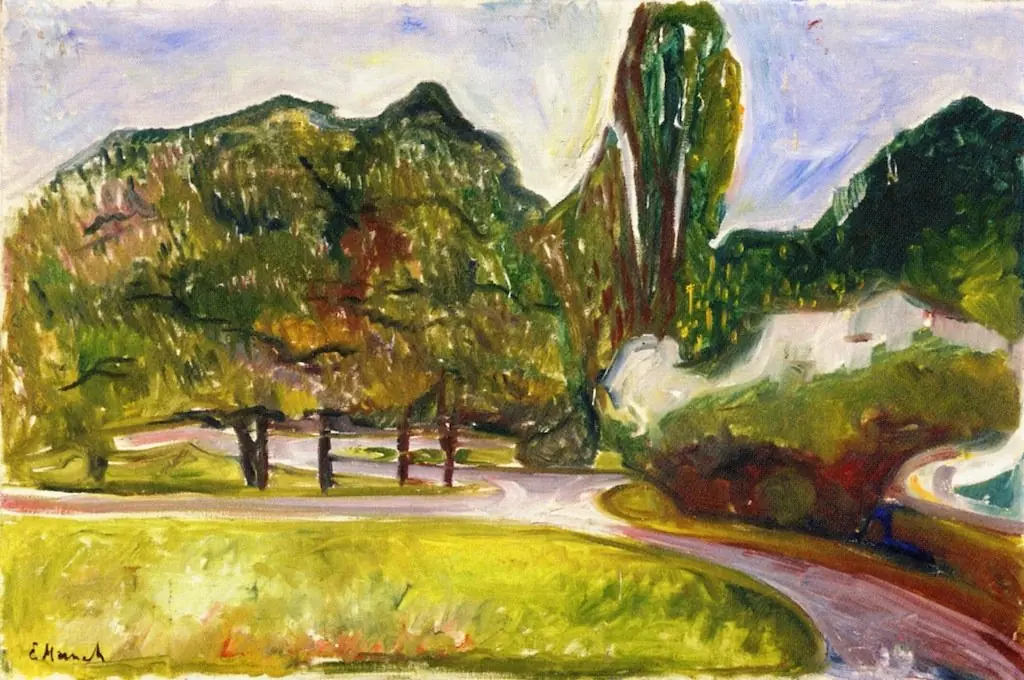 Summer Night in Studenterlunden
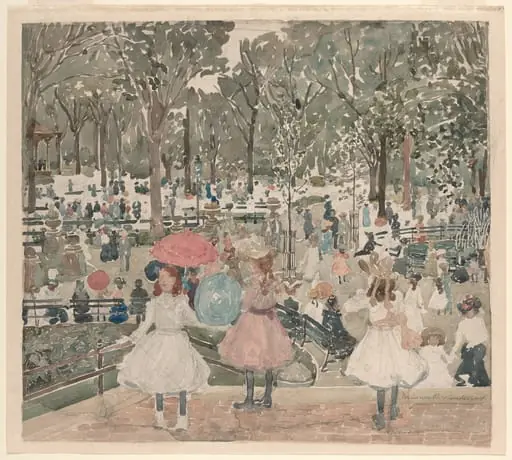 The Mall, Central Park
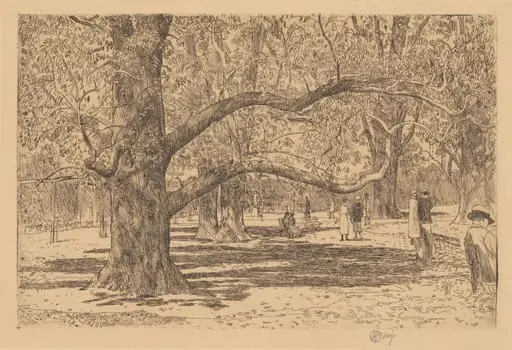 The English Elms
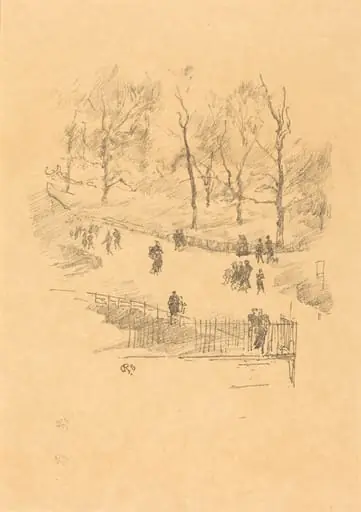 Kensington Gardens
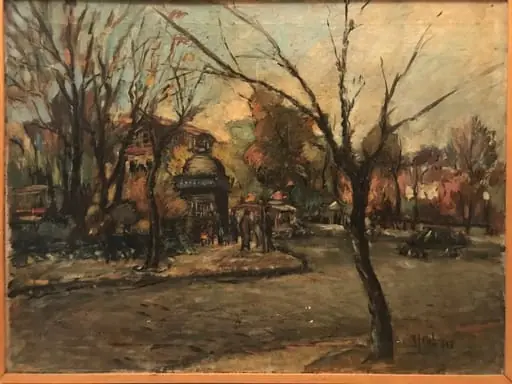 Cișmigiu
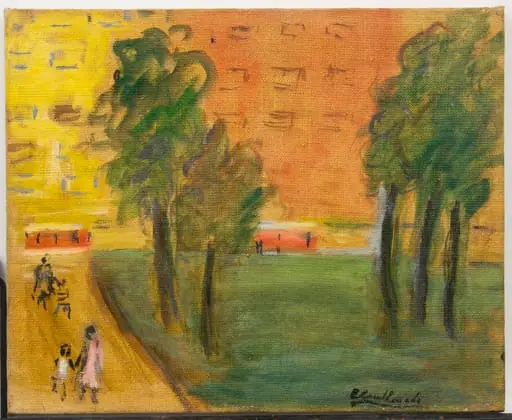 Vedere din Cișmigiu
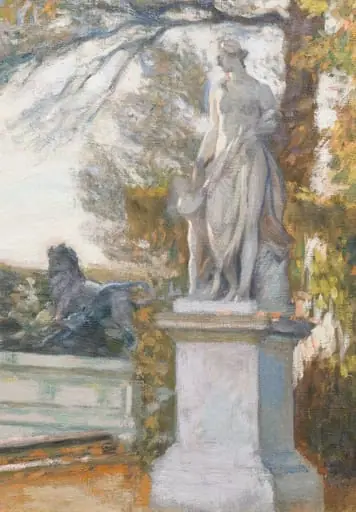 Parc din Luxemburg
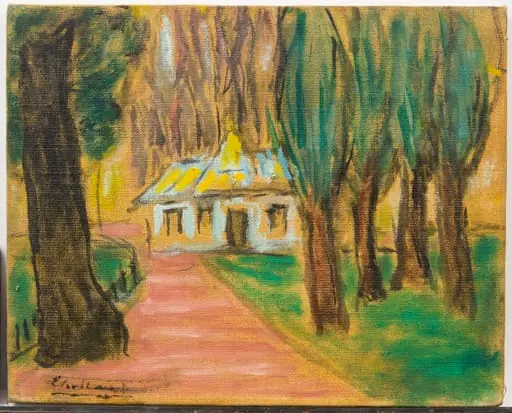 Peisaj din Cișmigiu
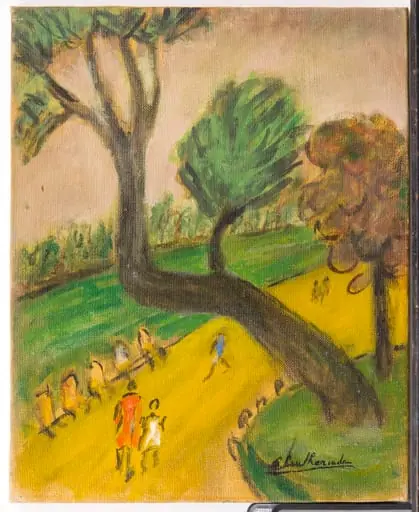 Plimbare în Cișmigiu
 În parc
 COPAC SECULAR ÎN CIȘMIGIU
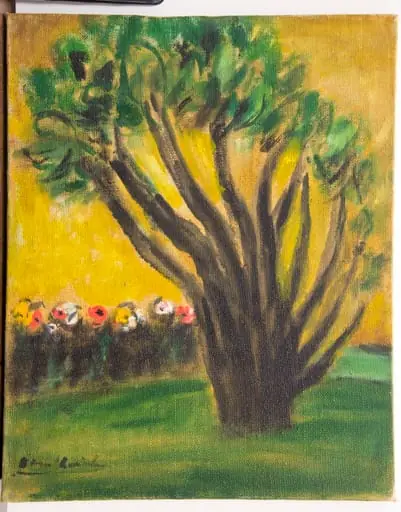 Copac secular din Cișmigiu
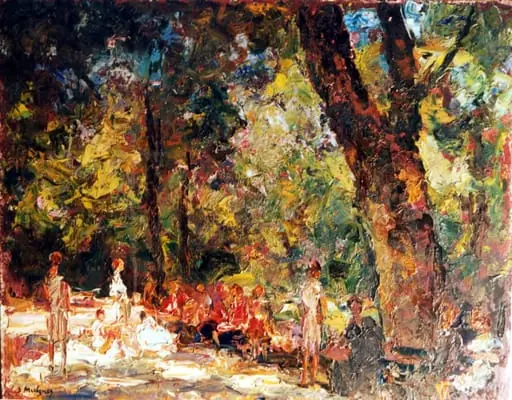 Cișmigiu
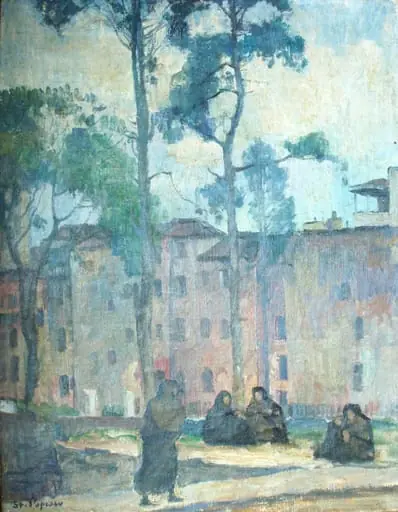 Repaos
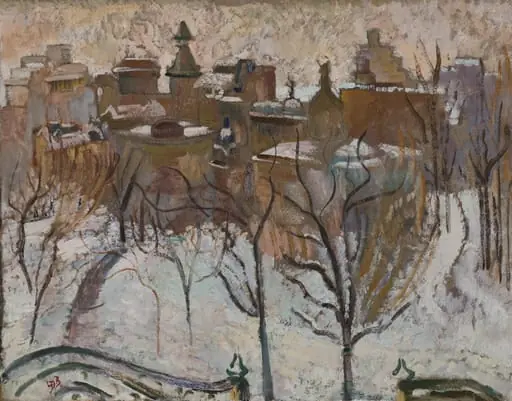 Iarna în Cișmigiu
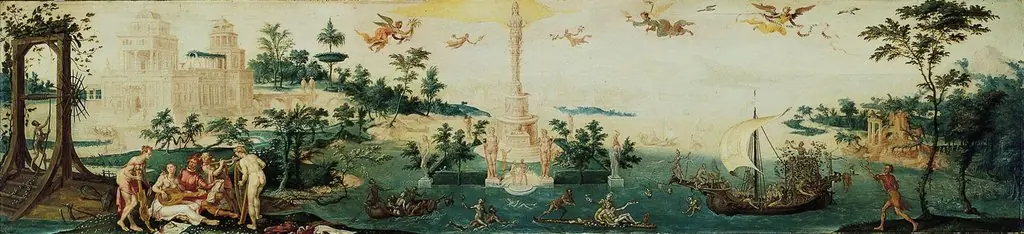 Allegory of Nature
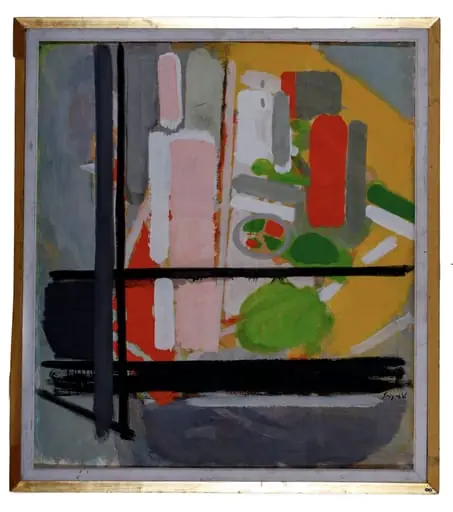 Peisaj de la fereastră
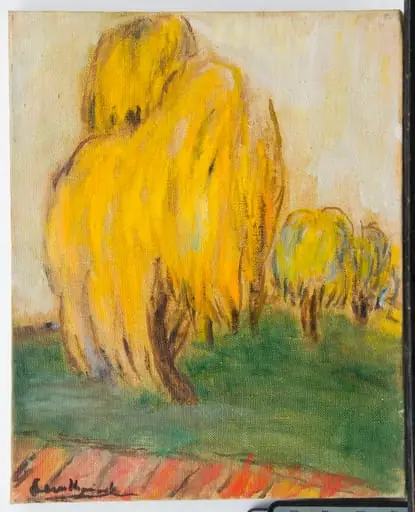 Copaci galbeni în Cișmigiu
 Peisaj din Cișmigiu
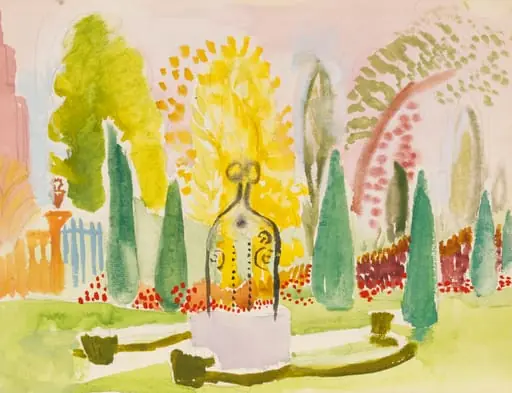 Peisaj
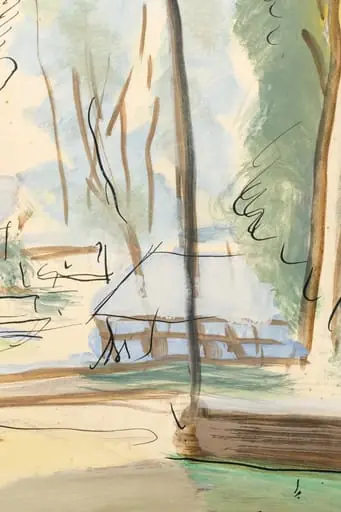 Alee în parc
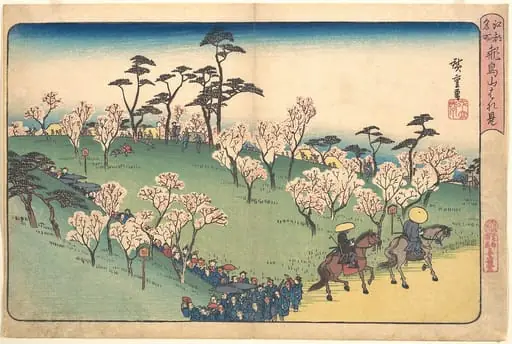 江都名所 飛鳥山はな見|Asukayama Hanami
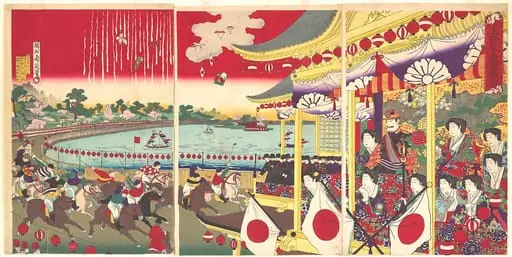 『上野不忍競馬図』|View of the Horse Track at Shinobazu in Ueno Park (Ueno shinobazu keiba zu)
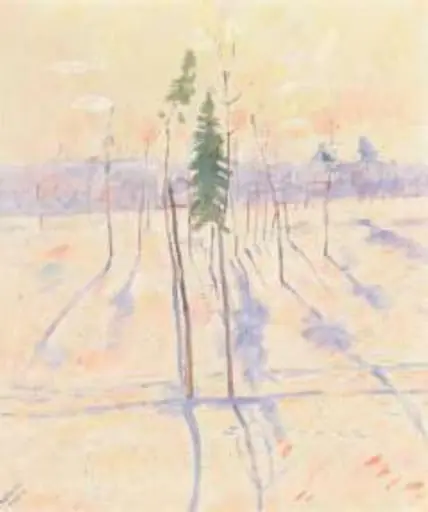 Brazi în zăpadă
 Parcul
 Pe marginea lacului
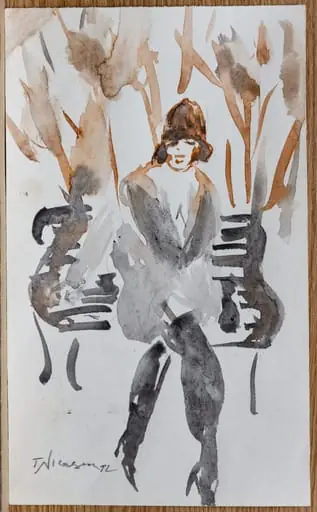 Femeie în parc
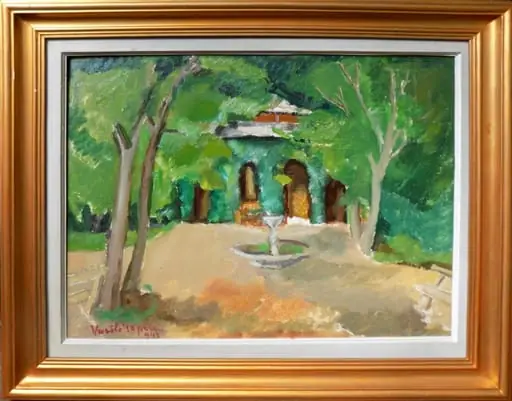 Peisaj din Buziaș
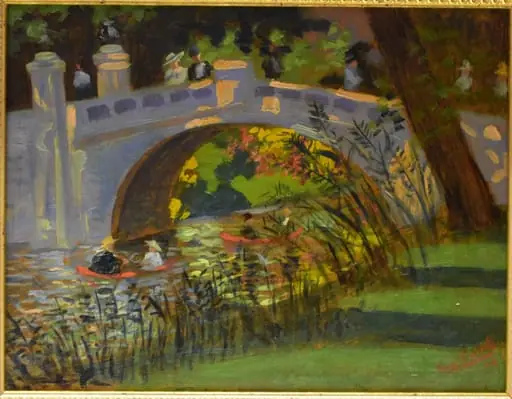 Barca sub pod (Cișmigiu)
 Moșnegii (1)
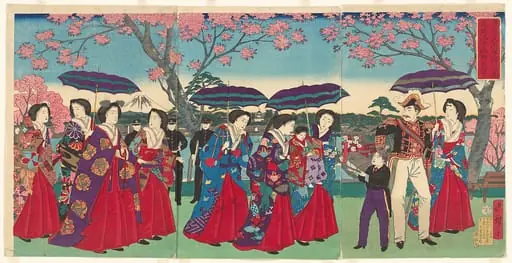 三代歌川広重画 『東京名所 従上野公園 不忍池中嶋弁天之景』|View of Benten Shrine on Nakanoshima Island in Shinobazu Pond, Ueno Park, from the series Famous Views of Tokyo (Tōkyō Tokyo meisho yori Ueno kōen Shinobazu no ike Nakanoshima Benten no kei)
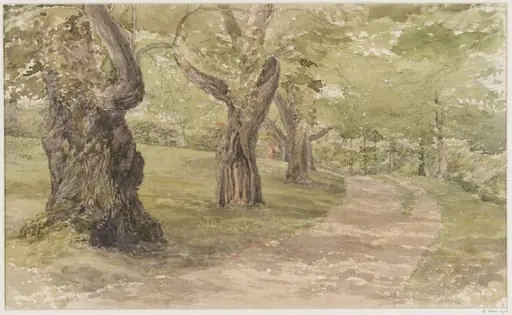 Study of Trees
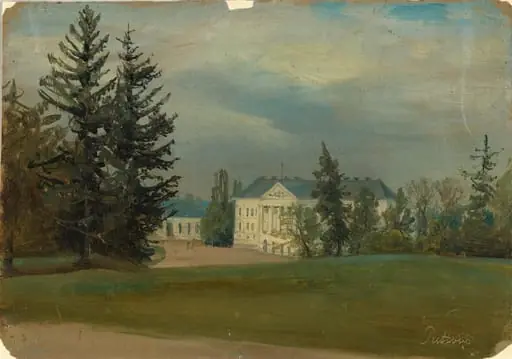 Schloss und Park Putbus auf Rügen
 În parc
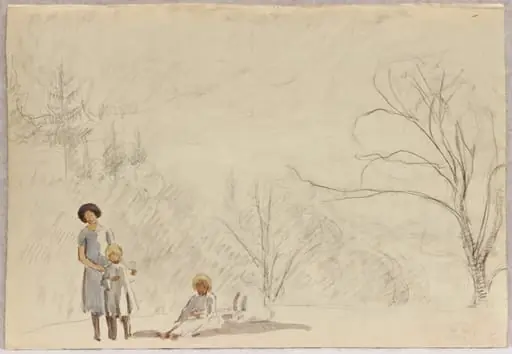 Față: Copii odihnindu-se
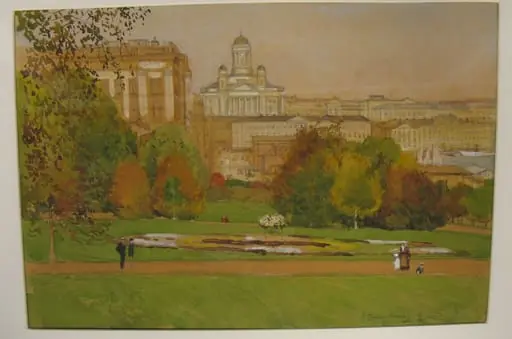 Eteläsatama
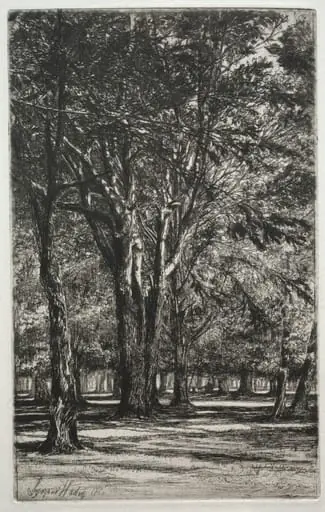 Kensington Gardens (The Large Plate)
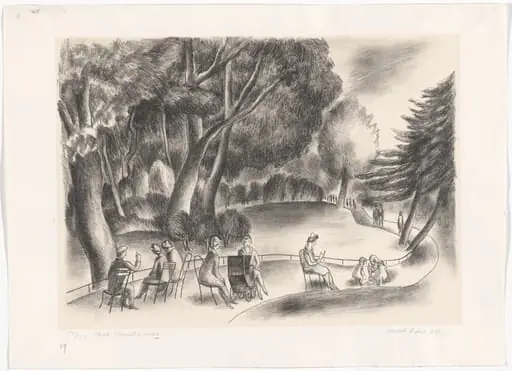 Untitled
Frequently asked questions
What is Park?
Park is a subject in art. A park is an area of natural, semi-natural or planted space set aside for human enjoyment and recreation or for the protection of wildlife or natural habitats.
How many Park works does Artifact World Gallery have?
Artifact World Gallery holds 67 public-domain Park works, all free to view and download.
Who are the key Park artists?
Key Park artists in the collection include Camille Pissarro, Claude Monet and Vincent van Gogh.
Where can I see Park works?
Park works in the collection are held by National Museum of Art of Romania, Metropolitan Museum of Art and Gavrila Simion Eco-Museum Research Institute Tulcea.