Artwork
Mater Dolorosa (Mourning Mother)
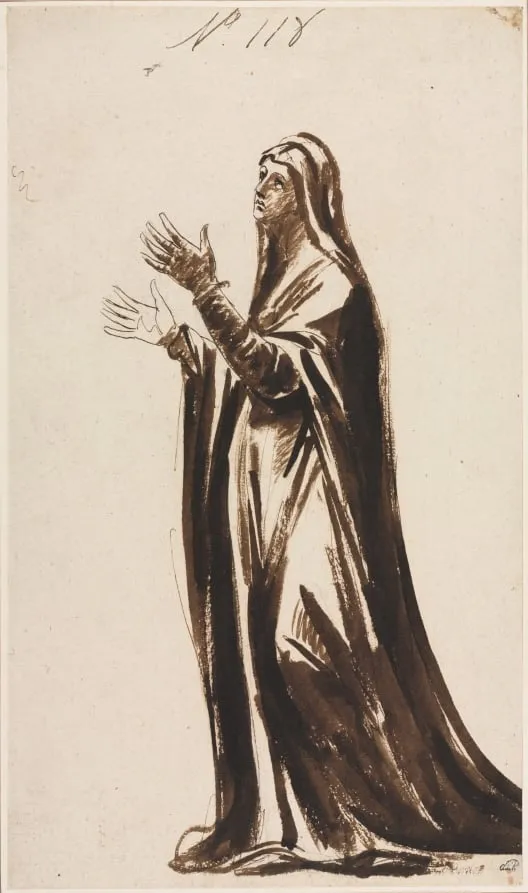
Mater Dolorosa (Mourning Mother) is a drawing by the Romanticist artist George Romney. It dates from 1776 and is held in the collection of the Cleveland Museum of Art.
- Accession no.
- 1970.338
- Credit line
- Dudley P. Allen Fund
About this work
Overview
George Romney created this ink and wash drawing as a preparatory study for an uncompleted commission intended for King’s College, Cambridge. Though the final painting was never executed, the drawing stands as a powerful expression of grief, rendered with rapid, fluid lines and concentrated areas of dark wash. Its immediacy suggests a moment captured in motion rather than a polished composition.
Subject & Meaning
The figure depicts the Virgin Mary in deep mourning, her face turned away and body folded inward, conveying sorrow without explicit facial expression. Her enlarged hands, pressed tightly together, amplify the emotional weight of the scene. The absence of narrative context focuses attention solely on her inner anguish, transforming personal grief into a universal symbol of loss.
Technique & Style
The technique echoes sfumato in its soft transitions, though executed with the spontaneity of a sketch, enhancing the sense of fleeting emotion.
Romney employed loose, flowing ink lines to define the Virgin’s form, avoiding rigid contours in favor of organic, suggestive strokes. Heavy washes pool at the lower edge of the sheet, creating a somber atmosphere through tonal gradation rather than detail. The technique echoes sfumato in its soft transitions, though executed with the spontaneity of a sketch, enhancing the sense of fleeting emotion.
History & Provenance
The drawing was made during Romney’s preparation for a chapel decoration commission at King’s College, Cambridge, which was ultimately abandoned. It remained in the artist’s possession and later entered a private collection before being acquired by a public institution. Its survival as a standalone work reflects its emotional resonance beyond its original intended function.
Context
In late 18th-century Britain, religious subjects in art were often tied to institutional commissions, yet Romney’s approach here diverges from formal ecclesiastical conventions. His focus on intimate, unadorned emotion aligns with emerging sensibilities in Romanticism, prioritizing psychological depth over doctrinal clarity or ornamental grandeur.
Legacy
Though never realized as a painting, this study endures as a testament to Romney’s ability to convey profound emotion through minimal means. Its influence is seen in later artists who favored expressive draftsmanship over finished detail, valuing the rawness of the preparatory sketch as a vessel for authentic feeling.
Artist & collection
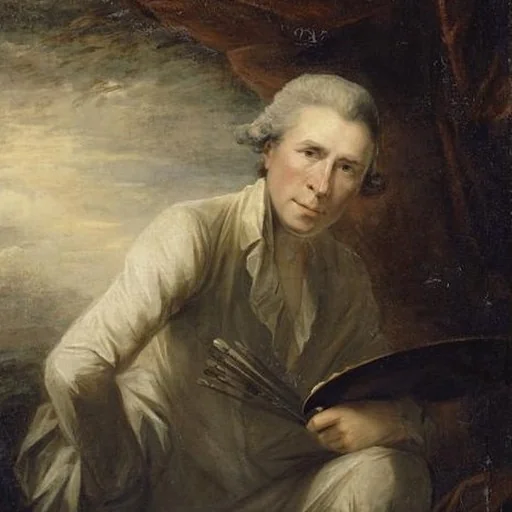
Artist
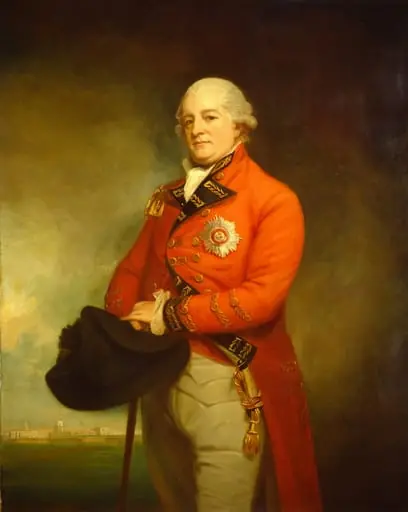
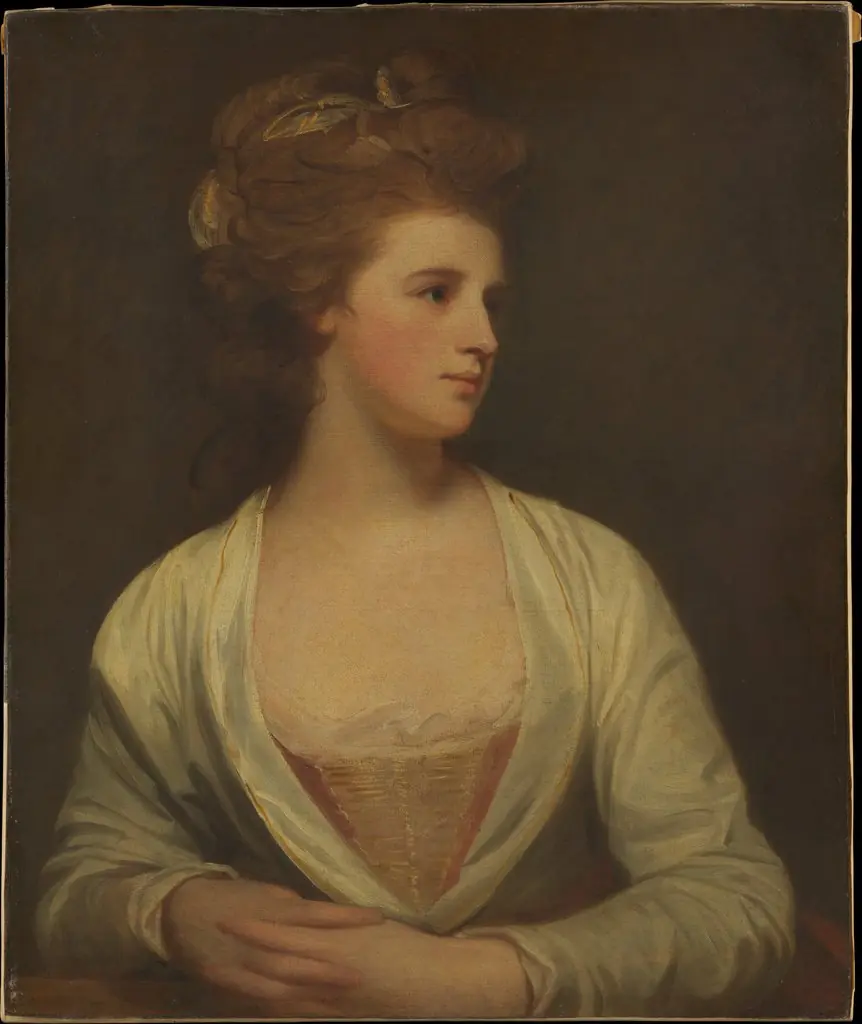
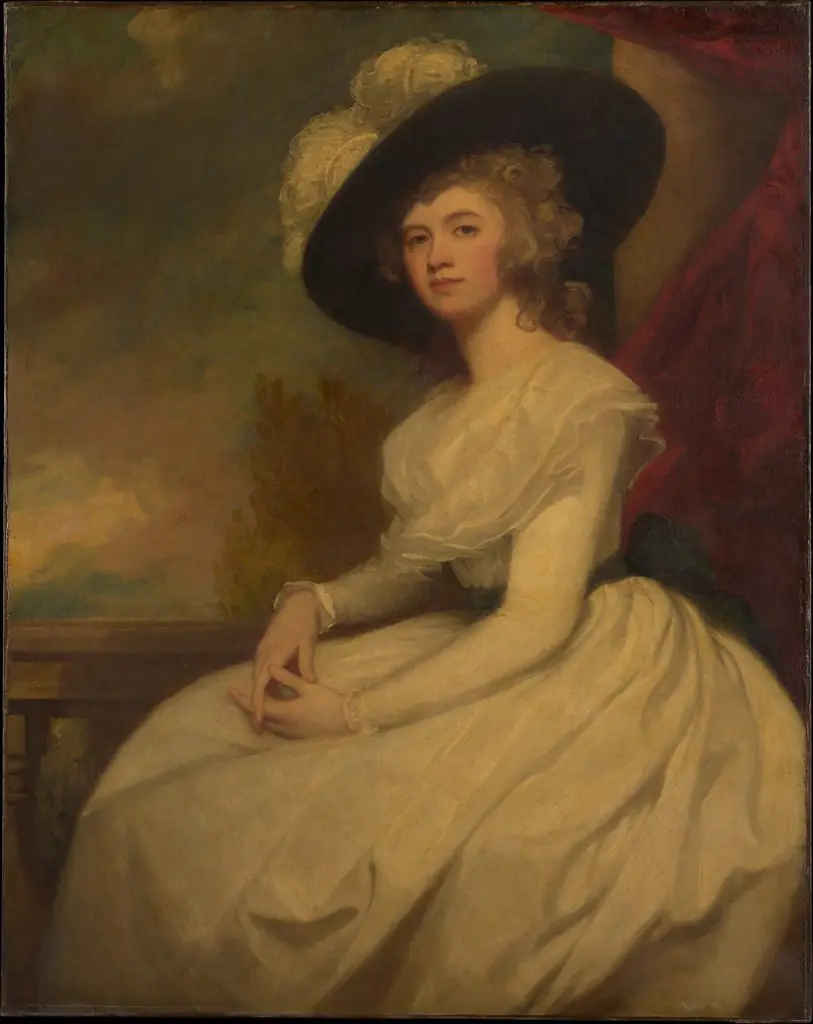
George Romney (26 December 1734 – 15 November 1802) was an English painter. He was the most fashionable artist of his day, painting many leading society figures – including his artistic muse, Emma Hamilton, mistress of Lord Nelson.

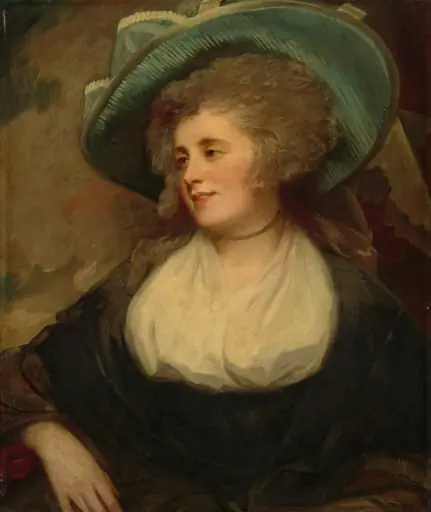
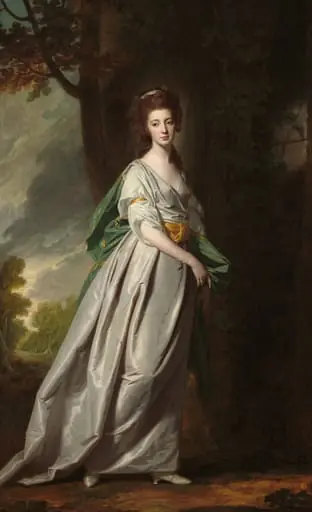
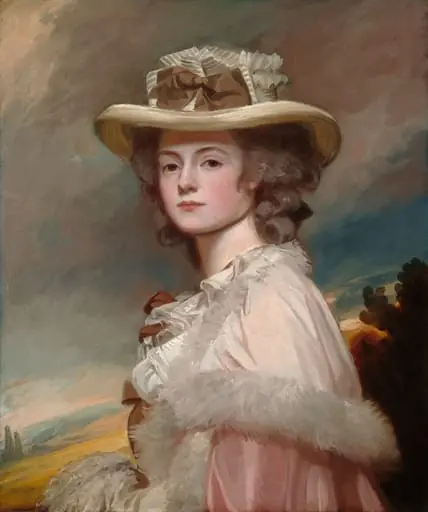
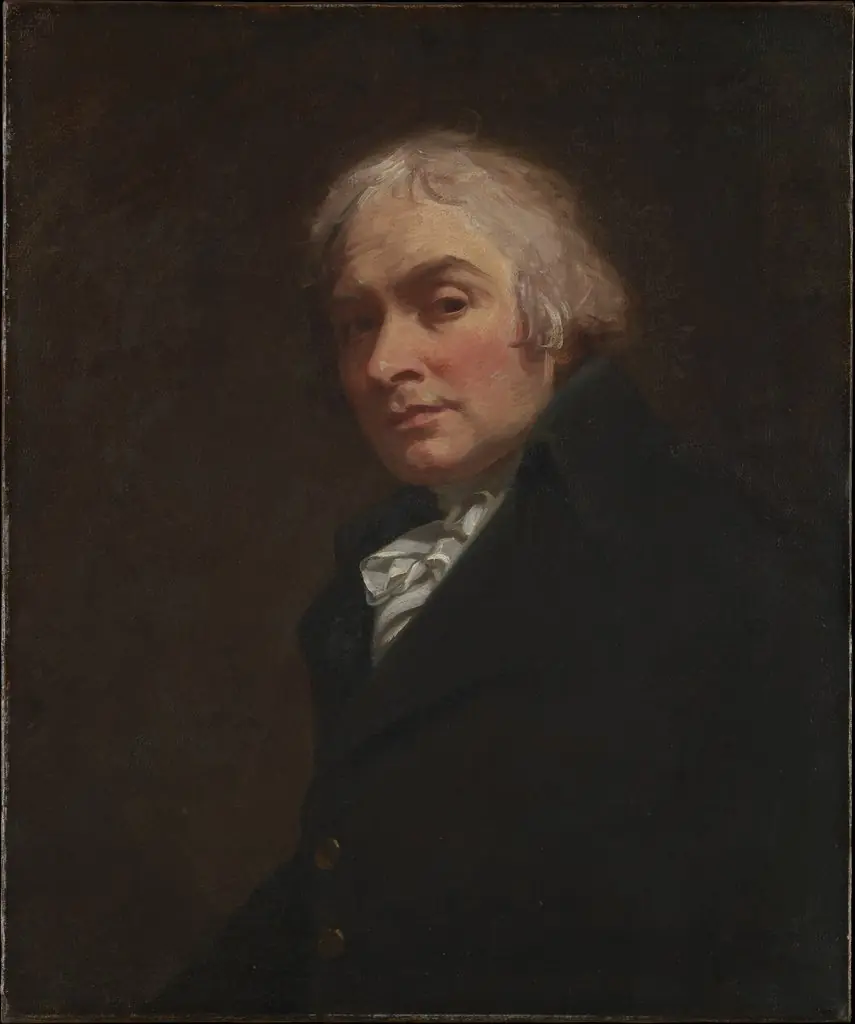
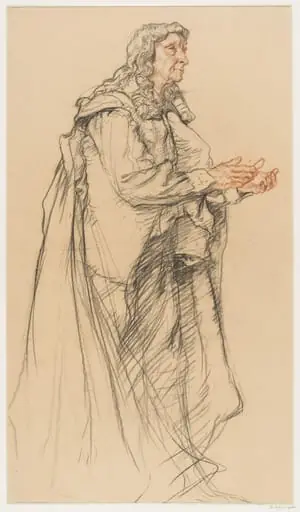
- Prince Rupert receiving the Charter of the Hudson Bay Company from Charles II
 Luonnos maalaukseen Pyhä Nikolaus Lyykian Myrasta
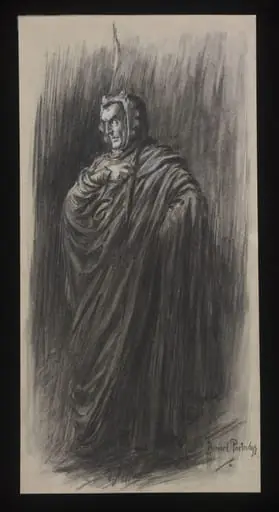 Drawing by Bernard Patridge
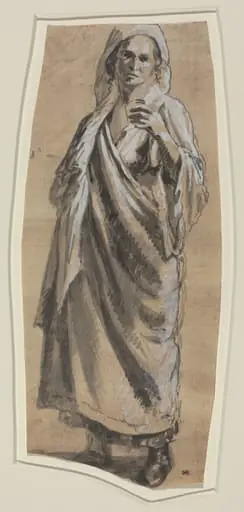 Study of a Standing Woman
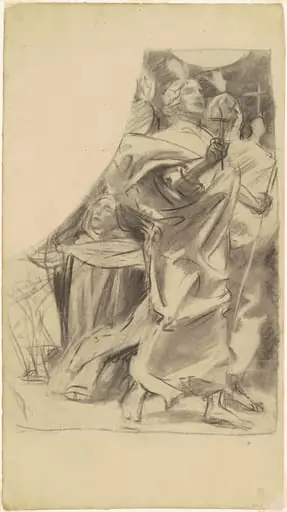 Study for "Triumph of Religion"
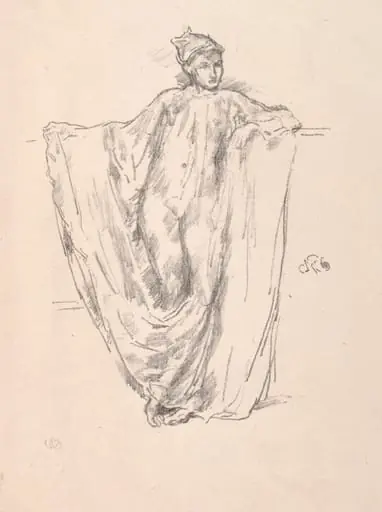 Figure Study
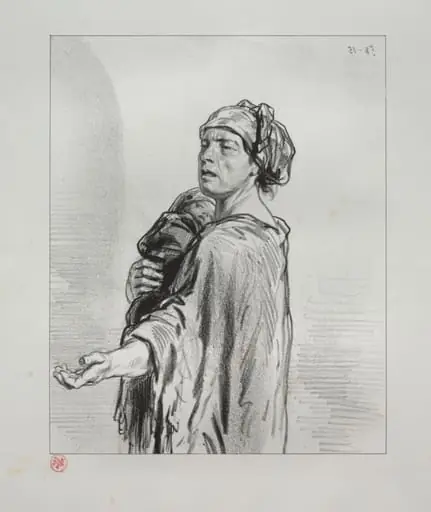 End of a Romance
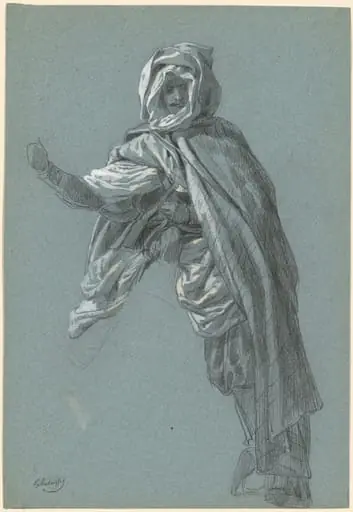 An Arab Rider on Camelback
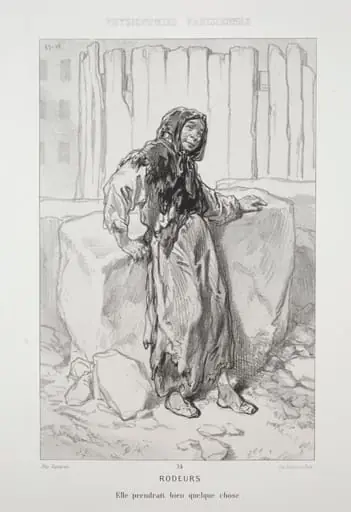 Rodeurs
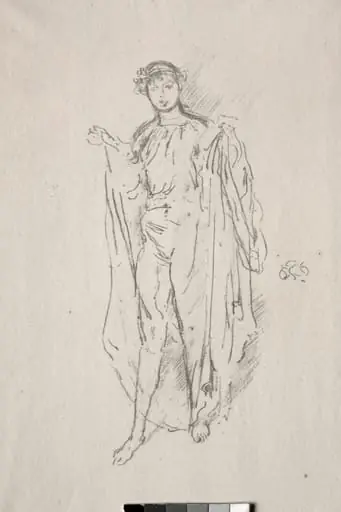 The Girl
 Cameo, No. 1 (Mother and Child)
 Draped Figure Standing