Artwork
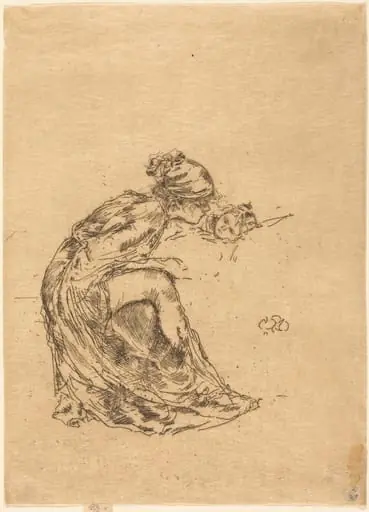
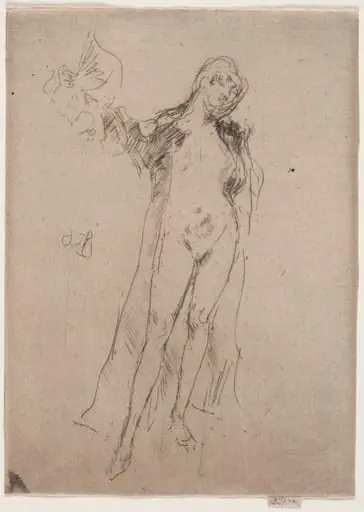
Cameo, No. 1 (Mother and Child)
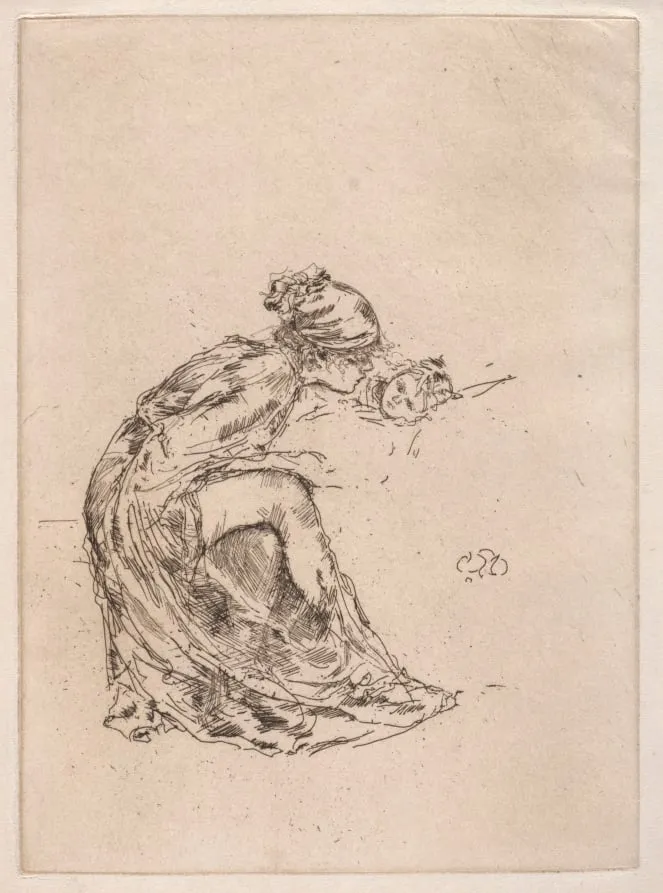
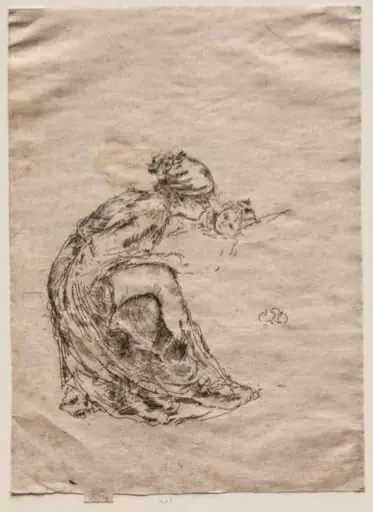
Cameo, No. 1 (Mother and Child) is a print by the Impressionist artist James McNeill Whistler. It dates from 1892 and is held in the collection of the Cleveland Museum of Art. Cameo, No.
- Accession no.
- 1923.29
- Credit line
- Gift of Mr. and Mrs. Ralph King
About this work
Overview
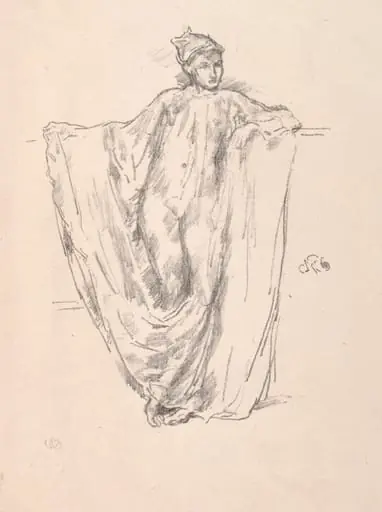
Cameo, No. 1 (Mother and Child) is an etching by James Whistler, created around 1890, depicting an intimate scene of a young mother tenderly embracing her child.
Subject & Meaning
The print captures a protective, nurturing moment between a mother and child, with the mother leaning over in a gentle, enclosing gesture, possibly whispering.
Technique & Style
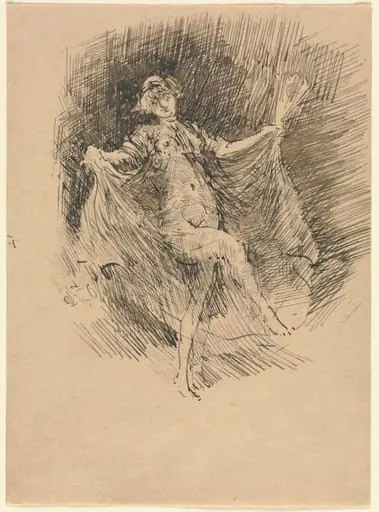
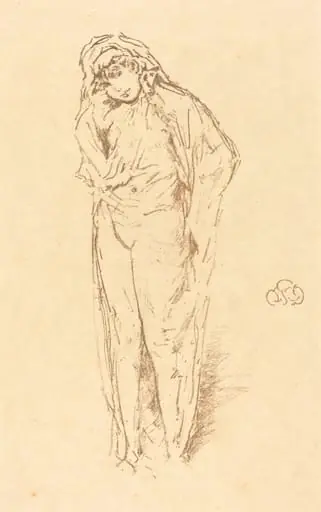
Whistler employed a semi-classical design inspired by Roman dress, emphasizing the translucent quality of the drapery through delicate etching, partially revealing the figure beneath.
History & Provenance
Whistler favored this etching and exhibited it at the 1893 Chicago World's Fair. However, American collectors deemed it unsalable due to the perceived risqué nature of the thin, semi-transparent drapery.
Context
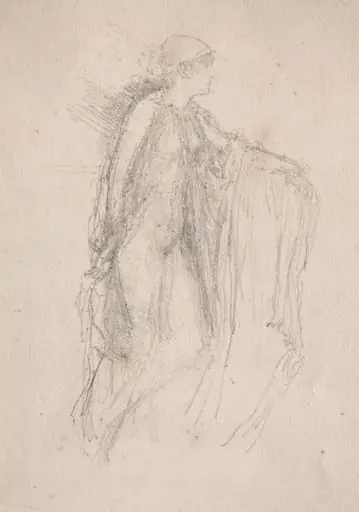
Part of a series of etchings from nude or partly draped models, 'Cameo, No. 1' reflects Whistler's aim for intimacy, likening these small prints to 'cameos', tiny, personal portraits.
Artist & collection
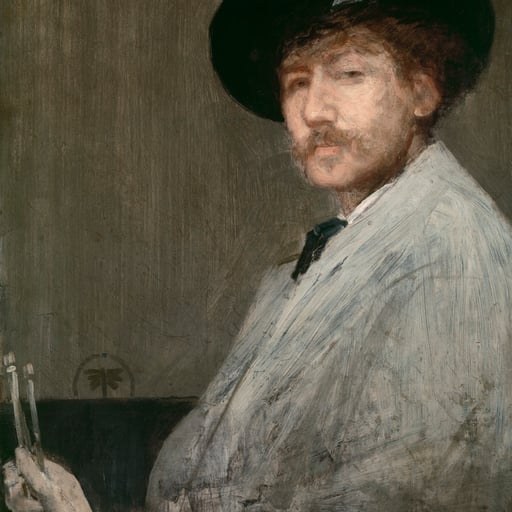
Artist
James Abbott McNeill Whistler (; July 10, 1834 – July 17, 1903) was an American painter in oils and watercolor, and printmaker, active during the American Gilded Age and based primarily in the United Kingdom.

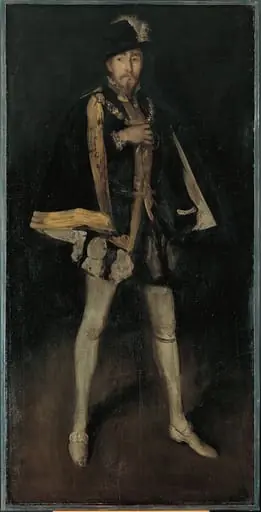 Arrangement in Black, No. 3: Sir Henry Irving as Philip II of Spain
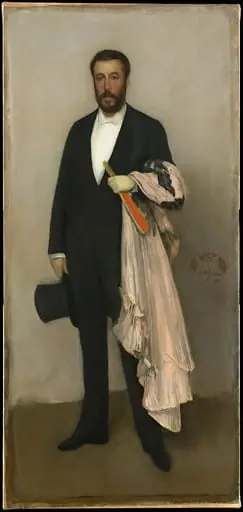 Arrangement in Flesh Colour and Black: Portrait of Theodore Duret
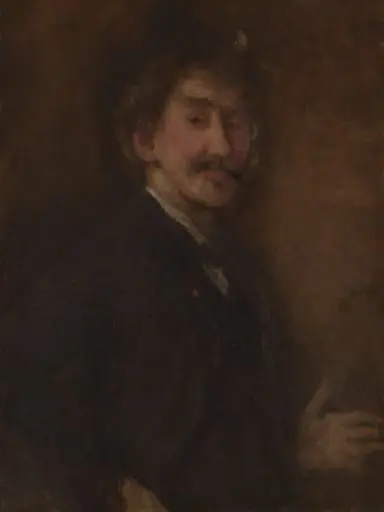 Gold and Brown: Self-Portrait
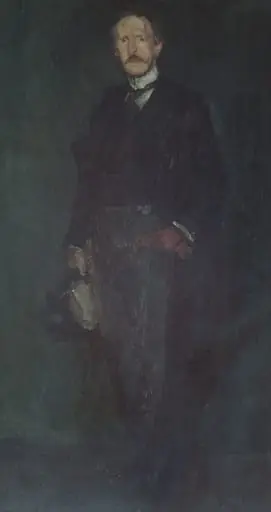 Edward Guthrie Kennedy
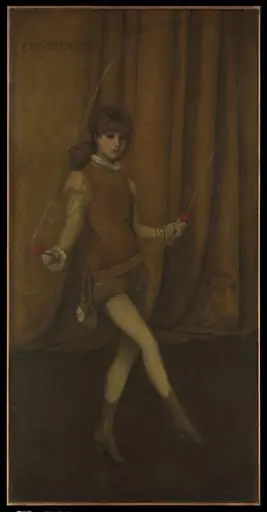 Harmony in Yellow and Gold: The Gold Girl—Connie Gilchrist
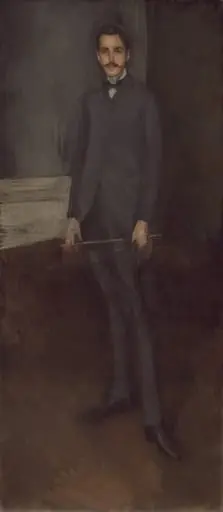 George W. Vanderbilt
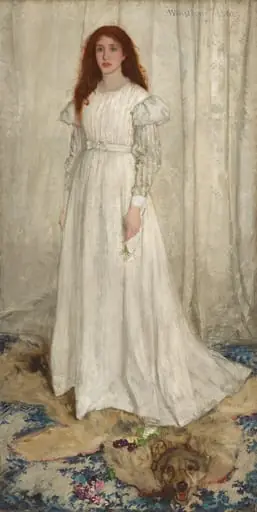 Symphony in White, No. 1: The White Girl
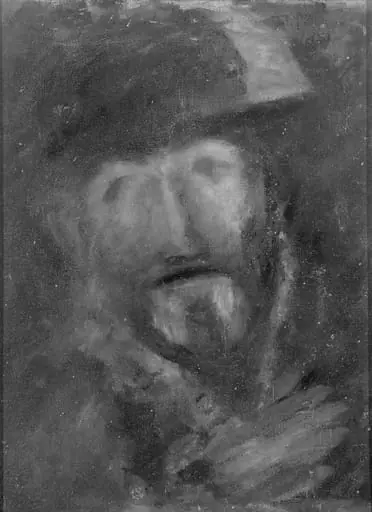 Henry Irving as Philip II of Spain