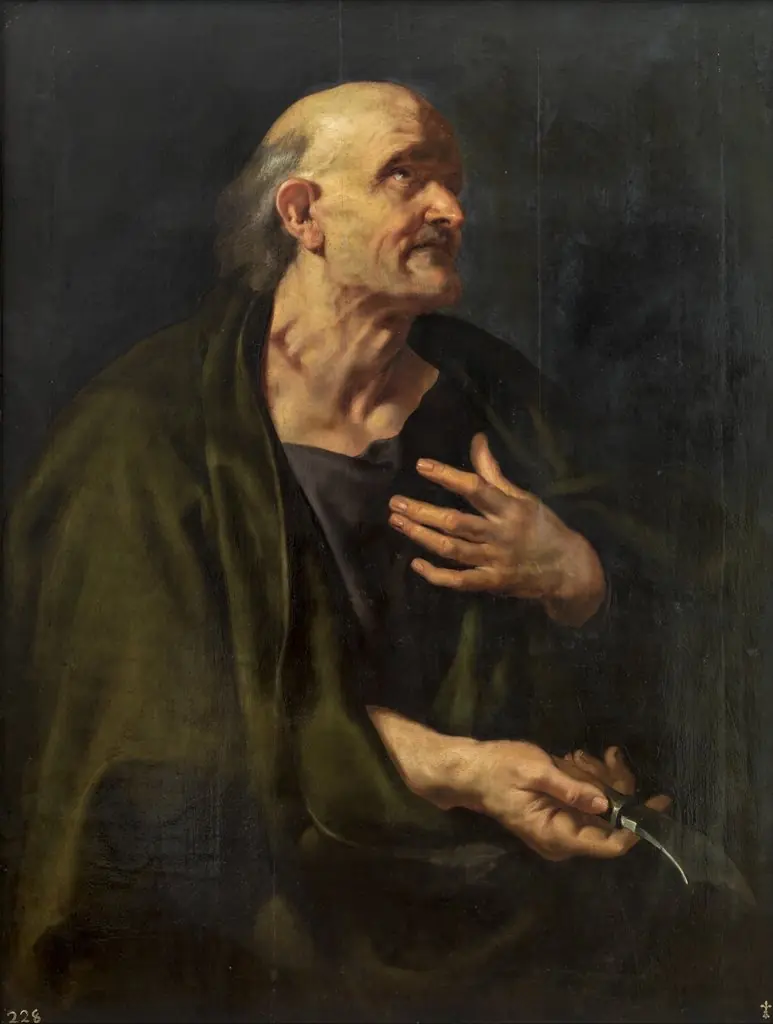
Artwork
St. Thomas
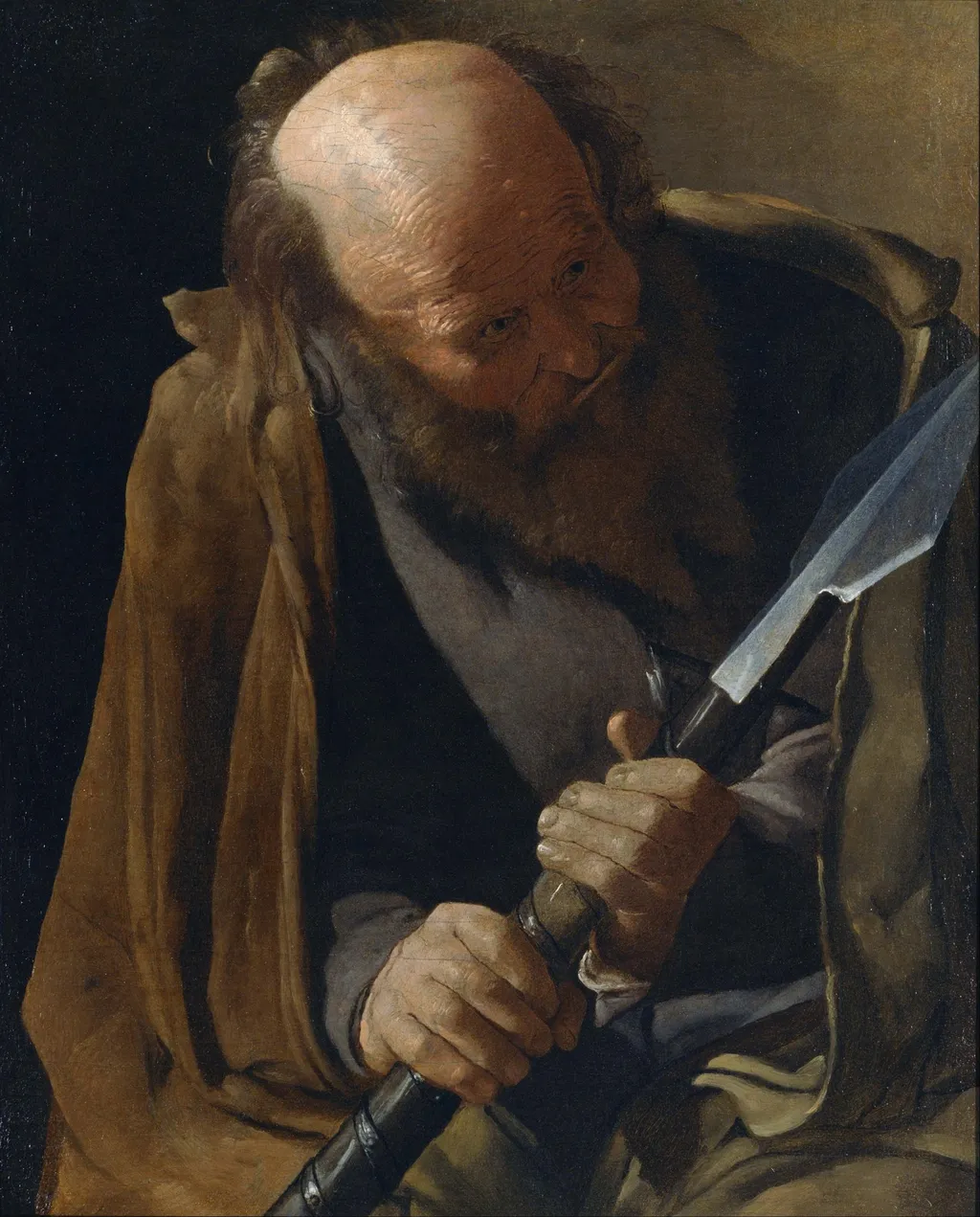
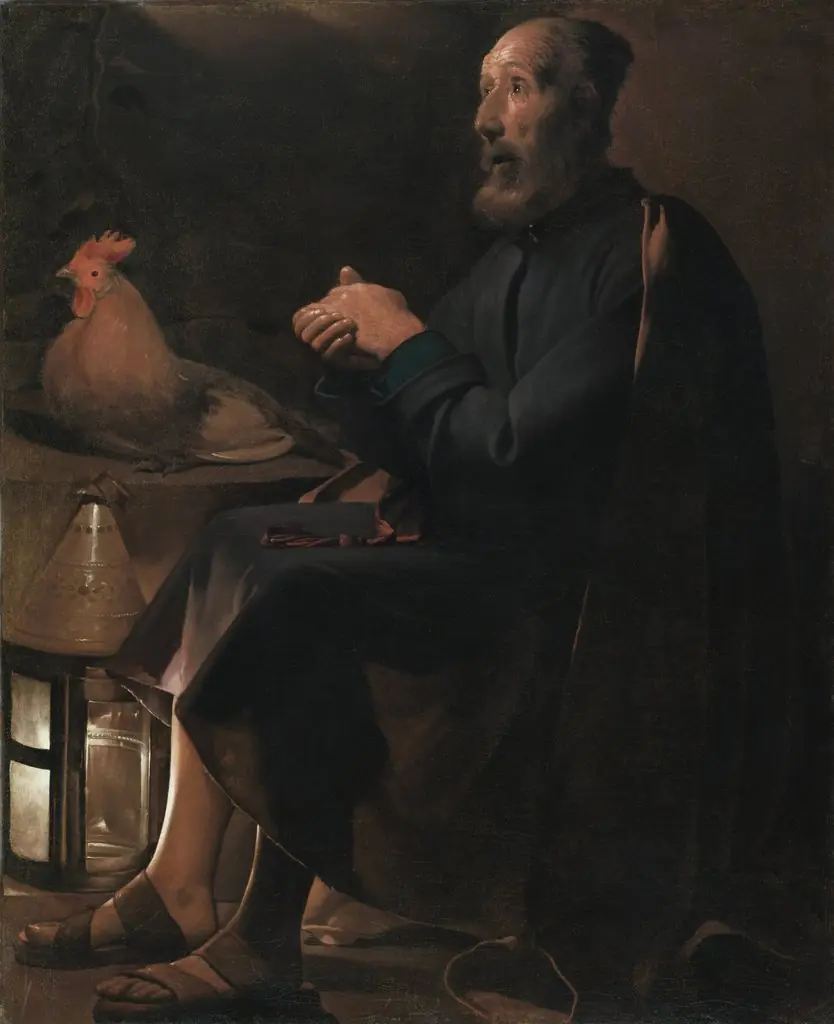
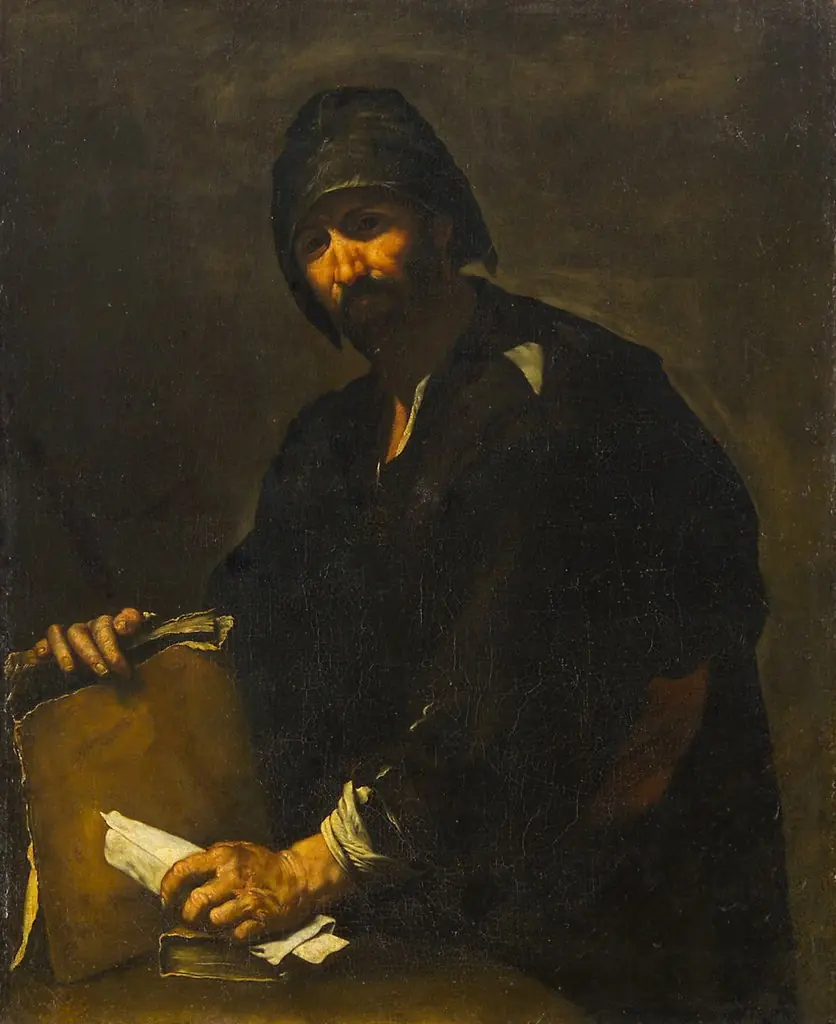
St. Thomas is an oil painting by the Caravaggisti artist Georges de La Tour. It dates from 1650 and is held in the collection of the National Museum of Western Art.
About this work
Overview
Created circa 1650 by Georges de La Tour, a French painter working in the Duchy of Lorraine, this oil painting portrays the Apostle Thomas. The work is part of the National Museum of Western Art’s collection and exemplifies La Tour’s sustained interest in religious subjects rendered with meticulous attention to light.
Subject & Meaning
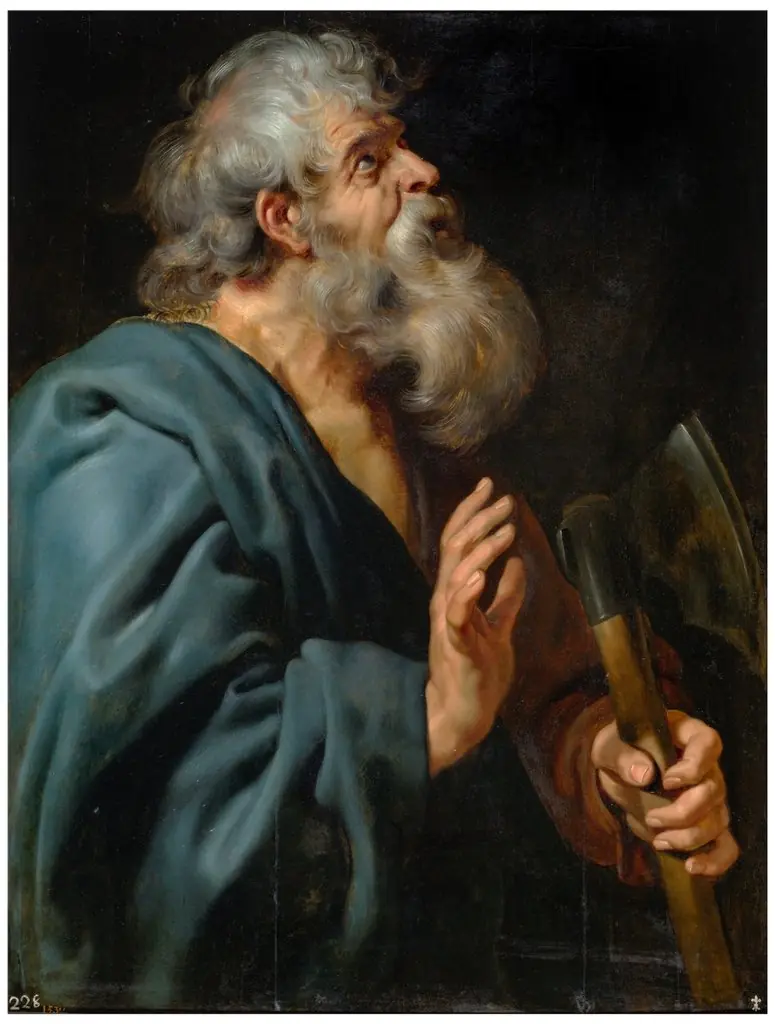
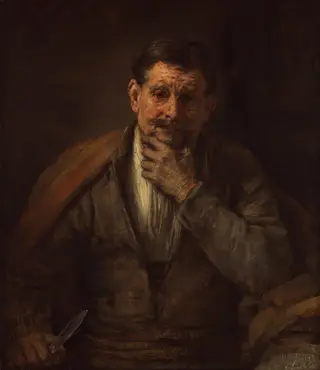
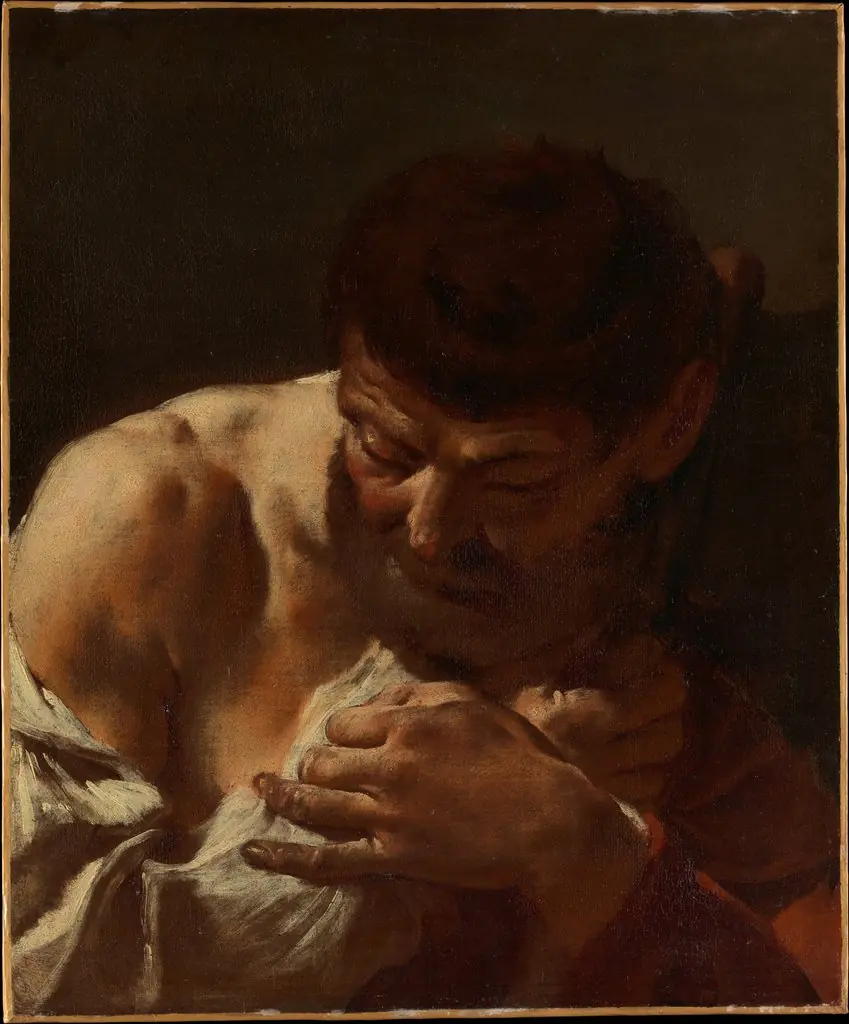
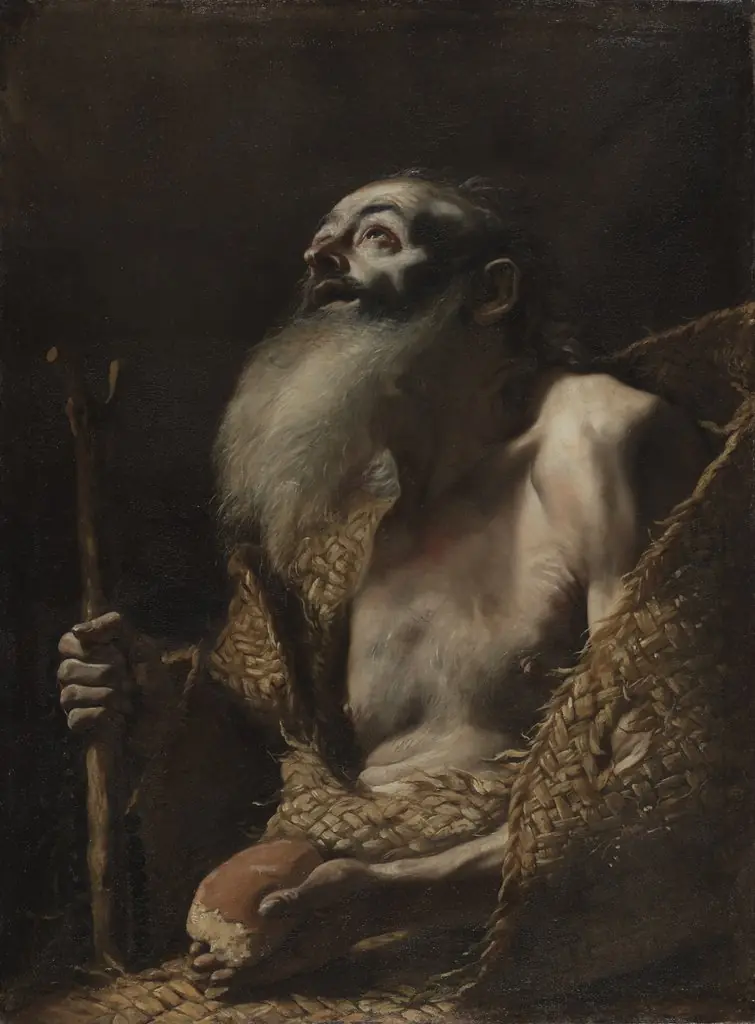
The central figure is a solitary man, his hair thinning and his face marked by age, holding a spear whose tip is broken. He gazes downward, suggesting contemplation or doubt, themes traditionally associated with Thomas’s biblical narrative of disbelief and subsequent affirmation.
Technique & Style
La Tour employs a stark chiaroscuro that isolates the figure against a deep, dark background, allowing the candlelit illumination to model the folds of his brown robe and the metallic sheen of the spear. This dramatic use of light and shadow aligns the painting with the Caravaggist tendency that influenced the artist’s mature style.
History & Provenance
The painting has remained in public ownership, entering the National Museum of Western Art’s collection where it is displayed among other 17th‑century French works. Its attribution to La Tour has been consistently affirmed by scholars familiar with his characteristic handling of oil and his thematic focus on solitary, contemplative saints.
Context
During the mid‑17th century, La Tour’s output reflected the broader Baroque fascination with spiritual introspection, often conveyed through intimate, candle‑lit scenes. By choosing Thomas, a figure emblematic of doubt, La Tour contributes to contemporary theological debates about faith, reason, and the role of visual experience in religious belief.
Own this work as a print
Artist & collection
Artist
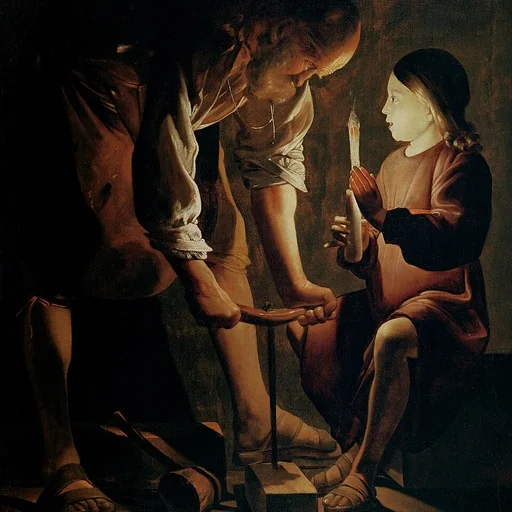
Georges de La Tour (French pronunciation:; 13 March 1593 – 30 January 1652) was a French Baroque painter, who spent most of his working life in the Duchy of Lorraine, which was temporarily absorbed into France between 1641 and 1648.