Artwork
The Penitent St Jerome
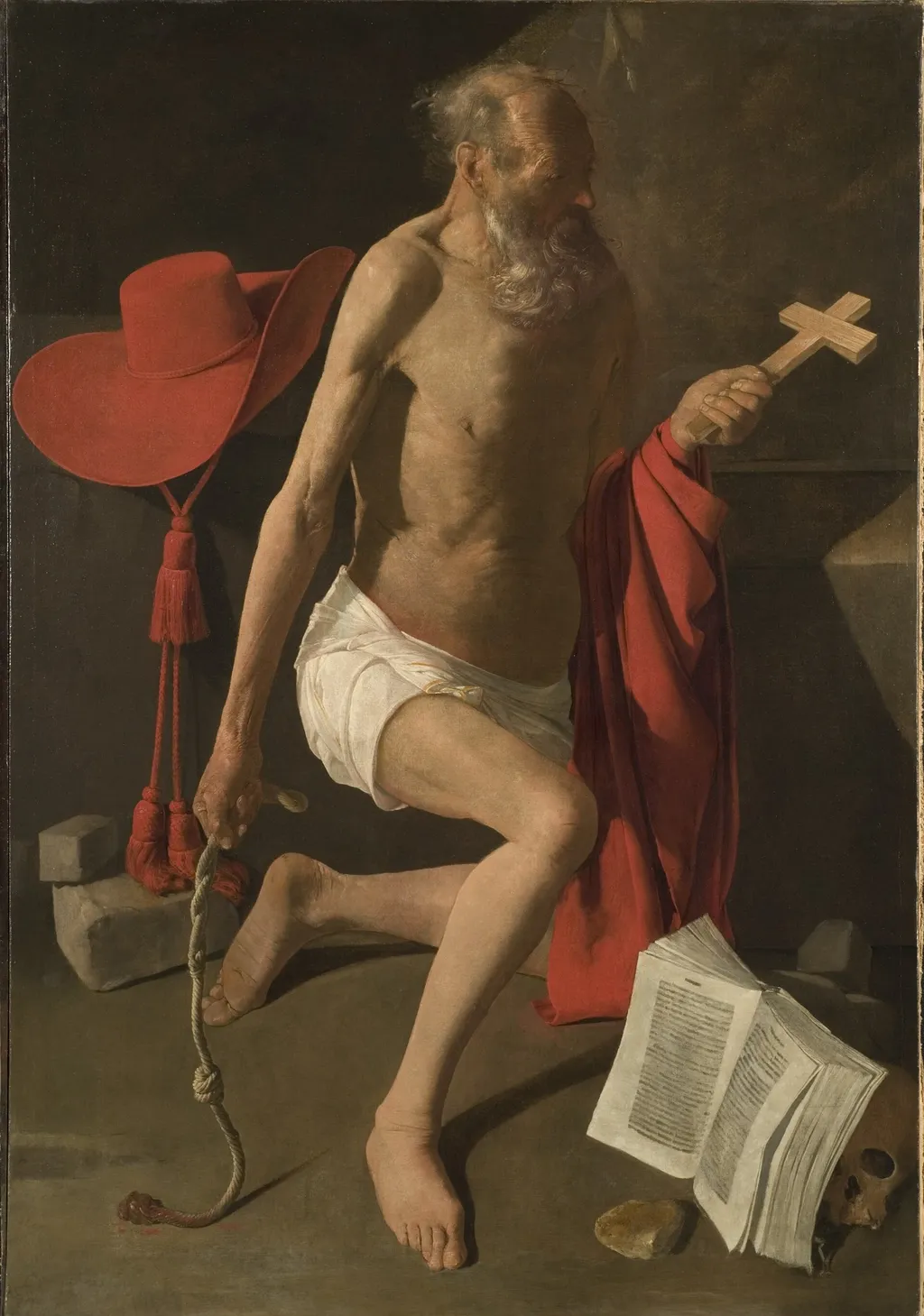
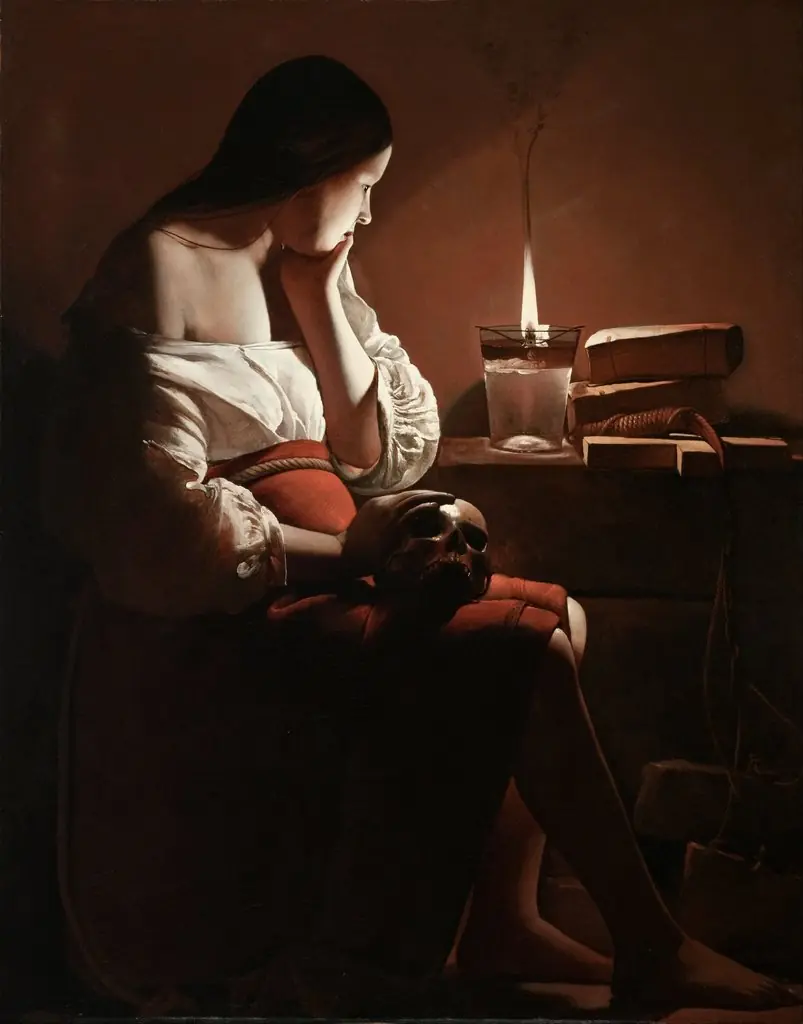
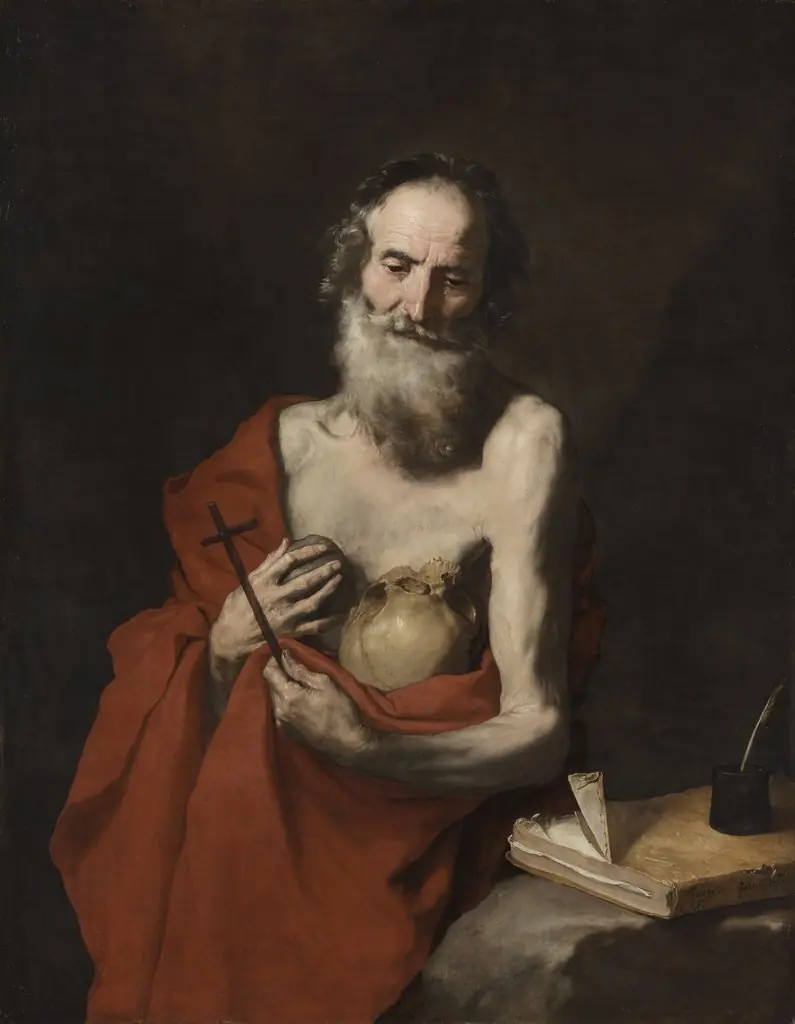
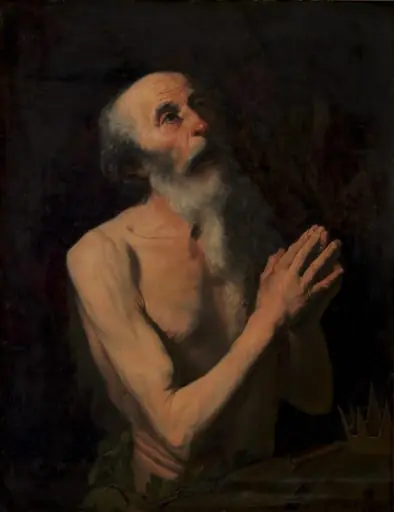
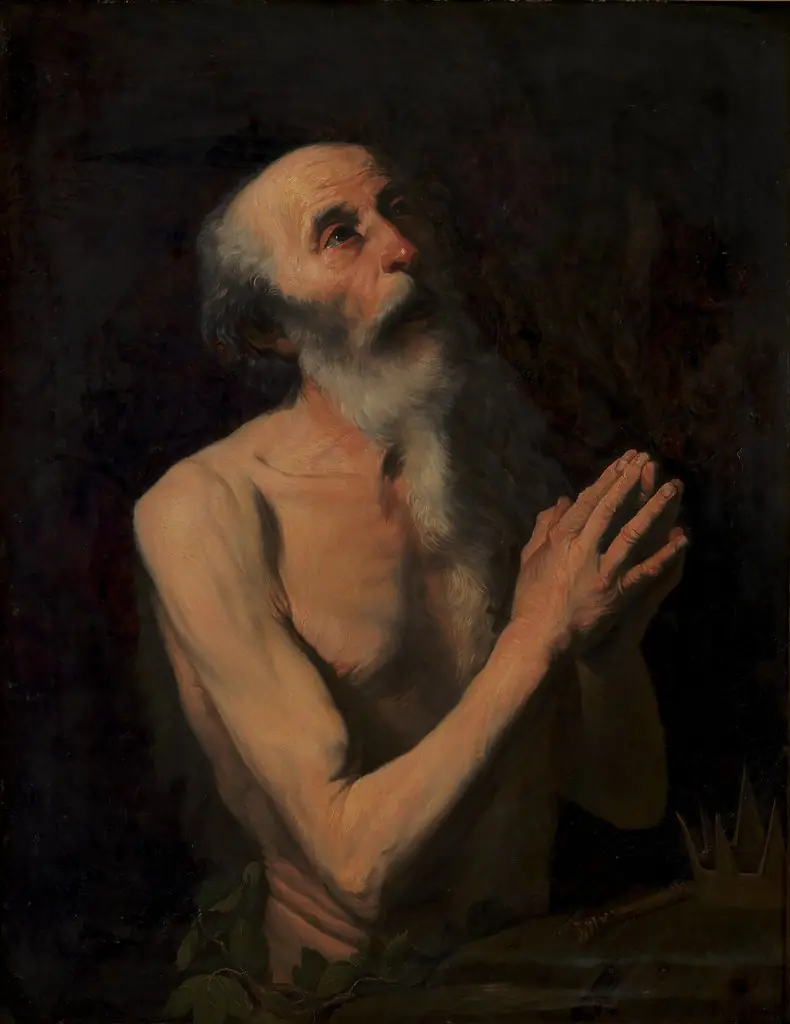
The Penitent St Jerome is an oil painting by the Caravaggisti artist Georges de La Tour. It dates from 1620 and is held in the collection of the Nationalmuseum.
About this work
Subject & Meaning
The work belongs to the religious genre and was created by Georges de La Tour in 1620 using oil on canvas, now housed in the Nationalmuseum collection.
The painting portrays St Jerome in the wilderness, emphasizing his penitential life through symbols of a skull, a Bible, and a hat. Jerome's contemplative pose and the skull underscore themes of mortality and spiritual introspection, reflecting Counter-Reformation ideals of personal sacrifice. The work belongs to the religious genre and was created by Georges de La Tour in 1620 using oil on canvas, now housed in the Nationalmuseum collection.
Technique & Style
The work is an oil painting on canvas measuring 152 cm by 109 cm, created in 1620. It portrays St Jerome in a contemplative pose, accompanied by a Bible and a human skull that underscore themes of penance and mortality. The composition emphasizes chiaroscuro, highlighting the saint’s gaunt figure against a darkened background, while the brushwork reveals the characteristic realism of Georges de La Tour’s tenebrist style.
History & Provenance
The Penitent St Jerome is dated to circa 1620 based on stylistic analysis and collection records at the Nationalmuseum, Stockholm.
It entered the Nationalmuseum’s holdings as part of its French collection, where it has been exhibited under the title Mästerverk i Nationalmusei samlingar, Nationalmusei franska samling. The painting’s dimensions are recorded as 152 cm in height and 109 cm in width, consistent with Georges de La Tour’s early cabinet-scale works.
Context
The Penitent St Jerome by Georges de La Tour is a 1620 religious painting depicting Saint Jerome in the wilderness with symbolic elements of penance and a human skull. Its composition and use of chiaroscuro exemplify the artist's mastery of tenebrism within Counter-Reformation religious art. The work resides in the Nationalmuseum collection in Stockholm and was featured in exhibitions titled Mästerverk i Nationalmusei samlingar and Nationalmusei franska samling, underscoring its significance within the museum's French collection.
Legacy
The Penitent St Jerome by Georges de La Tour has shaped religious art through its stark chiaroscuro and symbolic depth. Contemporary accounts highlight its use of a skull as a memento mori, reinforcing themes of penitence and spiritual reflection. The painting's inclusion in exhibitions such as Mästerverk i Nationalmusei samlingar and its presence in the Nationalmuseum collection have cemented its reputation as a benchmark of French Baroque art.
Scholars cite its influence on later artists who adopted its dramatic lighting and moral symbolism, ensuring its legacy endures in studies of Baroque aesthetics and devotional painting.
Overview
Georges de La Tour painted The Penitent St Jerome in 1620, employing oil on canvas. The work is part of the Nationalmuseum’s holdings and exemplifies the dramatic lighting typical of early‑17th‑century French Baroque.
Own this work as a print
Artist & collection
Artist
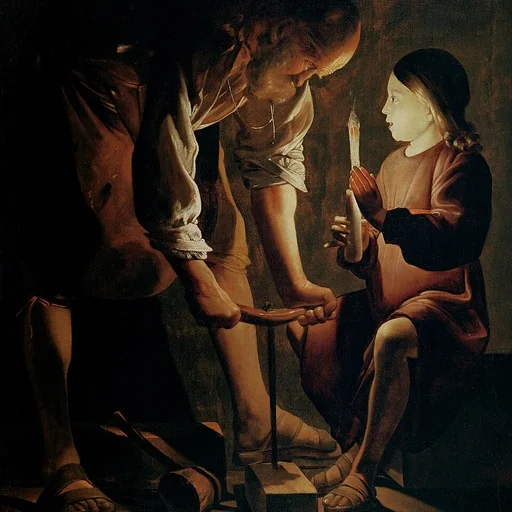
Georges de La Tour (French pronunciation:; 13 March 1593 – 30 January 1652) was a French Baroque painter, who spent most of his working life in the Duchy of Lorraine, which was temporarily absorbed into France between 1641 and 1648.