Artwork
Saint Mathias
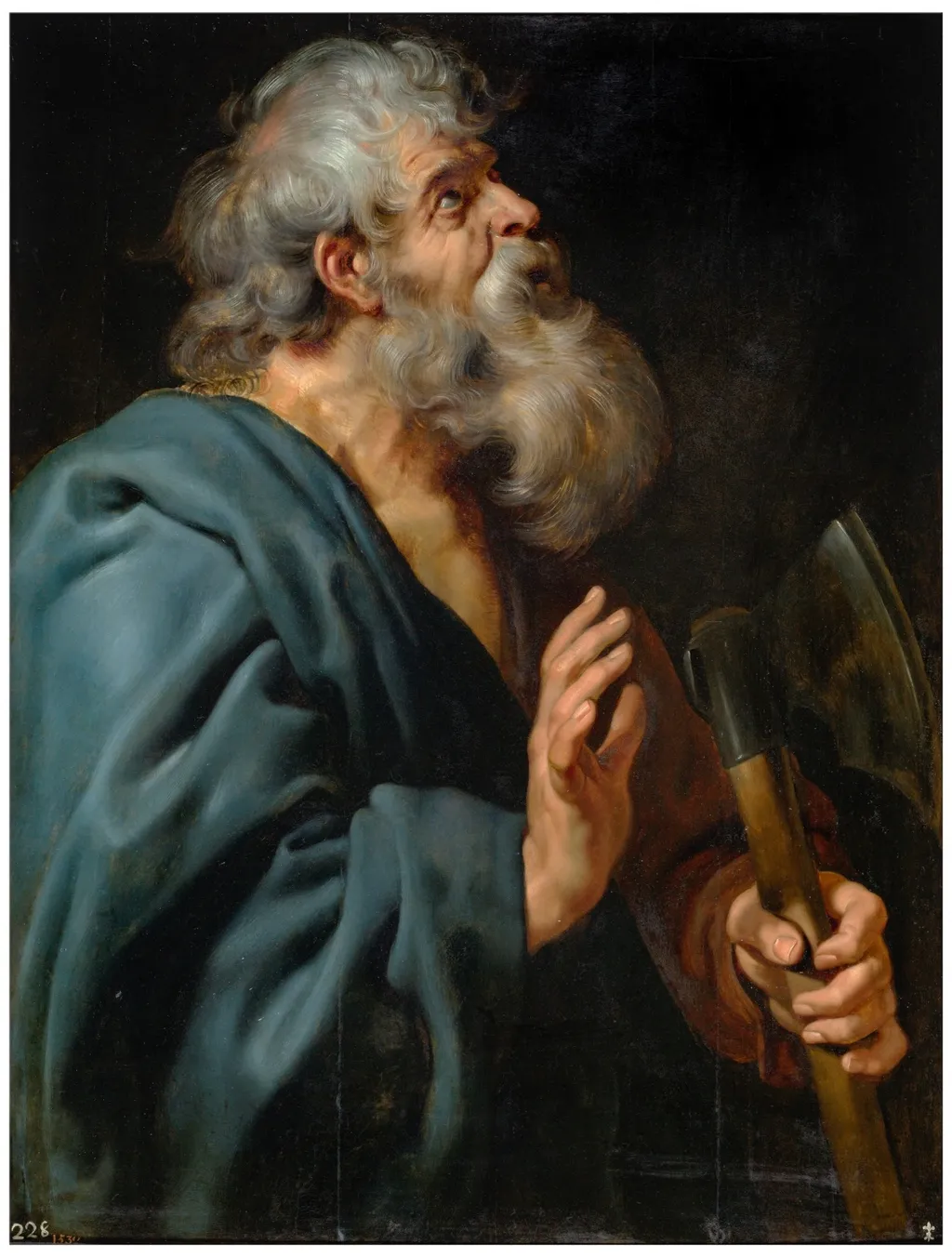
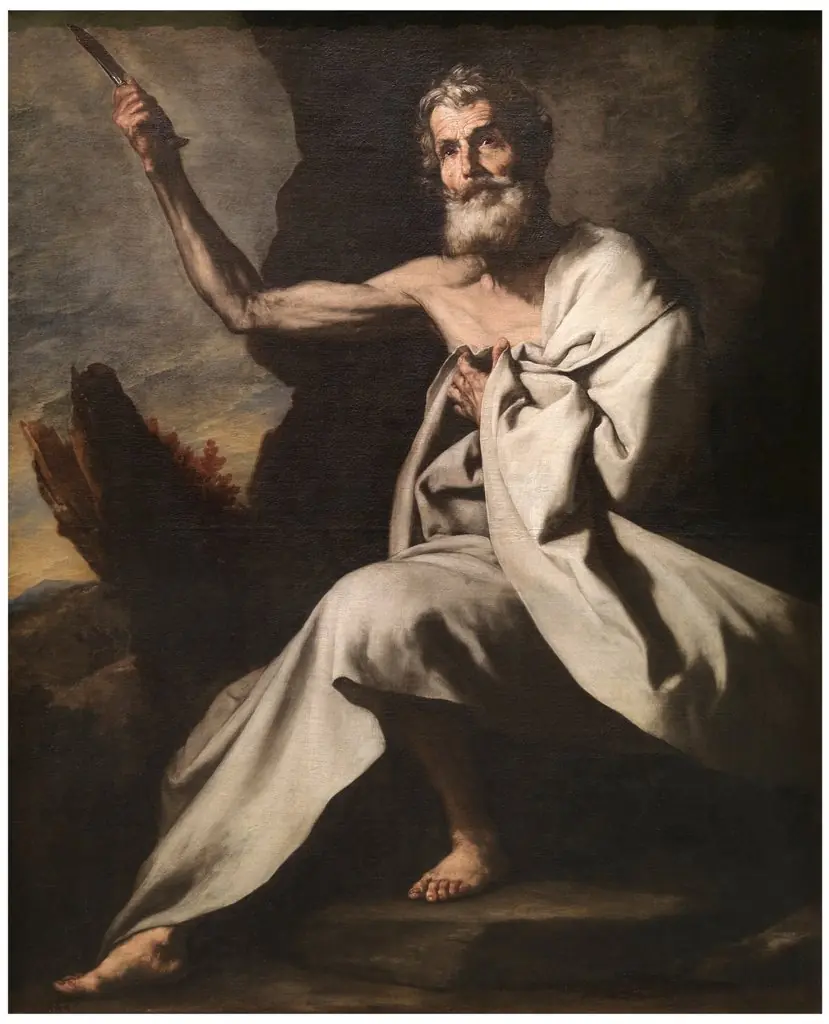
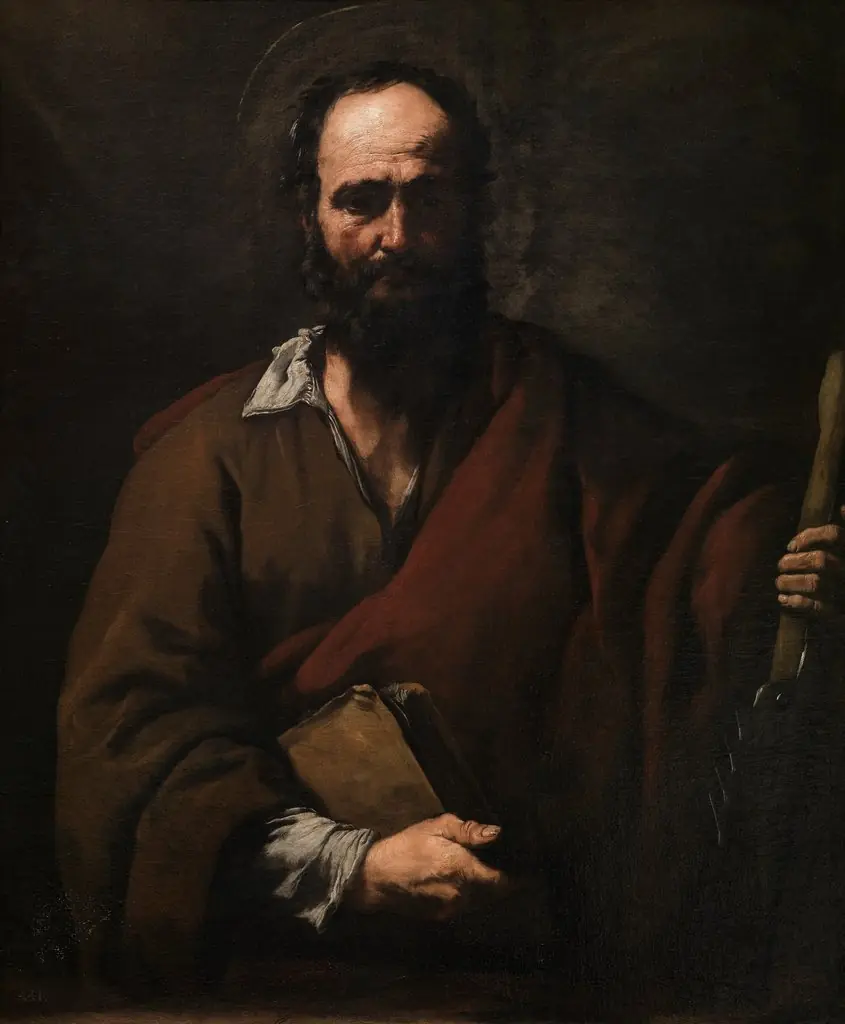
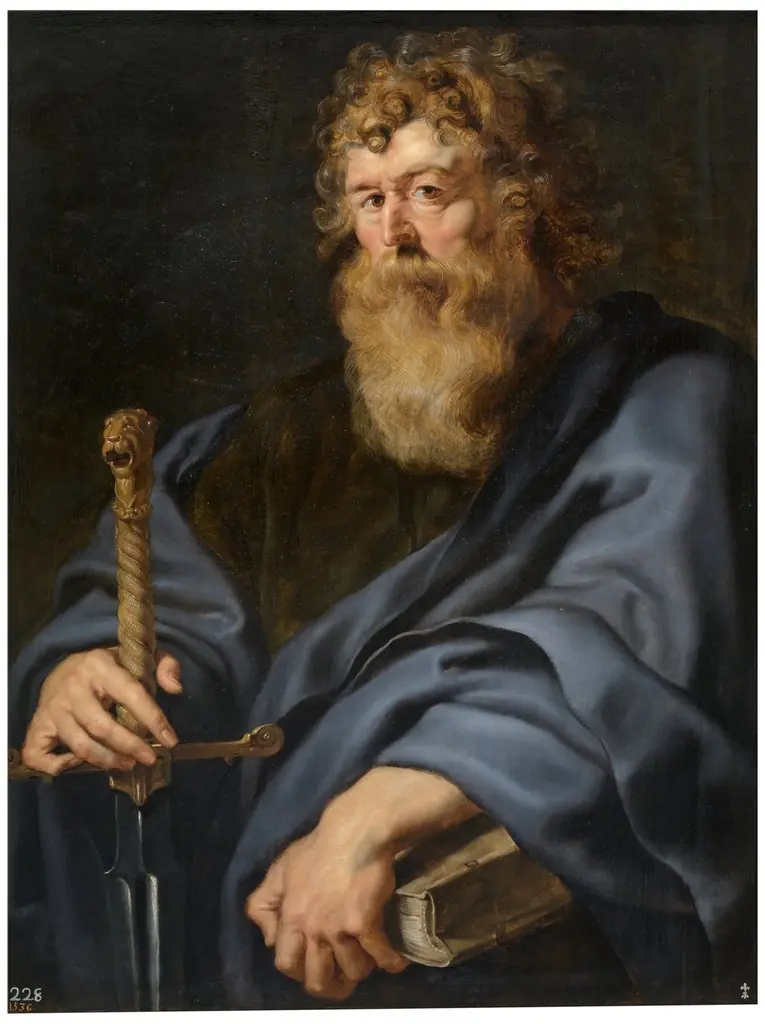
Saint Mathias is an oil painting by the Flemish Baroque painting artist Peter Paul Rubens. It dates from 1610 and is held in the collection of the Museo del Prado.
About this work
Subject & Meaning
Rubens emphasizes the saint's contemplative expression and the delicate rendering of fabric, underscoring his role as a witness to the early Christian mission.
The painting portrays the apostle Saint Mathias holding an axe, a traditional attribute that identifies his martyrdom by beheading. Rubens emphasizes the saint's contemplative expression and the delicate rendering of fabric, underscoring his role as a witness to the early Christian mission. The work belongs to the religious genre and reflects Counter-Reformation themes of faith and sacrifice, linking the saint's perseverance to the broader narrative of divine calling.
Technique & Style
Saint Mathias is executed in oil paint on canvas, a medium consistent with Peter Paul Rubens's standard practice for religious commissions of this period. The work measures 107.2 cm in height by 82.5 cm in width, a vertical format suited to a single half-length figure. As a religious painting, it belongs to the devotional genre and is catalogued as a painting rather than a drawing or print.
The composition centers on the symbolic axe, the traditional attribute identifying Saint Matthias among the apostles. Produced in 1610, the canvas reflects Rubens's early Baroque handling, with the canvas support providing the scale and surface typical of his oil technique for figural subjects of this size.
History & Provenance
The work was painted in 1610 by Peter Paul Rubens. It entered the Spanish royal collection by 1746, when it is documented in the inventory of Elisabeth Farnese at the Royal Palace of La Granja de San Ildefonso. By descent it passed to Philip V, then to Ferdinand VII, and later to Charles III, who placed it in the Royal Palace of Aranjuez.
The painting has remained in Spanish state collections since that period and is currently held by the Museo del Prado.
The painting is held in the collection of the Museo del Prado, Royal Palace of Aranjuez, Royal Palace of La Granja de San Ildefonso.
Its inventory number is not specified in the cited sources. The work entered the Prado’s holdings through the Spanish royal collection, having been owned previously by Elisabeth Farnese, Philip V of Spain, Charles III of Spain, and Ferdinand VII of Spain.
Context
Peter Paul Rubens created the oil painting Saint Mathias in 1610, depicting the apostle with his attribute, the axe. The work is currently held within the collection of the Museo del Prado, having passed through the holdings of Spanish royalty including Philip V, Elisabeth Farnese, Charles III, and Ferdinand VII. As a religious painting from the early seventeenth century, the piece exemplifies Rubens' output during a period of significant artistic development in Flanders and Spain.
Its presence in the Spanish royal collections underscores the high regard in which Rubens' religious works were held by European monarchs of the era.
The painting's dimensions and material composition align with the standard practices of Rubens' workshop for religious commissions intended for aristocratic patronage. While specific scholarly debates regarding this individual canvas are not detailed in the provided records, its attribution and provenance link it firmly to the artist's established oeuvre of religious subjects from 1610.
Overview
Created in 1610 by the Flemish painter and diplomat Peter Paul Rubens, this oil on canvas portrays Saint Matthias. The work exemplifies the Baroque sensibility of the Low Countries, employing a dramatic arrangement of light and shadow to focus the viewer’s attention on the solitary figure against a dark, unadorned backdrop.
Own this work as a print
Artist & collection
Artist
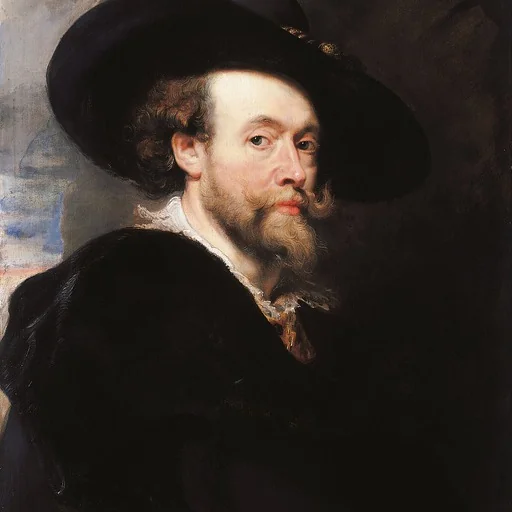
Sir Peter Paul Rubens ( ROO-bənz; Dutch:; 28 June 1577 – 30 May 1640) was a Flemish artist and diplomat.