Artwork
Daniel in the Lions' Den [recto]
![Daniel in the Lions' Den [recto], by German 16th Century, ink](https://artifactworldgallery.com/img/german-16th-century--daniel-in-the-lions-den-recto--bb05b40da66fab8f-w1024.webp)
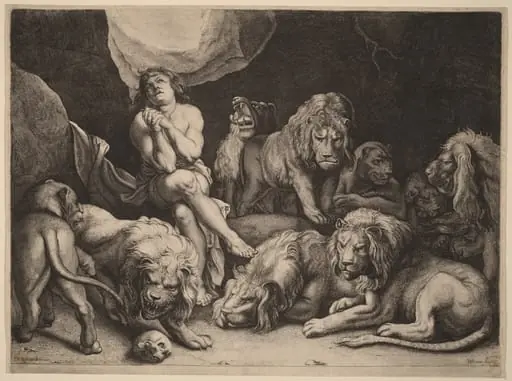
Daniel in the Lions' Den [recto] is an ink drawing by the Baroque artist German 16th Century. It is held in the collection of the National Gallery of Art. This ink drawing depicts the biblical story of Daniel in the lions’ den, rendered in pen, brush, and graywash on prepared gray paper.
About this work
Overview
This ink drawing depicts the biblical story of Daniel in the lions’ den, rendered in pen, brush, and graywash on prepared gray paper.
This ink drawing depicts the biblical story of Daniel in the lions’ den, rendered in pen, brush, and graywash on prepared gray paper. White highlights accentuate key forms, while dense linear shading models volume and texture. The composition centers on Daniel’s calm posture amid reclining lions, with a faint upper register suggesting a celestial or royal observation point, reinforcing the narrative’s divine dimension.
Subject & Meaning
Daniel, a prophet condemned to the lions’ den for prayer, is shown unharmed by divine intervention. His stillness contrasts with the lions’ coiled forms, which appear drowsy rather than predatory. The elevated figures above may represent angels or royal watchers, symbolizing heavenly oversight. The scene conveys faith preserved through divine protection, not violence or struggle.
Technique & Style
The artist employs fine pen lines and brush-applied graywash to build tonal depth, with cross-hatching defining fur, stone, and fabric textures. White heightening lifts Daniel’s garments and the lions’ manes from the gray paper, enhancing contrast. The restrained palette and controlled brushwork reflect a focus on atmospheric mood over dramatic action, emphasizing serenity within peril.
History & Provenance
The drawing’s origin is tied to early 17th-century Northern European artistic circles, likely created as a preparatory study or independent devotional work. Its paper support and ink technique align with practices of draftsmen working in the tradition of Albrecht Dürer. No definitive provenance is recorded, but its condition suggests careful preservation since its creation.
Context
During the Reformation, biblical narratives like Daniel’s were popular subjects in Protestant regions, valued for their moral clarity and emphasis on faith under persecution. Artists often depicted such scenes with psychological restraint, favoring quiet dignity over spectacle. This drawing reflects that trend, aligning with devotional imagery intended for private contemplation.
Legacy
The drawing exemplifies the continued vitality of ink draftsmanship in the early Baroque period, where narrative clarity and emotional subtlety took precedence over grandeur. Its restrained composition and technical precision influenced later generations of draftsmen who sought to convey spiritual themes through understated means, preserving the quiet power of line and tone.
Artist & collection

Artist
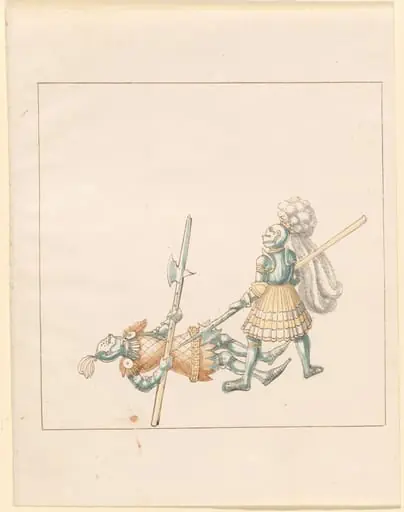
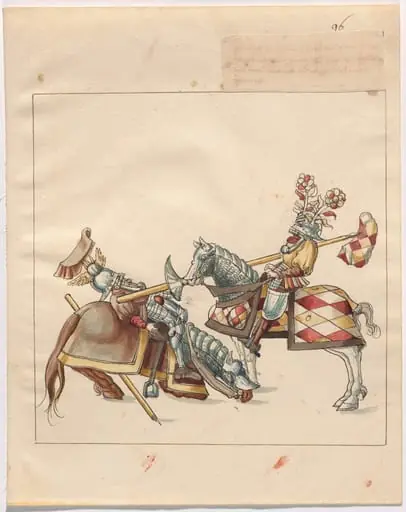
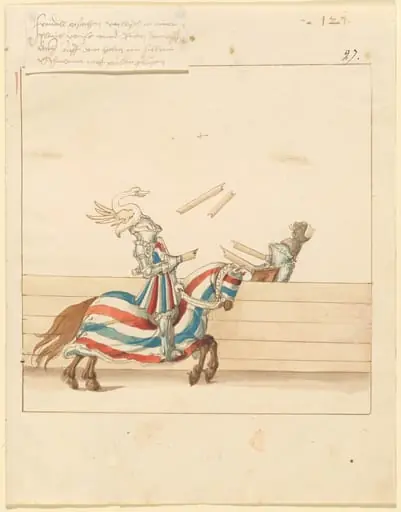
A German artist of the late 1500s drew knights clashing in parades and mock battles, filling sheets with detailed ink colored lightly in watercolor: soldiers mid-joust, shields flying, foot soldiers sparring with spears.

![Abraham Entertaining the Angels [verso], by German 16th Century](https://artifactworldgallery.com/img/german-16th-century--abraham-entertaining-the-angels-verso--69d1b25f4eba0a53-w320.webp)
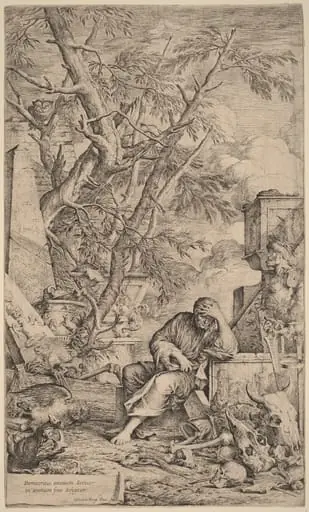 Democritus in Meditation
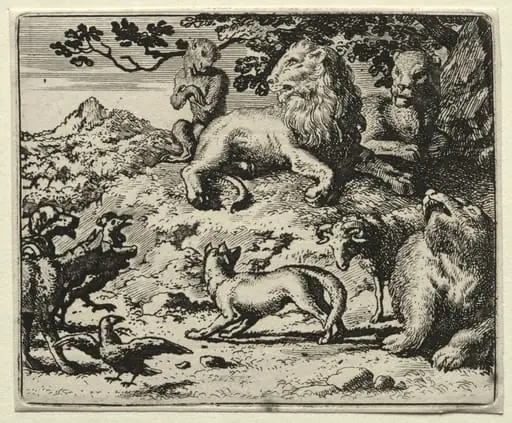 Reynard the Fox: The Animals Complain of Reynard's Pardon
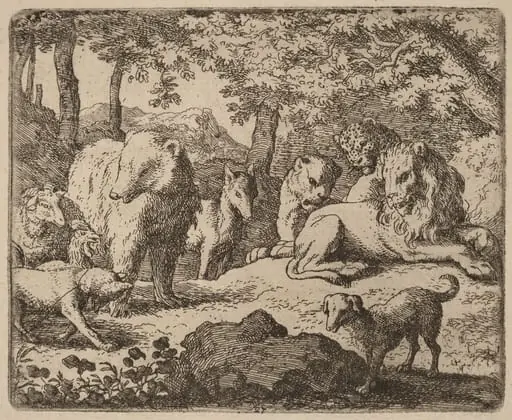 Reynard is Released to Tell His Story
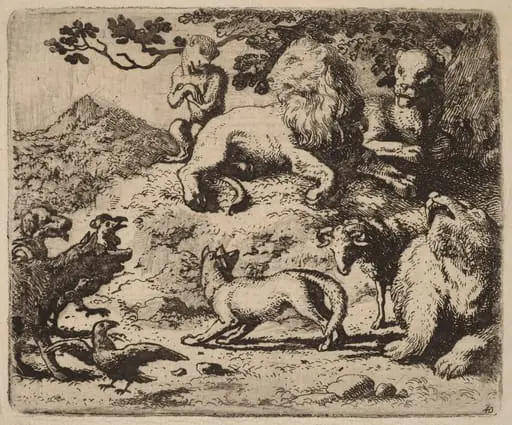 Reynard's Enemies are Dismayed
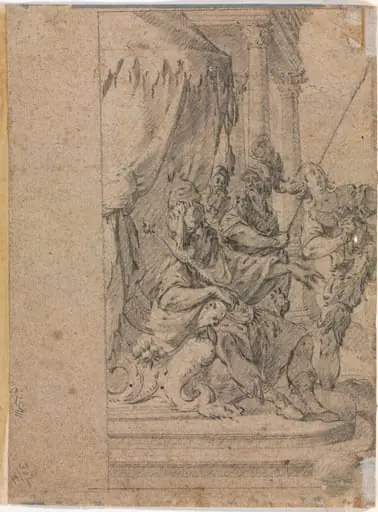 Panthea before Cyrus? (verso)
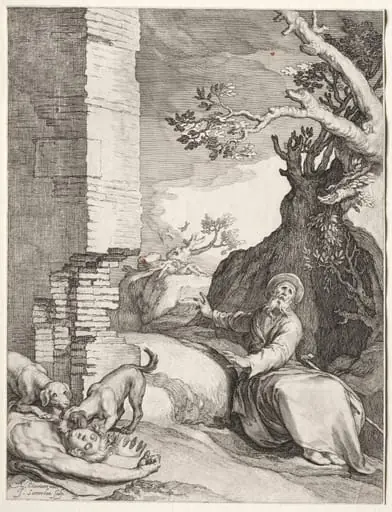 The Prediction of Ahijah
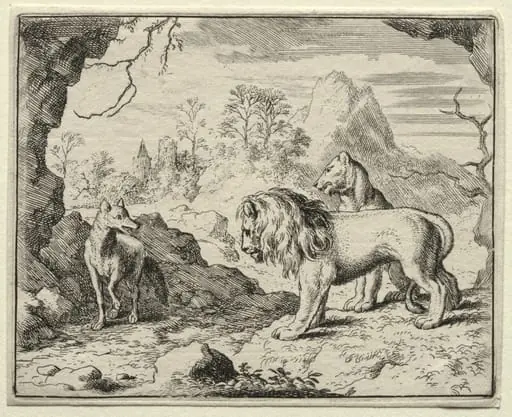 Reynard the Fox: Reynard Tells of Hidden Treasure
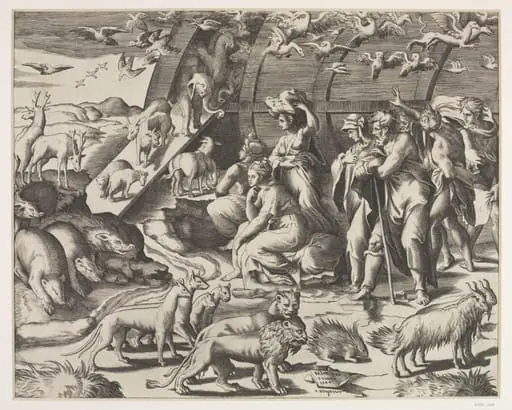 Noah and His Family Leaving the Ark
 Saint Jerome in His Study
 Christ in the Garden of Gethsemane