Artwork
The ‘Golden Bend’ in the Herengracht, Amsterdam, Seen from the West
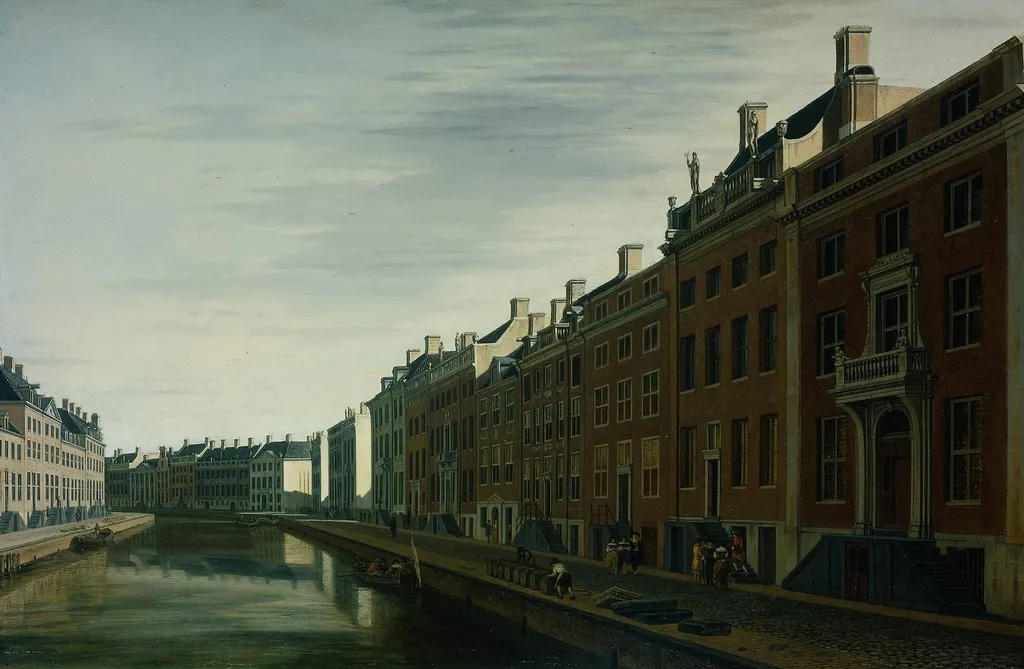
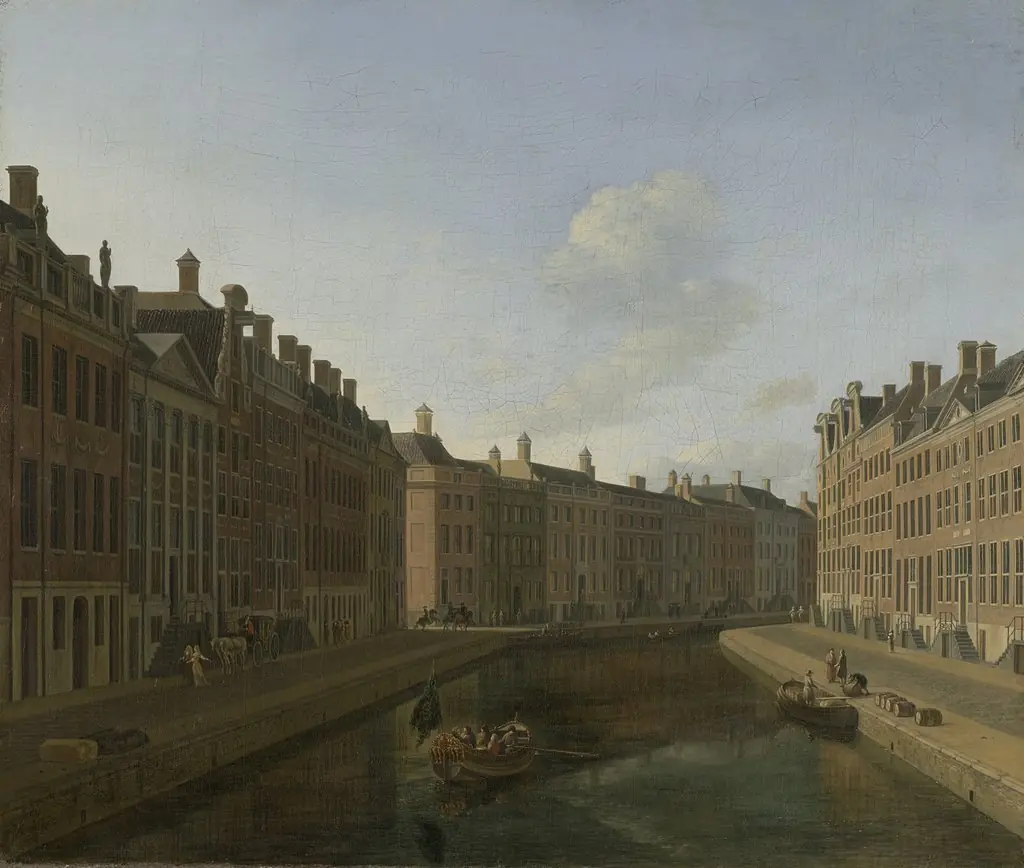
The ‘Golden Bend’ in the Herengracht, Amsterdam, Seen from the West is an oil painting by the Dutch Golden Age artist Gerrit Adriaenszoon Berckheyde. It dates from 1672 and is held in the collection of the Rijksmuseum. Gerrit Berckheyde’s 1672 oil painting depicts the celebrated curve of the Herengracht canal in Amsterdam, known as the Gouden Bocht.
About this work
This painting shows a stretch of Amsterdam’s Herengracht canal. It’s by Gerrit Berckheyde, painted in 1672. The scene captures a famous bend called the Gouden Bocht, or Golden Bend.
Berckheyde likely painted this for the proud new owners of the mansions lining the canal. Several of his works focus on this same spot.
Check out more by Gerrit Adriaenszoon Berckheyde.
Subject & Meaning
The subject matter is believed to have been commissioned specifically for the owners of the newly acquired canal mansions situated on both sides of the bend.
The painting depicts the Gouden Bocht, or Golden Bend, a specific and prestigious section of the Herengracht canal in Amsterdam. Created in 1672, the work presents a cityscape view looking westward along this central curve, which became the most famous part of the city's canal system. The subject matter is believed to have been commissioned specifically for the owners of the newly acquired canal mansions situated on both sides of the bend.
By capturing this affluent residential district, the artwork serves as a visual representation of the prosperity and status associated with these properties during the Dutch Golden Age.
Technique & Style
The painting was executed in oil on wood panel in 1672, depicting the Gouden Bocht section of Amsterdam's Herengracht canal as viewed from the west. It measures 40.5 cm by 63 cm and belongs to the cityscape genre within Dutch Golden Age art. The work was acquired by the Rijksmuseum in 1980 after being purchased from an art dealer following its ownership by Jacques Goudstikker between 1933 and 1940.
History & Provenance
The painting was created by Gerrit Adriaenszoon Berckheyde in 1672 as an oil on panel cityscape, commissioned by canal mansion owners in Amsterdam's Herengracht to document the prestigious Golden Bend, and has remained in the Rijksmuseum collection since its acquisition in 1980 for 310,000 guilders from Jacques Goudstikker, having previously been owned by the art dealer Jacques Goudstikker between 1933 and 1940.
The work, titled 'The Golden Bend' in the Herengracht, Amsterdam, Seen from the West, is part of the Rijksmuseum's collection and was documented in the museum's records as of 2023.
The painting is held by the Rijksmuseum, Amsterdam, with inventory number SK-A-4750.
It entered the museum’s collection in 1980, purchased from an art dealer, having been acquired between 1933 and 1940 by Jacques Goudstikker. The work remains in the Rijksmuseum’s holdings.
Overview
Gerrit Berckheyde’s 1672 oil painting depicts the celebrated curve of the Herengracht canal in Amsterdam, known as the Gouden Bocht. The work presents a panoramic view of the waterway as seen from the west, highlighting the elegant row of 17th‑century houses that line the bend.
Context
During the mid‑17th century Amsterdam experienced rapid expansion, and the Gouden Bocht emerged as the most fashionable address along the Herengracht. Artists such as Berckheyde responded to this urban development by recording the canal’s architecture, reflecting the city’s economic vitality and cultural confidence.
Artist & collection
Artist
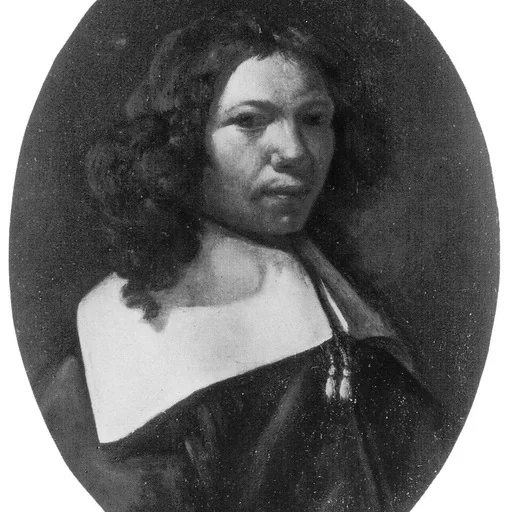
Gerrit Adriaenszoon Berckheyde
Gerrit Adriaenszoon Berckheyde (1638 – 10 June 1698) was a Dutch Golden Age painter, active in Haarlem, Amsterdam, and The Hague, who is best known today for his cityscapes.

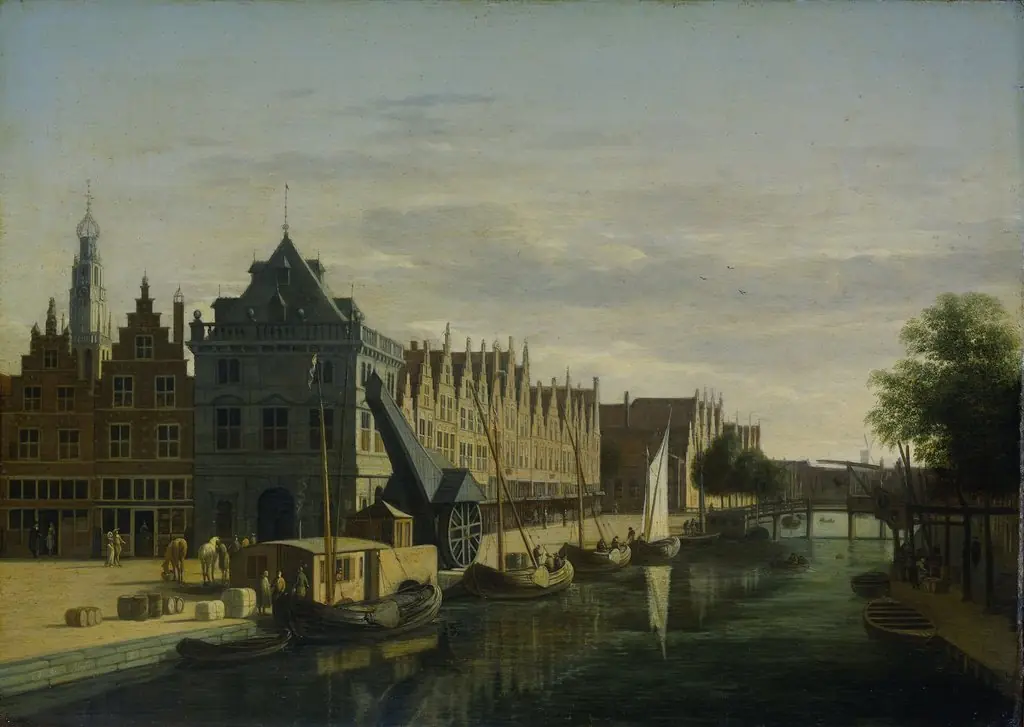
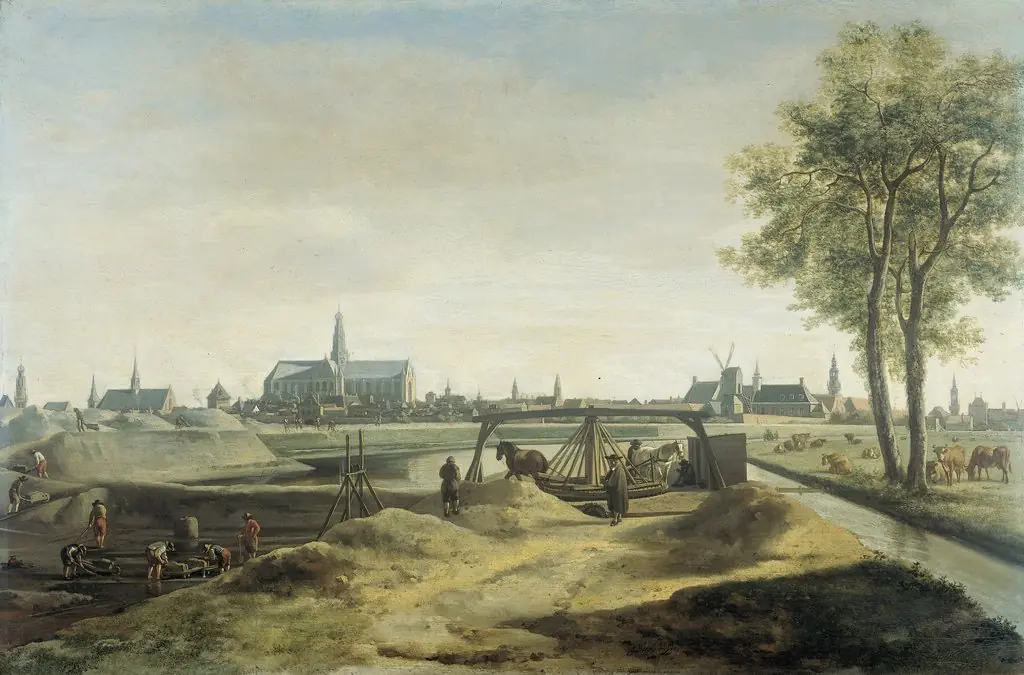
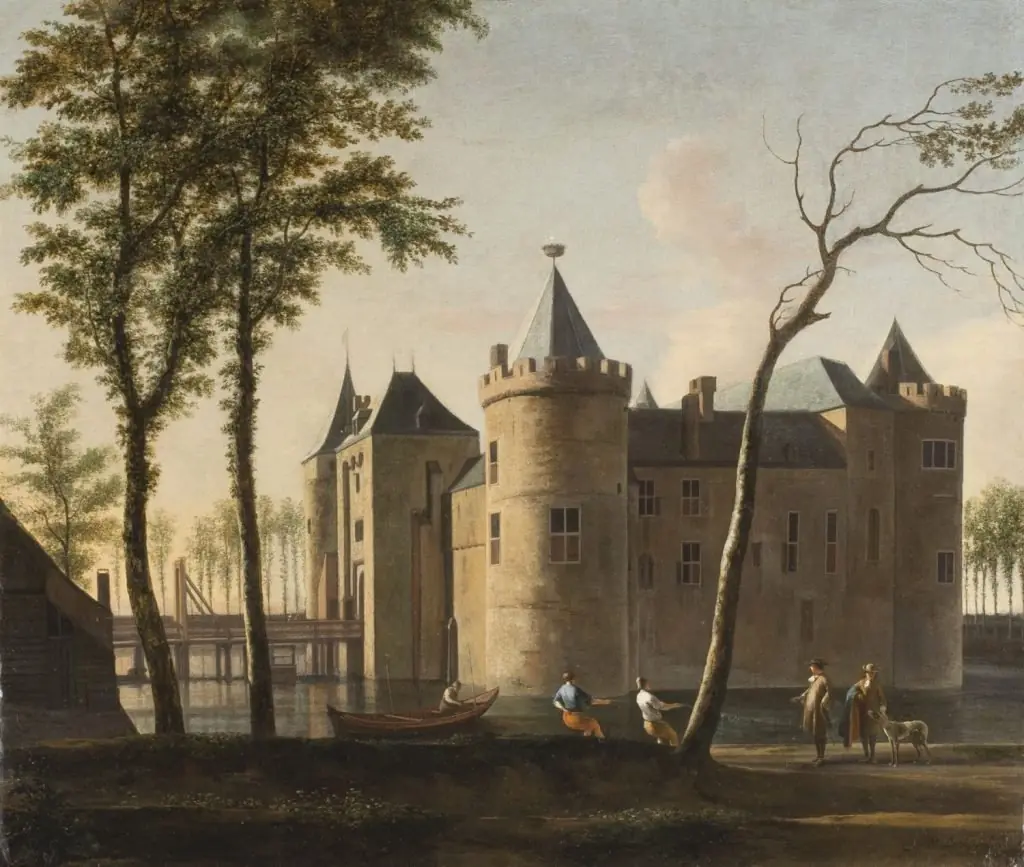
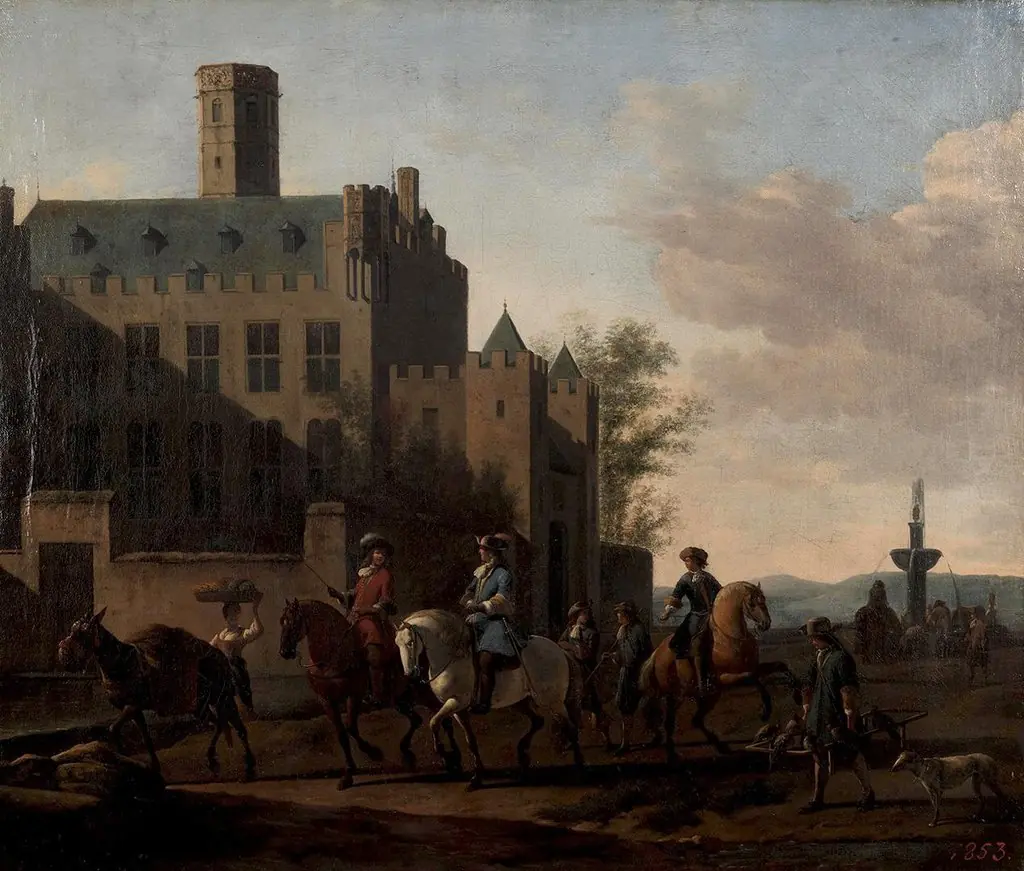
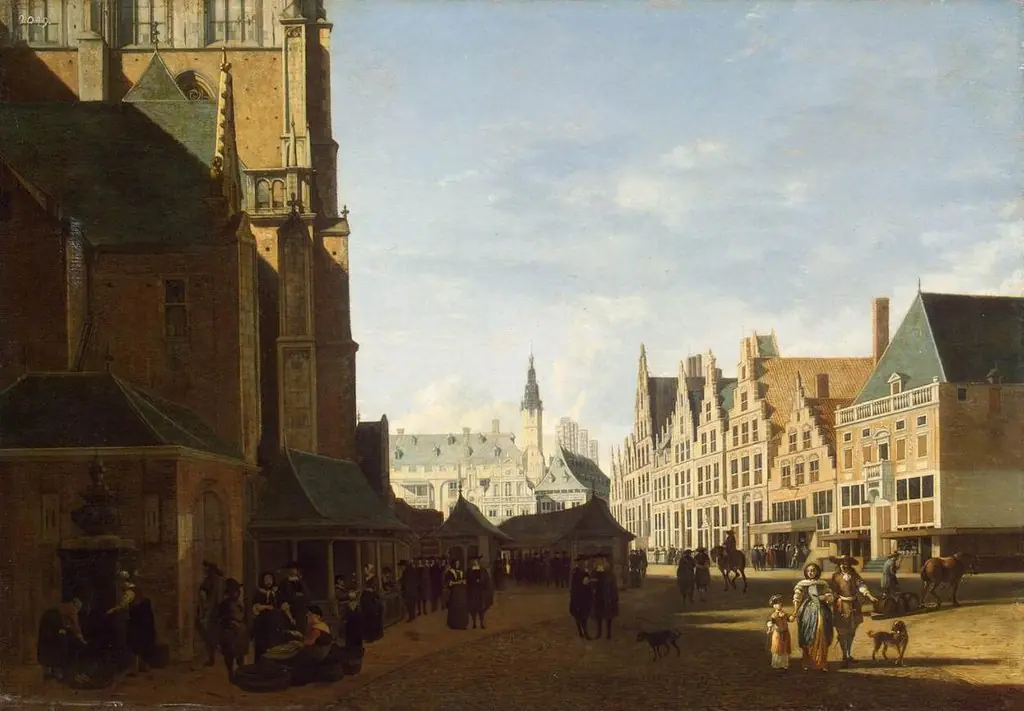
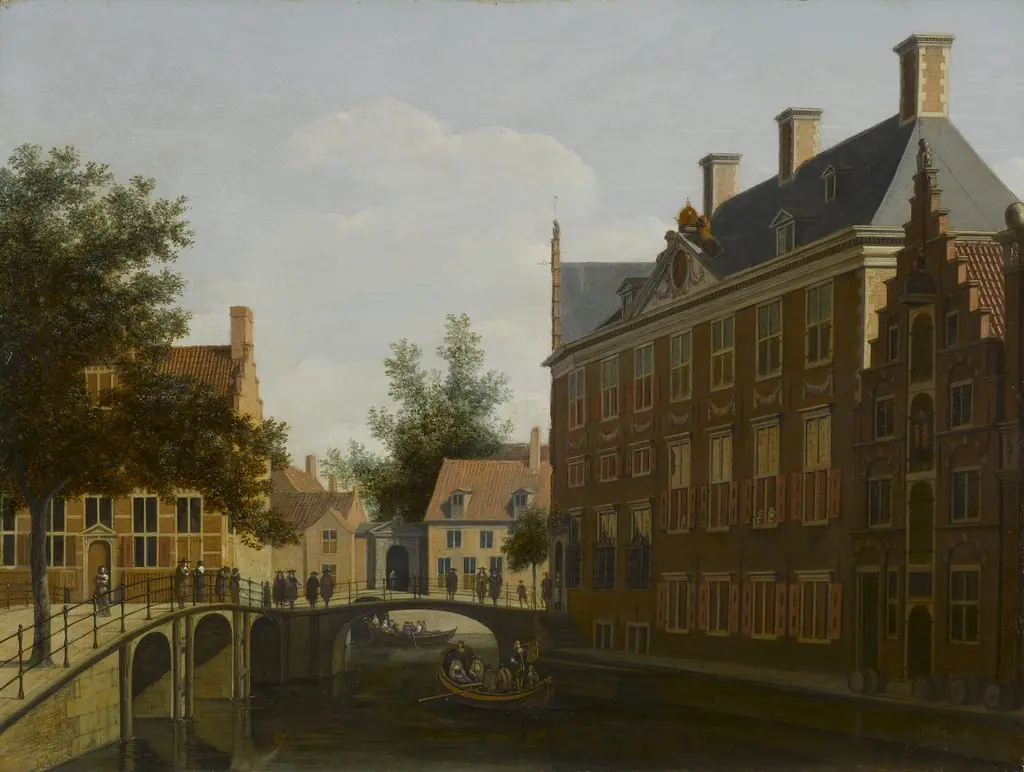
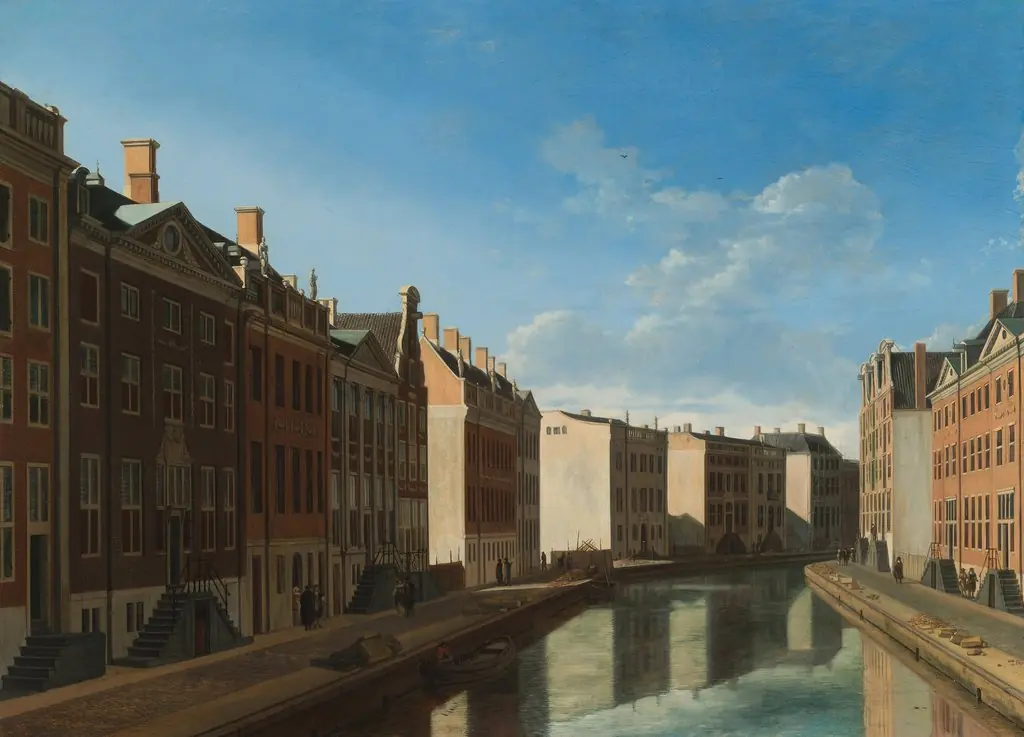
- The ‘Golden Bend’ in the Herengracht, Amsterdam, Seen from the East
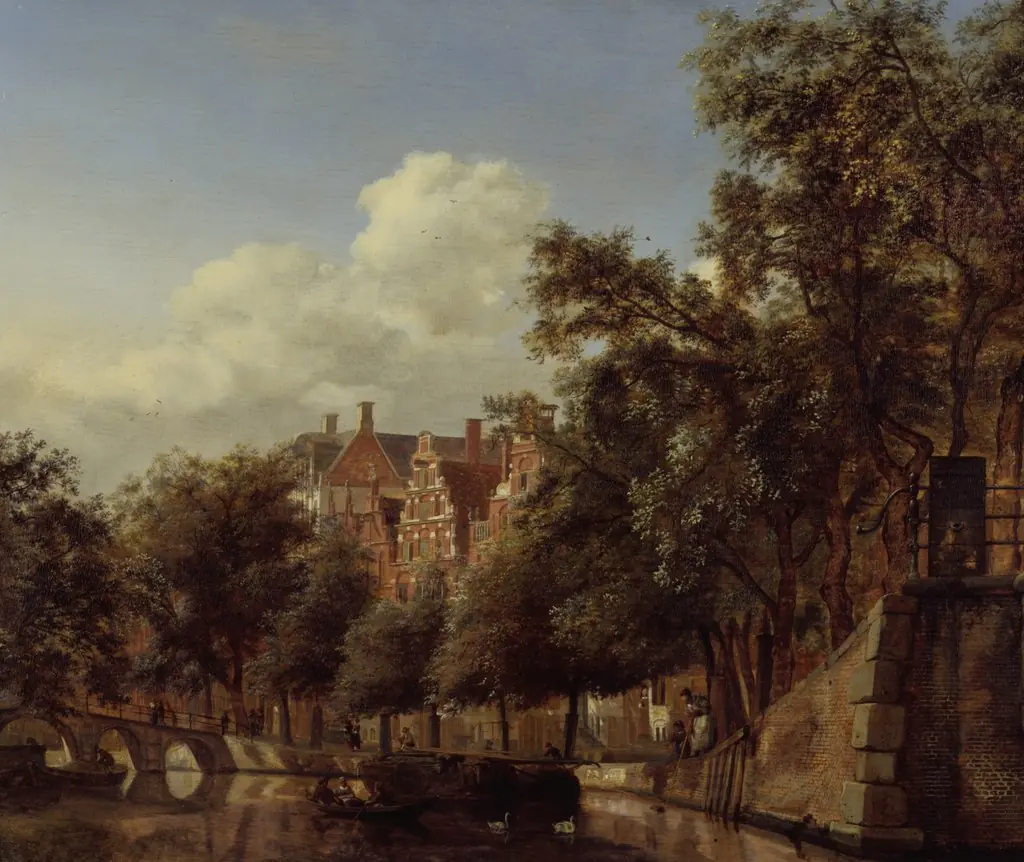 View of the Herengracht, Amsterdam, from the Leliegracht
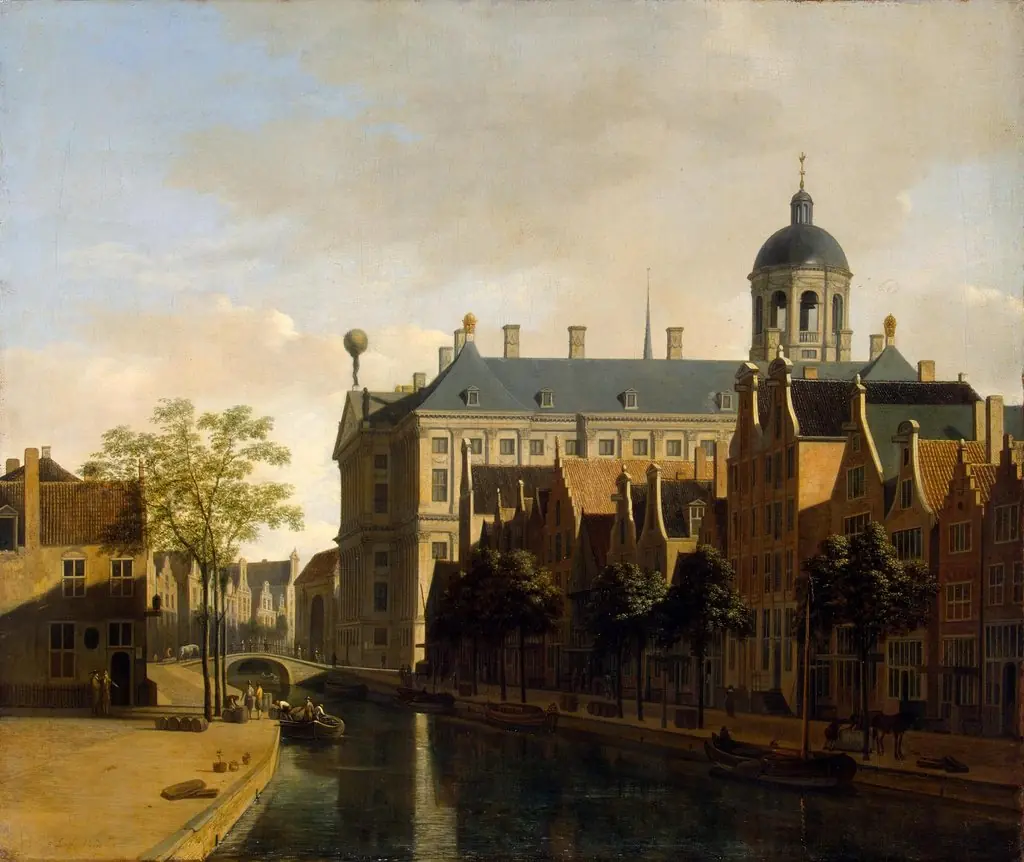 View of the Ratshuis in Amsterdam
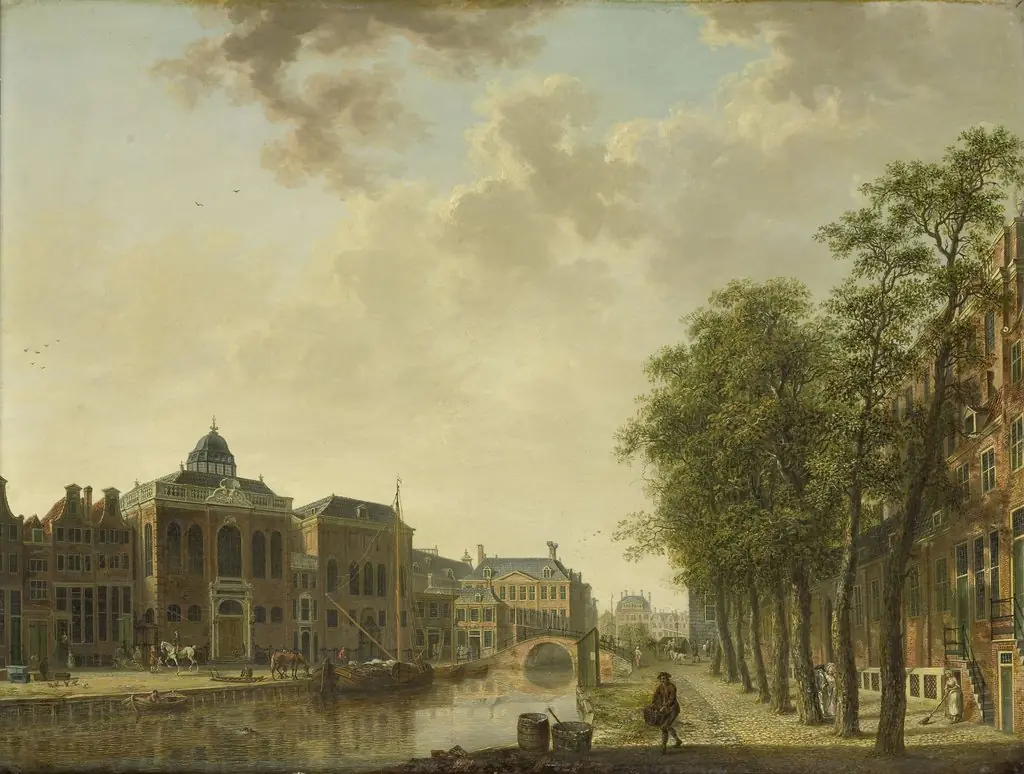 View of the Houtmarkt in Amsterdam
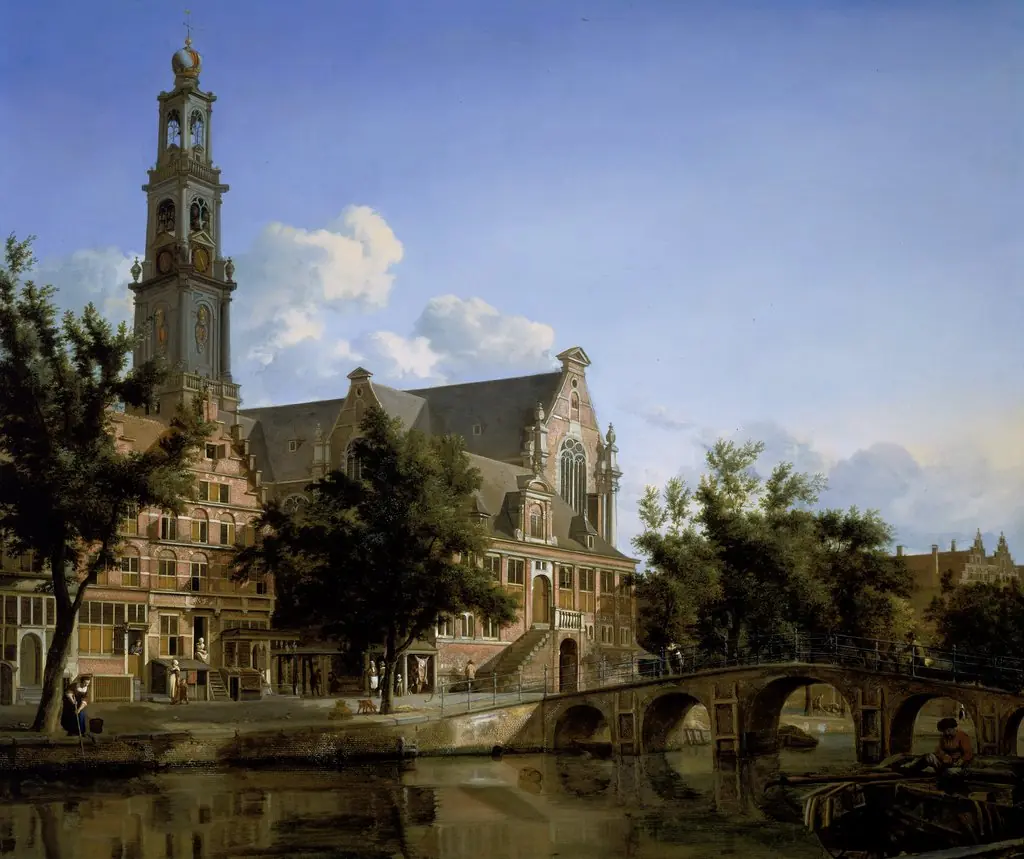 View of the Westerkerk, Amsterdam
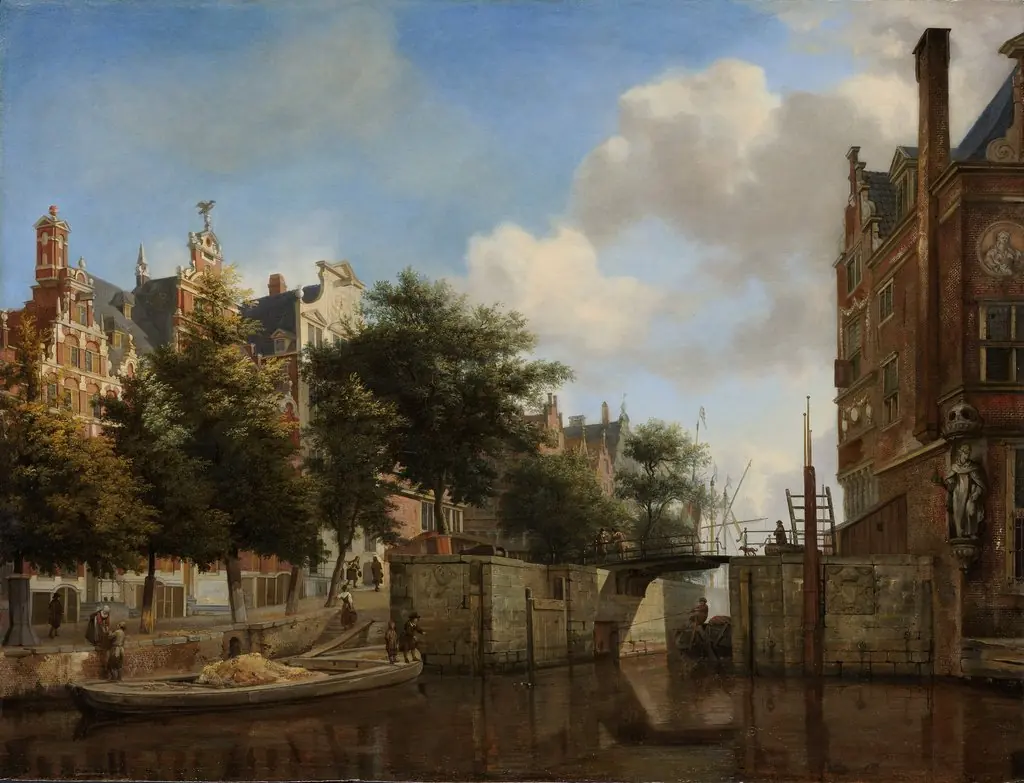 Amsterdam City View with Houses on the Herengracht and the old Haarlemmersluis
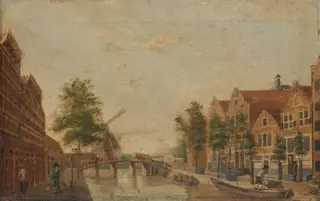 The Brouwersgracht in Amsterdam
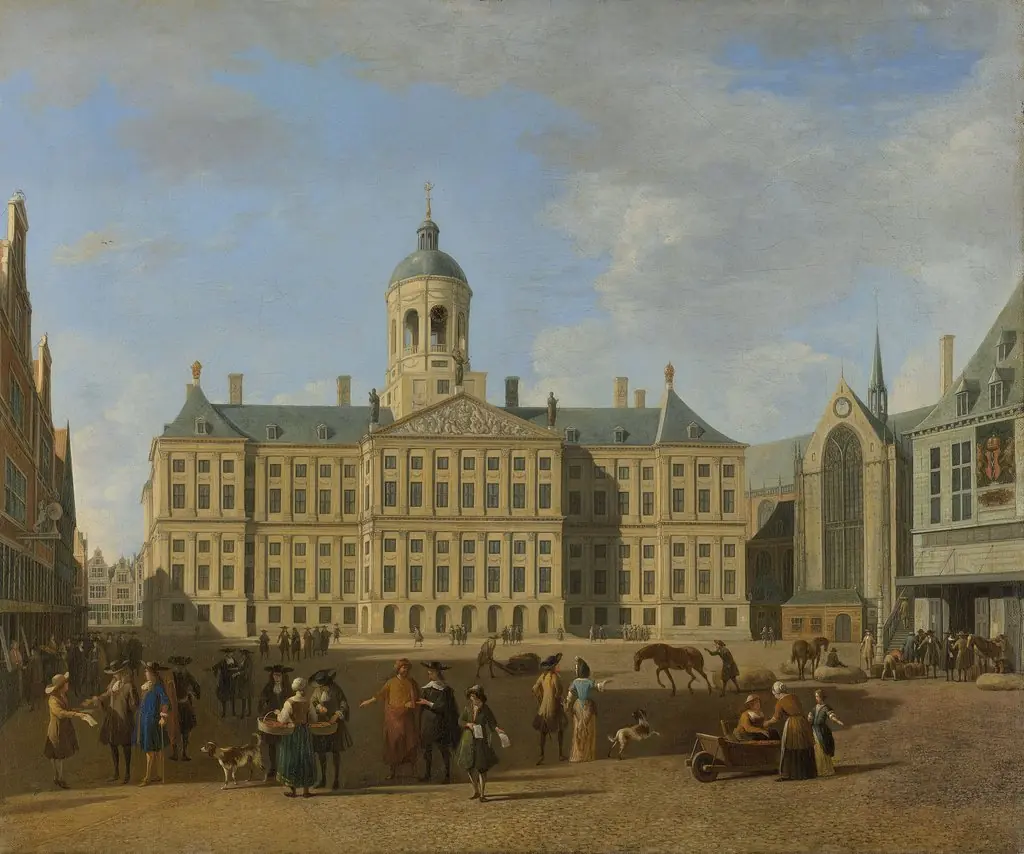
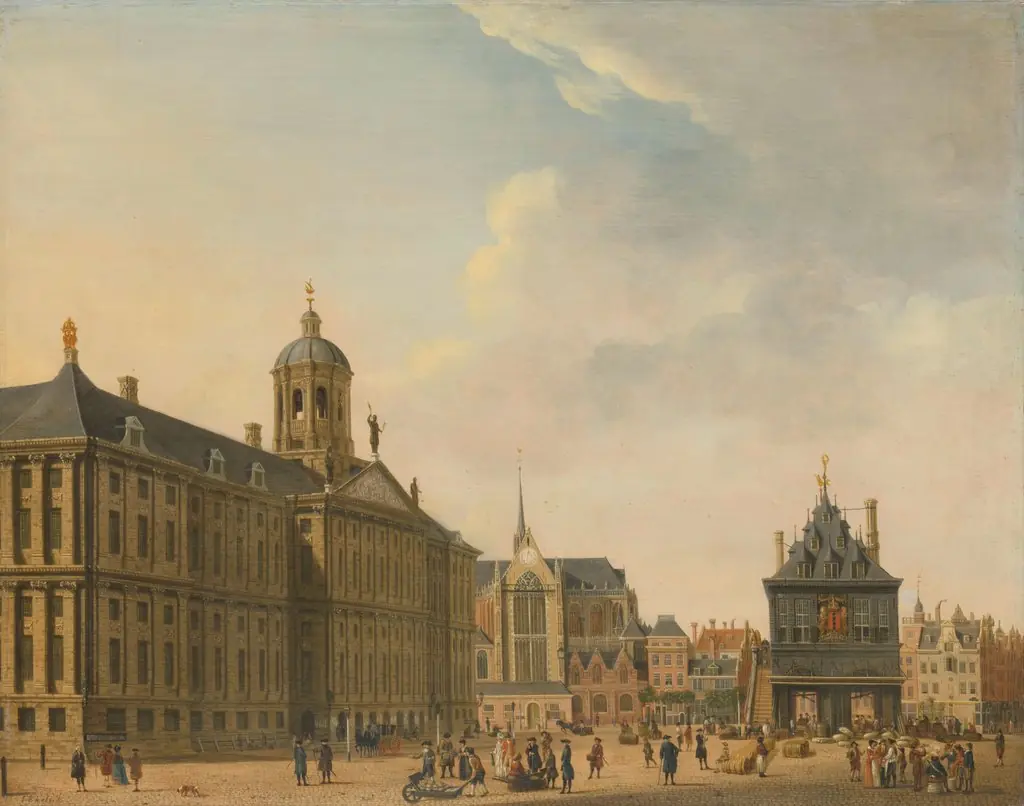 View of the Dam in Amsterdam
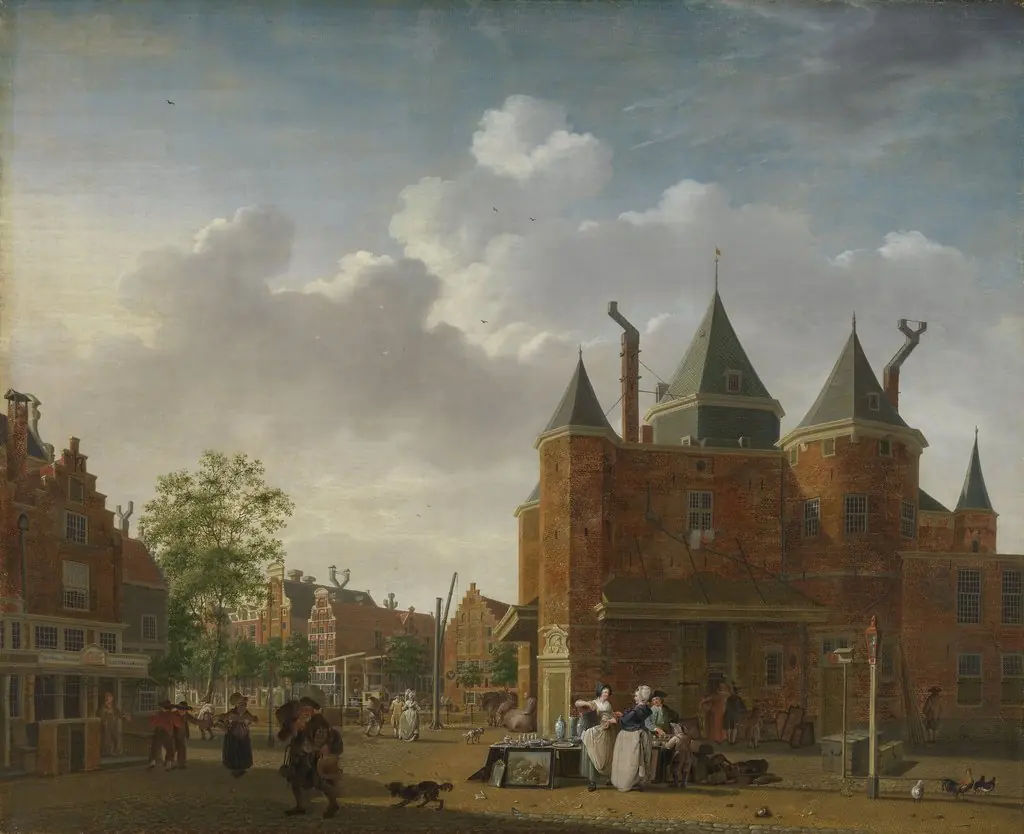 The Sint-Antoniuswaag in Amsterdam