Artwork
William Eustis
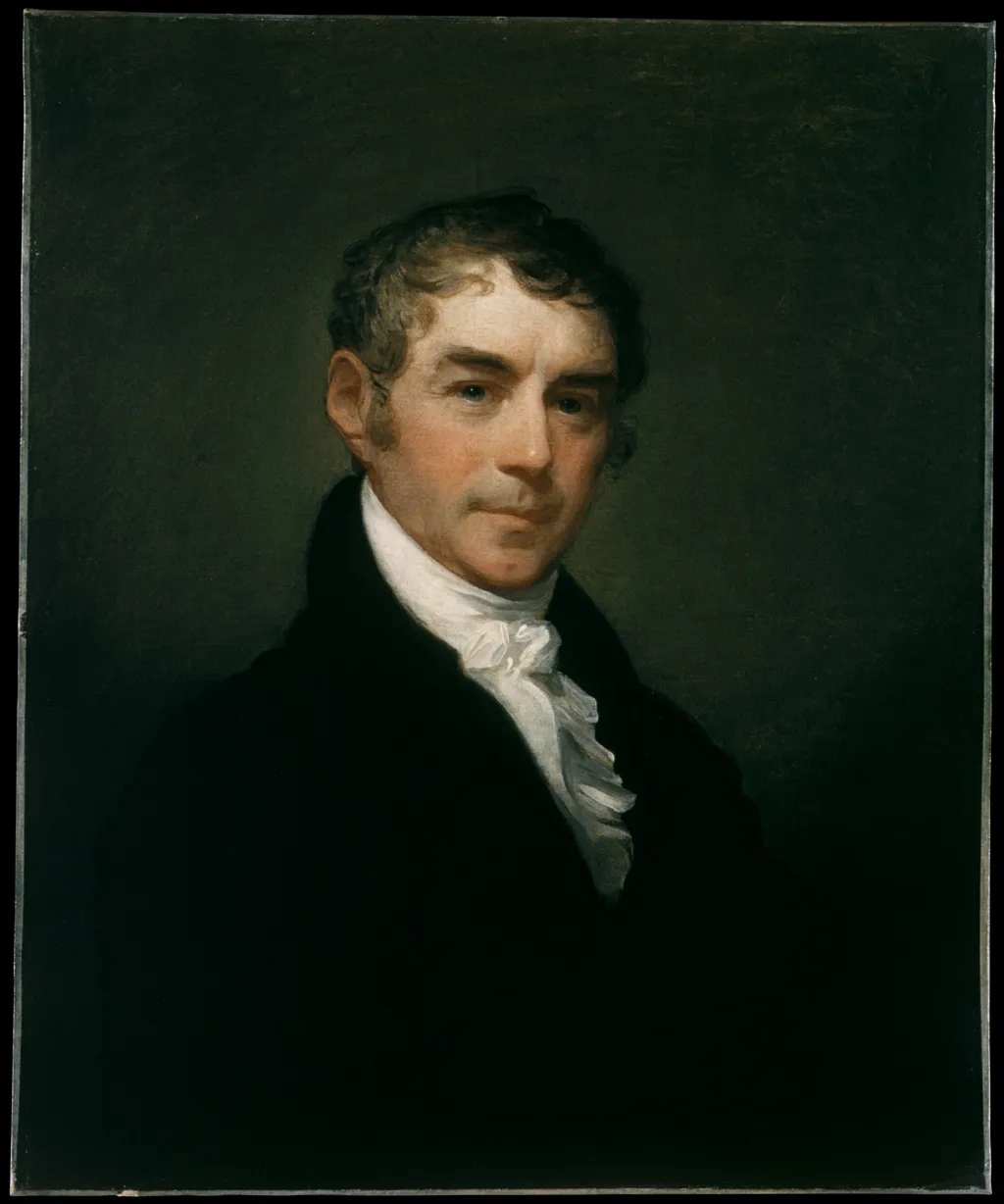
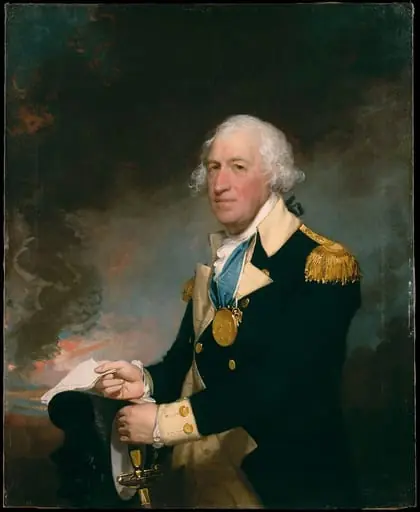
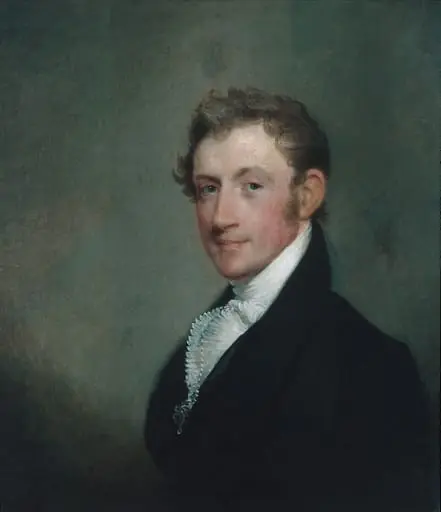
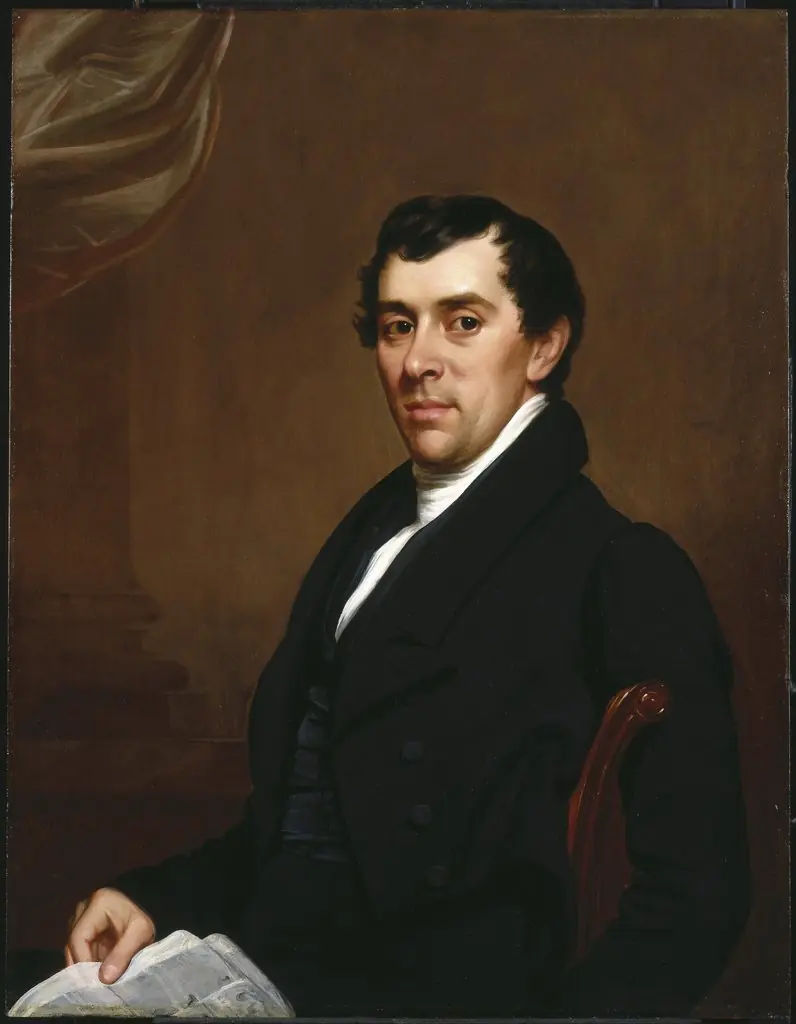
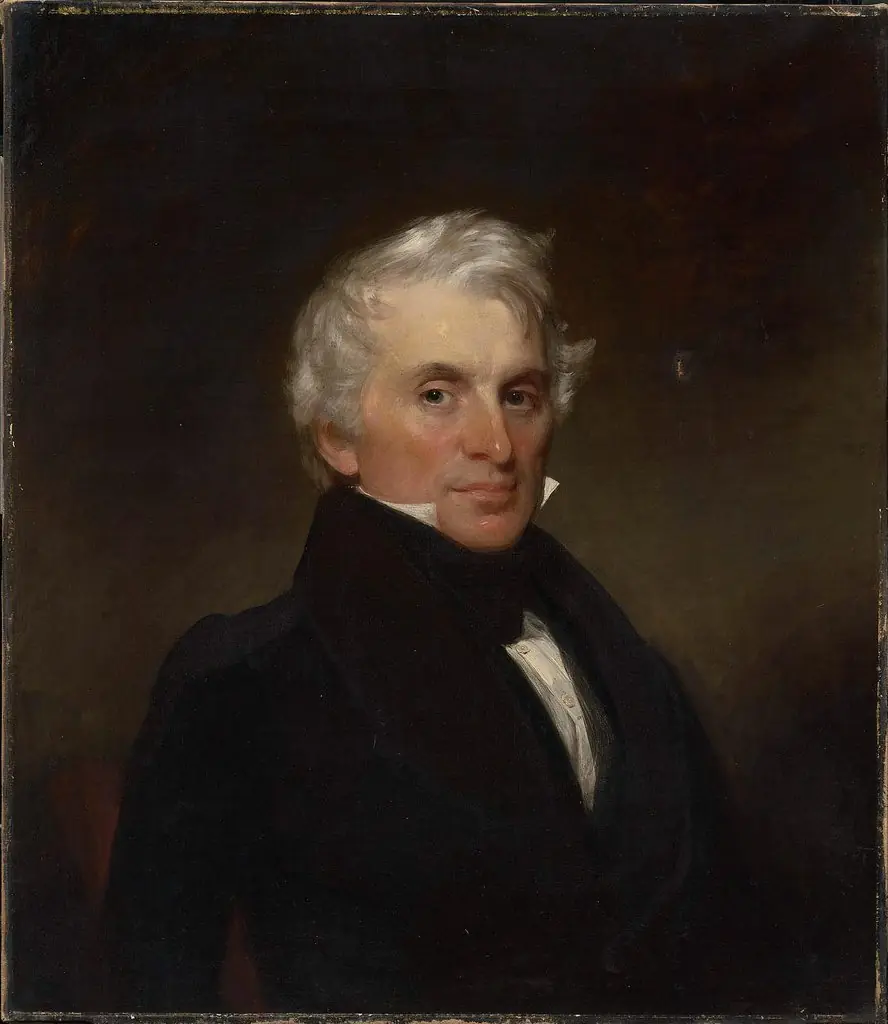
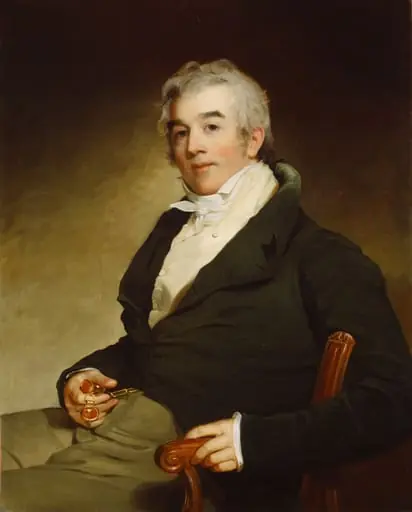
William Eustis is an oil painting by the Realist artist Gilbert Stuart. It dates from 1806 and is held in the collection of the Metropolitan Museum of Art.
About this work
Subject & Meaning
The painting, completed in 1806 by Gilbert Stuart, portrays William Eustis, a man identified as a prominent early American figure.
The painting, completed in 1806 by Gilbert Stuart, portrays William Eustis, a man identified as a prominent early American figure. Rendered in oil on canvas, the work is classified as a portrait and is housed in the Metropolitan Museum of Art. As a portrait, it functions to affirm the sitter’s social standing and political relevance within the young republic, embodying the aesthetic conventions of elite representation of the historical period.
Technique & Style
Executed in oil paint on canvas, Gilbert Stuart's 1806 portrait of William Eustis follows the conventions of early nineteenth-century American portraiture. The work is a portrait genre painting, depicting a single male sitter. Its physical dimensions are modest, measuring approximately 73 centimeters in height by 60.6 centimeters in width, a format typical of Stuart's commissioned likenesses of political figures.
The painting is held in the collection of the Metropolitan Museum of Art. No additional information regarding specific handling, brushwork, support preparation, or current condition is documented in the available sources.
History & Provenance
Painted in 1806 by Gilbert Stuart, the oil-on-canvas portrait depicts William Eustis. The work was created during Stuart’s mature period and remains attributed to him without dispute. According to the artwork’s record, it is presently held in the collection of the Metropolitan Museum of Art in New York, indicating its current ownership.
While earlier provenance details are not specified in the available sources, the painting’s dating and medium are firmly established as 1806 and oil on canvas, respectively.
Overview
Gilbert Stuart painted William Eustis in 1806. This oil portrait depicts its namesake, a male subject, and exemplifies the realism movement prevalent at the time. Stuart, an American artist, is recognized for his significant contributions to portraiture in the early United States. The work is part of The Metropolitan Museum of Art's collection.
Context
Born in the Rhode Island Colony in 1755, Gilbert Stuart established himself as a leading American portrait painter of his era. His artistic legacy is largely defined by his ability to capture the likeness and character of his subjects. Stuart is perhaps most widely known for his unfinished 1796 depiction of George Washington, a work that has been extensively reproduced and appears on the U.S. one-dollar bill.
Own this work as a print
Artist & collection

Artist
Gilbert Stuart (né Stewart; December 3, 1755 – July 9, 1828) was an American painter born in the Rhode Island Colony who is widely considered one of America's foremost portraitists.