Artwork
Self-portrait
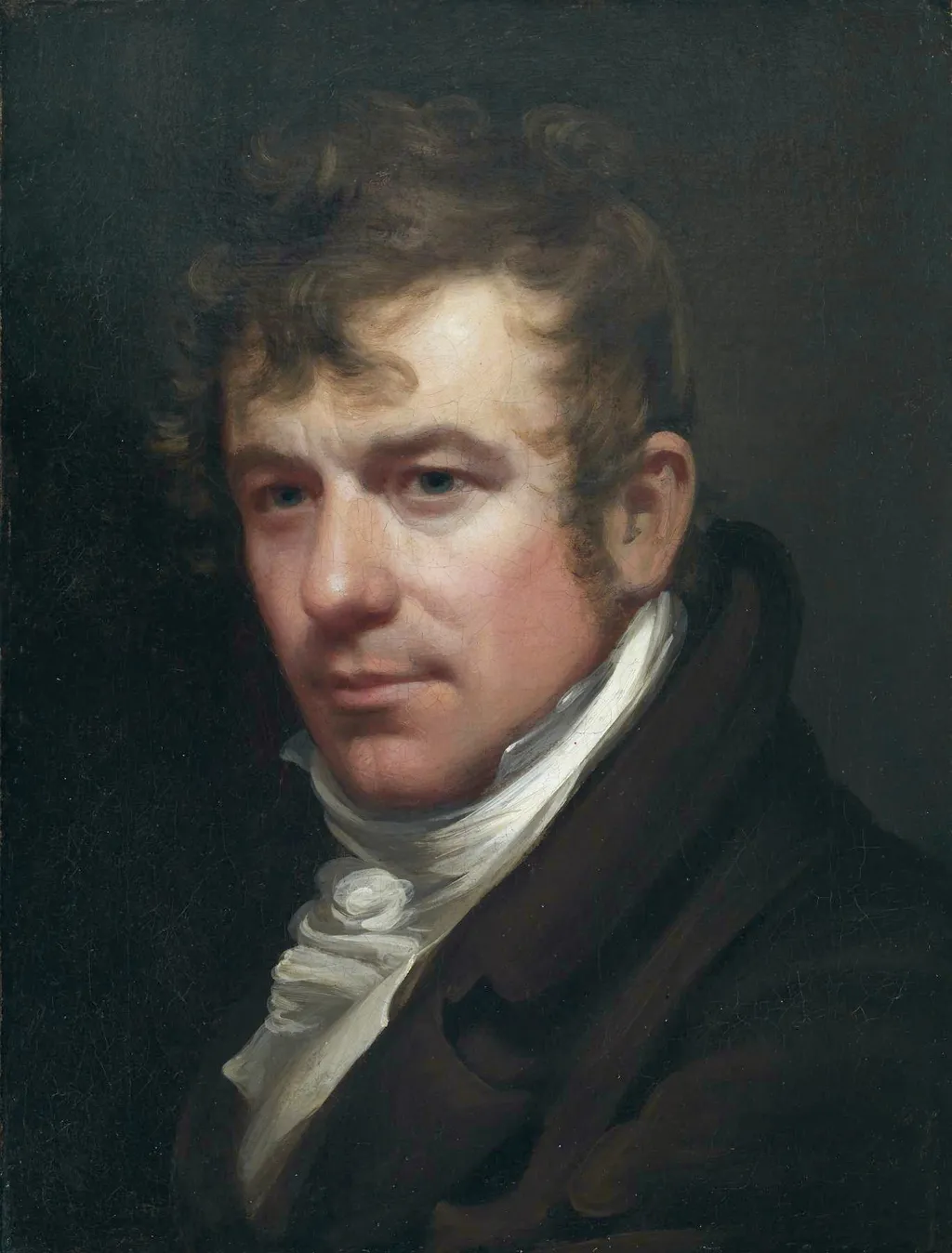
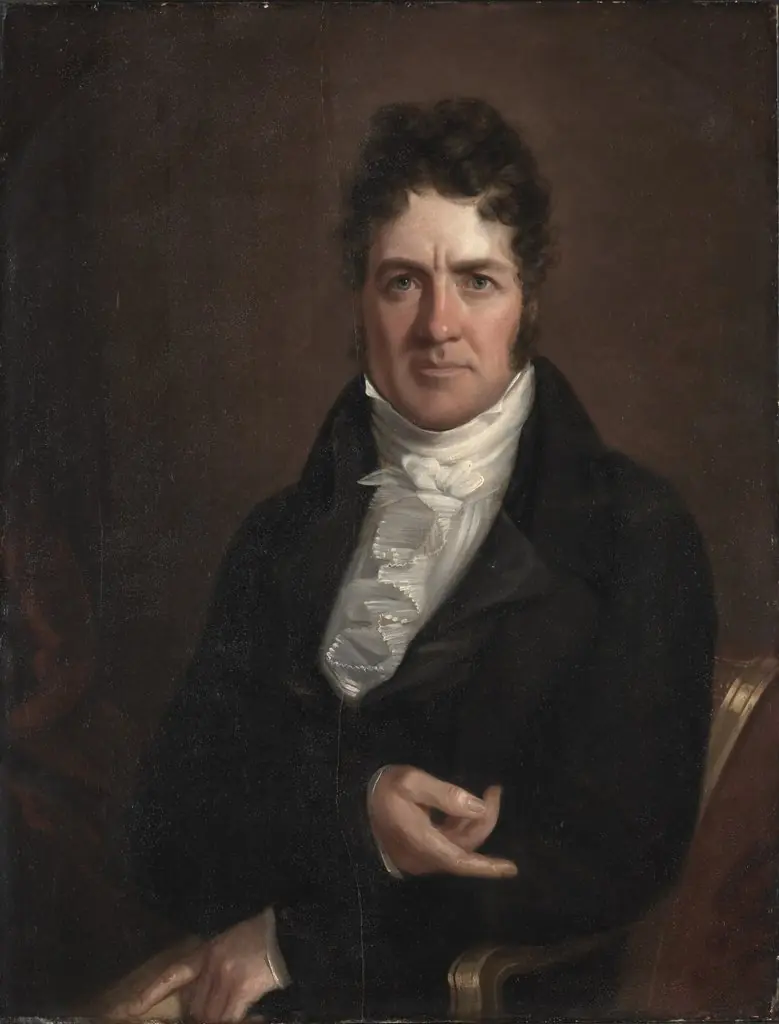
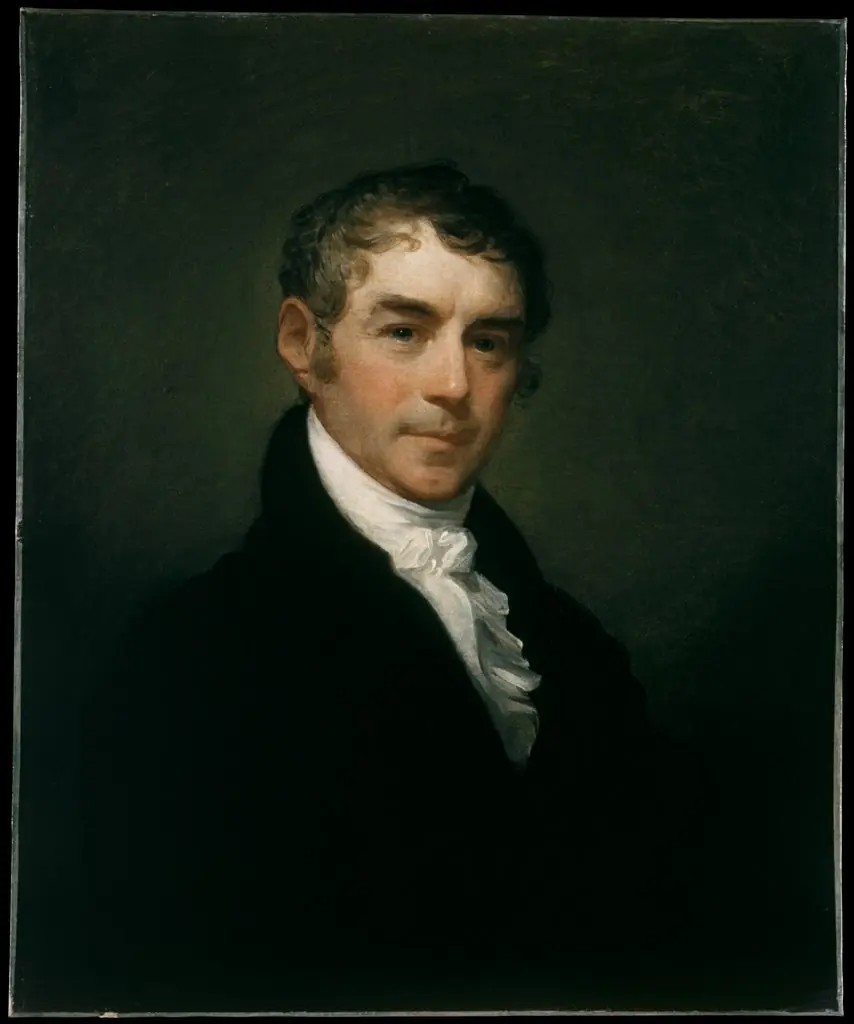
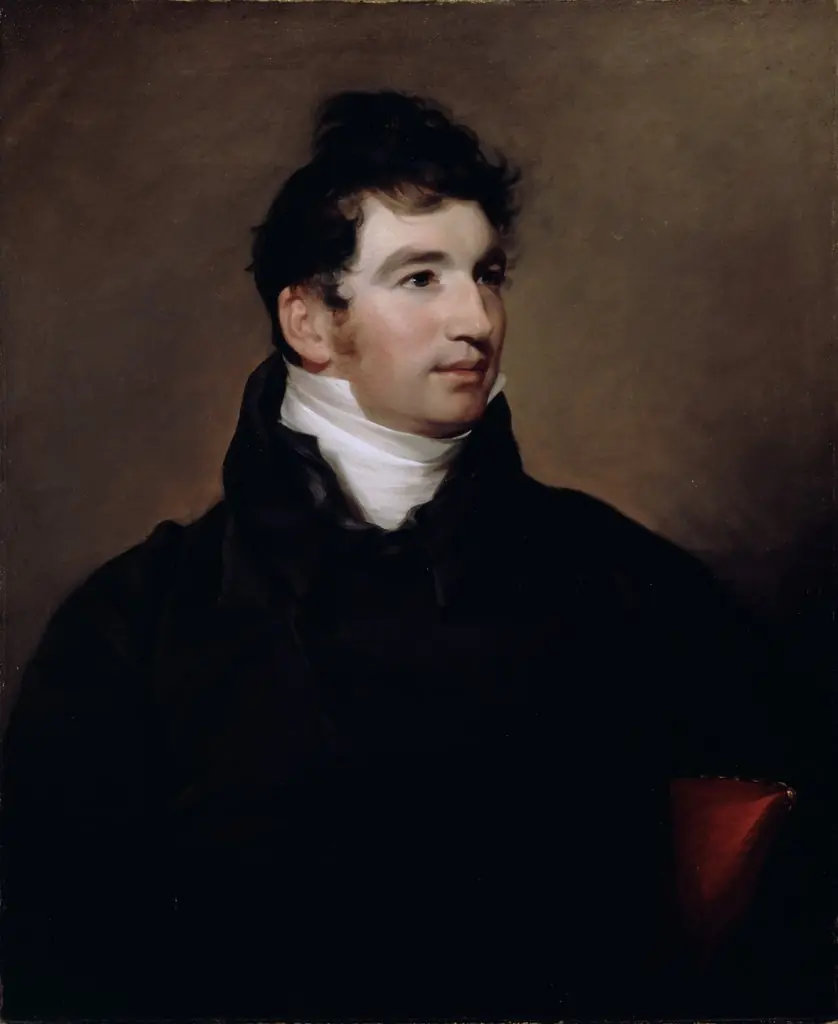
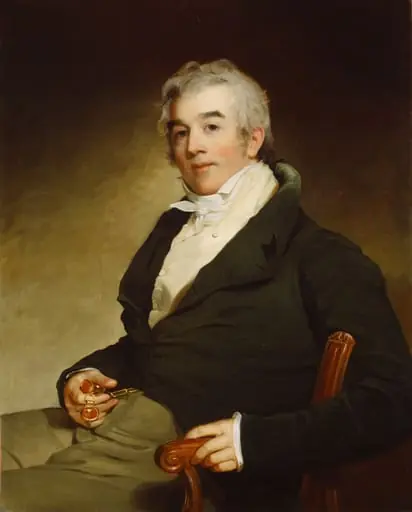
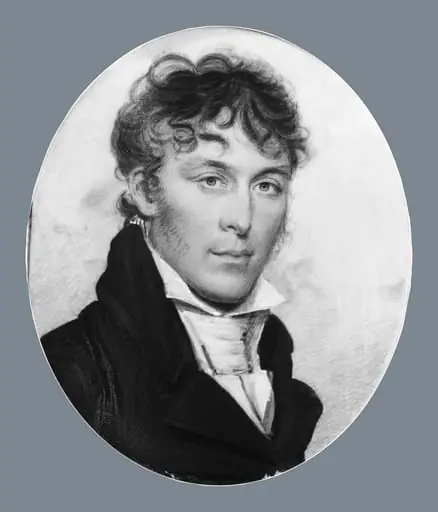
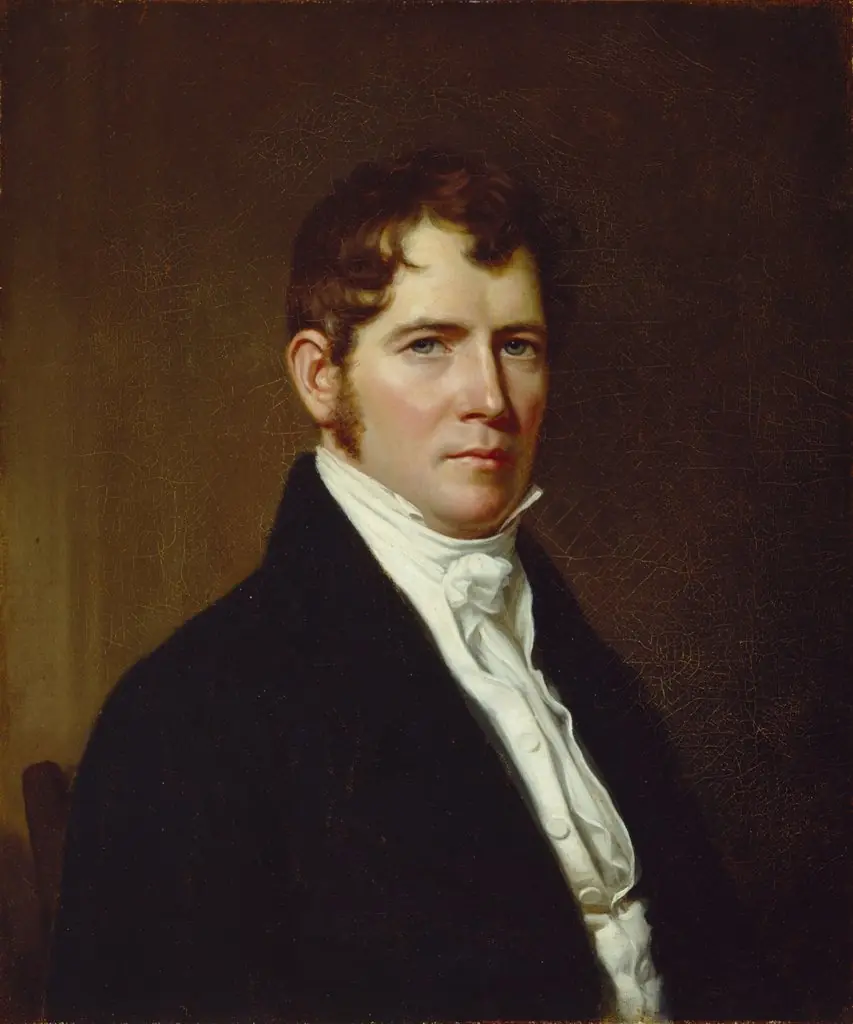
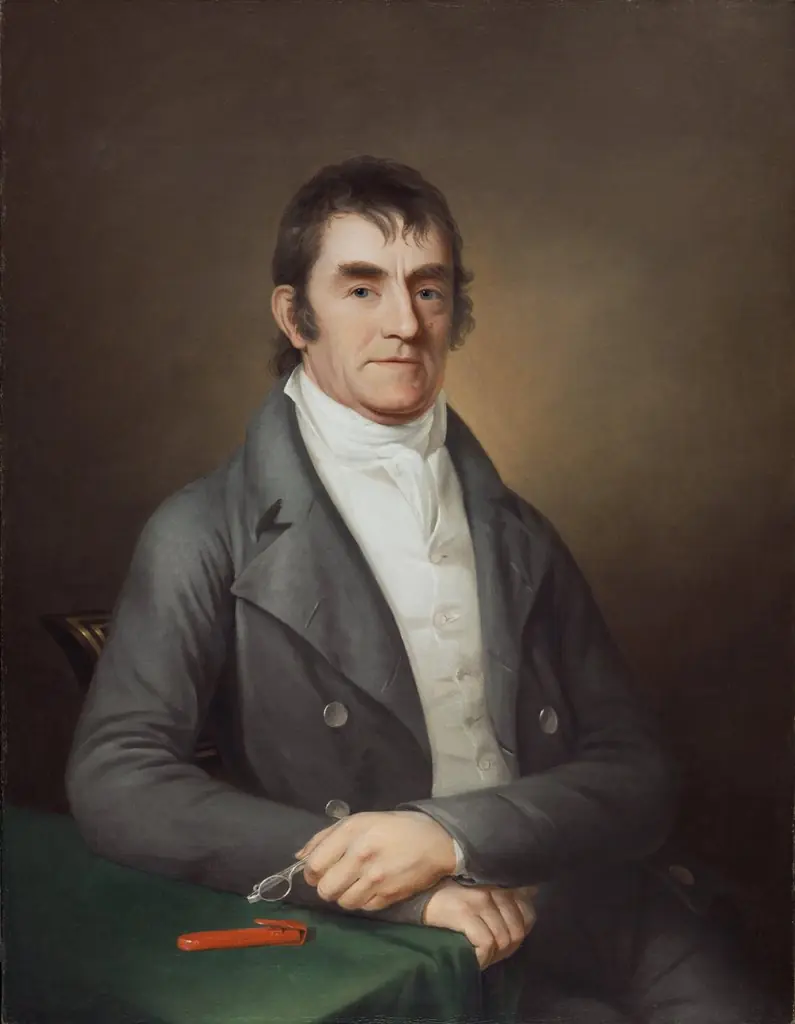
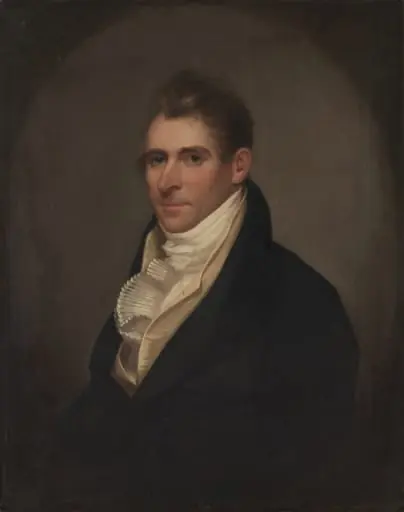
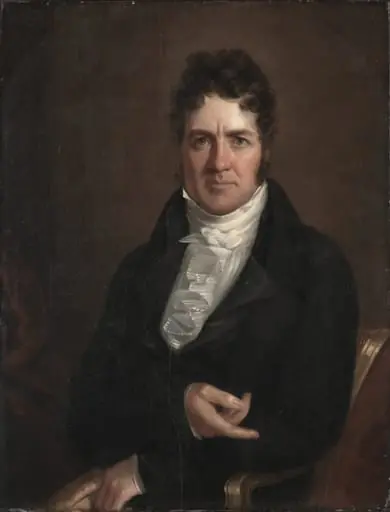
Self-portrait is an oil painting by the American Folk Art artist John Wesley Jarvis. It dates from 1812 and is held in the collection of the Walters Art Museum.
About this work
Overview
The painting is part of the Walters Art Museum’s collection, where it remains a key example of early 19th-century American portraiture.
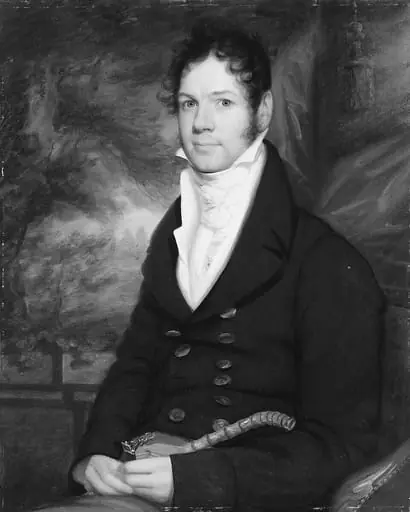
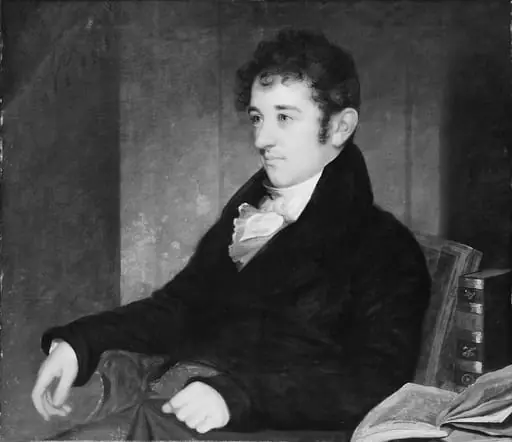
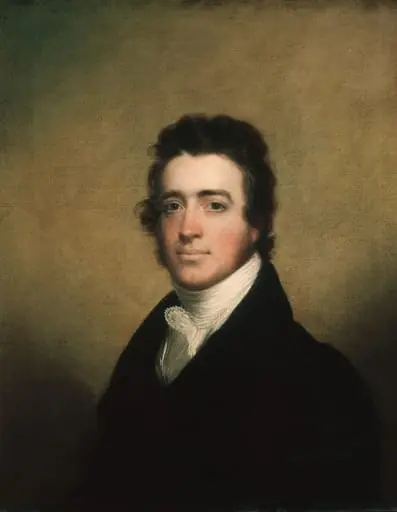
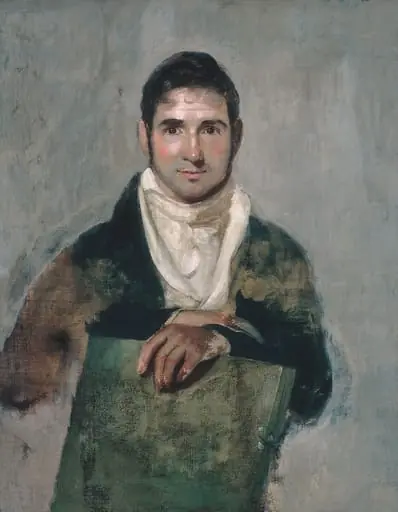
Painted in 1812, this oil on canvas work is a self-portrait by American artist John Wesley Jarvis. It presents the artist as a seated figure, rendered with careful attention to form and light. The painting is part of the Walters Art Museum’s collection, where it remains a key example of early 19th-century American portraiture. Its composition emphasizes the sitter’s presence through stark contrast and minimal background.
Subject & Meaning
The subject is the artist himself, depicted without adornment or symbolic props. His neutral expression and direct gaze invite a quiet, unmediated encounter with the viewer. Dressed in formal attire, a dark jacket and white cravat, he presents himself as a professional man of refinement. The absence of context or narrative suggests an intention to convey identity through presence rather than circumstance.
Technique & Style
Jarvis employs chiaroscuro to model the face and clothing, creating volume against a flat, black background. The lighting accentuates the texture of his hair and the fine folds of the cravat, demonstrating precise brushwork. The restrained palette and focused illumination reflect influences from European portraiture, adapted to an American sensibility that values clarity and restraint over ornamentation.
History & Provenance
The painting was completed in 1812, during Jarvis’s active years in New York as a portraitist to the city’s elite. It remained in the artist’s possession until his death in 1839. Later acquired by Henry Walters, it entered the Walters Art Museum’s collection in the early 20th century, where it has been consistently displayed as a representative work of American portraiture from the period.
Context
In the early 1800s, American artists often turned to self-portraiture to assert their professional identity in a cultural landscape still developing its artistic institutions. Jarvis, among the first generation of native-born portraitists, used this format to position himself within a tradition of European art while establishing a distinct American voice through directness and technical precision.
Legacy
This self-portrait endures as a quiet testament to Jarvis’s skill and self-awareness. It reflects the growing confidence of American artists in defining their own image outside European models. Though not widely reproduced, it remains a reference point in studies of early American portraiture for its disciplined technique and understated presence.
Own this work as a print
Artist & collection

Artist
John Wesley Jarvis (1781–1839) was an American artist, born in South Shields.