Artwork
The Annunciation
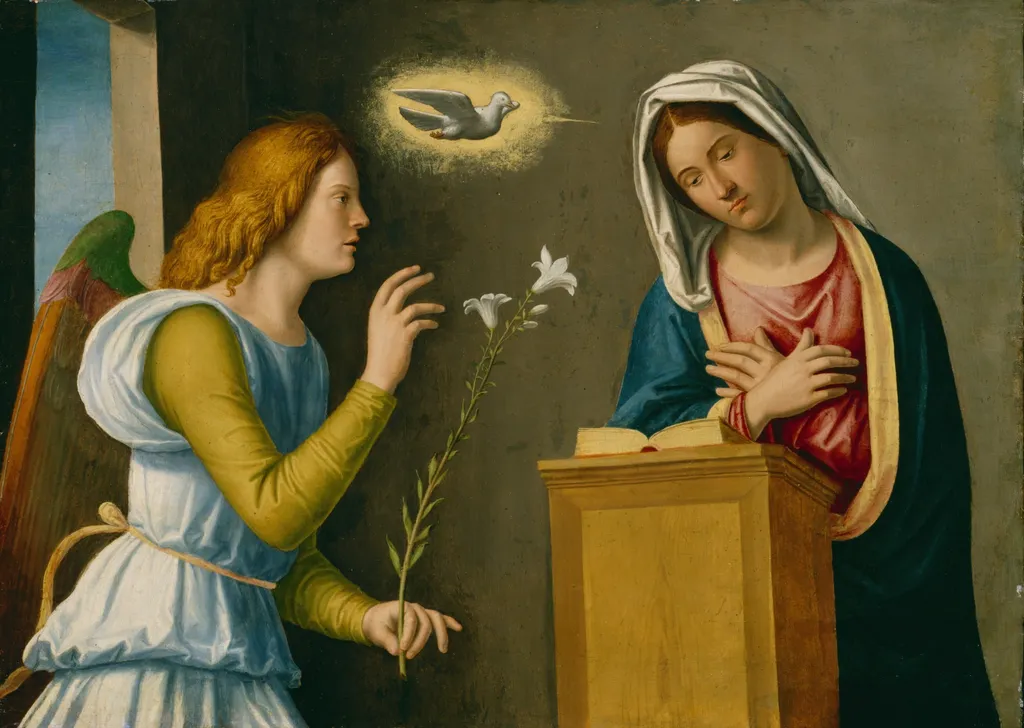
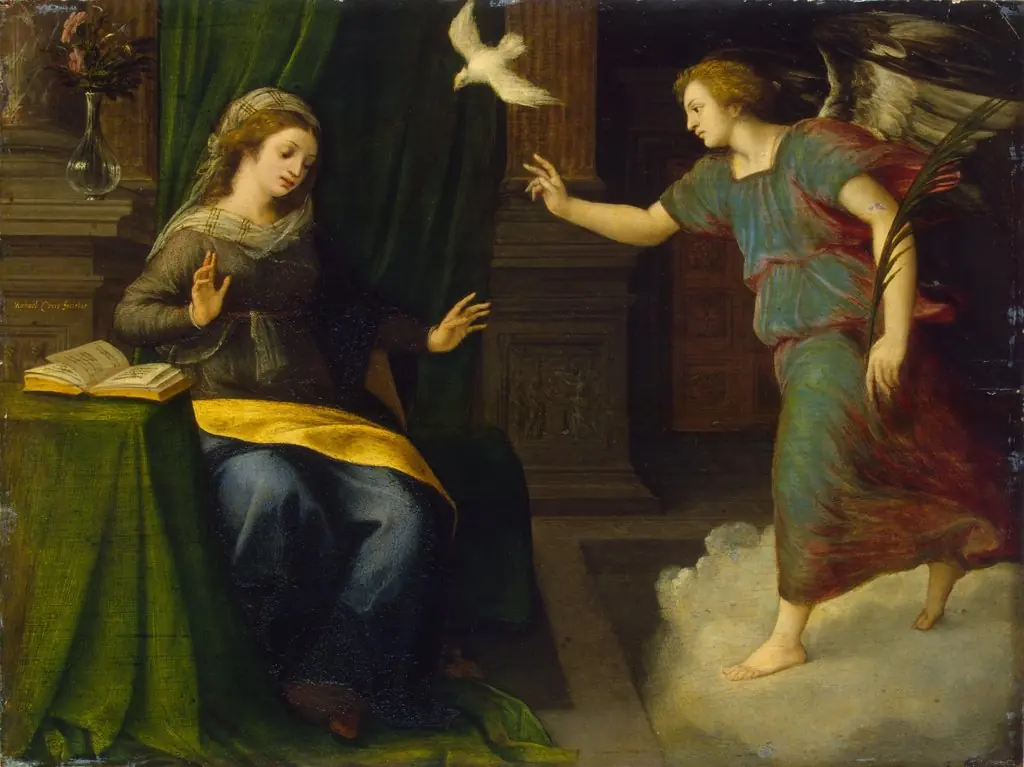
The Annunciation is a paint painting by the Venetian Renaissance artist Giovanni Battista Cima da Conegliano. It dates from 1500 and is held in the collection of the Detroit Institute of Arts.
About this work
History & Provenance
Giovanni Battista Cima da Conegliano's painting The Annunciation, created in 1500, is held in the collection of the Detroit Institute of Arts in Detroit.
The Annunciation was painted in 1500 by Giovanni Battista Cima da Conegliano, as recorded in its internal catalog entry. The work was created as a religious painting for devotional display, depicting the Virgin Mary receiving the angel Gabriel's announcement. It entered the collection of the Detroit Institute of Arts, where it has remained since its acquisition, and is documented in both the museum's records and external sources as part of their holdings.
The painting is executed in oil on panel and measures 63.5 cm in height and 90.8 cm in width.
Giovanni Battista Cima da Conegliano's painting The Annunciation, created in 1500, is held in the collection of the Detroit Institute of Arts in Detroit. The work is executed in oil on panel and measures 63.5 cm in height by 90.8 cm in width. While the museum maintains an official record for the piece, the provided sources do not list a specific inventory or accession number, nor do they detail any past or current exhibition history for this specific artwork.
Overview
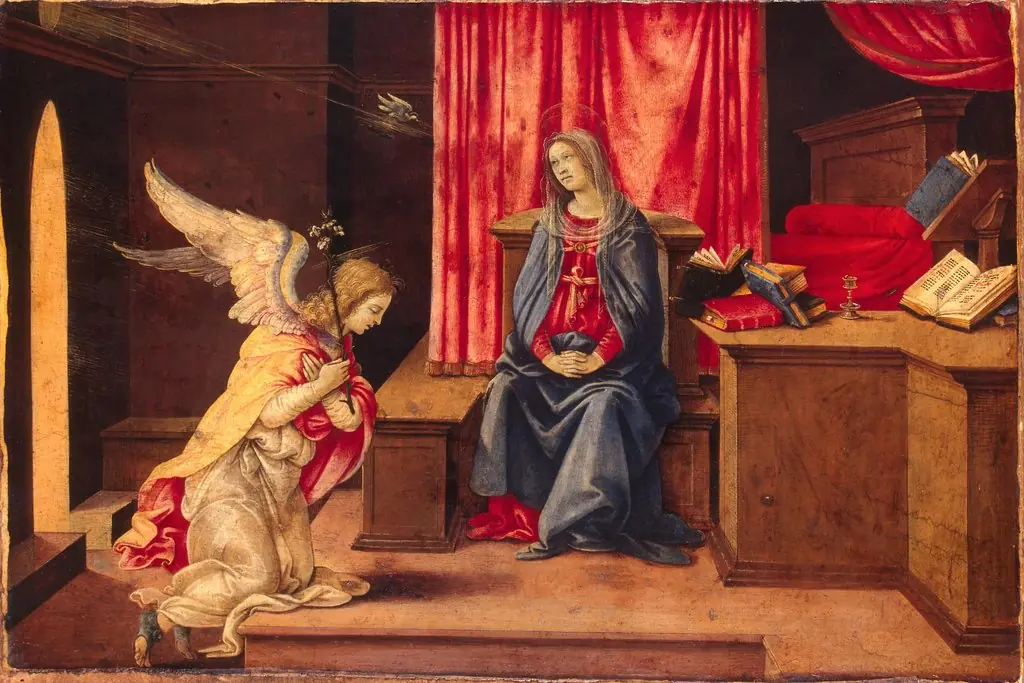
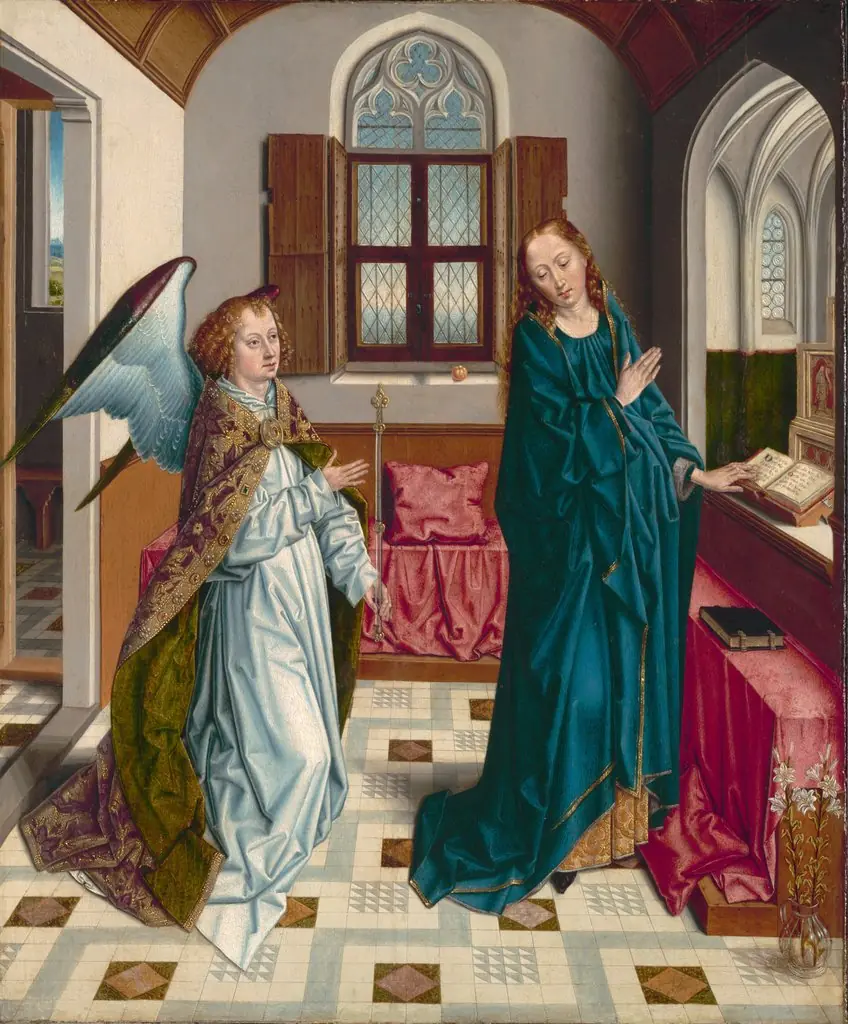
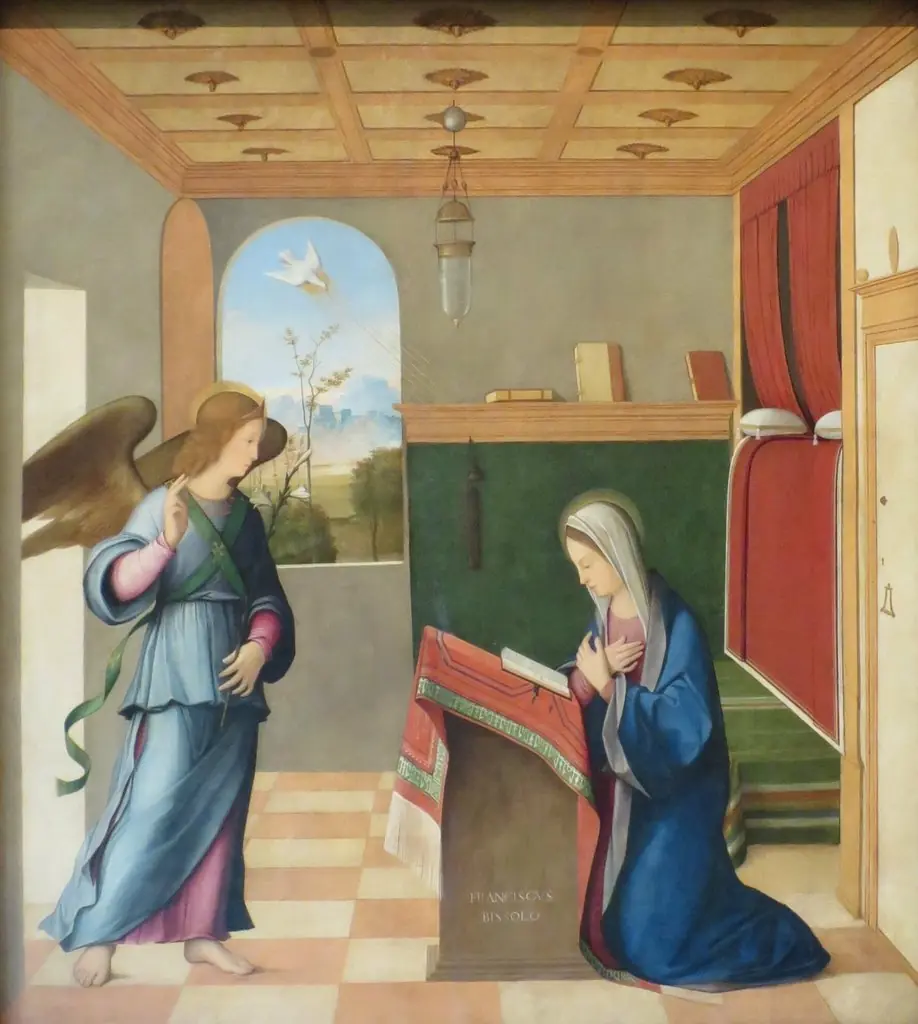
Created around 1500 by Giovanni Battista Cima da Conegliano, this oil painting depicts the biblical moment of the Annunciation. Executed in the Venetian Renaissance style, the work is now housed in the Detroit Institute of Arts. Its composition combines a quiet interior scene with a detailed landscape visible through an open window, establishing a calm, devotional atmosphere.
Subject & Meaning
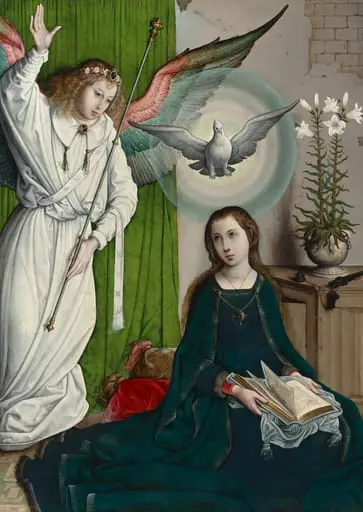
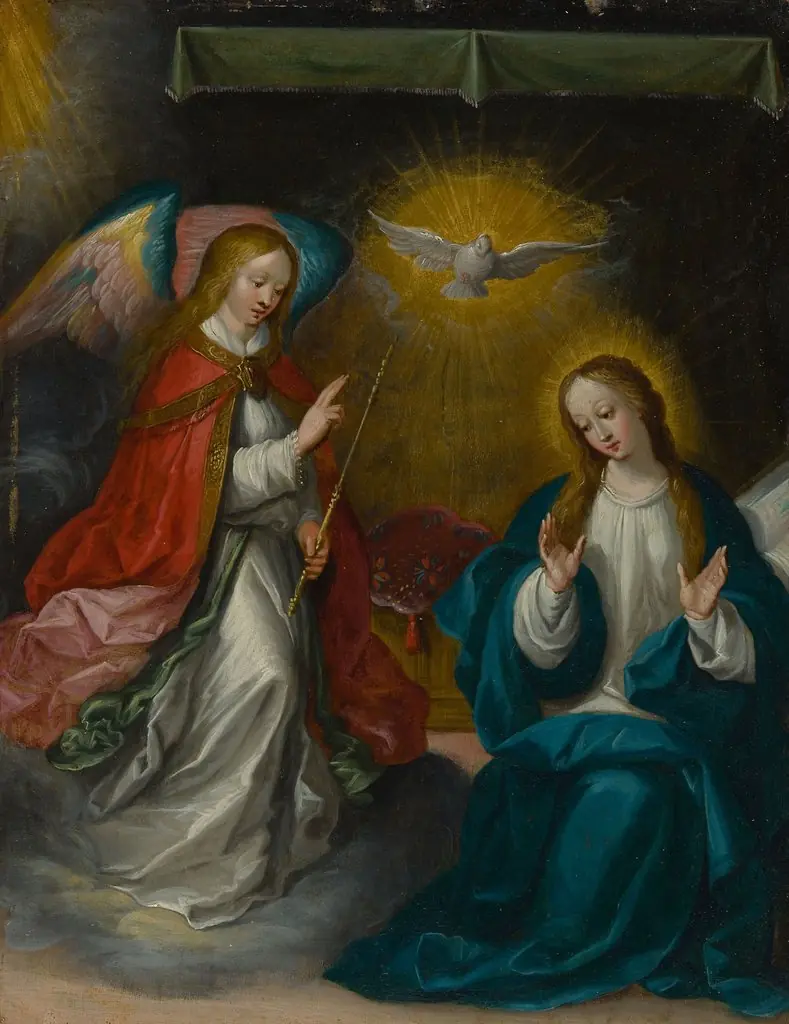
The central narrative shows the angel Gabriel delivering the news of Christ’s forthcoming birth to the Virgin Mary. In the picture, an angelic figure holds a white flower, while Mary is portrayed seated at a desk with an open book, symbolizing her contemplation. A dove hovering near a luminous source represents the Holy Spirit, reinforcing the theological significance of the encounter.
Technique & Style
Cima employs a restrained chiaroscuro, using subtle contrasts of light and shadow to model forms and suggest depth without dramatic drama. The palette features cool blues and warm reds, while the background landscape is rendered with atmospheric perspective, creating a sense of distance. The delicate handling of textures, fabric, wood, and foliage, reflects the artist’s characteristic serenity.
Context
Cima’s work belongs to a period when Venetian artists emphasized harmonious composition and luminous color. The Annunciation reflects contemporary devotional practices, offering a contemplative image suitable for personal prayer. Its intimate scale and domestic setting align with the trend of rendering sacred events in everyday environments, a hallmark of early 16th‑century Venetian painting.
Own this work as a print
Artist & collection
Artist
Giovanni Battista Cima da Conegliano
Giovanni Battista Cima, also called Cima da Conegliano (c. 1459 – c. 1517), was an Italian Renaissance painter, who mostly worked in Venice. He can be considered part of the Venetian school, though he was also…

 Madonna and Child with Saint Jerome and Saint John the Baptist
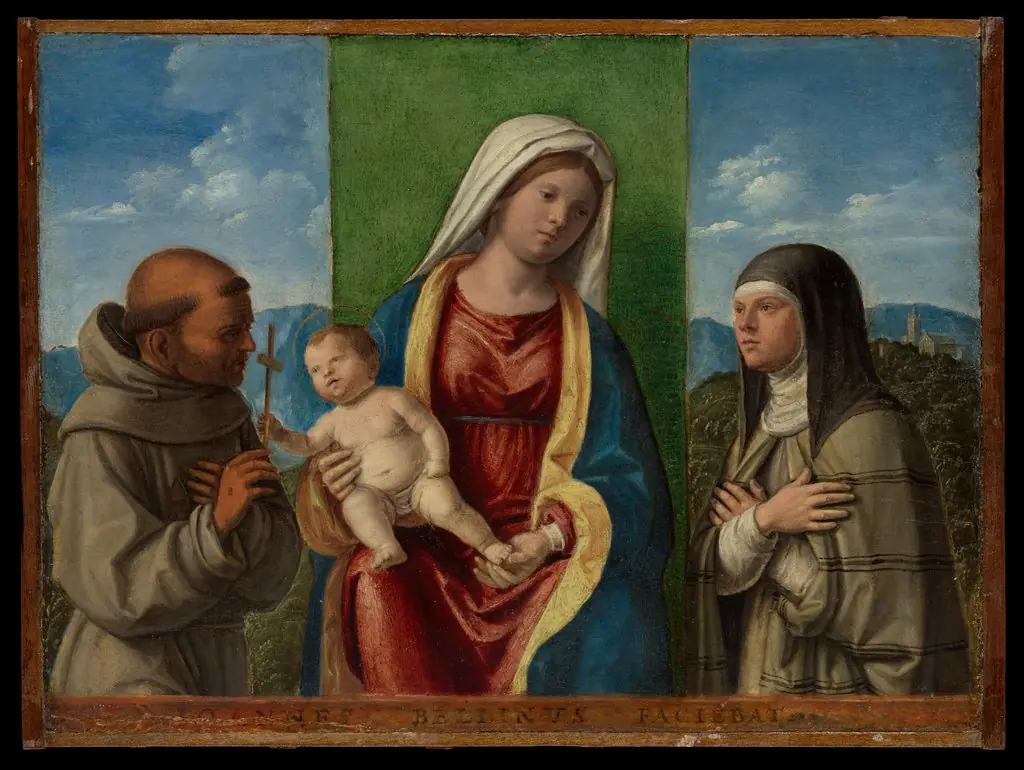 Madonna and Child with Saints Francis and Clare
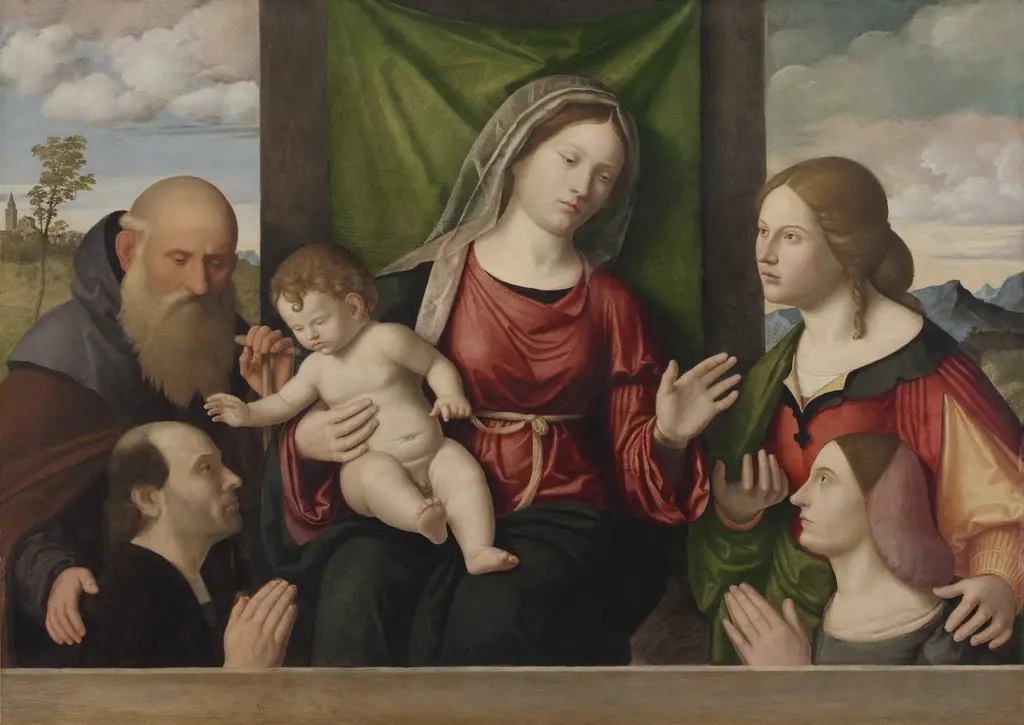 Virgin and Child with Saints and Donors
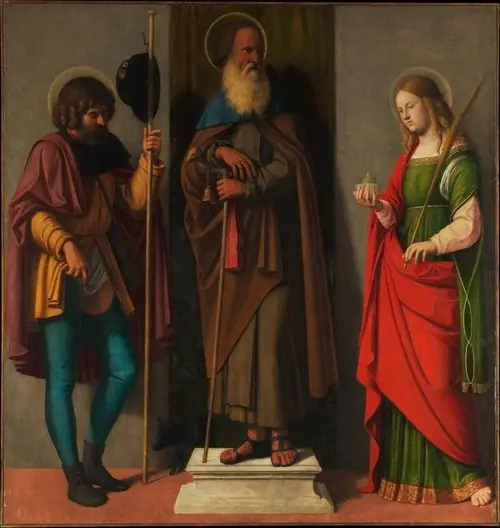 Saints Roch, Anthony Abbot and Lucy
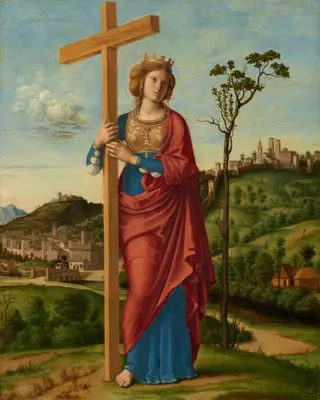 Saint Helena
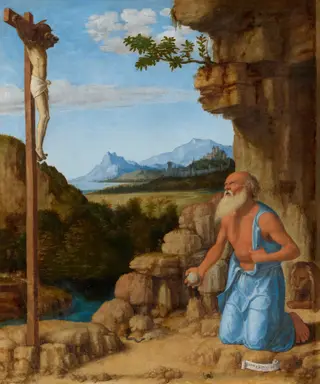 Saint Jerome in the Wilderness
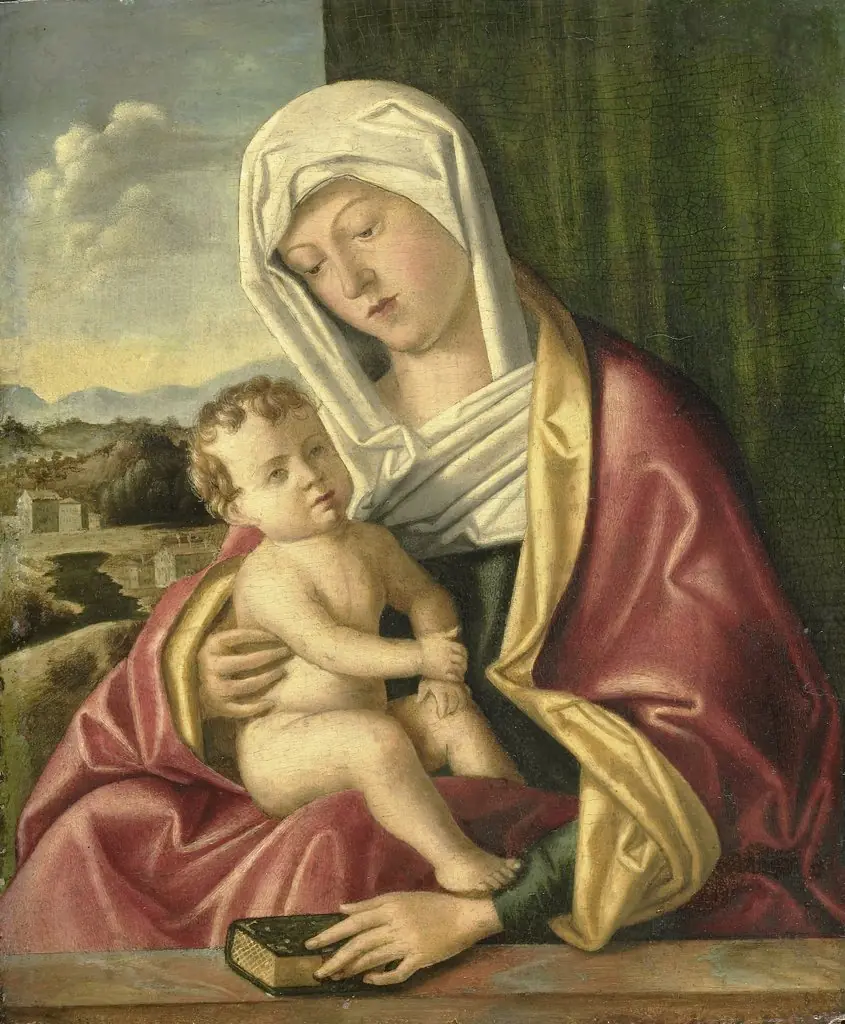 Virgin and Child
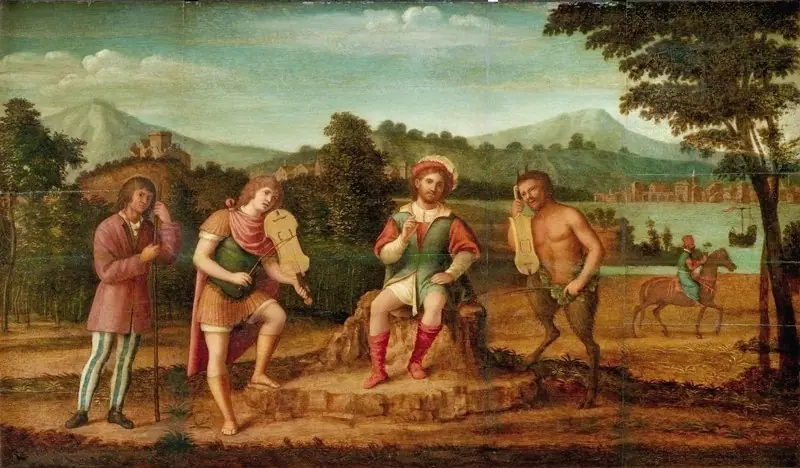 The Judgement of Midas. The Musical Contest between Apollo and Marsyas