Artwork
Portrait of a Man
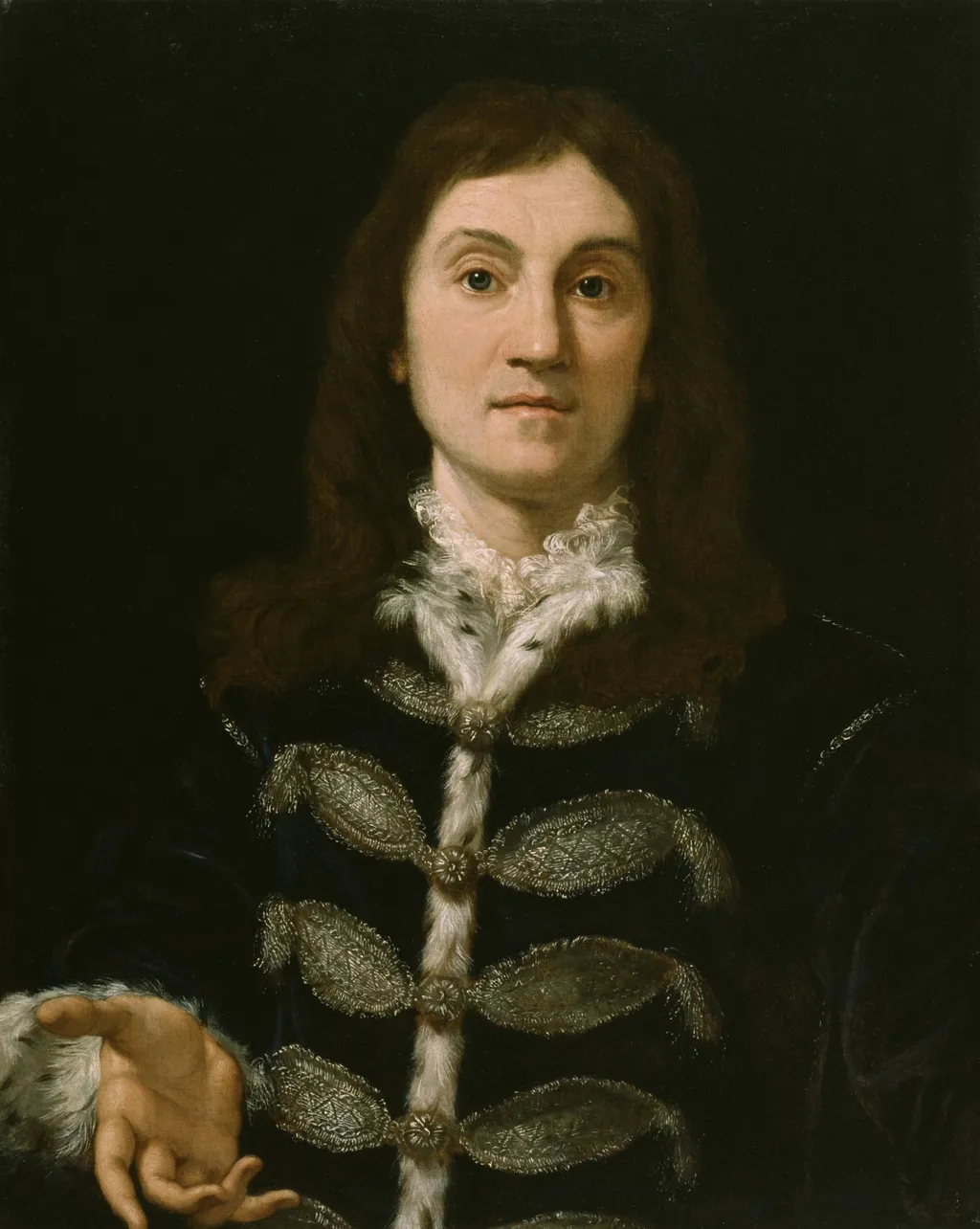
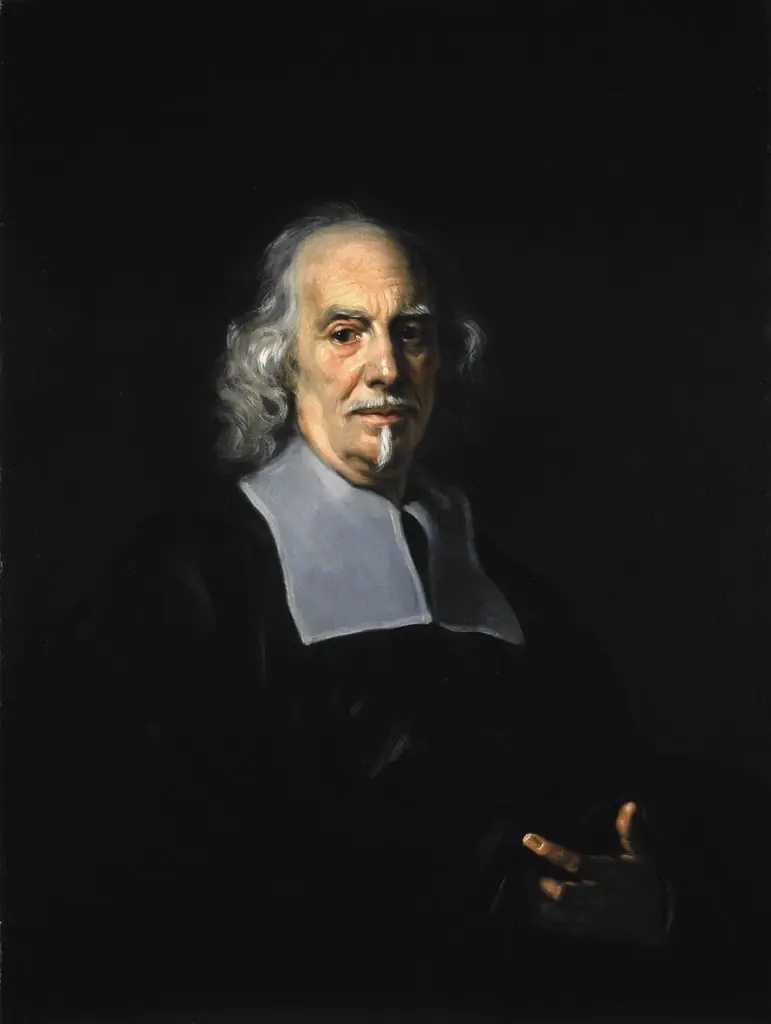
Portrait of a Man is an oil painting by the High Baroque Italian artist Giovanni Battista Gaulli. It dates from 1700 and is held in the collection of the Walters Art Museum.
About this work
Overview
The painting belongs to the Walters Art Museum’s collection, reflecting the artist’s versatility beyond grand religious commissions.
Painted in 1700 by Giovanni Battista Gaulli, known as Baciccio, this oil portrait captures an unidentified man with quiet presence. Though Gaulli is best recognized for monumental ceiling frescoes in Roman churches, this intimate work reveals his skill in rendering individual character through subtle lighting and refined detail. The painting belongs to the Walters Art Museum’s collection, reflecting the artist’s versatility beyond grand religious commissions.
Subject & Meaning
The figure, dressed in luxurious attire, holds his right hand palm-up in a gesture that suggests reception or address, possibly indicating status, ritual, or social interaction. His direct gaze and composed expression convey dignity without theatricality. The absence of identifying symbols or context leaves his identity open, yet the precision of his clothing implies a person of means, likely part of Rome’s elite circles during the early eighteenth century.
Technique & Style
Gaulli employs chiaroscuro to model the man’s form against a flat black background, heightening the three-dimensionality of his face and hand. The velvet coat, trimmed with white fur and embroidered in gold, is rendered with meticulous attention to texture and light reflection. Brushwork is controlled yet expressive, capturing the sheen of silk, the softness of fur, and the crispness of embroidery without overt flourish, aligning with the restrained elegance of late Baroque portraiture.
History & Provenance
The painting entered the Walters Art Museum’s collection in the early twentieth century, though its earlier ownership remains undocumented. It likely originated in Rome, where Gaulli was active, and may have been commissioned by a patron connected to the Jesuit or aristocratic circles. Its survival as a standalone portrait, rather than part of a larger decorative scheme, is uncommon for an artist primarily known for fresco cycles.
Context
In early 1700s Rome, portraiture served as a vehicle for social identity, often blending personal dignity with displays of wealth. While Gaulli’s frescoes dominated ecclesiastical spaces, smaller portraits like this one catered to private patrons seeking refined representation. The work reflects a transition from the dramatic intensity of High Baroque toward the more intimate, elegant sensibilities that would define early Rococo.
Legacy
This portrait stands as a testament to Gaulli’s adaptability as an artist, demonstrating his command of intimate scale and psychological nuance outside his monumental works. Though less studied than his frescoes, it contributes to understanding the breadth of Baroque portraiture in Rome and the nuanced ways status and presence were visually articulated in private collections of the period.
Own this work as a print
Artist & collection
Artist
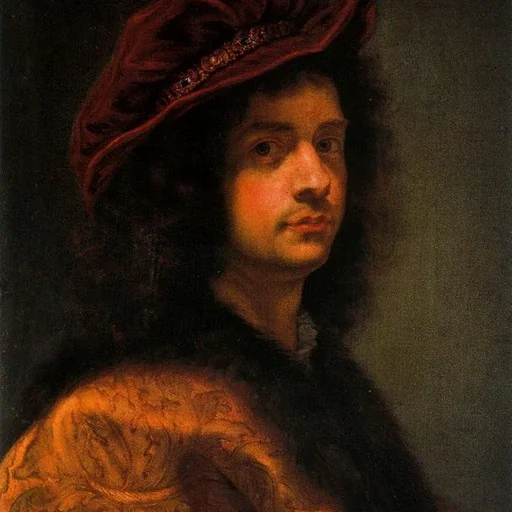
Giovanni Battista Gaulli (8 May 1639 – 2 April 1709), also known as Baciccio or Baciccia (Genoese nicknames for Giovanni Battista), was an Italian Baroque painter working in the High Baroque and early Rococo periods.

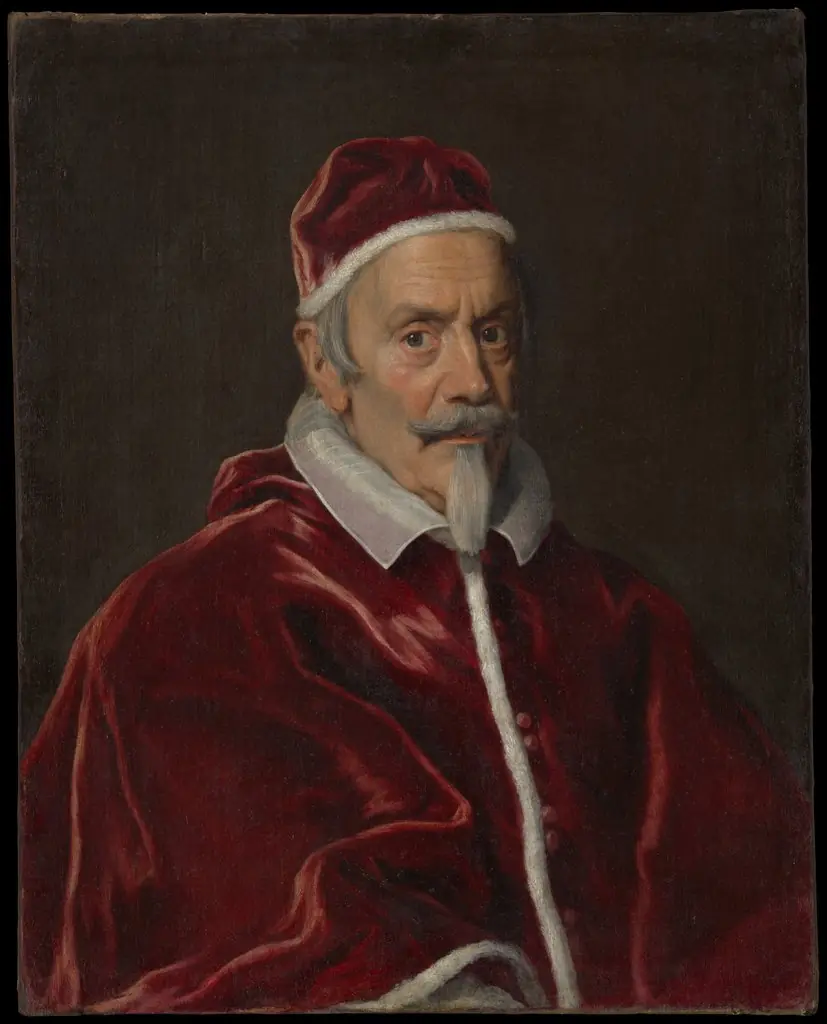
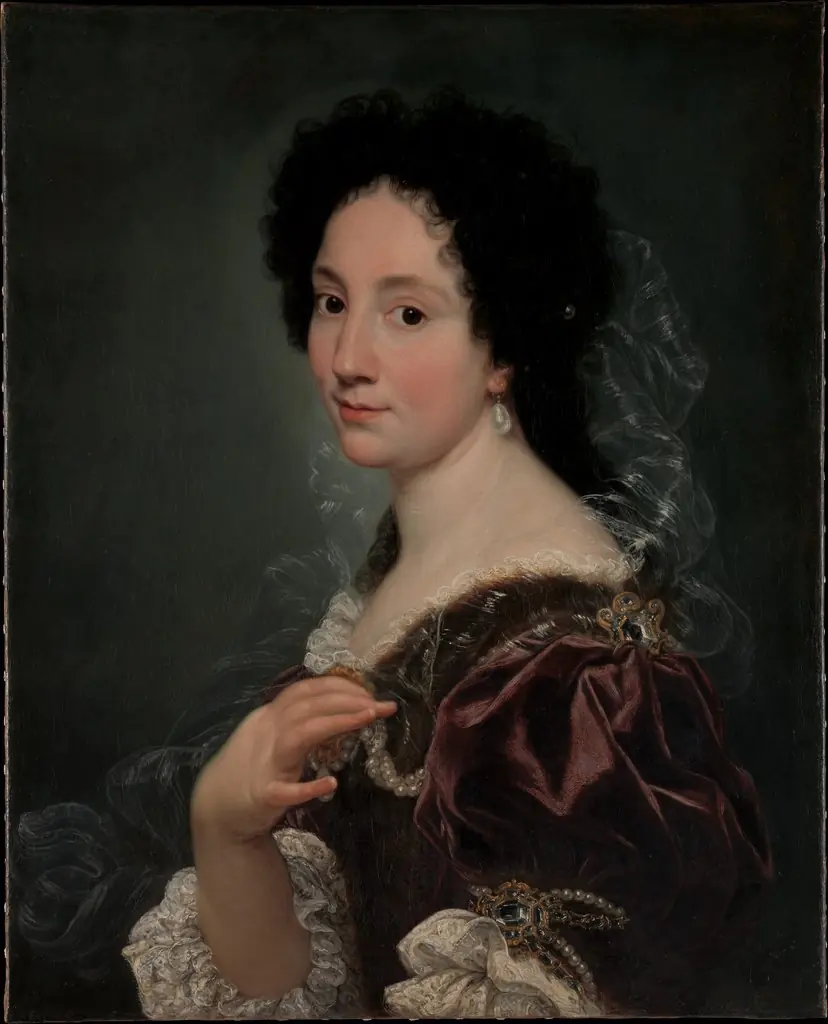
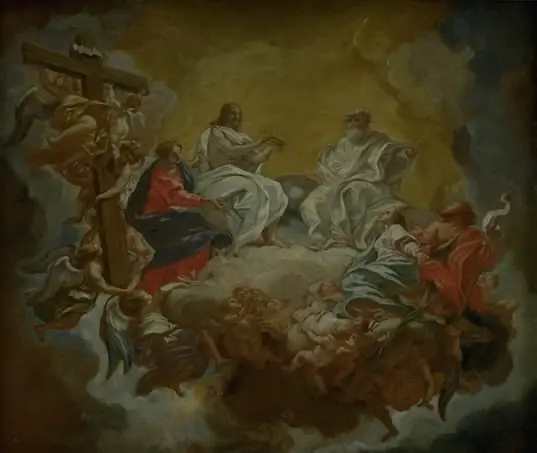
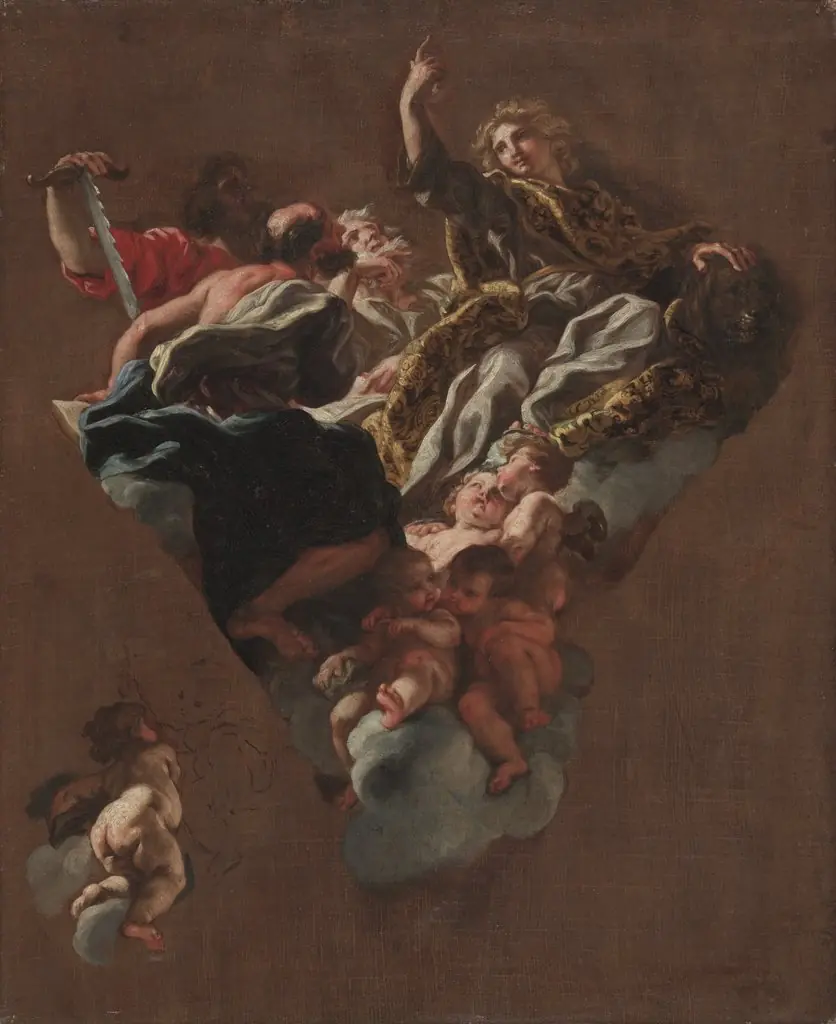
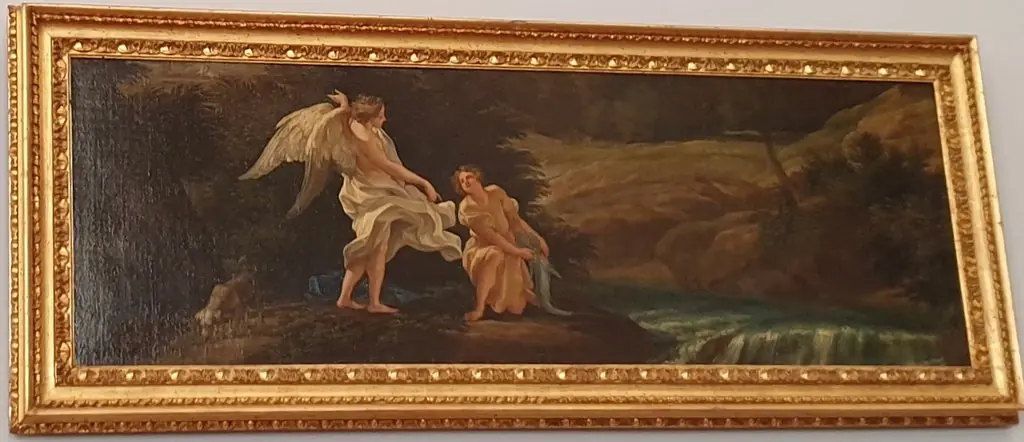
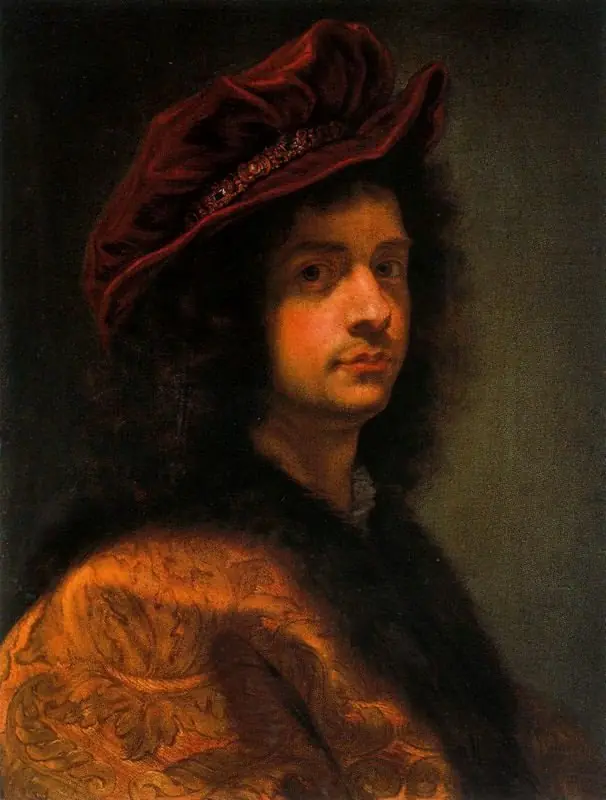
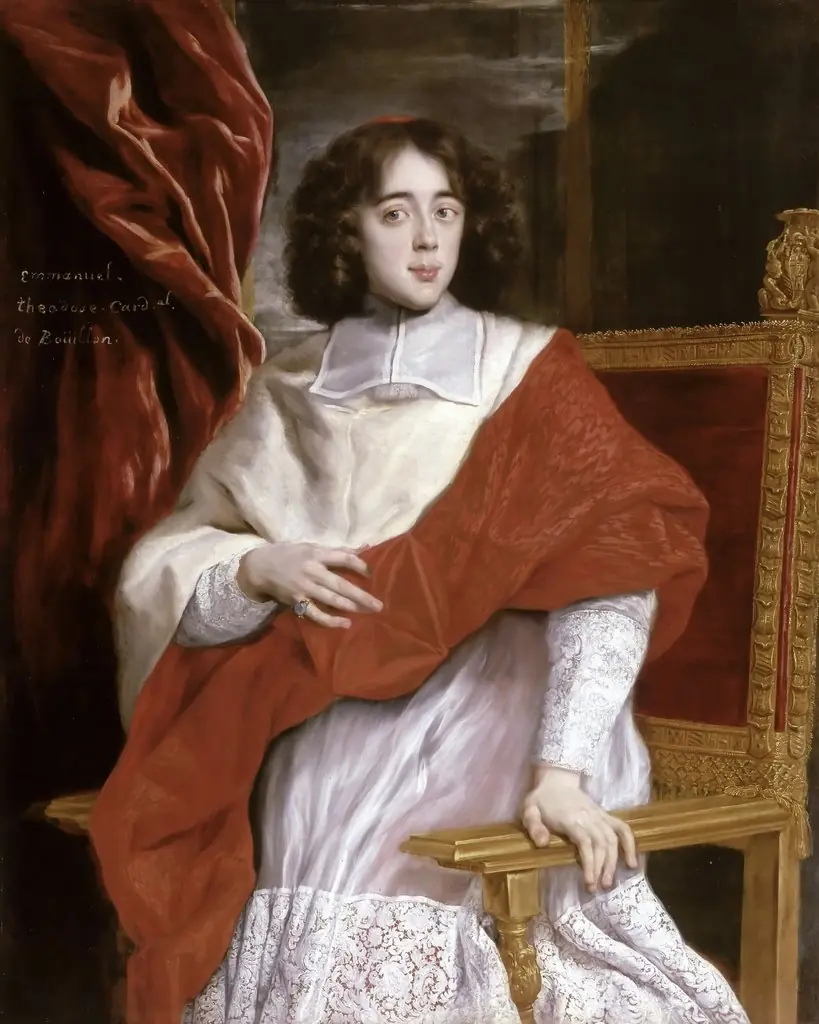
- Portrait of a Man
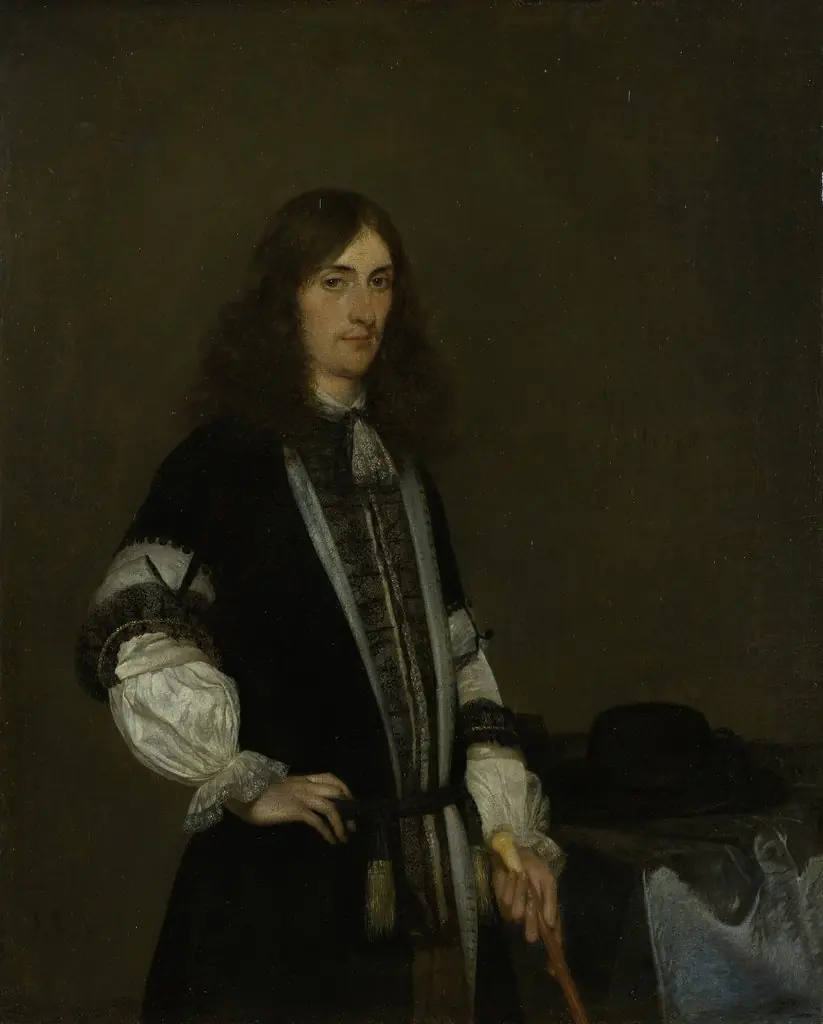 Portrait of François de Vicq (1646-1707). Burgomaster of Amsterdam for several terms from 1697 on
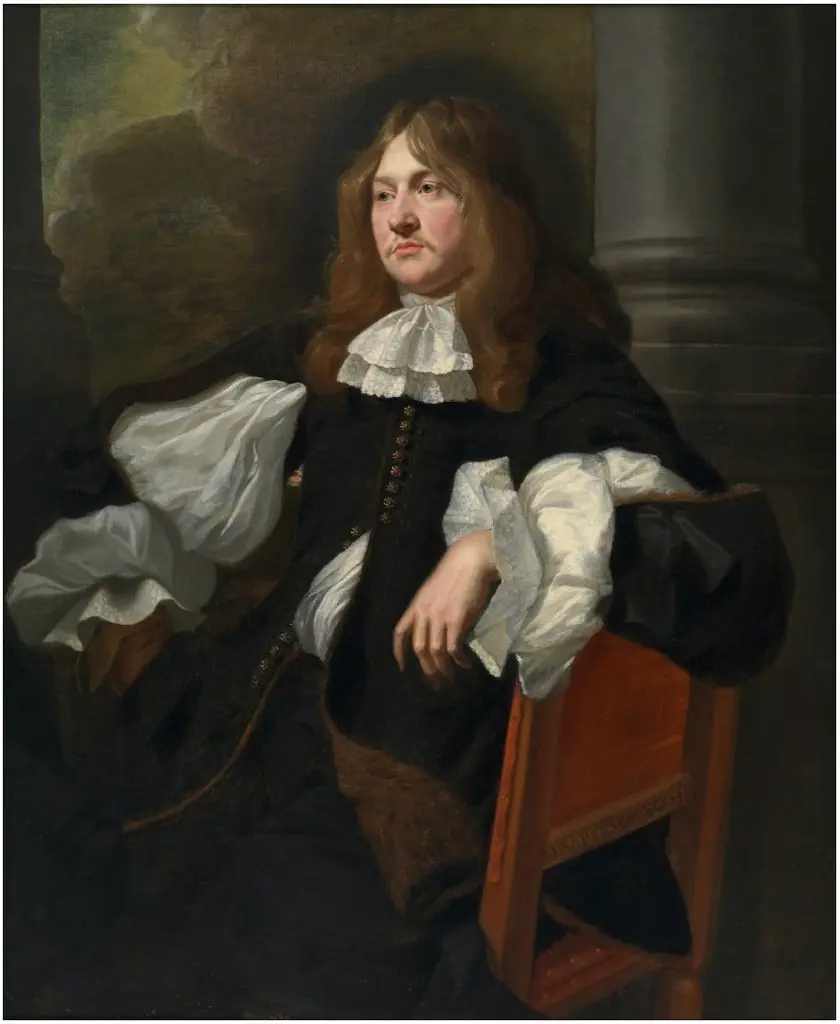 Portrait of Edward Hyde
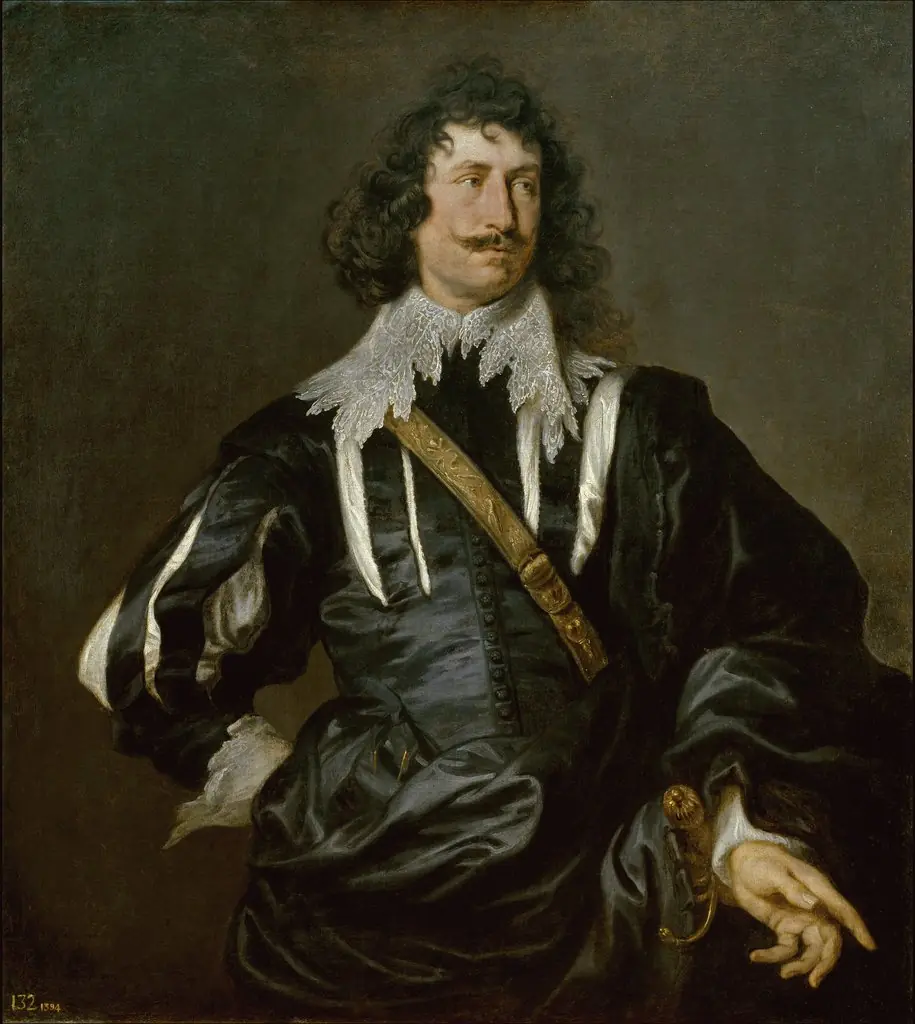
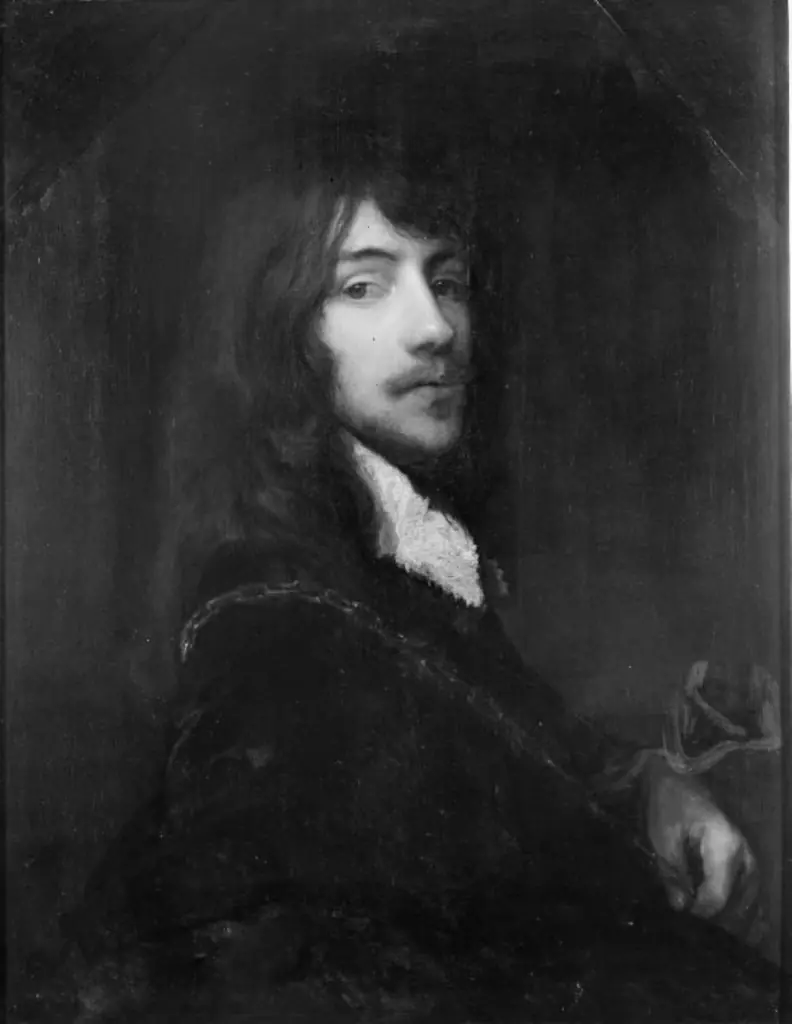 Portrait of a Man
 Portrait of a Man
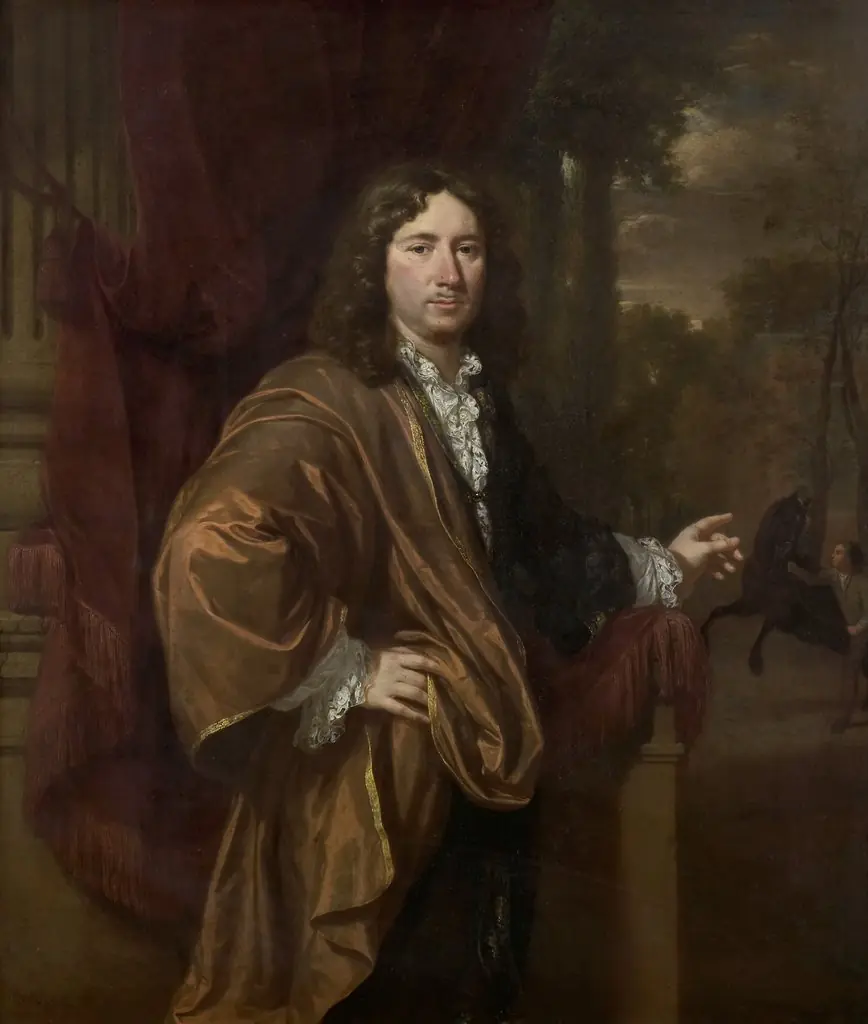 Portrait of a Man
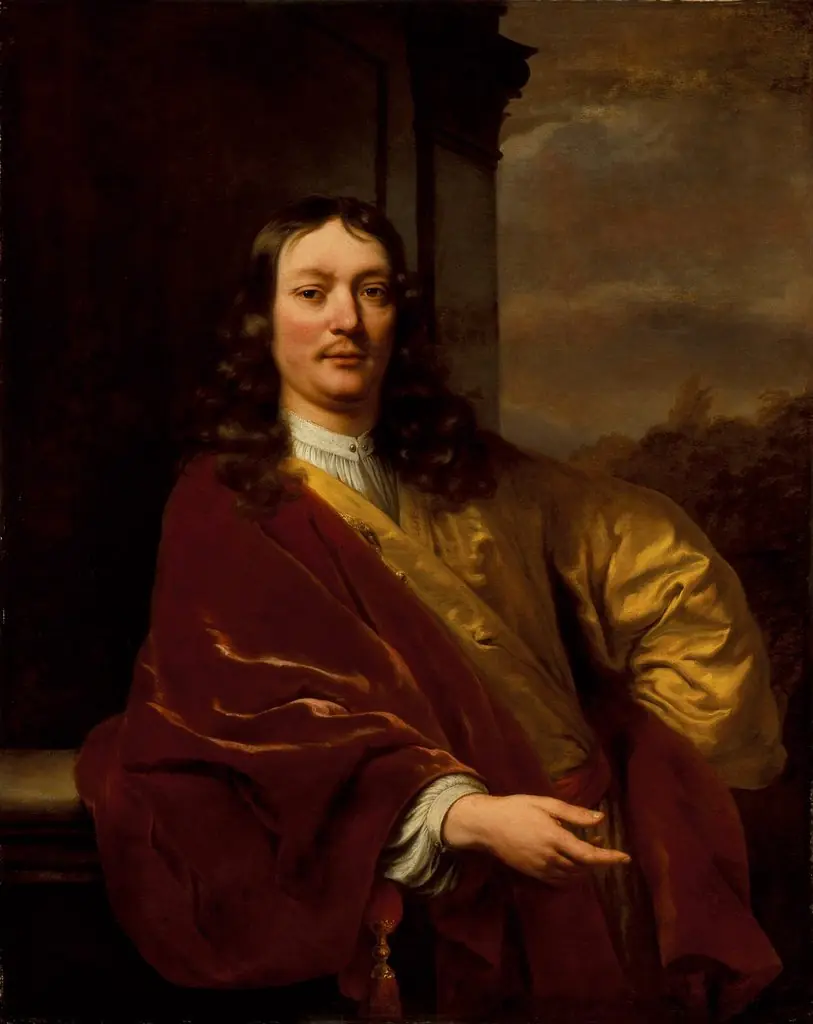 Portrait of a Man
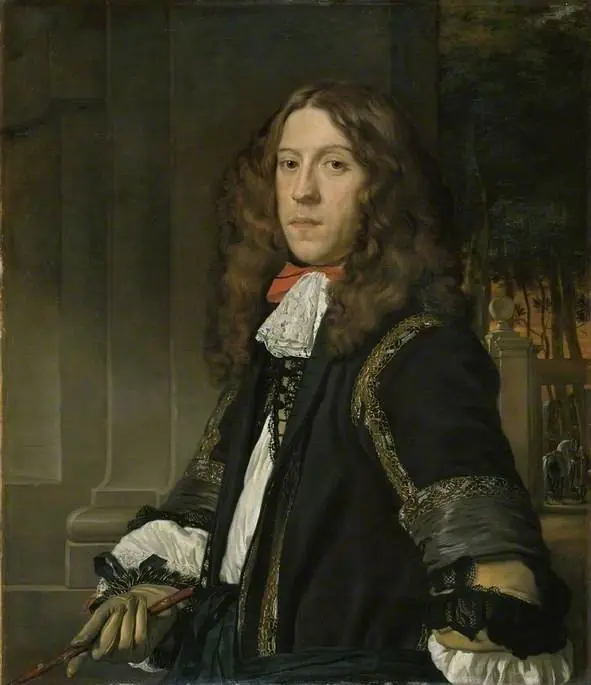 Portrait of a man
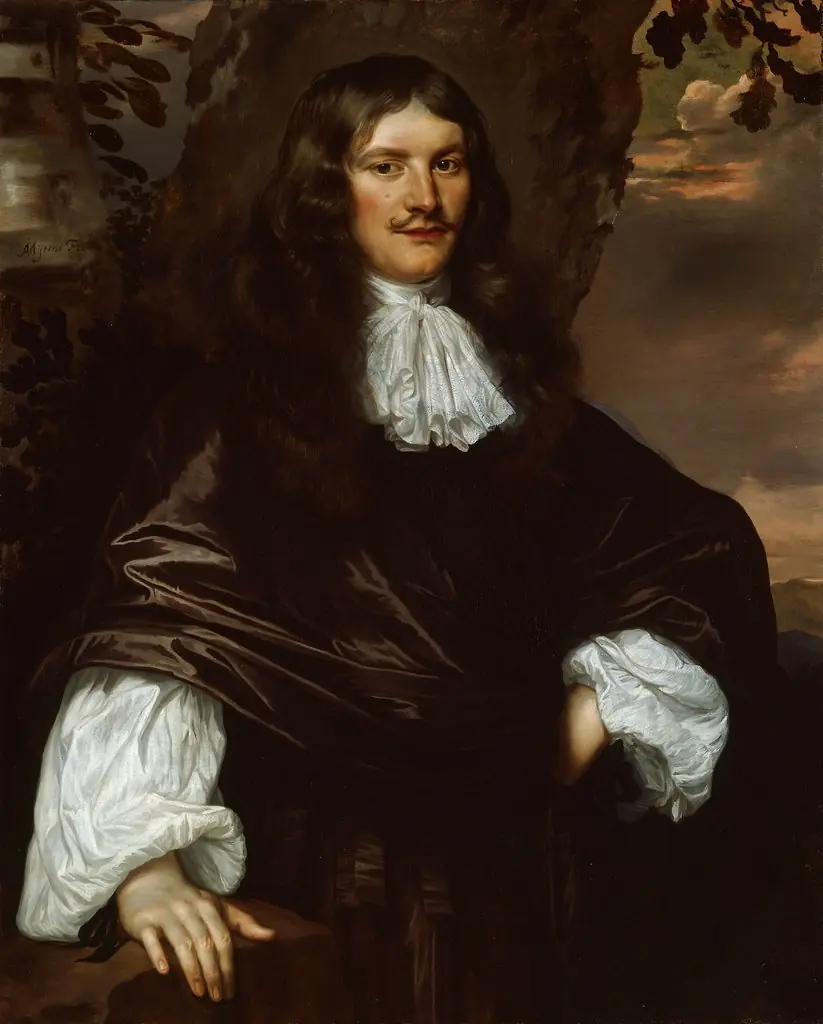 Portrait of a Man
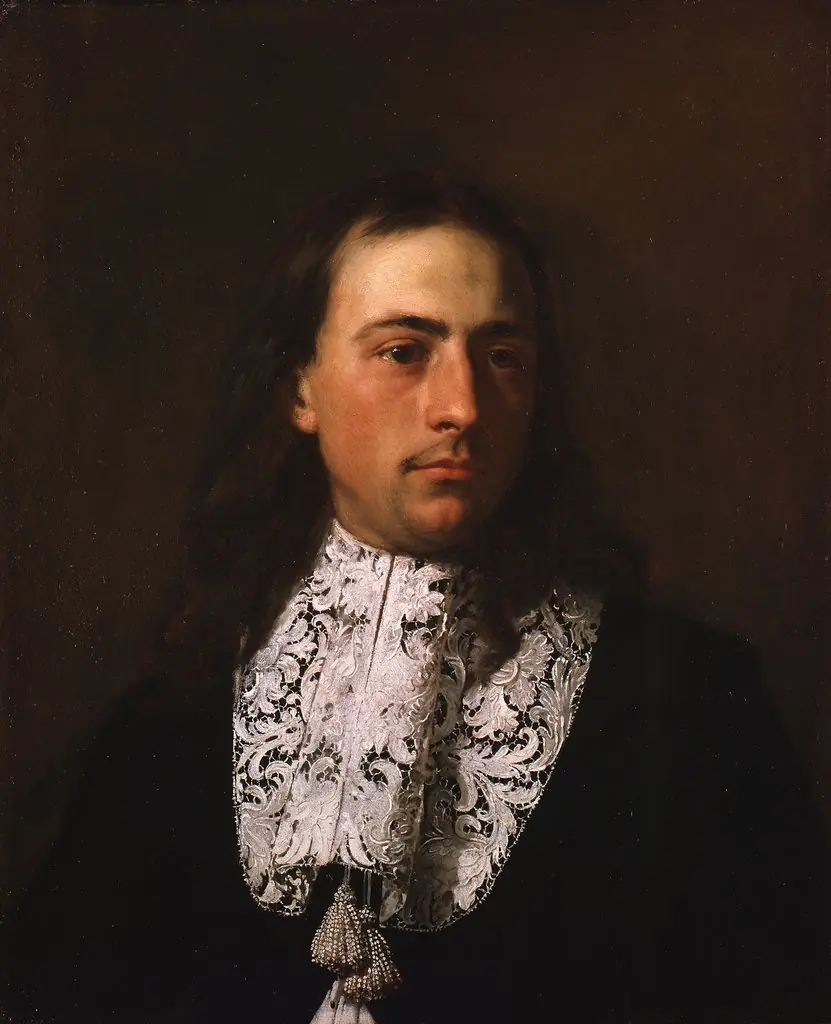 Portrait of a Young Man
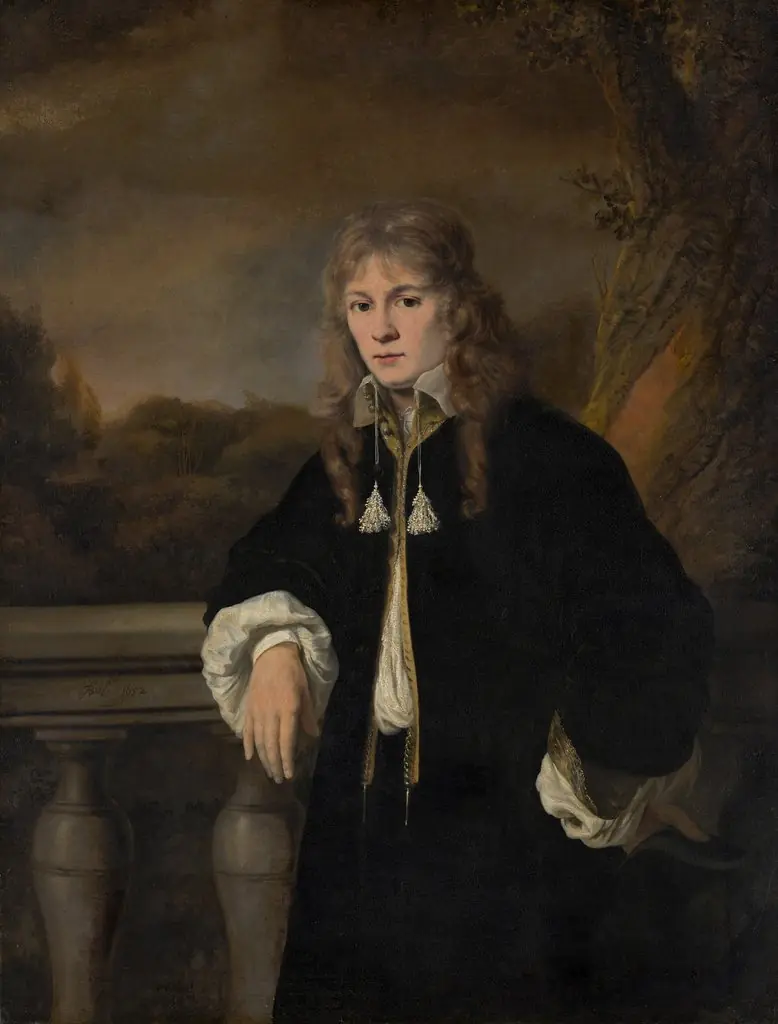 Portrait of a Young Man, presumably Louis Trip Jr (1638-1655)
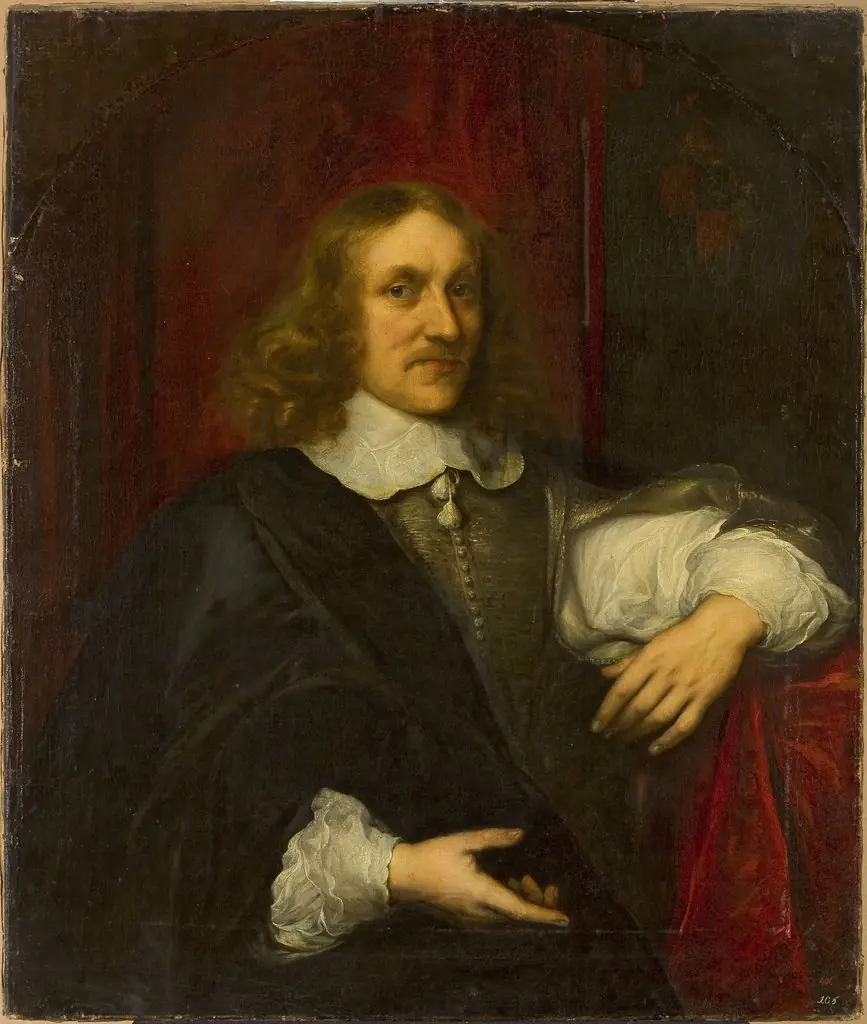 Portrait of a man