Artwork
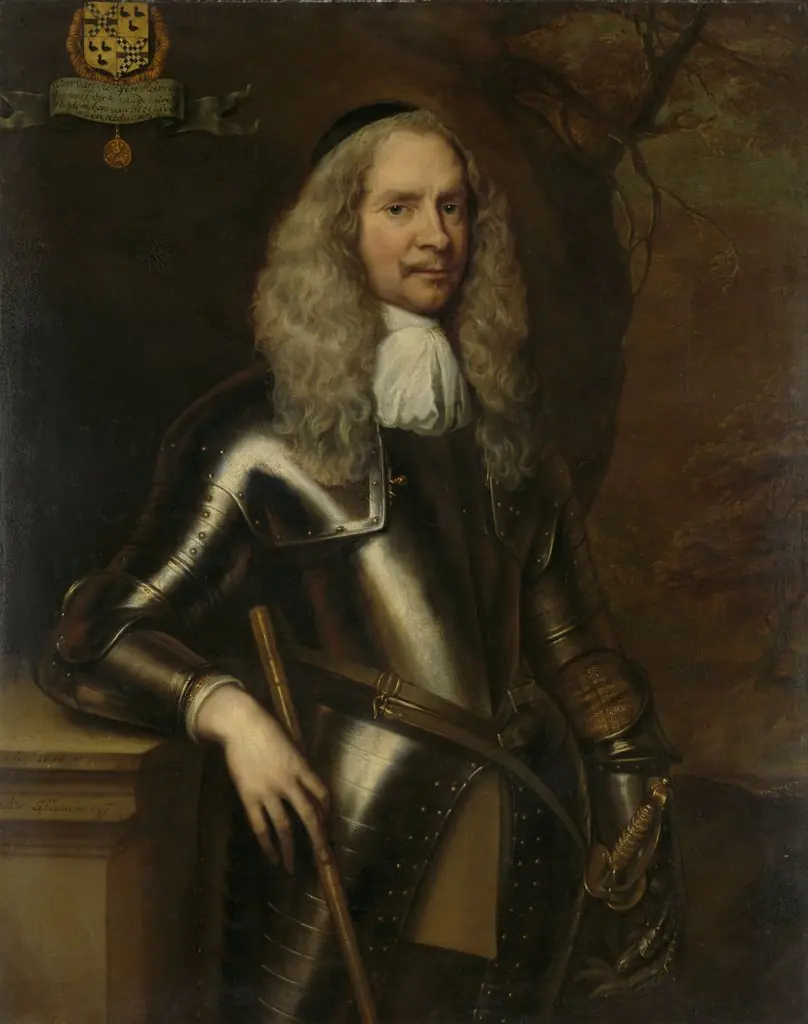
Portrait of François de Vicq (1646-1707). Burgomaster of Amsterdam for several terms from 1697 on
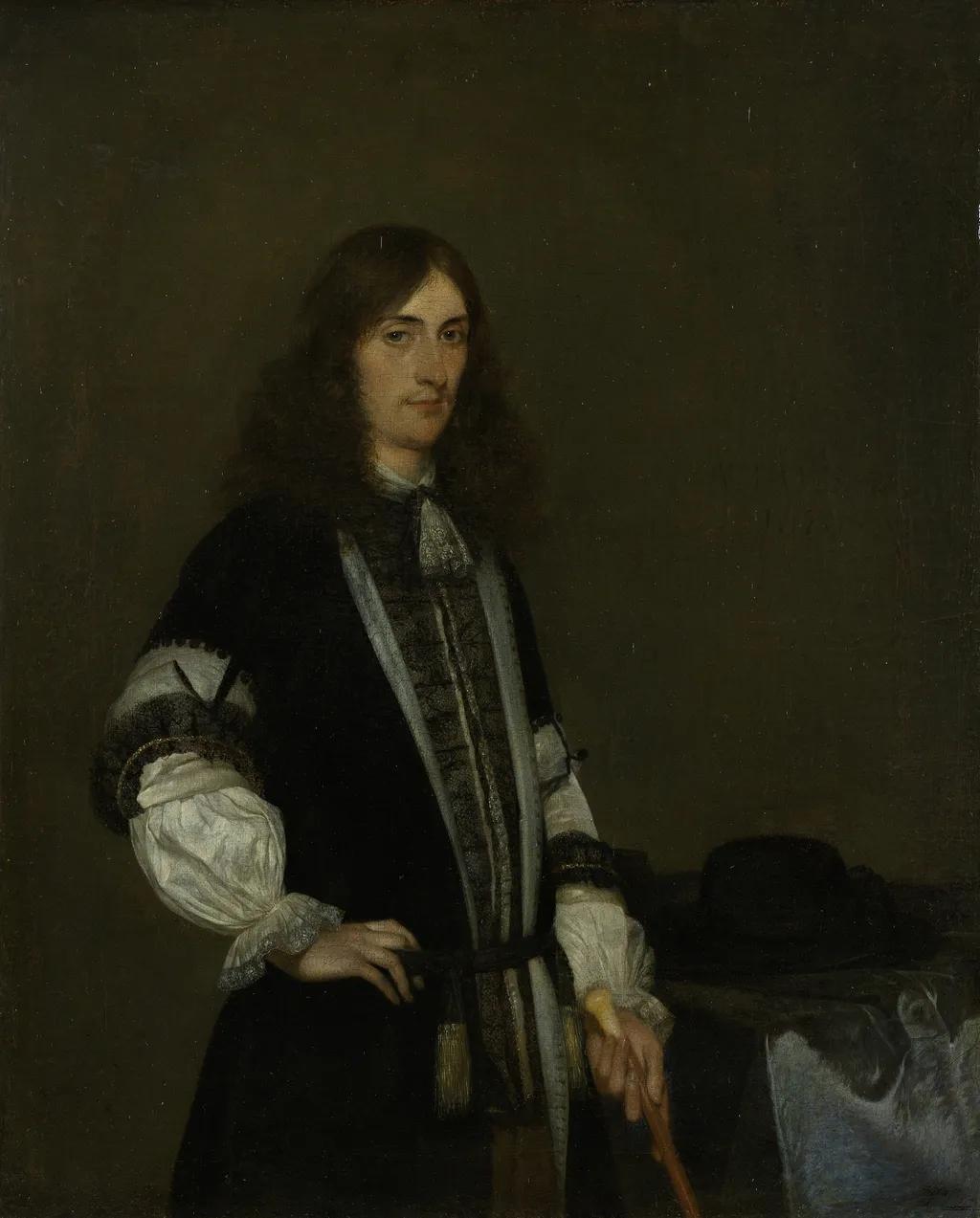
Portrait of François de Vicq (1646-1707). Burgomaster of Amsterdam for several terms from 1697 on is an oil painting by the Dutch Golden Age artist Gerard ter Borch. It dates from 1670 and is held in the collection of the Rijksmuseum.
About this work
Subject & Meaning
Executed in 1670, the oil painting functions as a formal portrait capturing the likeness of the man prior to his highest municipal offices.
The work depicts François de Vicq (1646–1707), a prominent figure who served multiple terms as Burgomaster of Amsterdam beginning in 1697. Executed in 1670, the oil painting functions as a formal portrait capturing the likeness of the man prior to his highest municipal offices. The composition focuses exclusively on the individual subject without additional allegorical figures or complex symbolic attributes described in available records.
As a genre portrait, the piece represents the civic elite of the Dutch Golden Age, documenting the visual identity of a key political leader within the collection of the Rijksmuseum.
Technique & Style
Gerard ter Borch executed the Portrait of François de Vicq in 1670 using oil paint applied to a canvas support. The work measures 38.5 cm in height and 31 cm in width, adhering to the compact scale typical of the artist's intimate portraiture. Stylistically, the piece is classified as a portrait that captures the sitter, a prominent figure who later served as burgomaster of Amsterdam. The handling of the medium reflects the refined techniques characteristic of ter Borch's oeuvre during this period.
History & Provenance
Gerard ter Borch executed this oil portrait of François de Vicq in 1670. The work, painted on canvas, depicts the future burgomaster of Amsterdam. Historical records indicate that the painting was once owned by Salomon Rendorp. Today, the artwork is held in the collection of the Rijksmuseum in Amsterdam.
Overview
Gerard ter Borch’s oil portrait, executed in 1670, presents François de Vicq (1646‑1707), a prominent civic leader of Amsterdam. The work belongs to the Rijksmuseum’s collection and exemplifies the Dutch Golden Age’s focus on individual likeness and restrained composition.
Context
Although ter Borch is chiefly remembered for genre scenes, this portrait illustrates his capacity for formal representation. The painting sits alongside contemporary works by peers such as Frans van Mieris and later, by Johannes Vermeer, whose own portraiture would eventually eclipse ter Borch’s influence in the public imagination.
Own this work as a print
Artist & collection
Artist
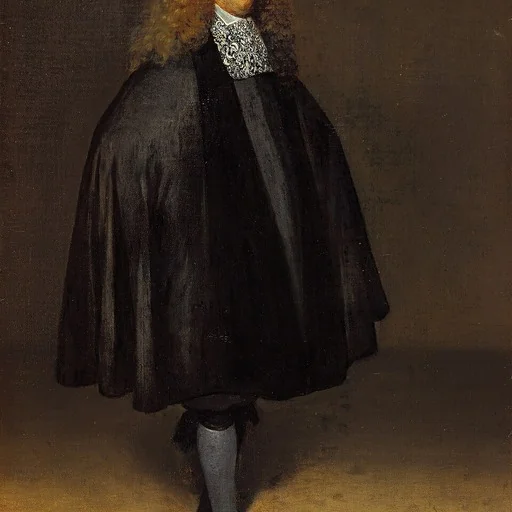
Gerard ter Borch (Dutch:; December 1617 – 8 December 1681), also known as Gerard Terburg (Dutch: ), was a Dutch Golden Age painter mainly of genre subjects.

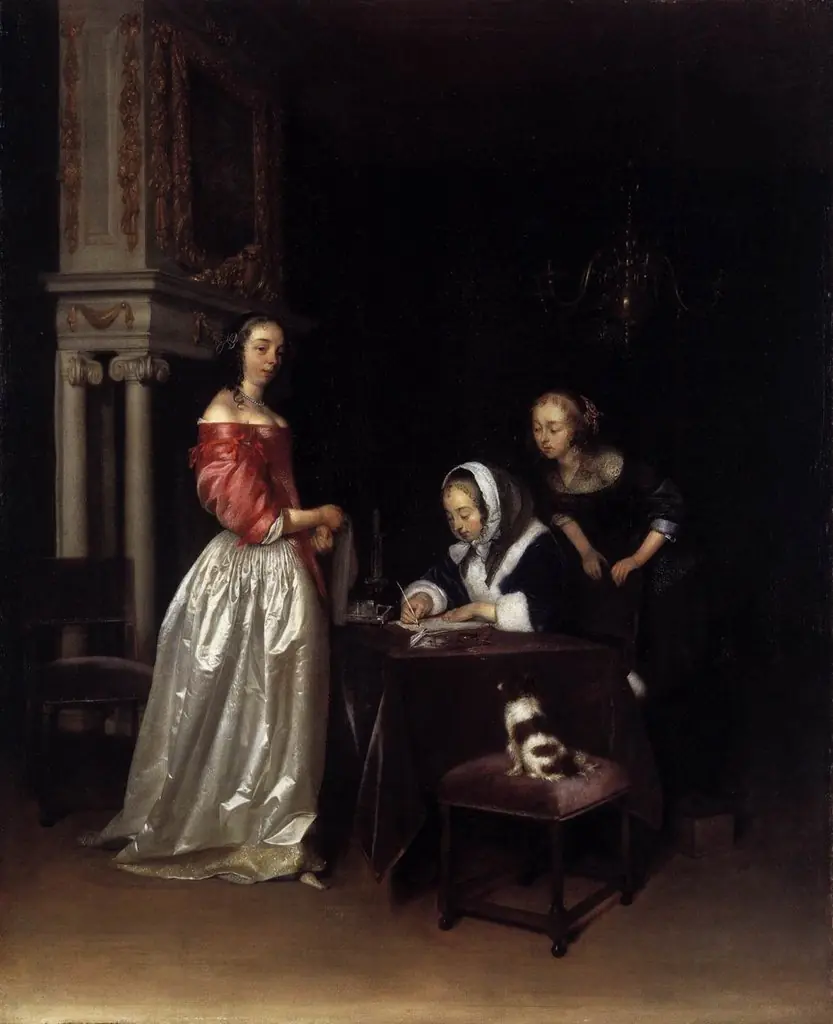
 Portrait of Jacob de Graeff (1642-90), in the uniform of an officer
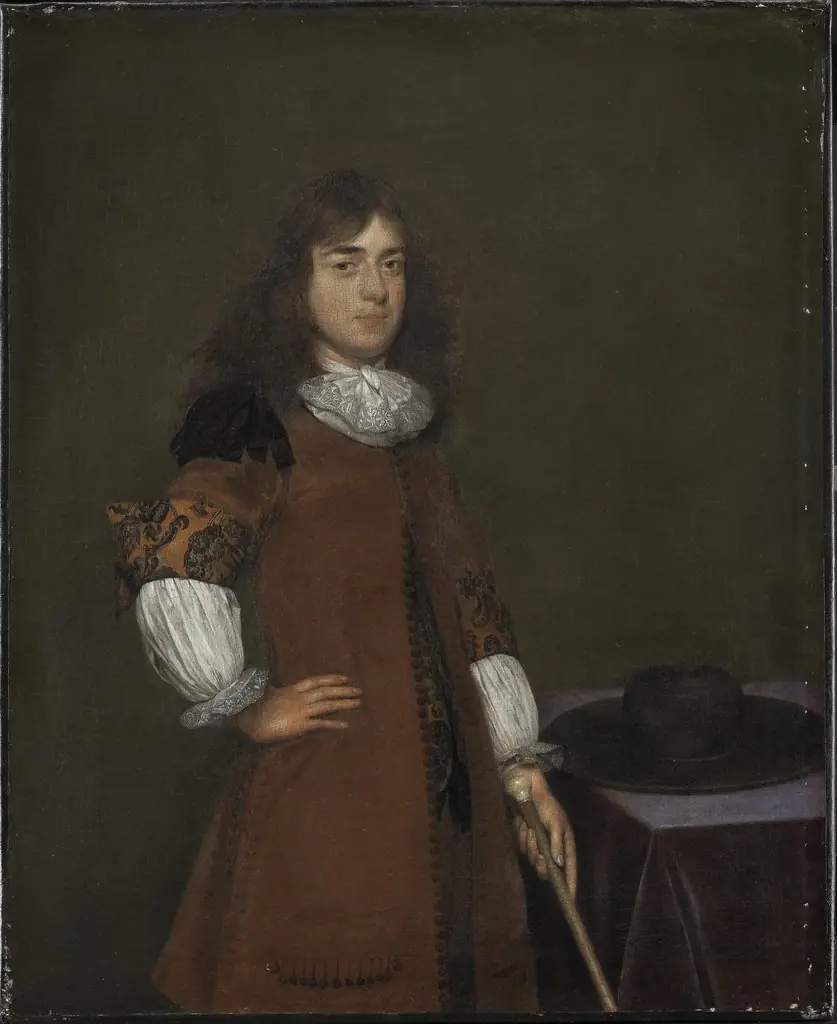 Portrait of a Man
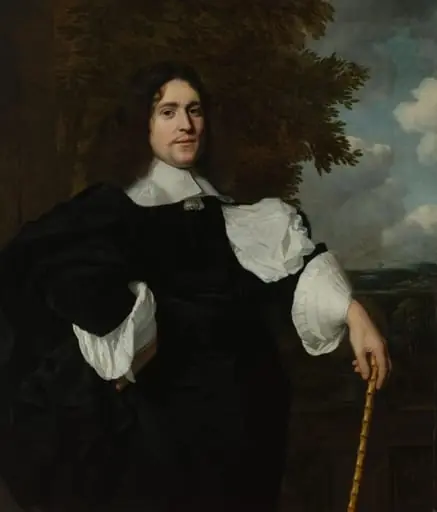 Jacobus Trip (1627-70), Armaments Dealer of Amsterdam and Dordrecht
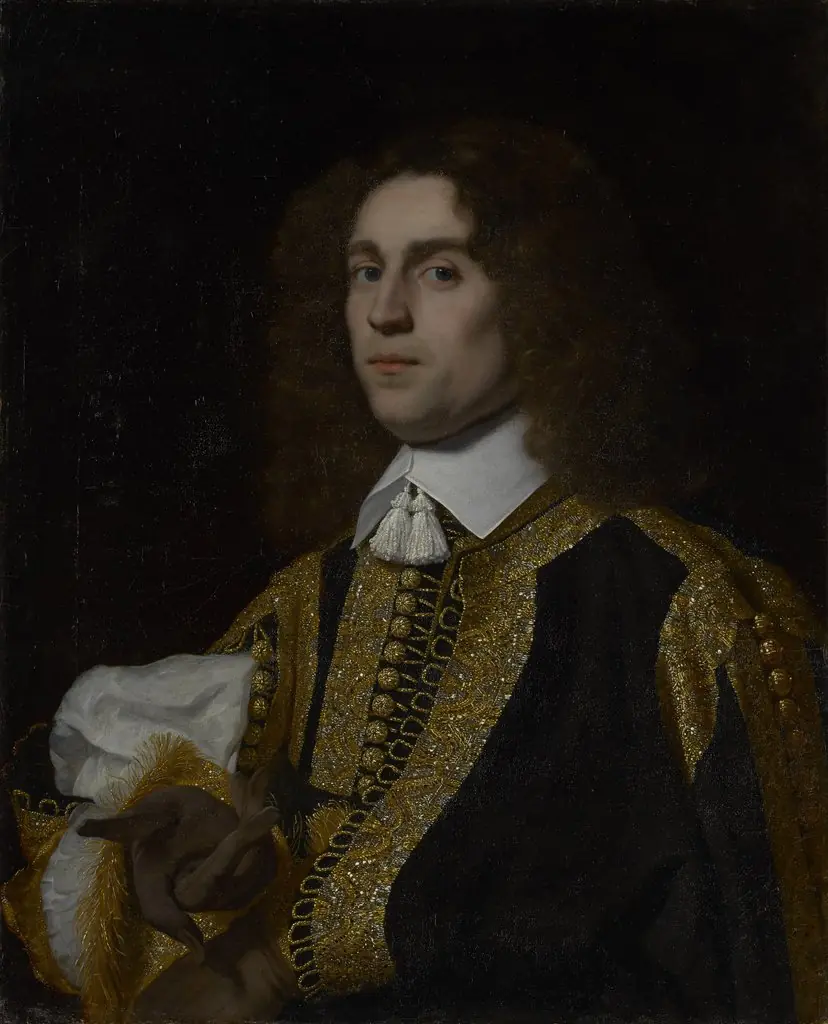 Portrait of a Young Man in Military Costume
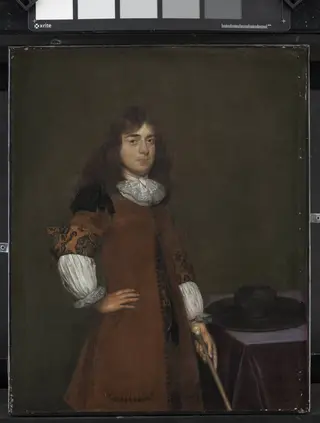 Portrait of a Man
 Portrait of archduke Leopold Wilhelm (1614-1662)
 Portrait of a Gentleman (hand on hip)
 Portrait of Count Ulrik Frederik Gyldenløve
 Jacob de Witte (1628-79), lord of Haamstede
 Cornelis van Aerssen (1600-62), lord of Sommelsdijk. Colonel of cavalry