Artwork
Portrait of a Man
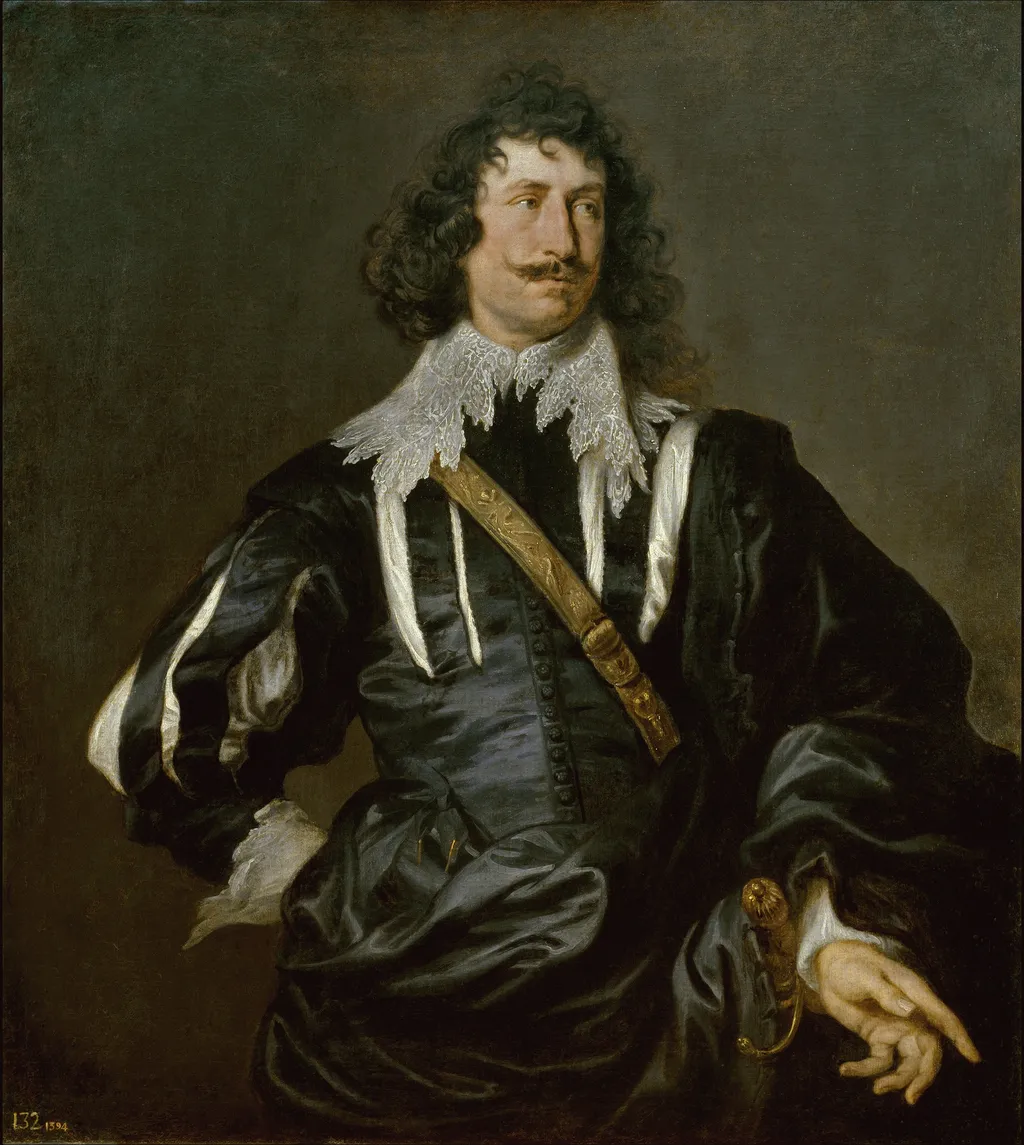
Portrait of a Man is an oil painting by the Flemish Baroque painting artist Anthony van Dyck. It dates from 1628 and is held in the collection of the Museo del Prado.
About this work
Subject & Meaning
The subject is characterized by the presence of a sword, an attribute that likely signifies his status as a gentleman or member of the military class.
The work depicts an unidentified male figure, rendered in oil on canvas. The subject is characterized by the presence of a sword, an attribute that likely signifies his status as a gentleman or member of the military class. As a formal portrait from the late 1620s, the painting functions primarily as a representation of individual identity and social standing rather than conveying complex allegorical symbolism.
The inclusion of the weapon serves as a conventional iconographic element to denote authority and nobility within the context of seventeenth-century portraiture.
Technique & Style
The work is an oil painting executed on canvas, reflecting the portrait genre popular in early 17th-century Europe. Van Dyck's handling demonstrates a refined technique that blends meticulous detail in the rendering of the sitter's attire and accessories with a looser, painterly brushwork in the background, creating a sense of depth and immediacy. The composition centers on a man depicted with a sword, emphasizing both status and individuality, while the use of light and shadow accentuates the three-dimensionality of the figure. These formal qualities align with the Baroque emphasis on dynamic expression and naturalistic representation.
The canvas measures 112 centimeters in height and 100 centimeters in width, confirming its large-scale presentation typical of formal portraits of the period.
History & Provenance
Portrait of a Man is an oil on canvas portrait painted by the Flemish Baroque master Anthony van Dyck in 1628. The work entered the collection of the Museo del Prado, where it remains on display. Its creation is dated to the early 1630s, with the latest possible date recorded as 1630, though the artist's active period places its execution firmly in 1628.
The painting depicts a man holding a sword and was originally part of the Spanish royal collection before being transferred to the Prado.
The painting is housed in the Museo del Prado in Madrid, where it is listed under the museum's inventory as part of its collection of works by Anthony van Dyck. It was created in 1628 and measures 112 centimeters by 100 centimeters. The artwork has been featured in exhibitions focused on Flemish and Dutch masters at the Prado, including a 2011 display of Van Dyck's portraits and a 2020 retrospective on Baroque portraiture.
Legacy
The portrait has shaped later portraiture through its psychological depth and refined brushwork, influencing generations of artists who emulated van Dyck’s ability to convey status and character. Its presence in the Museo del Prado has cemented its reputation as a benchmark for aristocratic representation, inspiring scholarly discourse on Baroque portraiture and serving as a reference point in exhibitions on 17th-century European art.
Overview
Created in 1628, this oil painting by Anthony van Dyck portrays a solitary gentleman in a dark, elaborately dressed ensemble. The figure is positioned against a plain, shadowed backdrop, allowing the illuminated details of his attire and face to dominate the composition. The work is presently housed in the Museo del Prado in Madrid.
Own this work as a print
Artist & collection
Artist
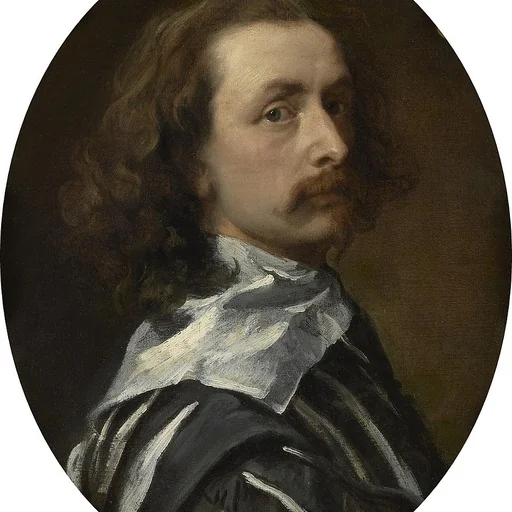
Sir Anthony van Dyck (; Dutch: Antoon van Dijck; 22 March 1599 – 9 December 1641) was a Flemish Baroque artist, who became the leading court painter in England after success in the Spanish Netherlands and Italy.

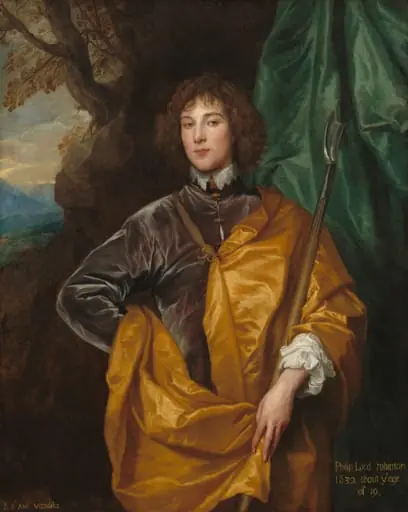
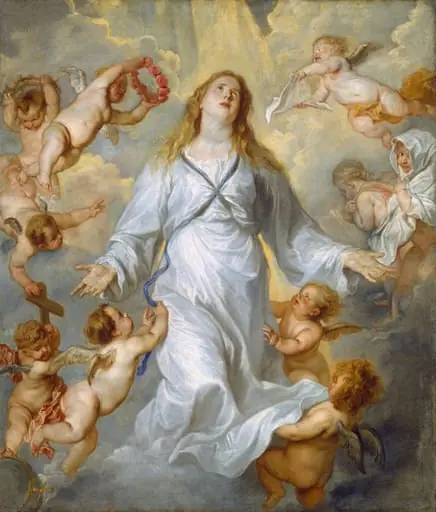
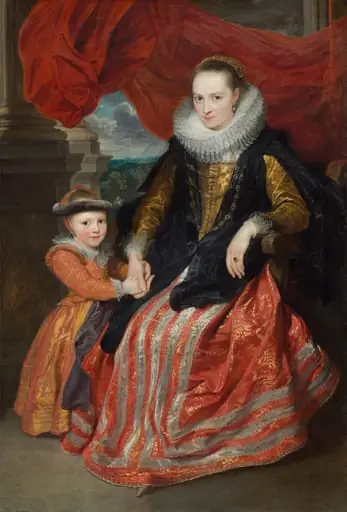
- Portrait of a Man
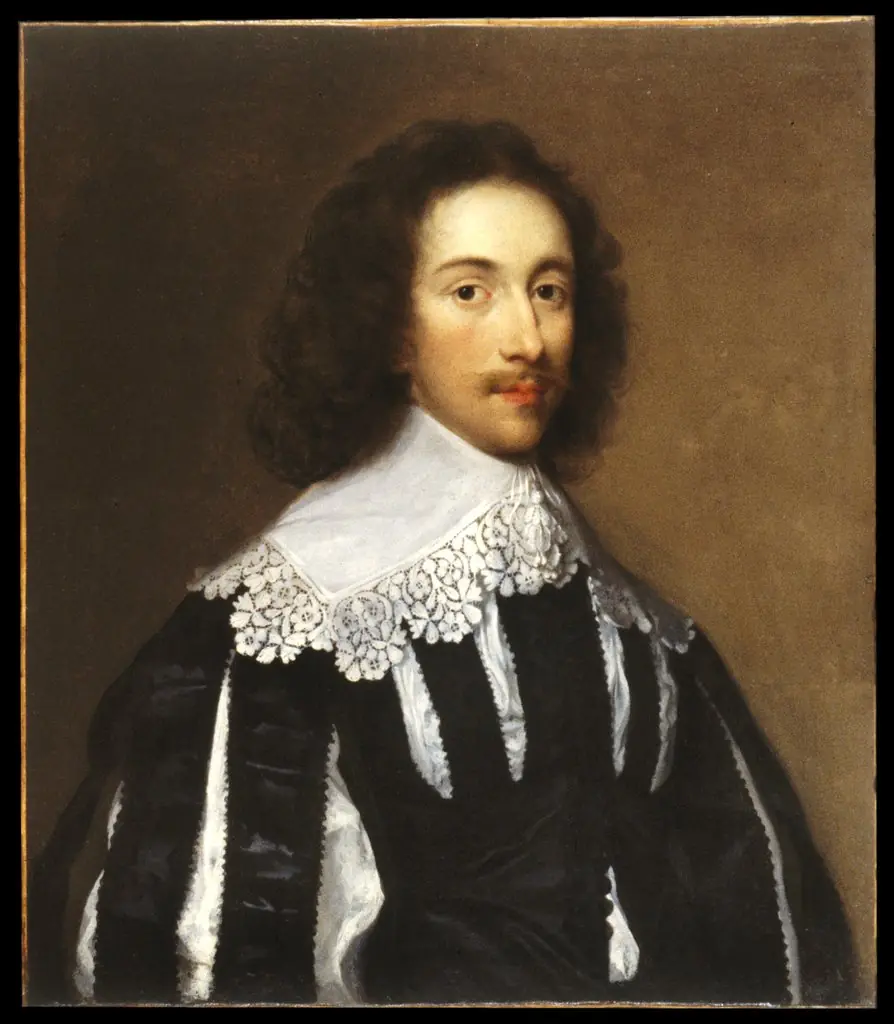 Portrait of a Young Man
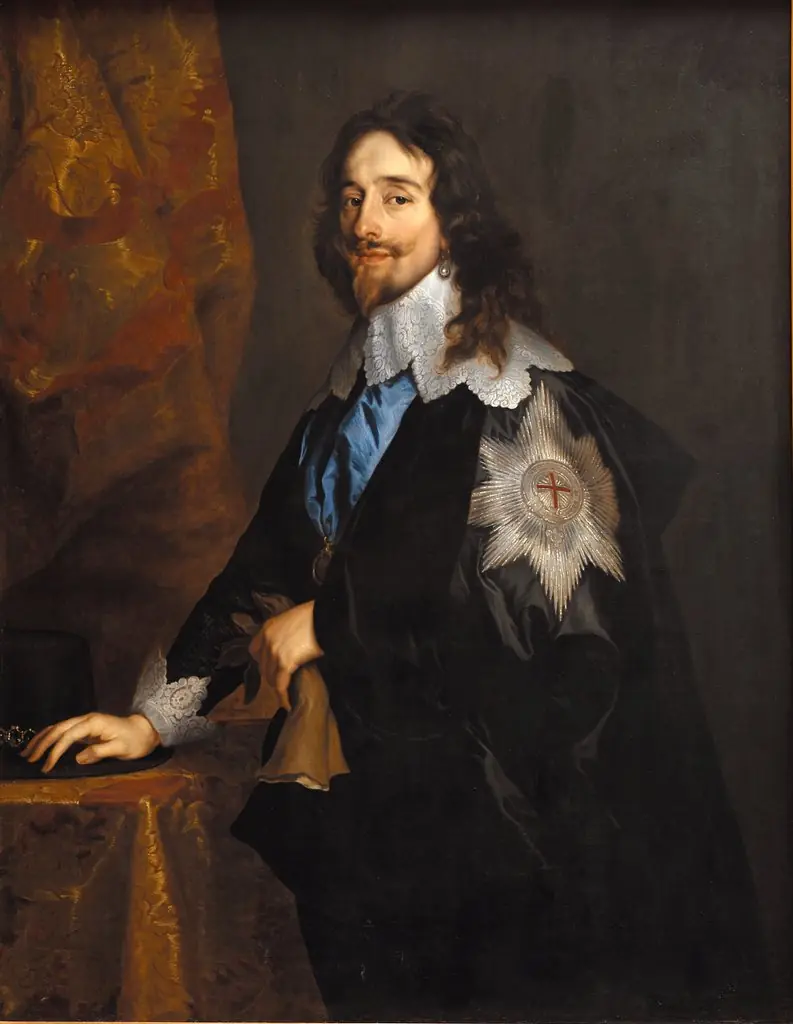 King Charles I of England
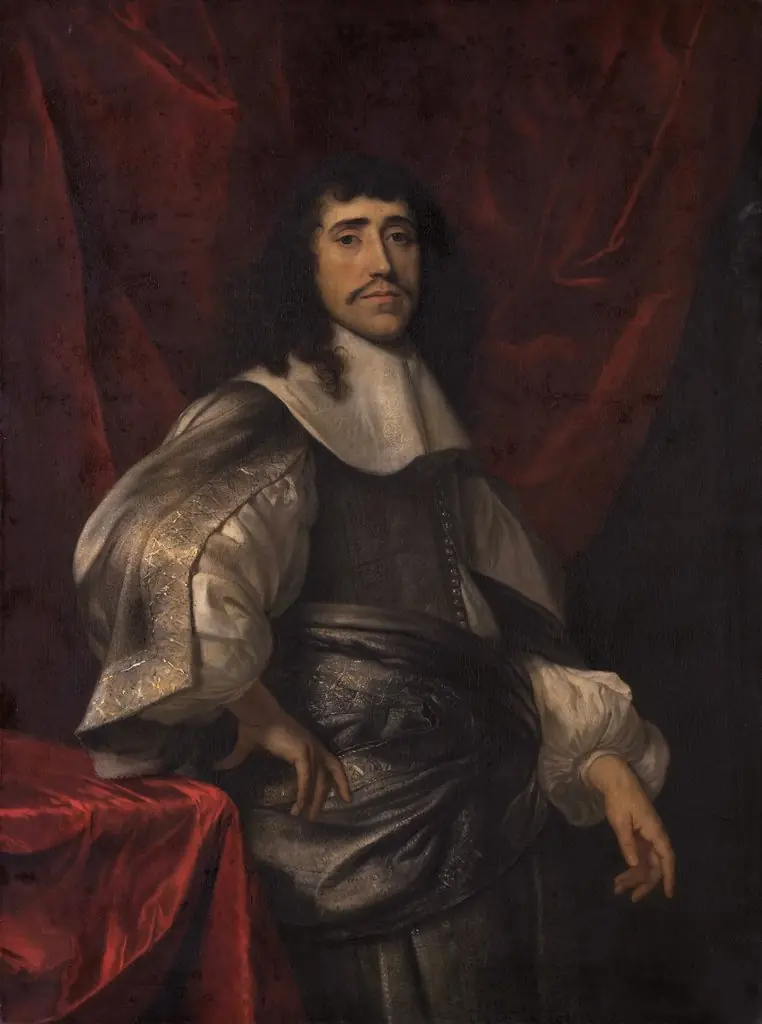 Portrait of a man, thought to be Christoffel van Gangelt
 King Charles I of England
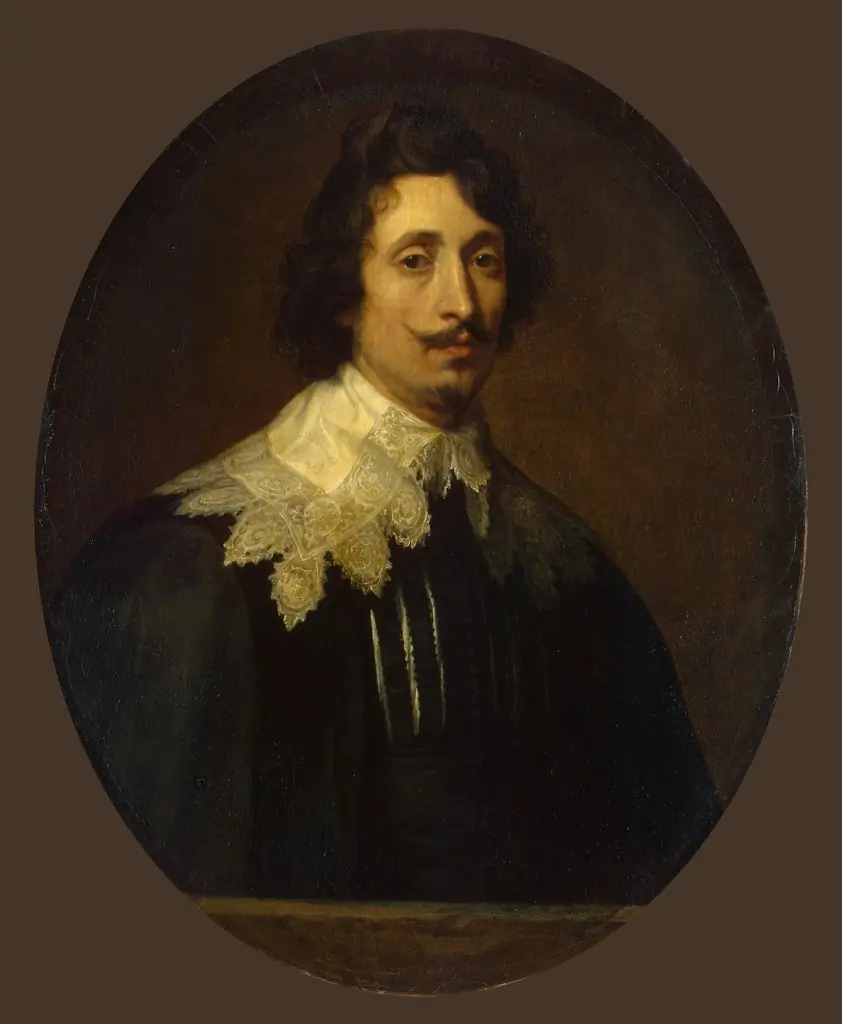 Portrait of a Young Man
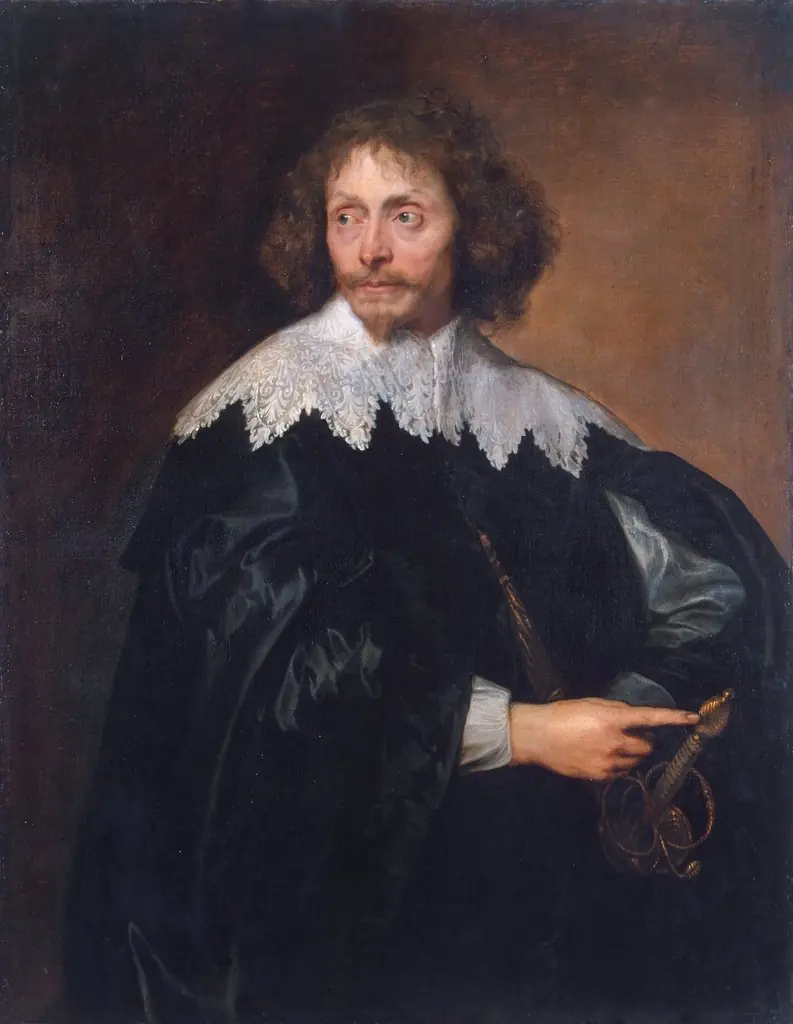 Portrait of Sir Thomas Chaloner
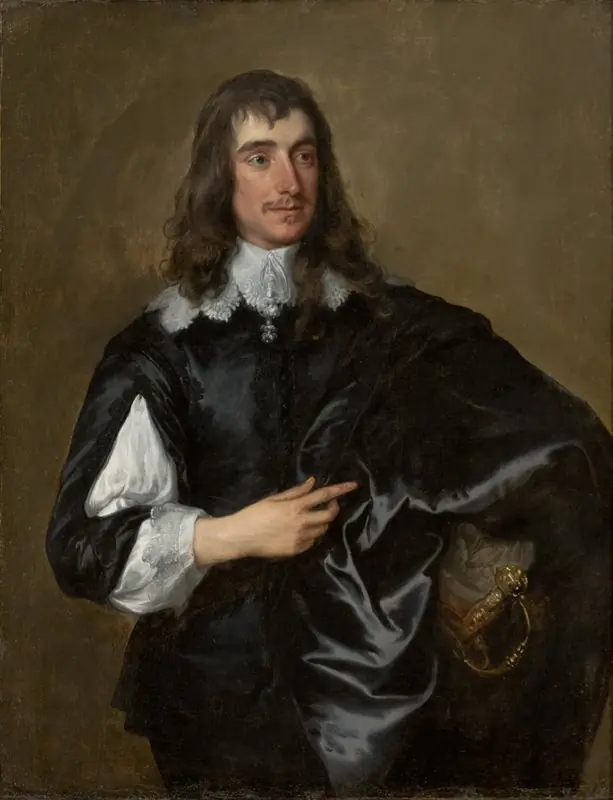 Portrait of a man, possibly William Howard, Viscount of Stafford
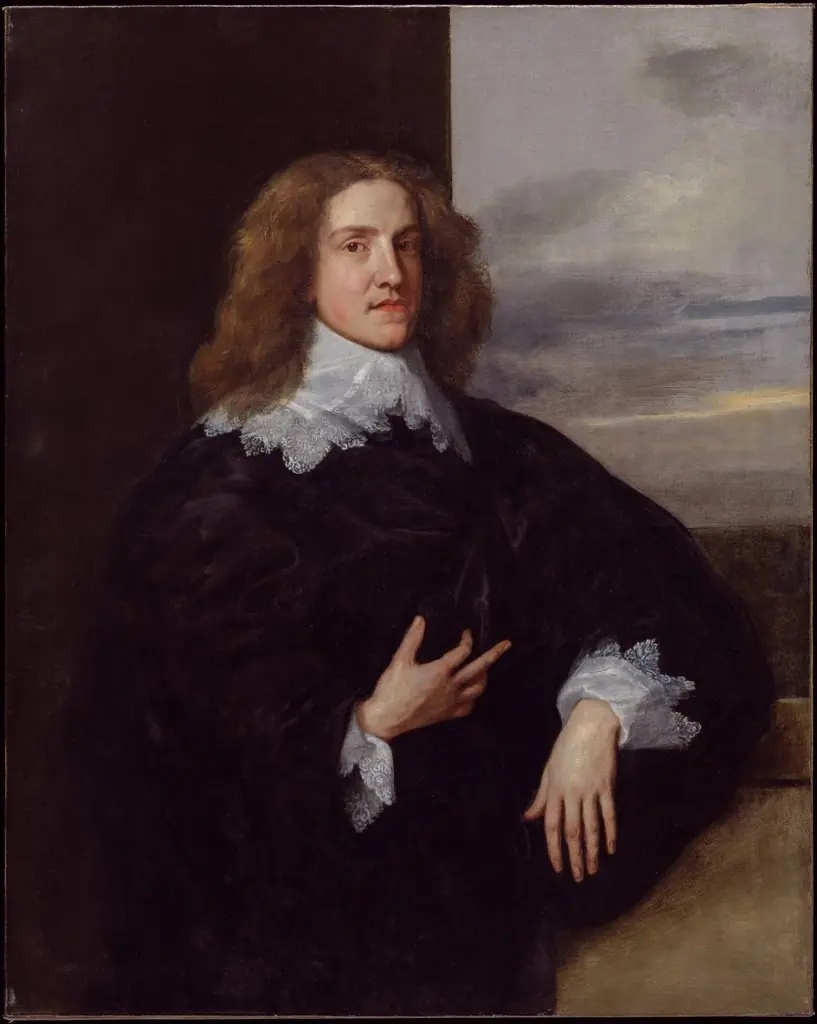 Young Gentleman (Earl of Downe?)
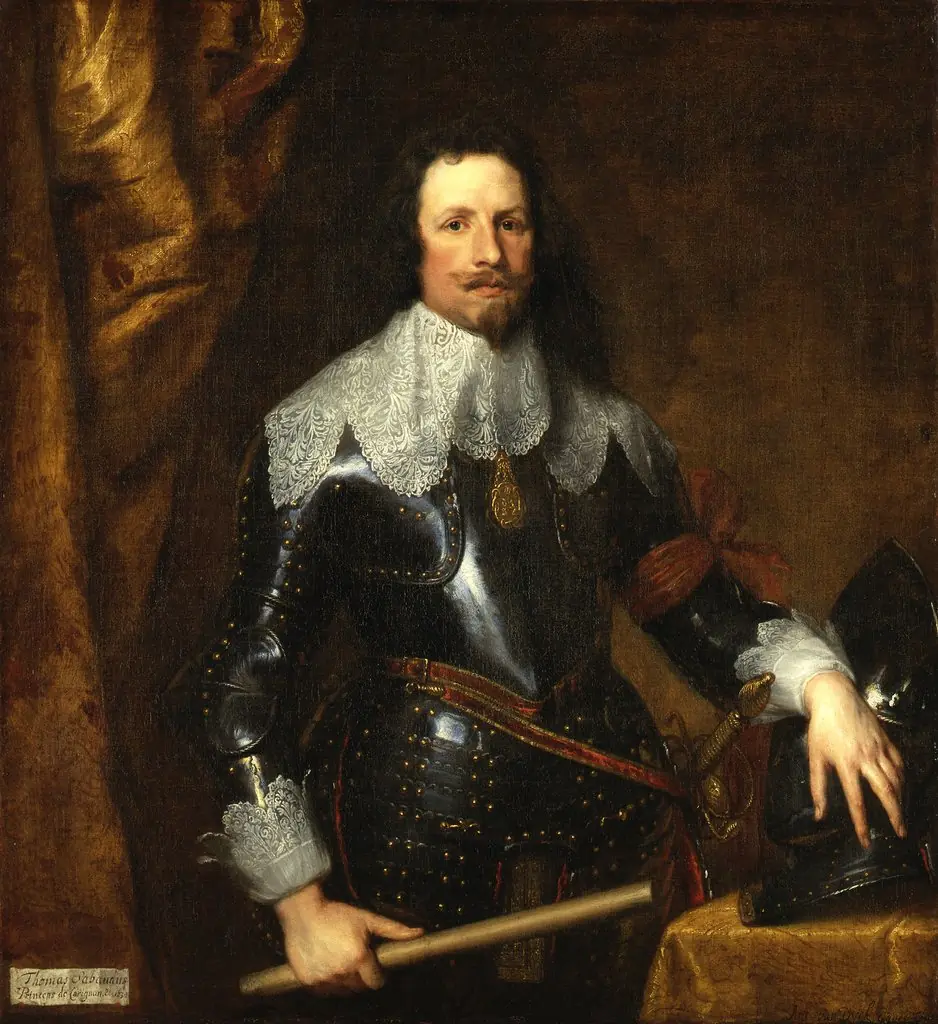 Portrait of Tomaso di Savoia-Carignano
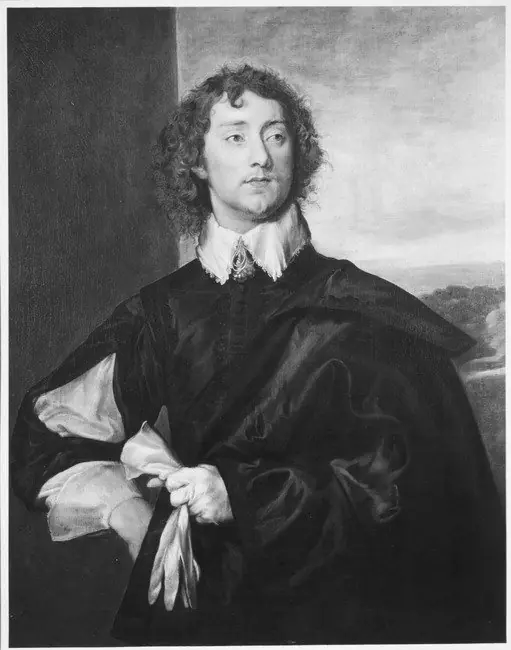 Portrait of Sir Thomas Hanmer
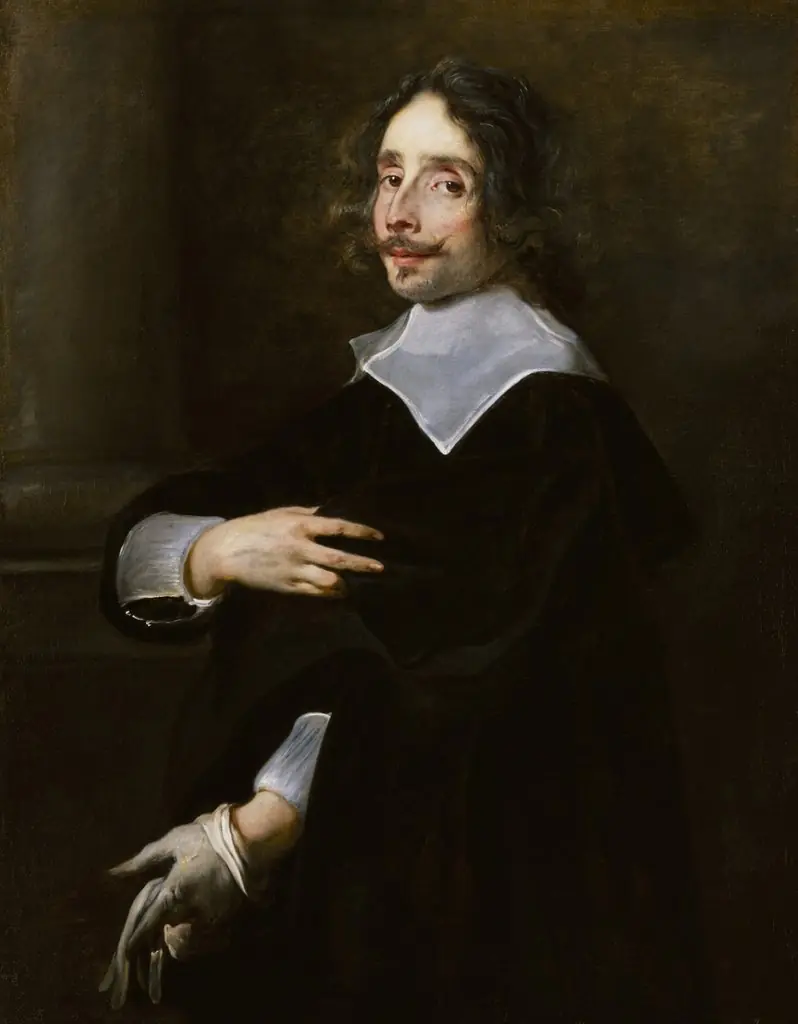 Young Man