Artwork
Armida Encounters the Sleeping Rinaldo
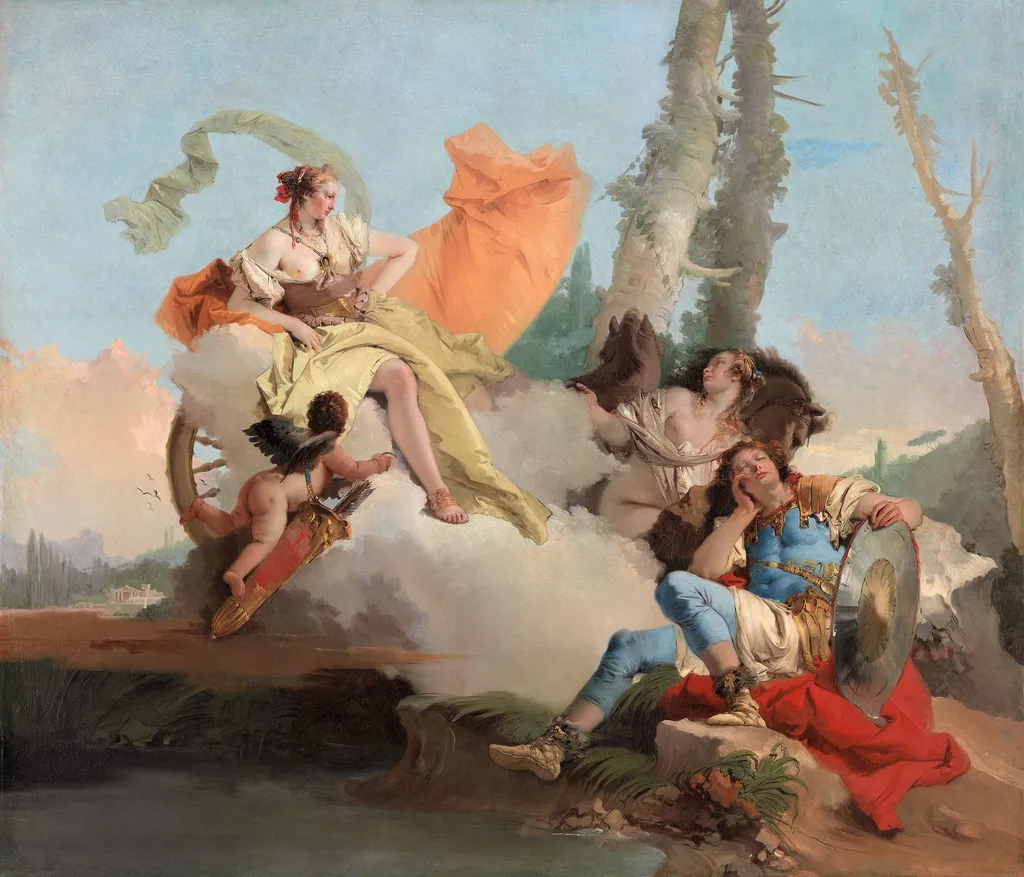
Armida Encounters the Sleeping Rinaldo is an oil painting by the Rococo painting artist Giovanni Battista Tiepolo. It dates from 1742 and is held in the collection of the Art Institute of Chicago.
About this work
Overview
It entered the Art Institute through the bequest of James Deering and is catalogued under accession number 16488 and reference number 1925.
Armida Encounters the Sleeping Rinaldo is an oil on canvas painting by Giovanni Battista Tiepolo, executed between 1742 and 1745. Measuring 187.5 by 216.8 centimeters, the work is held by the Art Institute of Chicago, where it is displayed in Gallery 215. The painting belongs to a suite of four large canvases that once decorated the cabinet of mirrors in the Palazzo Corner (also known as the Palazzo Cornaro) in Venice, illustrating scenes from Torquato Tasso's epic poem Gerusalemme liberata. As a prime example of Tiepolo's mature Venetian Rococo style, the painting demonstrates his mastery of luminous color, dynamic composition, and theatrical narrative on a monumental scale. It entered the Art Institute through the bequest of James Deering and is catalogued under accession number 16488 and reference number 1925.700.
Subject & Meaning
The painting depicts the pivotal moment from Tasso's 1581 epic Jerusalem Delivered when the sorceress Armida, dispatched to destroy the Crusader knight Rinaldo, instead discovers him asleep and falls instantly in love. Set during the First Crusade in the eleventh century, the narrative explores the tension between sacred duty and earthly desire. In Tiepolo's rendering, Armida appears enthroned on a billowing cloud at upper left, clad in yellow with swirling orange and green drapery, her body angled toward the sleeping Rinaldo below. A winged putto bearing a shield and arrows stands beside her, while a wheel-like form emerges from the cloud, suggesting her cloud-borne chariot. Below, Rinaldo rests in blue and gold armor, his head propped on his hand against a shield draped with red cloth, vulnerable in slumber. A female attendant in white reaches toward a dark horse behind her. The composition rises diagonally from the sleeping knight at lower right toward the elevated Armida, creating a visual trajectory of enchantment and impending transformation. Although Tasso's poem dramatizes the conflict between love and duty, Tiepolo's treatment, with its effervescent colors and dreamlike atmosphere, seems to evoke only love's enchantment, suspending moral judgment in favor of magical wonder.
Technique & Style
Tiepolo executed the work in oil on canvas, employing the characteristic techniques of Venetian Rococo painting. The surface displays smooth brushwork that renders luminous skin and flowing fabrics with particular delicacy, while the clouds achieve soft, volumetric effects through dense, creamy paint application. The palette juxtaposes warm oranges and yellows against cool blues and greens, with light falling evenly across the figures to create gentle shadows. The artist arranged draperies, clouds, and trees to animate the composition, treating the canvas with theatrical flair suited to its original palace setting. This combination of virtuosic draftsmanship with seemingly spontaneous execution represents the formula that made Tiepolo the preeminent decorative painter of eighteenth-century Europe. The painting's substantial scale, 187.5 by 216.8 centimeters, demanded a technique capable of sustaining impact across a large hall, which Tiepolo achieved through his characteristic luminosity and open atmospheric effects.
History & Provenance
The painting was created between 1742 and 1745 as part of a decorative suite for the Palazzo Corner in Venice, where it likely graced a large hall along with companion pieces depicting other episodes from the Armida and Rinaldo story. The Art Institute of Chicago acquired the work through the bequest of James Deering, with the credit line indicating this mode of transfer. The provenance also includes ownership by Charles Sedelmeyer. The painting is currently on view at the Art Institute in Gallery 215, within the Department of Painting and Sculpture of Europe, and is accessible through the museum's IIIF manifest for digital study. While specific exhibition history is not detailed in the available sources, the work's presence in a major American encyclopedic museum has ensured its continued visibility and scholarly attention.
Context
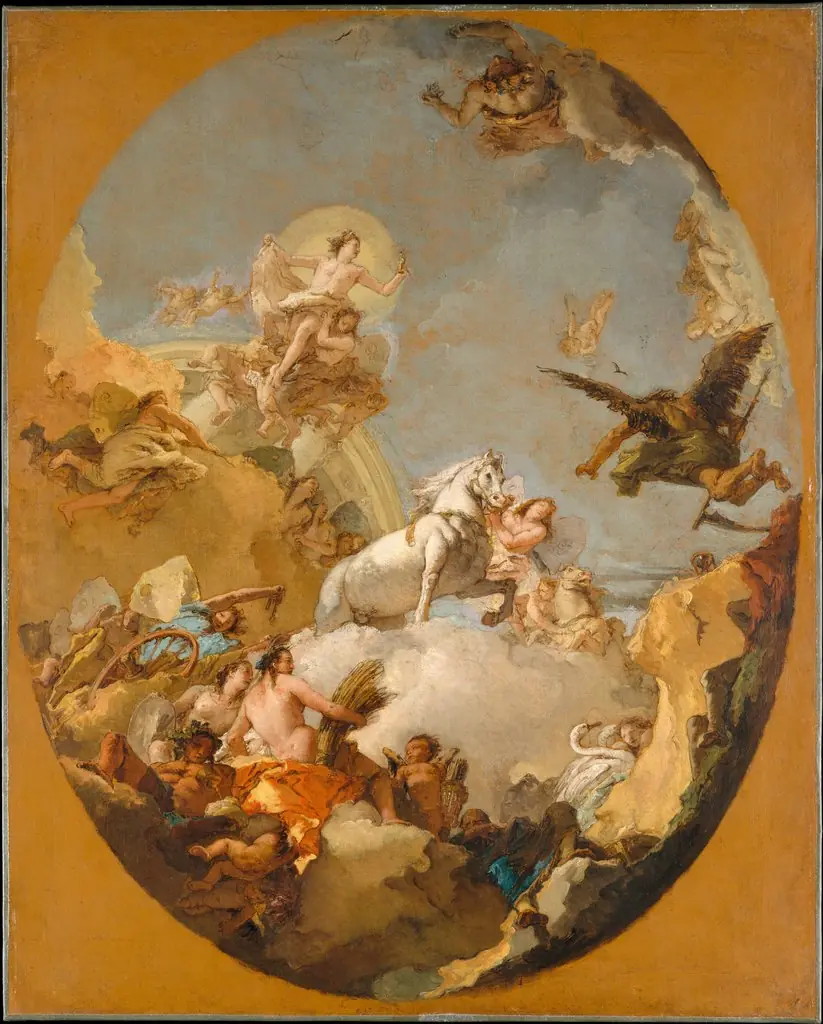
Tiepolo painted Armida Encounters the Sleeping Rinaldo during his mature period in Venice, when he had established himself as the most sought-after decorative painter in Europe, working for both the Catholic Church and the nobility. The subject of Armida and Rinaldo held extraordinary popularity in the eighteenth century, inspiring numerous operas, plays, and paintings across Europe. The Cornaro family's commission of this suite reflects the cultural prestige of Tasso's poem among Venetian aristocratic patrons. The four canvases at the Art Institute, together with smaller decorative panels and a ceiling painting, formed a comprehensive decorative program for the palazzo's cabinet of mirrors, demonstrating how Tiepolo tailored his narrative cycles to specific architectural environments. This period also saw Tiepolo producing his influential etching series, the Capricci and Scherzi, which shared with his paintings a fascination with fantasy, theatricality, and the suspension of narrative in moments of transformation. The work exemplifies how Tiepolo merged mythological and literary themes with a distinctly Venetian sensibility for color and light, contributing to the international diffusion of Rococo aesthetics.
Legacy
As part of Tiepolo's output for Venetian palaces, Armida Encounters the Sleeping Rinaldo represents the artist's capacity to transform literary narrative into visually enchanting spectacle. The painting's afterlife has been shaped by its residence in the Art Institute of Chicago, where it serves as a key example of eighteenth-century European painting for American audiences. The work continues to generate scholarly and public interest as a demonstration of Tiepolo's unique position between the Baroque tradition and the emerging Rococo style, and as evidence of the enduring European fascination with Tasso's epic during the Enlightenment. Its companion pieces in the same museum collection allow viewers to reconstruct the original decorative ensemble, offering rare insight into Tiepolo's practice of creating integrated narrative cycles for private patrons. The painting remains a touchstone for understanding both Tiepolo's individual achievement and the broader cultural phenomenon of literary illustration in eighteenth-century European art.
Own this work as a print
Artist & collection

Artist
Giovanni Battista Tiepolo, also known as Giambattista Tiepolo, was an Italian painter and printmaker from the Republic of Venice who painted in the Rococo style, considered an important member of the 18th-century Venetian school.




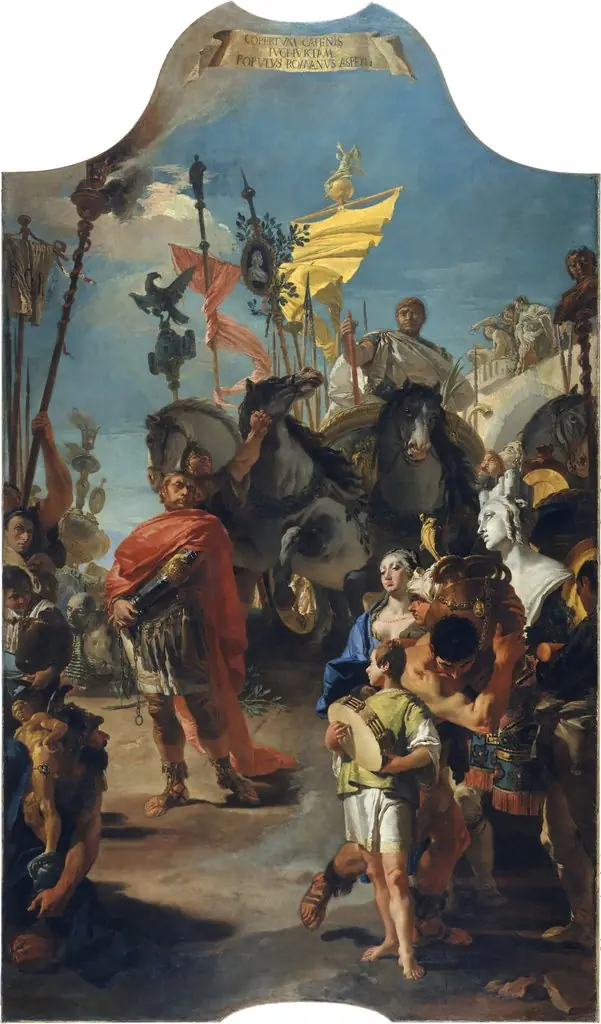
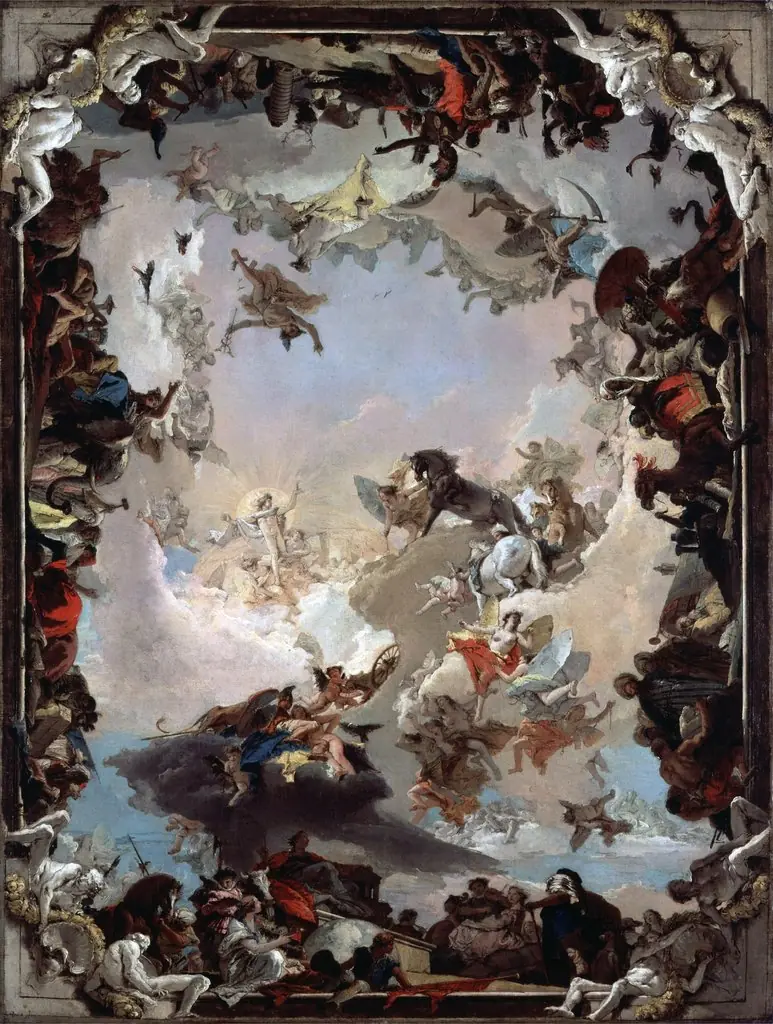
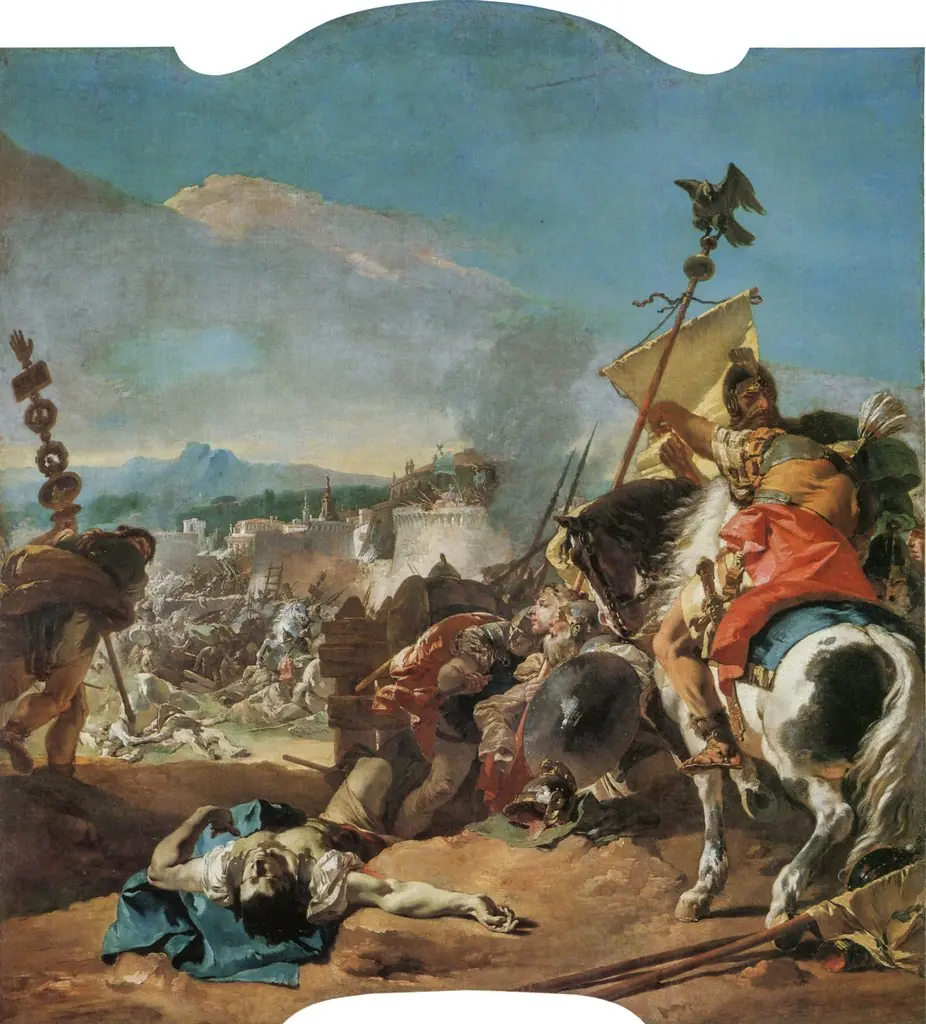
- Armida Encounters the Sleeping Rinaldo
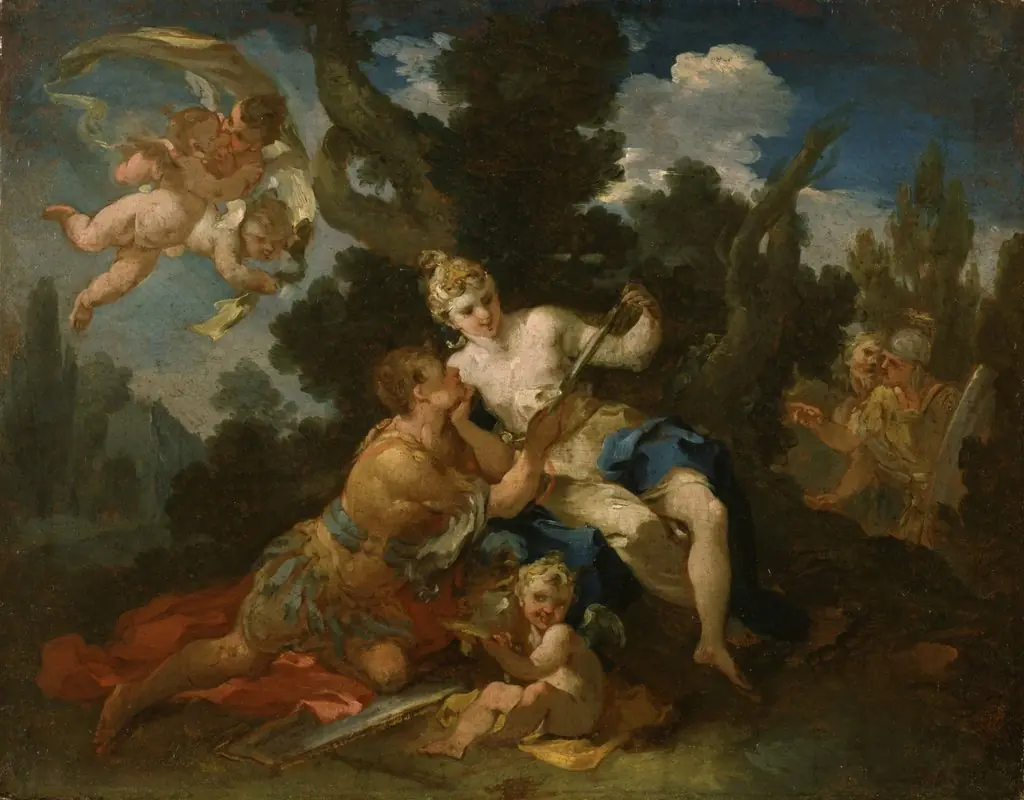 Rinaldo and Armida
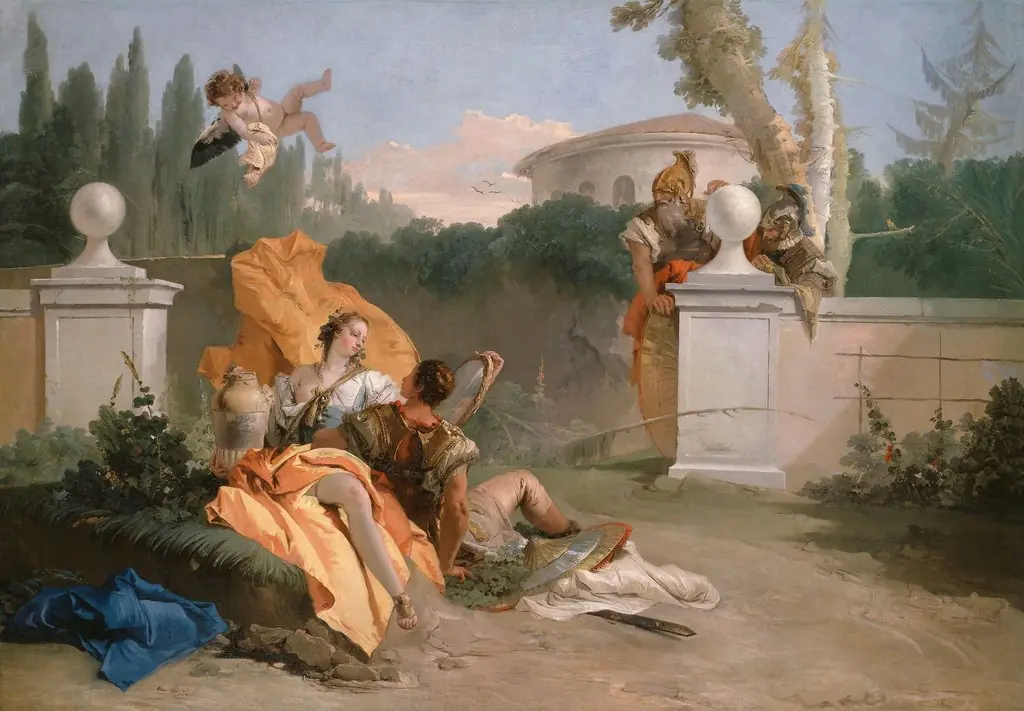 Rinaldo and Armida in Her Garden
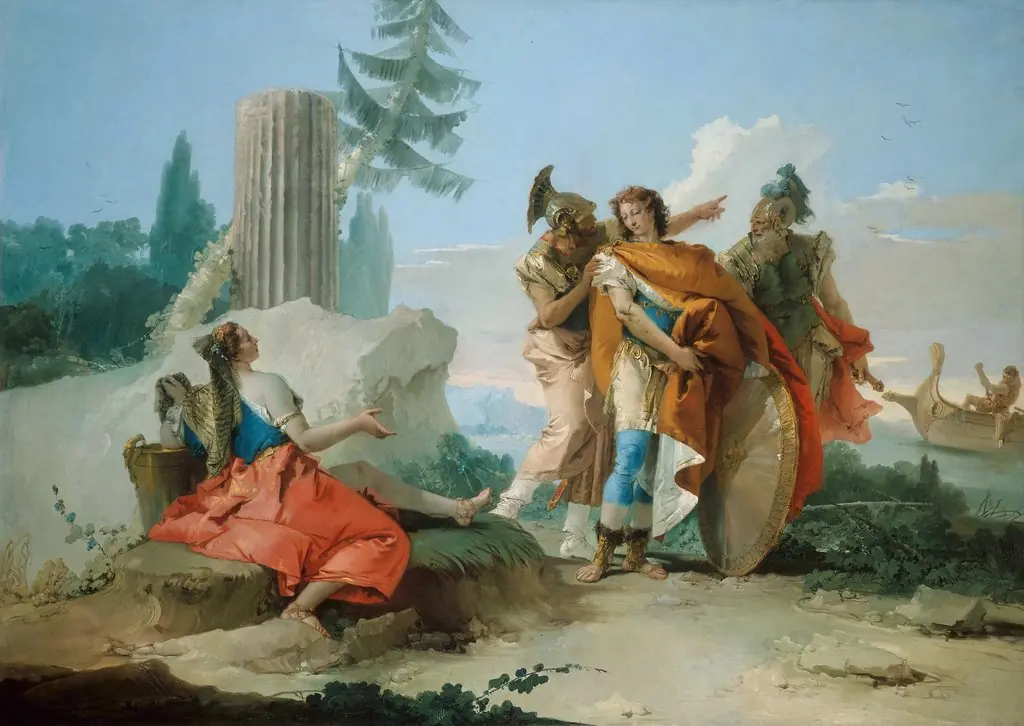 Armida Abandoned by Rinaldo
 Rinaldo and Armida in Her Garden
 Armida Abandoned by Rinaldo
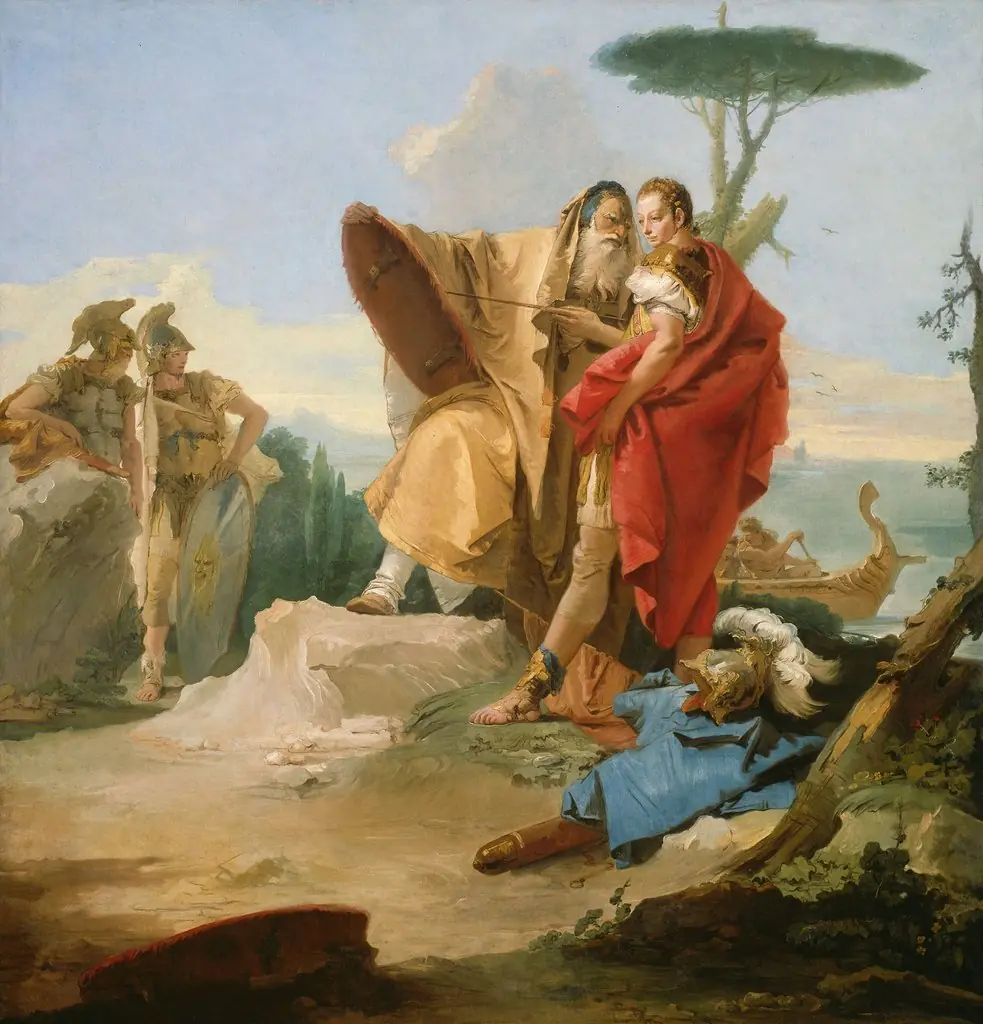 Rinaldo and the Magus of Ascalon
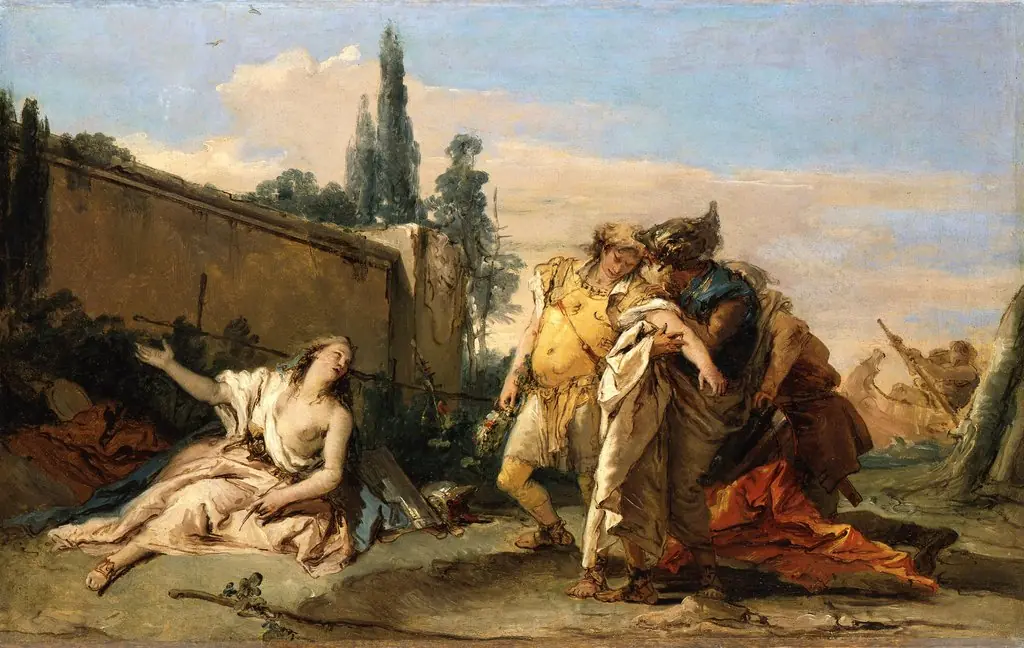 Rinaldos farewell from Armida
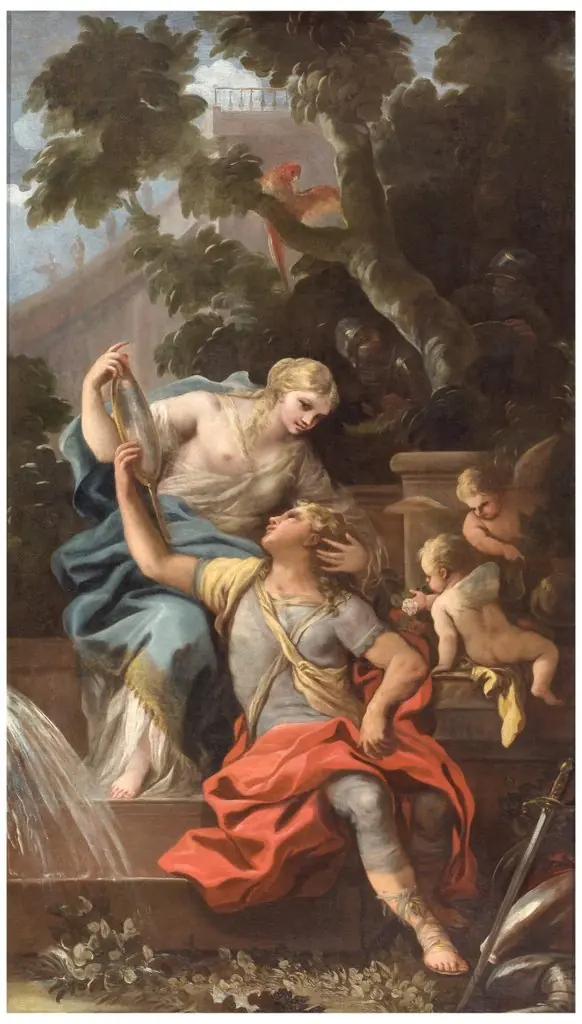 Armida and Rinaldo
 Carlo and Ubaldo Resisting the Enchantments of Armida's Nymphs