Artwork
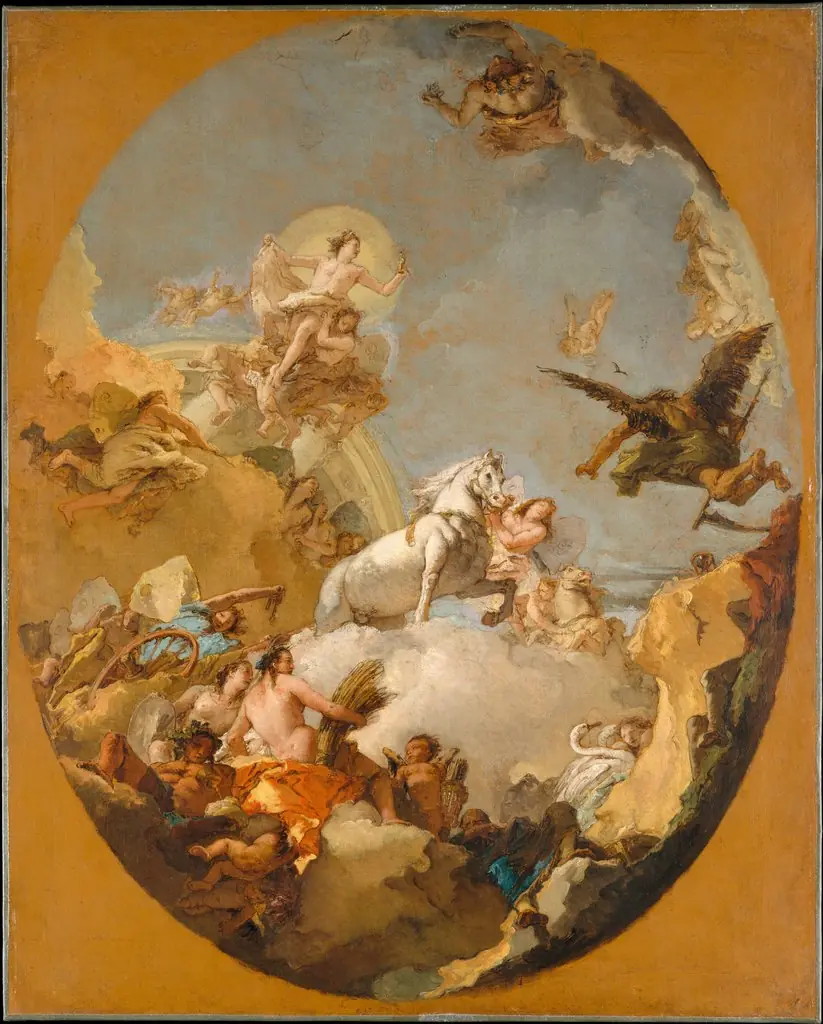
Virtue and Abundance
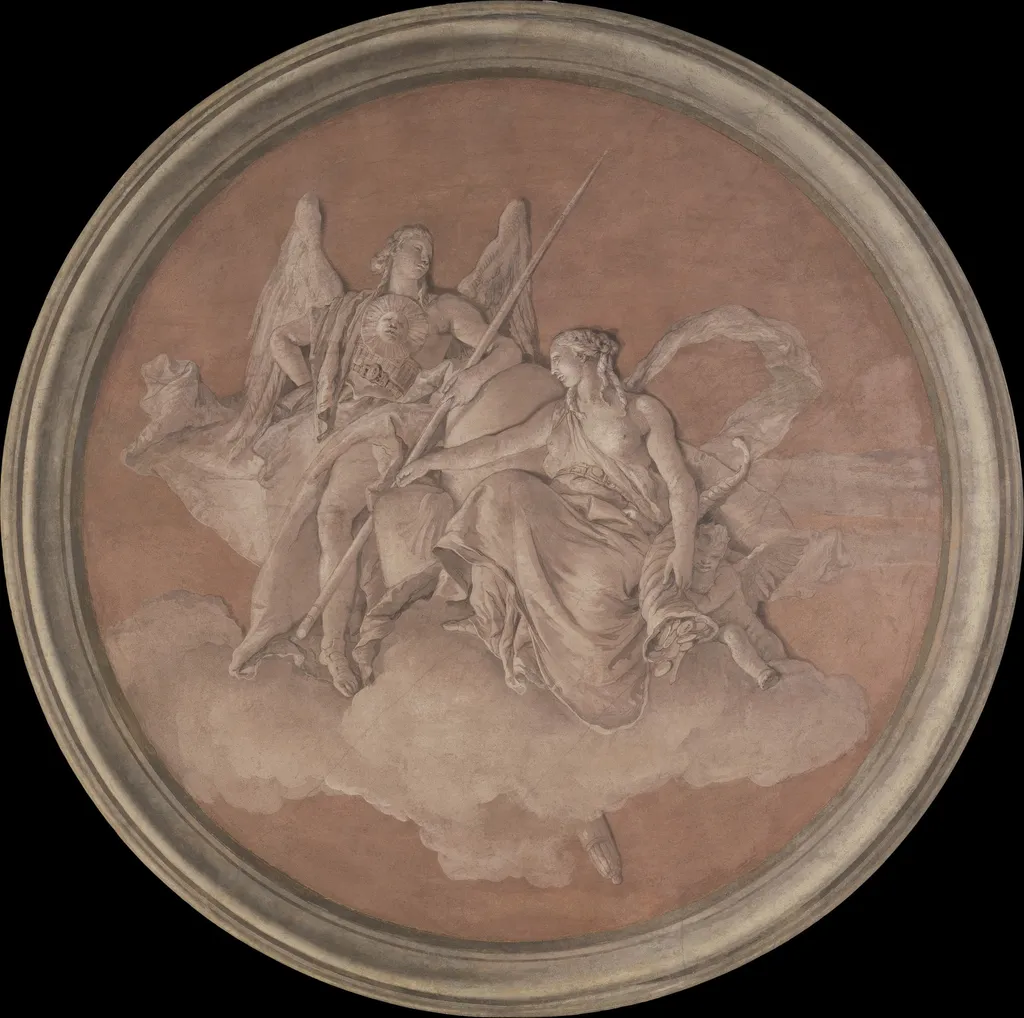
Virtue and Abundance is an unspecified painting by the Rococo painting artist Giovanni Battista Tiepolo. It dates from 1760 and is held in the collection of the Metropolitan Museum of Art.
About this work
Subject & Meaning
These elements serve as the primary iconographic components through which the artist visualizes the themes of moral excellence and prosperity.
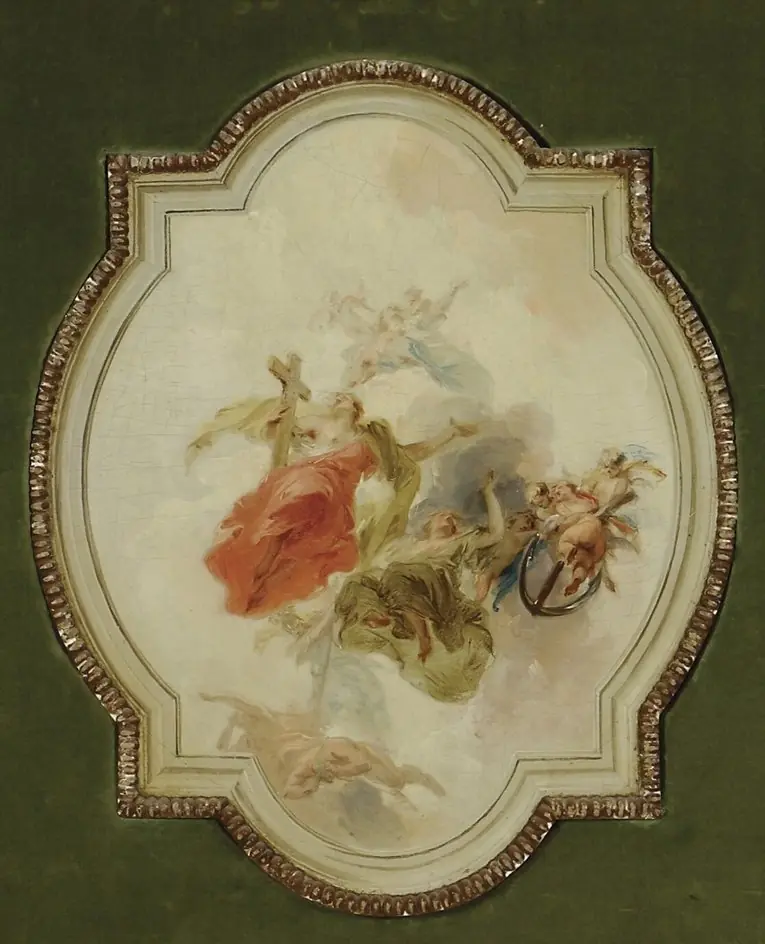
Giovanni Battista Tiepolo's 1760 painting, Virtue and Abundance, is an allegorical work characteristic of the Rococo movement. The composition depicts personified figures representing the titular concepts, specifically featuring a nude figure alongside putti. These elements serve as the primary iconographic components through which the artist visualizes the themes of moral excellence and prosperity. The work functions as a symbolic representation of these abstract ideals rather than a narrative scene.
History & Provenance
Virtue and Abundance is a painting by Giovanni Battista Tiepolo, created in 1760 and classified as a work of the Rococo movement. The canvas entered the collection of the Metropolitan Museum of Art, where it is catalogued as part of the museum’s holdings. Its inception is recorded as 1 January 1760, establishing the year of execution.
No documentation of a specific commission survives, and the early ownership chain before museum acquisition is not detailed in the sources. The work depicts allegorical figures of virtue and abundance, consistent with Tiepolo’s decorative subjects.
Virtue and Abundance, painted by Giovanni Battista Tiepolo in 1760, is held in the collection of the Metropolitan Museum of Art. The work is associated with that institution's holdings, as recorded in structured data linking the painting to the museum's collection and location.
No specific inventory or accession number is documented in the available sources, and no exhibition history is recorded for the work beyond its placement within the Metropolitan Museum of Art's collection.
Overview
Giovanni Battista Tiepolo's painting, Virtue and Abundance, completed in 1760, is housed at The Metropolitan Museum of Art. This allegorical work features two primary winged figures, accompanied by a putto, rendered in a style characteristic of the Rococo movement. The composition suggests a symbolic narrative, inviting viewers to interpret the interaction between the personifications depicted.
Technique & Style
Tiepolo's Virtue and Abundance exemplifies the Rococo aesthetic through its light palette and graceful composition. The figures are depicted with flowing drapery and relaxed postures, set against a backdrop of soft, airy clouds. The artist employs delicate brushwork and subtle transitions of light and shadow, contributing to a dreamy and ethereal atmosphere. This approach creates a sense of effortless movement and celestial beauty.
Own this work as a print
Artist & collection

Artist
Giovanni Battista Tiepolo, also known as Giambattista Tiepolo, was an Italian painter and printmaker from the Republic of Venice who painted in the Rococo style, considered an important member of the 18th-century Venetian school.

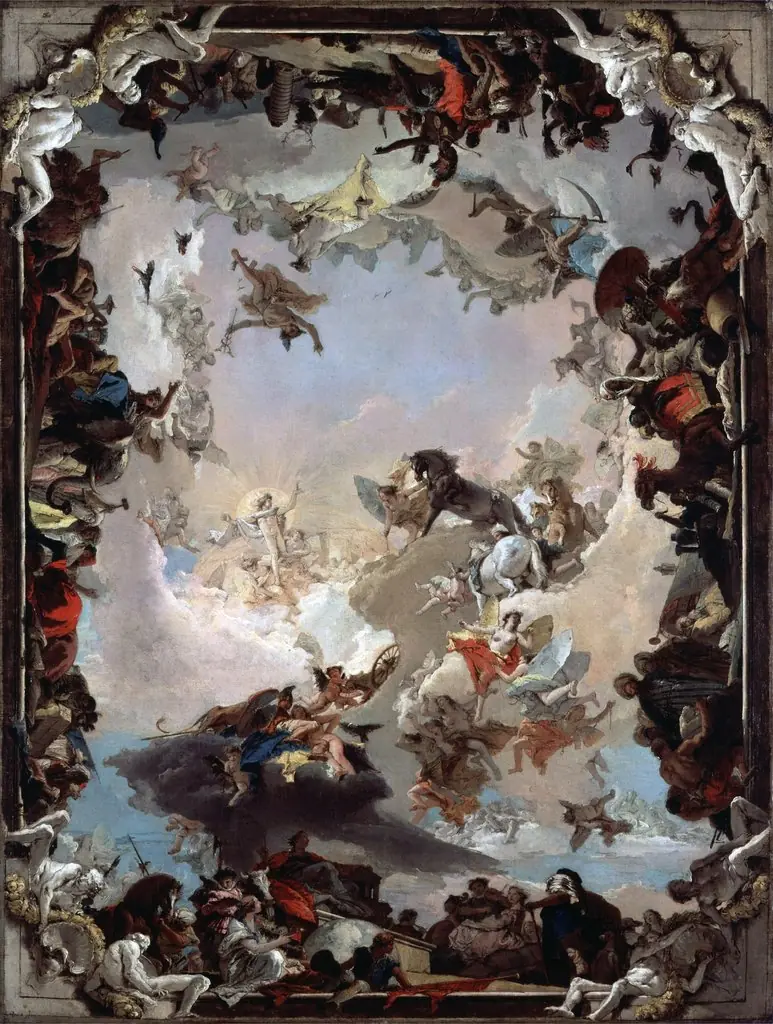
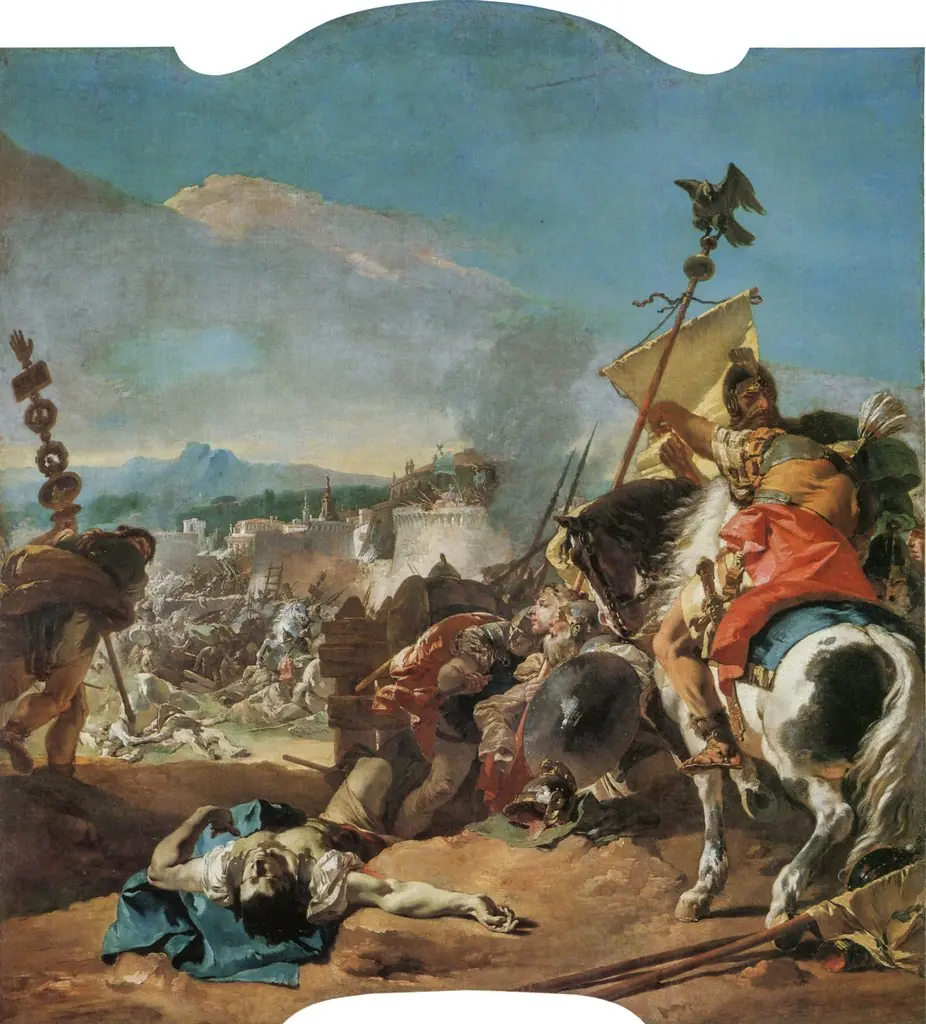
- Allegory of Government: Wisdom Defeating Discord
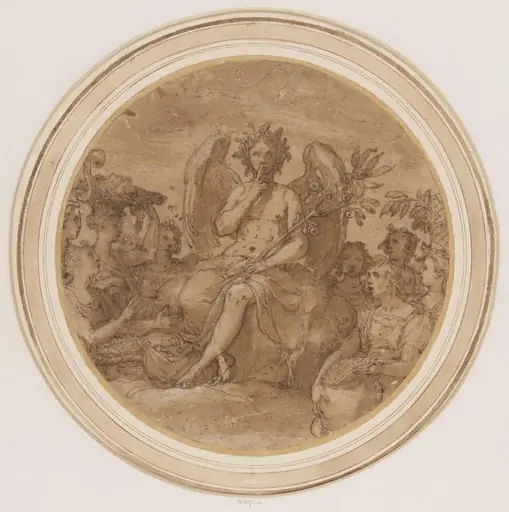 Harpocrates (or Horus), God of Silence
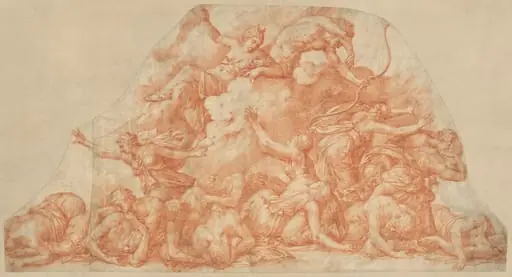 Diana and Apollo Slaughtering the Children of Niobe
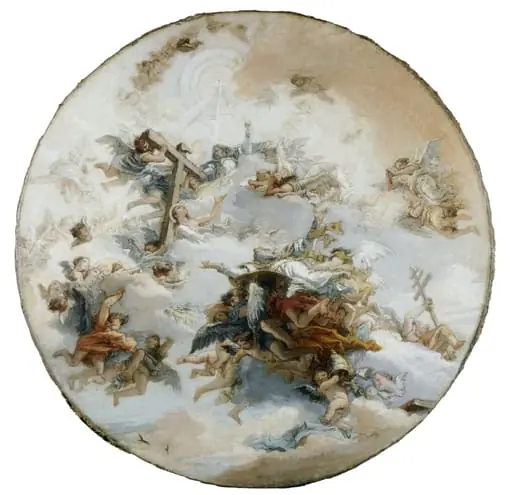 St Leo in Glory (sketch for the ceiling of the church of San Lio, Venice)
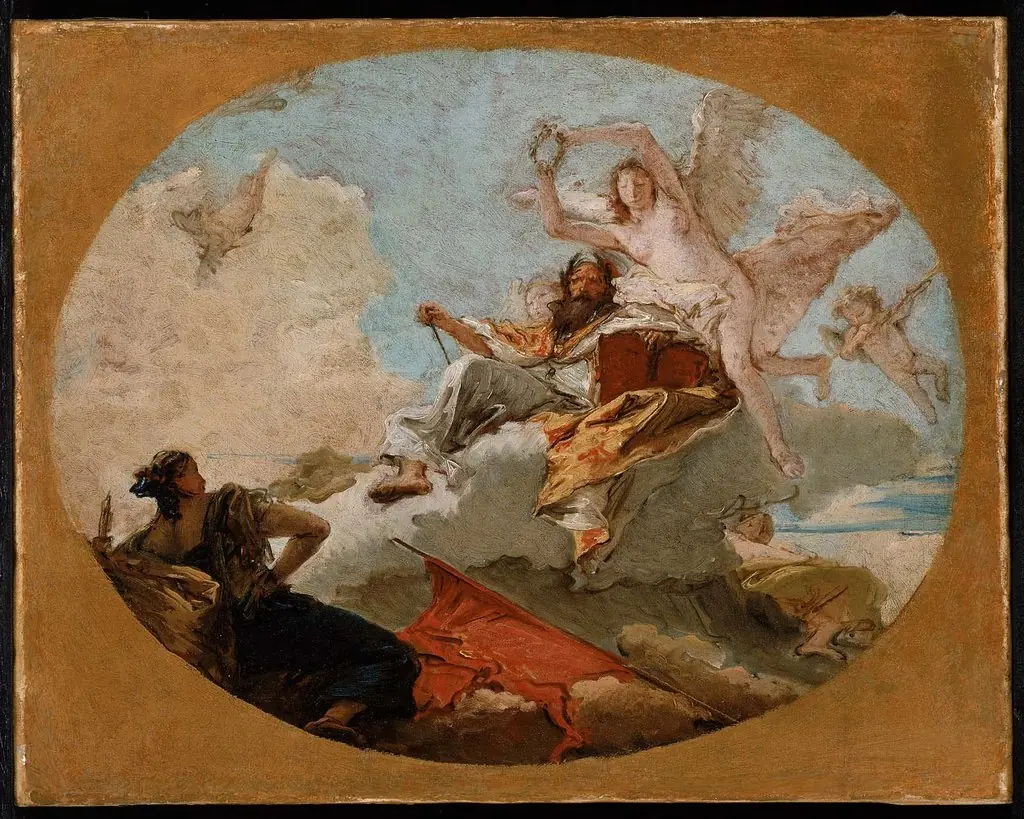 The Crowning of Merit
 The Judgment of Paris
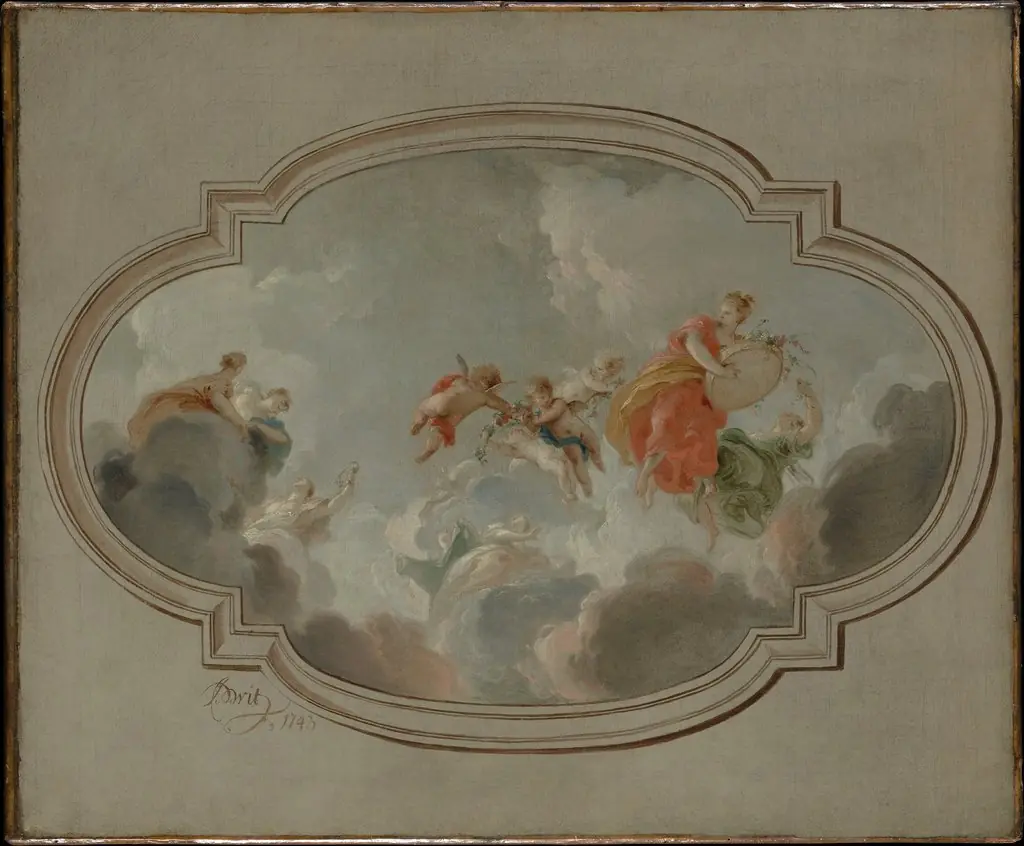 Flora and Zephyr
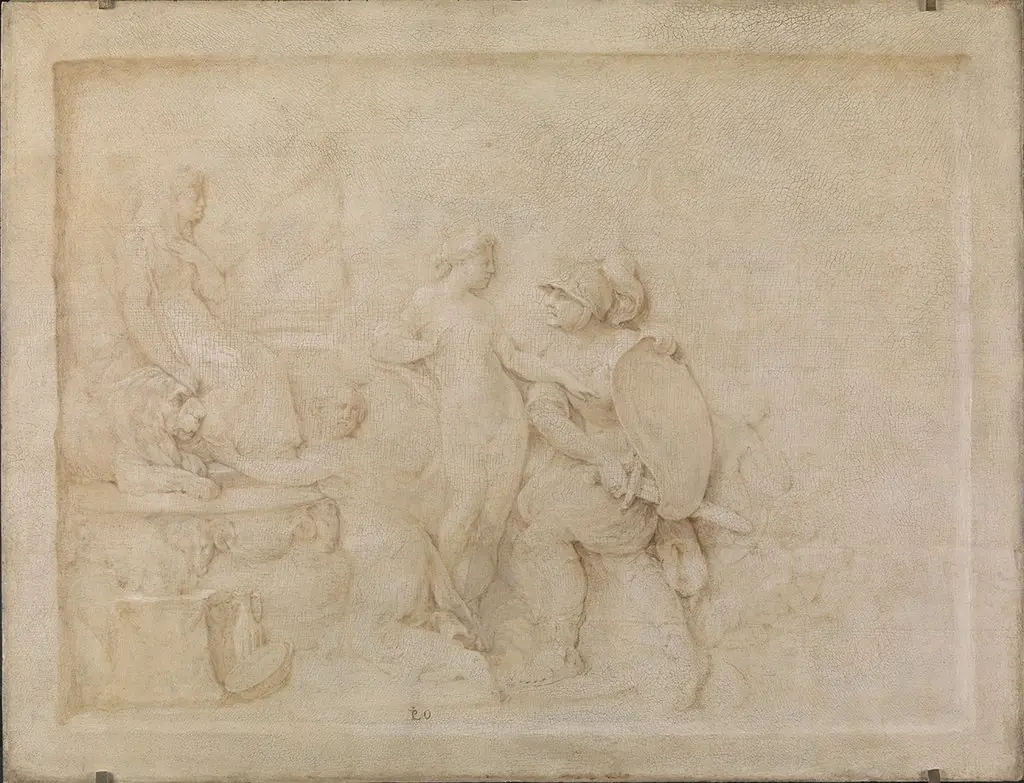 Aeneas hindres af Venus i sin hævn mod Helena, som har søgt tilflugt ved Cybeles alter
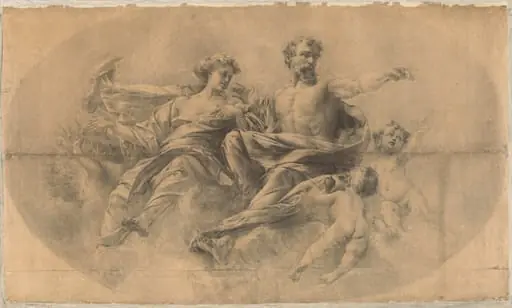 Zeus and Hera
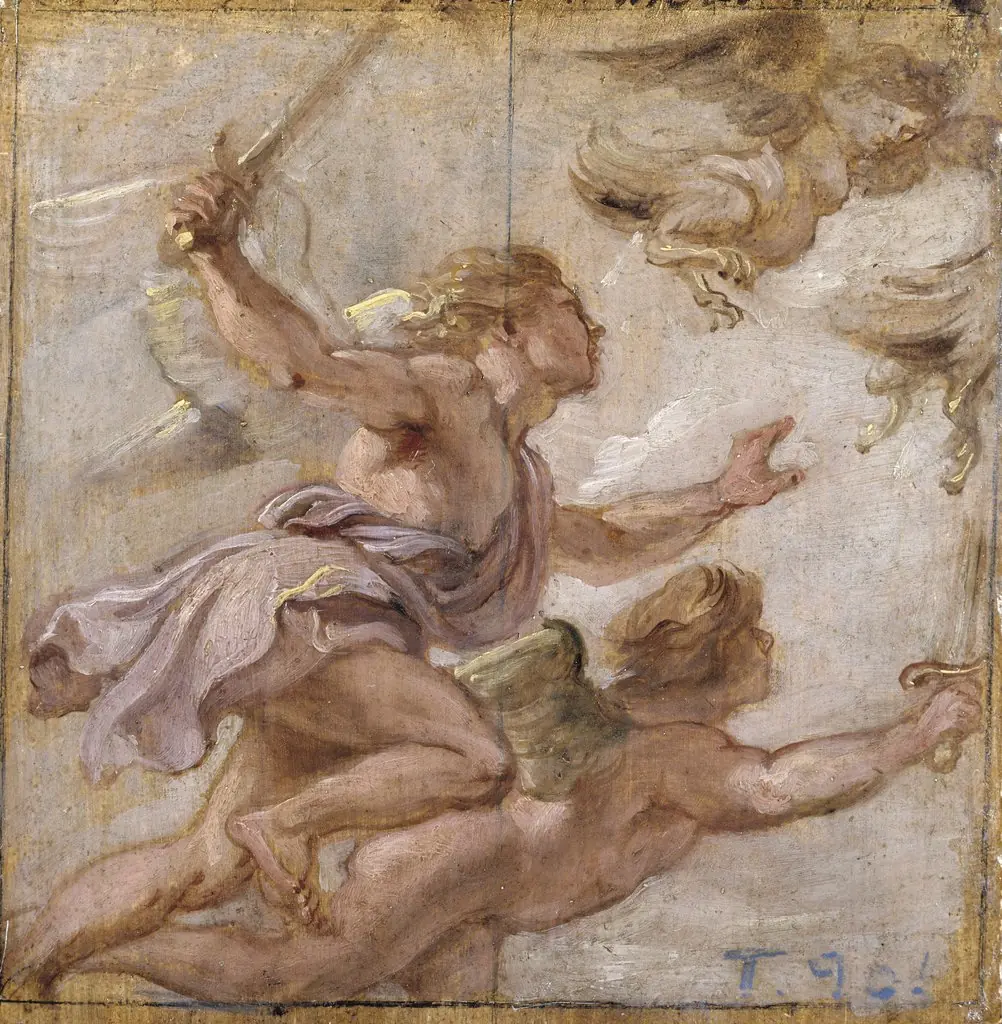 The Persecution of the Harpies
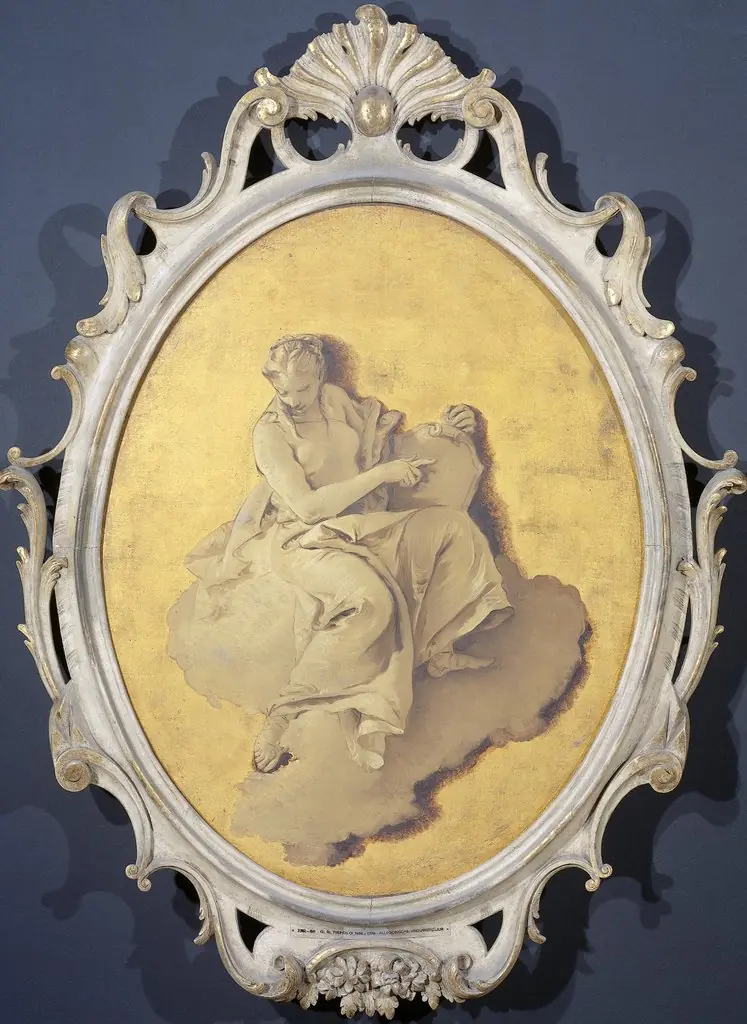 Allegorical Figure of a Woman with a Shield or a Mirror (Prudence?)
 Triumph of the three Christian Virtues